

Floor Electrical Boxes in Electrical Boxes
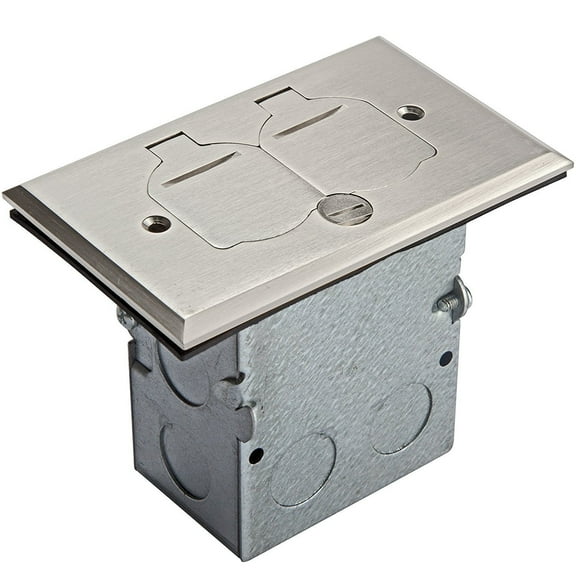

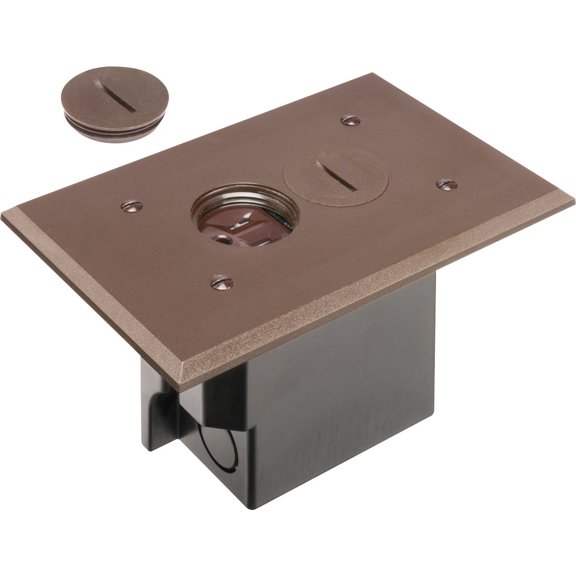

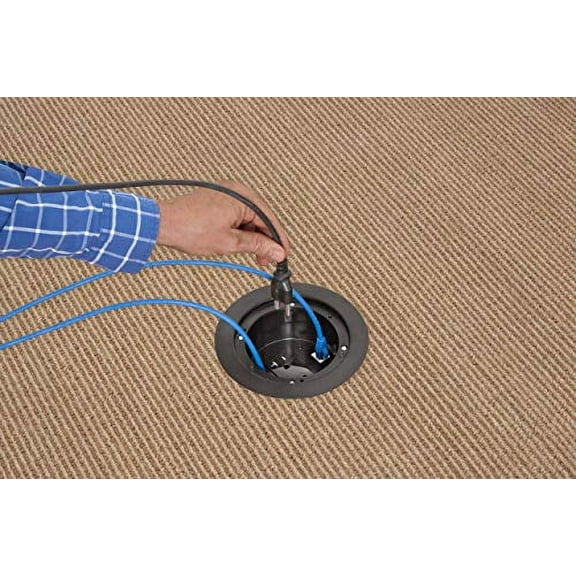
![RiteAV 3.5mm HDMI Floor Box [Black]](https://i5.walmartimages.com/seo/RiteAV-3-5mm-HDMI-Floor-Box-Black_f4b9da04-e88e-4cd9-a135-3f6ad6860665.aa036293c8d6d55662942583c5153e50.jpeg?odnHeight=576&odnWidth=576&odnBg=FFFFFF)
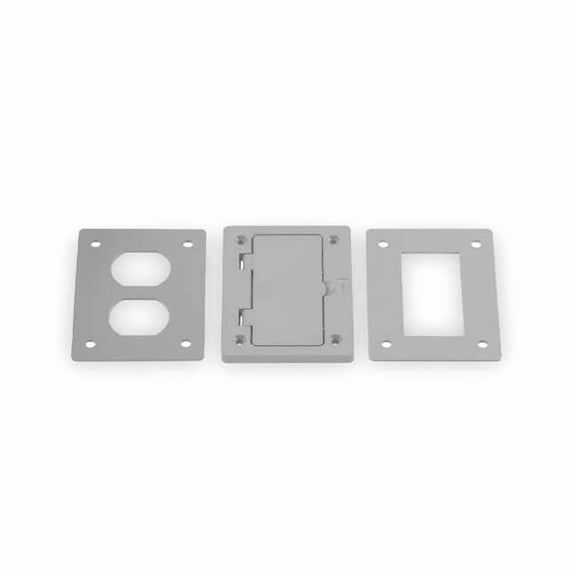





















![RiteAV 2 HDMI Floor Box [Stainless Steel]](https://i5.walmartimages.com/seo/RiteAV-2-HDMI-Floor-Box-Stainless-Steel_e00ced5f-b805-4e73-8d07-3ac26785b956.095b5571d29919aa310e5002bf840cf2.jpeg?odnHeight=576&odnWidth=576&odnBg=FFFFFF)

About Floor Electrical Boxes in Electrical Boxes - Walmart.com
You can compare each floor box by material, installation type, cover design, and capacity before you wire a room. You’ll use this guide to match your floor opening, finish, and outlet access needs.
Choosing the right floor box for your space
When you plan power access from the floor, you’ll want a box that fits your subfloor and room layout. You’ll also want a cover style that keeps cords organized and the surface neat.
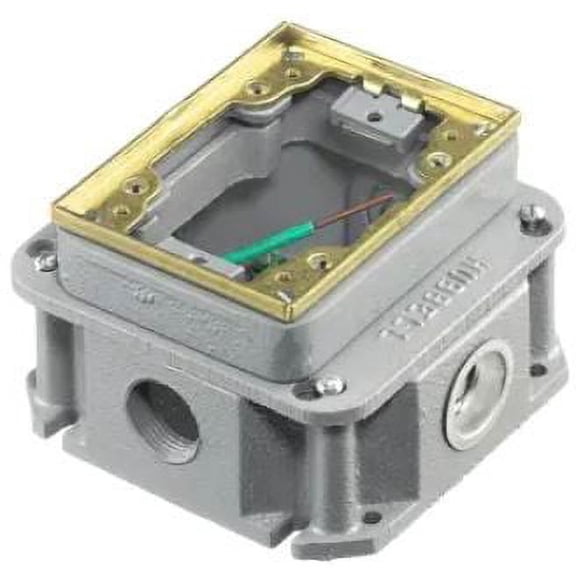
Material matters because your floor opening sees regular foot traffic and visible wear. You may prefer brass or nickel for a finished look, while plastic or PVC can suit utility-focused spaces.
Installation type shapes your options from the start, so you should check the floor build before comparing covers. You’ll usually choose between concrete pour, wood subfloor, and raised floor formats.
- You can route power closer to seating areas, desks, and conference tables.
- You can keep extension cords off walkways and maintain a cleaner room layout.
- You can choose a finish and profile that blends with visible flooring surfaces.
- You can match outlet access to active rooms or lower-profile spaces.
How to compare materials and finishes
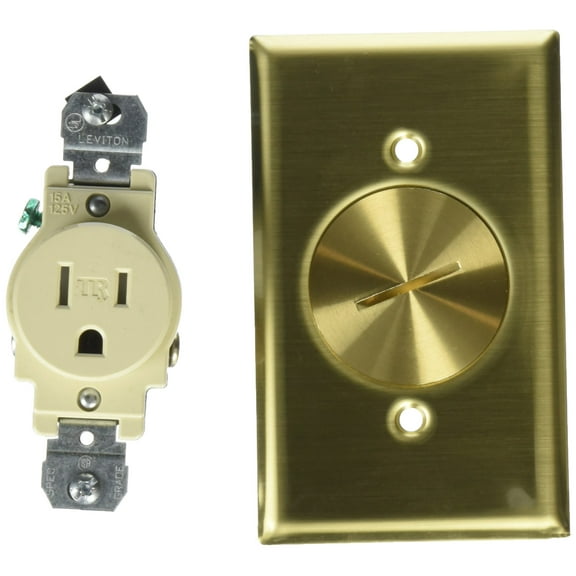
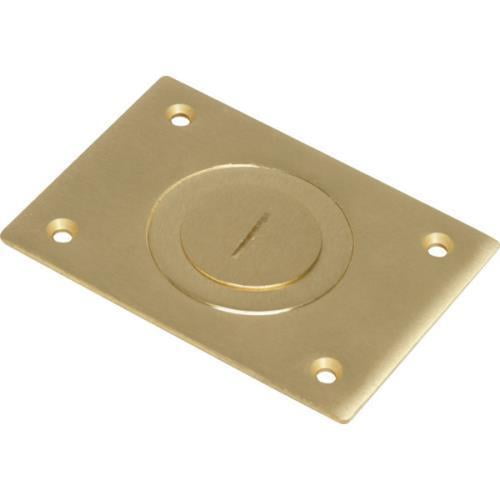
If appearance matters in finished rooms, you may compare brass and nickel covers first. You’ll often use these finishes where the cover stays visible against hardwood, tile, or finished concrete.
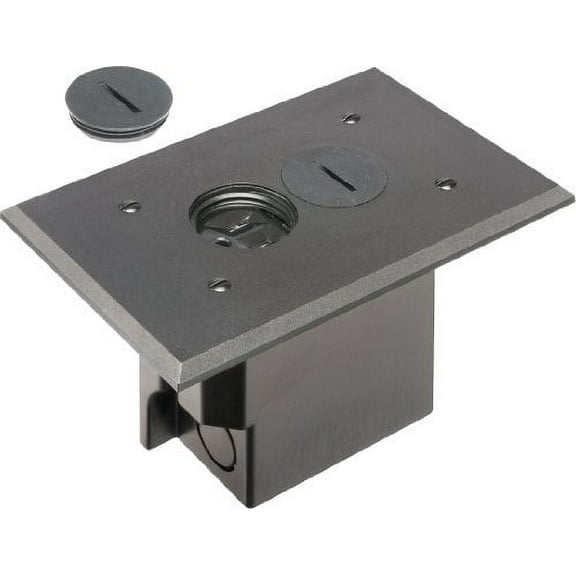
If utility and moisture resistance are key priorities, you may look at plastic or PVC options. You’ll often see these materials in work areas, remodel projects, and practical installations.
Cover finish affects daily wear, so you should think about traffic patterns and furniture placement. You’ll want a surface that fits your hardware tones and still looks consistent over time.
How to choose installation type and box depth
Subfloor compatibility is one of your key decisions because each opening needs a specific housing style. You should check whether your project uses a concrete pour, a wood subfloor, or a raised floor.
For concrete pours, you’ll need a box designed to set before the slab cures. For wood subfloors, you’ll usually look for cut-in or retrofit styles that fit framed flooring systems.
Raised floor systems call for boxes that align with modular panels and accessible underfloor space. You’ll want to measure panel depth and opening size before choosing a housing.
Box depth matters because you need room for wiring and conduit connections below the cover. You should compare wire volume allowance and conduit size support when your installation goes beyond a basic feed.
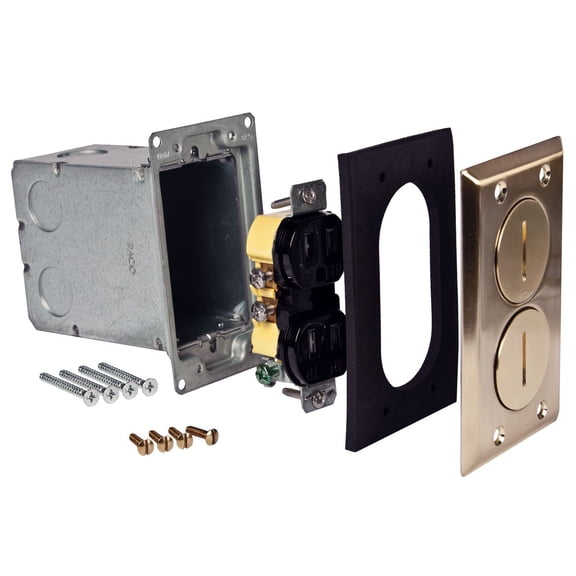
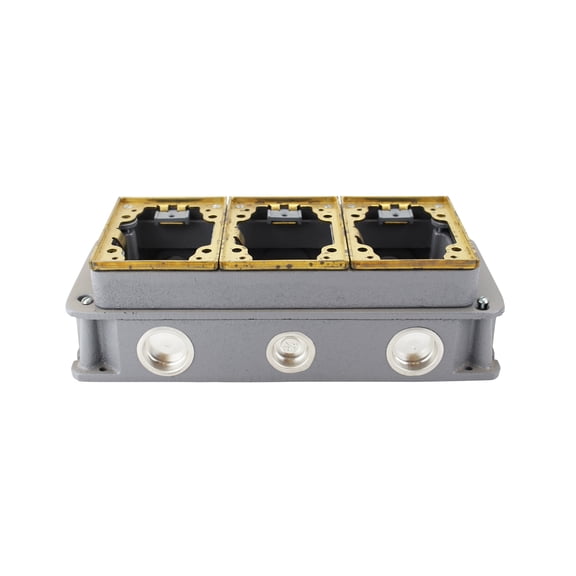
Gang capacity also guides your decision, especially when you need power, data, or extra receptacle positions together. You can choose one-gang, two-gang, or multi-gang layouts based on your outlet count.
What to look for in cover design
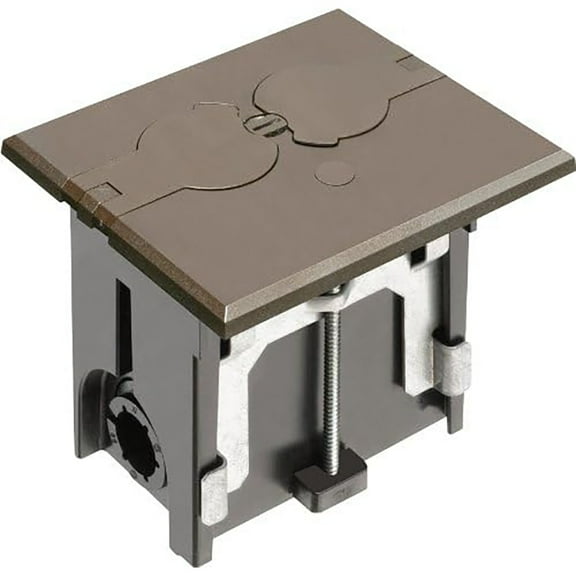
Cover design changes how you access power and how the floor looks between uses. You’ll often compare pop-up, flush, and recessed styles based on visibility and convenience.
Pop-up designs can work well when you need frequent access at a desk or table. You’ll notice they keep connections close at hand during active use.
Flush covers can suit walkways and open rooms where you want a lower-profile surface. You may prefer them when the box stays closed for long stretches.
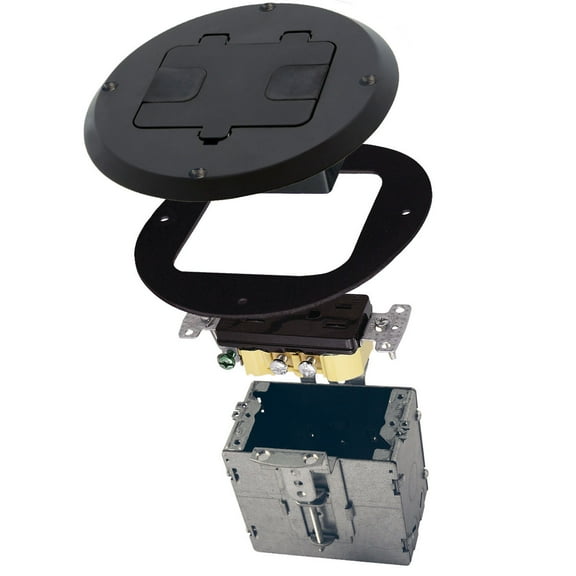
Recessed designs give you space for plugs and cords below the top surface. You’ll often consider them when you want connected devices without a raised lid above the floor line.
Using a floor box in different rooms
In living rooms, you might place power near a sofa to support lamps or charging access. You’ll want a finish that works with visible flooring and nearby hardware.
In home offices, you may need outlets under a desk or near a conference-style table. You can compare pop-up or recessed covers when cords stay in use during the day.
For retail counters or reception areas, you’ll often need a neat path for power in open floor space. You should check gang capacity when several connections need one access point.
In remodel projects, you may be matching existing flooring, trim tones, and subfloor construction. You can get a cleaner fit when you measure opening size, floor depth, and cover clearance before installation.
For utility rooms or workshop spaces, you may prioritize practical housing and wiring access. You can focus on plastic or PVC options and the right installation format for the floor build.
Why these floor box choices matter
When you compare materials, subfloor types, cover designs, and gang capacity, you can narrow the category quickly. You can end up with a floor connection that fits your space cleanly and supports everyday power access.