

Electronic Keyboards in Keyboards, Pianos, & MIDI




















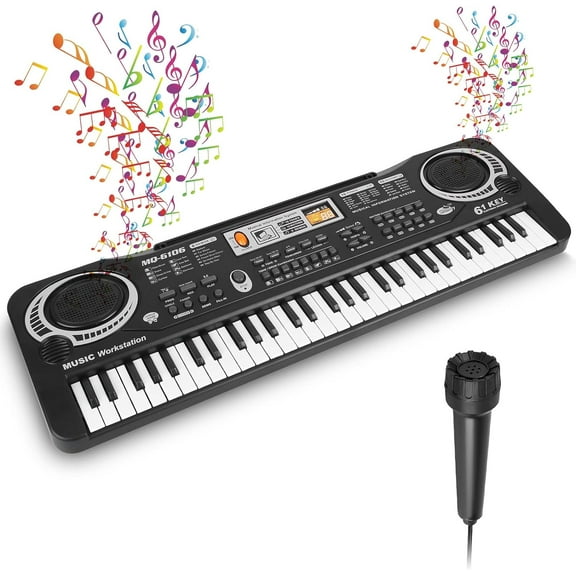


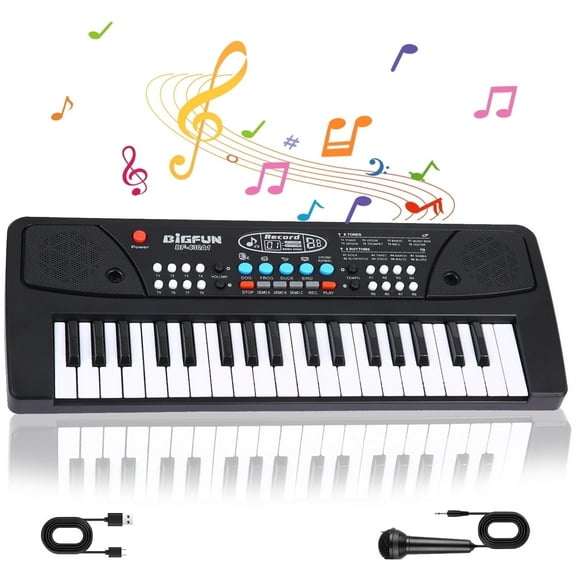


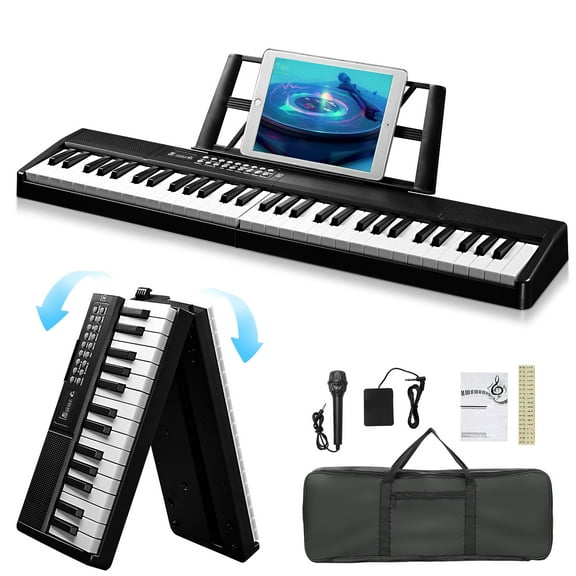


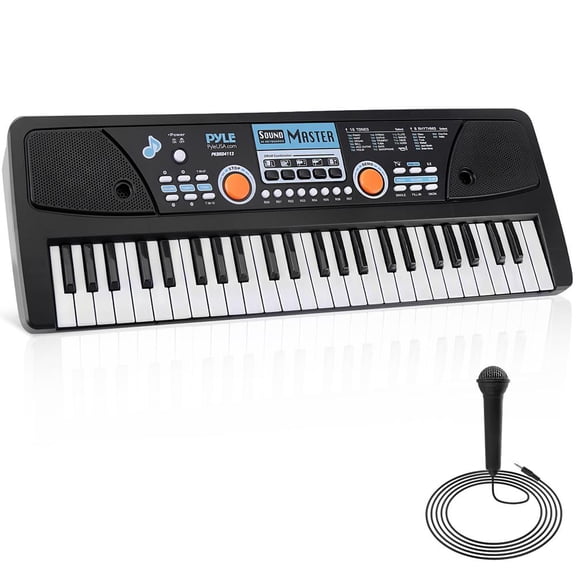


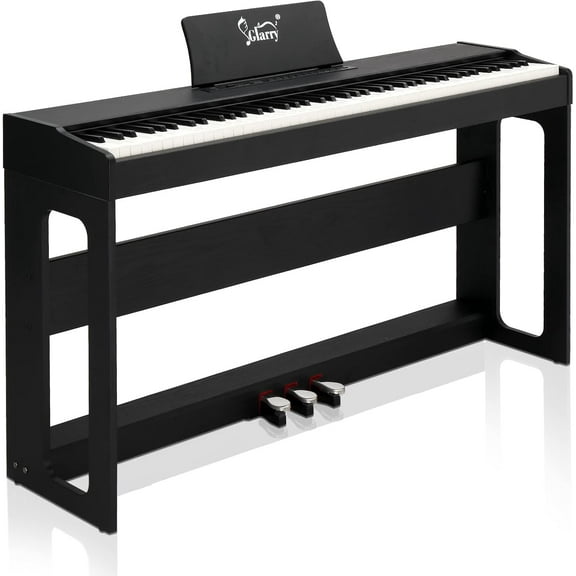


About Electronic Keyboards in Keyboards, Pianos, & MIDI - Walmart.com
Electronic keyboards turn any room into a practice space, and the right keyboard helps you play piano parts with portable convenience. On Walmart.com, this musical keyboard category focuses on sound, keys, and learning features, not computer typing. Choose a compact music keyboard for travel, or step up to an electric keyboard piano feel for focused practice.
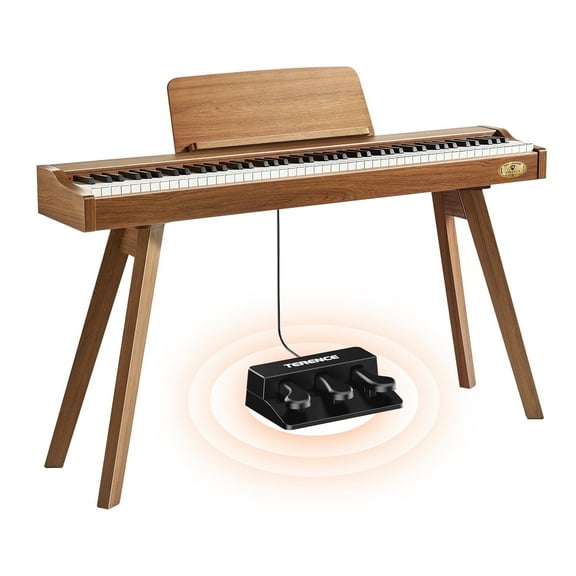
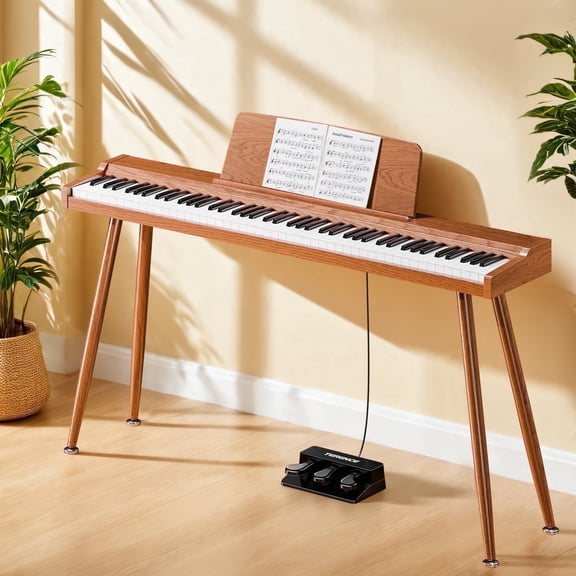
Many electronic keyboards include built-in speakers, so you can start playing without extra gear. Some models add headphone jacks for quiet sessions and simple control panels for quick setup. If you’re comparing electronic keyboards versus digital pianos, weight, key action, and furniture-style stands often define the difference.
Why electronic keyboards fit real life
Electronic keyboards are made for flexible playing, from quick warmups to full songs with layered sounds. You can move a portable keyboard between rooms, lessons, and rehearsals without a heavy setup. Many options include accompaniment rhythms, so your timing feels more like playing with a band.
Built-in lesson tools can keep practice organized when you’re learning chords and scales. Split and dual modes let one hand cover bass while the other plays melody. A music keyboard with recording features helps you review progress and capture song ideas fast.
- Practice anywhere with lightweight portable keyboards and simple power options.
- Explore piano, organ, synth, and drum voices for songwriting and school performances.
- Keep sessions comfortable with adjustable stands and benches sized for keyboard height.
- Connect to apps and speakers using USB or audio outputs on many digital keyboards.
For families, an electronic keyboard can work for multiple players at once with duet and split settings. For gigging, quick sound selection supports smooth transitions between songs. For creators, onboard effects and accompaniment expand the sound without extra devices.
Features to compare on a keyboard for music
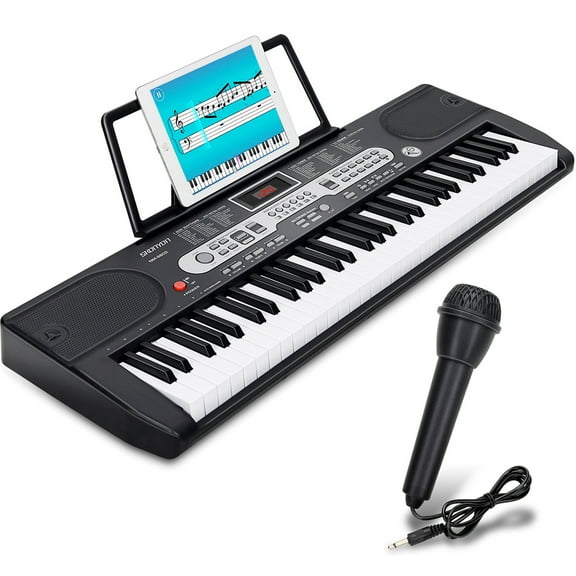
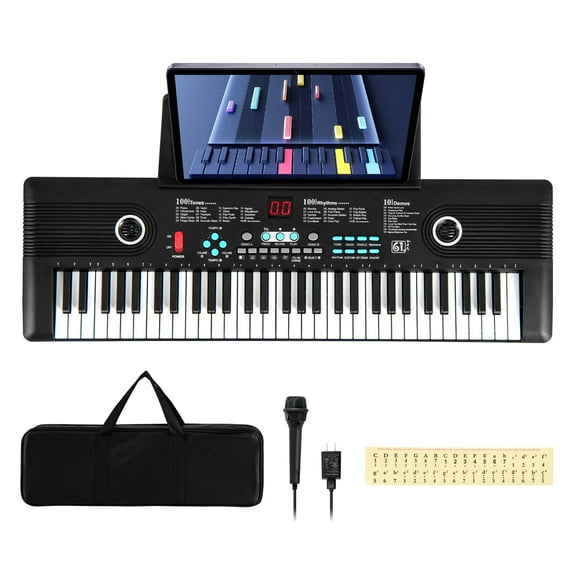
Key count is a fast way to narrow choices when you want a piano-style range. A 61-key keyboard is common for beginners and portable setups. A 76-key layout adds more room for two-hand parts without the full length.
If you want the closest electric keyboard piano feel, consider 88 keys and weighted action. Semi-weighted keys balance response and portability for pop and worship parts. Touch sensitivity helps dynamics feel natural, from soft passages to louder accents.
Sound engine details matter when you want believable piano tones and useful variety. Polyphony determines how many notes can ring at once when you use sustain. More voices and layers help you build fuller arrangements with splits and dual sounds.
Built-in speakers affect how the instrument fills a room during practice and casual performances. Output wattage varies, but placement and cabinet design also shape clarity. If you’ll use an amp, look for clean line outputs and stable volume control.
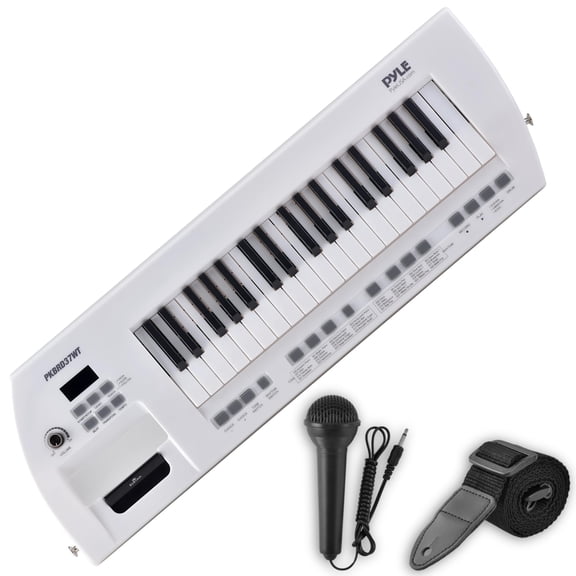
Power and portability can change how often you actually play. Some electronic keyboards run on batteries for travel, while others use an AC adapter. Check what’s included and whether a sustain pedal input is available for piano technique.
Connectivity supports lessons, recording, and stage use when you’re ready. USB-MIDI can connect to learning apps and music software. Audio inputs can let you play along with tracks through the keyboard speakers.
Use cases shoppers buy electronic keyboards for
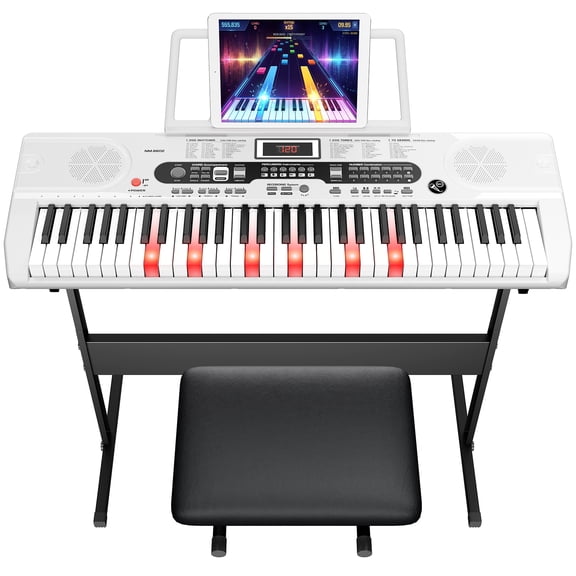
Beginner players often want a music keyboard that sets up fast and teaches basics clearly. Look for light-up keys or guided lessons when included on the model. A simple layout with clear labeling keeps practice focused instead of confusing.
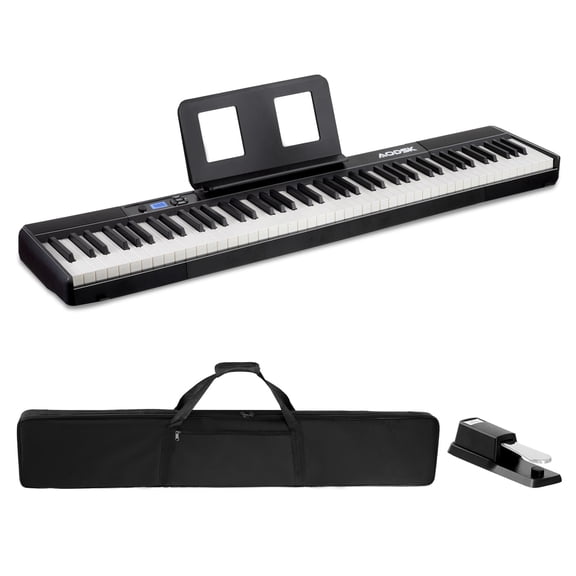
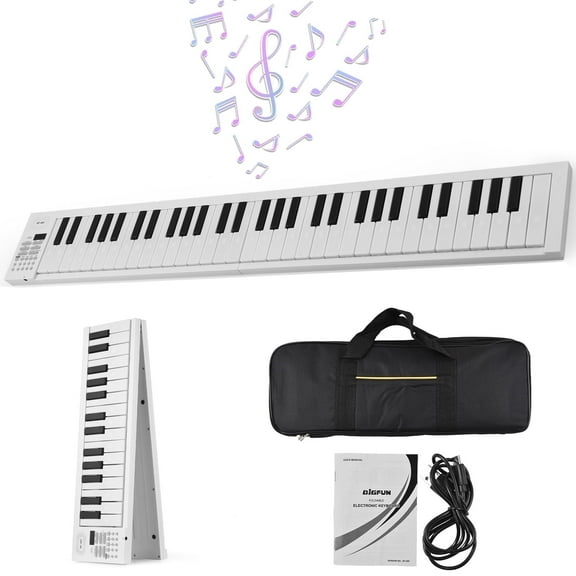
Students and teachers like portable keyboards that fit classrooms and small studios. A 61-key or 76-key option can be easier to transport with a soft case. Headphone support helps lessons stay flexible in shared spaces.
Songwriters and producers often choose digital keyboards for quick creation and simple recording. Built-in rhythms can spark ideas when you’re stuck on a groove. USB connections can route MIDI into software instruments for expanded sounds.
For worship teams and small gigs, an electric keyboard piano setup supports reliable performance. Layered sounds can combine piano and strings for fuller sections. A sturdy stand and a sustain pedal help keep parts consistent on stage.
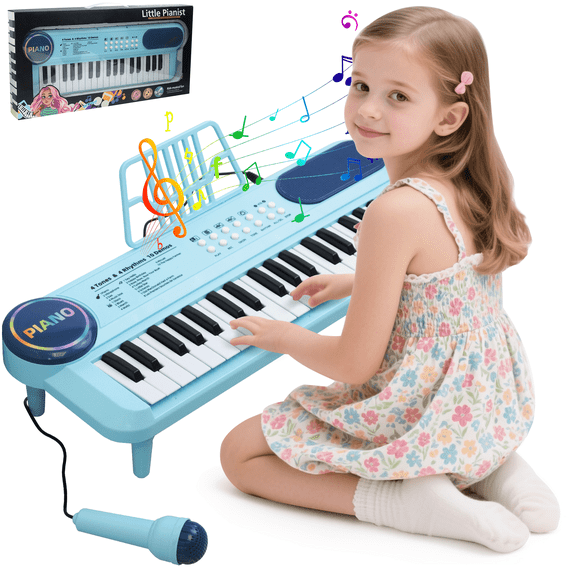
Parents often pick electronic keyboards for practice at home and school events. Built-in speakers make it easy to hear progress without extra equipment. Duet and split modes can support shared learning during lessons.
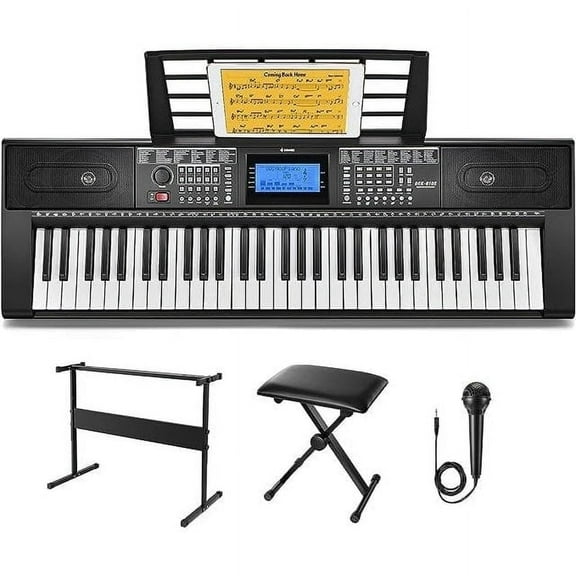
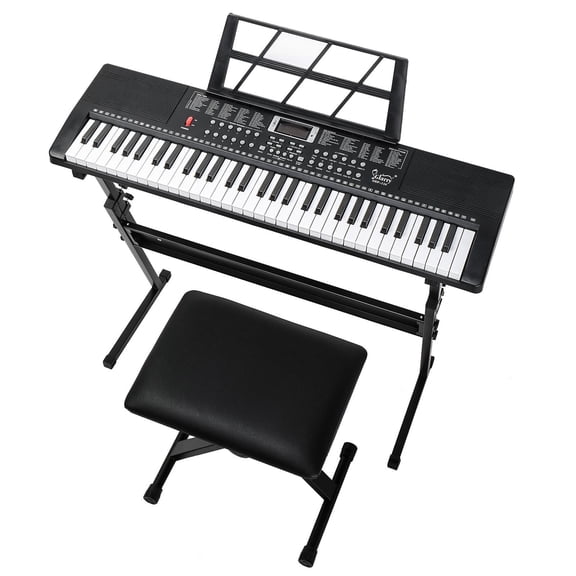
Many setups improve with the right add-ons that match your space. A stand keeps posture comfortable during longer sessions. A bench, a sustain pedal, and sheet music can make practice feel more like playing an acoustic piano.
Confidence starts with the right setup
When your electronic keyboard matches your key count, touch, and connectivity needs, practice becomes easier to keep. Pair it with a stable stand and the right pedal input for smoother playing. The result is a music-ready space that supports consistent progress.