

Electronic Drum Sets & Electric Drum Kits | Walmart

















About Electronic Drum Sets & Electric Drum Kits | Walmart - Walmart.com
Electronic drum sets help you practice with less room noise and more setup flexibility than full acoustic rigs. You can compare pad feel, module features, and kit size to match your space and skill level.
How to choose electronic drum sets for your setup
When you compare electronic drum kits, you should start with pad material, configuration, and connectivity. You can narrow your options faster when you know how each choice affects feel, sound control, and expansion.
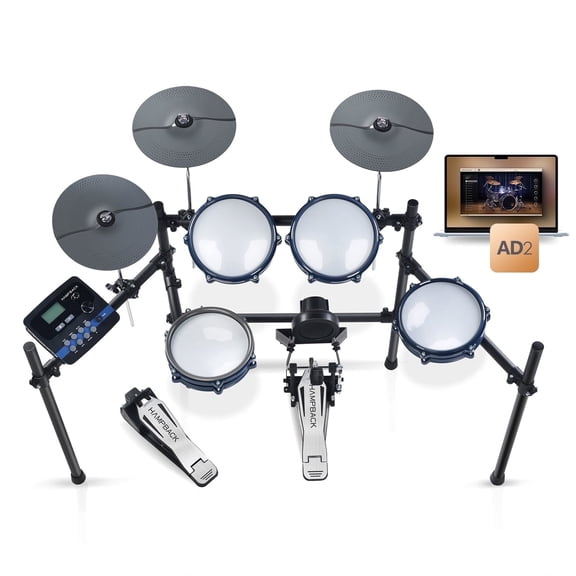
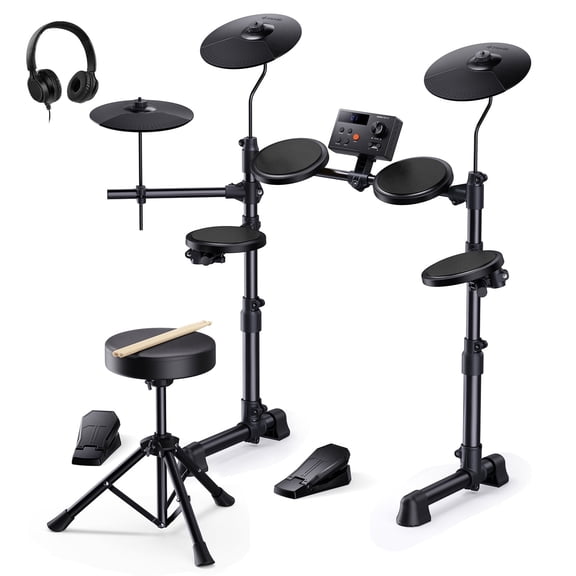
If you're building a first setup, you may want a beginner electronic drum kit with a compact rack. You can also look for included sticks, a kick pedal, or a quiet practice drum pad layout.
- You can practice at home with lower room noise than acoustic drums.
- You can connect select kits to learning apps, recording software, or speakers.
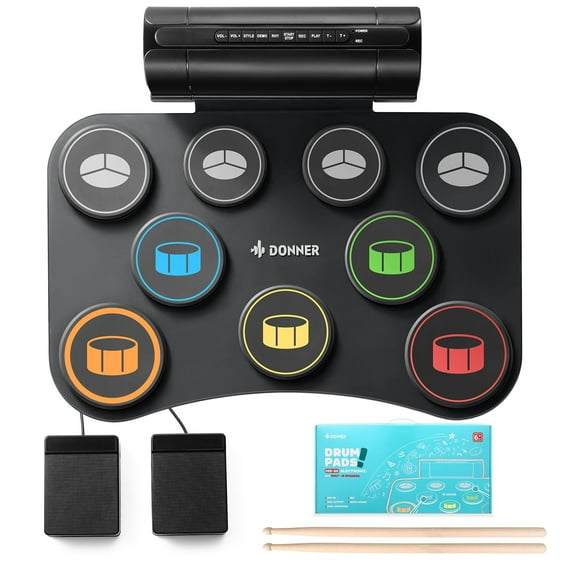
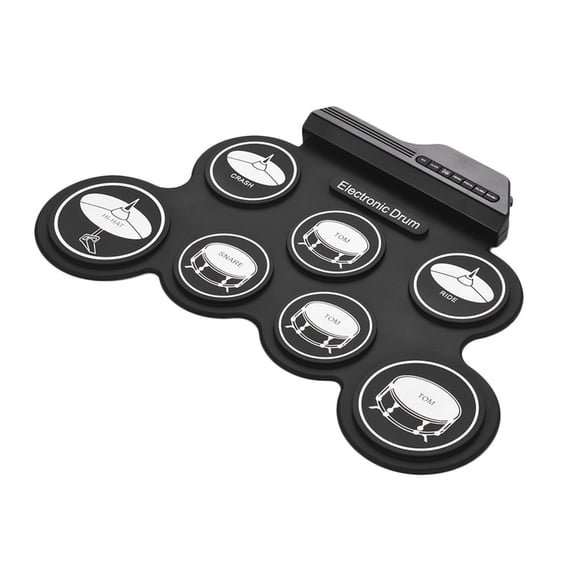
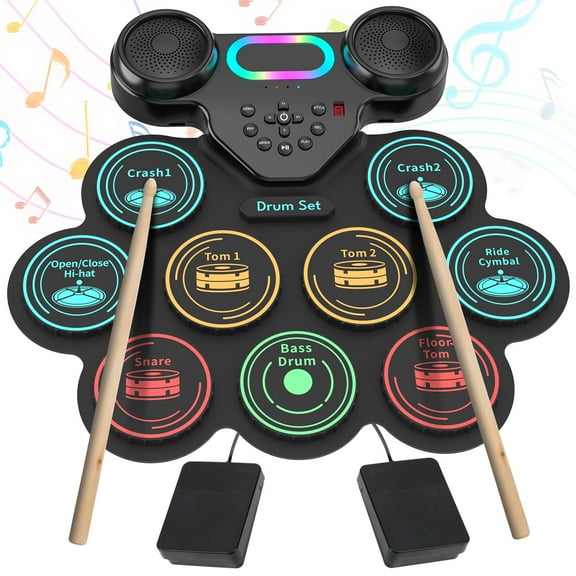
- You can choose compact tabletop layouts or larger multi-pad racks.
- You can compare complete packages when you want to start playing sooner.
For shared spaces, you may prefer pads that keep stick impact more controlled during long sessions. You can also use a headphone jack when you want private practice at night.
If you're learning timing and coordination, you may want built-in coaching functions and preset songs. You can keep your focus on technique while your module handles tempo and sound changes.
Choosing between mesh heads, rubber pads, and silicone
Pad material changes how your sticks rebound and how your hands read each hit. You should compare mesh heads, rubber pads, and silicone before you commit to an electric drum set.
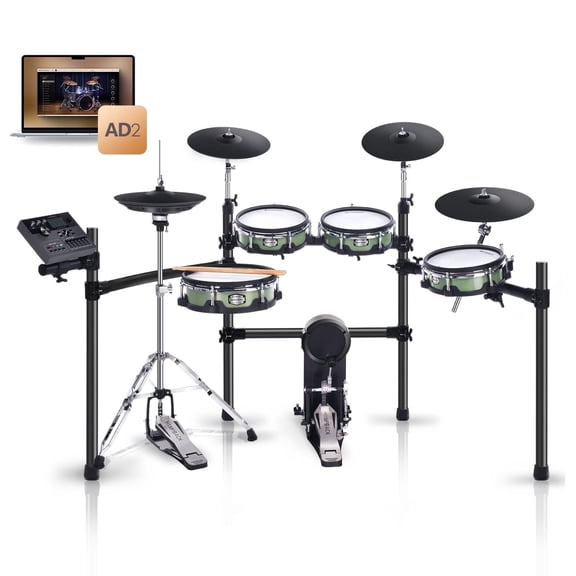
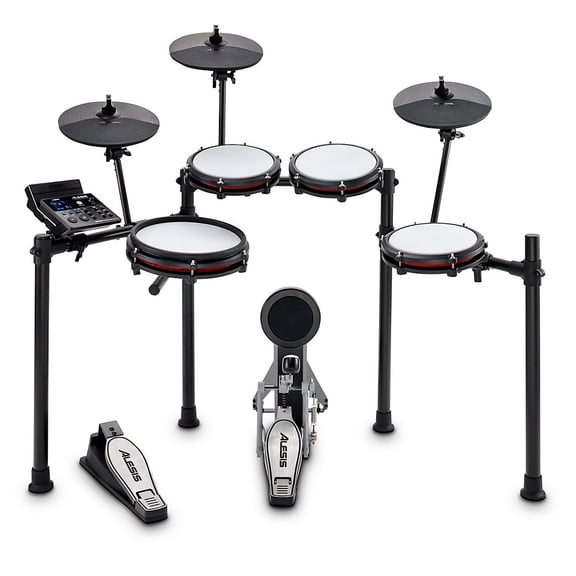
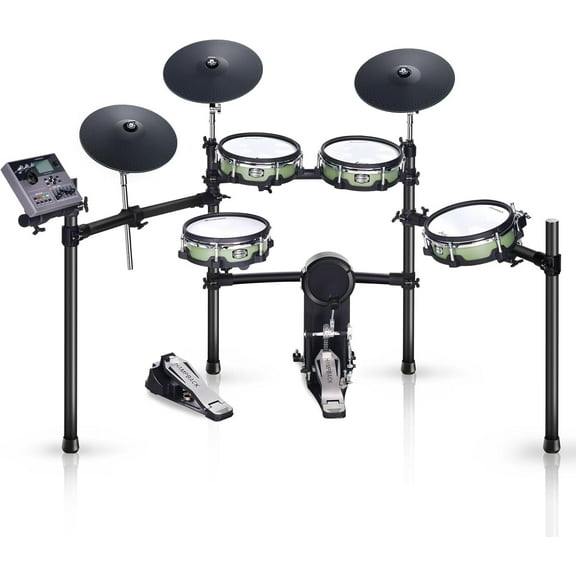
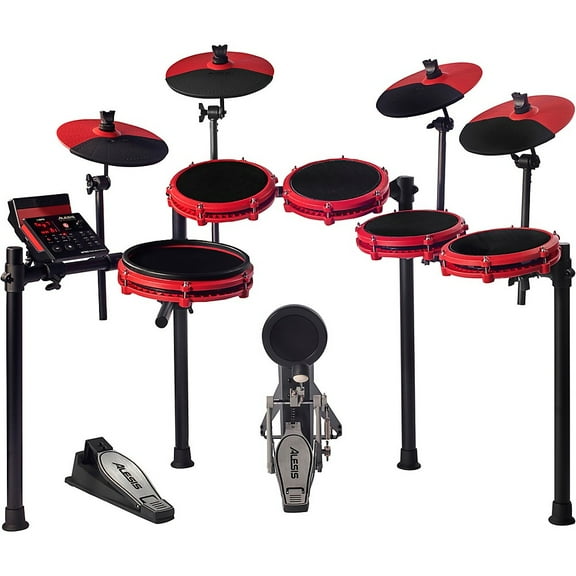
With mesh head electronic drums, you usually get a more drum-like rebound and a tunable playing surface. You can often fine-tune response for practice that feels closer to an acoustic snare.
Rubber pads can work well when you want straightforward setup and durable everyday use. You may notice a firmer response that helps you keep practice simple and focused.
Silicone pads can give you another feel option when you want a softer striking surface. You should compare response and comfort if you plan to play for long stretches.
Noise level matters too, especially when your kit sits in an apartment, bedroom, or shared office. You can reduce room sound with pad choices that support quieter stick contact.
Picking the right configuration and size
Configuration affects how much space you need and how closely your kit mirrors an acoustic layout. You should measure your floor area before you choose a five-piece, eight-piece, or tabletop design.
A five-piece setup can fit many practice rooms while still giving you core drum and cymbal voices. You can keep your footprint manageable without giving up a familiar playing pattern.
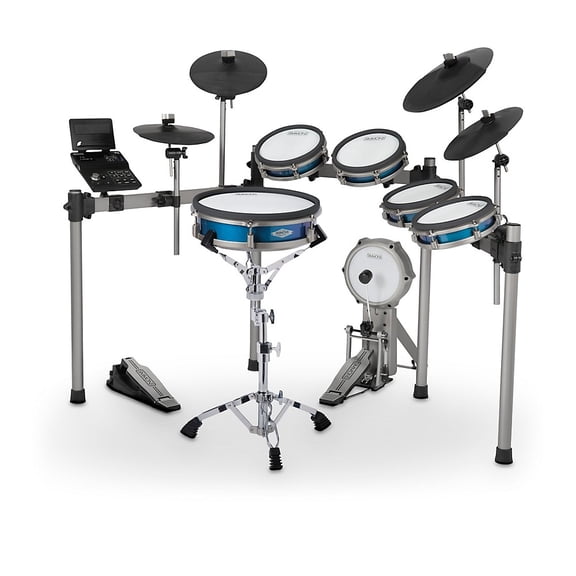
An eight-piece electronic drum set can suit you when you want more pads and cymbals within reach. You may appreciate extra trigger zones for layered parts and more detailed practice routines.
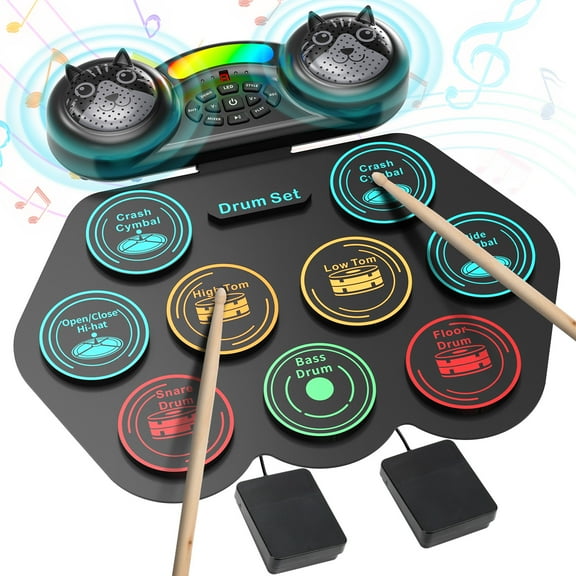
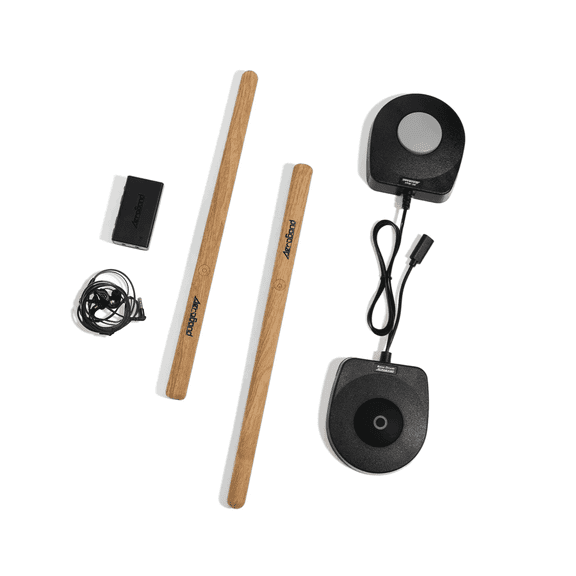
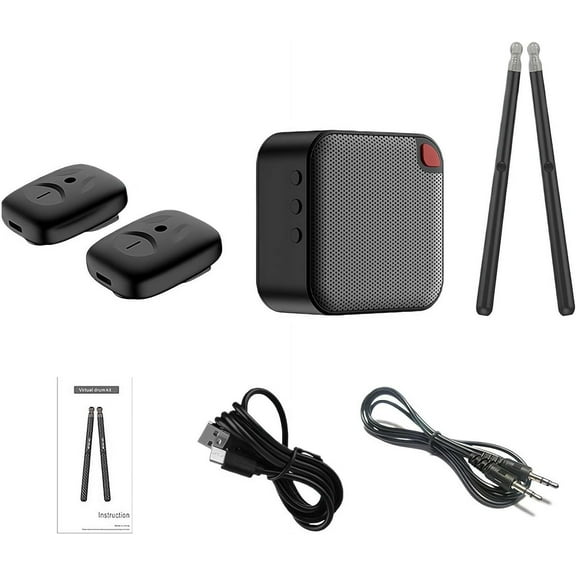
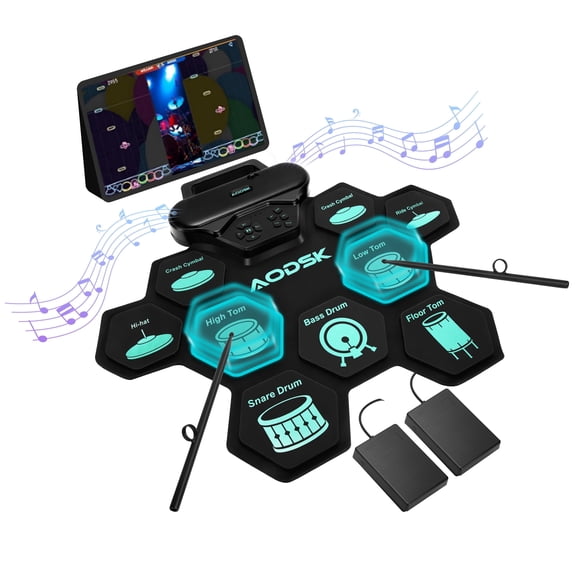
Tabletop models can help you practice in very small spaces or move your gear between rooms. You can store them more easily when a full rack isn't practical.
You should also check whether the frame folds or stays fixed after assembly. A foldable frame can help you reclaim floor space between sessions and transport your kit more easily.
Comparing skill level, module features, and connectivity
Your skill level can guide which module features matter most from day one. If you're starting out, you may want guided lessons, preset kits, and a layout that feels easy to read.
An intermediate player may look for more editable sounds, dual-zone pads, and responsive cymbal triggers. You can shape practice sessions more precisely when your module offers deeper control.
If recording matters to you, check for USB MIDI support and clear computer compatibility. You can trigger virtual instruments, capture performances, and build songs from a single setup.
Bluetooth can help you stream backing tracks without extra cables across your room. You can practice with playlists or lessons more conveniently when your module supports wireless audio.
A headphone jack gives you direct private listening for focused sessions at home. You should also look for an auxiliary input if you want to play along with external music sources.
The sound library matters because you may want rock kits, jazz tones, percussion voices, and practice tracks. You can compare onboard sounds and editing options before choosing midi electronic drums.
Matching accessories and use cases to your routine
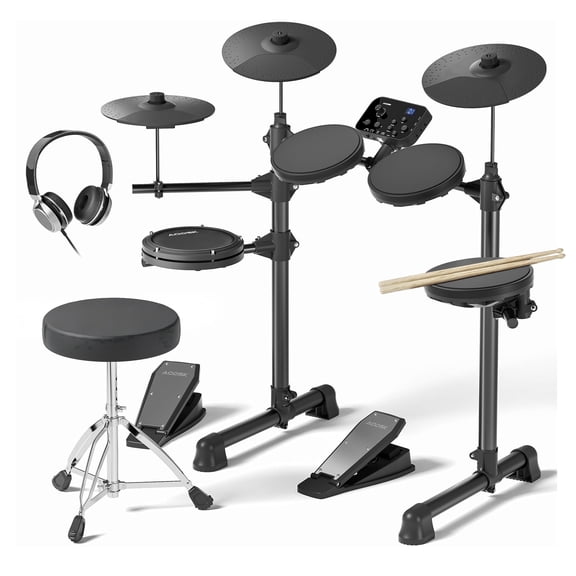
Included accessories can change how quickly you start playing after delivery. You should check for a throne, drumsticks, pedals, and headphones when you want a more complete setup.
If you're shopping for a child, teen, or first-time player, a beginner electronic drum kit can keep setup less intimidating. You can focus on timing, stick control, and fun practice without extra complexity.
For apartment practice, you may prefer compact racks, headphone monitoring, and quieter pad surfaces. You can keep your routine going without filling the room with acoustic drum volume.
If you're writing songs, you may want USB MIDI, an auxiliary input, and enough pads for creative layering. You can move from practice to recording without switching instruments.
For lessons and skill building, you should compare rack stability and pad placement along with module coaching tools. You can develop muscle memory more naturally when your layout feels consistent.
When you're ready to choose, electronic drum sets let you balance pad feel, connectivity, kit size, and included gear in one purchase. You can end up with a setup that fits your room and supports steady practice.