











Icing Decorations in Decorating Icings & Toppings




















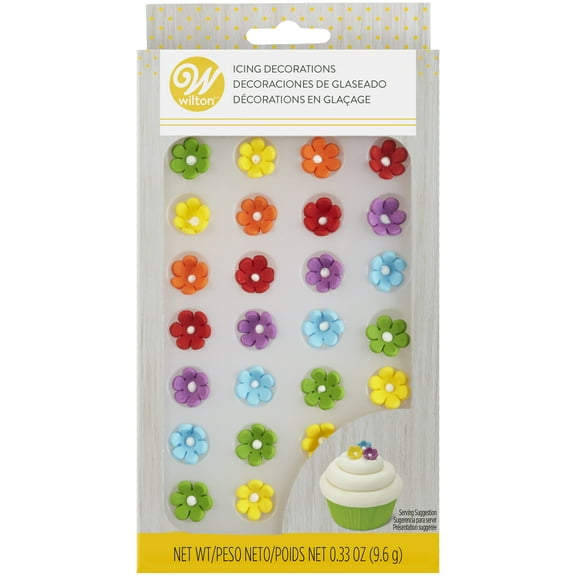
















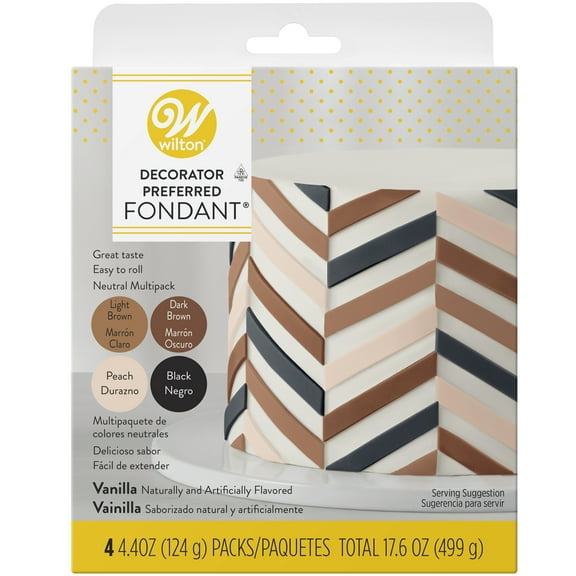
About Icing Decorations in Decorating Icings & Toppings - Walmart.com
Accent chairs help you add flexible seating and visible style without changing your whole room layout. You can use accent chairs to fill an empty corner, balance a sofa, or shape a reading spot.
Choosing accent chairs for your room
Start with your room placement, because your available floor space shapes every other decision. You should measure your width, depth, and walking path before you compare silhouettes.
Seat height also matters when you want your chair to sit comfortably beside a sofa or coffee table. You may prefer a deeper seat for lounging, while you may choose a shallower profile for upright seating.
Small accent chairs can help you furnish apartments, bedrooms, and tighter living rooms without crowding your layout. Oversized options can give you a roomier seat when you want a cozy reading chair.
Choosing living room chairs by design style
Your design style can guide you toward a shape that works with the pieces you already own. You can compare modern, traditional, transitional, and boho looks by lines, arms, and visible texture.
Modern accent chairs usually give you cleaner angles, sleeker legs, and a lighter visual weight. Traditional styles often bring rolled arms, tufted details, or wingback shapes that look classic beside formal furniture.
Transitional chairs help you blend old and new pieces without making your room feel mismatched. Boho styles often bring woven textures, relaxed shapes, and layered fabrics that soften a casual space.
What chair type means for comfort and movement
Your chair type affects how you sit, turn, and use the surrounding area each day. You can compare swivel accent chairs, armchairs, slipper chairs, and wingback styles by function first.
Swivel accent chairs let you rotate toward conversation, television, or a nearby window with less chair dragging. Armchairs give you side support, while slipper chairs keep a lower profile for smaller rooms.
Wingback options can frame your seat visually and add more presence near fireplaces or entry corners. Comfy armchairs often suit longer sitting sessions when you want fuller arms and a supportive seat.
- You can use swivel styles in open layouts where you face more than one focal point.
- You can place slipper chairs in bedrooms or apartments where every inch of floor space matters.
- You can pair wingback chairs with side tables when you want a dedicated reading corner.
- You can choose full armchairs when your household uses that seat for daily lounging.
Comparing upholstery materials and care needs
Your upholstery choice affects texture, maintenance, and how the chair fits your routine. You should compare velvet, leather, linen, and faux shearling by feel, cleaning habits, and daily traffic.
Velvet chairs can give your room a richer surface and stronger color depth under indoor lighting. Leather-like finishes can wipe clean quickly, while linen-style fabrics can create an airy, casual look.
Faux shearling textures can make cozy reading chairs feel warm and inviting during cooler months. If your home stays busy, you should check whether cushions, covers, or spot-clean instructions fit your schedule.
You may also want to compare how fabrics show pet hair, lint, or everyday use. Your care routine feels easier when you match the upholstery to your household habits from the start.
Looking at frame construction and assembly details
Your frame construction helps you judge everyday durability before you choose a style or fabric. You should look for details like solid wood, engineered wood, metal legs, and stated weight limits.
Solid wood frames can feel sturdier in frequently used rooms, while engineered wood may suit lighter seating needs. You should always check the listed weight capacity so your chair matches your household use.
Assembly can also shape your decision when you want a quicker setup after delivery. You may only need to attach legs on some models, while others may include multiple parts and hardware.
Check whether your chair arrives fully assembled, partially assembled, or flat packed in one carton. You can avoid surprises when you compare tools needed, setup steps, and final placement before ordering.
Matching accent chairs to real spaces
Your room goals can help you narrow options faster than style names alone. You can match shape, material, and scale to the way you actually use each space.
In a living room, you might place two standard chairs across from a sofa to create a conversation area. In a bedroom, you may want one small accent chair beside a dresser or window.
Your home office may benefit from a chair that feels softer than a desk seat but still looks polished. A swivel style can work well when you move between a desk, bookshelf, and guest seating area.
If you want modern accent chairs for a clean setup, you should look for simple lines and open leg space. If you want a softer layered look, you may prefer textured fabric and curved arms.
For families, you may focus on easy-clean surfaces, stable legs, and a scale that leaves open walkways. For quiet corners, you may prioritize deeper seats, wingback sides, and a nearby lamp table.
When you compare style, scale, material, and movement together, your final choice becomes much clearer. The right chair helps your room feel finished while giving you a comfortable seat where you need it.