




Duvet Inserts in Comforters








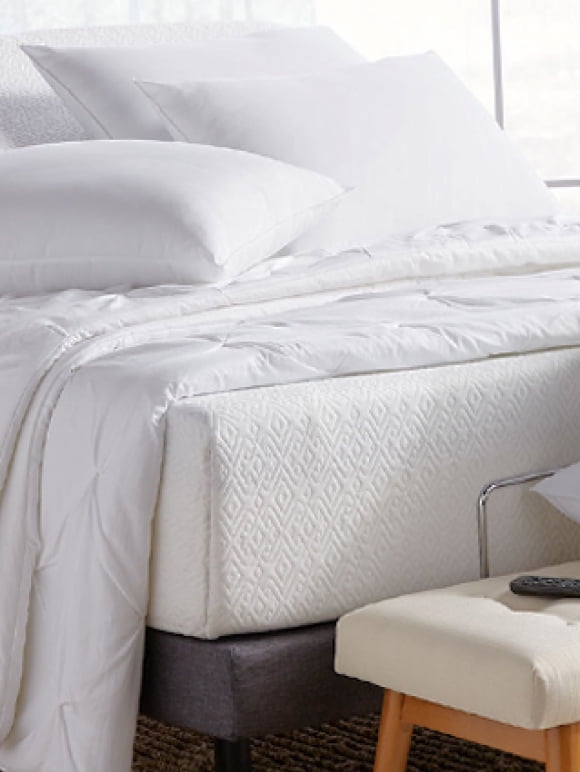
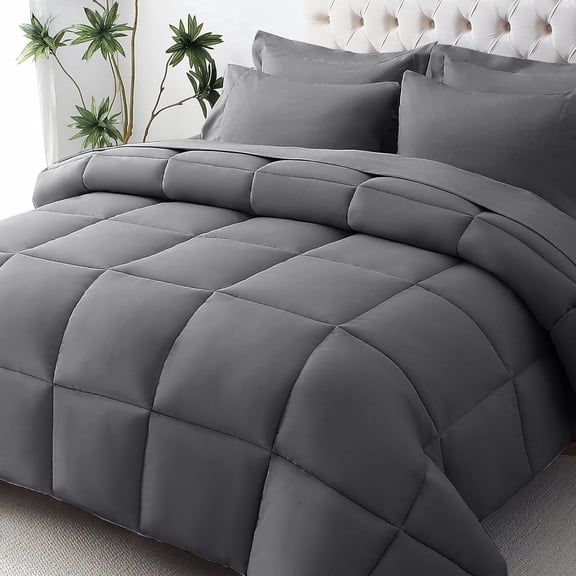


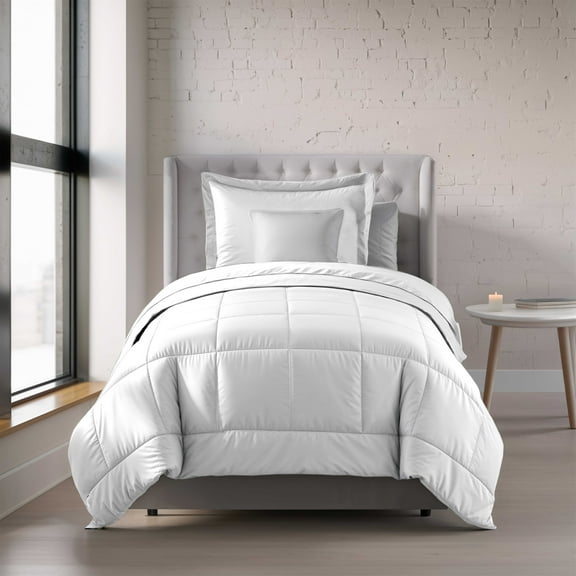


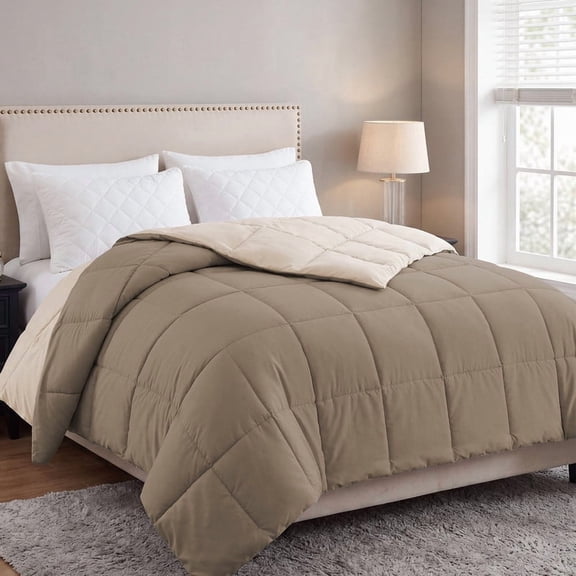


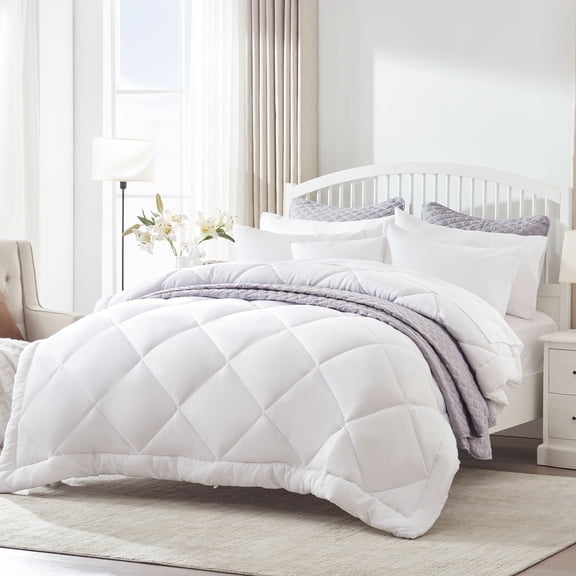


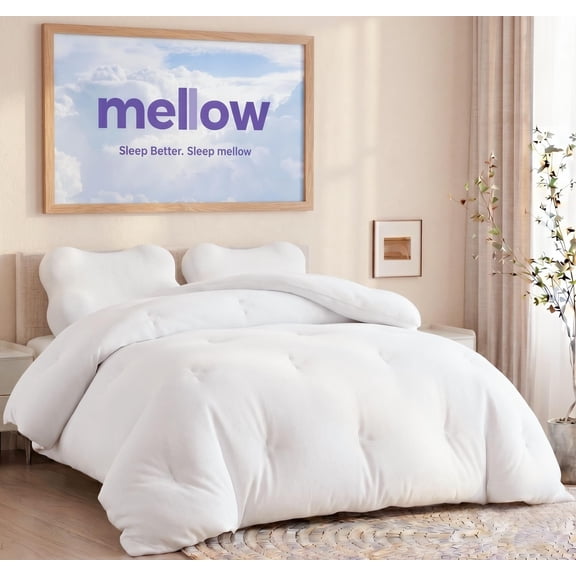


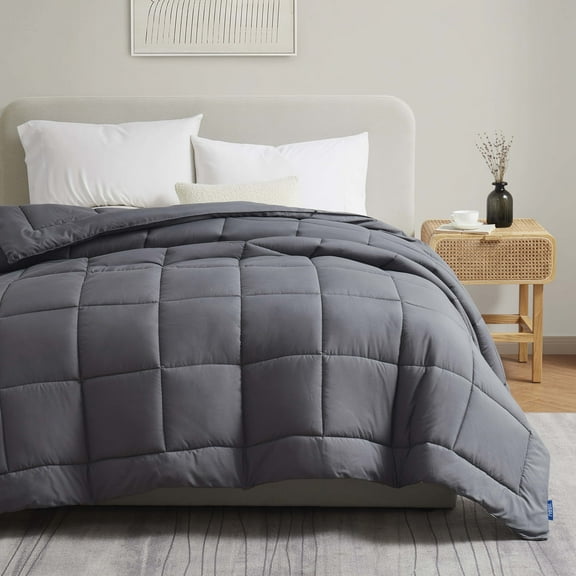


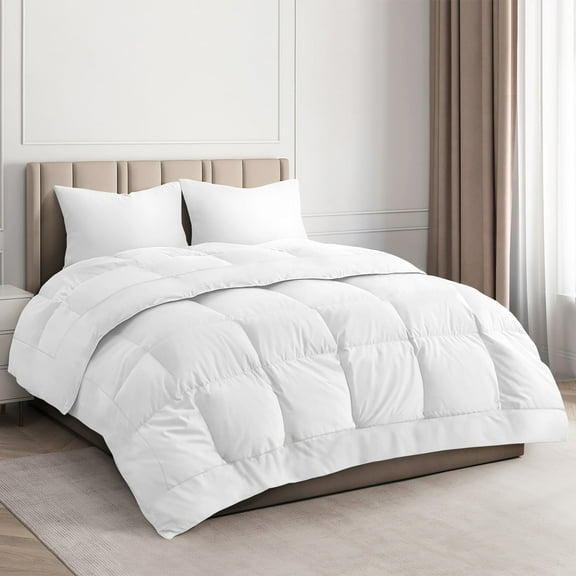


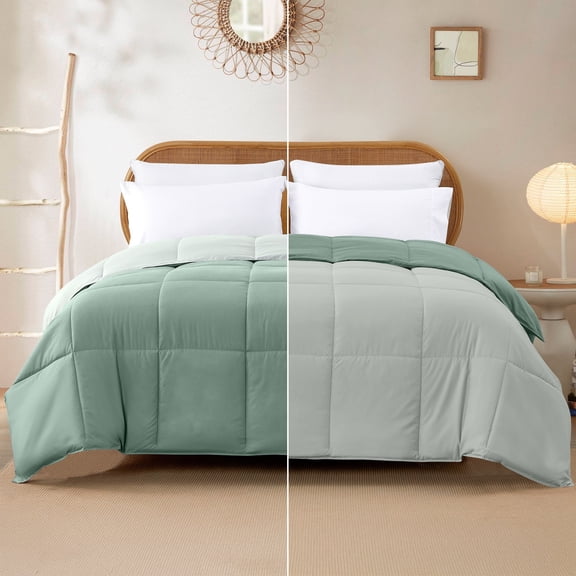


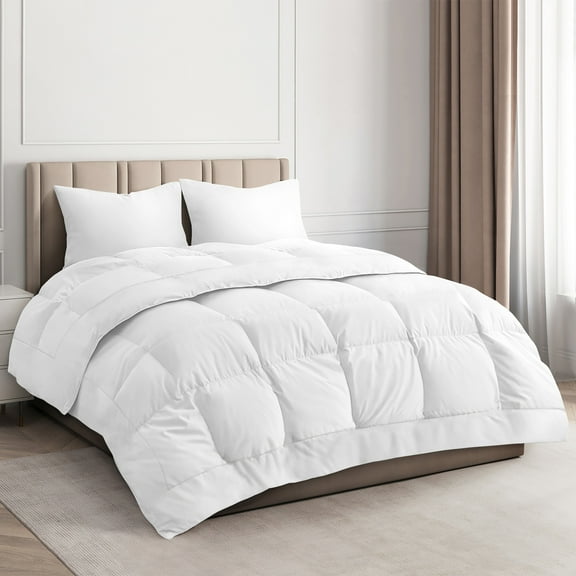


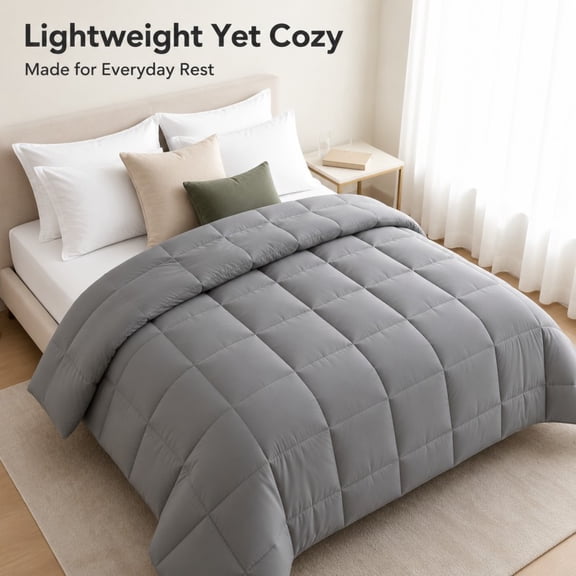


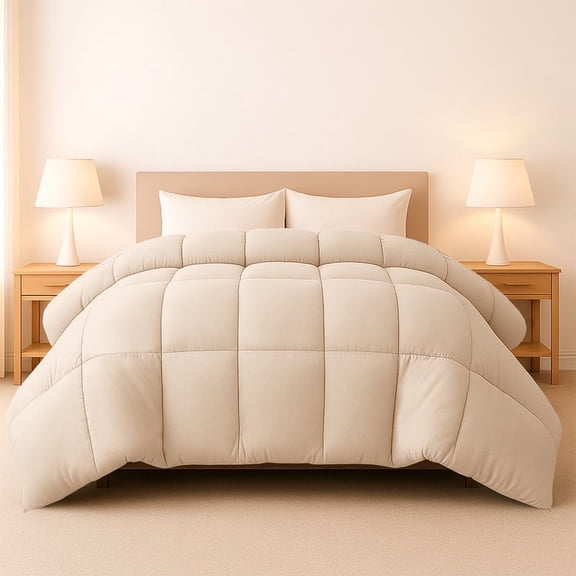


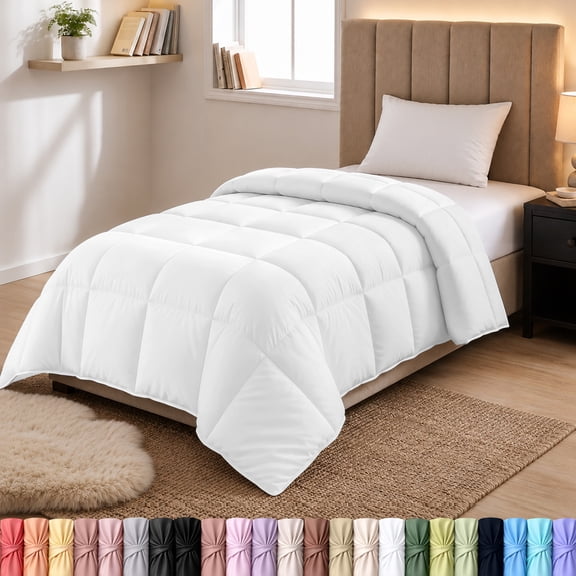


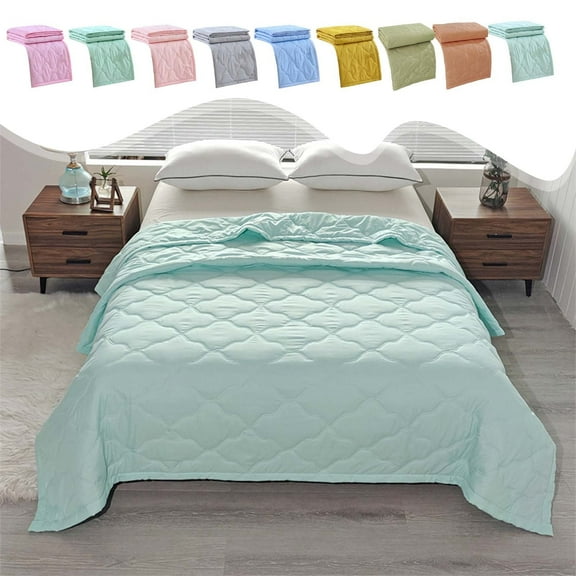


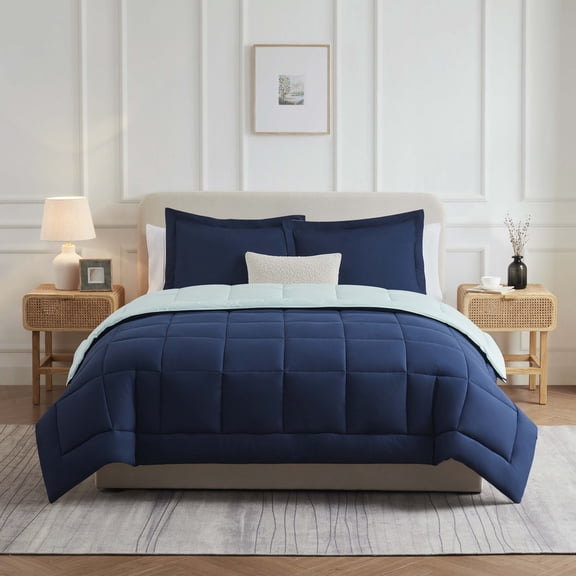


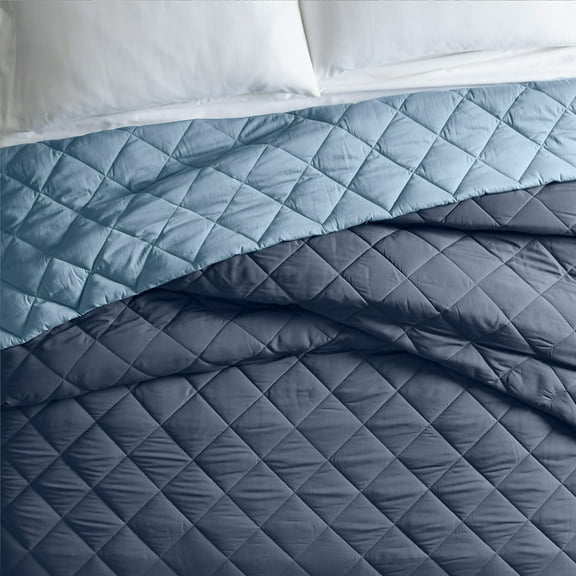


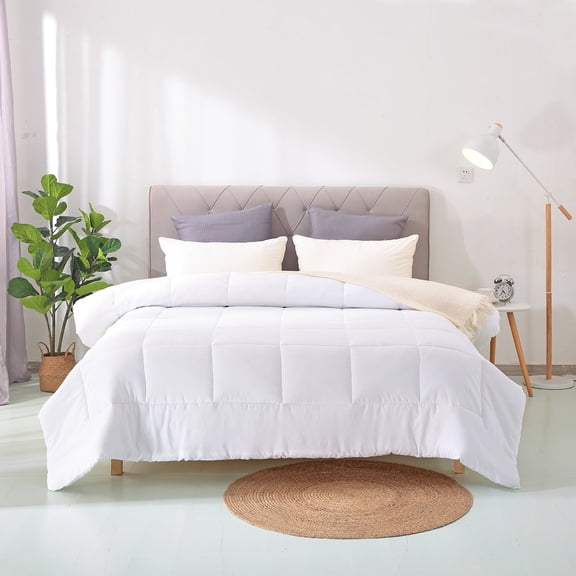




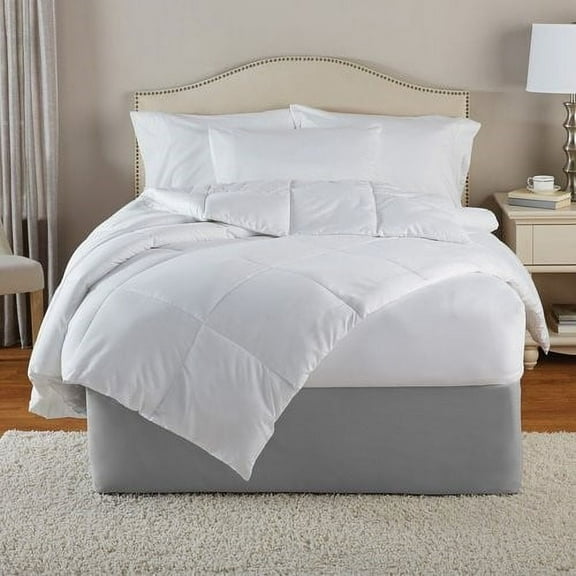
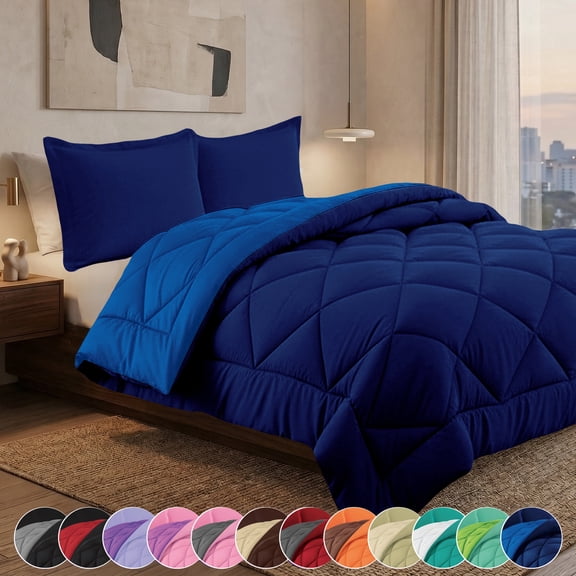
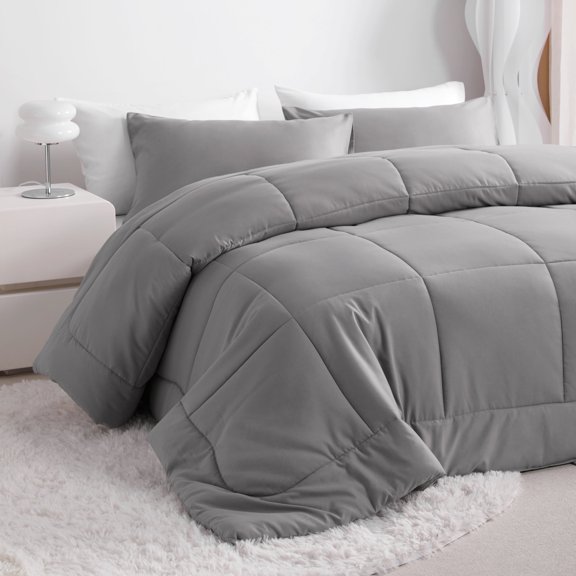


About Duvet Inserts in Comforters - Walmart.com
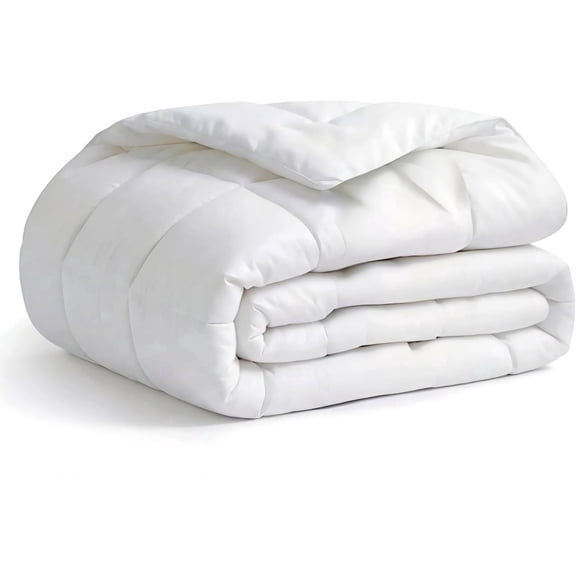
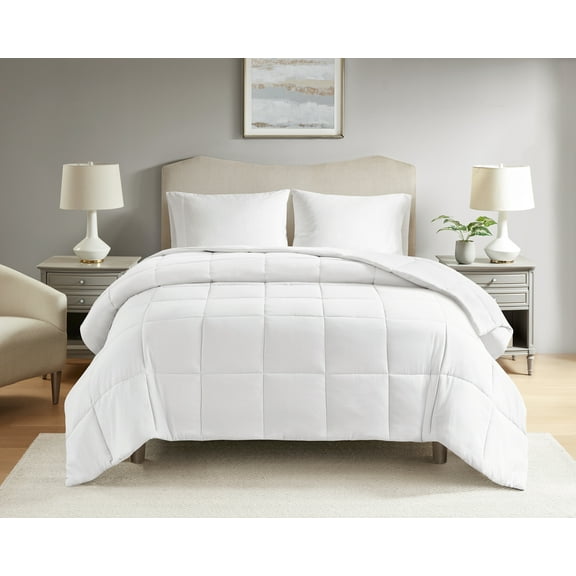
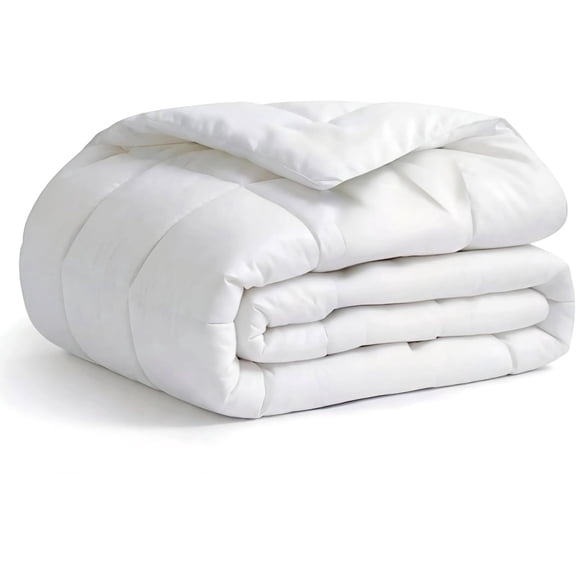
A duvet insert helps you create a full, comfortable bed, and you can compare size, fill, warmth, and shell fabric before you choose. You can also check corner tabs, washable fabrics, and loft options that matter for everyday use.
If you’re replacing a flat comforter or updating a guest room, you can use this guide to narrow your options quickly. You can gain confidence when you match your insert to your duvet cover, sleep style, and care routine.
Choosing the right duvet insert size
You should start with bed size, because the right fit helps your cover look smooth and stay evenly filled. You can compare twin, full, queen, and king inserts based on your mattress and cover dimensions.
For exact sizing, you may see twin inserts around 68 by 88 inches and full inserts around 80 by 90 inches. You may also find queen inserts near 88 by 90 inches and king inserts near 104 by 90 inches.
If you’re comparing a duvet insert full size option, you should check both the insert dimensions and your duvet cover label. You can get a neat fit when your insert closely matches your cover instead of leaving extra space.
You may shop for a full bed duvet insert when you want more coverage than a twin on a smaller bed. You may choose a queen duvet insert when you want extra drape on a queen mattress.
Comparing duvet insert queen cotton and fill options
You can narrow your choice fast when you compare down, down alternative, cotton, and polyester in practical terms. You may notice each material changes loft, weight, and the feel of your bedding.
If you want a lofty feel with light weight, you may prefer down fill for its airy structure. If you want simple care and broad versatility, you may prefer down alternative or polyester fill.
When you’re considering a duvet filler for daily use, you should also look at the shell fabric. You may see cotton shells for breathability and microfiber shells for a smooth, easy-care finish.
If you’re searching for duvet insert queen cotton options, you should check whether cotton describes the shell, the fill, or both. You can make a clear comparison when you read those material details closely.
- You can use down fill when you want loft with less weight.
- You can choose down alternative when you want simple care and a familiar feel.
- You can look for cotton shells when you want breathable fabric inside your cover.
- You can consider microfiber shells when you want a soft surface with easy upkeep.
Choosing warmth level and loft
You should match warmth level to your room temperature, layering habits, and season of use. You may see lightweight, all season, and heavyweight labels that help guide your decision.
If you sleep warm or layer with blankets, you may prefer a lightweight insert that feels less dense. If you want one option for most months, you may choose an all season duvet insert.
You may want a heavyweight option when your room stays cool and you want added insulation from your bedding. You should also compare loft, because a puffier insert creates a fuller bed appearance.
When you compare fill power or loft descriptions, you should treat them as clues about fluffiness and structure. You can get a tailored result when you balance warmth with the bed look you want.
What to look for in everyday features
You can make your bedding setup easy when you check practical construction details before you buy. You should look for corner tabs or loops that help secure the insert inside a duvet cover.
If your cover includes interior ties, you can connect those ties to corner loops to reduce shifting. You can spend less time straightening the fill after washing or remaking the bed.
You should also compare quilting patterns, because box stitching and channel stitching can affect how evenly the fill stays distributed. You may notice that even distribution helps your bed look smooth across the whole surface.
For care, you can check whether your insert is machine washable and how the label recommends drying. You may appreciate easy upkeep when you use the insert often in primary bedrooms, guest rooms, or dorms.
Matching a duvet insert to your room and routine
You can choose different combinations depending on where and how you use the bed. You may want different features for a main bedroom, a guest room, a dorm, or a seasonal setup.
For a primary bedroom, you may choose a queen duvet insert with all season warmth and a breathable shell. You can create a balanced bedding setup for changing temperatures and regular washing.
For a guest room, you might choose a full size duvet insert with down alternative fill and simple care instructions. You can make laundry days easy while keeping the bed looking full and inviting.
If you’re outfitting a dorm or apartment, you may lean toward lightweight warmth and microfiber fabric for straightforward maintenance. You may also want corner tabs if you remove your cover often for washing.
When you want a crisp, layered bed, you can pair your insert with duvet covers, bed sheets, and pillow shams that match your room style. You can create a pulled-together setup while keeping your insert protected.
You can shop with clarity when you compare exact size, fill material, warmth level, shell fabric, and corner-tab construction together. You can choose a duvet insert that fits your cover well and keeps your bed looking comfortably full.