

Drywall Tape in Hardware Tape

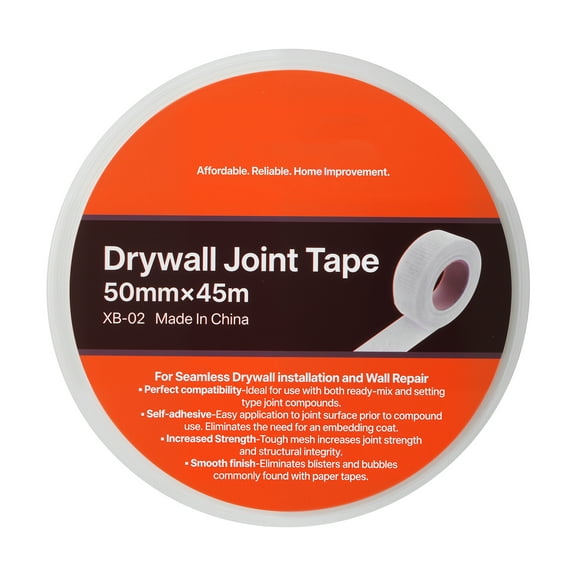


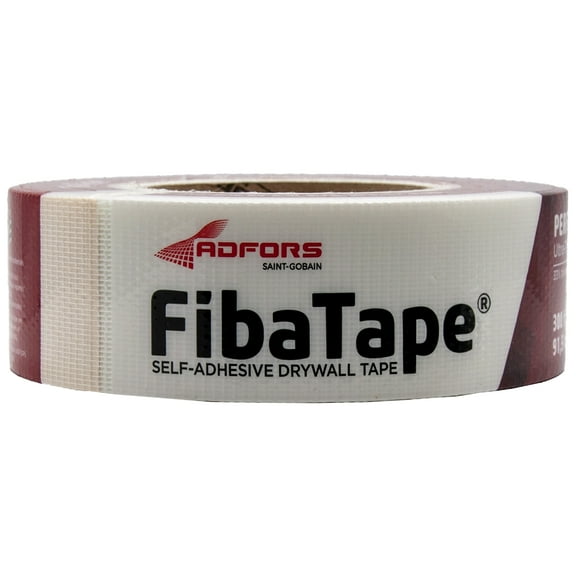



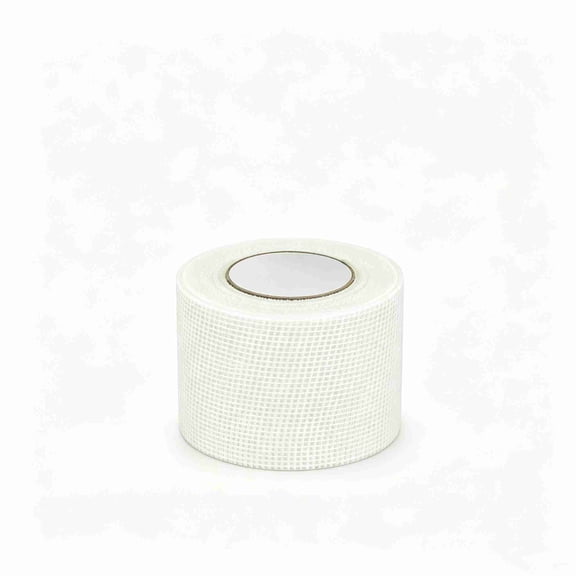

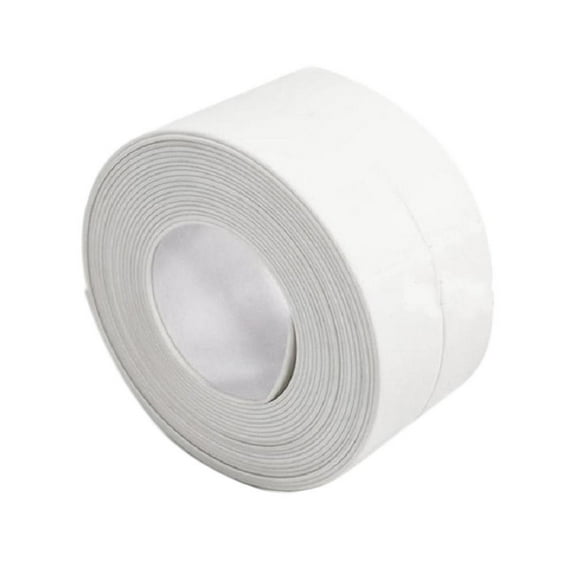









About Drywall Tape in Hardware Tape - Walmart.com
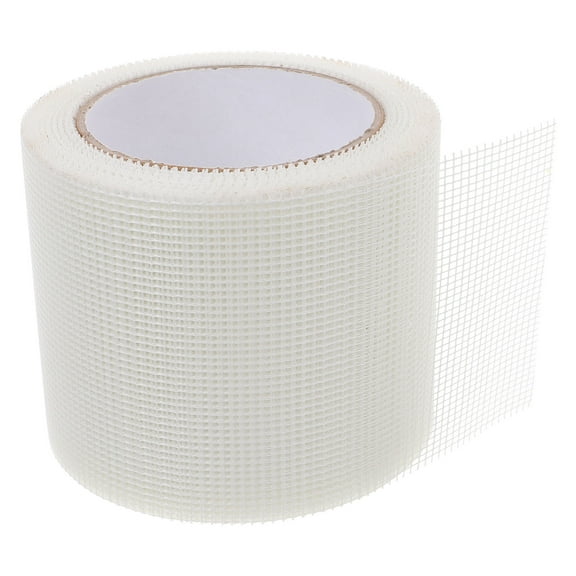
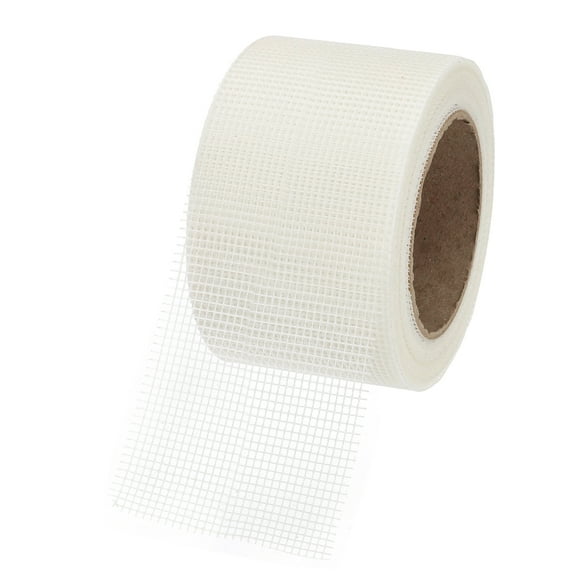
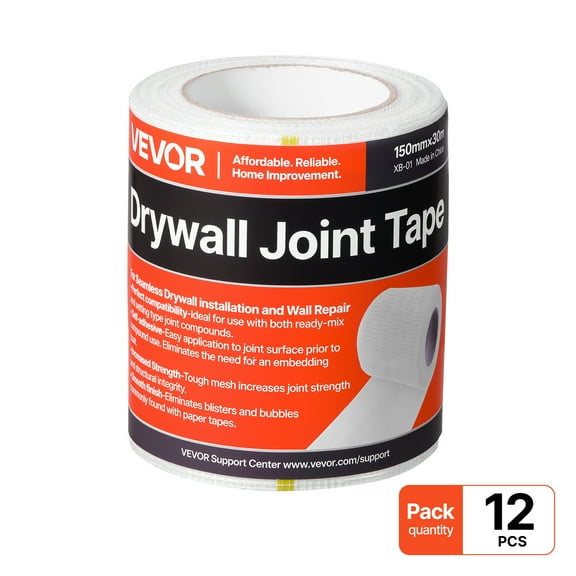
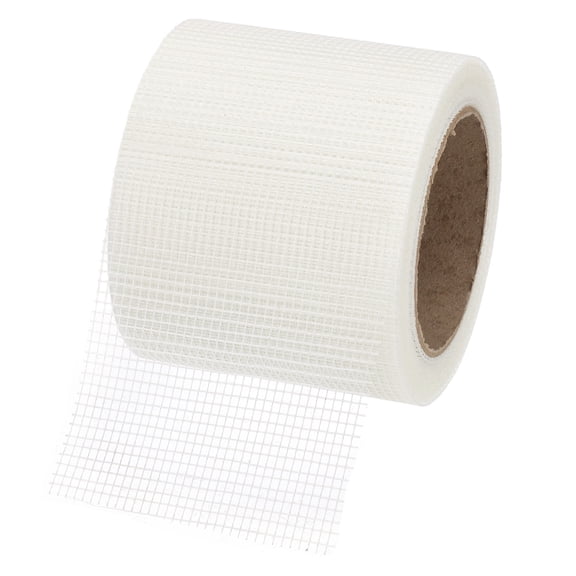
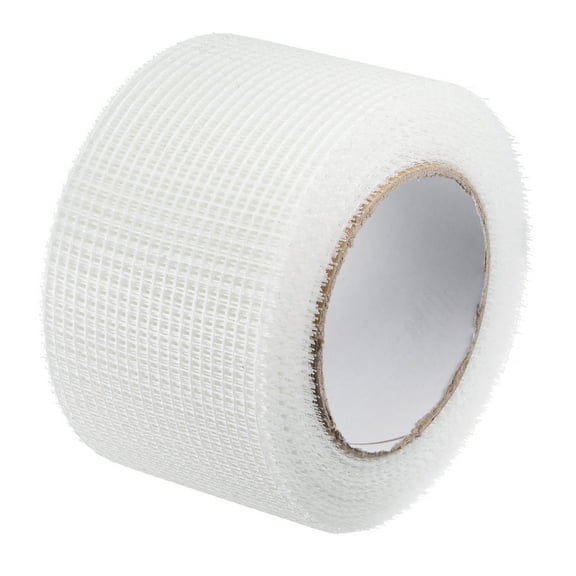
Drywall net helps you reinforce seams, patch holes, and prep smooth walls with less guesswork. You can compare mesh, paper, and composite options to match your repair size, finish method, and room type.
How to choose drywall net and drywall tape
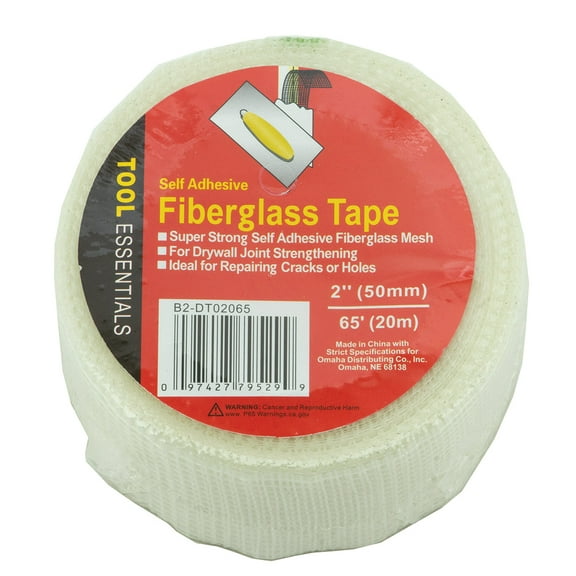
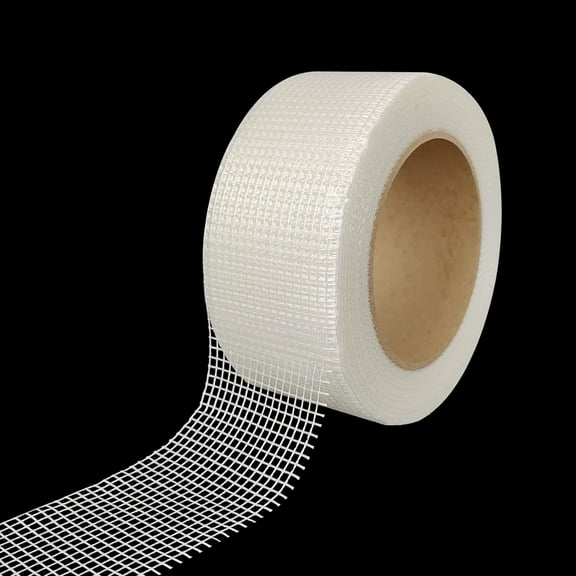
When you choose drywall net, you usually want quick placement and steady coverage over cracks or small openings. You can start faster because self-adhesive fiberglass mesh stays in place while you apply compound.
If your project includes long flat seams or inside corners, you may prefer paper tape for crisp folds and a flatter finish. You can also compare composite styles when you want easier handling with added reinforcement.
Color can help you sort options during installation and restocking. You’ll often see white drywall tape, while yellow or blue options can help you identify a specific type in your workspace.
- You can use fiberglass mesh for fast crack repair and small patch work.
- You can use paper tape for joint finishing, inside corners, and smooth feathering.
- You can use composite tape when you want added structure with simpler positioning.
- You can choose self-adhesive, moisture-activated, or non-adhesive styles based on your finishing method.
Choosing the right drywall repair tape for your project
Your repair type should guide your tape choice before you open a bucket of compound. You’ll get cleaner results when your tape matches crack repair, hole patching, or joint finishing.
For small wall damage, you may want drywall repair tape that covers the area without bunching. You can often handle simple patches more easily with mesh because it grips the surface first.
For new seams, you may want tape that lays flatter under compound. You can use paper tape when you need a neat line along butt joints, tapered joints, or inside corners.
Width and length matter when you’re planning a full room or a quick fix. You can measure your seam run first, then choose rolls that reduce waste and mid-project roll changes.
If you’re working in bathrooms, kitchens, or utility spaces, you should compare tapes made for damp-prone rooms. You can look for options designed for moisture resistance and dependable adhesion in busy spaces.
What to look for in material type and adhesive style
Material type changes how your tape handles, cuts, and finishes. You can compare fiberglass mesh, paper, and composite constructions based on your wall condition and your preferred compound.
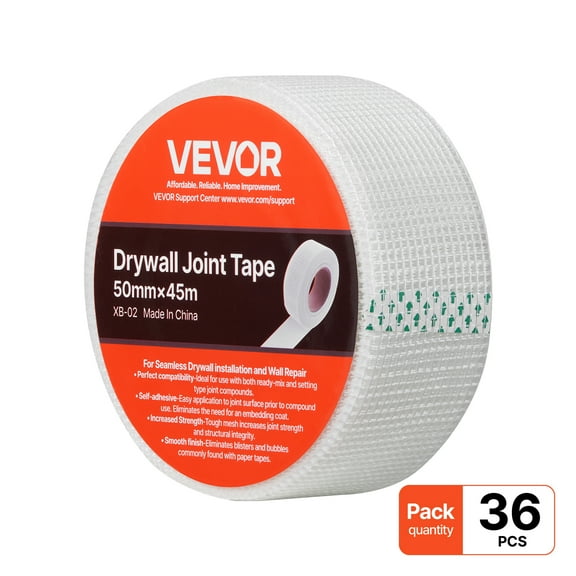
Fiberglass mesh works well when you want tape that sticks to drywall before finishing starts. You should pair self-adhesive mesh with setting-type compound, because that combination supports a stable patch.
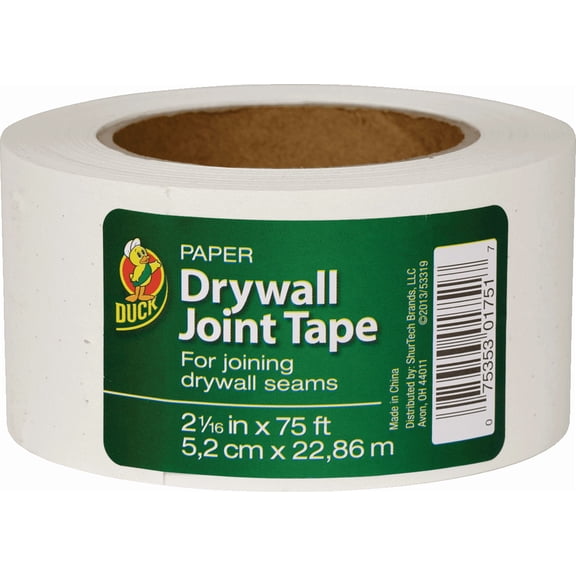
Paper tape works differently, so you’ll bed it into joint compound instead of sticking it directly to the wall. You can press it into a fresh coat when you want a flatter finished seam.
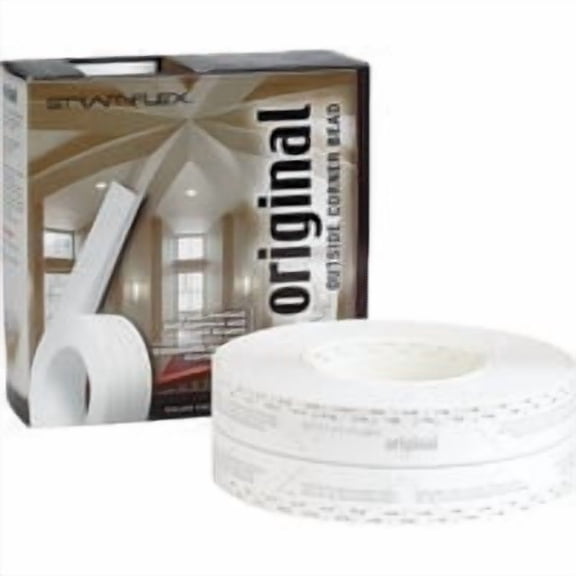
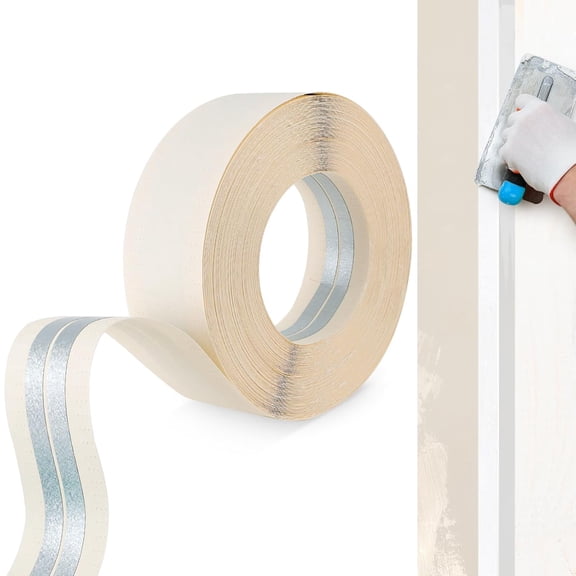
Composite options can help when you want more control than loose paper and more structure than open mesh. You can compare them for corners, transitions, or repairs that need firmer support.
Adhesive style also affects your pace. You can choose self-adhesive tape for quicker placement, moisture-activated tape for controlled bonding, or non-adhesive tape for traditional finishing methods.
Spackling tape and gypsum tape may appear in your search, but your decision still comes down to material, adhesive, and finish goals. You can use those terms as alternate paths to the same wall repair category.
Comparing white drywall tape, widths, and roll lengths
White drywall tape is common because you can see compound coverage and seam lines clearly during application. You can also compare colored rolls when you want faster visual sorting on a busy jobsite.
Narrow widths can help you handle tight cracks and smaller repairs with less trimming. Wider formats can help you bridge larger damaged areas when you’re patching holes or blending uneven edges.
Shorter rolls may suit occasional home touch-ups and closet repairs. Longer rolls can make more sense when you’re finishing several rooms and want fewer interruptions during taping.
You should also check whether the tape tears cleanly or cuts neatly with your drywall knife. You’ll notice that easier handling can improve speed when you’re moving from seam to seam.
How tape para drywall and tape para sheetrock fit your project
If you search tape para drywall or tape para sheetrock, you’re still comparing the same key decisions. You should look at mesh versus paper, self-adhesive versus non-adhesive, and the roll size your project needs.
For quick household repairs, you may want fiberglass mesh that stays put while you cover a crack. For room finishing, you may want paper tape that folds into corners and smooths under joint compound.
If you manage repeat repairs, you can keep several material types on hand for different wall surfaces. You can also pair your tape choice with joint compound, drywall knives, and wall repair patches for a smoother workflow.
When you compare these options at Walmart, you can narrow your choice with practical details instead of guesswork. You’ll finish with tape that matches your compound, your room, and your repair plan.