

Drop Leaf Kitchen Islands & Carts in Kitchen & Dining Furniture




About Drop Leaf Kitchen Islands & Carts in Kitchen & Dining Furniture - Walmart.com
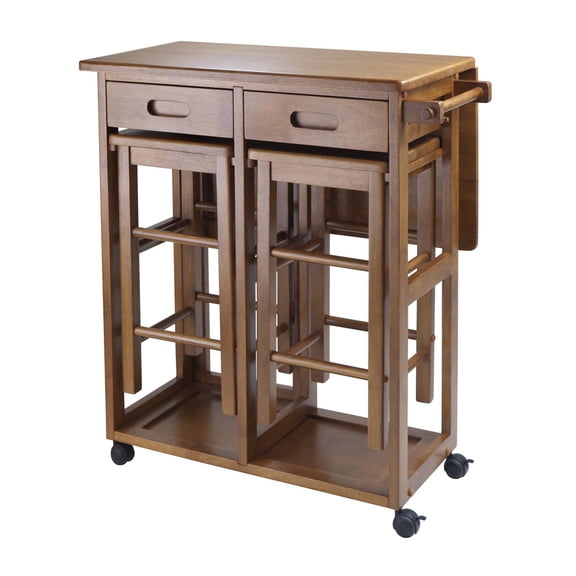
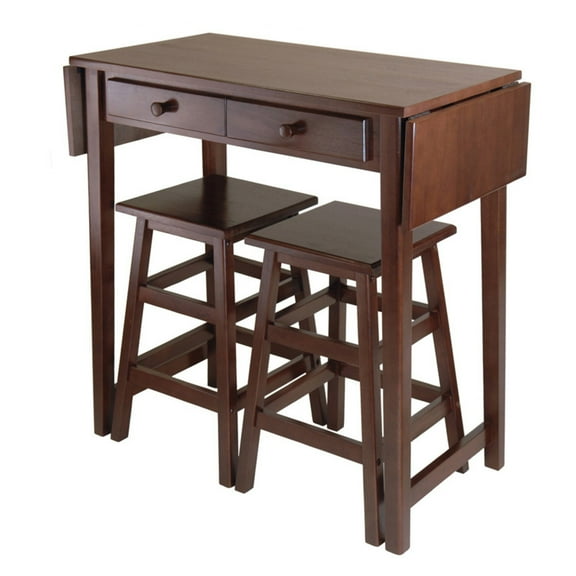
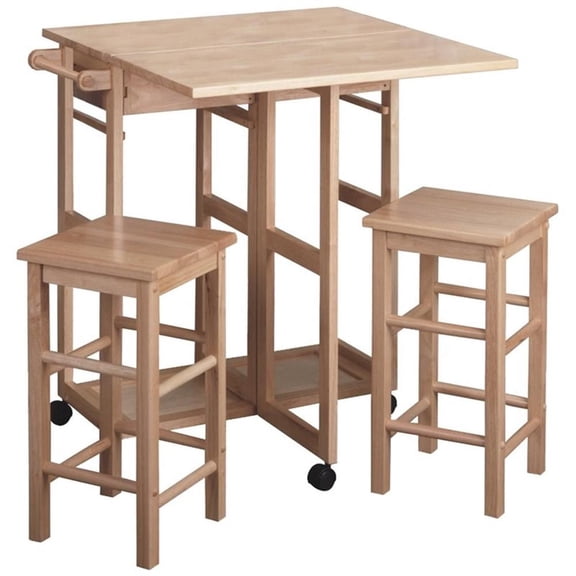
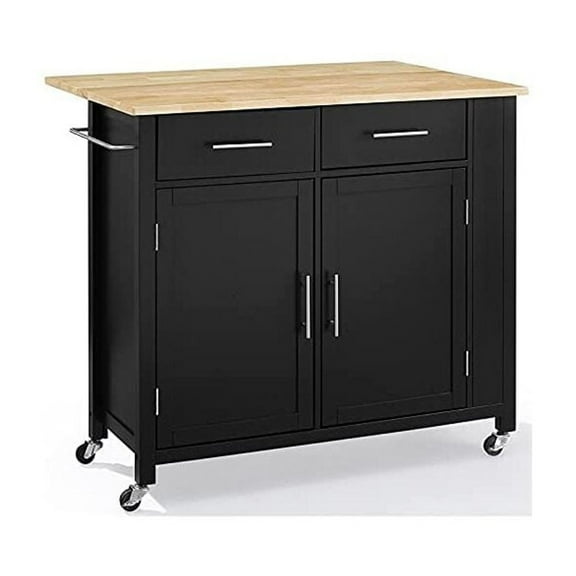
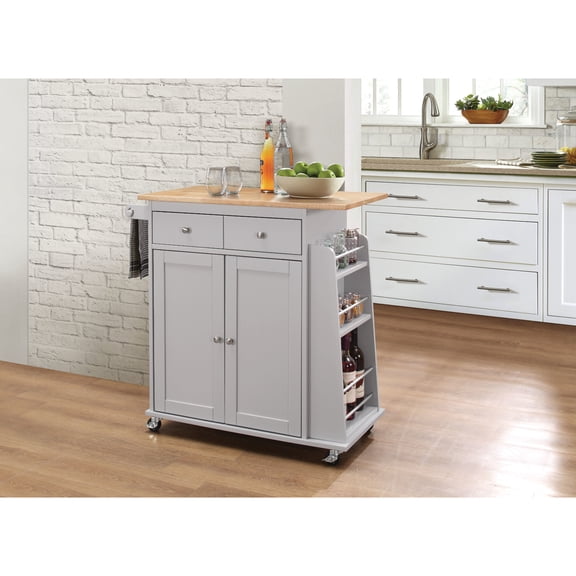
Your drop leaf kitchen cart on wheels can give you prep space, storage, and flexible seating without taking over your kitchen. You can fold the leaf down after meals and keep walkways open in tighter layouts.
How to choose a drop leaf kitchen cart on wheels
When you compare this category, you should start with footprint, mobility, and storage layout. You’ll want each choice to match how your kitchen moves during cooking, serving, and cleanup.
In smaller homes, you may need space saving furniture for small apartments that works through the day. You can use a cart for chopping at noon, dining at night, and extra storage every day.
- You can expand your work surface when you need it and fold it back when you don’t.
- You can move the cart closer to your stove, sink, or table for smoother meal prep.
- You can keep cookware, linens, and utensils organized with drawers, cabinets, or shelves.
- You can add casual seating when you choose a design with stool-friendly overhang.
A drop leaf cart works differently from a fixed island because you control the surface size. You’ll notice that flexibility matters when your kitchen also serves as a dining or homework zone.
Choosing mobility and locking casters
You should decide first whether you need on wheels, stationary support, or locking casters. If you cook in stages, you may want a cart that rolls where your tasks happen.
Locking casters matter when you want movement and a steadier feel during chopping or mixing. You should check whether the wheels lock easily and whether the base feels balanced when the leaf is open.
If your layout stays the same every day, you may prefer a stationary design. If your space changes often, you may prefer kitchen carts with drop leaf surfaces that move between prep and serving areas.
Choosing the right size and width
You should measure your open floor area before you compare widths like 36 inch, 40 inch, or small compact styles. Exact width and depth help you keep doors, drawers, and walkways usable.
A 36 inch kitchen island with seating can suit narrower kitchens when you need a practical eating spot. You should also measure leaf-open depth so stools and traffic still fit comfortably.
Compact carts can work well when you need a small kitchen cart with drop leaf functionality. You’ll want to compare both folded and open dimensions because each number affects daily use.
Choosing seating and stool compatibility
You should look at seating only after you confirm the cart’s width and overhang. A 36 inch kitchen island with seating often works for one or two stools, depending on leg clearance.
If you want a breakfast perch, you should check whether the leaf creates enough knee room. You’ll also want stool height to match the counter height for a more natural seated position.
Some shoppers want a kitchen island with bar stools feel in a compact footprint. You can get that function when the leaf opens toward an overhang instead of blocking storage access.
Choosing storage configuration
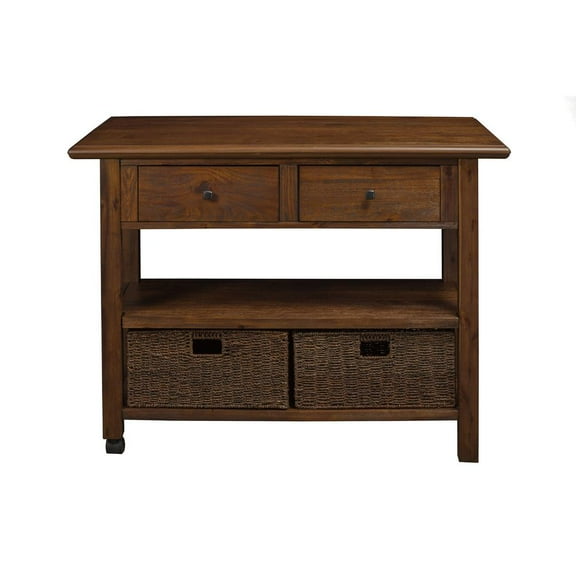
You should match storage to what you actually reach for every day. Drawers can keep tools sorted, while cabinets can hide bulkier items and open shelves can keep essentials visible.
A rolling kitchen island with storage and drop leaf options can support both prep and organization. You may want towel bars, spice racks, or shelves if you like quick access while cooking.
If your counters fill up fast, you should compare drawers and cabinets against open storage. You’ll often find that enclosed space looks tidier, while open shelves make everyday items easier to grab.
How a drop leaf cart fits real kitchens
You can use this category in apartments, galley kitchens, or open-plan homes that need flexible zones. When the leaf stays down, you keep circulation easier around sinks, ovens, and pantry doors.
During meal prep, you can roll the cart beside your main counter and create another work station. During gatherings, you can open the leaf for snacks, drinks, or quick seating.
If you host occasionally, a stowaway dining set feel can come from one compact piece instead of a full table. You get a surface that adapts to prep, serving, and casual meals.
You may also use a drop leaf kitchen cart on wheels as a coffee station or baking center. With the right storage mix, you can keep mixing bowls, mugs, and linens in one place.
For family kitchens, you should think about how often you move the cart and how often you seat guests. That choice can point you toward locking casters, two-stool capacity, or a wider top.
When you compare dimensions, wheel style, and storage details, you can choose with more confidence. The right cart helps you keep your kitchen usable, organized, and ready for meals every day.