

Drill Bits & Drill Bit Sets





















About Drill Bits & Drill Bit Sets - Walmart.com
Drill bits help you match the right cutting edge to wood, metal, masonry, and tile. You can compare materials, shanks, and set sizes to get cleaner holes and steadier drilling.
If you're replacing one worn bit or building out a full kit, you need clear fit guidance. You can use this guide to compare drill bit sets, specialty shapes, and material-specific options.
Choosing drill bits for your material
When you compare drill bits, your work surface should guide your first choice. You’ll usually want wood drill bits for lumber, metal drill bits for steel, and masonry drill bits for brick.
For wood, you can look for twist, spade, or brad point styles. You’ll get different hole shapes, chip removal, and starting control from each type.
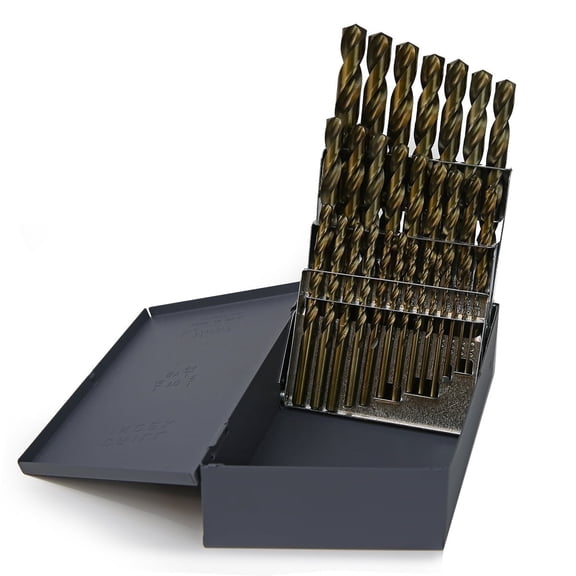
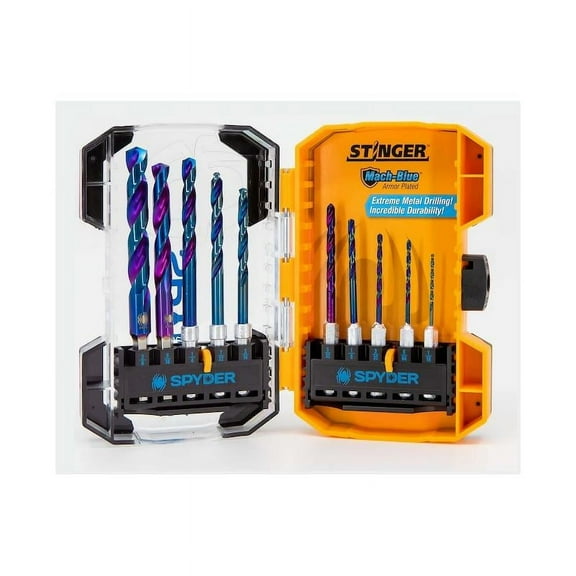
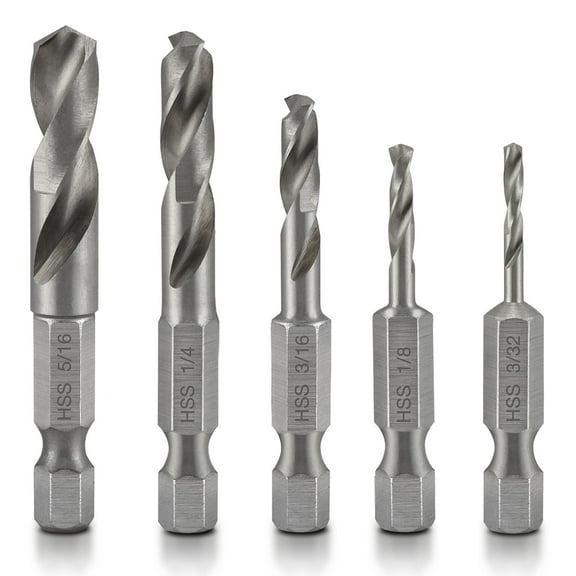
For sheet metal or thicker stock, you may prefer HSS or cobalt drill bits. You’ll notice cobalt handles heat well during repeated drilling into harder metals.
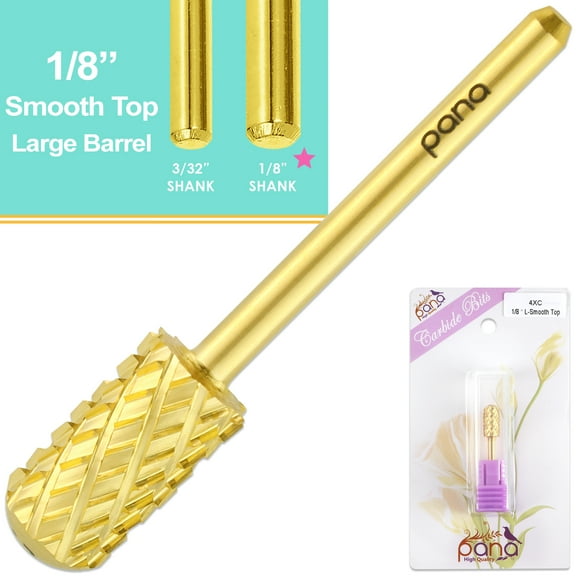
For concrete, brick, or block, you should compare carbide drill bits and masonry drill bits. You’ll get a tip design built for abrasive surfaces and hammer-drill use.
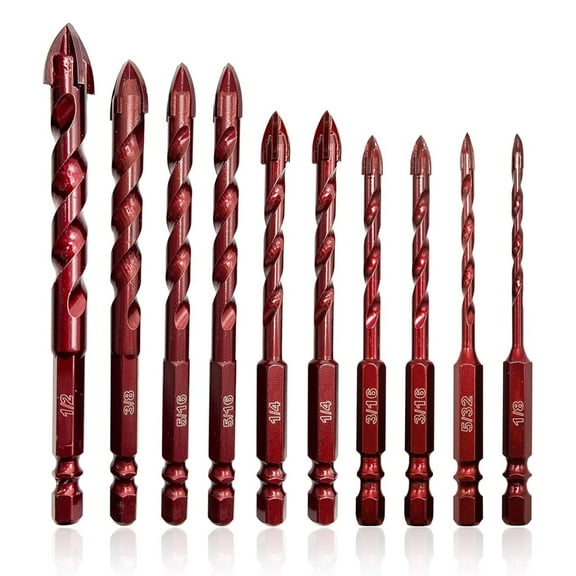
For tile or glass, you should check the packaging for exact surface compatibility. You can avoid guesswork when your bit is labeled for slick, brittle materials.
- You can choose wood drill bits when your project needs cleaner starts in boards, studs, or plywood.
- You can choose metal drill bits when your job calls for steady drilling through aluminum, steel, or hardware.
- You can choose masonry drill bits when your anchors, fasteners, or fixtures need holes in concrete or brick.
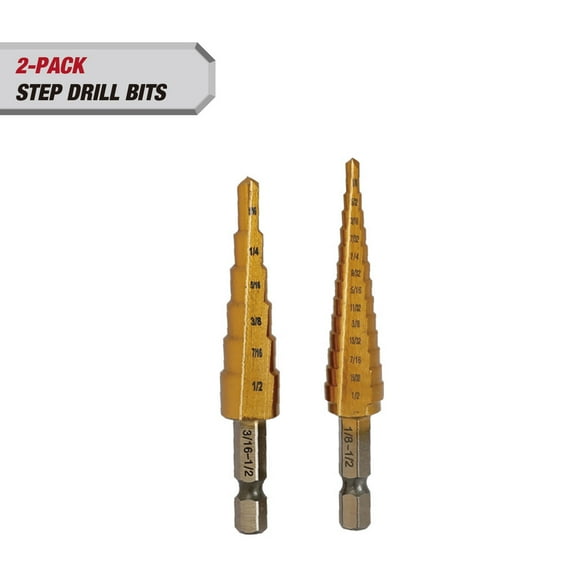
- You can choose step drill bits when your thin metal work needs several hole sizes from one bit.
How to compare drill bit sets and bit materials
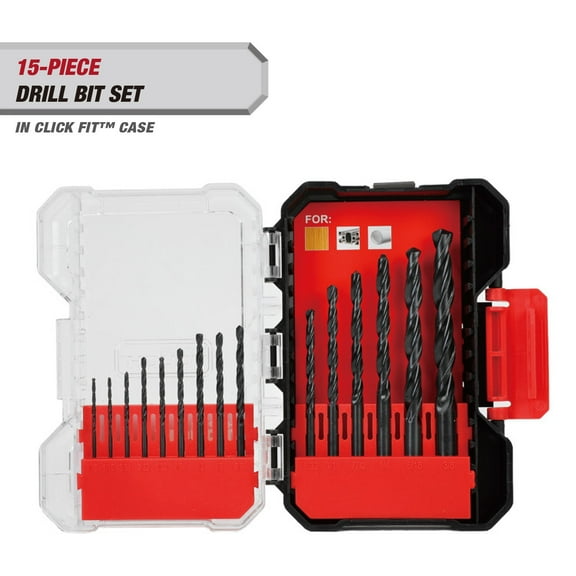
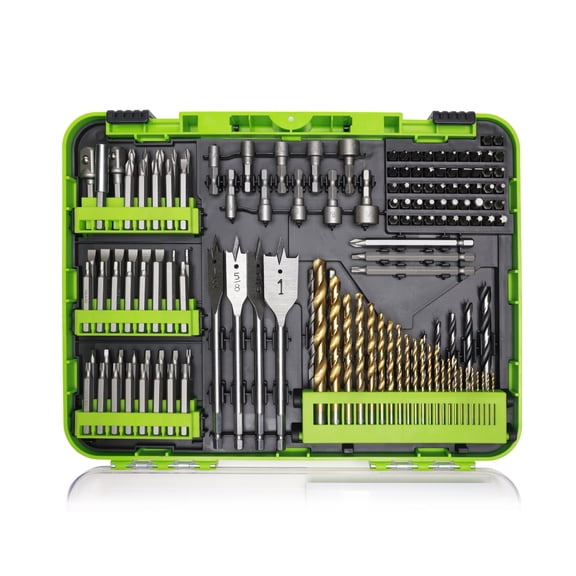
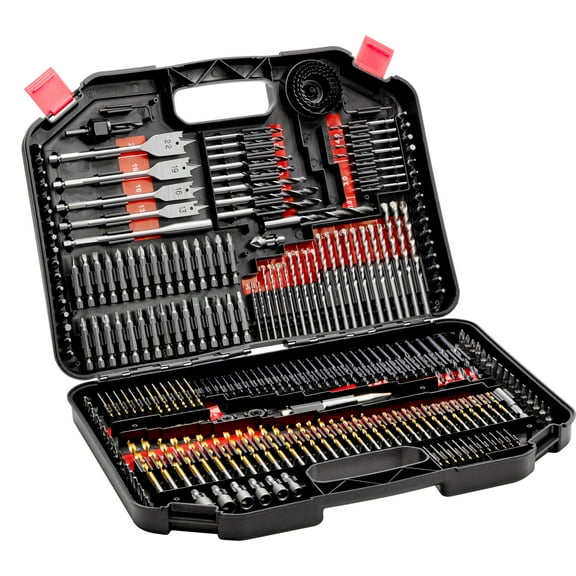
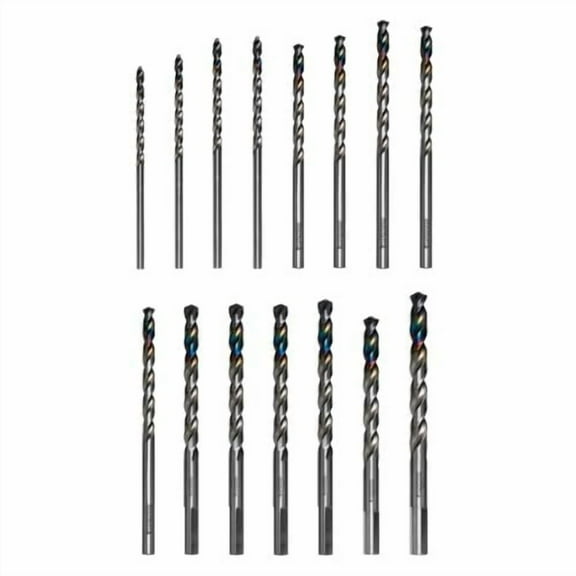
When you shop drill bit sets, you should first decide how many sizes your project needs. You can choose individual bits for replacements, small sets for home tasks, or bulk sets for varied jobs.
HSS works well when you want an everyday option for common drilling tasks. You can use it across many general projects without jumping to a specialty material.
Cobalt adds heat resistance, which matters when you drill harder metals often. You’ll usually pick cobalt drill bits when repeated friction would wear standard bits faster.
Carbide-tipped designs help when your surface is especially abrasive. You can rely on carbide drill bits for concrete, masonry, and other tough materials that dull edges quickly.
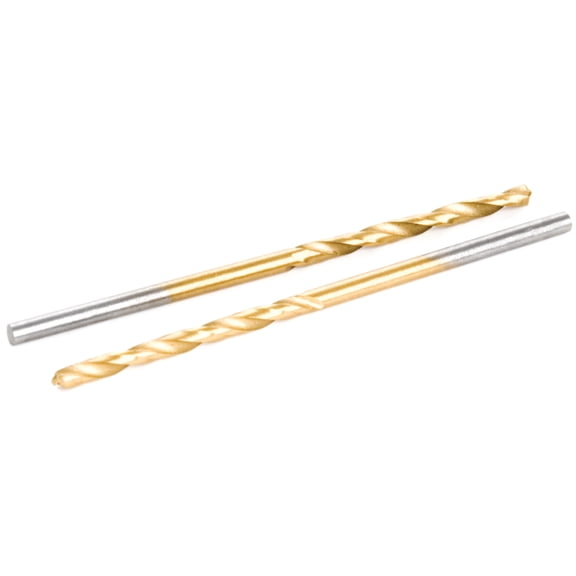
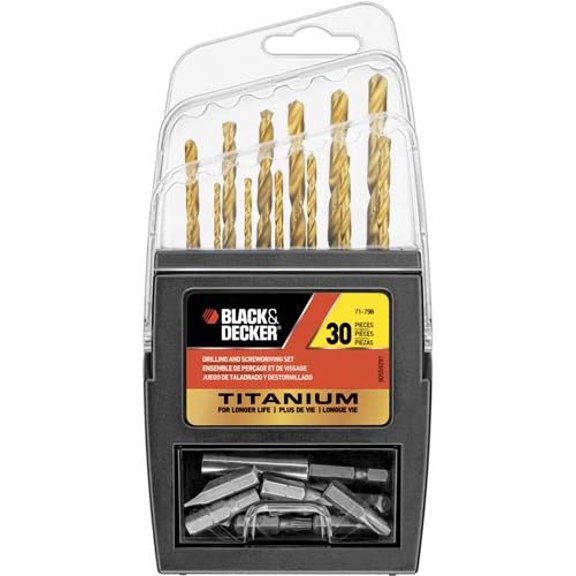
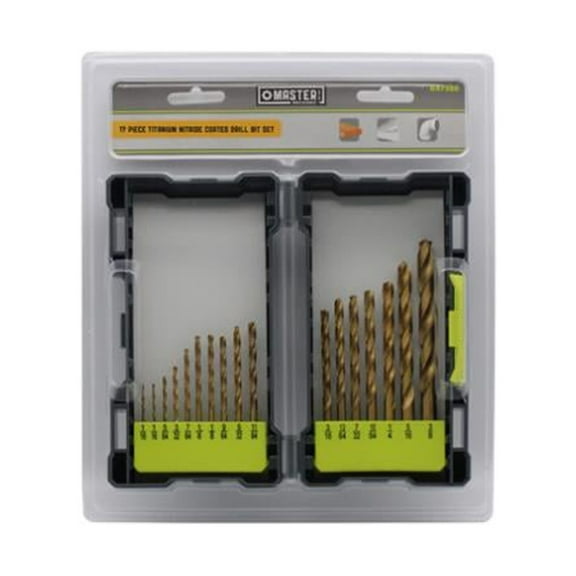
Titanium-coated bits can help your bit stay slick during regular drilling. You should remember the coating supports wear resistance, while the core material still affects overall performance.
Set size also changes how you work. You can grab a small set for simple repairs, while larger drill bit sets cover more diameters for mixed projects.
What to look for in shank types and bit styles
Your tool matters as much as your cutting edge, so you should check shank type before buying. You can match round or straight shanks to many standard chucks.
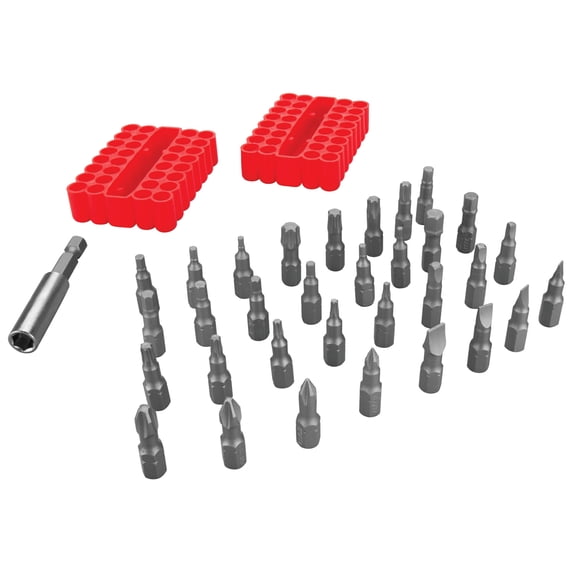
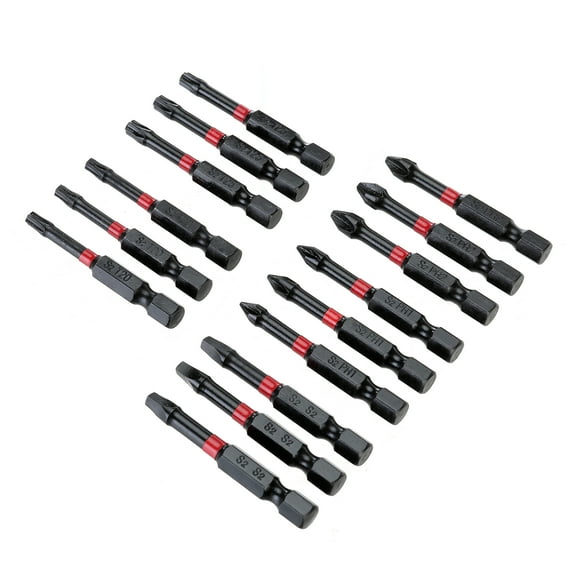
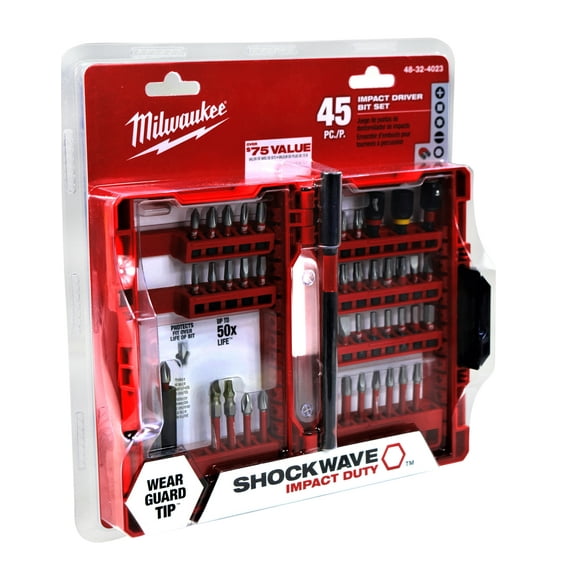
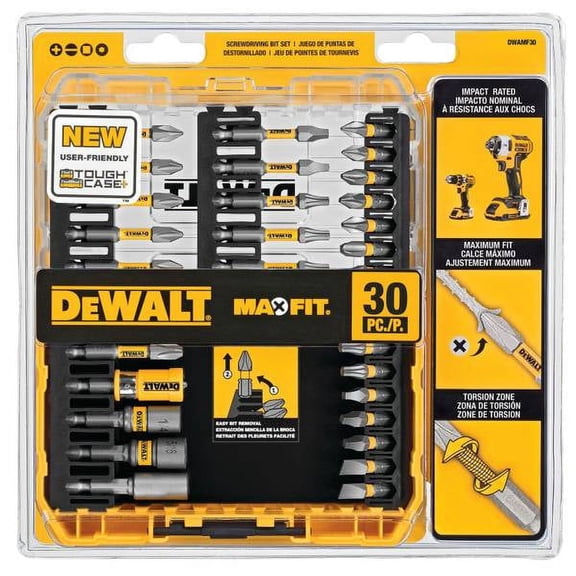
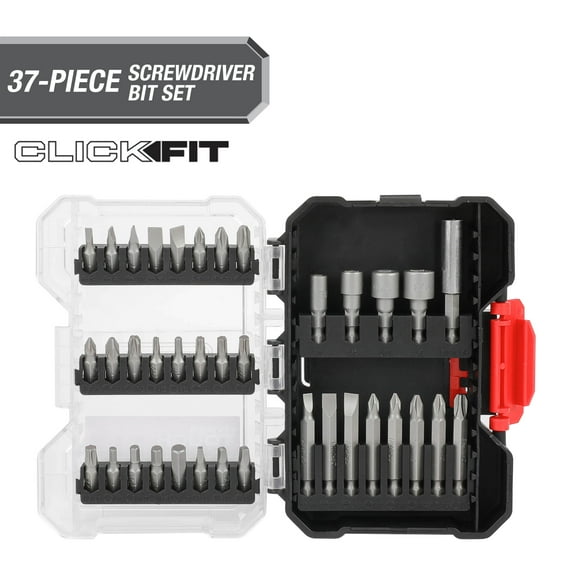
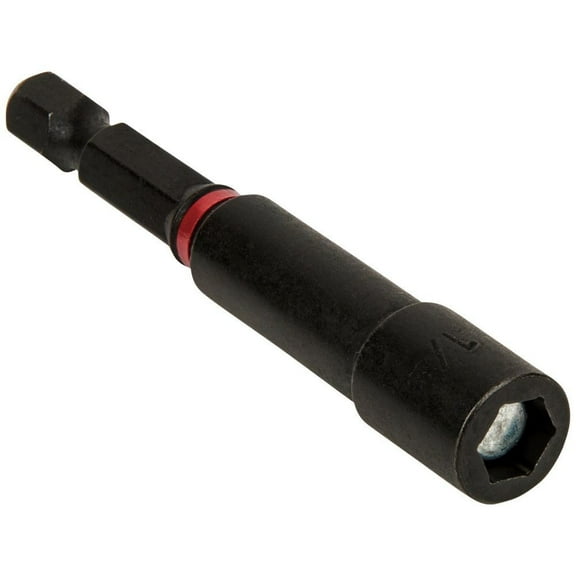
Hex shanks are useful when you switch bits often or use an impact driver. You may look for impact drill bits when your driver setup calls for a more secure grip.
SDS Plus shanks fit specific rotary hammer tools, not standard household drills. You should confirm your tool type before choosing a masonry bit with this connection.
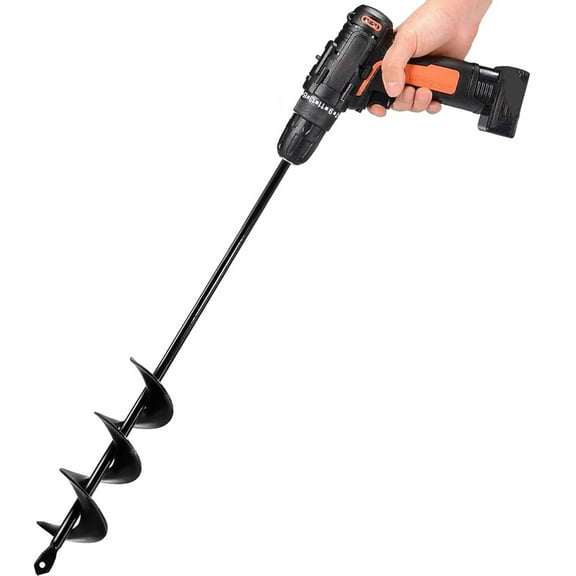
Bit style changes the result you get from each pass. You can use twist bits for general holes, spade bits for larger wood holes, and brad point bits for precise starts.
Step drill bits help you enlarge holes gradually in thin materials. You’ll often find them useful for sheet metal, plastic panels, and electrical box work.
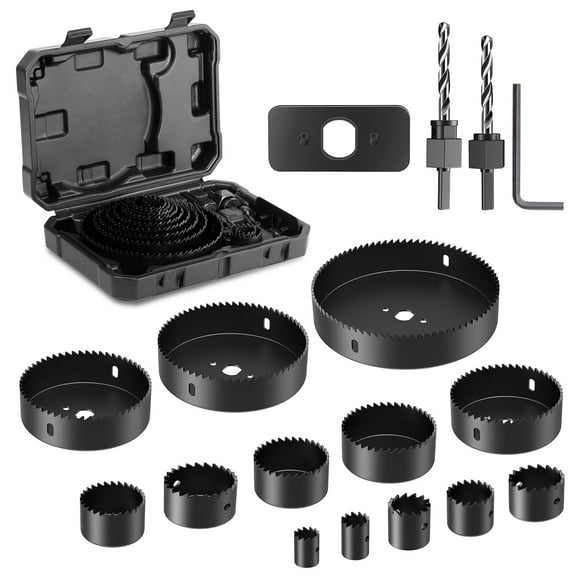
Hole saw styles cut wider circular openings than standard bits can manage. You can use them when your project needs room for door hardware, piping, or recessed fixtures.
Matching drill bits to real projects
If you're hanging shelves on a brick wall, you’ll likely need masonry drill bits and the right shank for your tool. You can drill anchor holes more accurately when the bit matches the surface.
When you're assembling a workbench or framing a repair, wood drill bits can help you start cleanly. You can choose brad point or spade options based on hole size and finish needs.
If you're installing hardware on metal doors or drilling pilot holes in steel, metal drill bits make more sense. You may prefer cobalt when your job includes repeated drilling into harder stock.
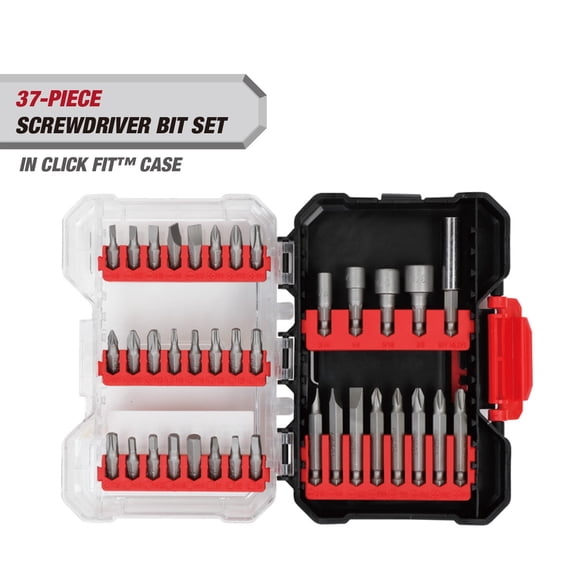
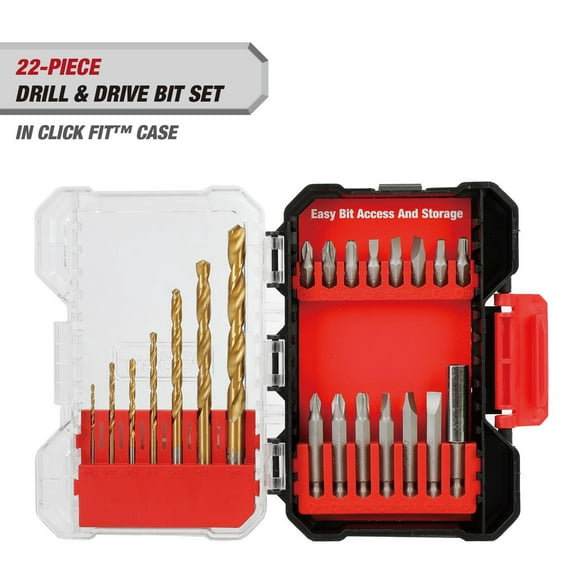
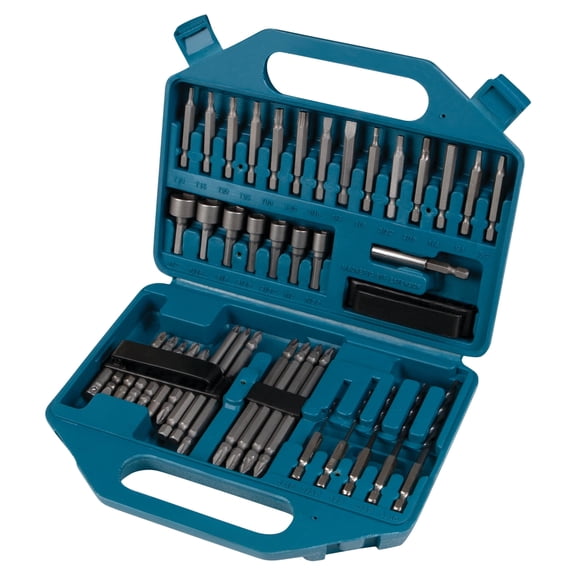
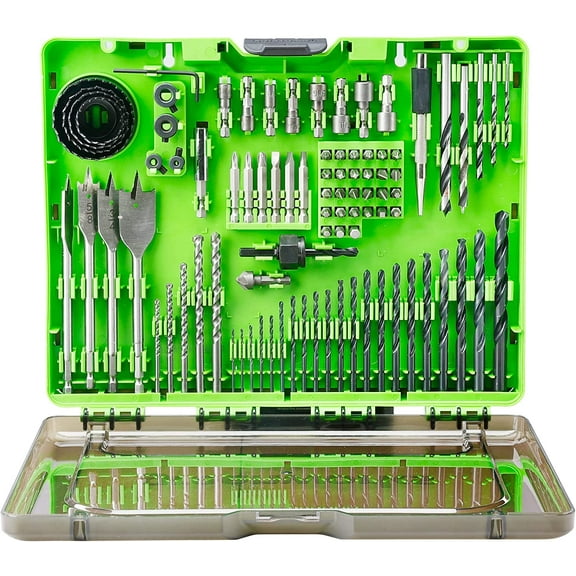
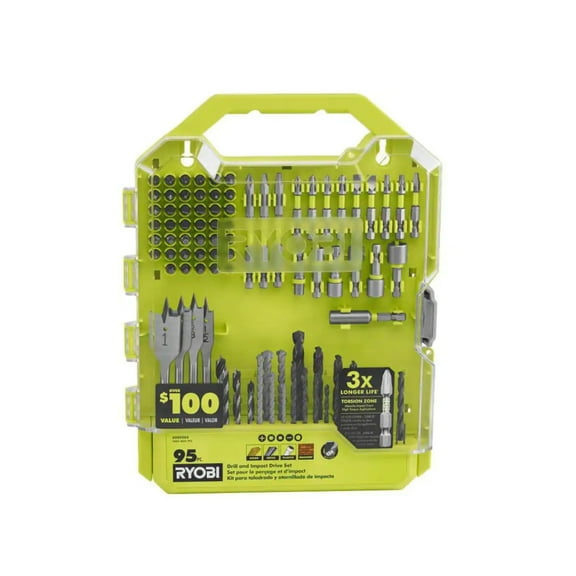
For home maintenance, a mixed drill bit set can cover common sizes in one case. You can keep replacements organized and switch faster between pilot holes and larger openings.
When you're working with thin sheet metal, step drill bits can reduce the need for multiple standard bits. You can widen openings gradually for conduit, cable pass-throughs, or panel hardware.
If your setup includes an impact driver, you should verify whether hex-shank options fit your workflow. You can avoid slipping and frequent chuck adjustments with impact drill bits built for quick changes.
With the right drill bits, you can drill cleaner holes, match your tool correctly, and handle more materials with confidence. You’ll finish projects with less guesswork and a setup that fits the job.