

Downspouts in Guttering & Drainage
































About Downspouts in Guttering & Drainage - Walmart.com
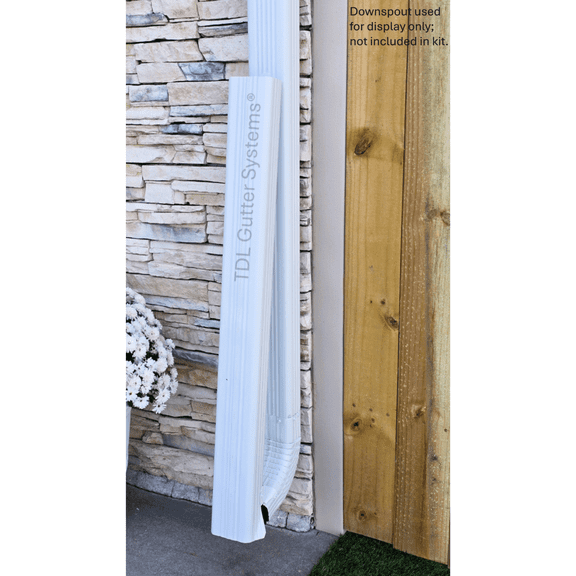
Downspouts help you direct roof runoff with a cleaner fit for your gutter system. You can compare sizes, materials, and extension styles that match your home’s drainage layout.
How to choose downspouts for your gutter setup
Start with fit, because your existing outlet shape guides every other decision. You can compare rectangular, round, and corrugated profiles before choosing replacement parts.
Measure your current opening carefully, then compare 2x3 inch and 3x4 inch sizing. Your measurements can help you avoid loose connections and extra trimming during installation.
Roof area also matters when you choose capacity for steady drainage flow. A 3x4 downspout can suit larger roof sections that send more runoff into each outlet.
- You can match the profile to your current gutter outlet shape.
- Your measurements can guide the right 2x3 inch or 3x4 inch choice.
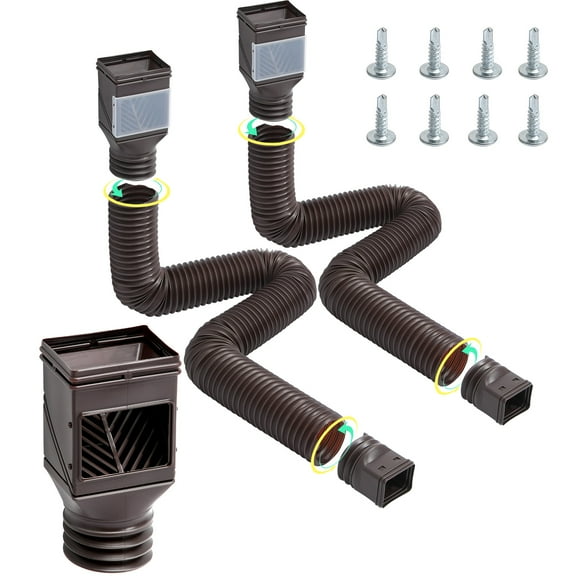
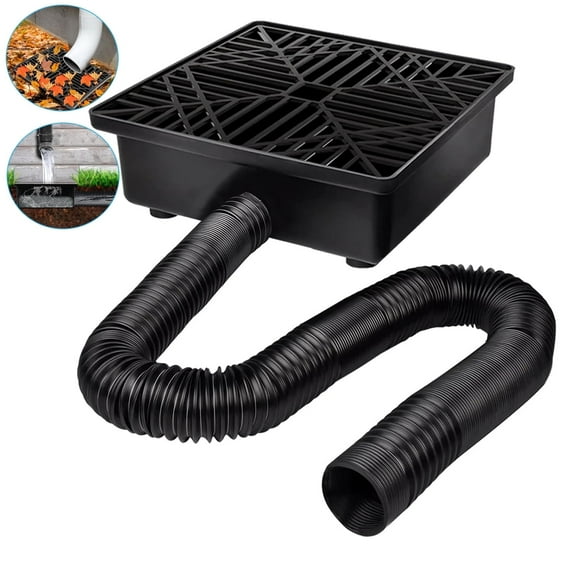
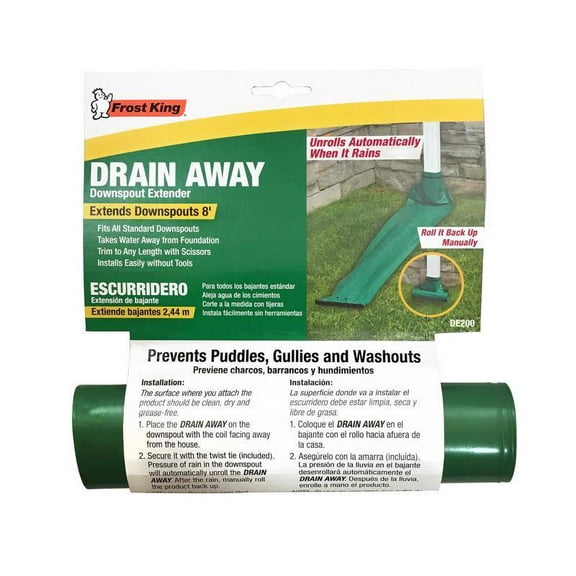
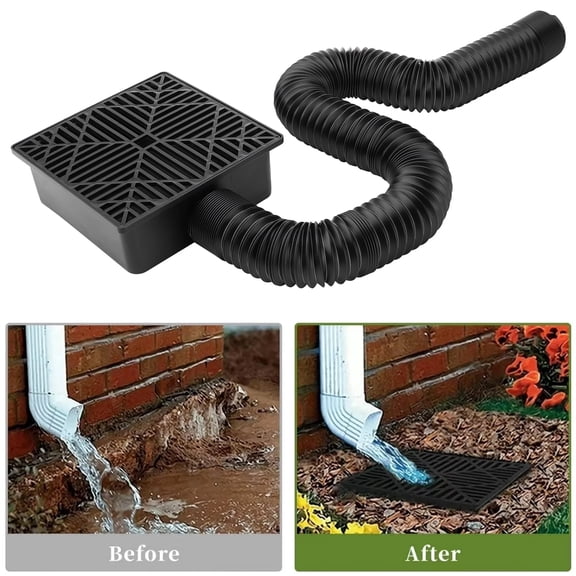
- You can use gutter downspout extensions to move runoff farther from the wall.
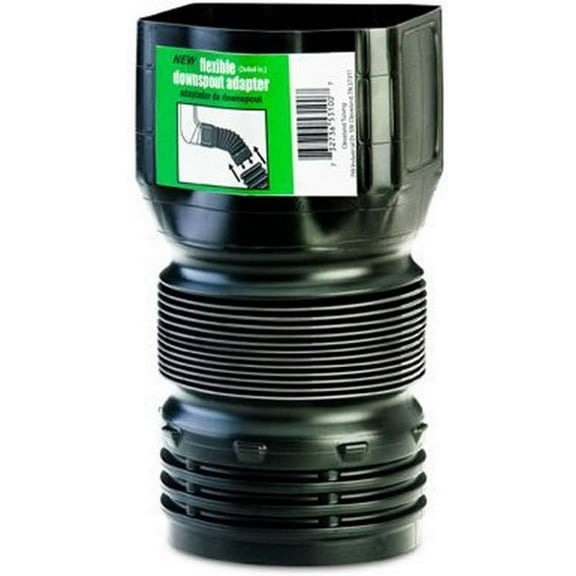
- Your setup may need a downspout adapter when shapes or sizes differ.
Choosing materials and gutter downspout extensions
Material affects how your system looks, feels, and installs around your exterior. You can compare aluminum downspouts, vinyl downspouts, plastic pieces, and copper styles by climate and appearance.
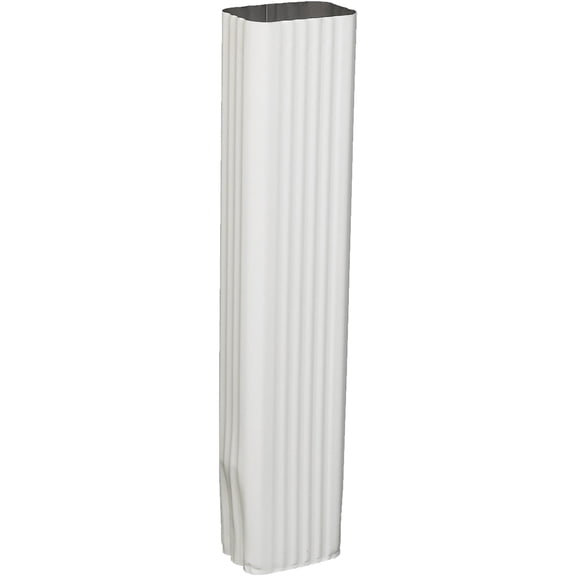
Aluminum can give you a rigid feel and a familiar match for many gutter systems. Vinyl and plastic can help you handle lighter sections when you need simple cuts and quick assembly.
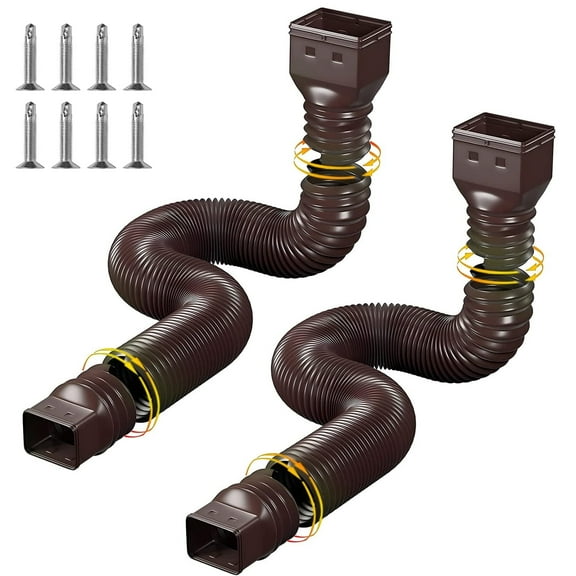
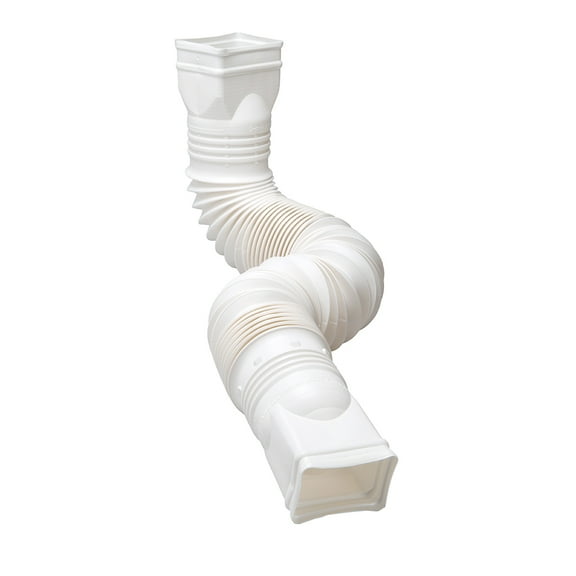
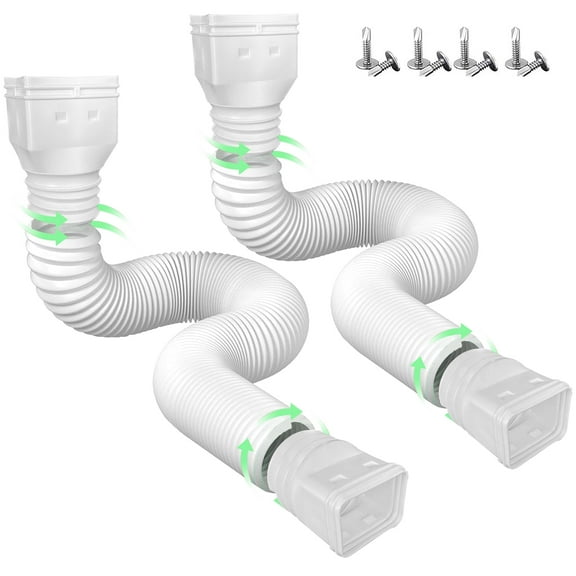
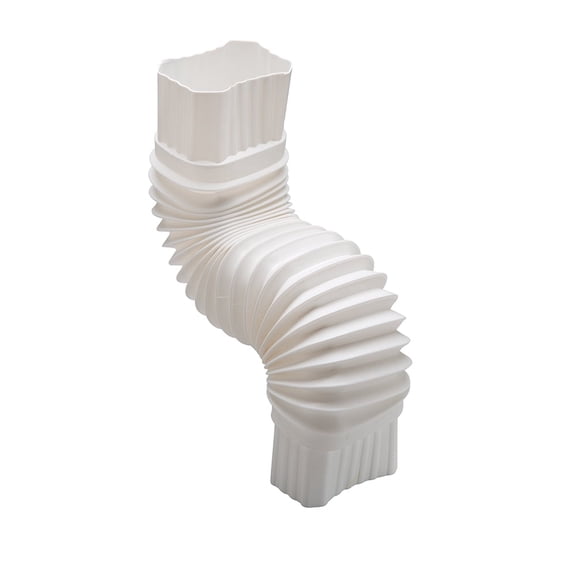
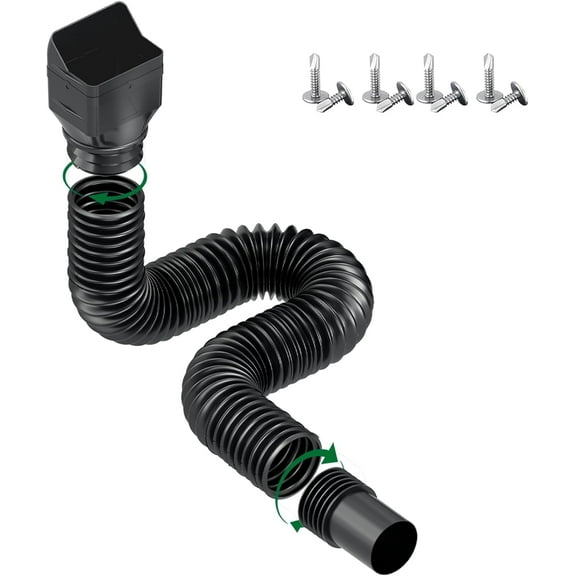
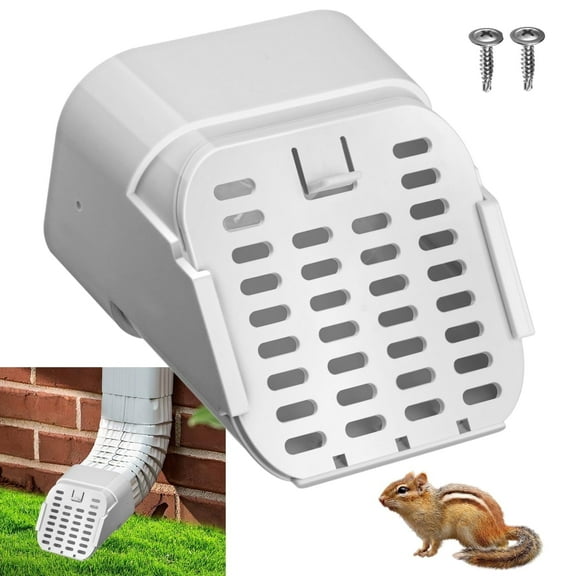
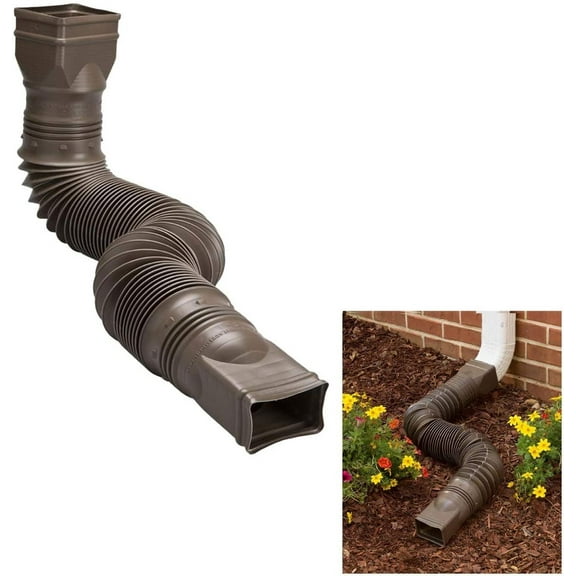
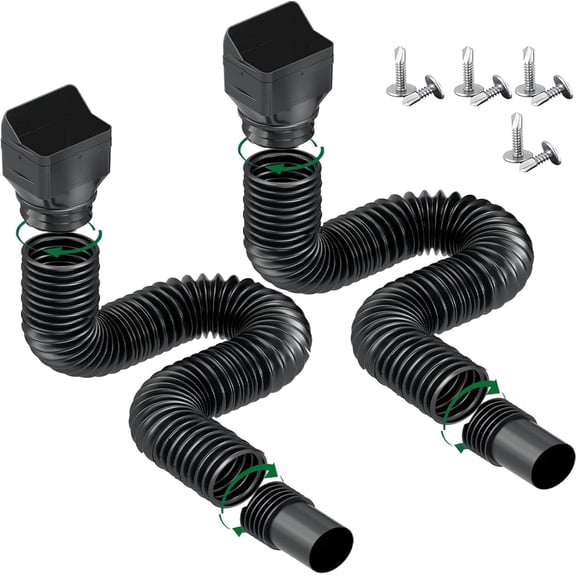
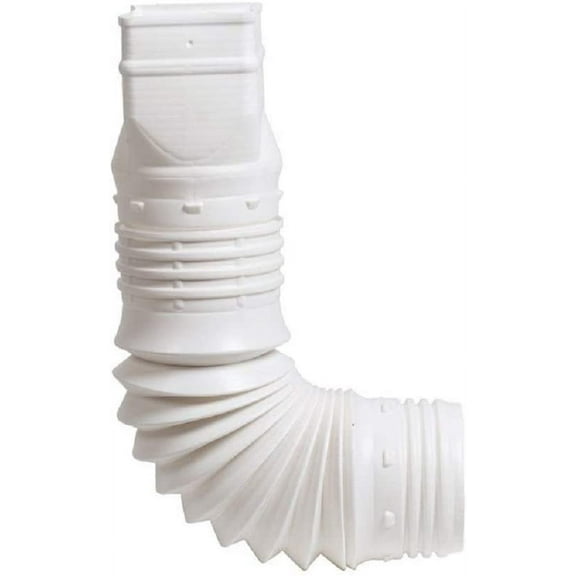
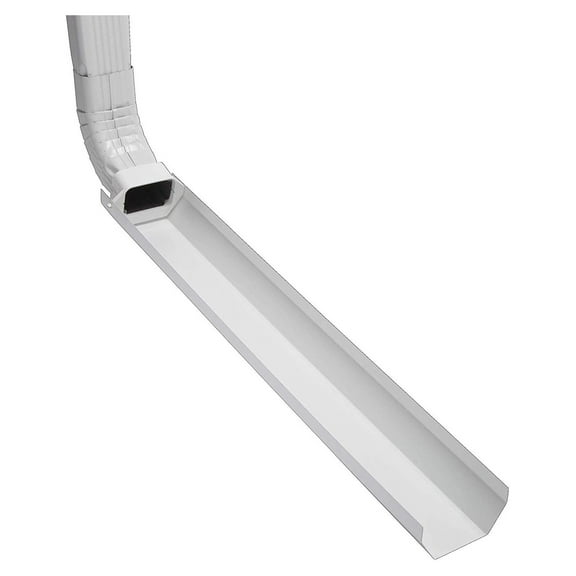
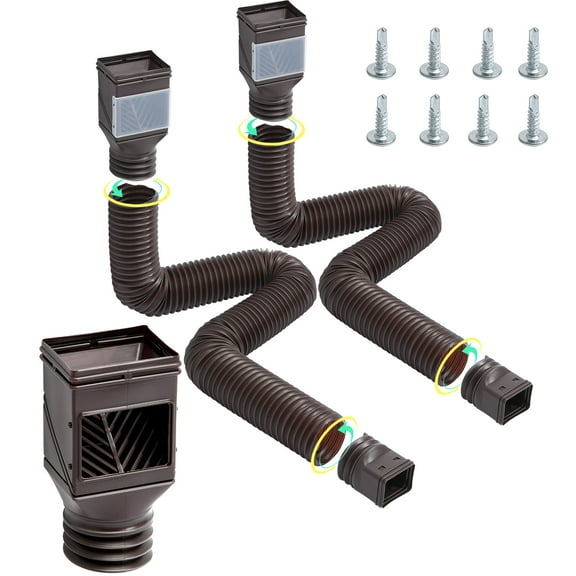
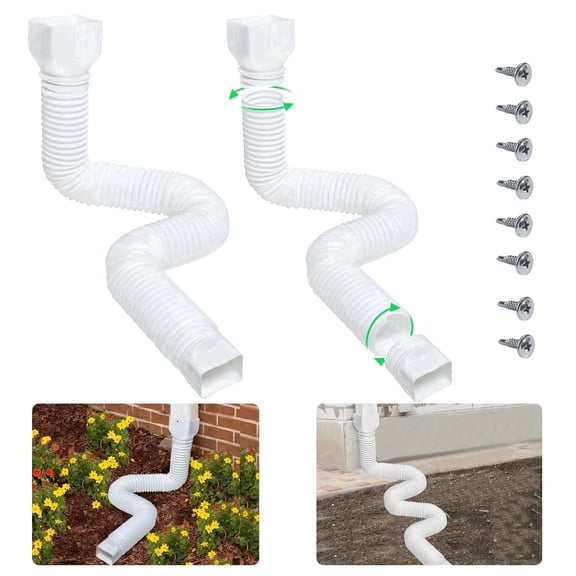
Extension style matters when your yard, walkway, or planting bed changes the drainage path. You can compare rigid runs for straight routing and a flexible downspout extension for bends or uneven ground.
Expandable sections can help when your layout changes through the season. You can extend runoff farther across mulch, edging, or gravel without planning one fixed length.
What to look for in shape, size, and connector style
Component details can shape how smoothly your installation comes together. Your project may call for a downspout pipe, elbow, extension, or downspout adapter to complete the run.
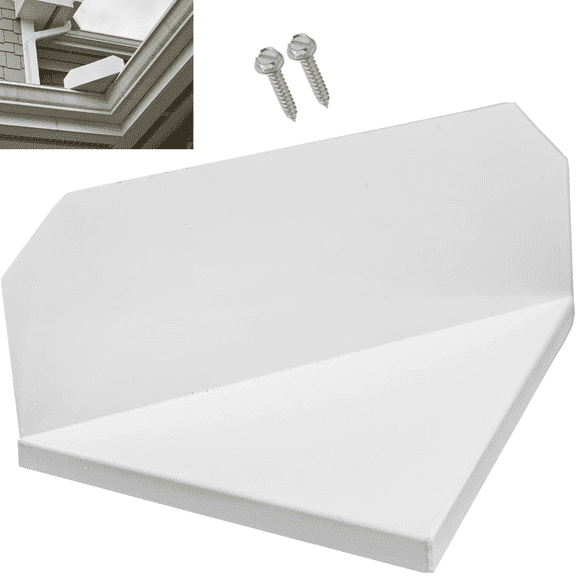
Elbow style is a key detail when your downspout turns from the gutter to the wall. You should compare direction and angle so your sections line up with the house.
Connector type also deserves a close look before you order replacement parts. Your current system may use slip-joint or crimped ends, and that detail can affect compatibility.
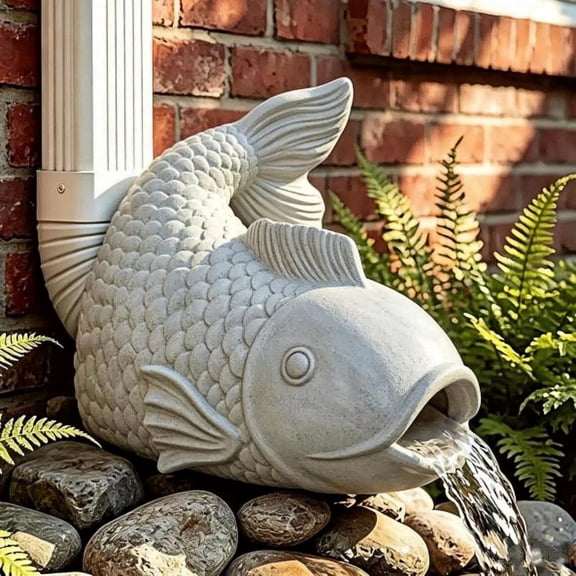
Rigid pieces can help you create a neat vertical drop along the siding. Flexible sections can help you guide runoff around planters, steps, or hardscape edges at ground level.
Choosing extension length for your drainage path
Extension length depends on where you want water to leave the house. You can measure from the wall to the discharge point before choosing rain gutter extensions.
A short bed near the foundation may call for a compact piece. Longer runs can help when your patio, path, or grading keeps the outlet too close to the house.
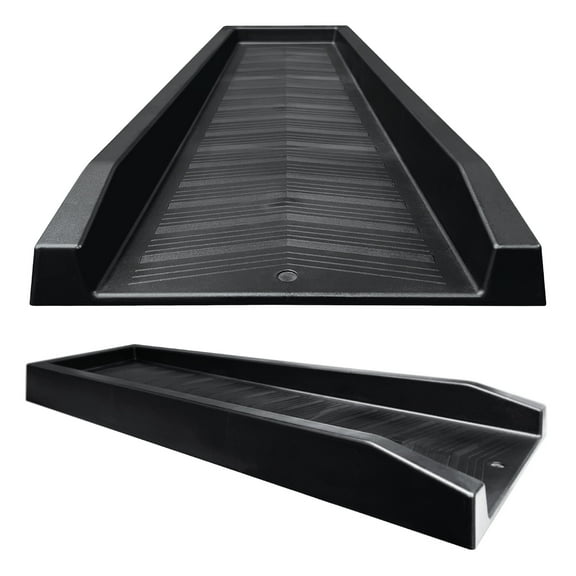
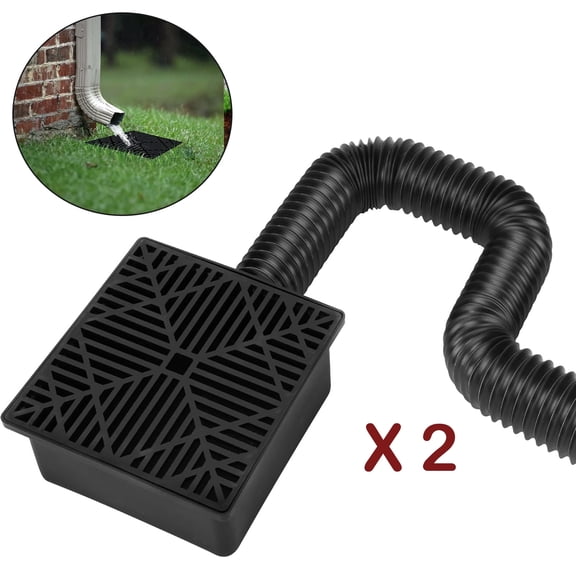
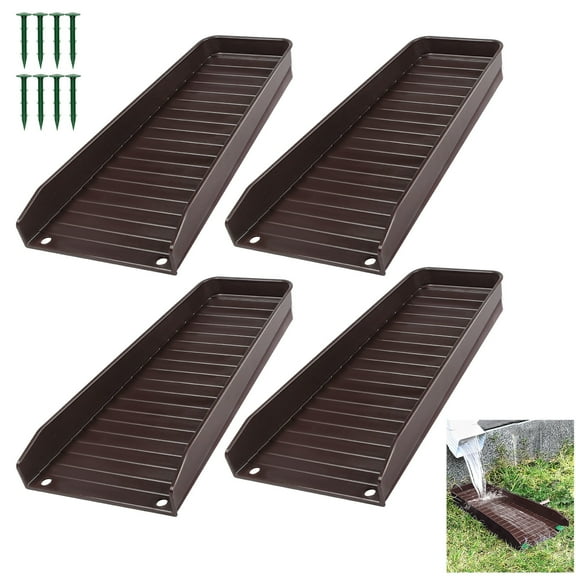
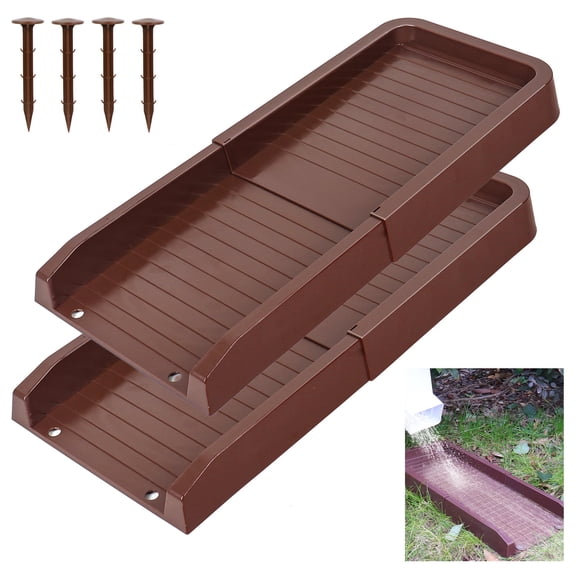
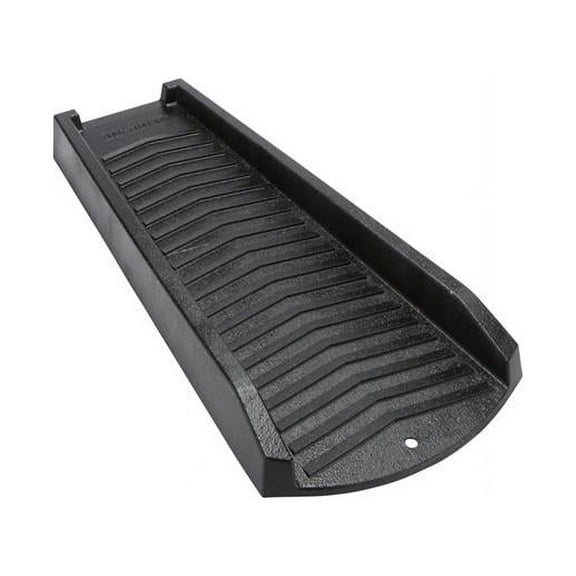
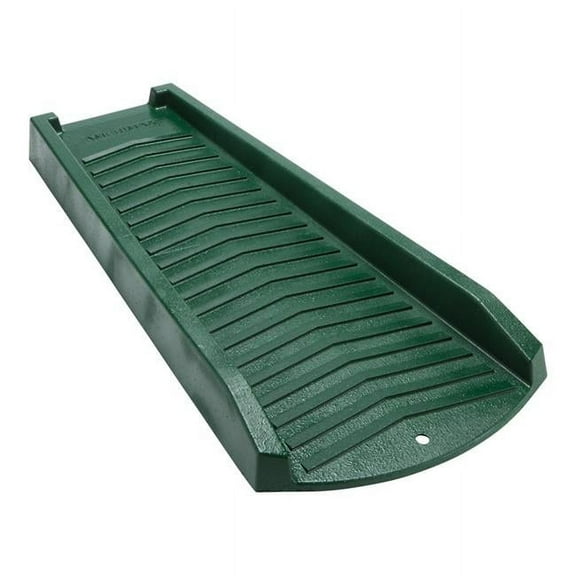
Surface conditions can also guide the style you choose for the last section. You can pair the outlet with a downspout splash block when you want a steadier surface path.
If your landscaping changes often, adjustable sections can keep your setup flexible. You can reposition expandable pieces around shrubs, borders, or seasonal yard updates.
Using downspouts in common home projects
Different projects call for different combinations of size, shape, and flexibility. You can choose simpler runs for sheds and garages or more tailored setups for finished exterior walls.
Tight side yards often need a route that turns around obstacles cleanly. A flexible downspout extension can help you guide runoff around utility lines, planters, or fence posts.
Visible front elevations often make profile and material more important. You can compare round downspouts, rectangular shapes, aluminum finishes, and vinyl colors for a coordinated look.
Older systems may need replacement sections that match existing connector details. Your measurements can help when you compare outlet shape, elbow direction, and adapter needs before installation.
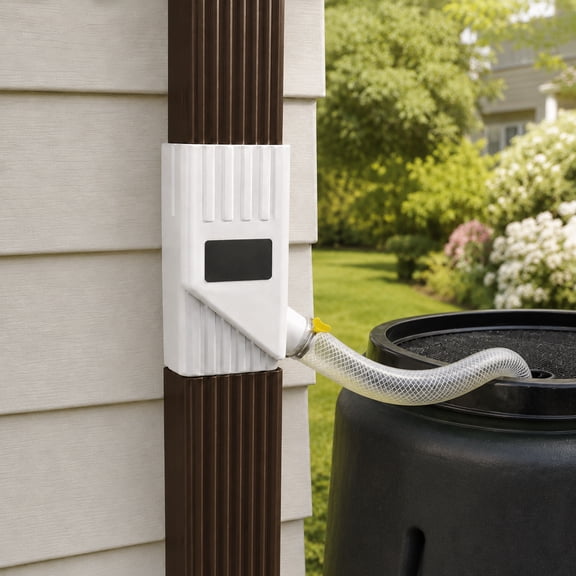
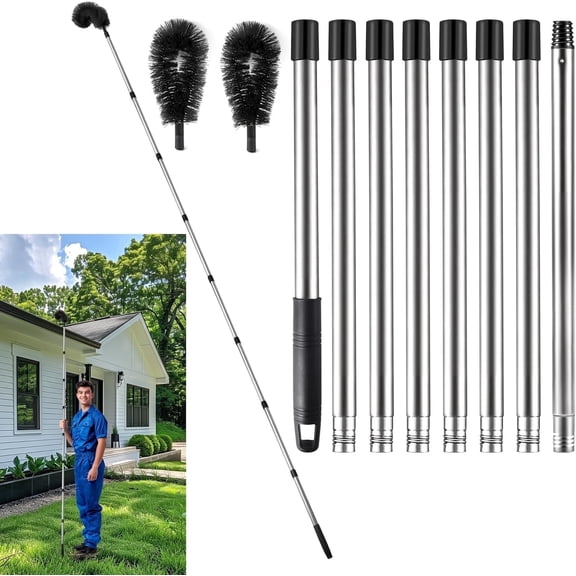
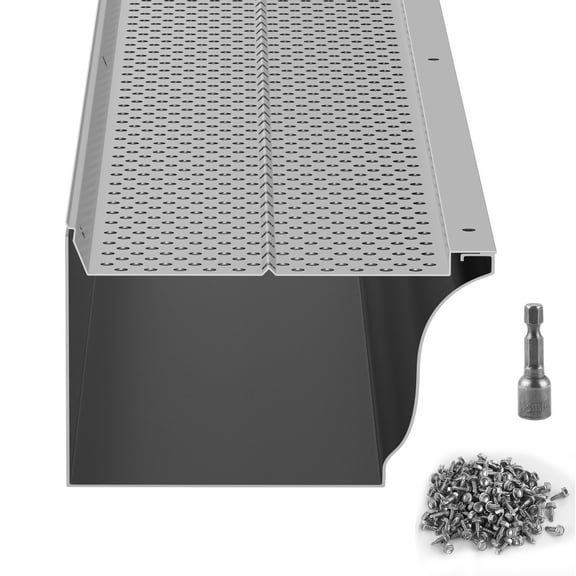
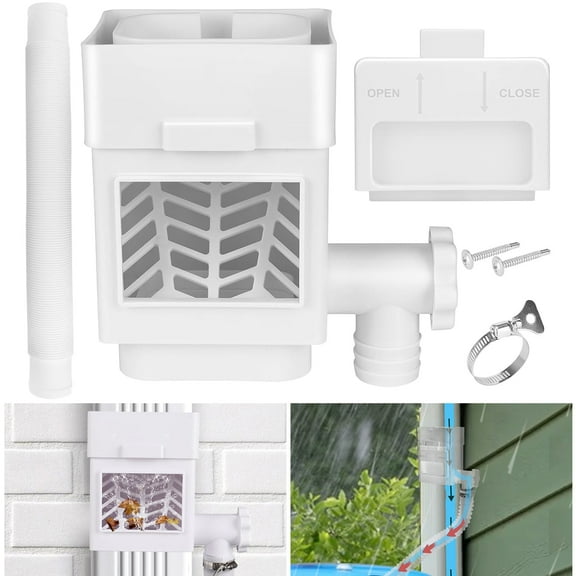
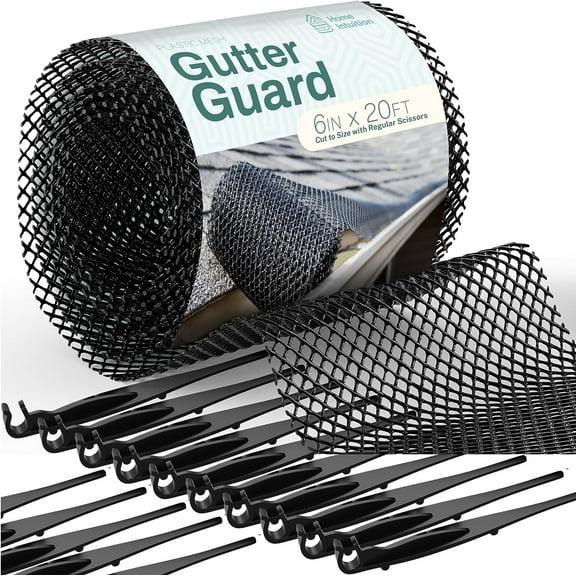
Full drainage refreshes often include related gutter parts around the downspout run. You can coordinate extensions, splash blocks, gutter guards, and drainage pipes for a more complete water path.
The right downspouts can make your gutter system easier to match and install. You can narrow your choice faster when your size, material, extension type, and connectors align from the start.