






Dog Muzzles in Dog Training & Obedience
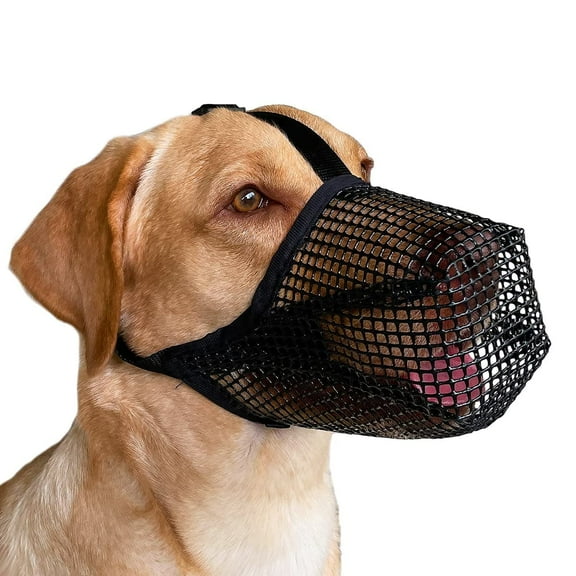


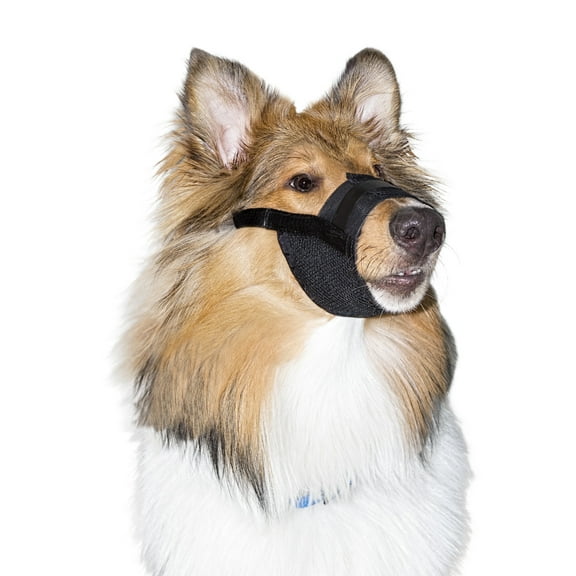


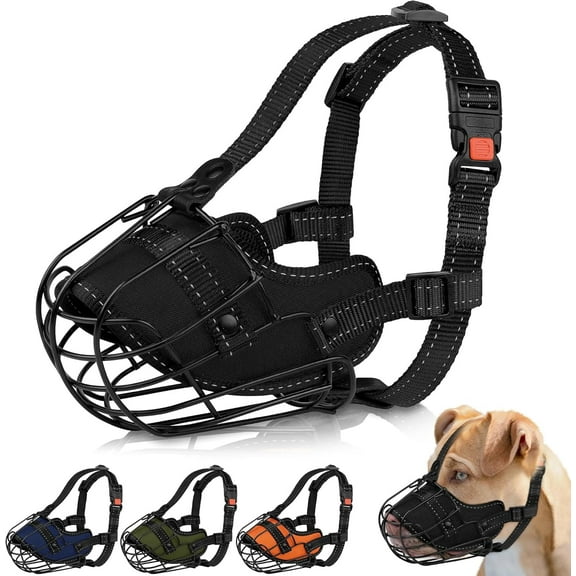























About Dog Muzzles in Dog Training & Obedience - Walmart.com
Muzzle for dogs options help you manage walks, grooming, and training with calmer control. At Walmart, you’ll find basket and cloth styles in many sizes. That makes it easier to match your dog’s snout shape and activity level. Choose a fit that allows panting and drinking when your dog needs to cool down.
Some pets need a muzzle during vet visits or nail trims. Others need extra management around new people or busy environments. The right design supports safety while keeping your dog comfortable. Start by measuring and picking the style that matches your use.
Choosing a muzzle for dogs that fits safely
Fit matters because rubbing and pressure can create hot spots on the bridge of the nose. A good muzzle stays secure without squeezing your dog’s jaw closed. Look for adjustable straps that sit behind the ears for steadier placement.
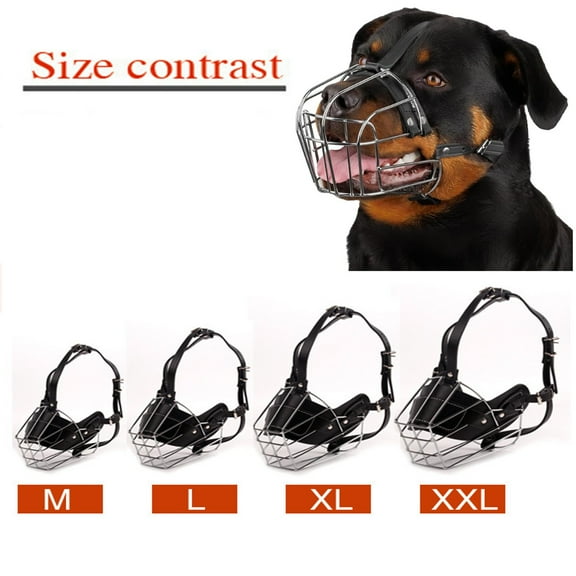
Measure your dog’s snout length and circumference with a soft tape. Add a small allowance for comfort if you’re choosing a basket style. For soft options, follow the brand’s chart to avoid a too-tight wrap.
Benefits you’ll notice with the right dog muzzle
A well-chosen muzzle can reduce chaotic moments during handling, without turning every outing into a struggle. The goal is predictable control, not punishment. Pair it with rewards and short practice sessions for smoother acceptance.
These practical benefits come from matching material and shape to your dog’s needs. Basket designs often allow wider panting room during walks. Soft cloth styles can work for short, supervised tasks like grooming.
- More controlled introductions when your dog gets overwhelmed around new people or pets.
- Added support for handling during nail trims, brushing, or vet check-ins.
- Clearer boundaries during training when you’re working on reactivity and focus.
- Reduced scavenging risks on walks, when your dog grabs sticks or street snacks.
If you need a dog muzzle for biting, focus on sturdy construction and secure strap geometry. A stable fit helps prevent pawing and slipping. You’ll also want enough airflow for calmer breathing during stress.
Features to compare before you choose
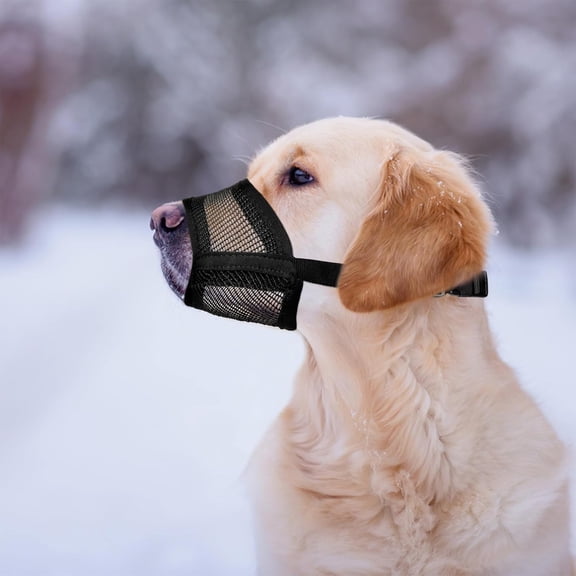
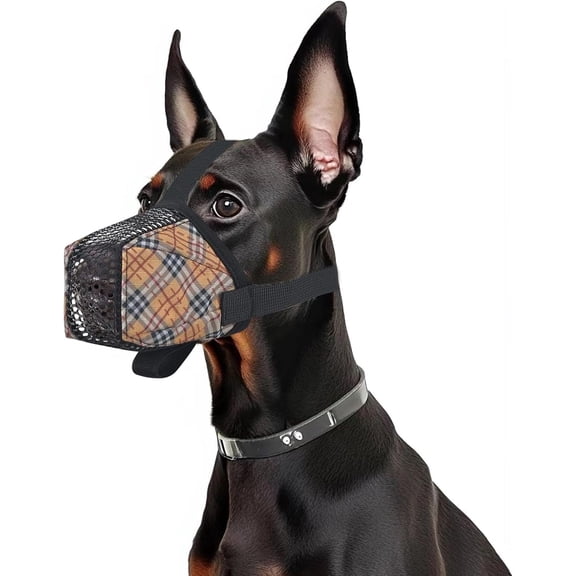
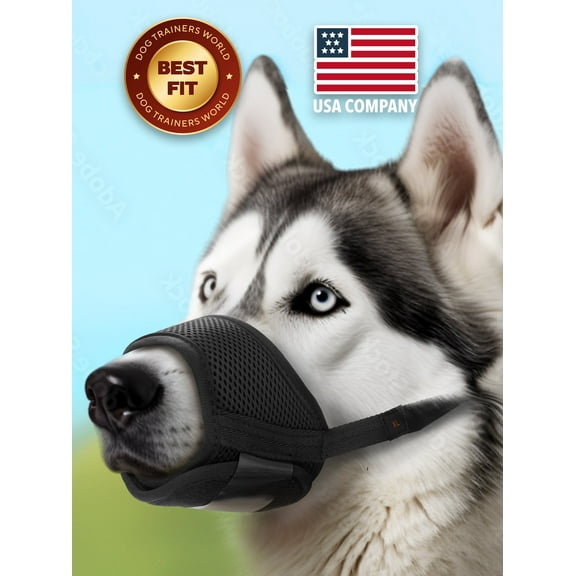
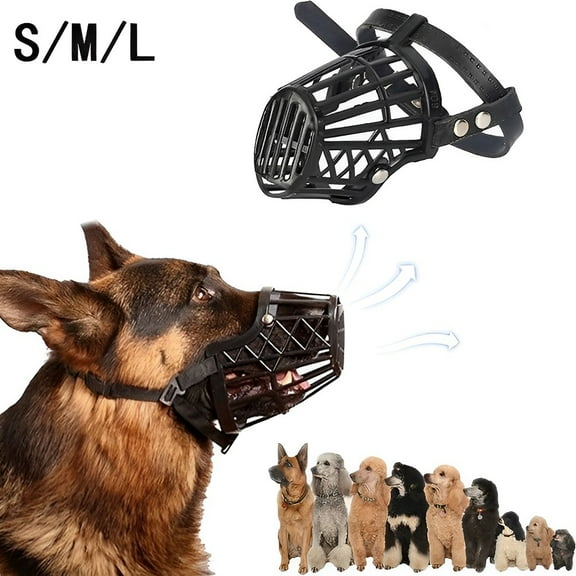
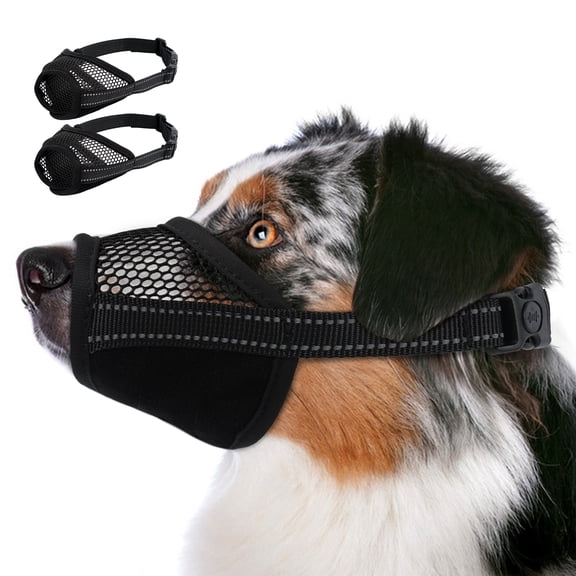
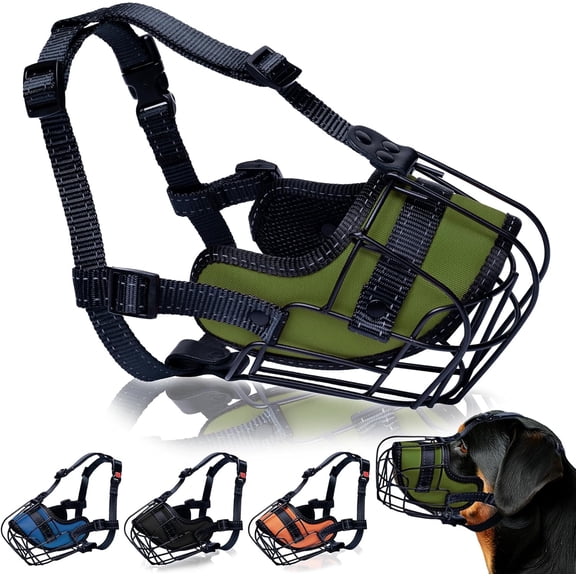
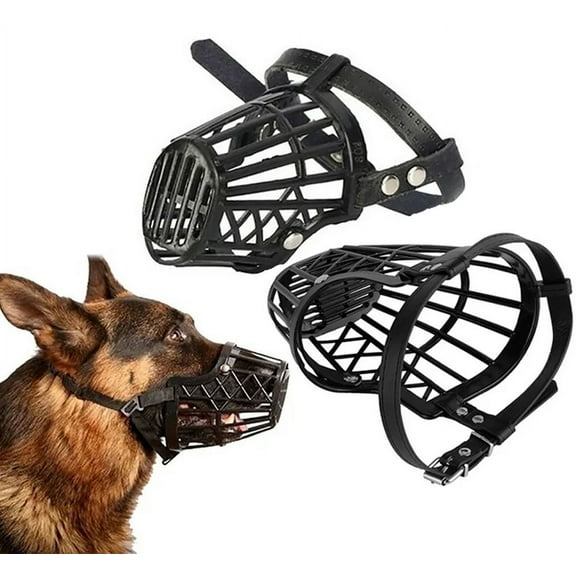
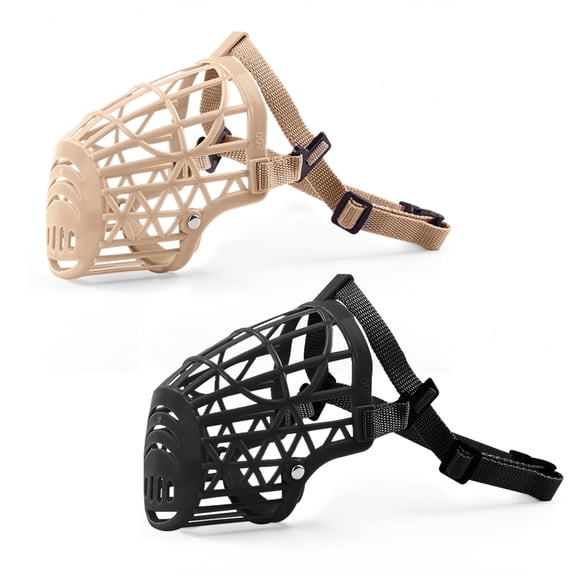
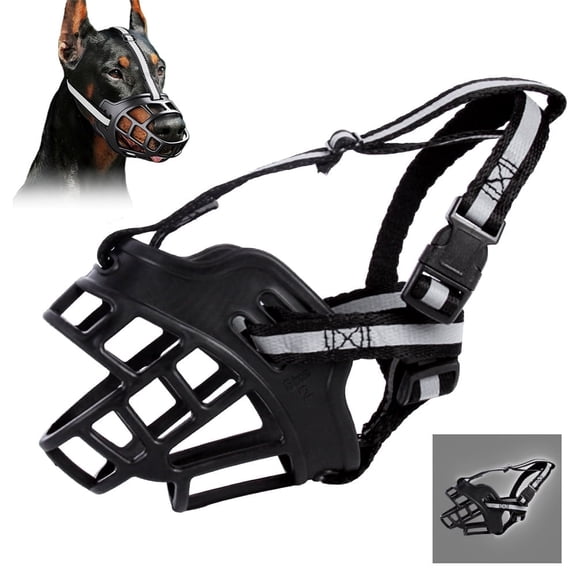
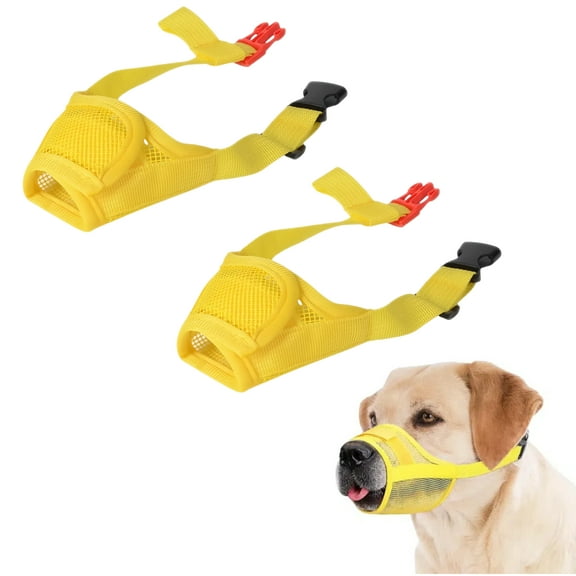
Start with style, because basket and soft cloth muzzles behave differently in real use. Basket muzzles are typically roomier for panting and water breaks. Soft cloth and mesh options are generally for short wear and close supervision.
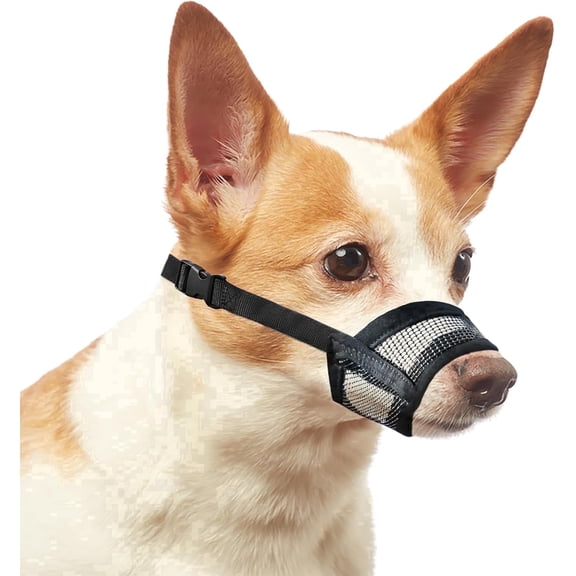
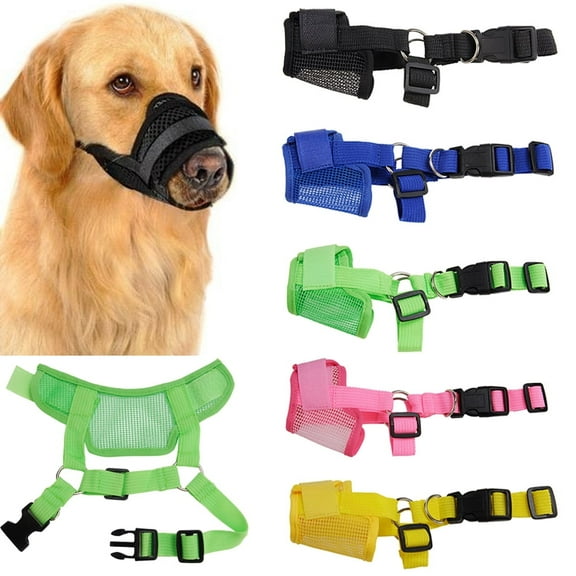
Check closure type and adjustability before sizing up or down. Buckle straps can feel more secure for active dogs. Quick-release clips can make on and off easier when you’re training acceptance.
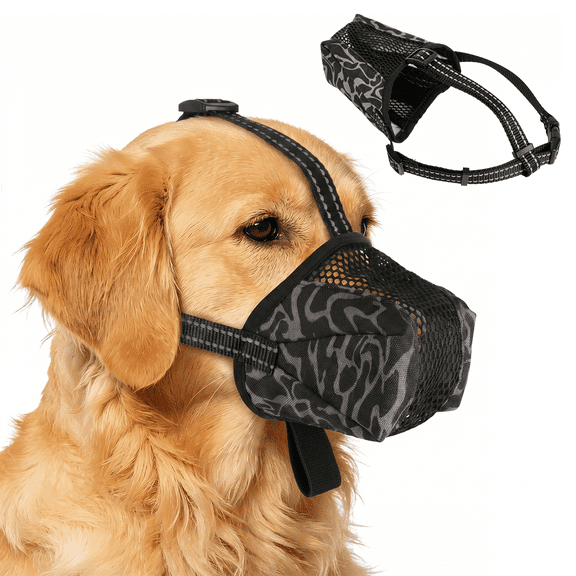
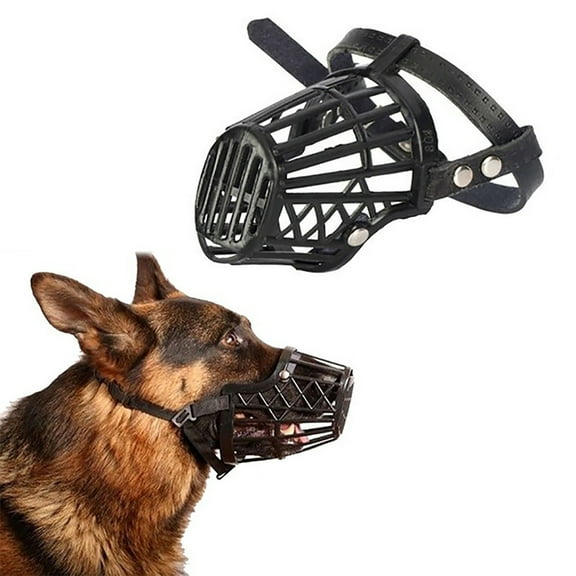
Material affects both comfort and durability in daily handling. Coated wire and rigid plastic baskets can hold shape during pulling. A cloth muzzle for dogs can feel lighter, but it may limit panting space.
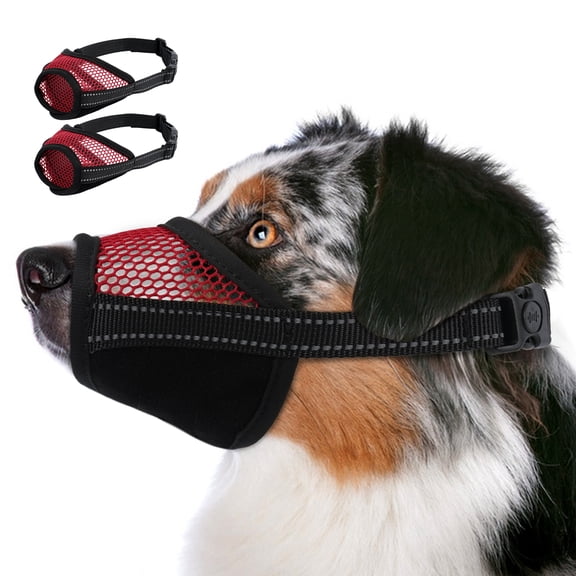
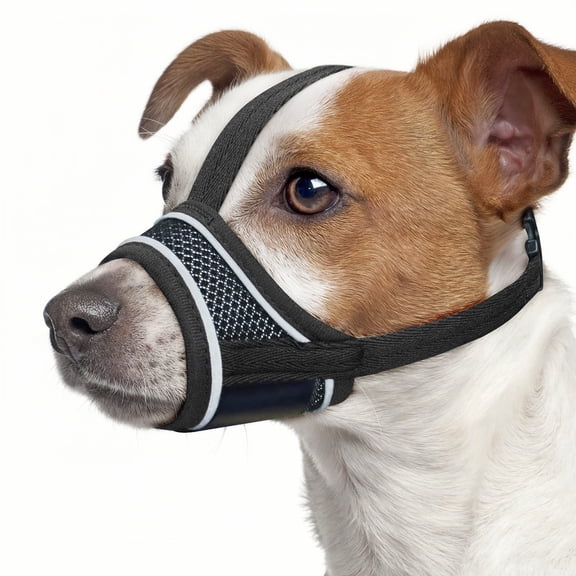
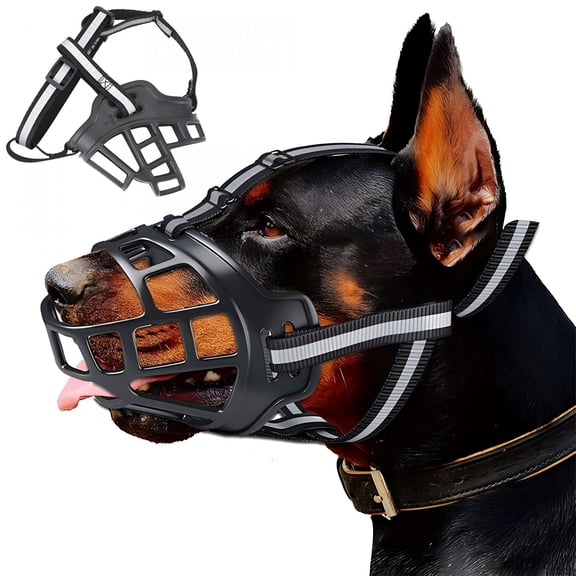
Look for padding at pressure points and smooth edges around the nose. A lined noseband can help reduce rubbing on longer sessions. Reflective trim can add visibility on evening walks.
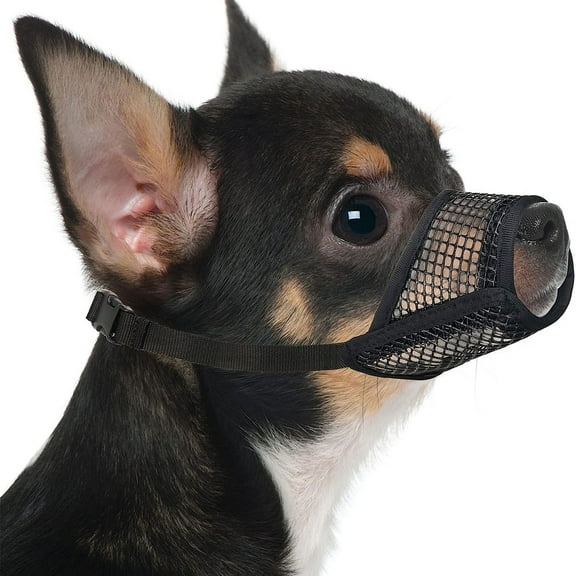
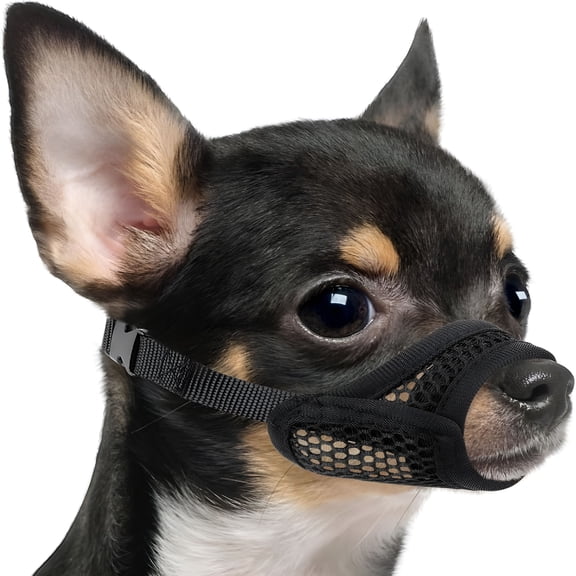
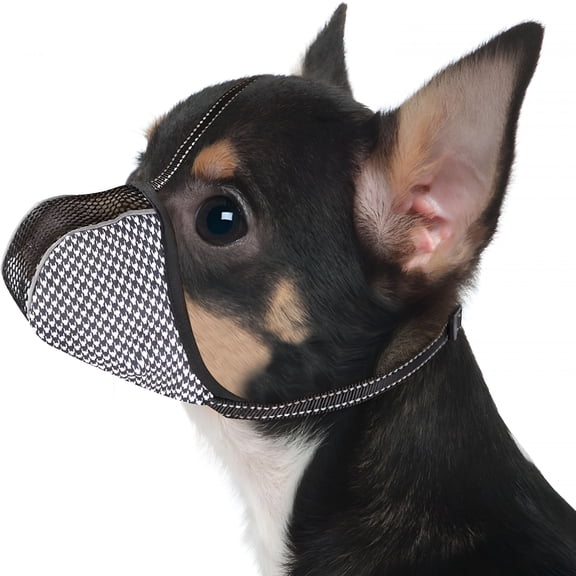
For a small dog muzzle, prioritize lightweight builds with multiple adjustment points. Small breeds often have shorter snouts and narrower heads. A stable, slim strap layout helps prevent twisting.
Soft cloth vs. basket muzzles in real life
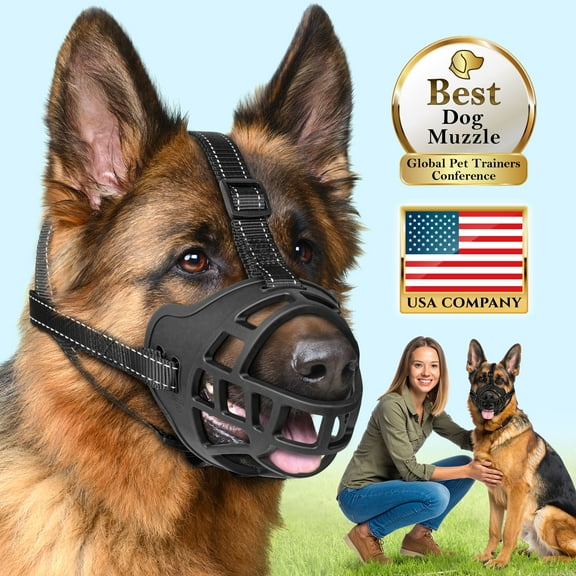
Basket designs are often chosen for walking and longer wear, because they keep structure away from the mouth. Many dogs can pant more freely in them. Some styles also allow treat delivery through wider openings.
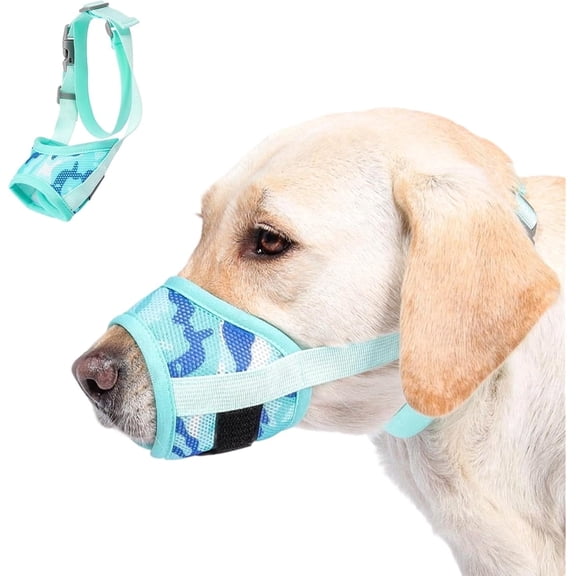
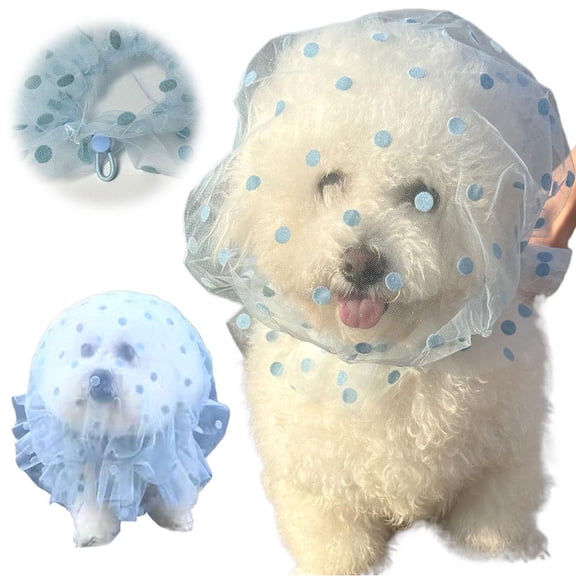
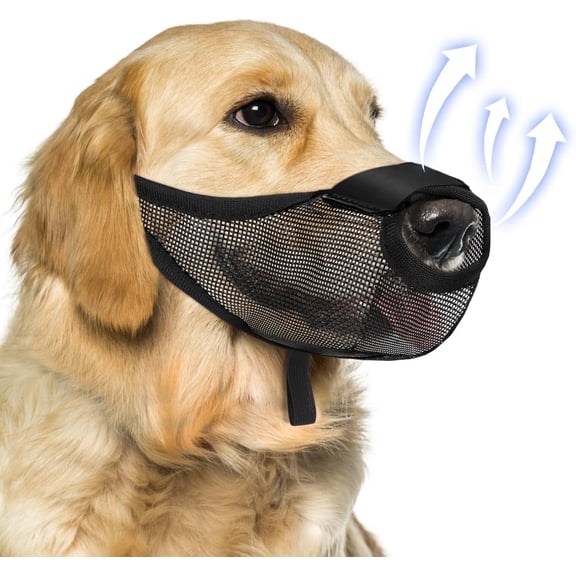
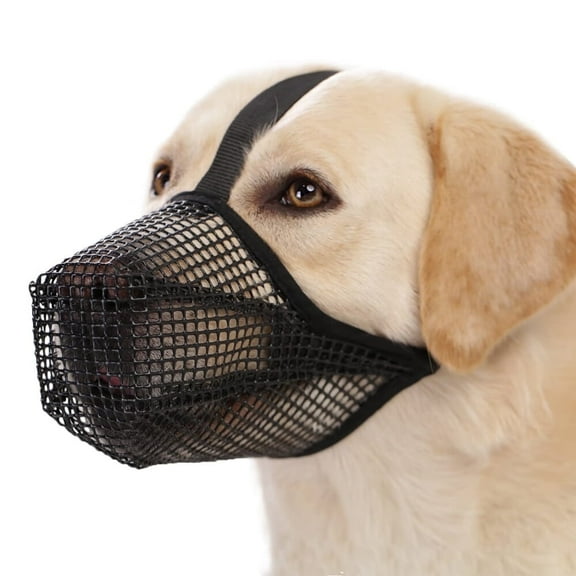
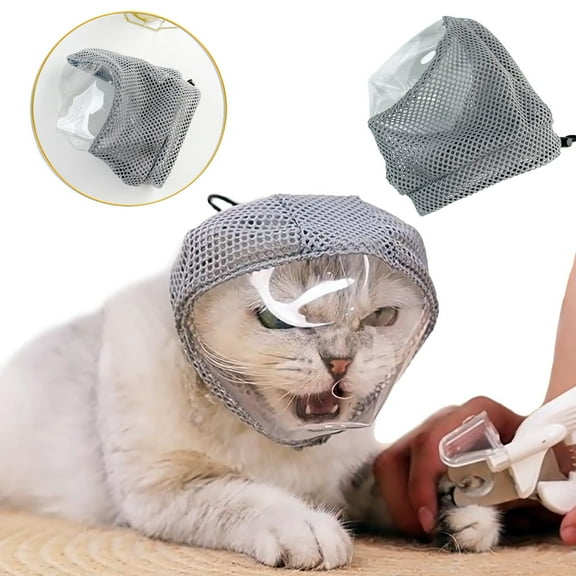
Soft cloth styles can be useful for quick tasks, like brushing mats or giving ear drops. They’re also compact for travel kits. Keep sessions short, and monitor breathing and comfort closely.
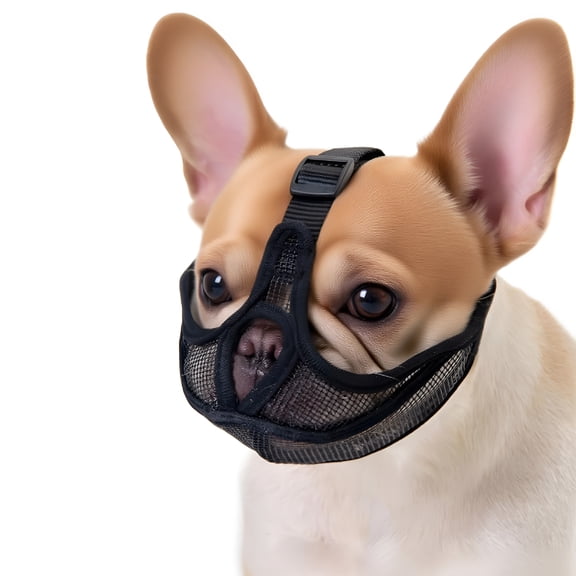
Mesh variants can increase airflow compared with solid fabric panels. They still require careful sizing and supervision. If your dog gets hot fast, airflow becomes a key factor.
Muzzles for small dogs and puppies
A puppy muzzle needs careful sizing because growth happens fast. Choose adjustable options and recheck fit often. Keep early sessions positive with brief wear and steady rewards.
Dog muzzles for small dogs should consider short snouts and delicate necks. Look for softer contact surfaces and lighter hardware. Avoid bulky baskets that can bump into the chest on short-faced breeds.
Training matters as much as gear for small dogs. Start indoors with a few seconds of wear. Build up time only when your dog stays relaxed.
Use cases shoppers plan for
Grooming is a common reason to keep a muzzle on hand. It can help during nail trims, brushing, and sanitary trims. Choose comfort features since these sessions involve close handling.
Vet appointments can feel intense for many dogs. A familiar muzzle can reduce stress during examinations. Practice at home so the clinic visit doesn’t introduce new equipment.
Walks can be another reason, especially in crowded areas with unpredictable triggers. Basket styles often suit outdoor time because they maintain space around the mouth. Make sure your dog can pant comfortably on warmer days.
Some households use a muzzle during introductions to visitors. That can add structure while you train calm behaviors. Combine it with leashes, gates, and reward-based training for safer routines.
If your focus is a dog muzzle for biting, plan for training alongside it. The muzzle helps manage risk, but it doesn’t replace behavior work. Fit checks and supervision stay important during every session.
Confidence builder for your next fit check
Before you head out, confirm your muzzle for dogs allows normal breathing and doesn’t rub the nose bridge. Recheck strap tension after a few minutes of movement. With the right fit and practice, outings feel more controlled.