

Disc Plows in Tractor Implements











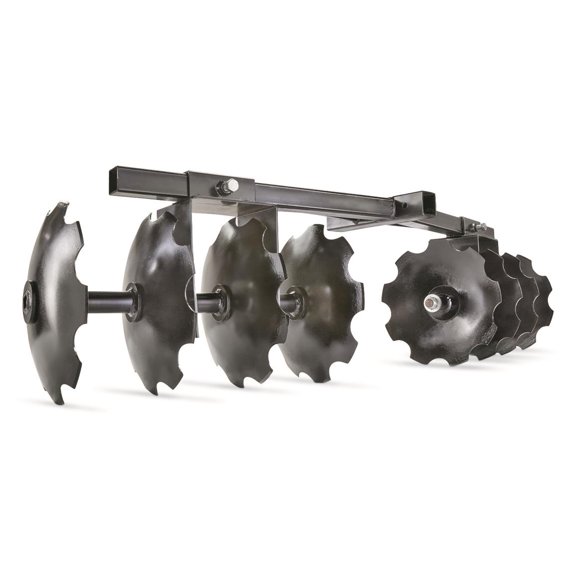
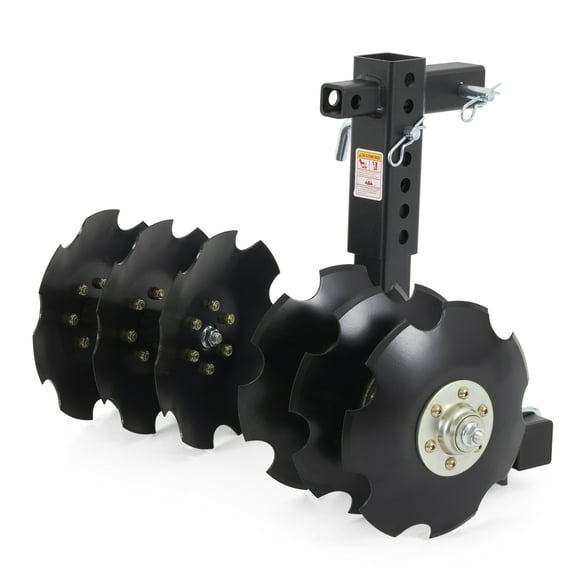


About Disc Plows in Tractor Implements - Walmart.com
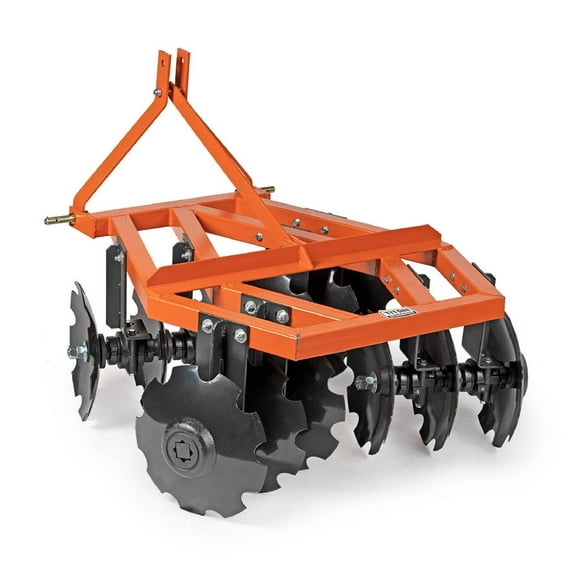
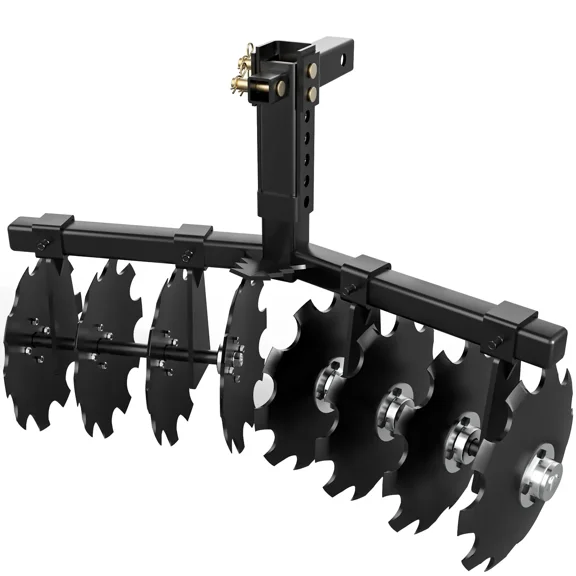
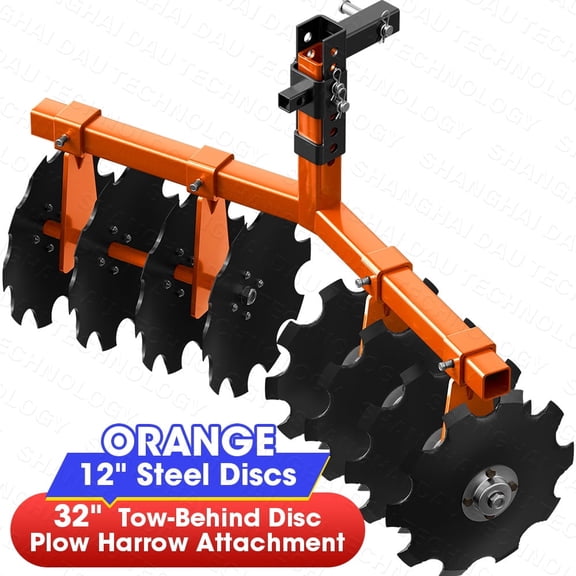
Disc plows help you break new ground, turn crop residue, and prep fields with tractor-matched performance. You can compare hitch styles, blade sizes, disc counts, and tractor fit before you choose the right setup.
How to choose disc plows for your tractor
When you compare disc plows, you should start with your tractor, your soil, and your working width. You can get a cleaner match when you check hitch type, horsepower, and disc blade diameter together.
Different field conditions call for different setups, especially when you’re cutting through sod, stalks, or compacted ground. You can use this category guide to compare a tractor disc plow with the features that match your land.
Choosing hitch type and field setup
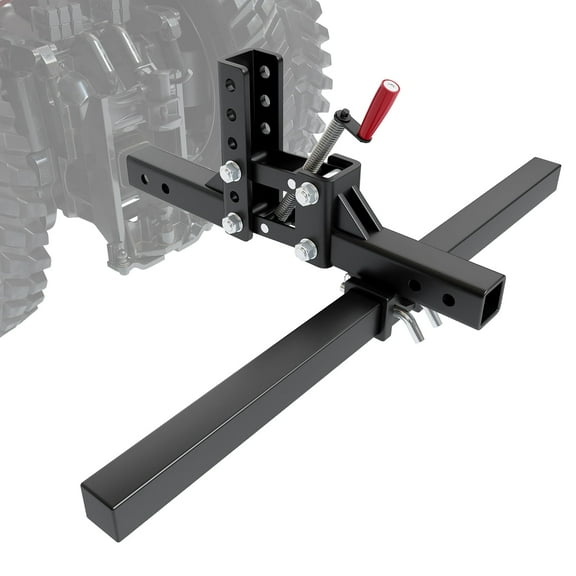
Your first decision is usually hitch style, because your tractor or ATV determines what will connect correctly. You should compare 3-point hitch, sleeve hitch, and pull-behind options before you measure anything else.
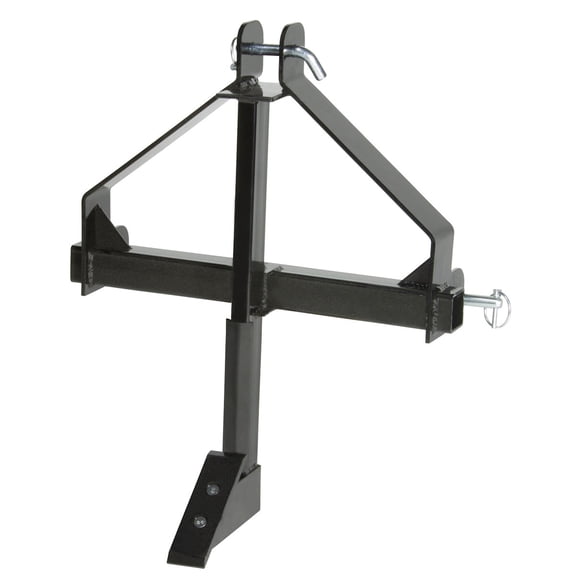
If you’re considering a 3 point disc plow, you should check whether your machine uses Category 1 or Category 2 hardware. This helps you avoid fit issues when your pins, lift arms, and implement spacing match your tractor.
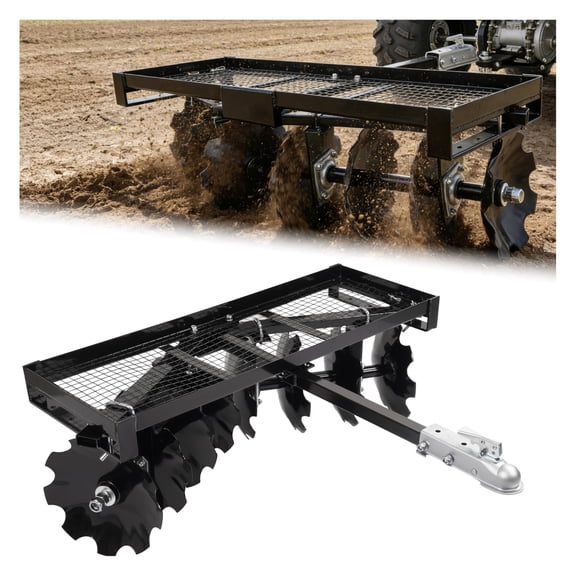
A pull-behind setup can suit you when you want towing flexibility across larger plots or lighter-duty field prep. A sleeve hitch option can fit you when your equipment uses that mounting system for small acreage tasks.
- You should verify Category 1 or Category 2 hitch compatibility before you choose a 3-point model.
- You should check whether your equipment supports sleeve hitch or pull-behind attachment styles.
- You should measure your tractor size and working area before you choose disc count and width.
- You should compare lifting control versus towing convenience based on your field routine.
Comparing blade diameter and number of discs
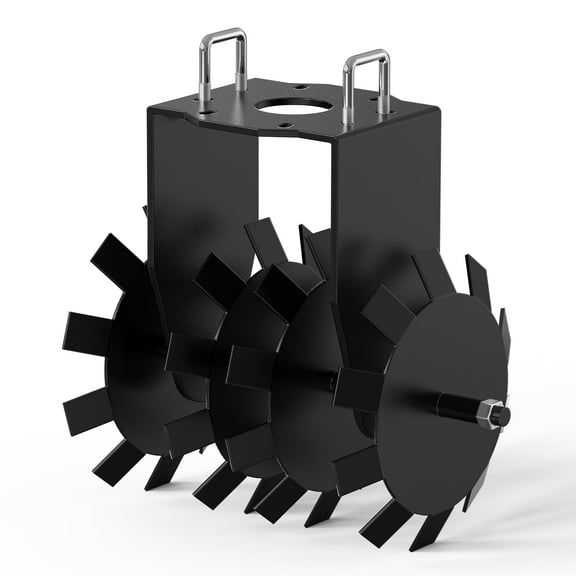
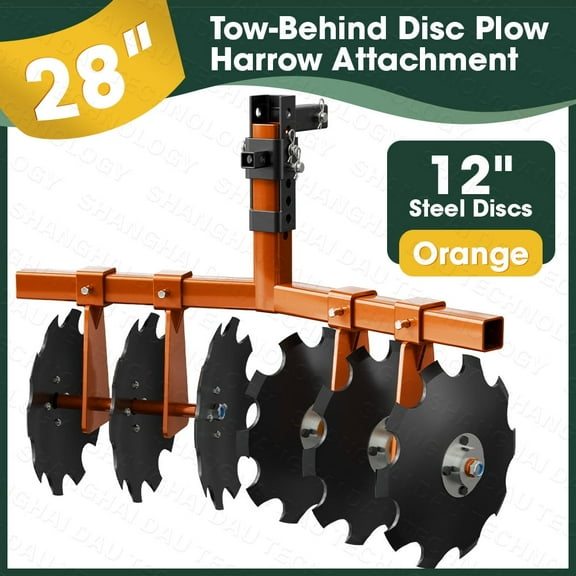
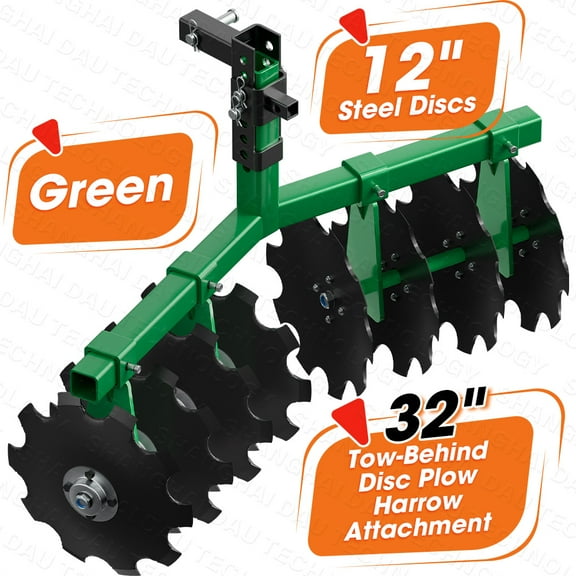
Blade diameter affects how deeply you can cut and how aggressively you can turn soil. You can often compare 14 inch, 16 inch, 18 inch, and 20 inch disc plow blades when you match ground conditions.
Smaller blades can suit you for lighter garden plots, looser soil, or sub-compact tractor work. Larger blades can suit you when your fields have firmer ground, residue cover, or deeper tillage needs.
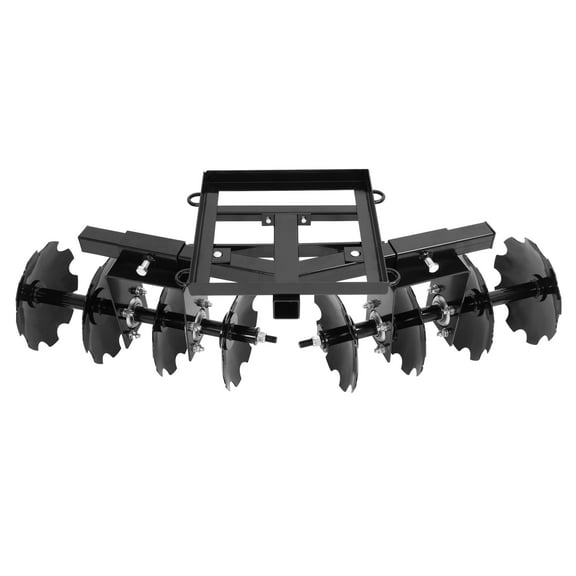
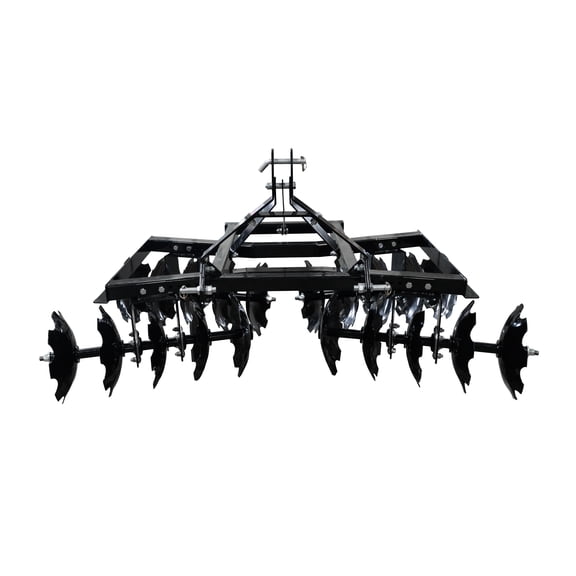
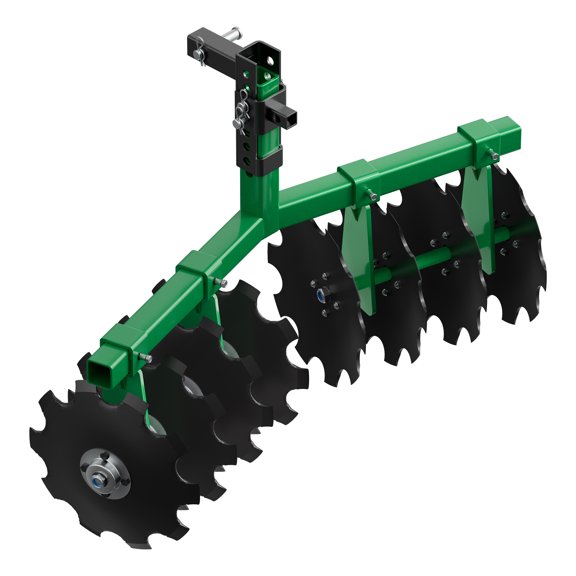
The number of discs also changes how much soil you can move in one pass. You may compare a 1-disc unit for narrow rows, a 2 disc plow for small plots, or larger sets for broader coverage.
If you’re working around trees, gardens, or tight access points, fewer discs may give you easier control. If you’re opening wider sections, more discs can help you cover ground with steadier passes.
Matching a tractor disc plow to horsepower
You should match your implement to your tractor’s horsepower, because pulling force shapes field performance. You’ll usually want to check the minimum HP rating before you compare finish details or frame style.
A compact tractor disc plow often fits sub-compact tractor setups where lighter frames and smaller blades make sense. A heavy duty disc plow usually asks you for more horsepower, stronger lift capacity, and more ballast.
If your tractor sits near the lower end of the recommended range, you should consider fewer discs or smaller blade diameters. This can provide steadier pulling and more consistent soil turning with a properly matched implement.
ATV-compatible options can help you manage food plots, trails, and small acreage prep with towing convenience. You should still check tongue design, tow connection, and the surface conditions you plan to work.
Understanding soil type and disc angle
Your soil type changes how a disc harrow plow or disc plow performs across the season. You should think about clay, sandy soil, residue levels, and moisture before you choose blade size or frame weight.
Clay ground often asks you for more penetration and stronger cutting action to turn dense sections. Sandy soil may let you use lighter setups because you won’t need the same bite in each pass.
Disc angle matters because it affects how sharply the blades cut and roll soil. You may notice that a steeper angle turns more earth, while a milder angle can pull more easily.
If you’re reclaiming rough ground, you may look for adjustment options that let you fine-tune penetration. If you’re maintaining worked soil, you may prefer a setting that smooths the pass without overworking the area.
Using disc plows across common jobs
You can use disc plows for food plots, garden expansion, row preparation, and residue management after harvest. You’ll also find them useful when you want to open ground that a lighter tillage tool may not turn.
For small properties, you may pair a sub-compact tractor with a lighter implement and smaller blades. That combination can help you maneuver through narrow spaces while still turning surface soil effectively.
On larger acreage, you may want more discs, larger diameters, and a frame built for repeated field use. That setup can help you handle stalks, sod, and tougher sections with fewer interruptions.
If you’re deciding between a rotary tiller, harrow, or disc plow, you should think about your starting ground condition. You may often choose disc plows when you need stronger cutting action before finer seedbed work.
When your land includes mixed patches, you should compare adjustable angles, hitch type, and horsepower needs carefully. This helps you achieve a more useful match when your implement fits both your machine and your soil.
What to look for in a 3 point disc plow
If you’re focused on a 3 point disc plow, you should check lift capacity, pin size, and implement weight first. You’ll also want enough clearance for turning at row ends and moving across uneven ground.
Look for steel construction, practical adjustment points, and blade sizing that fits your tractor class. You should also compare how many discs you need, based on plot size and the amount of soil you plan to move.
When you choose from disc plows with the right hitch fit, blade size, and horsepower range, your fieldwork gets more predictable. This helps you spend less time second-guessing compatibility and more time turning ground efficiently.