

Dinosaur Games in Games & Puzzles









About Dinosaur Games in Games & Puzzles - Walmart.com
Dinosaur games for kids age 2 give you a playful way to match simple rules with familiar dino themes. You can compare age guidance, game format, and piece size to choose options that fit early play.
How to choose dinosaur games for kids age 2
When you shop for younger players, you should start with target age group because rules and pieces change a lot. You’ll usually want simpler actions for toddlers and more steps for older children.
For age 2 and toddler play, you can look for chunky cards, large boards, and turn-taking that stays short. You’ll notice these formats help your child stay engaged without long waiting times.
For ages 3-5, you can compare color matching, memory play, and easy counting tasks with dinosaur pictures. You may also want game themes with friendly dinosaurs instead of complex story lines.
For ages 6-8, you can look for longer rounds, more choices, and simple strategy with dinosaur tracks or fossil hunts. You’ll often see these options suit kids who enjoy rules and repeat play.
What benefits you can expect from a dinosaur game kids collection
You can use dinosaur play themes to make basic game skills feel familiar and exciting. You’ll often find that roaring characters, eggs, fossils, and tracks keep attention on each turn.
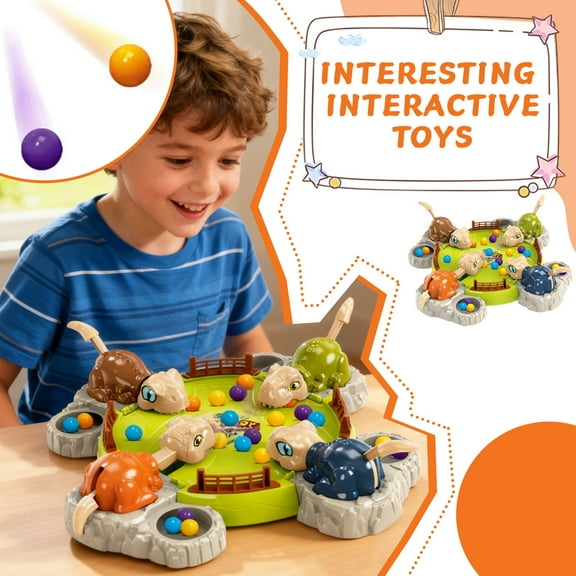
- You can encourage turn-taking with easy dinosaur boards, spinner paths, and matching cards.
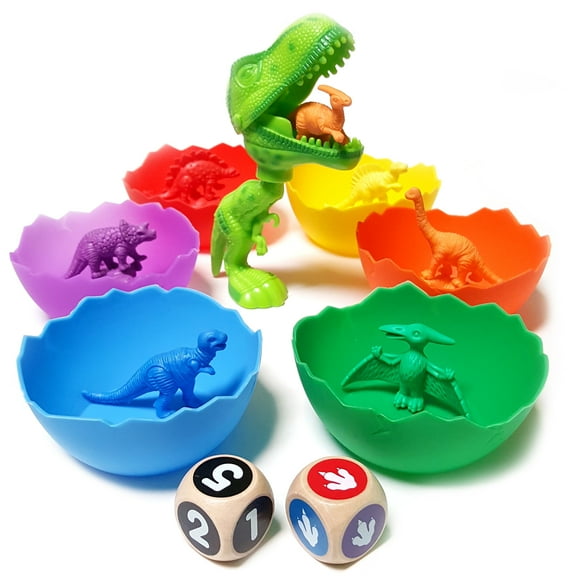
- You can build early sorting practice through colors, shapes, eggs, fossils, and dinosaur species pictures.
- You can keep family play simple when you choose short rounds and clear dinosaur-themed goals.
- You can match a child’s stage with toddler, preschool, and kids 3-8-year-olds options.
If you’re buying for toddlers, you may prefer game pieces that are easier to grasp with small hands. You’ll also appreciate boards and cards with bold artwork that’s easy to recognize.
When you need shared play for siblings, you can compare dinosaur games for kids 3-8 with adjustable difficulty. You’ll get more flexibility when younger players can join with simpler actions.
Choosing features in a dino game for kids
You should compare game format first because boards, cards, floor sets, and puzzles create different play experiences. You’ll want a format that fits your table space and attention span.
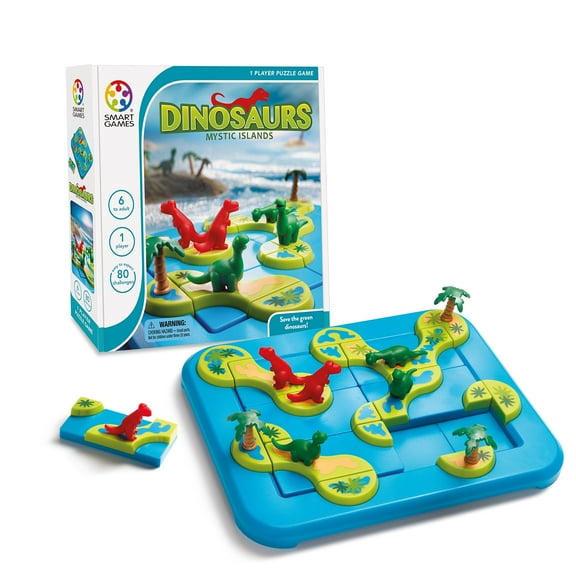
Board games can work well when you want clear turns, spaces to move, and a visible finish line. Card games can fit quick play when you want easier storage and shorter setup.
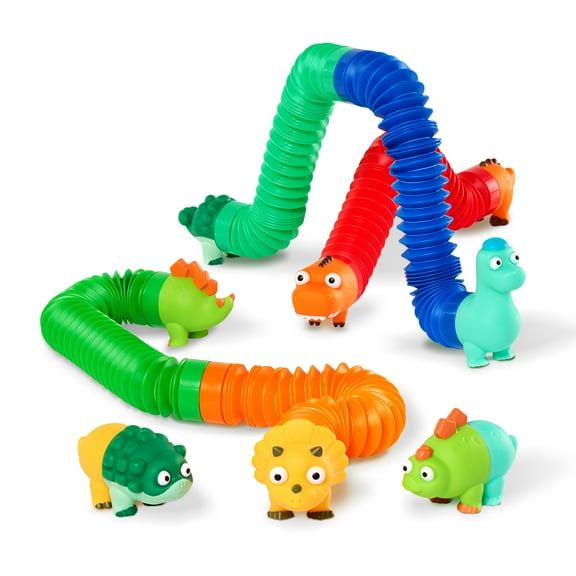
Piece size matters when you shop for a dinosaur game for toddlers or young children. You should look for larger tokens, thicker cards, and easy-to-hold spinners for early hands.
Rule complexity also helps you narrow choices across children, preschoolers, and elementary schoolers. You can start with matching or color recognition, then move toward memory and simple strategy.
Theme details can make one category page different from any other toy game page. You may prefer dinosaur eggs, volcano paths, fossil digging, or species matching because those themes keep the category specific.
If storage matters in your home, you can compare compact boxes with fewer loose parts. You’ll find this especially useful when you want quick cleanup after short play sessions.
Matching target age group to real play situations
If you’re shopping for a two-year-old, you can focus on short rounds and bright dinosaur pictures. You’ll usually want simple matching, flip-and-find play, or chunky puzzle-style game pieces.
When you need a kids dinosaur games option for preschool afternoons, you can choose memory cards or path games. You’ll keep play moving when each turn uses one action.
For playdates with mixed ages, you can compare dinosaur game toys that let older kids help younger players. You can make family time smoother when rules stay easy to explain.
If your child already loves toy dinosaurs, you can choose games with T. rex, triceratops, and stegosaurus images. You’ll connect familiar dinosaur favorites with counting, sorting, or matching tasks.
For classroom corners or rainy-day play, you can look for dinosaurs game formats with quick setup. You’ll benefit from options that start fast and fit shorter activity windows.
When you’re choosing for ages 3-5 or age 6 and up, you can compare memory depth and turn length. You’ll know a game fits when the challenge matches your child’s patience and interest.
What to look for before you decide
You should check the listed age range, player count, and type of dinosaur activity before you choose. You can narrow the page faster when you know whether you want matching, movement, or memory.
A thoughtful pick helps you bring dinosaur themes into play that feels clear, age-fit, and easy to repeat. You’ll end up with game time that stays fun from the first roar to the final turn.