

Dining Room Rugs in Area Rugs


























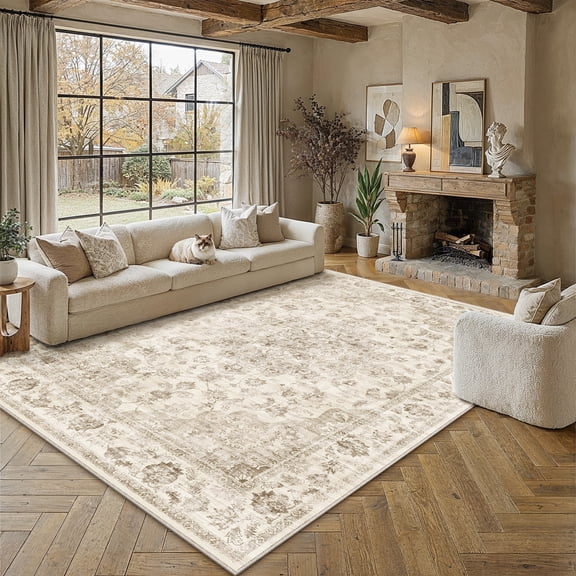
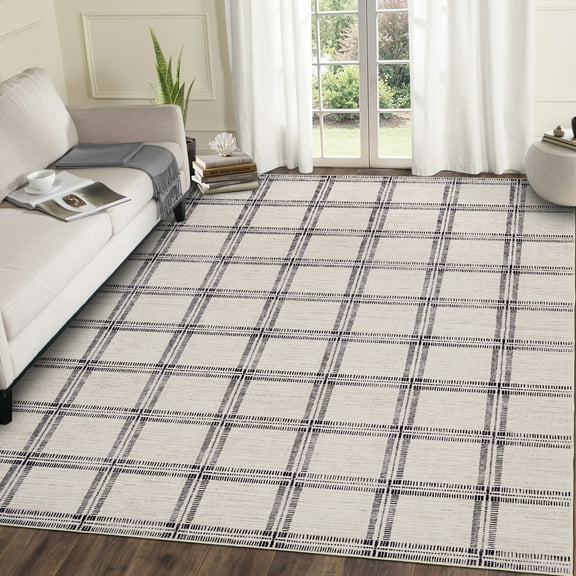


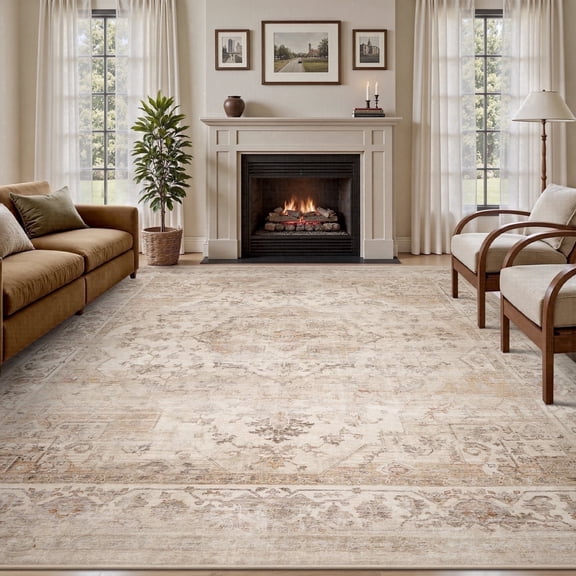


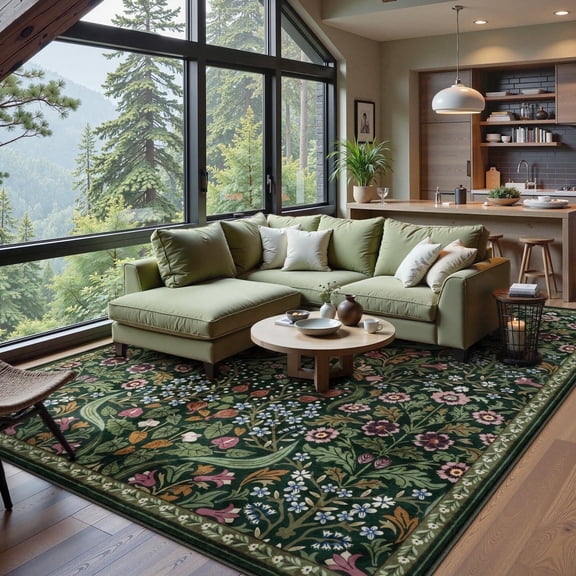














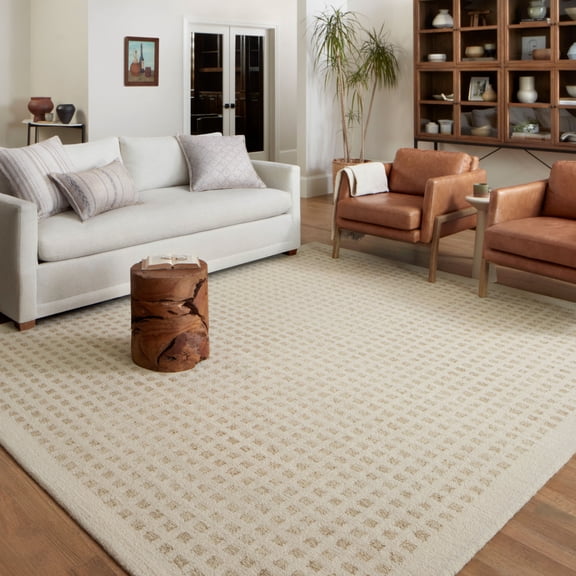
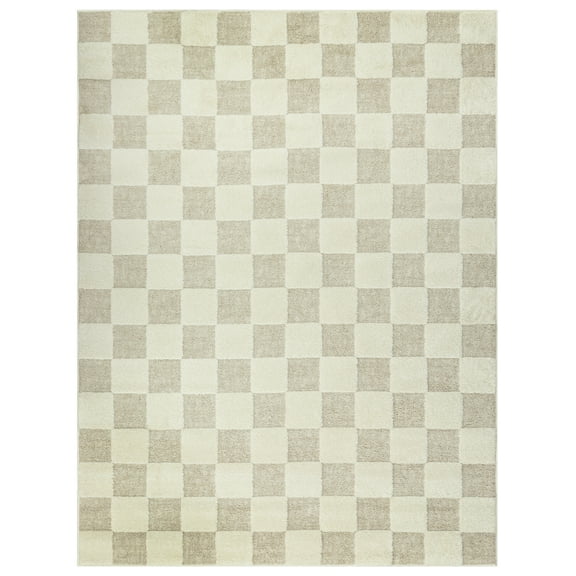
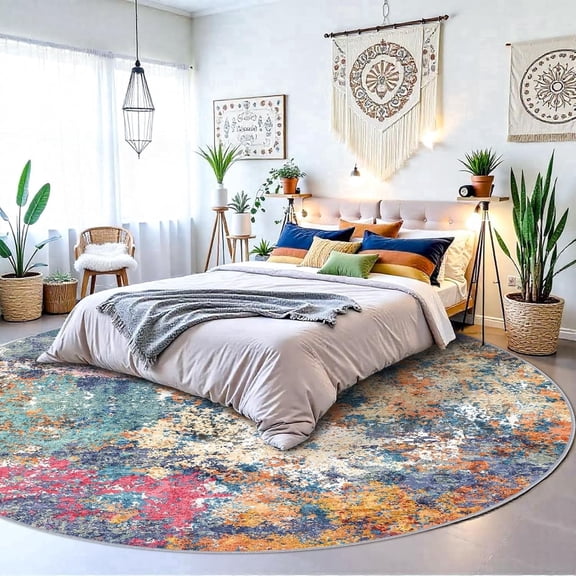


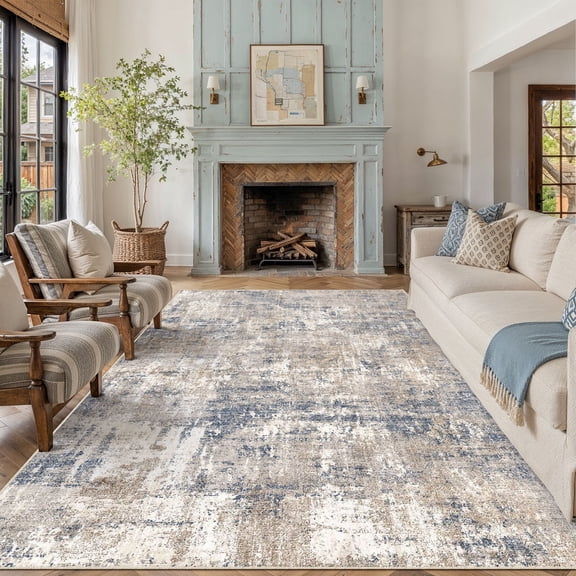


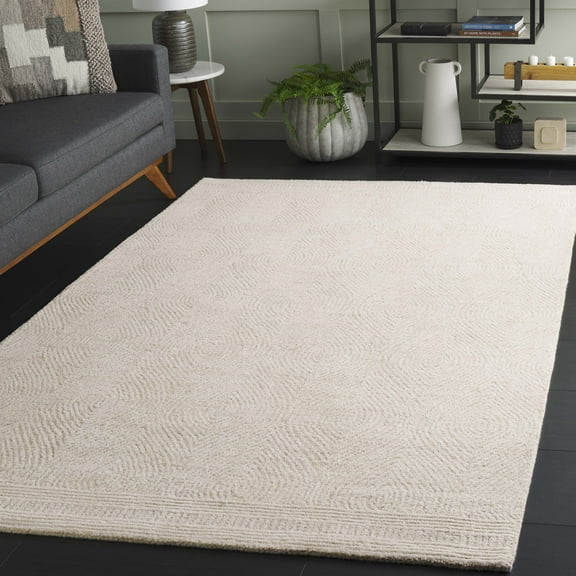


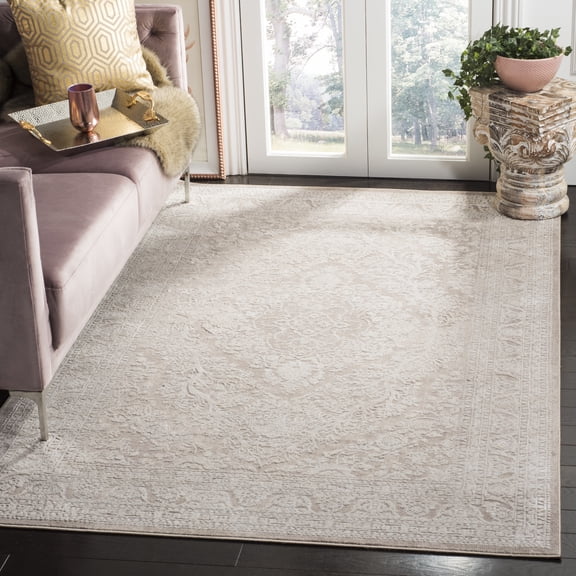


About Dining Room Rugs in Area Rugs - Walmart.com
A dining room rug helps define your eating space, reduces chair scrape noise, and adds style under the table. On Walmart.com, it’s easy to compare sizes, shapes, and materials made for everyday meals. A rug in the dining zone also helps anchor open layouts, especially in combined kitchen and dining areas. Choose patterns and tones that complement wood, glass, or upholstered seating without overpowering the room.
Dining spaces need rugs that handle frequent chair movement and quick cleanups. That’s why many shoppers look for low-profile textures and durable fibers that stay looking fresh. If your table expands for guests, plan for the larger footprint, not the daily setup. With the right dimensions, chairs stay on the rug during pull-out and push-in.
Benefits of a dining room rug in busy spaces
A well-chosen dining room rug makes the room feel finished and intentional. It also softens the sound of footsteps and chair movement across hard floors. Many styles add visual contrast that frames the table and highlights your dining set. In open floor plans, a rug can separate the dining zone from nearby living areas.
Everyday dining calls for surfaces that look good after repeated use. Many dining area rug options use fibers designed to resist crushing from table legs. Lower pile profiles can support smoother chair glide than plush textures. Washable picks can simplify upkeep in homes with frequent meals and guests.
- Helps define the dining zone in open layouts and eat-in kitchens.
- Adds cushioning underfoot while keeping chairs easier to slide.
- Protects hard floors from scuffs under table and chair legs.
- Brings color and pattern to complement dishes, linens, and decor.
A kitchen table rug can also make smaller spaces feel warmer. It creates a clear boundary around the table, even in multipurpose rooms. Many runners work well behind banquettes or along a narrow dining nook. With the right backing, the rug stays aligned during daily traffic.
Key features to compare for dining area rugs
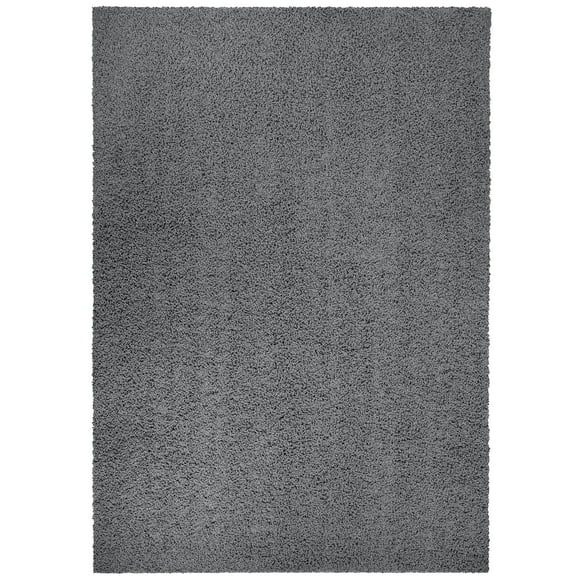
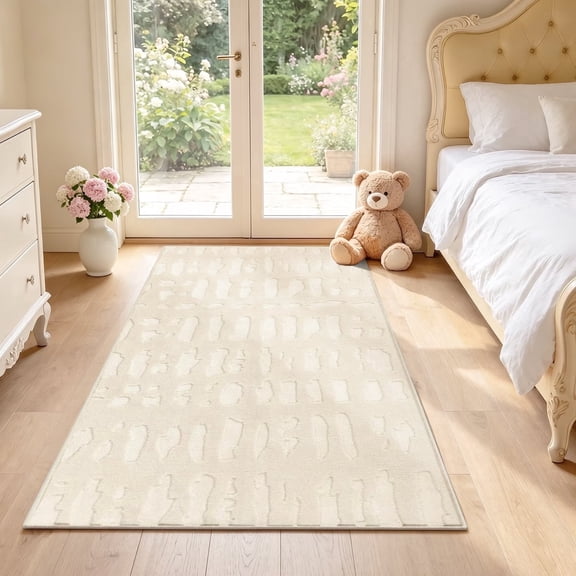
Start with pile height, because chairs move across the surface many times per day. Low pile and flatweave styles often allow easier push-back without catching. Textured loops and higher piles can look cozy, yet they may slow chair movement. If you use casters, consider tighter weaves that stay smooth.
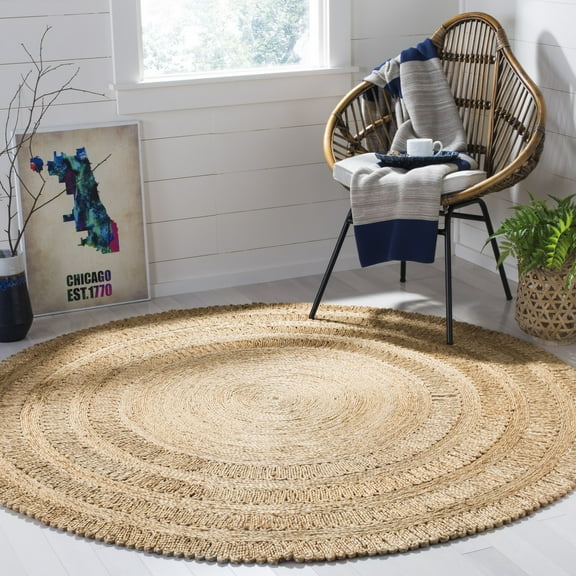
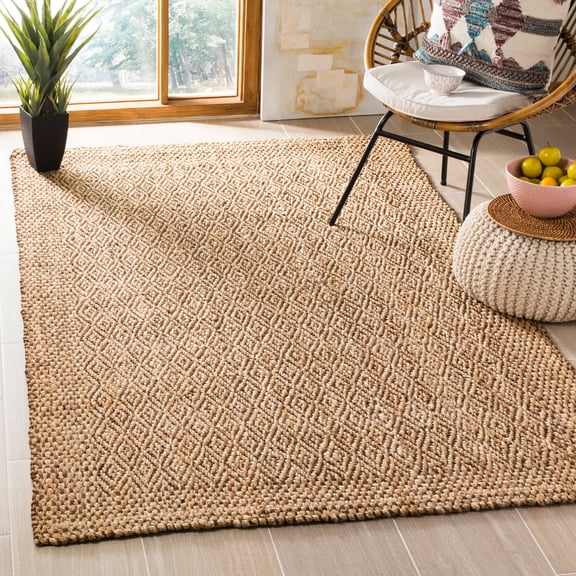
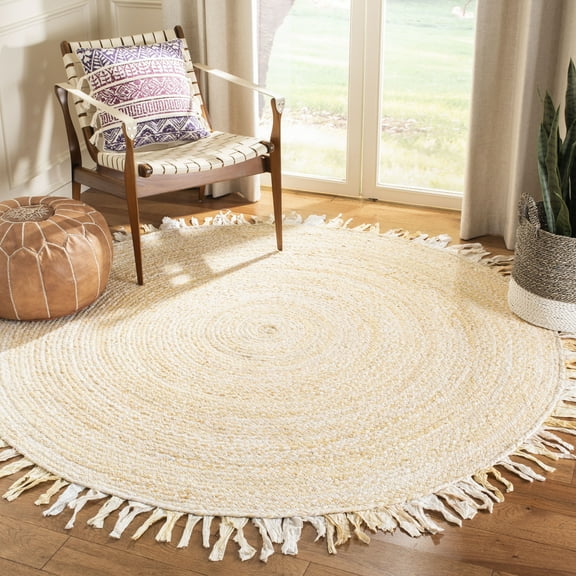
Material matters in a room where crumbs and splashes happen. Synthetic fibers like polypropylene are common for dining area rugs because they’re practical and easy to maintain. Natural fibers like jute add texture, yet they can show wear differently under chair legs. For a softer feel, consider blends that balance comfort and durability.
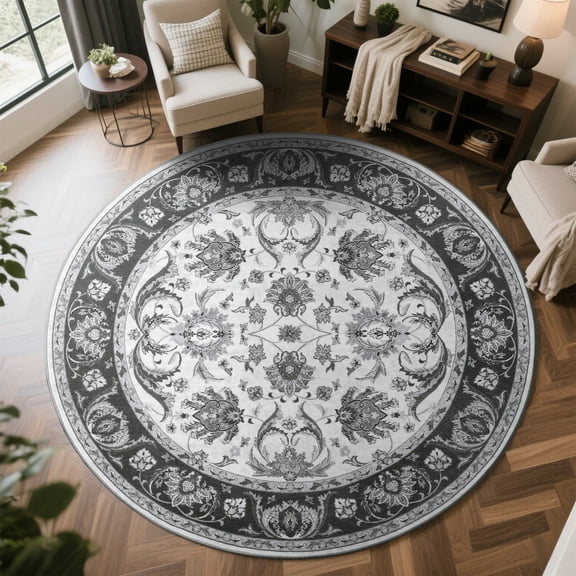
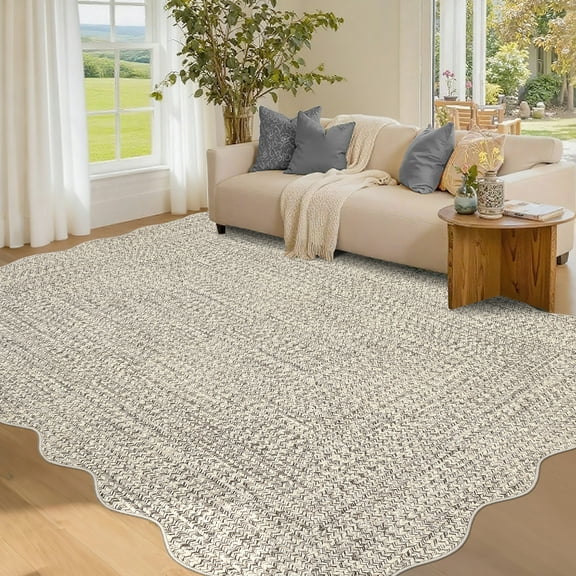
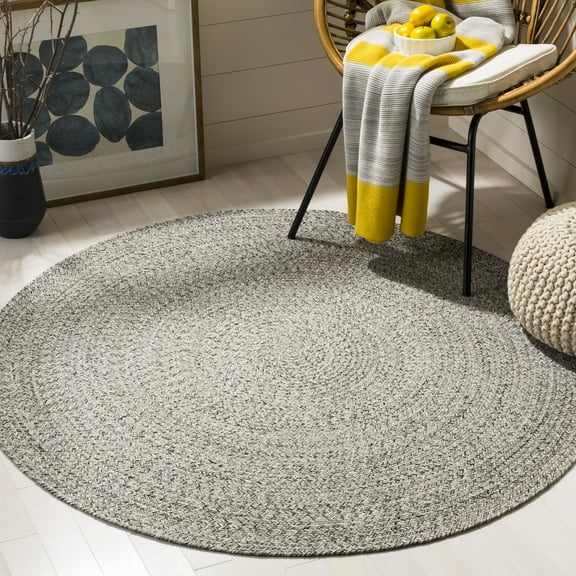
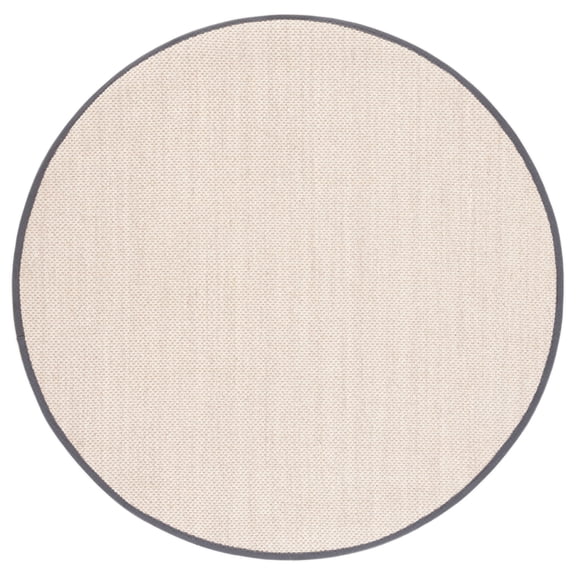
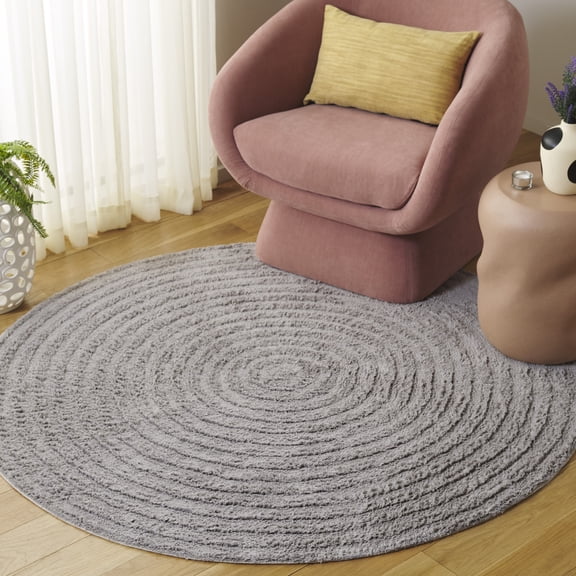
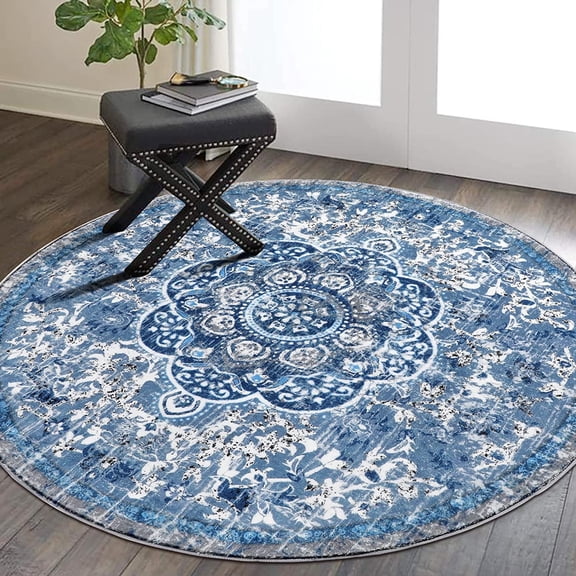
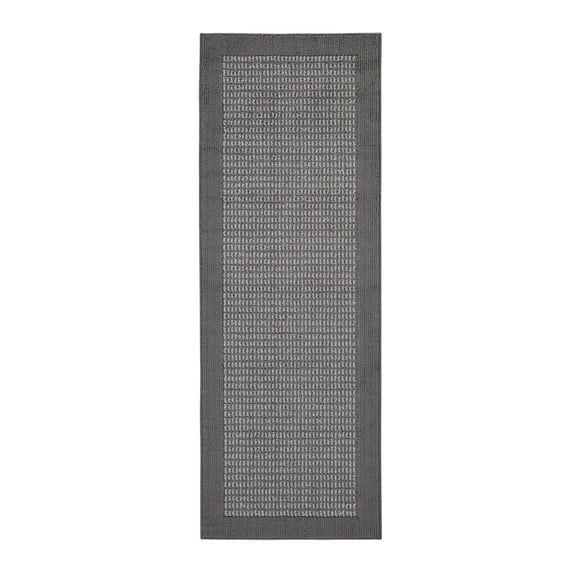
Shape is another smart filter for your layout. A rectangular dining table rug typically fits long tables and benches. Round rugs pair naturally with pedestal tables and compact breakfast sets. If your room is narrow, a runner can guide the eye and maintain clear walk paths.
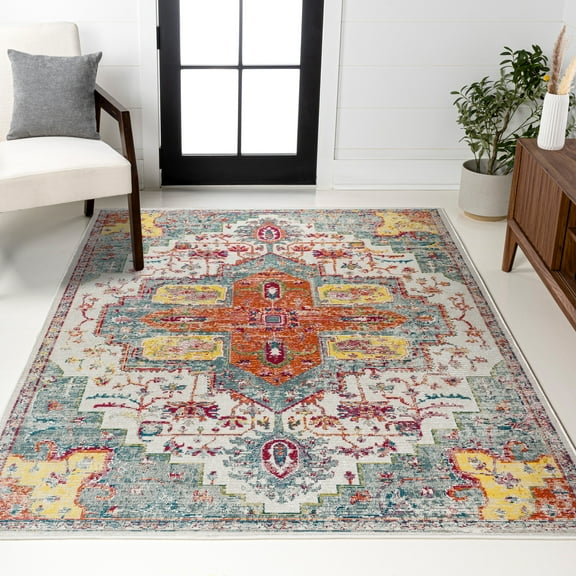
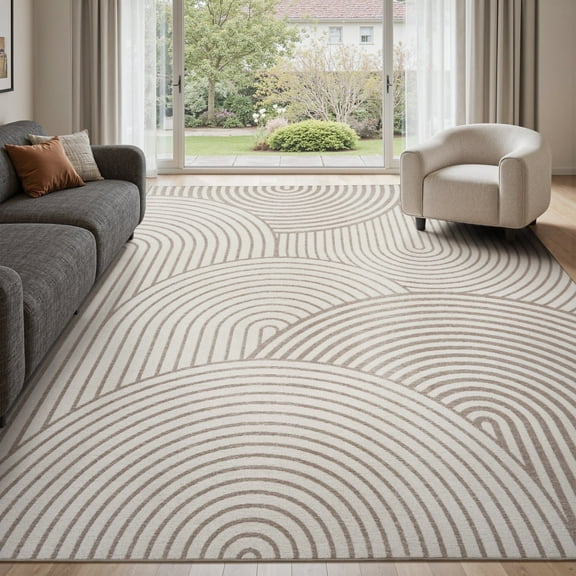
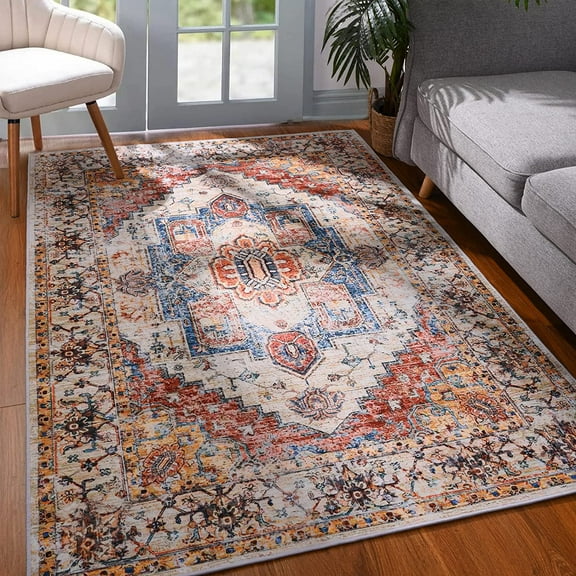
Backing and construction affect how the rug sits under a heavy table. Some designs work well with a rug pad for added grip and comfort. Bound edges can help reduce curling in corners and along high-traffic sides. Look at pattern scale, since bold motifs can hide crumbs between cleanups.
Choosing the right size rug for your dining table
Sizing is the difference between a rug that feels tailored and one that feels cramped. Many shoppers use the four-foot rule as a simple guide for dining coverage. That means the rug extends about four feet beyond the tabletop on each side. This extra space helps keep chair legs on the rug when seating moves.
Measure your table length and width, then add the extension on all sides. For example, a six-foot table often pairs with a rug around eight by ten feet. A smaller table might fit a five by eight, depending on chair footprint. If you have armchairs, account for their wider stance.
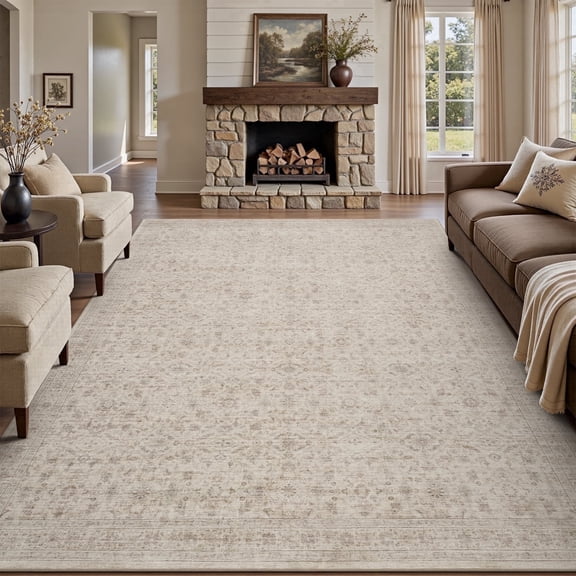
Room size matters too, because you still need clear walking space. Try to keep the rug from touching walls for a more balanced look. In tighter rooms, prioritize chair movement over wide borders. A dining table rug should support seating first, then fill the remaining floor area.
Real-life uses for dining table rugs and kitchen table rugs
In an eat-in kitchen, a dining area rug can warm up tile or vinyl floors. It also helps visually separate the table from cabinets and cooking zones. Patterns with mixed tones can blend with stainless appliances and wood finishes. If your nook sits near a doorway, choose a lower profile for smoother transitions.
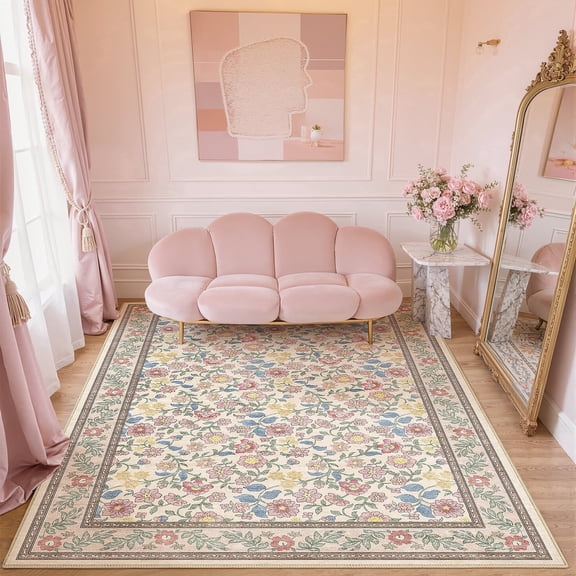
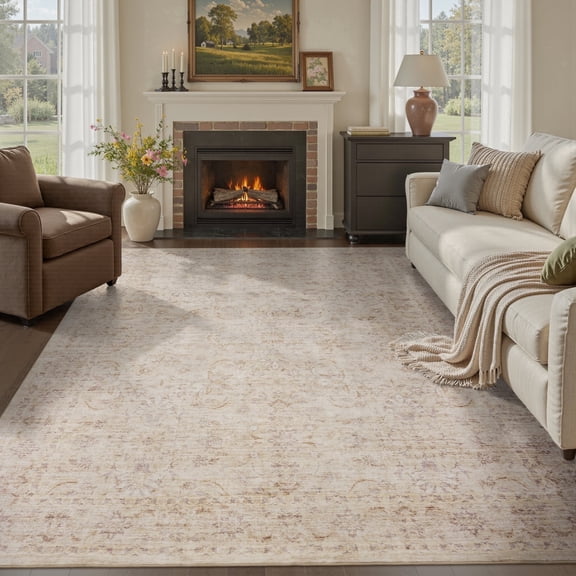
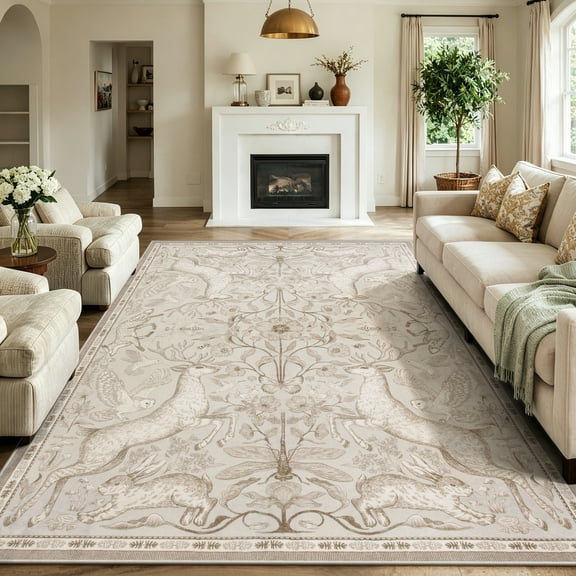
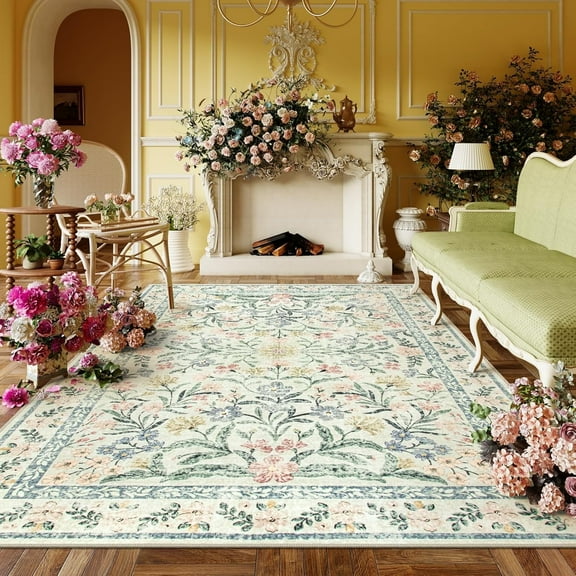
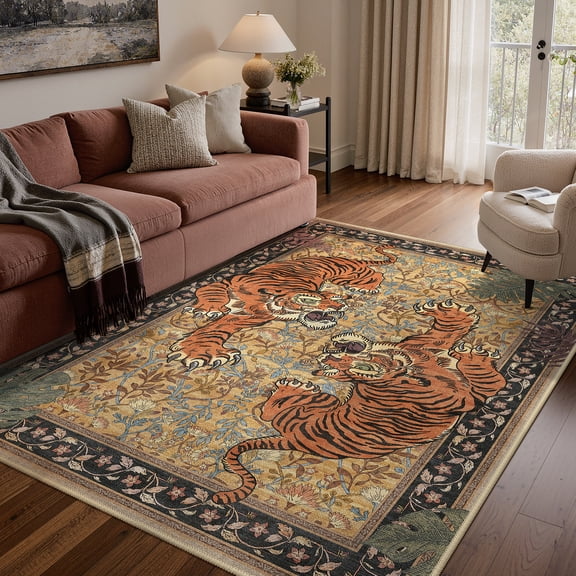
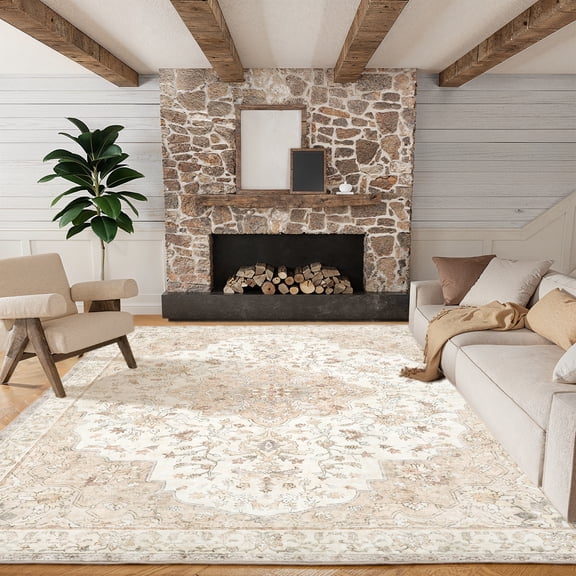
For formal dining rooms, rugs often become the design anchor for the space. A classic border can frame the table like a built-in feature. Large-scale florals can create a statement under simple furniture shapes. If you host often, a darker or multi-color pattern can stay looking pulled together between cleanups.
In homes with expandable tables, flexibility is key. Choose a size that works when the leaves are in, not only for everyday meals. That way, extra chairs won’t land off the edge during gatherings. A generous dining room rug also makes the room feel more cohesive when the table grows.
For apartments and small dining corners, a kitchen table rug can add comfort without crowding the walkway. Consider a round rug under a bistro set for better flow. Flatweaves can tuck neatly under chair legs without a bulky ridge. If your table sits against a wall, shift the rug to support the pulled-out seating side.
Finish the space with a rug that works with daily dining
The right dining room rug balances style, chair movement, and day-to-day upkeep. Focus on low-profile construction, a size that keeps chairs on the rug, and materials that fit your routine. With a smart match, your dining area feels defined and comfortable through every meal.