

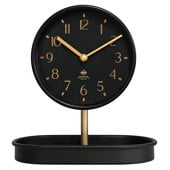
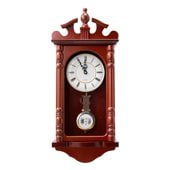
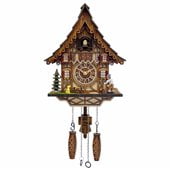
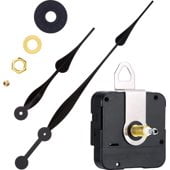
Analog Clocks in Clocks





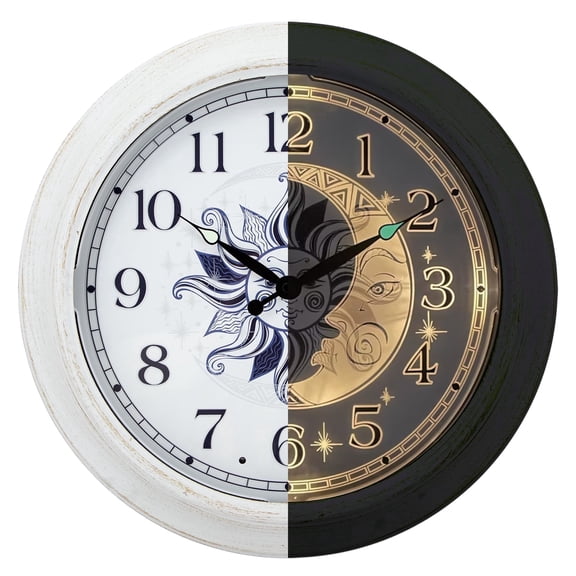


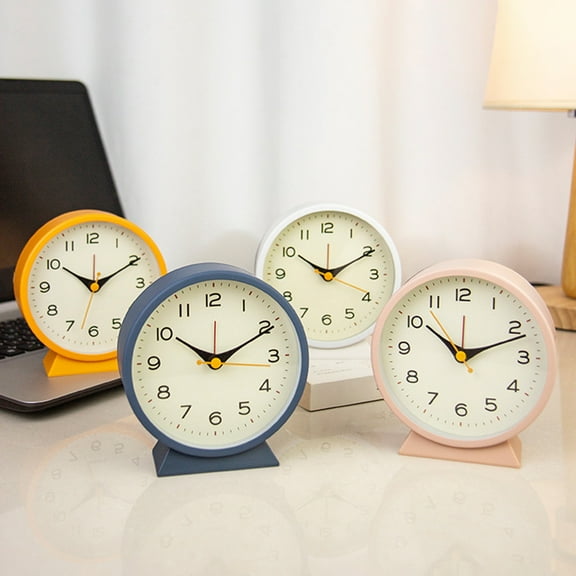


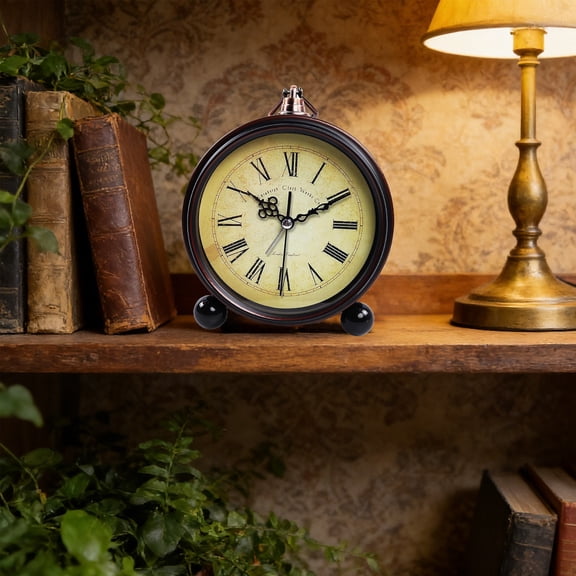
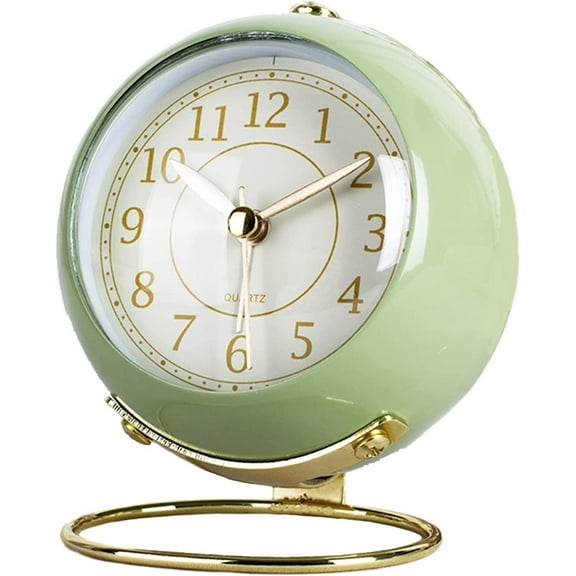






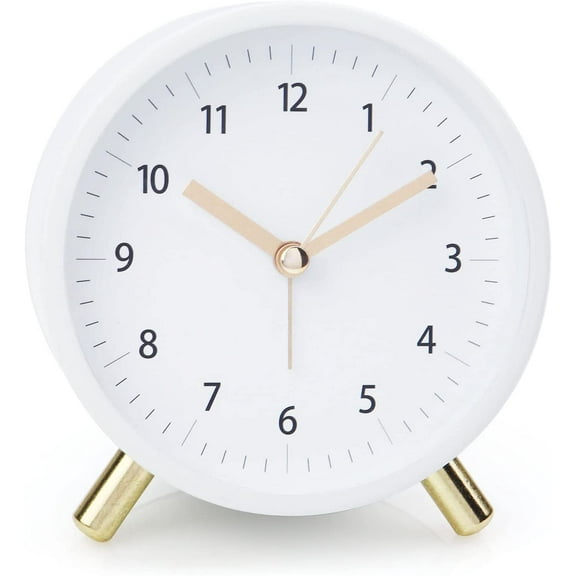


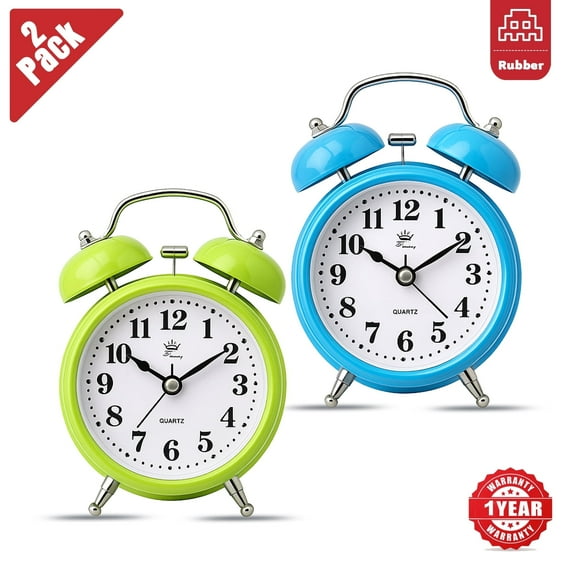
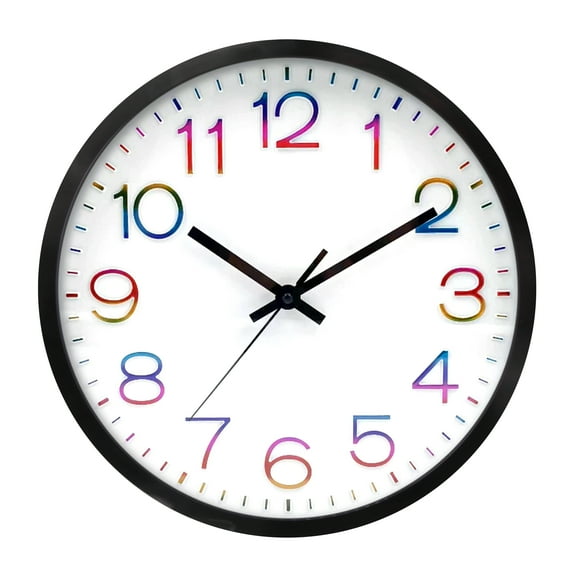


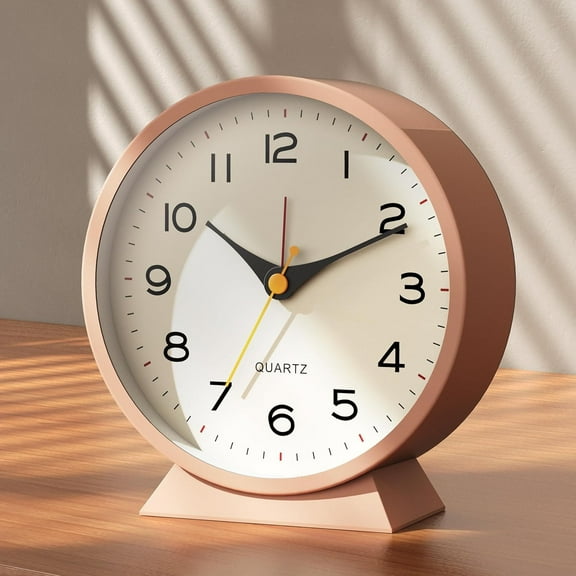




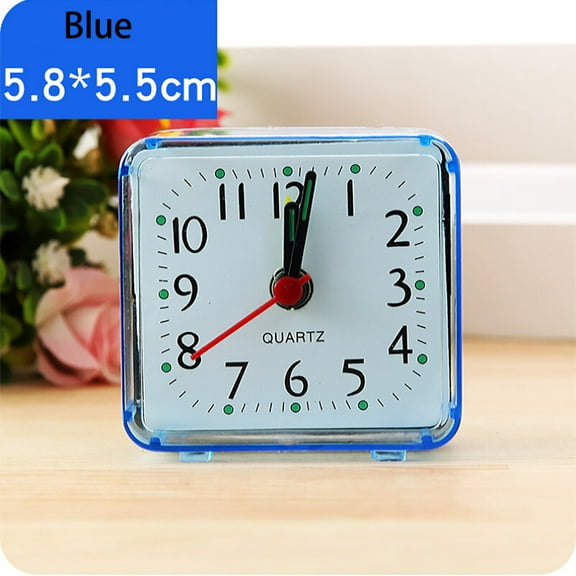


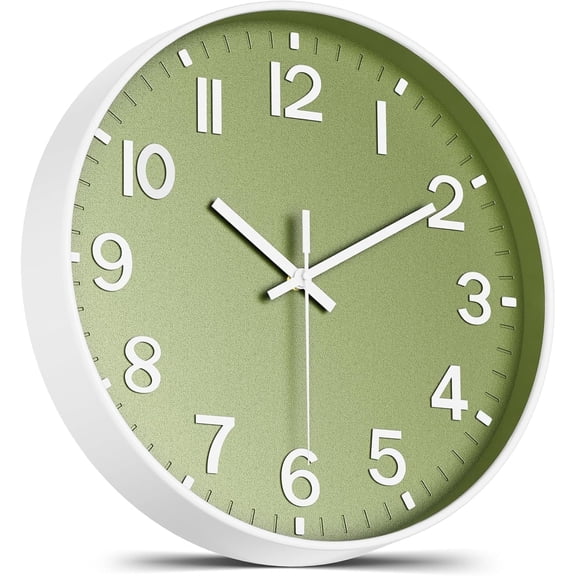


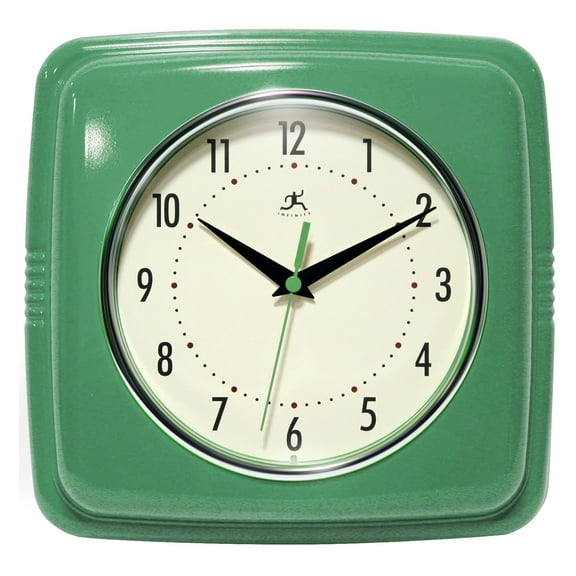


About Analog Clocks in Clocks - Walmart.com
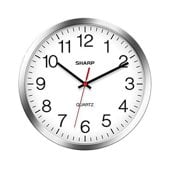
Analog clocks help you track time with clear hands, familiar dials, and room-ready style. You can compare wall, alarm, desk, and mantel options by movement, power source, and design.
You may want a clock that stays readable across the room and suits your decor. You can also narrow your choice by noise level, mounting needs, and battery maintenance.
How to choose analog clocks by type
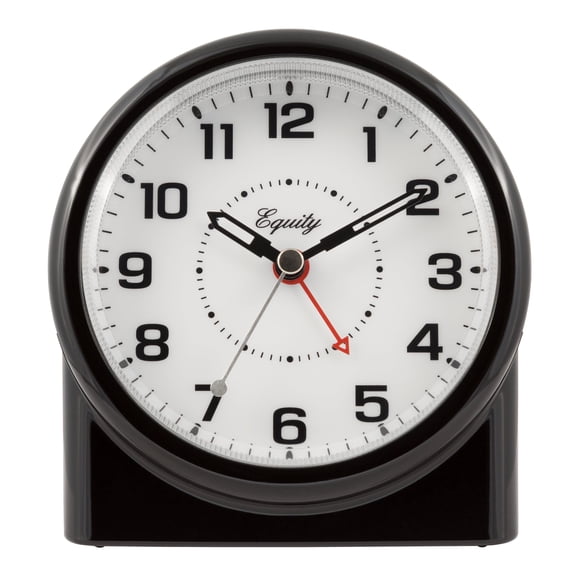
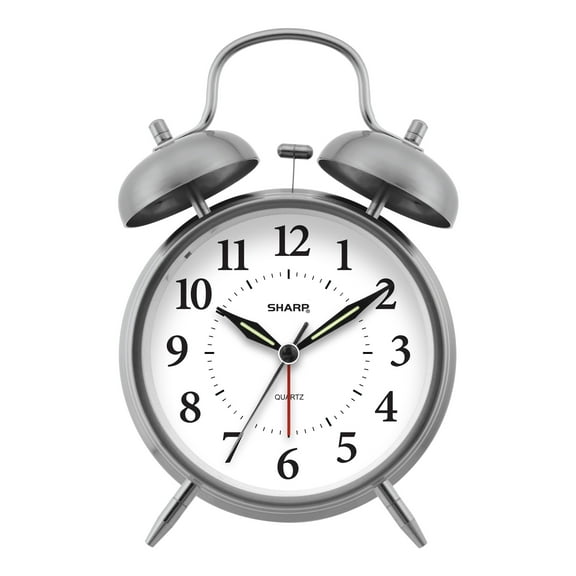
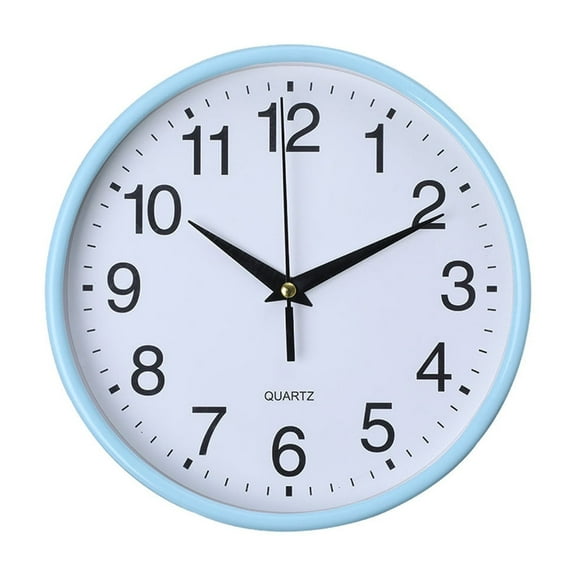
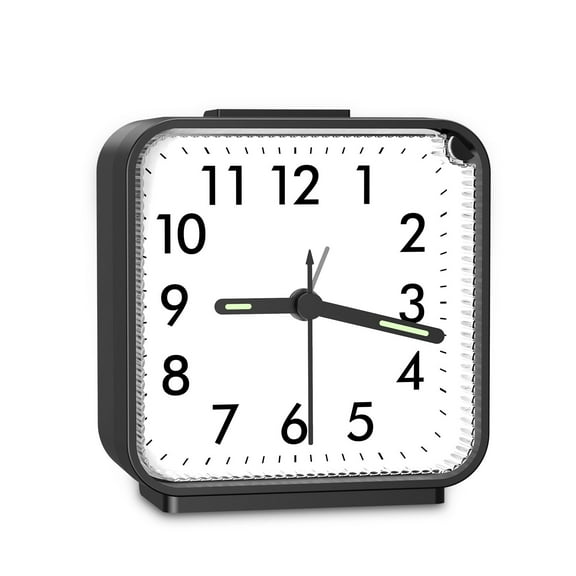
Clock type shapes where you place it and how you use it each day. You can choose analog wall clocks for open visibility or analog alarm clocks for bedside timing.
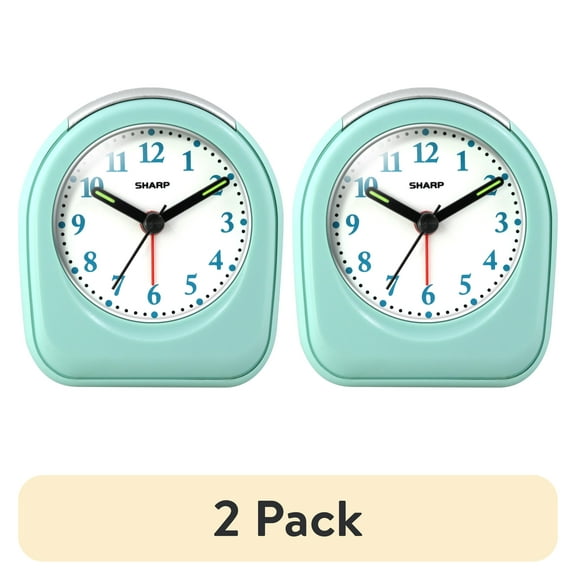
If you need a room focal point, you may prefer a wall clock with a larger dial. If your nightstand is tight, you can pick a small analog clock or compact desk style.
You can also consider mantel clocks when you want shelf placement without wall mounting. You may like desk clocks for home offices where quick glances matter during calls.
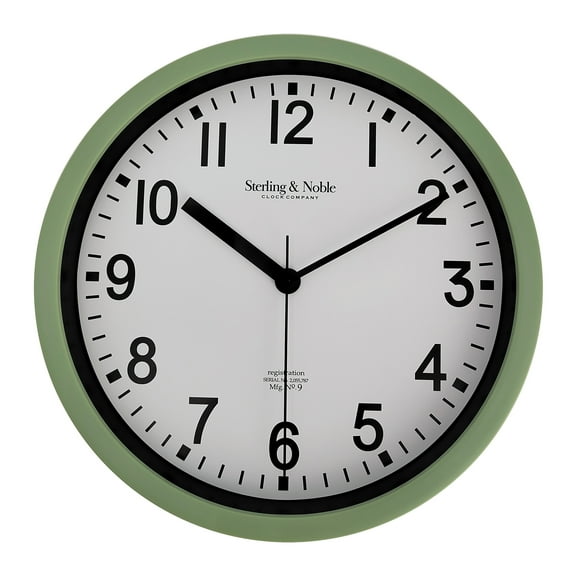
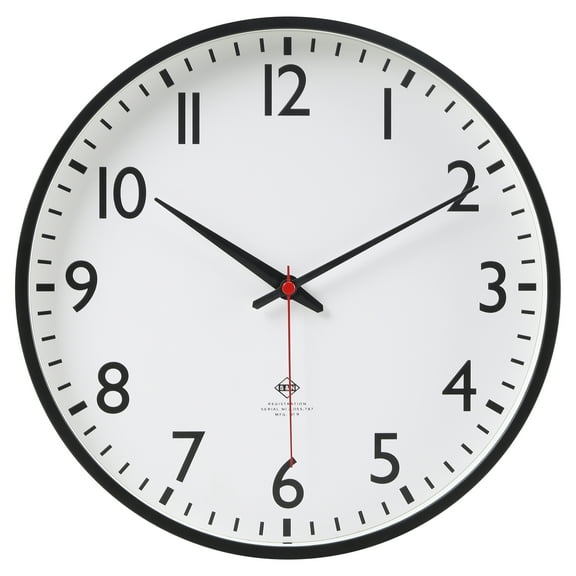
- You can use wall clocks to read time from farther away.
- You can use alarm clocks for bedside or guest room routines.
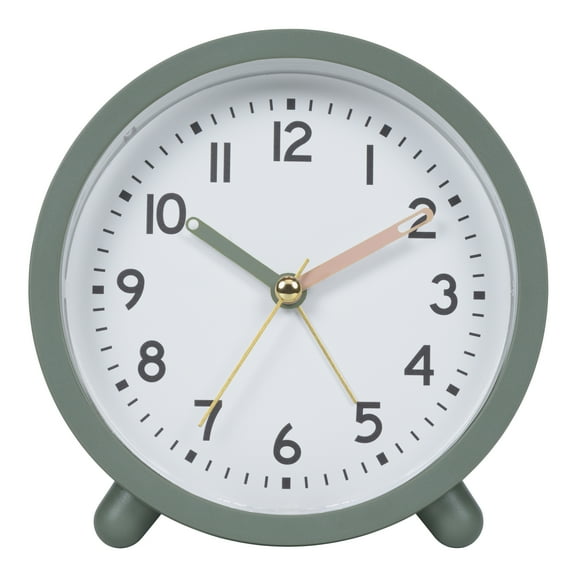
- You can use desk clocks when your workspace needs a smaller footprint.
- You can use mantel clocks to add a decorative accent on shelves.
Choosing analog wall clocks and alarm clocks for your space
Placement affects size, readability, and setup. You should measure your wall or tabletop area before you choose a dial diameter or case depth.
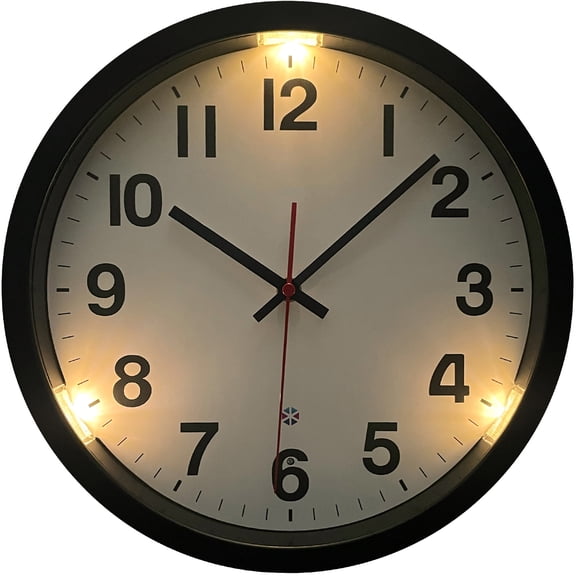
For kitchens, entryways, and living rooms, you may want larger analog wall clocks with bold markers. For bedrooms, you might prefer analog alarm clocks with easy-to-read hands at close range.
You should also check mounting details if you plan to hang a heavier wall style. You may need hardware or wall anchors, depending on your wall surface.
What to look for in movement and sound
Movement type changes the sound and feel of your clock. You can compare silent sweeping quartz, traditional ticking quartz, and mechanical movements based on your room.
If you want quieter timekeeping, you may choose a silent analog clock with a smooth second hand. If you like a classic ticking sound, you can select standard quartz movement.
Mechanical styles can appeal when you want a hands-on clock with winding character. You should remember that wind-up options need more routine attention than battery models.
You can match sound level to placement for a practical purchase. In bedrooms or study areas, you may prefer silent sweep, while kitchens can suit a ticking design.
Comparing battery operated analog clocks and other power sources
Power source affects upkeep, placement freedom, and daily convenience. You can choose battery operated analog clocks for flexible placement without needing a nearby outlet.
If you want fewer cords on a wall or shelf, battery power can keep the look cleaner. You should check the required battery type so replacement stays simple.
Electric corded clocks can work well when you place them near an outlet. Wind-up clocks fit shoppers who enjoy a more traditional routine and visible craftsmanship.
You may also want to think about maintenance before you buy. Battery life, access to the battery compartment, and easy time setting can all shape your experience.
How readability and dial design affect daily use
Readability matters when you need to check time quickly from across a room. You can compare dial diameter, contrast, numeral style, and hand size before you decide.
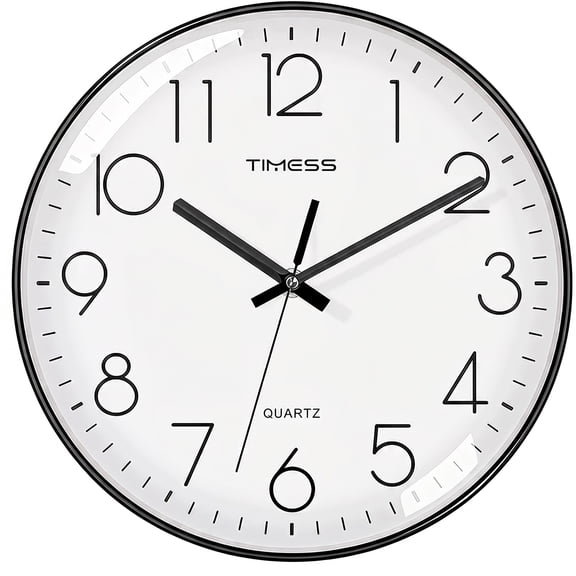
Large numerals and bold hands can help you read time from sofas, desks, or doorways. High-contrast dials can also make quick glances easier in busy spaces.
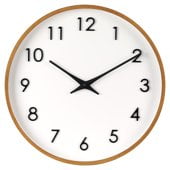
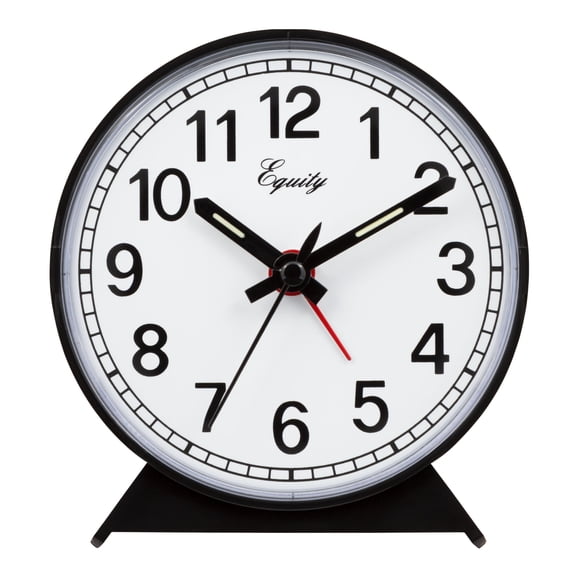
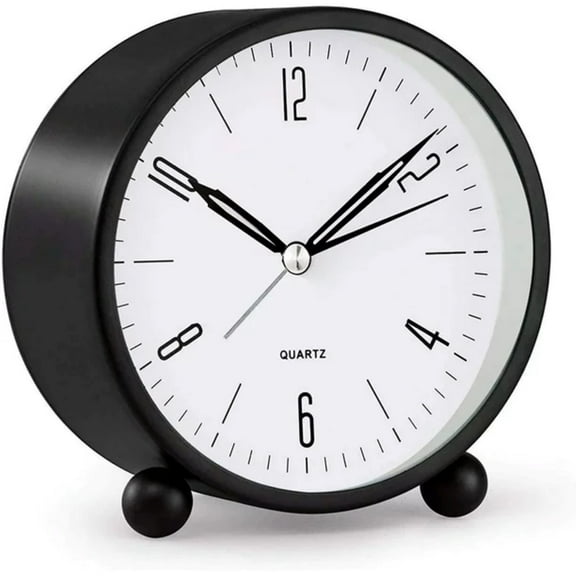
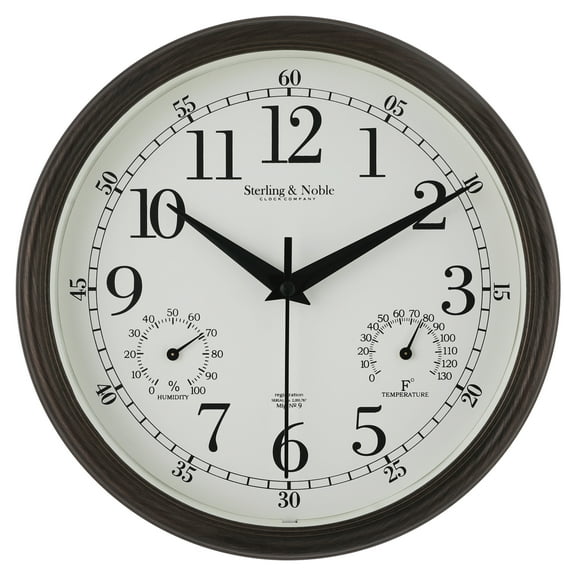
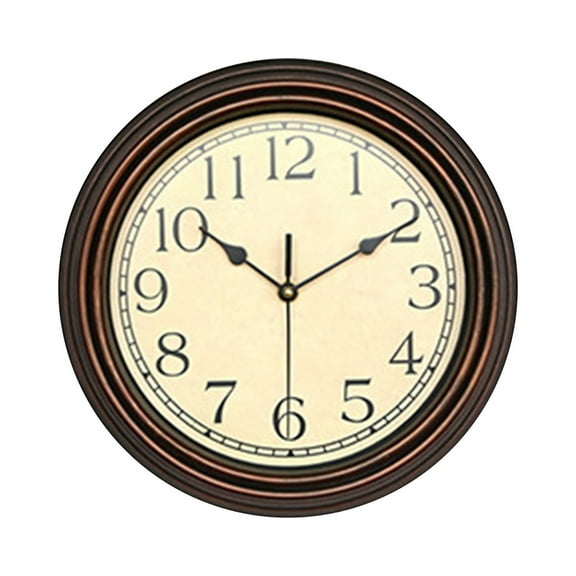
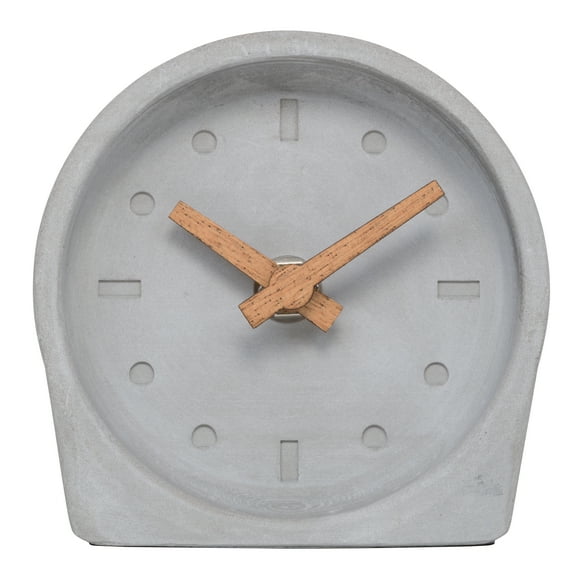
If your decor leans sleek, you may like modern minimalist faces with simple markers. If your room feels classic, you might choose traditional numerals or a retro analog clock.
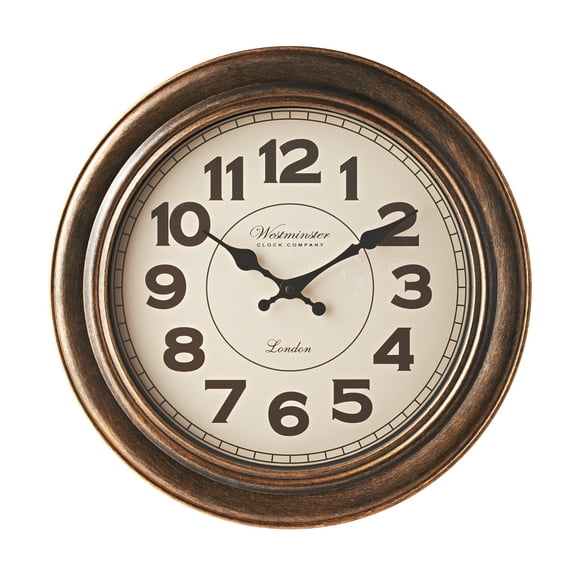
Industrial finishes can add texture to loft spaces, while vintage looks warm up dens or kitchens. You should balance style with clear markers so design never hides readability.
Matching style and use case to the right analog clocks
Design style can guide your final choice when several sizes and movements fit. You can compare retro vintage, modern minimalist, traditional, and industrial looks by room mood.
For a breakfast nook or hallway, you may choose a retro analog clock with aged details. For offices and contemporary spaces, you can lean toward a clean, modern dial.
You might place a silent sweep wall clock in a bedroom, nursery, or reading corner. You may choose a ticking desk clock for a workspace where classic sound feels welcome.
If you need one clock for a large family room, you should prioritize dial size and contrast. If you need bedside convenience, you can focus on alarm access and quiet movement.
With analog clocks, you can make a practical choice that also supports your room's visual rhythm. You can find everyday timekeeping that matches your space, sound preference, and setup needs.