


Decline Benches & Sit-Up Benches | Walmart





























About Decline Benches & Sit-Up Benches | Walmart - Walmart.com
You can build focused chest and core workouts with a decline bench that fits your space, routine, and training style. You'll notice this category centers on angled support, secure leg hold-downs, and exercise-specific designs.
If you're comparing home gym benches, you may want a setup that handles sit-ups, decline bench press sessions, and multi-angle strength work. You'll get useful guidance when you compare adjustment levels, frame style, exercise focus, and overall footprint.
How to choose a decline bench
You should start with adjustment levels, because the decline angle changes how your workouts feel and what moves you can perform. You'll often compare adjustable, fixed, and multi-position designs before you decide.
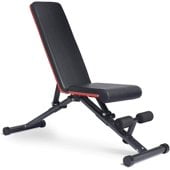
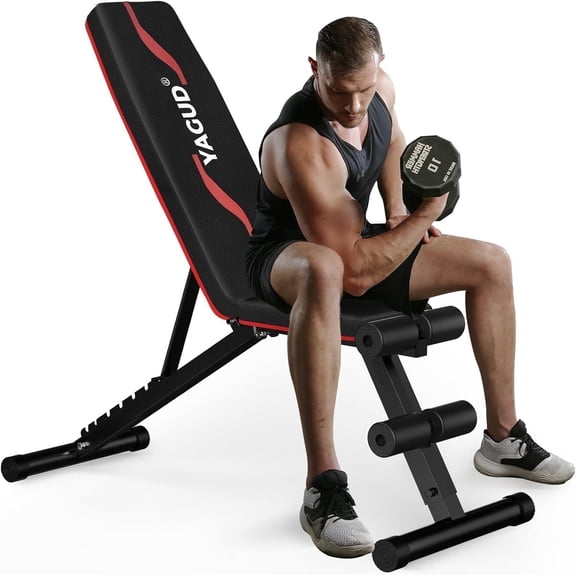
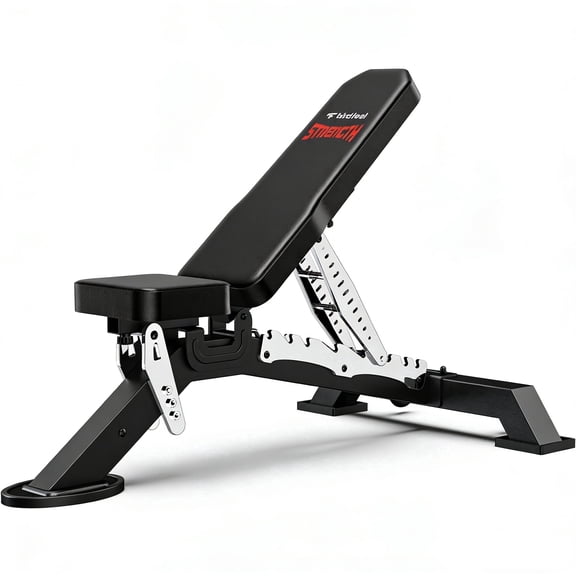
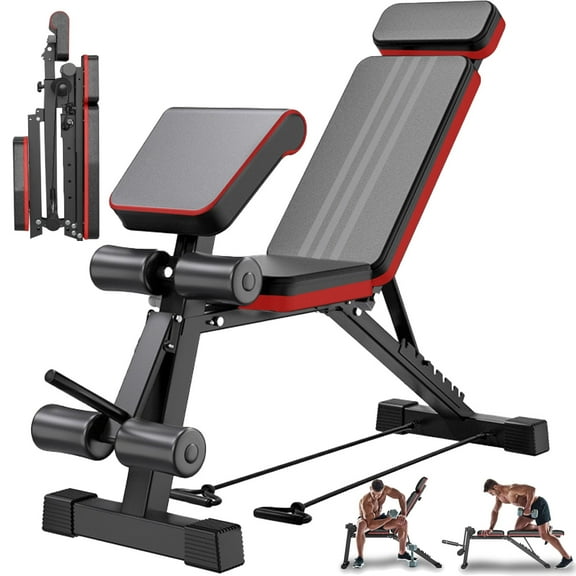
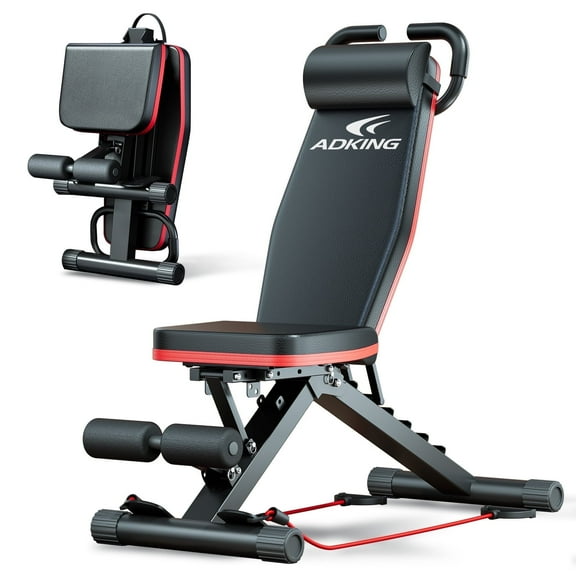
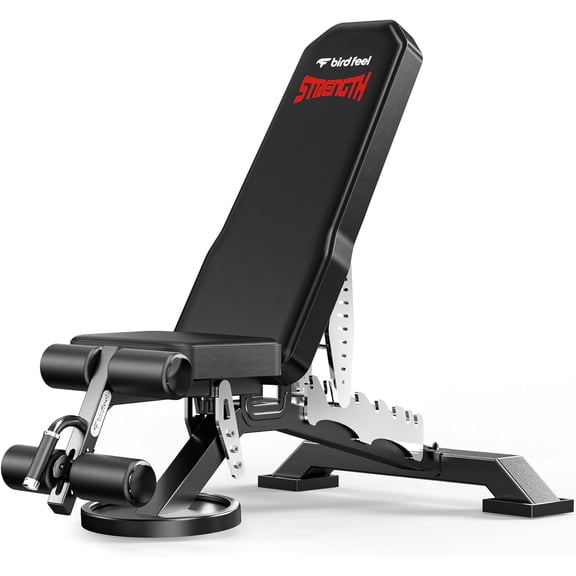
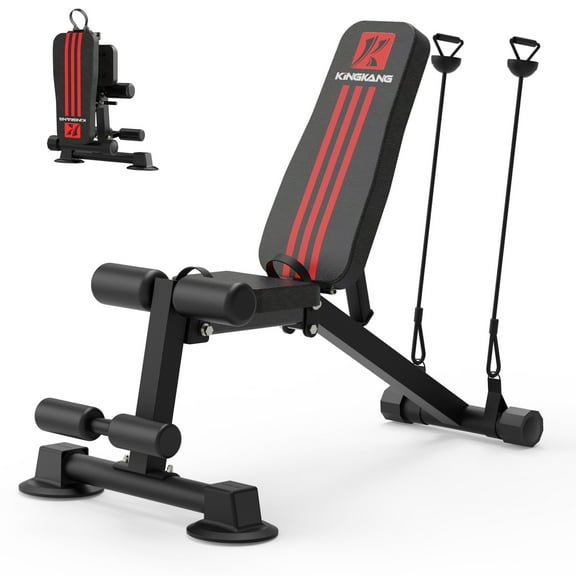
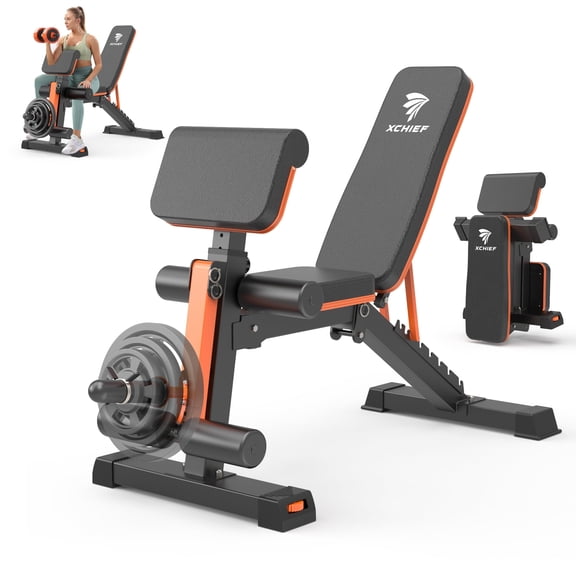
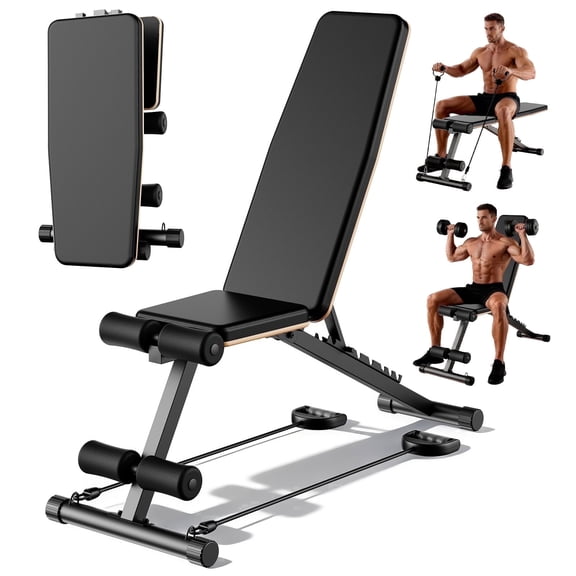
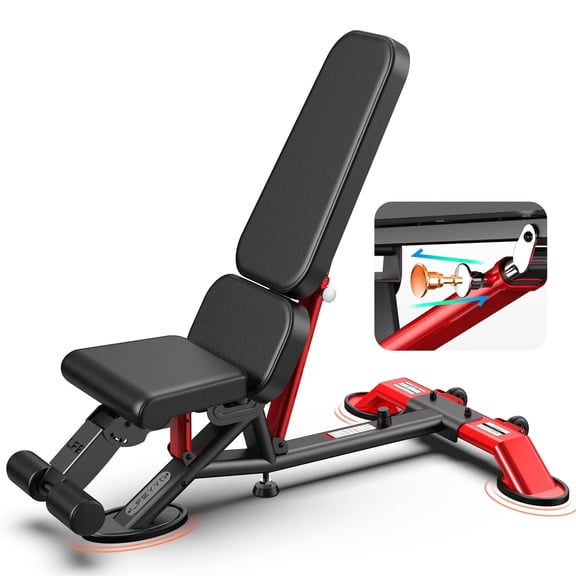
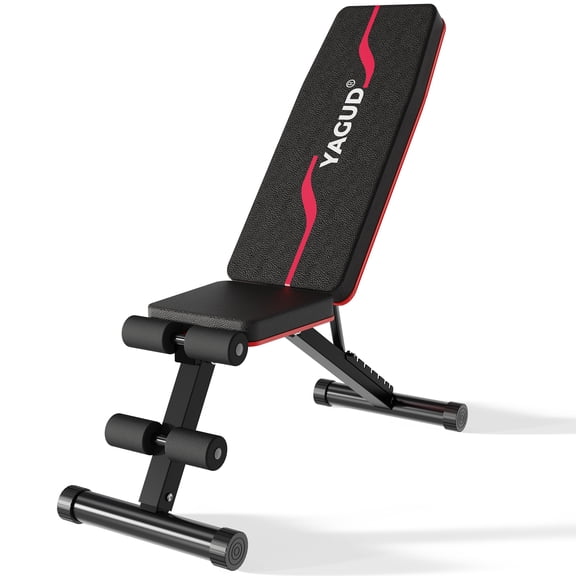
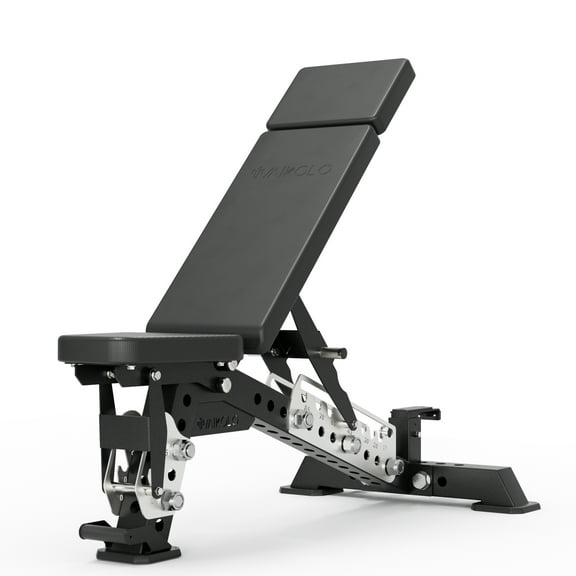
If you want more versatility, you may prefer an adjustable incline decline bench press model with several angle settings. You'll want to check the decline degree range and a pin-lock mechanism, because both affect setup speed and position control.
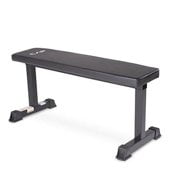
You may prefer a fixed bench if you want a straightforward setup for repeated sit-up sessions. You'll usually get a simpler layout, and you'll spend less time changing positions between sets.
When you compare multi-position options, you'll get flexibility for chest work, core training, and mixed routines. You'll also want clear angle markings if you switch between exercises often.
Choosing design type and storage needs
You should measure your workout area before you pick between foldable, compact, and heavy-duty frames. You'll avoid a cramped setup when you compare both the in-use footprint and the stored size.
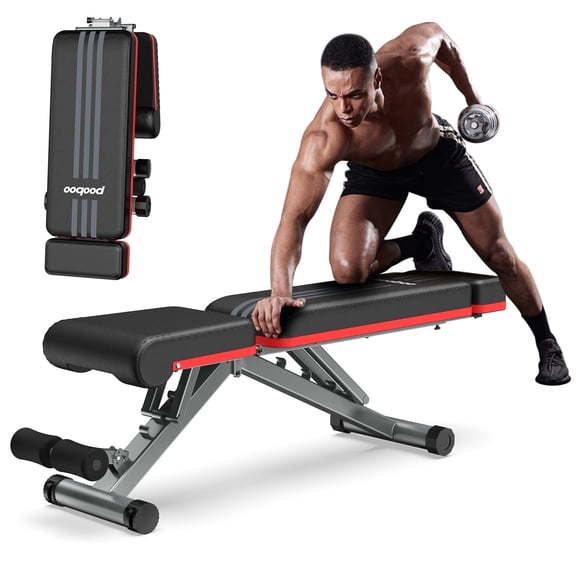
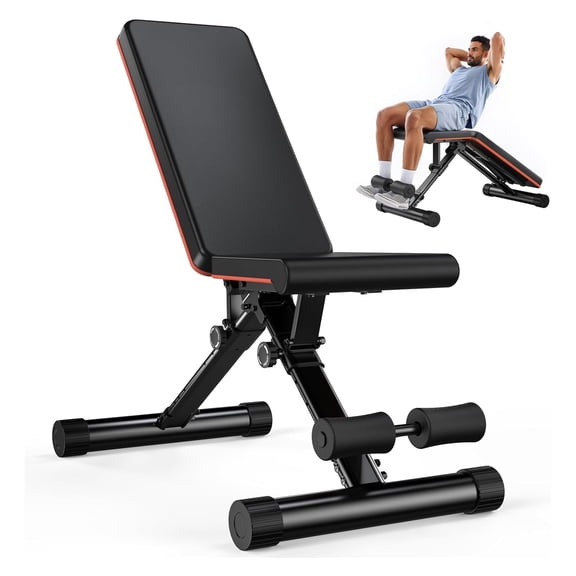
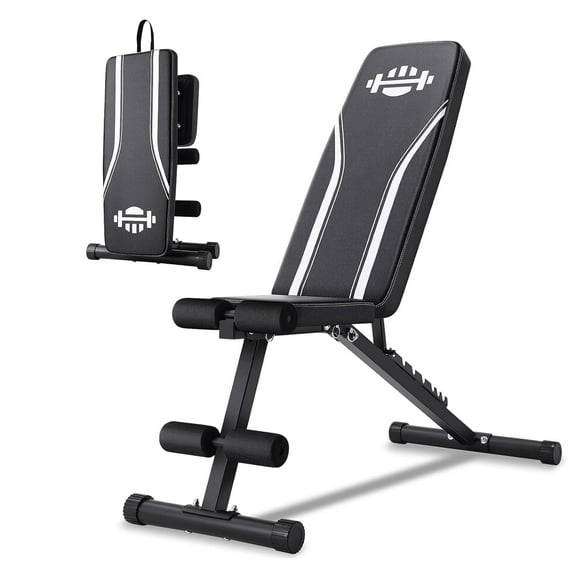
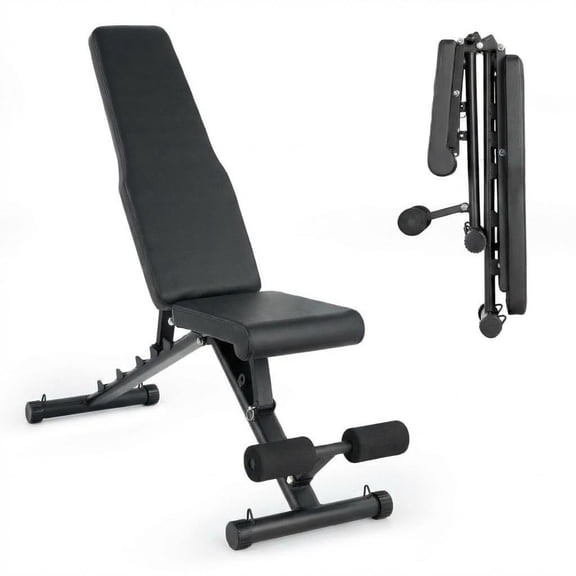
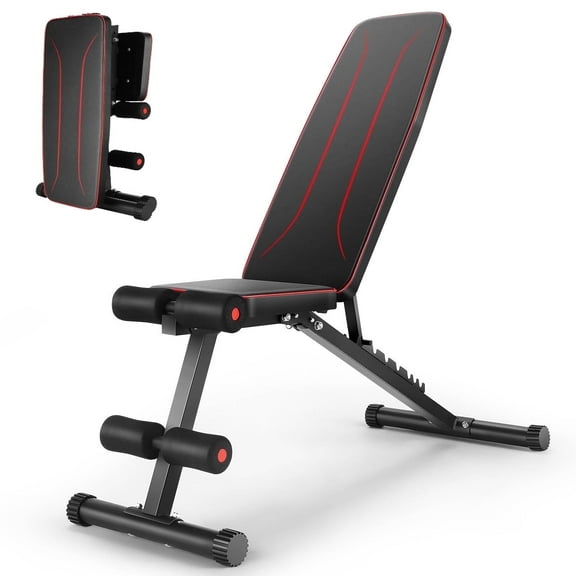
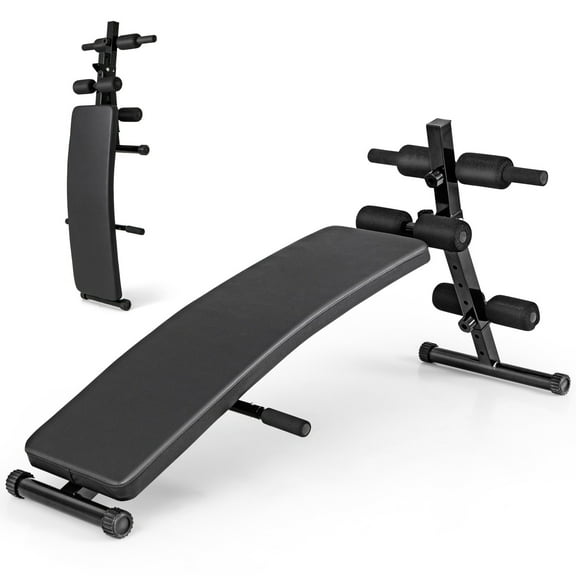
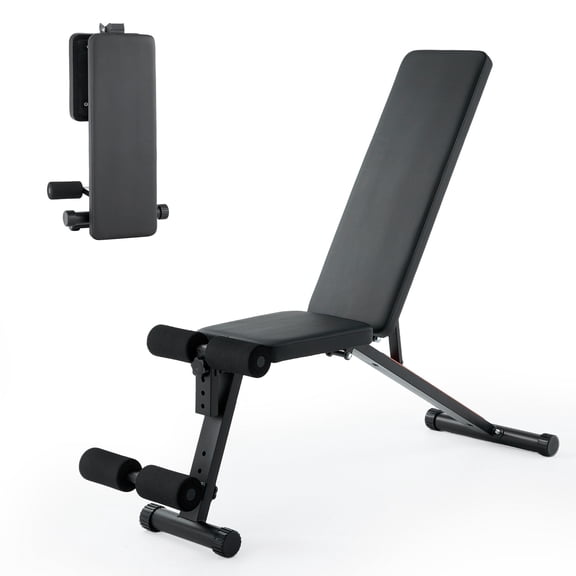
If you need easier storage, a foldable decline bench can make sense for apartments, shared rooms, or multipurpose spaces. You'll want to check whether the folded shape stays slim enough for closets or wall-side storage.
You may like a compact frame if you want a smaller bench that still supports regular ab sessions. You'll often find compact models easier to move around a room between workouts.
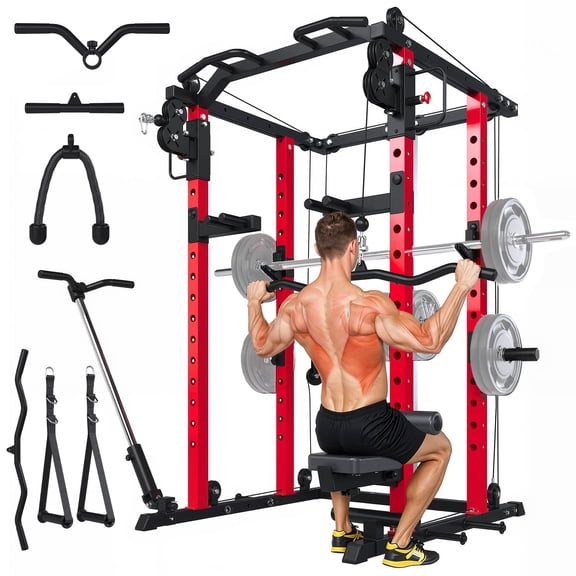
If you lift with heavier dumbbells or barbells, you should compare heavy-duty frames and wider base designs. You'll feel the difference when your bench stays steadier during presses, leg raises, and weighted sit-ups.
- You can use adjustable angles to support chest presses, sit-ups, and varied core work.
- You can choose foldable or compact designs when your storage space is limited.
- You can compare frame strength to match your body weight and lifted weight.
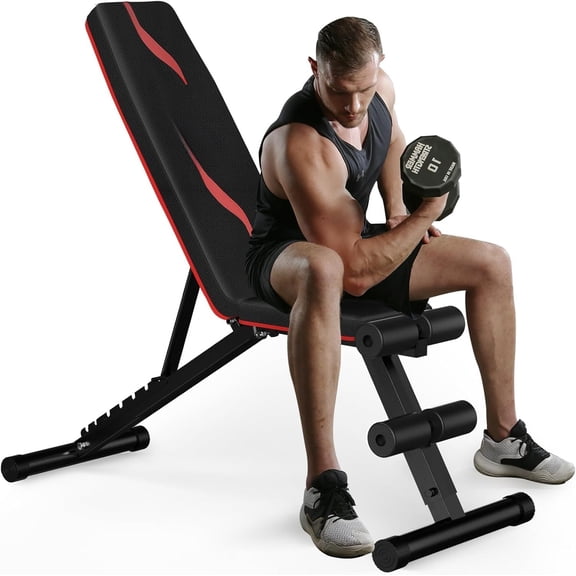
- You can look for padded ankle rollers to keep decline exercises more comfortable.
What to look for in a decline sit up bench
Match the bench to your primary exercise. You'll notice a decline sit up bench differs from a bench press station in how you use it.
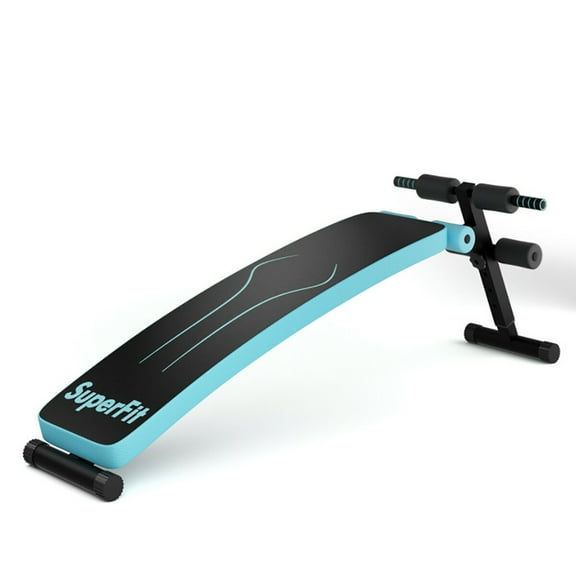
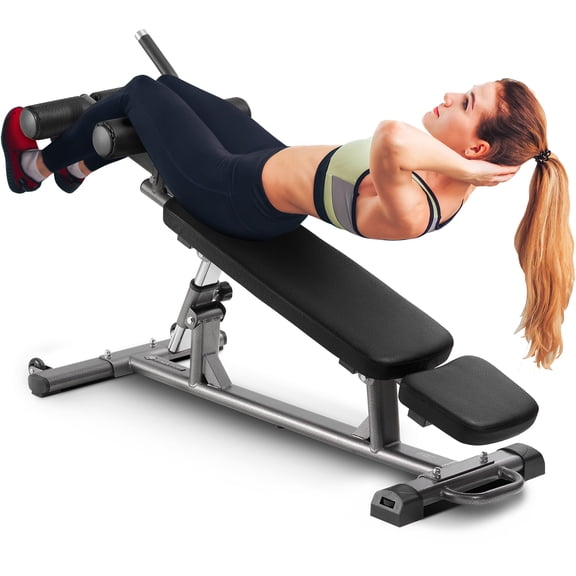
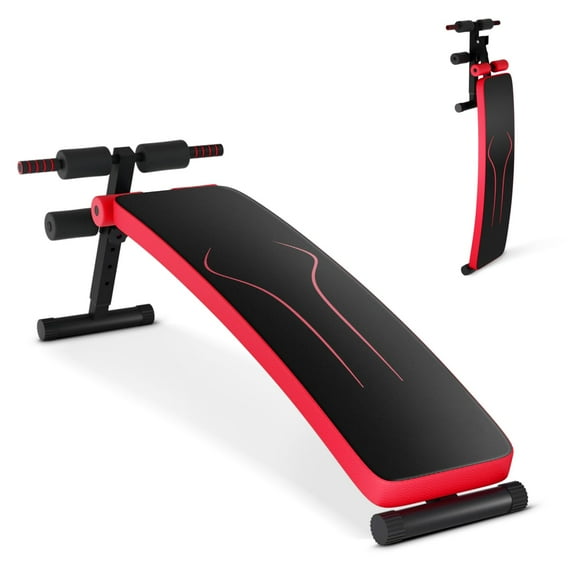
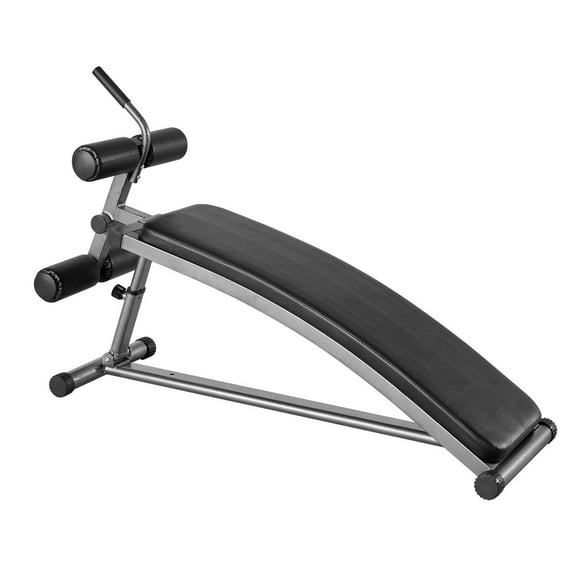
If your focus is core training, you'll likely want a sit-up board or flat sit up board style with secure ankle rollers. You'll benefit from padding that supports longer ab sessions without feeling too firm or too thin.
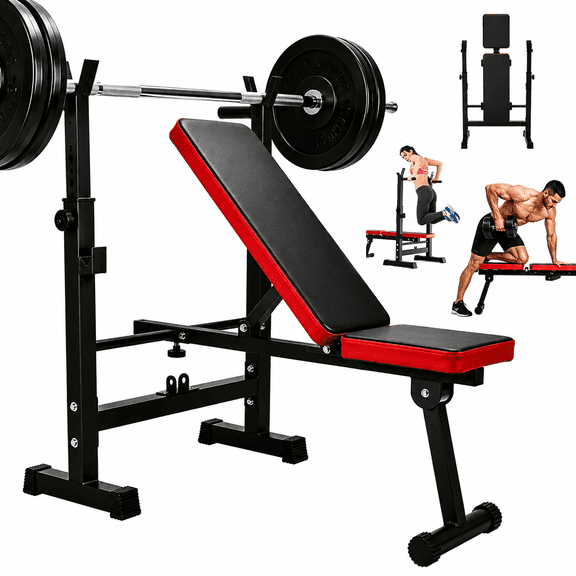
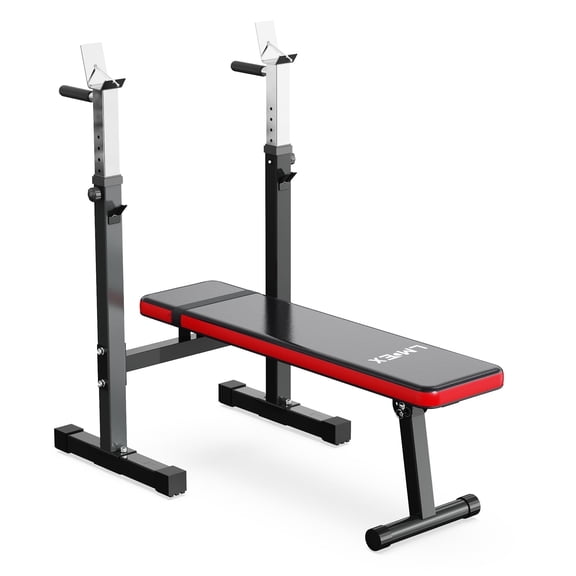
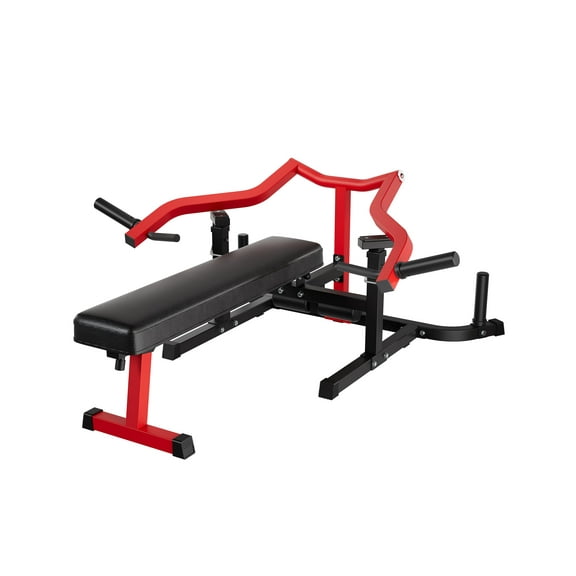
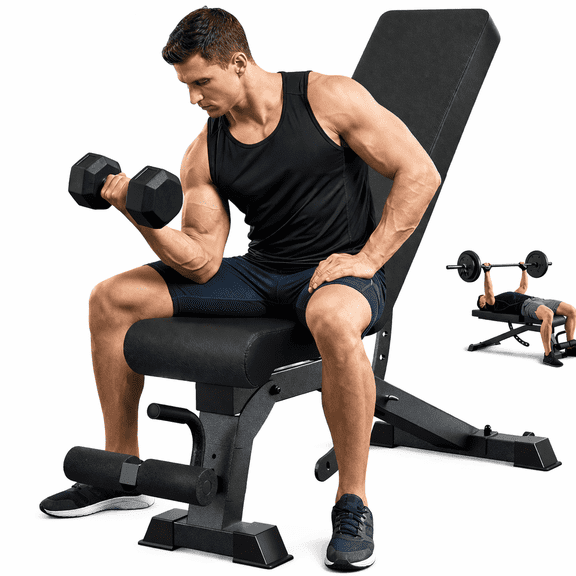
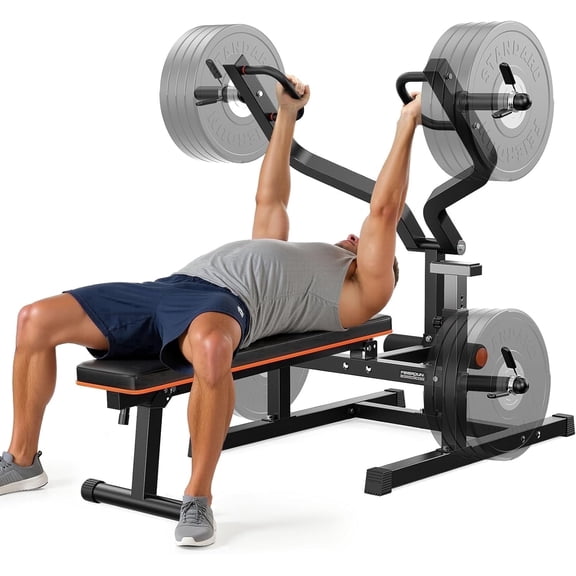
When you plan to train chest, you may want a decline bench press setup with a stable base and enough back support. You'll also want room for your shoulder position and a bench length that fits your height.
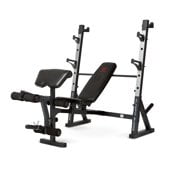
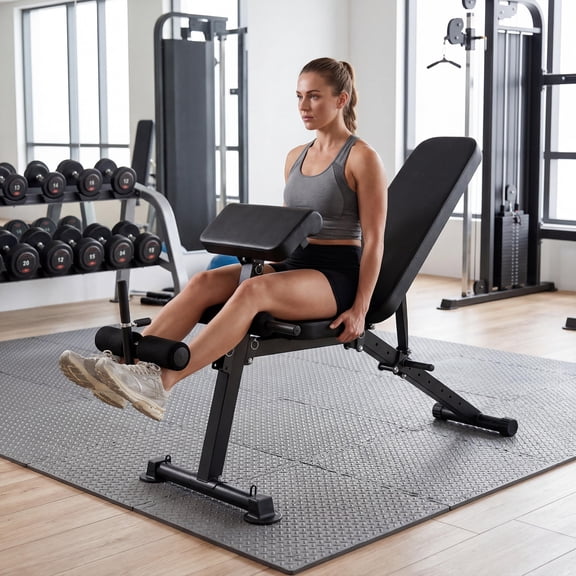
If you want both uses, you should compare utility bench designs that support presses and abdominal work in one frame. You'll get flexibility when the bench changes positions without complicated adjustments.
You should also review weight capacity in practical terms, not just as a single number on a page. You'll want the combined limit to support your body weight plus the weight you plan to lift.
Padding matters during repeated sets, especially when your back and legs stay in contact with the bench. You'll usually prefer thicker cushions and ankle rollers that feel supportive without making entry awkward.
Using a decline bench for bench press and core workouts
You can use this category for several training styles, from chest-focused sessions to dedicated ab circuits. You'll get solid utility from your setup when you match the equipment type to your routine.
If you want pressing variety, a gym bench incline decline layout can help you rotate angles across weekly workouts. You'll keep more options open when your bench supports decline pressing along with other bench positions.
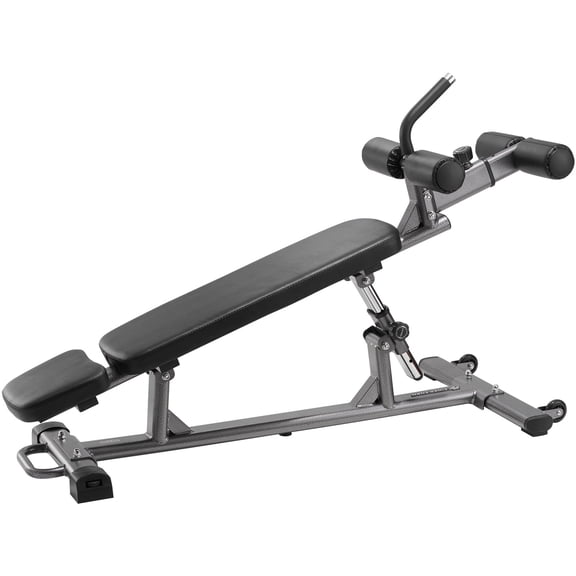
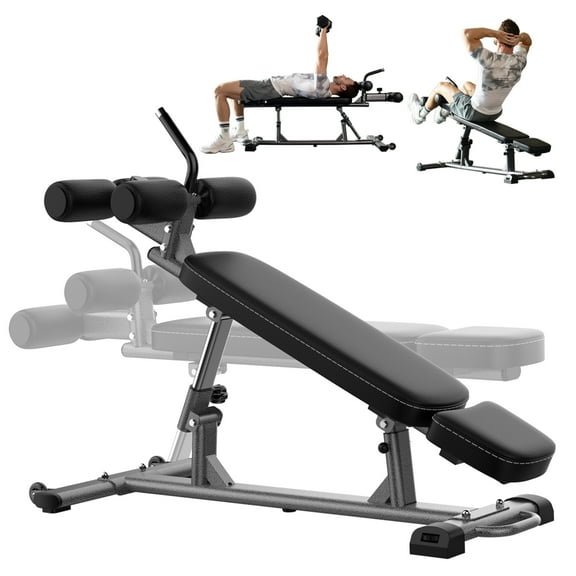
You may choose a decline situp machine style when you want guided support for repeated core movements. You'll often appreciate that style if you prefer a more dedicated setup for sit-ups and leg-focused ab work.
If your room doubles as an office, bedroom, or family space, you may prefer a foldable frame with quick setup. You'll be able to train, store the bench, and reopen floor space with less hassle.
You should check frame dimensions if you're tall, because bench length affects how supported you feel during presses and sit-ups. You'll also want to compare roller placement so your legs fit comfortably.
When you train several times each week, you may notice frame stability and roller comfort matter more over time. You'll appreciate a bench that feels steady during movement changes and holds its angle securely.
You can shop this category with more confidence when you compare angle range, storage style, exercise focus, and support points. You'll end up with a decline bench that fits your training space and helps each rep feel more controlled.