







Find auto parts that fit
Let’s search for parts that fit your vehicle.Boat Deck Cleaners & Marine Deck Wash - Walmart












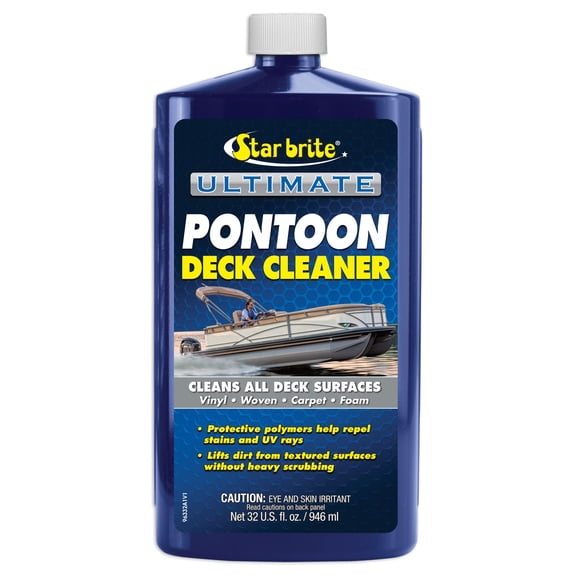
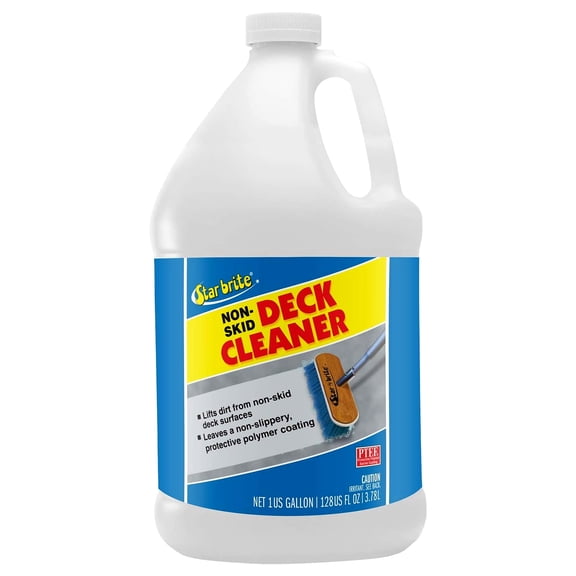
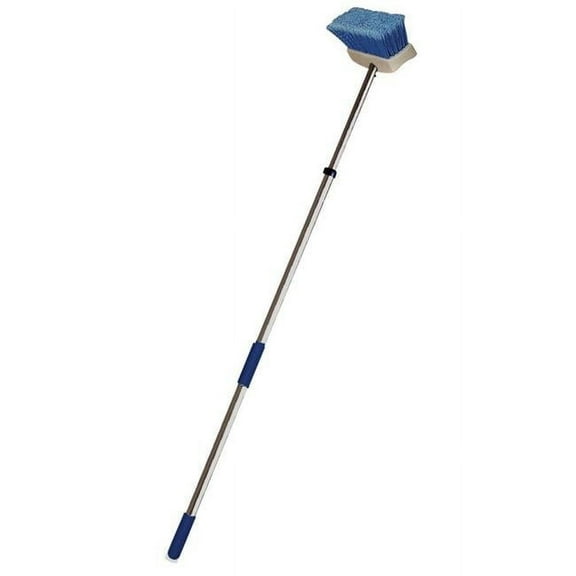
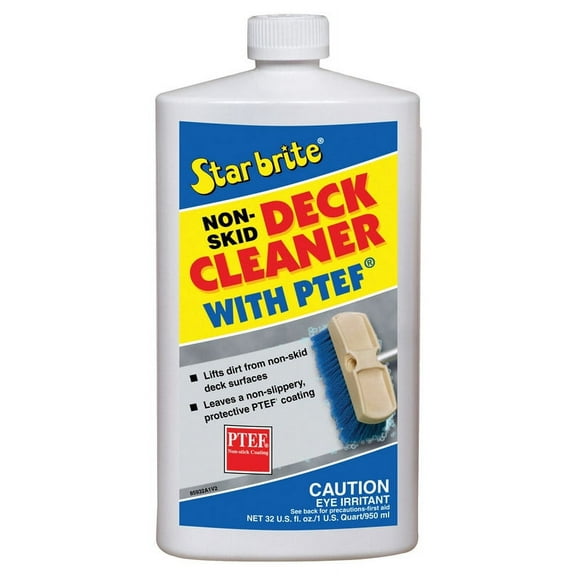



About Boat Deck Cleaners & Marine Deck Wash - Walmart - Walmart.com
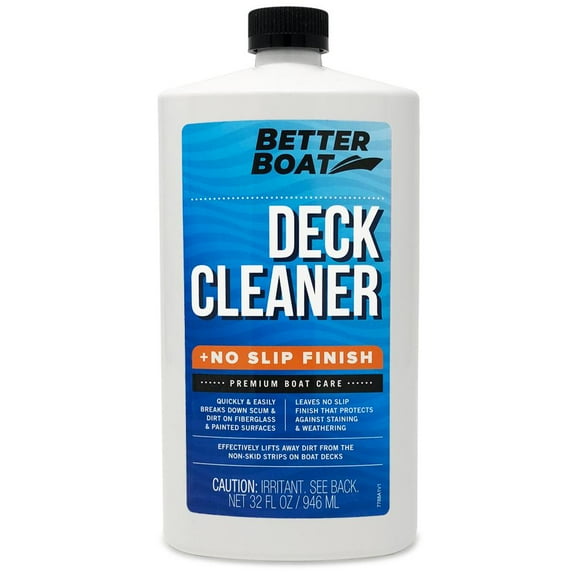
With the right boat deck cleaner, you can lift salt, grime, and dock stains from marine surfaces without guesswork. You also get clearer guidance for non-skid textures, fiberglass decks, and boat deck wash formats that fit routine care.
How to choose a boat deck cleaner
When you compare cleaners, you should start with your deck material and surface texture. You’ll want a formula that matches fiberglass, gelcoat, teak, painted wood, or vinyl without unnecessary abrasion.
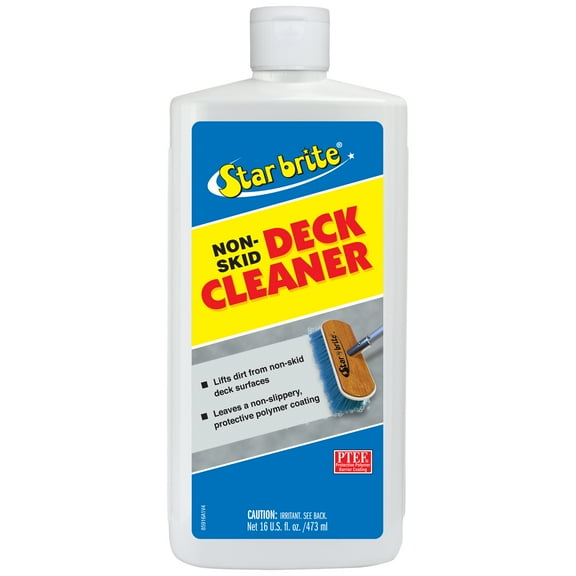
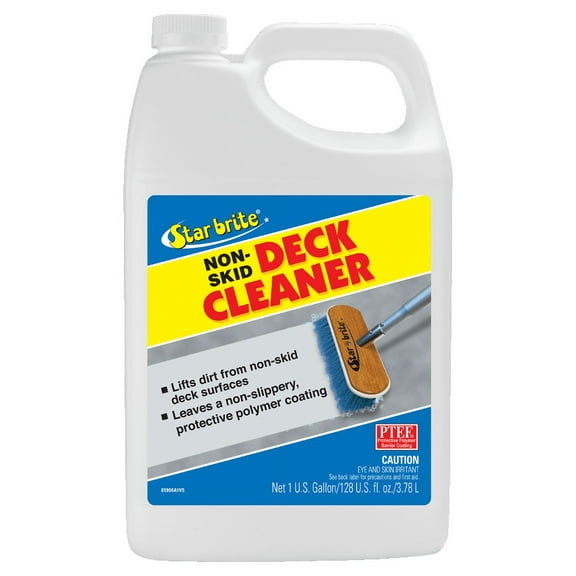
If your deck has raised patterns, you should look closely at non-skid deck cleaner options. You’ll usually need a formula that reaches textured channels where salt, sand, and fish residue can settle.
For smooth gloss or matte finishes, you should check whether the manufacturer recommends the cleaner for those surface types. You’ll make a clearer choice when your cleaner matches the way your deck is finished.
What you gain from marine deck cleaner options
You’ll notice that marine-specific formulas target boating messes instead of ordinary household dirt. You can address salt film, waterline splash, sunscreen smudges, bait residue, and dock grime more directly.
Because your boat sits around spray and sun, you may want a cleaner made for repeat maintenance. You can keep your deck looking ready between outings when you use a boat deck wash suited to marine conditions.
- You can clean textured non-skid areas with more control.
- You can match formulas to fiberglass, gelcoat, teak, vinyl, or painted wood.
- You can choose spray, gel, powder, or liquid concentrate based on your routine.
- You can focus on stubborn marine stains like rust marks, mildew staining, and salt deposits.
If environmental impact matters in your marina or lake routine, you should compare biodegradable and lake-safe labels carefully. You’ll want wording that clearly explains intended marine use and disposal guidance.
When you clean often, you may prefer a formula that fits quick rinse-downs after a day on the water. You can also choose stronger scrub-oriented options for heavier buildup before storage.
Choosing by deck material and formulation
Fiberglass deck cleaner choices matter because fiberglass surfaces can show residue fast. You should look for gelcoat-safe, non-abrasive formulas when your boat has fiberglass decks with a coated finish.
Gelcoat surfaces often need careful cleaning that removes grime without rough scrubbing. You can narrow your options faster when you check for gelcoat-safe wording before you compare scent, size, or format.
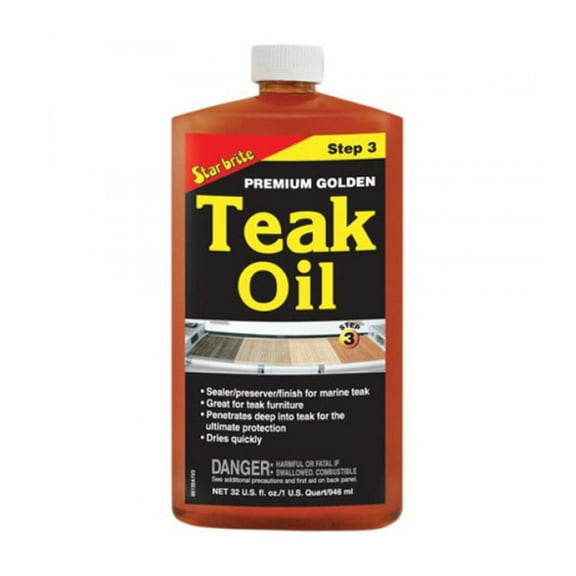
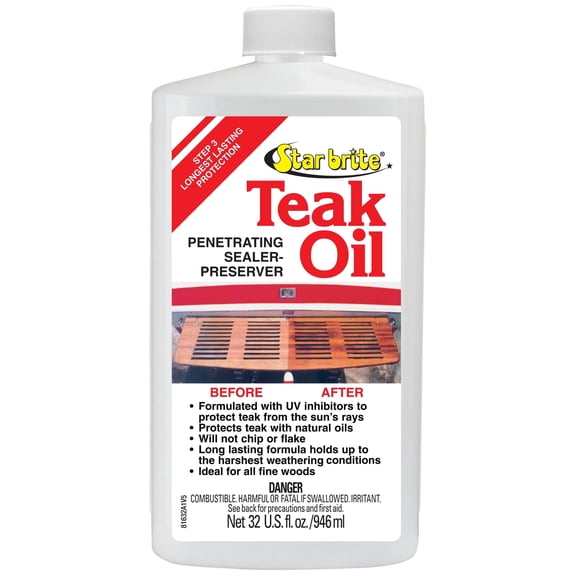
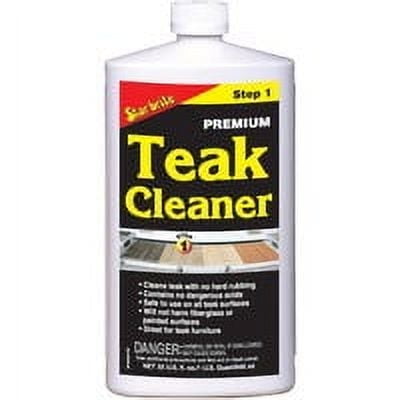
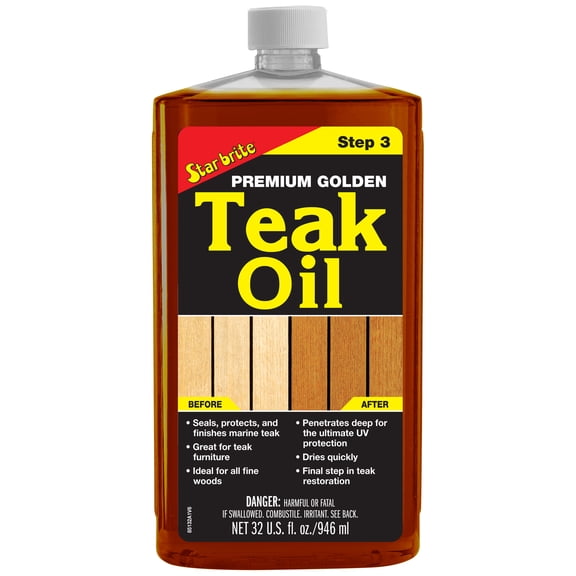
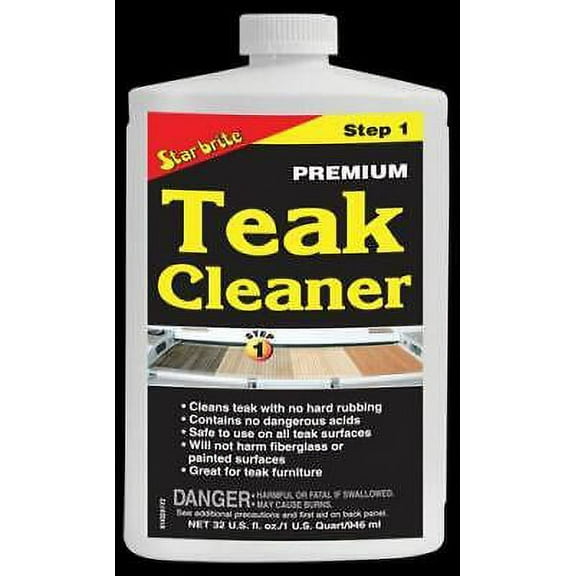
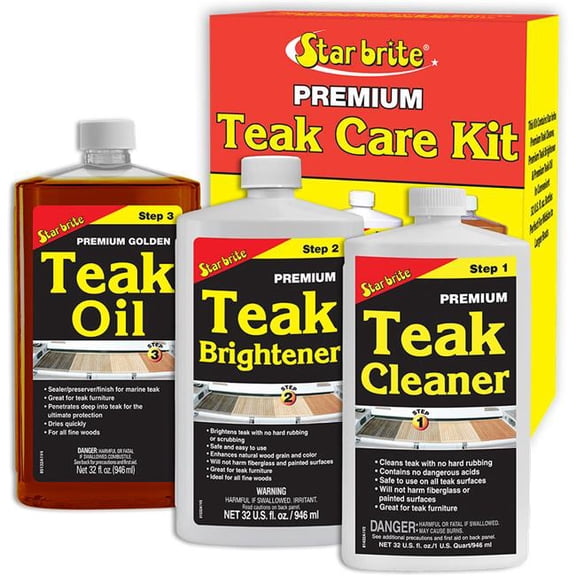
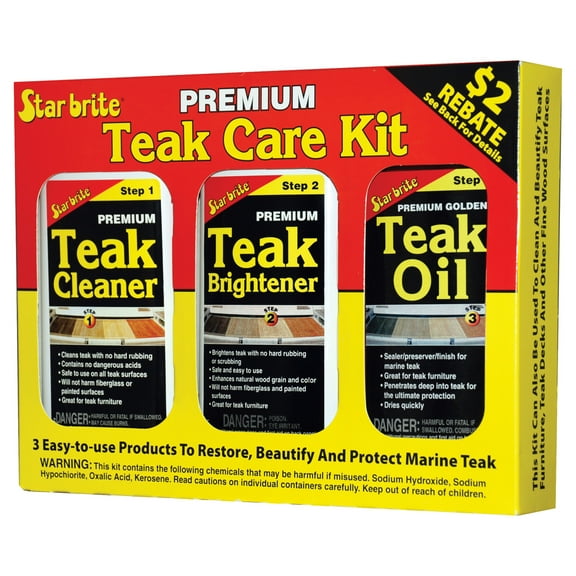
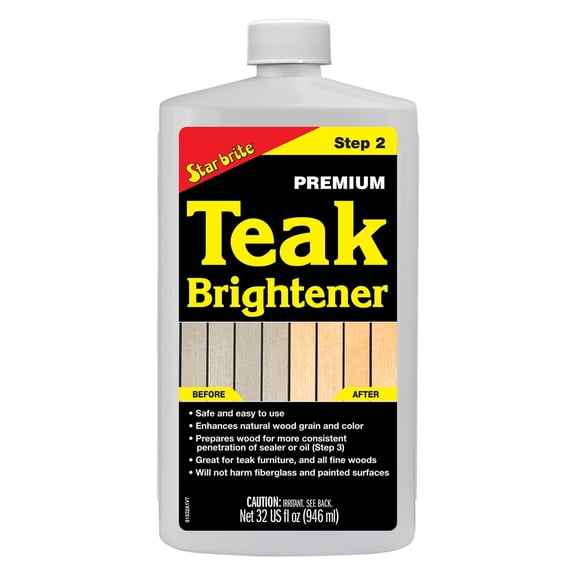
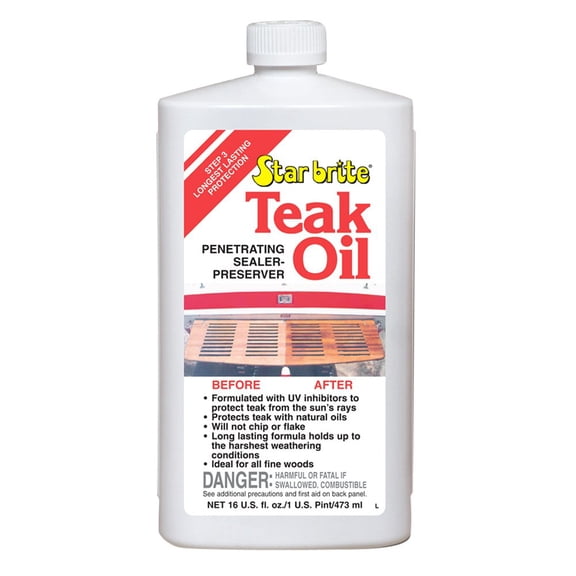
If your boat includes teak or painted wood sections, you should compare whether the cleaner is intended for those materials. You’ll avoid a mismatch when you read the label for multi-surface marine compatibility.
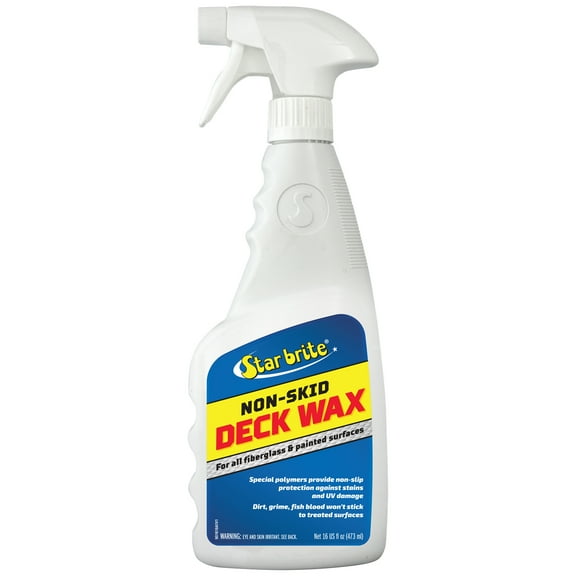
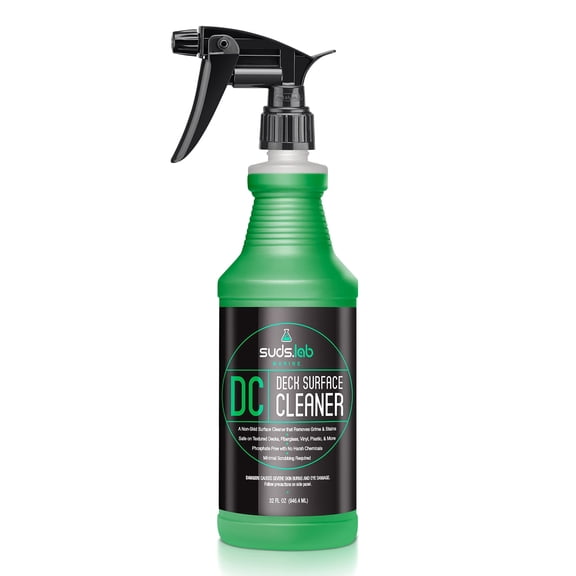
Application style also changes how you clean. You may like a spray for fast spot cleaning, while a liquid concentrate can suit larger decks and bucket-and-brush washing.
Gel formulas can help when you want cleaner to stay on marked areas a bit longer. Powder options can work for shoppers who prefer measured mixing before a more hands-on scrub.
Choosing a non-skid deck cleaner for textured surfaces
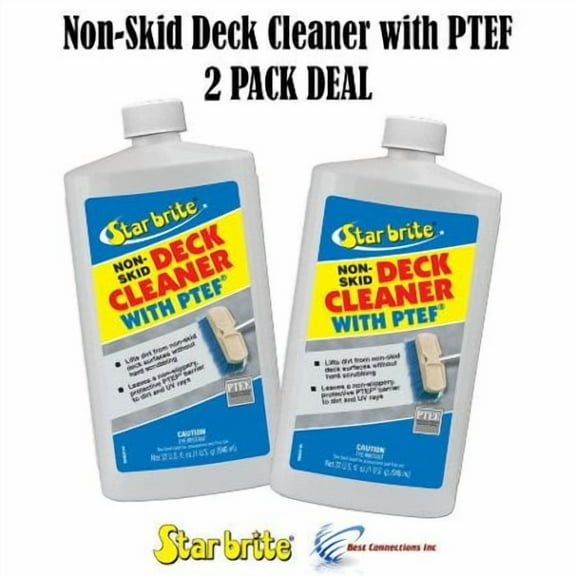
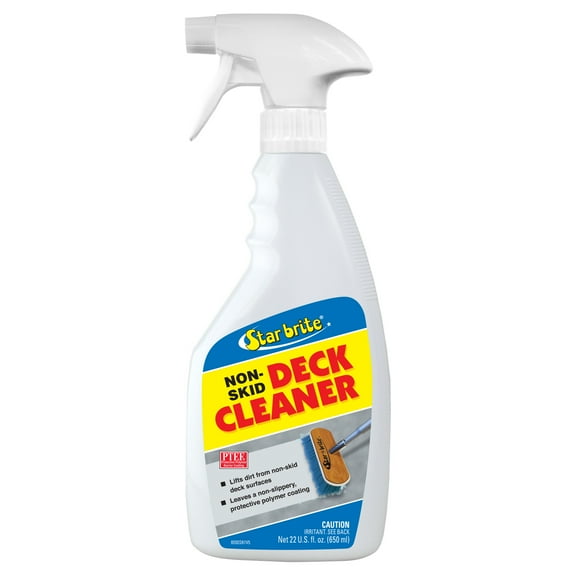
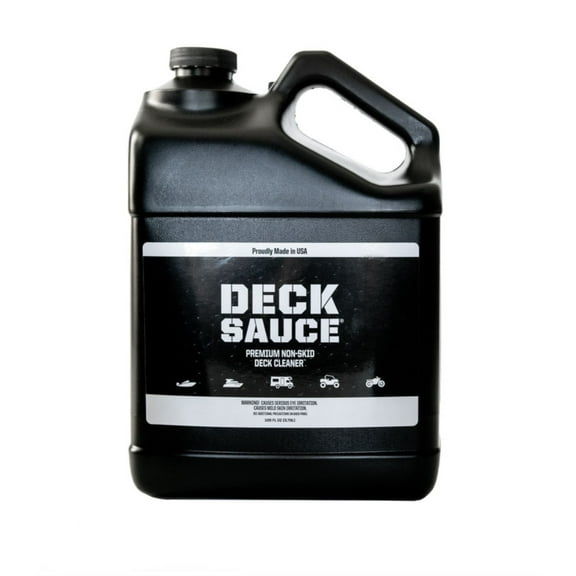
Textured fiberglass decks create grip underfoot, but those channels can hold grime after every trip. You should compare a non-skid deck cleaner when your surface needs reach into grooves and raised patterns.
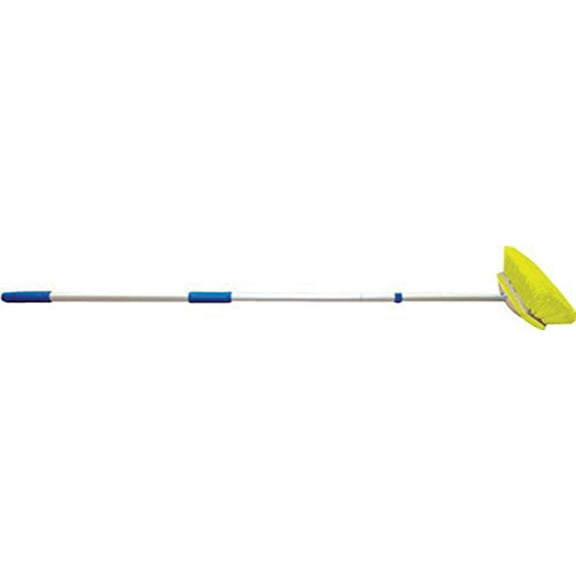
A non-abrasive formula matters here because you want cleaning action without harsh grit. You can preserve the look of your deck when you pair texture-friendly cleaning with the right brush or mop.
If your deck sees salt spray, bait handling, or heavy boarding traffic, you may need a cleaner designed for frequent marine cleanup. You’ll often find that a marine deck cleaner is easier to match to these routine conditions.
Matching cleaner types to your boating routine
For quick wipe-downs at the dock, you may prefer spray options that simplify light messes. You can handle drink spills, muddy footprints, and fresh salt film without setting up a full wash bucket.
For weekend deep cleaning, you might choose a concentrate that covers larger surfaces with less packaging. You’ll usually dilute it to the strength that fits routine washing or tougher buildup.
If your boat sees fishing use, you should look for formulas aimed at marine organic residue and rust marks. You can also compare options that address mildew staining and dried salt deposits on working decks.
When you prep for storage or the next season, you may want a cleaner that supports a more thorough scrub. You’ll get more useful results when the formulation matches the amount of buildup on your deck.
What to look for in boat deck wash details
You should read labels for surface compatibility, application steps, and whether you need to rinse the deck. You can compare those details faster than relying on package size alone.
It also helps to check whether your formula features a biodegradable label, a lake-safe label, or standard marine wording. You’ll understand how each option fits your boating environment and cleaning preferences.
When you choose with your deck material, surface texture, and cleanup routine in mind, your results are usually more consistent. You can keep fiberglass, gelcoat, teak, vinyl, and painted surfaces looking cared for with less guesswork.
You’ll feel more confident when your cleaner matches the way your boat is built and used. You can maintain non-skid traction, cleaner fiberglass surfaces, and a more polished deck appearance with fewer mismatches.