


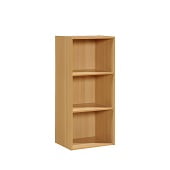
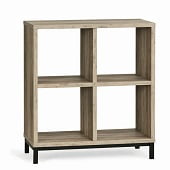
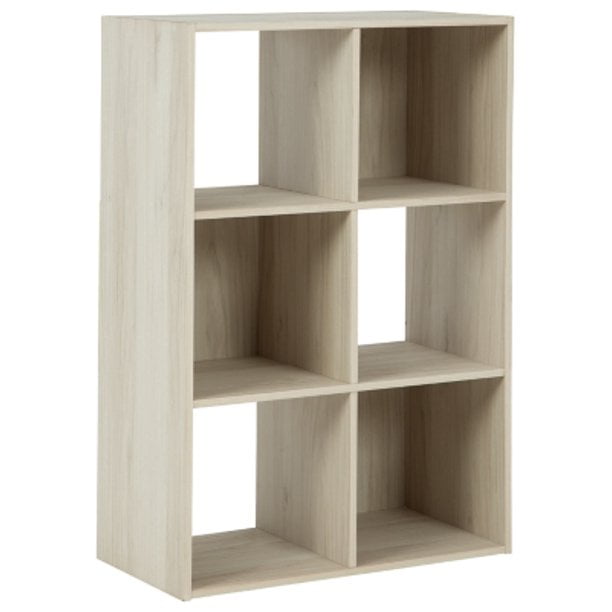


Cube Storage Organizers & Bookshelves








































About Cube Storage Organizers & Bookshelves - Walmart.com
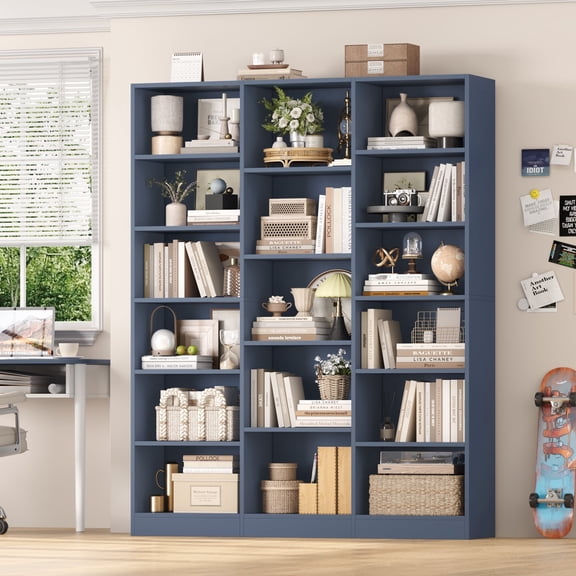
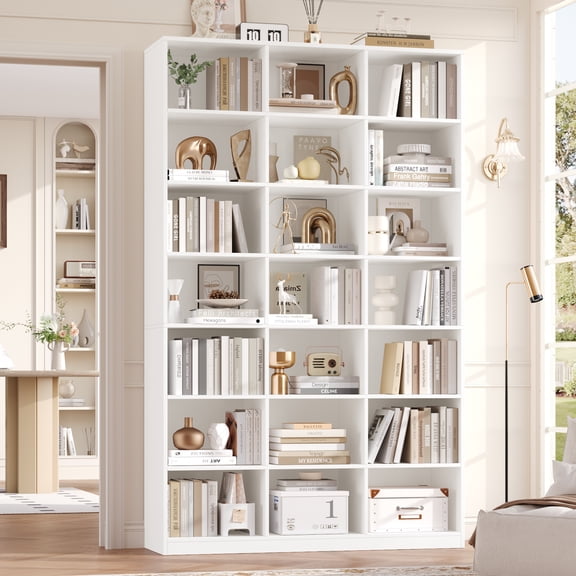
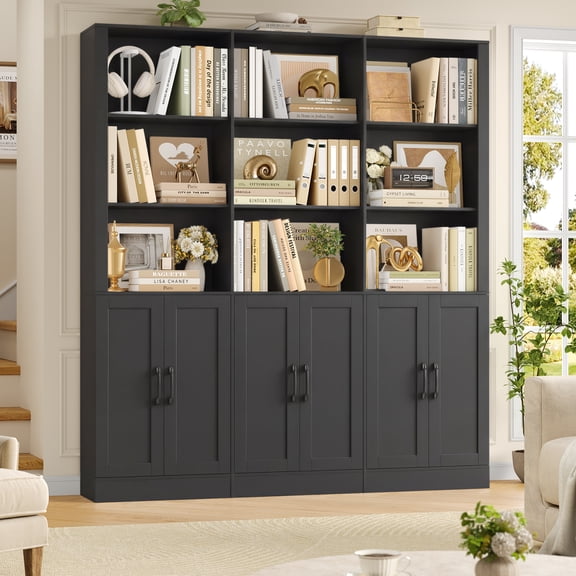
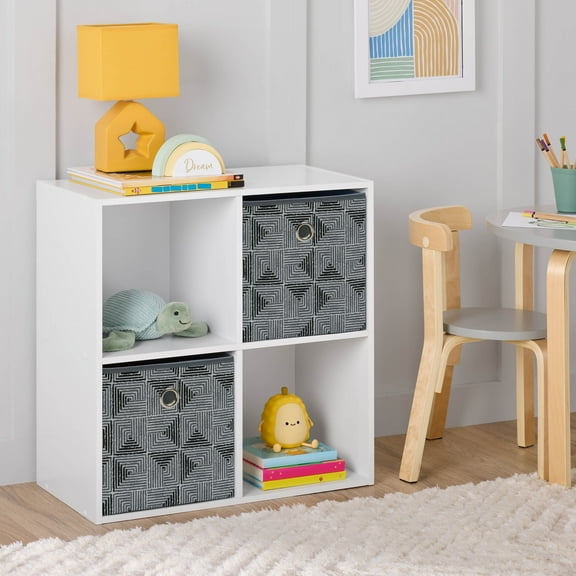
Cube storage bookshelves help you organize books, bins, and decor in one flexible footprint. You can use them as room dividers, low display units, or upright storage that fits changing spaces.
If you're comparing layouts for a living room, office, or kids' room, this category gives you clear options. You can sort by cube count, orientation, finish, and backing style to match your room and routine.
Choosing cube storage bookshelves by cube count
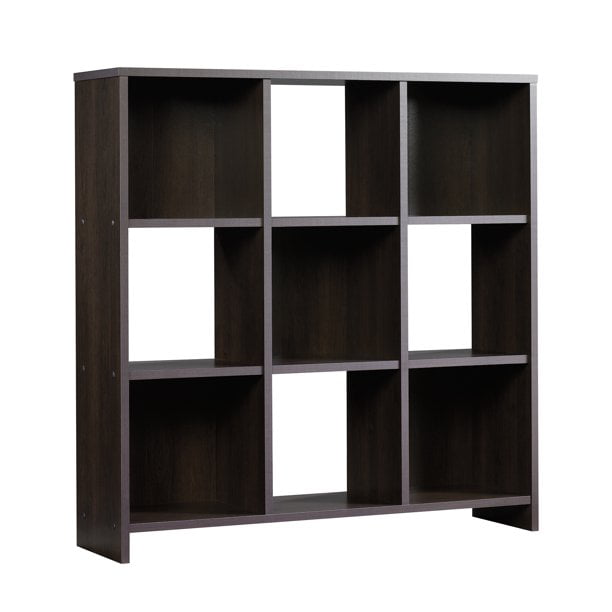
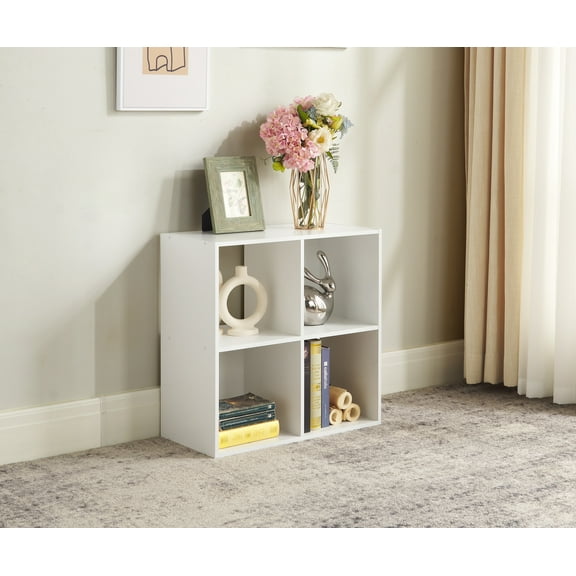
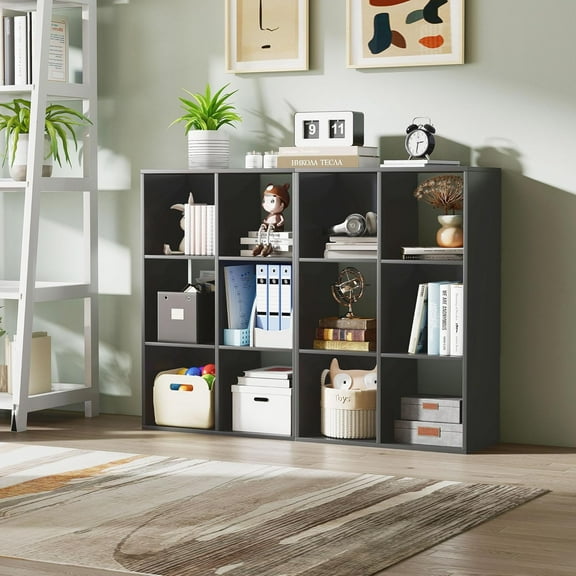
When you compare cube storage bookshelves, cube count shapes how much you can store and display. You may prefer a four-cube unit for tighter spaces, while larger rooms can handle six-cube, nine-cube, or 12-cube layouts.
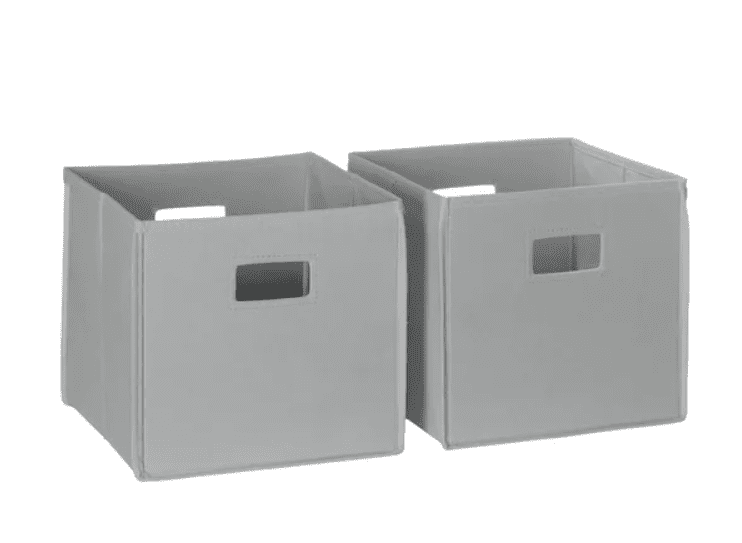
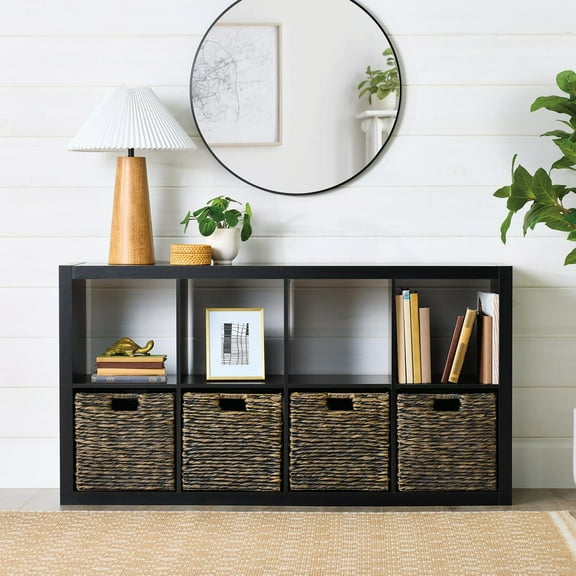
Inner cube measurements matter when you plan to use fabric bins or decorative baskets. You should check each opening size first, so your bins slide in smoothly and your shelf looks neat.
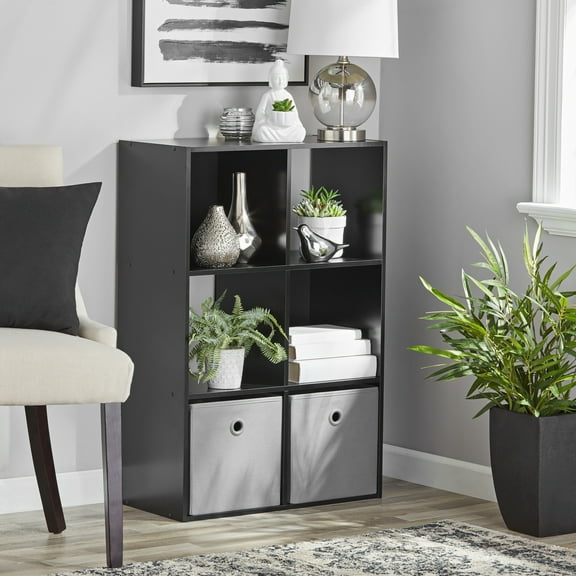
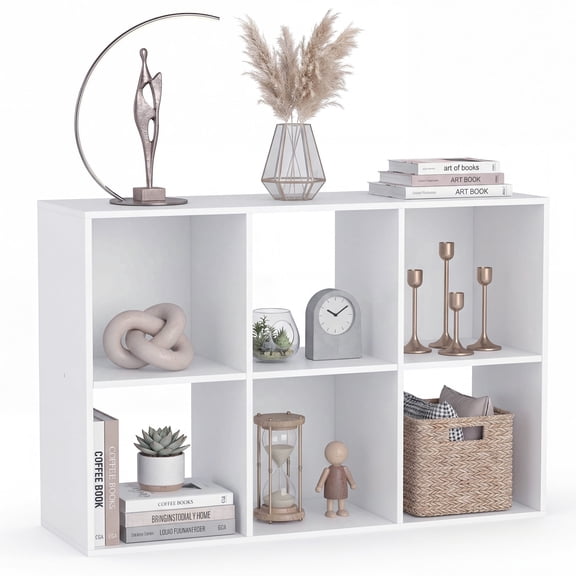
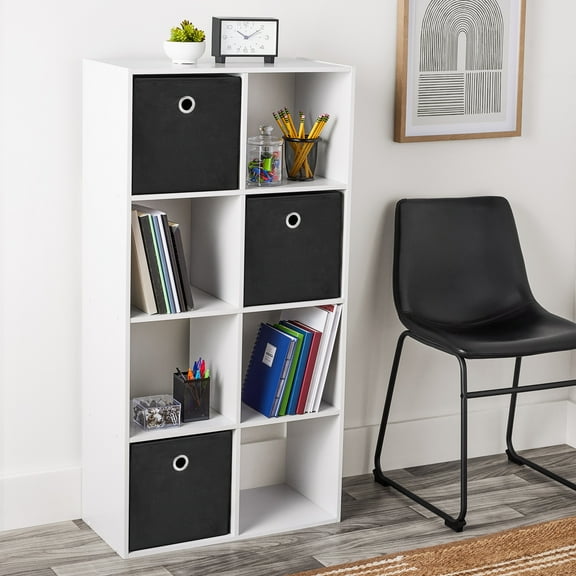
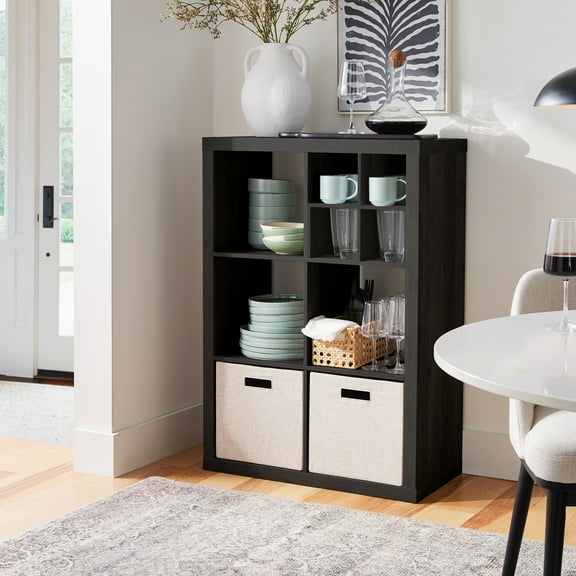
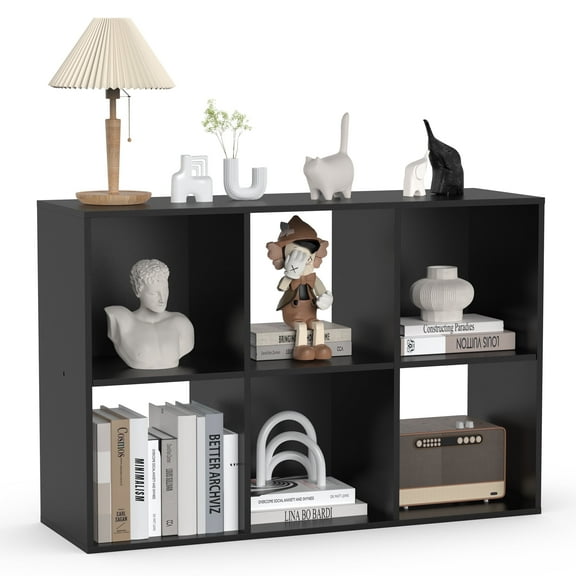
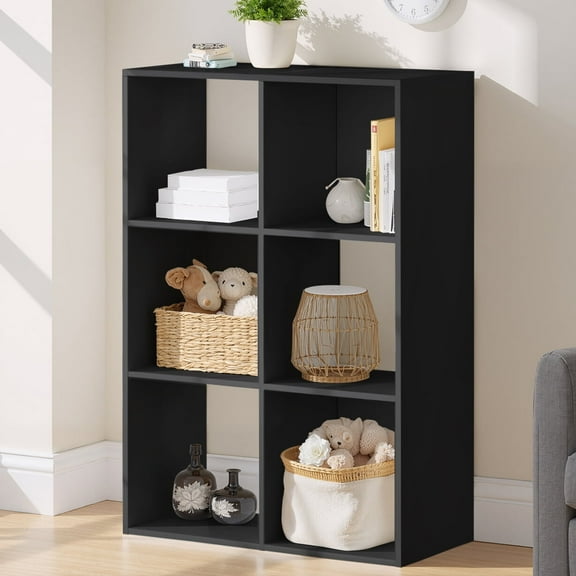
A six-cube organizer often gives you a balanced mix of height, width, and usable storage. You can keep books in some openings and place bins or framed accents in the rest.
- You can choose four-cube designs for entryways, dorm rooms, and small apartments.
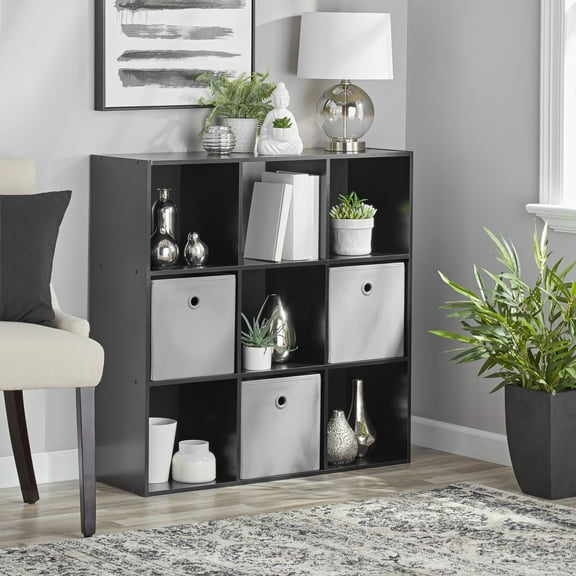
- You can use six-cube and nine-cube pieces for mixed storage and open display.
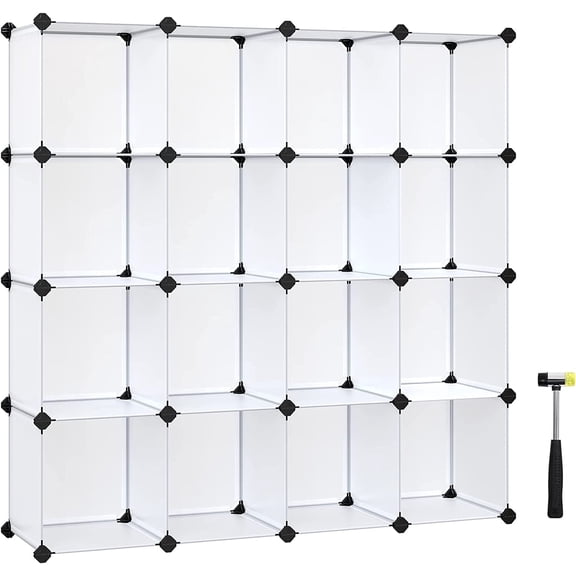
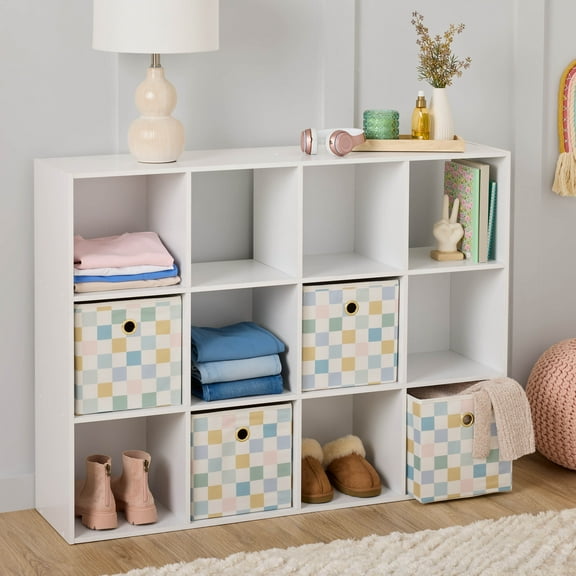
- You can pick 12-cube units when you need more sorting space for toys, files, or craft supplies.
Choosing cube organizer bookshelves by orientation
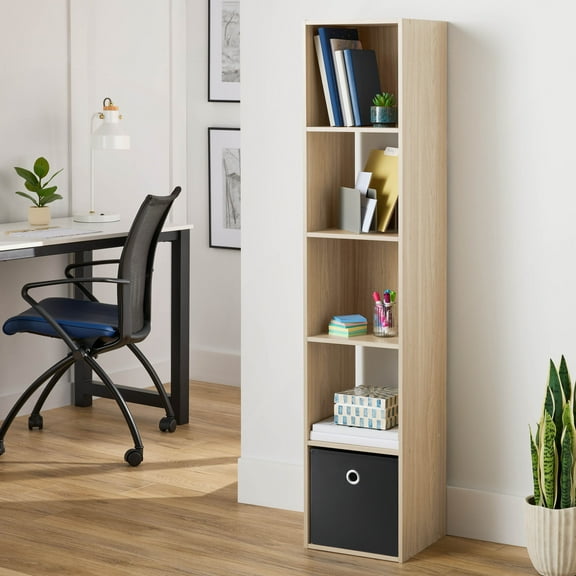
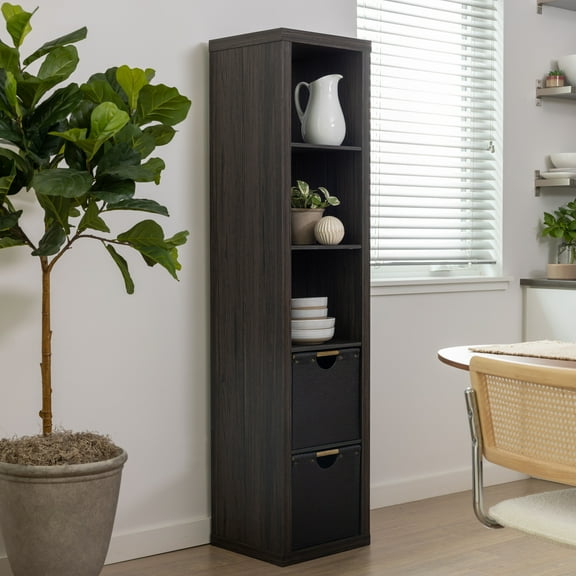
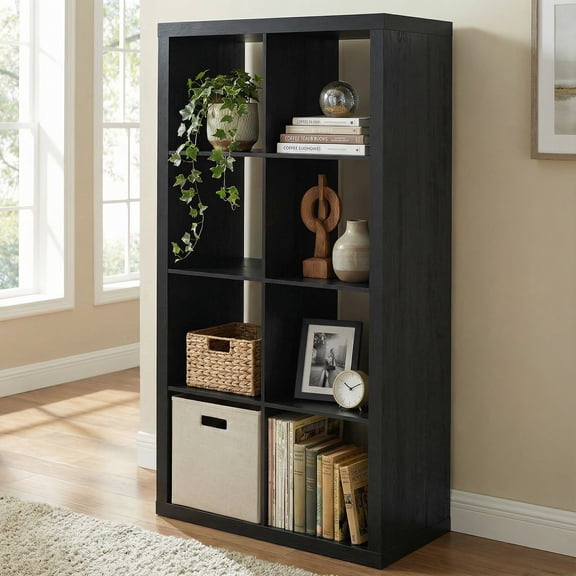
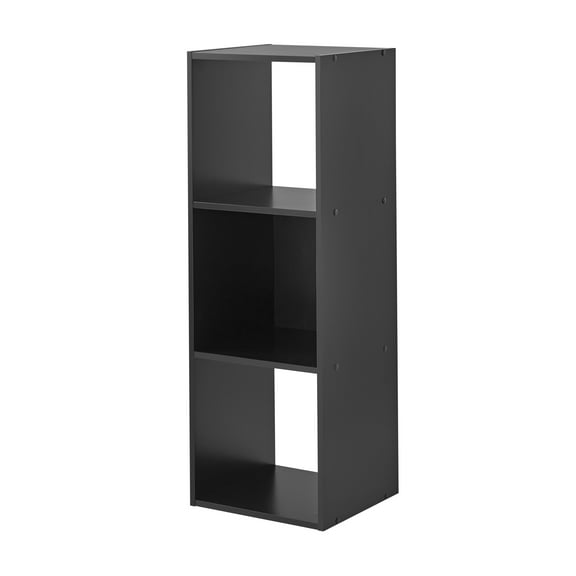
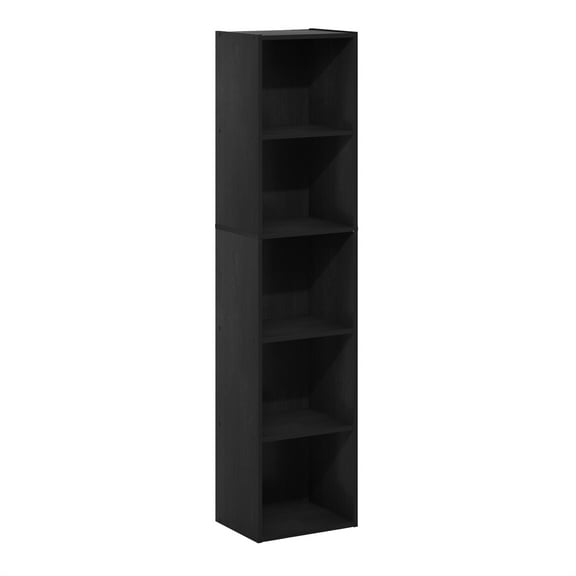
Orientation changes how your cube organizer bookshelves fit your wall and floor plan. You may want a vertical unit when you need to use upward space without taking much room width.
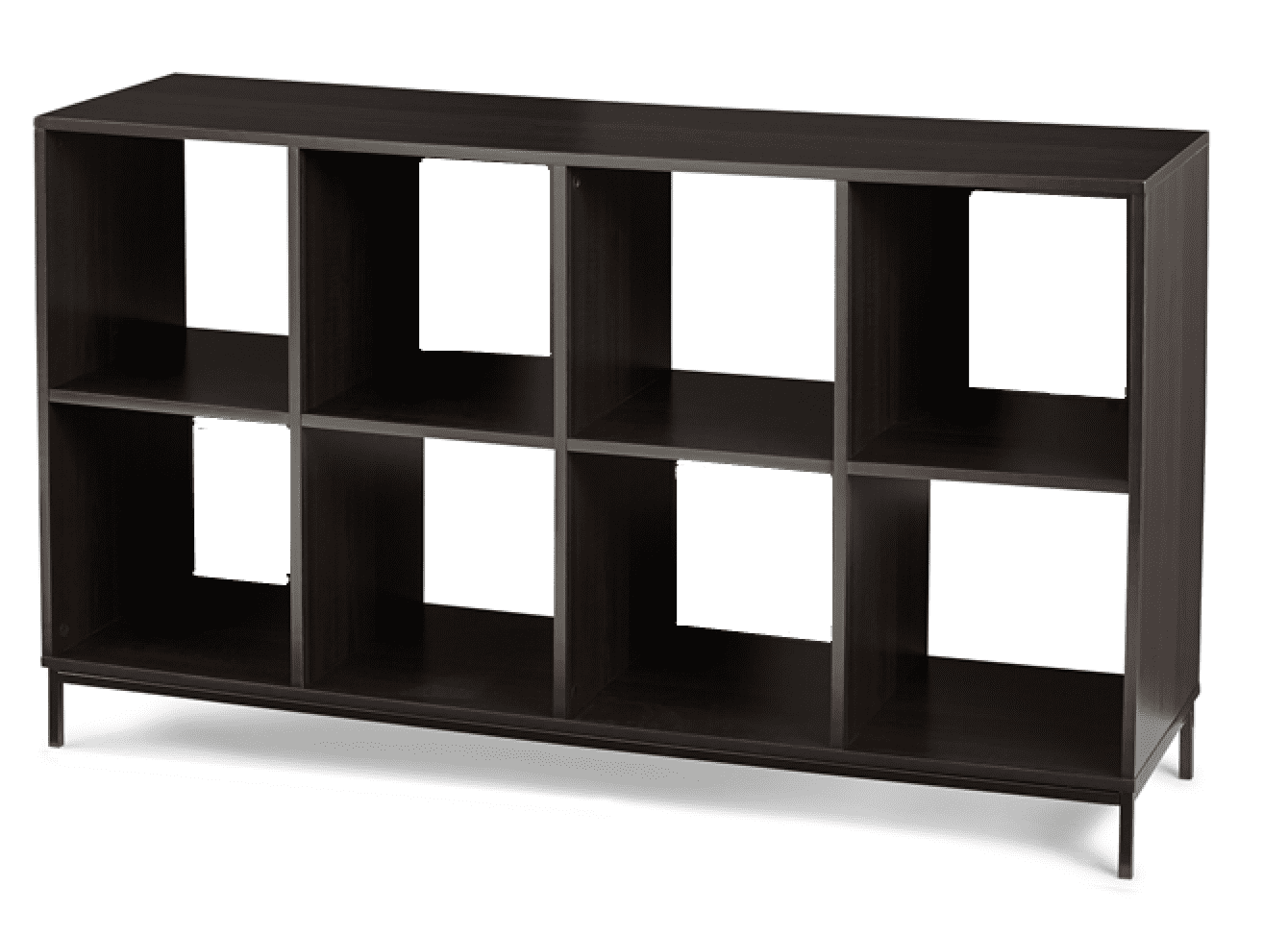
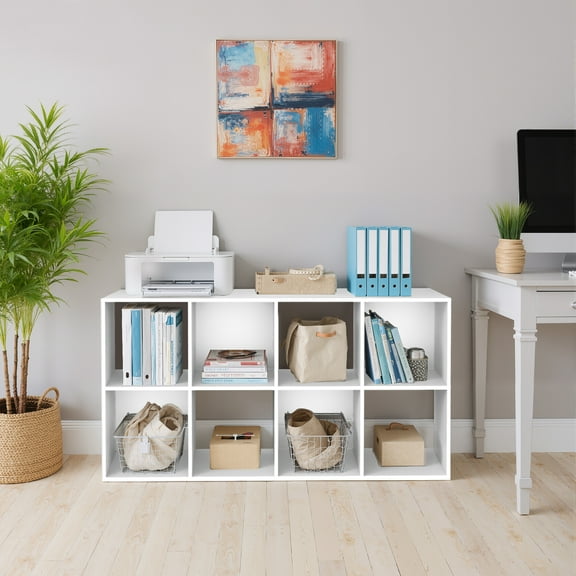
A horizontal cube bookshelf can work as a lower profile piece under art, windows, or televisions. You can also use that wider shape to separate zones in open rooms without blocking your view.
Your available wall space should guide this choice before style does. You should measure the full unit footprint, then leave enough room for walking paths, baseboards, and nearby doors.
If you're placing a bookshelf with cubes in a shared family space, lower horizontal shapes can feel easier to access. You can keep everyday items within reach and still maintain a clean layout.
Comparing material, finish, and backing style
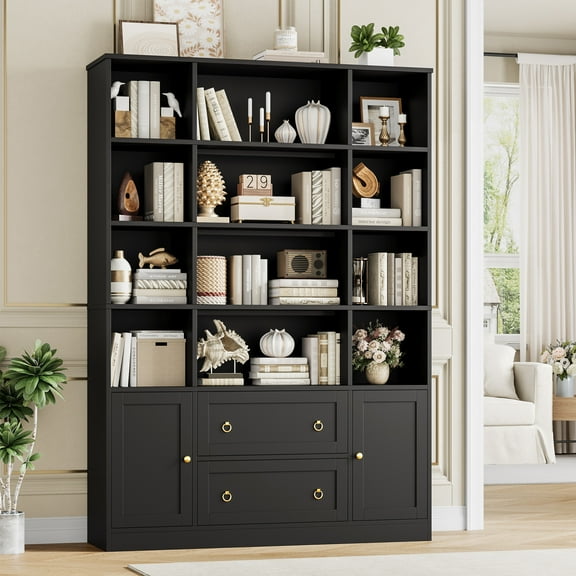
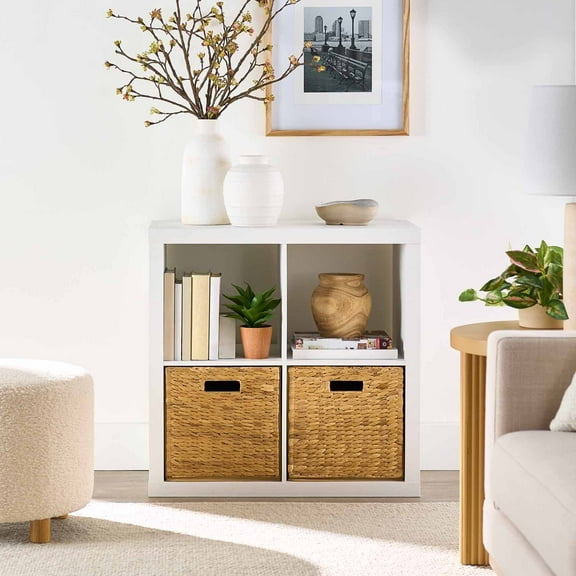
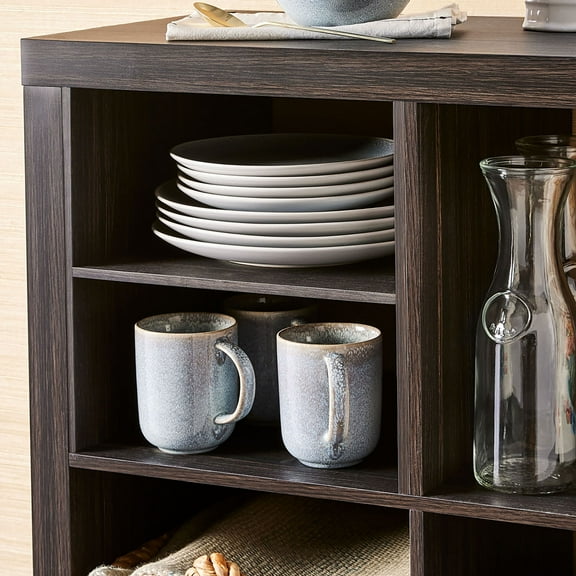
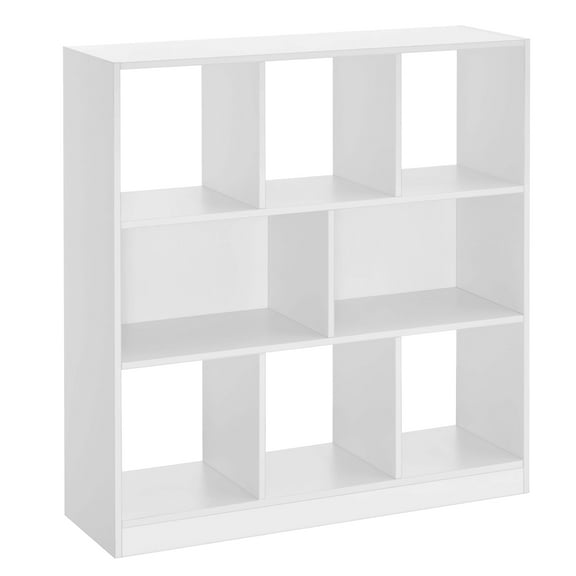
Material and finish affect how your storage looks with the rest of your furniture. You may lean toward white cube storage bookcase styles for bright rooms, while black, espresso, or wood tones add contrast.
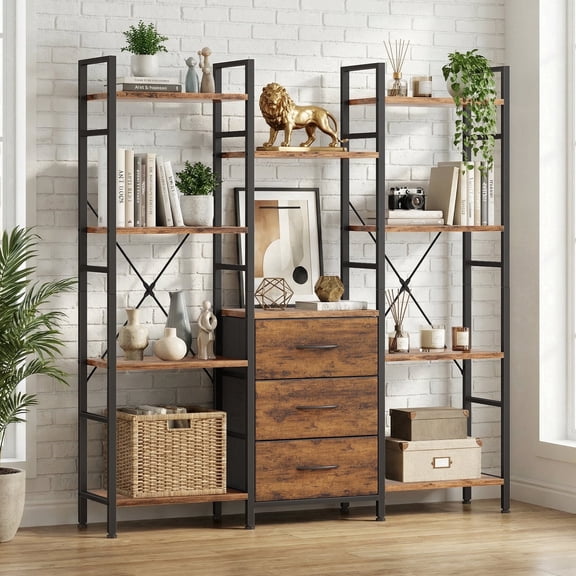
Wood-look finishes can give your room a warmer appearance and blend with desks, media stands, and side tables. You can use metal-accent styles when you want a more industrial or modern look.
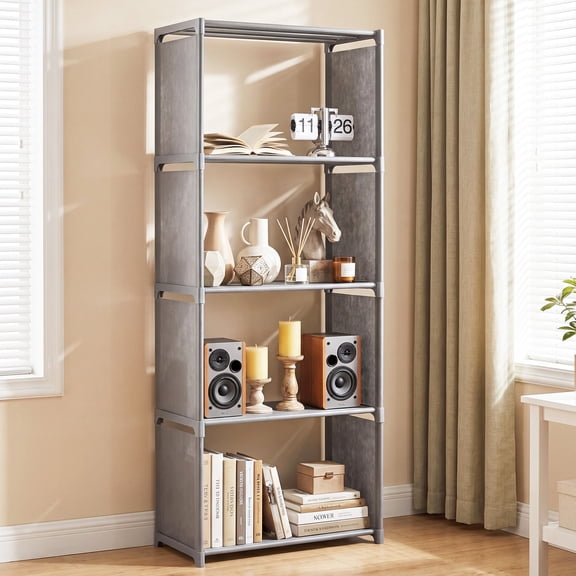
Backing style also changes function, not just appearance. You may like open back cube shelves when you want an airy feel, while closed back panels create a more contained backdrop.
Open backs can make cords easier to route for lamps, speakers, or charging stations. Closed backs can help your books, baskets, and décor stand out against a solid surface.
What to check in a cube storage bookcase
Your decision gets easier when you compare a few key measurements and setup details. You should look at inner cube dimensions, shelf weight capacity, total footprint, and assembly requirements before you choose.
Weight limits matter if you plan to store hardcover books, records, or heavier bins. You should check the max weight per shelf, so your setup matches what you plan to place inside.
Assembly can vary by size and design, so you should review the number of panels and hardware included. You may also want wall-anchoring hardware when you're placing taller units in active household spaces.
If your room layout changes often, cube shelves can adapt with bins, baskets, and open display sections. You can refresh your setup seasonally without replacing the whole piece.
How you can use cube organizer bookshelves in each room
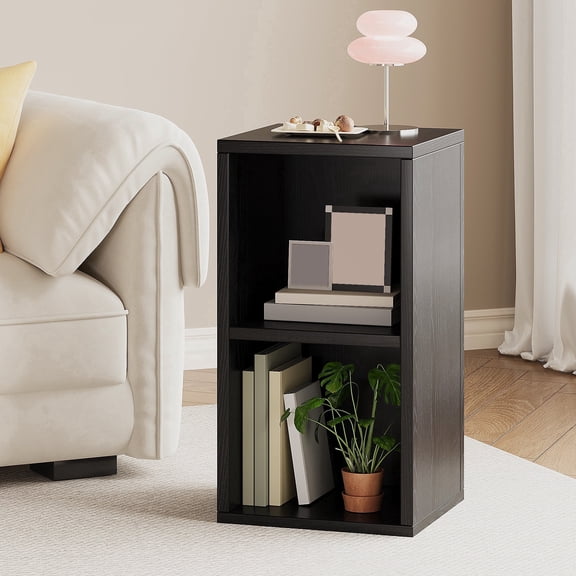
In a living room, you can use a cube storage bookcase for books, speakers, candles, and framed photos. You can mix open cubes with bins to keep everyday items tucked away.
In a home office, you may use cube shelves for files, reference books, and printer paper. You can pair them with a desk and keep work supplies sorted by task or project.
For kids' spaces, you can organize toys, games, and picture books by cube, which keeps cleanup simple. You can also choose lower horizontal units that make favorite items easier to reach.
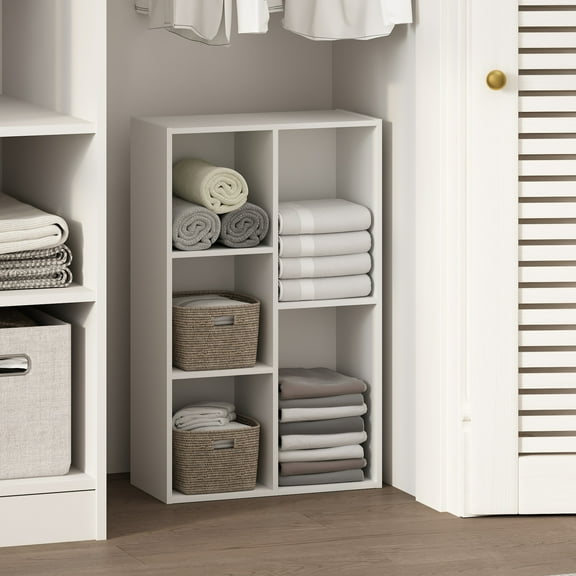
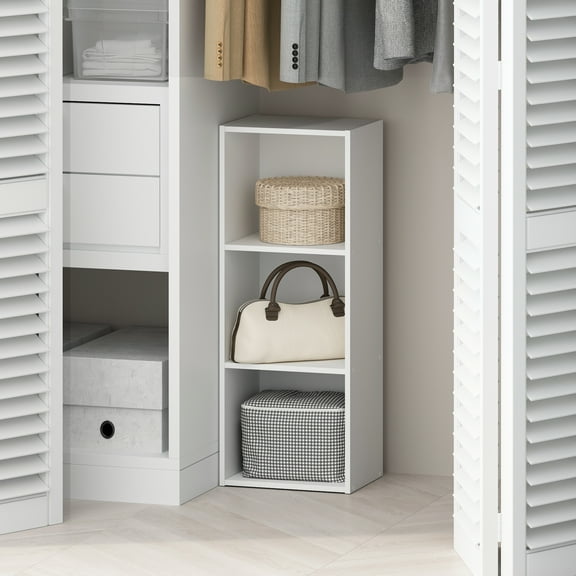
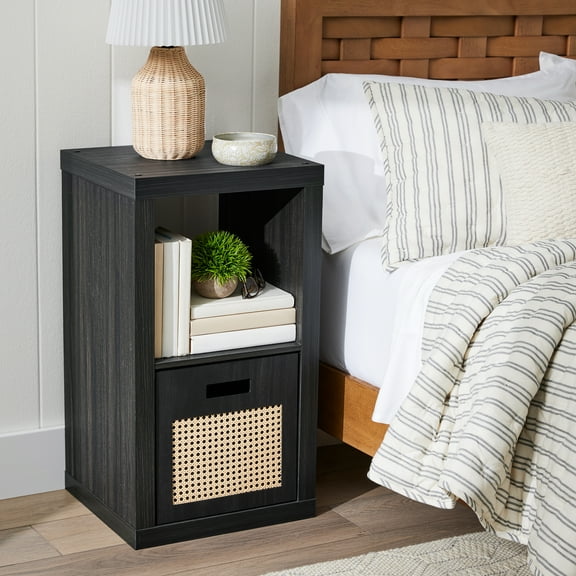
In entryways or bedrooms, you can use a smaller bookshelf with cubes for shoes, hats, bags, or folded linens. You may find that baskets help each cube hold loose items with a cleaner look.
If you're styling a craft room, nine-cube and 12-cube formats can support more categories at once. You can separate paper, tools, ribbon, and storage bins without losing track of supplies.
How to match size and style to your space
You should start with the room's width, height, and the items you need to store. You can then compare vertical and horizontal layouts against your wall space and your preferred look.
If your decor feels light and simple, white finishes and open backs can keep the room from feeling crowded. If your furniture looks richer or darker, espresso, black, or wood tones may blend more naturally.
Your cube storage bookshelves should support both storage and display without wasting floor space. When you match cube size, shelf capacity, and orientation carefully, you get a setup that stays organized and easy to use.