




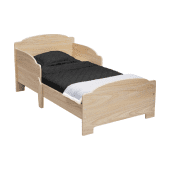
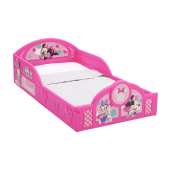

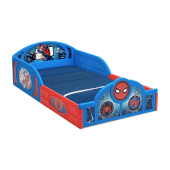
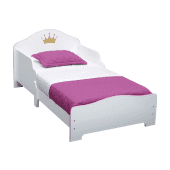
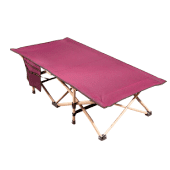
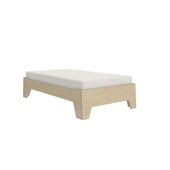

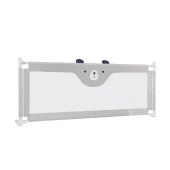




Toddler Bed Rails & Conversion Kits in Toddler Beds








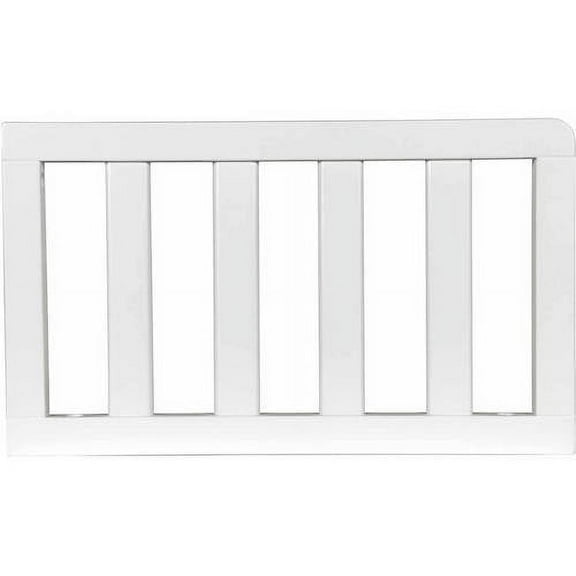


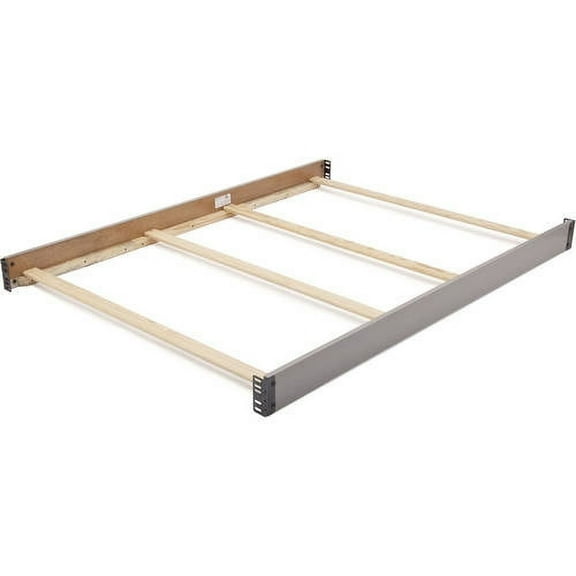


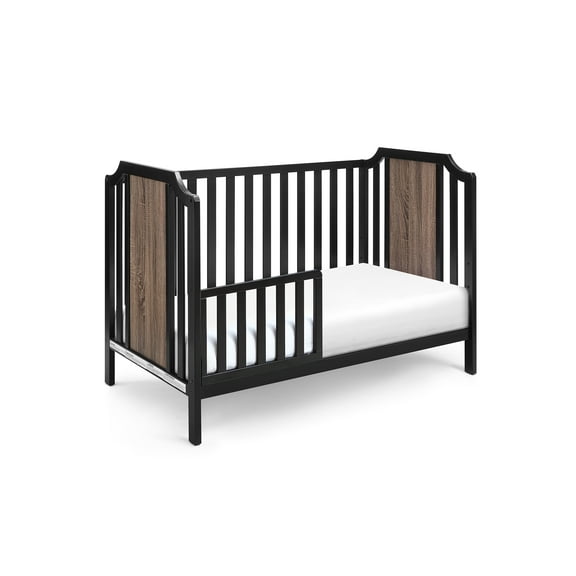
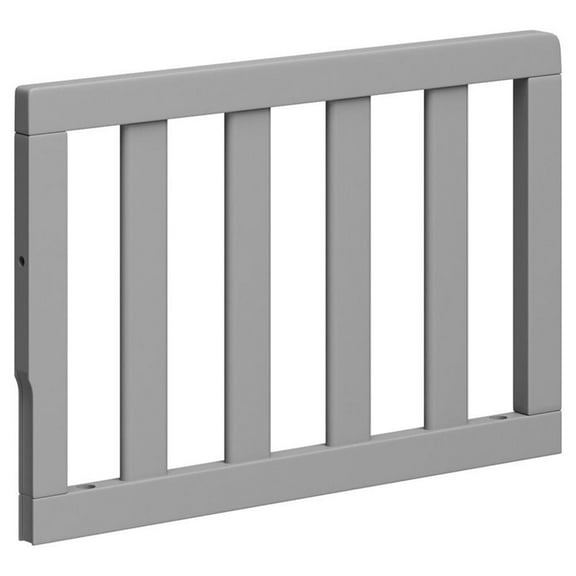

















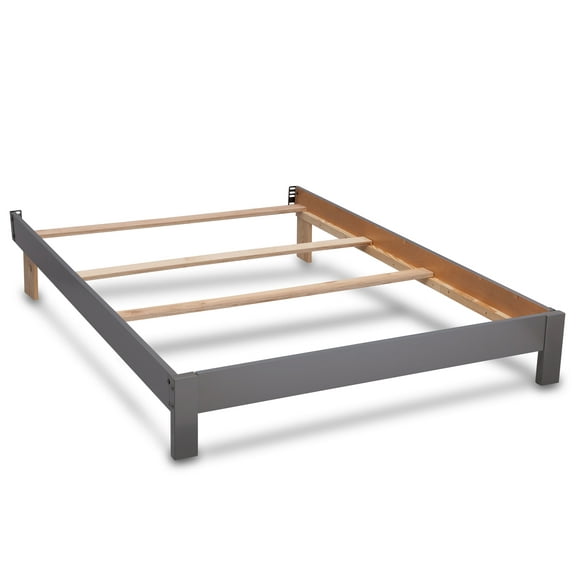


About Toddler Bed Rails & Conversion Kits in Toddler Beds - Walmart.com
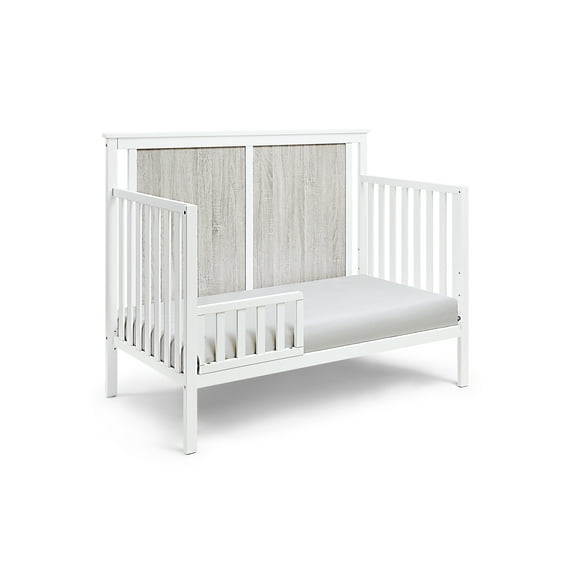
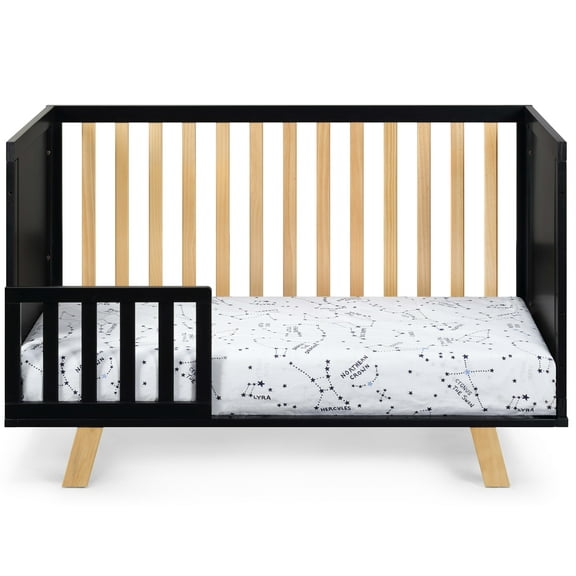
You can simplify a crib-to-bed upgrade with toddler bed rails conversion kits that match your crib model, nursery finish, and next furniture stage. This category helps you transition from crib use without replacing the entire bed, which makes fit and installation details especially important.
Because this page covers inherited brand variants, you should compare compatibility, materials, finish, and attachment style before choosing. A closer match between your crib frame and rail hardware gives you a smoother setup and a more finished look.
How to choose toddler bed rails conversion kits
Compatibility comes first, because your crib model determines whether the rail attaches correctly. Before comparing options, you may want to confirm whether your furniture converts to a toddler bed, twin bed, or full bed.
Some families only need a front barrier for early toddler use, while other rooms need a wider furniture plan. In that case, your search may include toddler bed guard rails, crib transition kits, or wooden bed conversion kits for later stages.
- Your crib’s exact model name helps you compare fit notes, rail length, and mounting style.
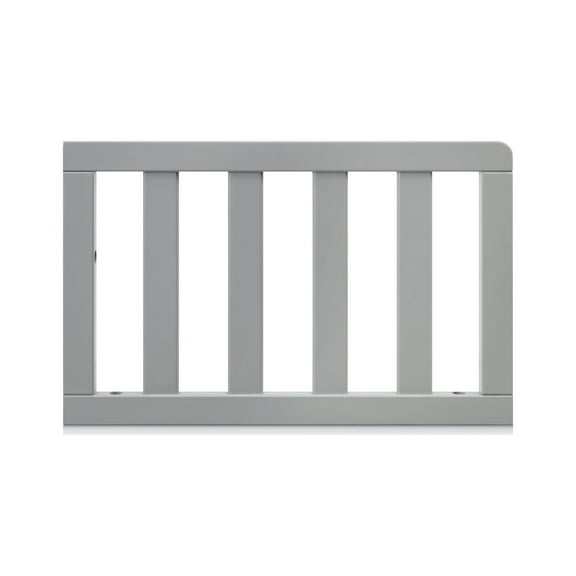
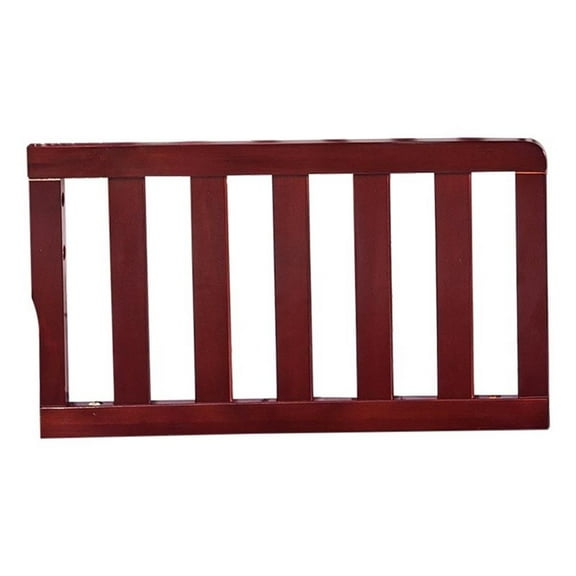
- Your room style may guide your finish choice, including white, espresso, gray, natural, or cherry.
- Your setup may call for bolt-on, hook-on, or slide-under mattress installation.
- Your furniture plan may involve a convertible crib, 5-in-1 crib, twin bed, or full bed path.
Another key point is scope, because some kits support only toddler use while others prepare for future bed changes. A clear understanding of that difference helps you avoid buying parts that do not match your furniture timeline.
Choosing the right crib conversion rails
Your first check should be the crib brand and exact model, because crib conversion rails are often designed for specific frames. Manufacturer notes can help you compare bolt spacing, hardware placement, and rail length before installation.
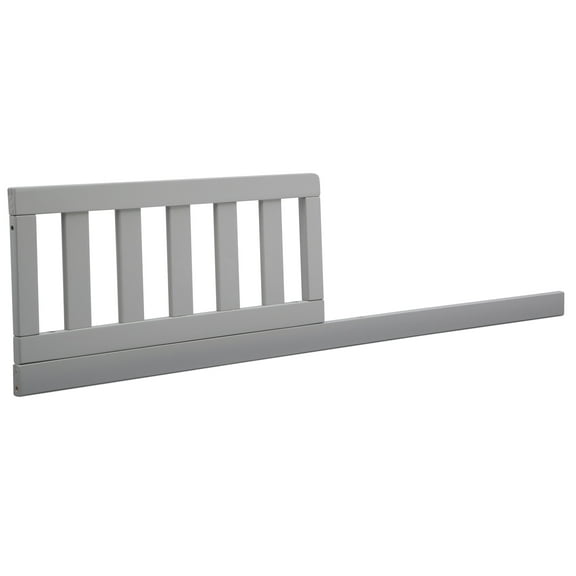
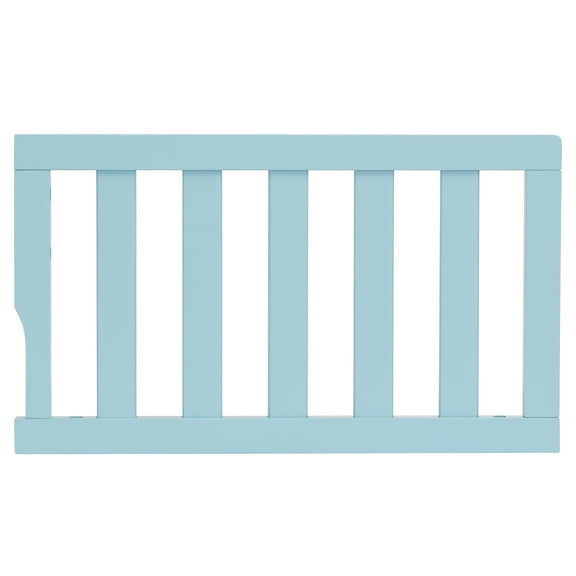
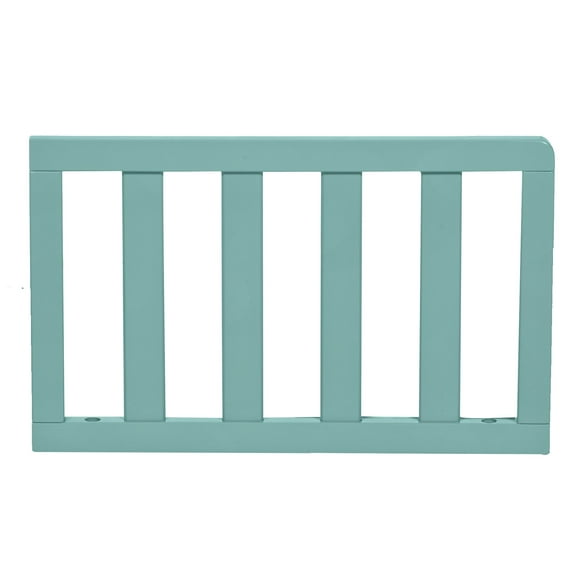
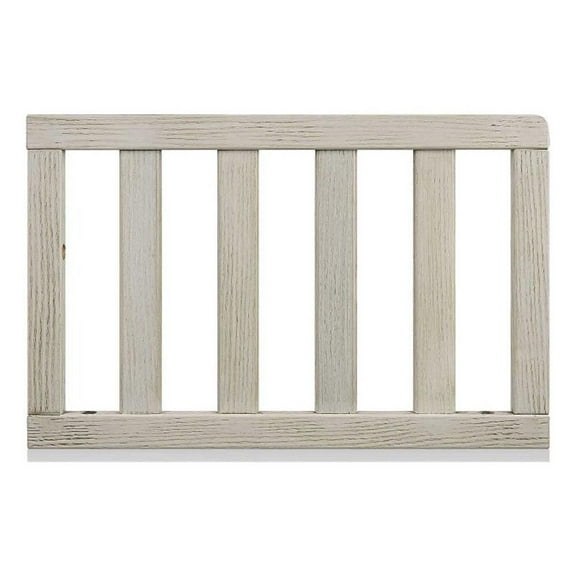
For a convertible crib with pre-drilled holes, bolt-on rails often make sense because the frame already expects mounted parts. With other designs, hook-on rails may fit the side structure more naturally when the hardware hangs into place.
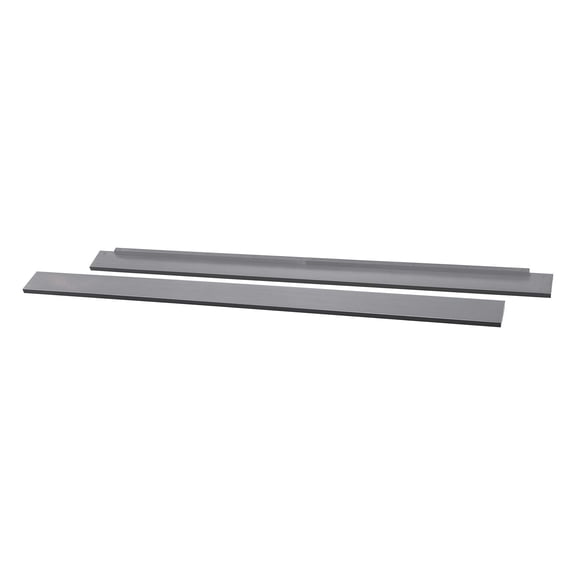
If your list includes slide-under mattress designs, mattress depth and frame clearance deserve a closer look. A flatter base under the mattress can help the rail sit evenly and align with your bed edge.
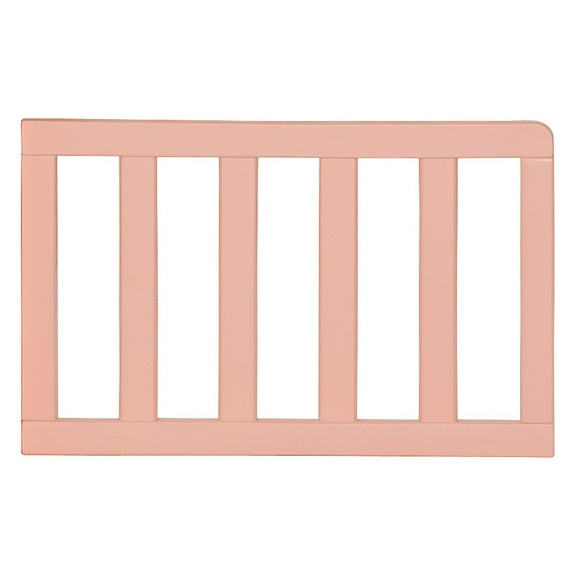
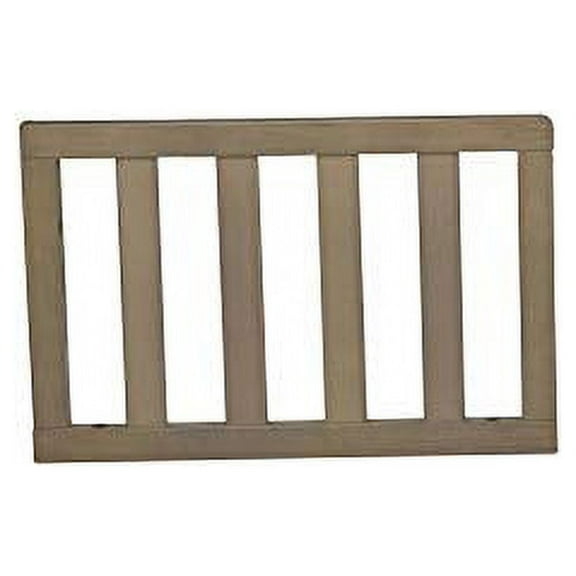
Finish matching matters too, especially when your crib already anchors the room’s furniture look. Convertible crib wooden rails can look more cohesive when the color and wood tone align with your headboard and side panels.
Comparing materials and finishes
Material choice helps narrow this category quickly, because each option supports a different look and setup. Solid wood often suits nurseries where your furniture already has visible grain, shaped panels, or a classic crib profile.
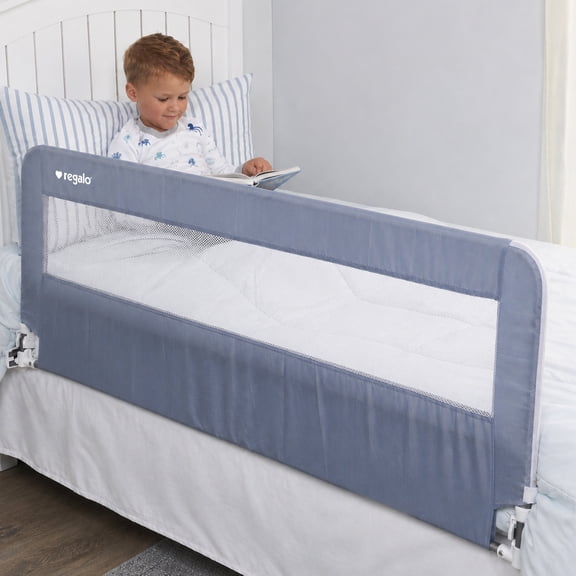
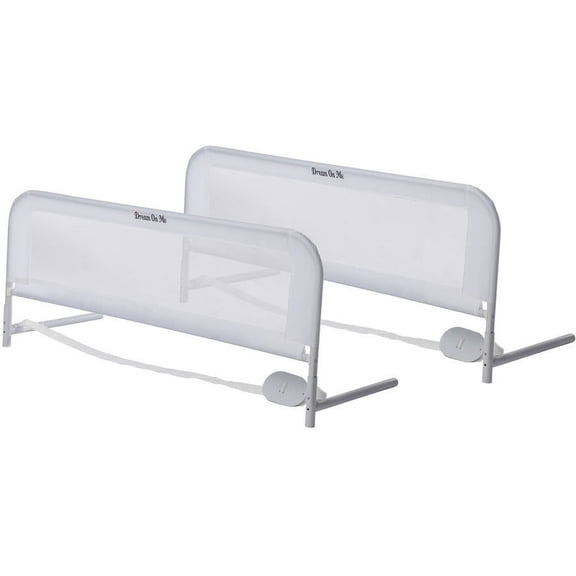
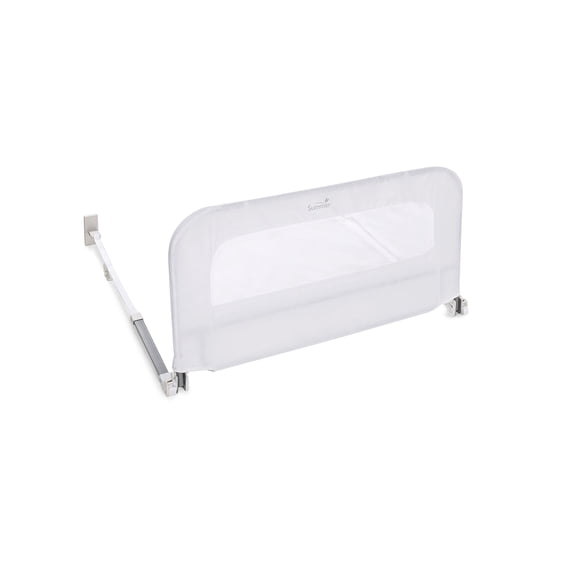
Metal rails can work well in rooms where your bed frame has a slimmer shape or a more modern finish. Mesh fabric styles may appeal when your line of sight matters and your sleep space needs a lighter visual feel.
Plastic parts often appear in brackets, caps, or connection points instead of the full rail body. That means your comparison should focus on where each material appears and how it works with your existing bed frame.
Color deserves the same attention, because your rail becomes part of the furniture once installed. White can brighten a nursery, while espresso, gray, natural, and cherry can help your conversion blend into the original crib design.
What to look for in toddler bed guard rails
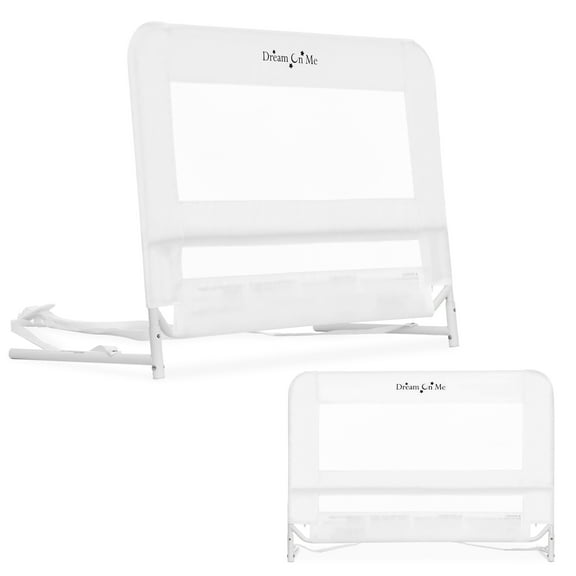
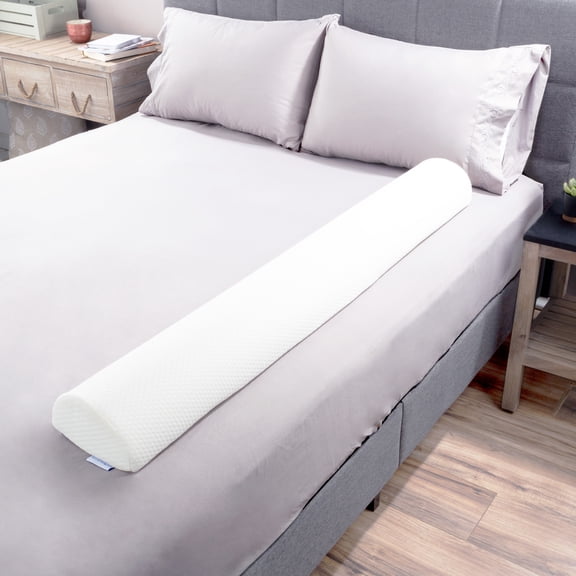
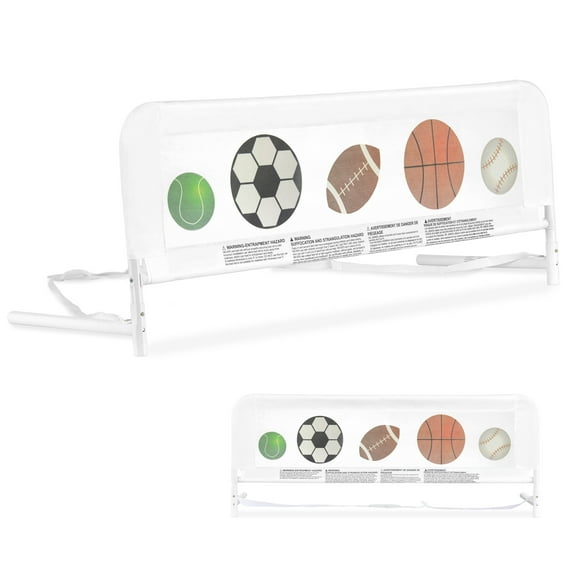
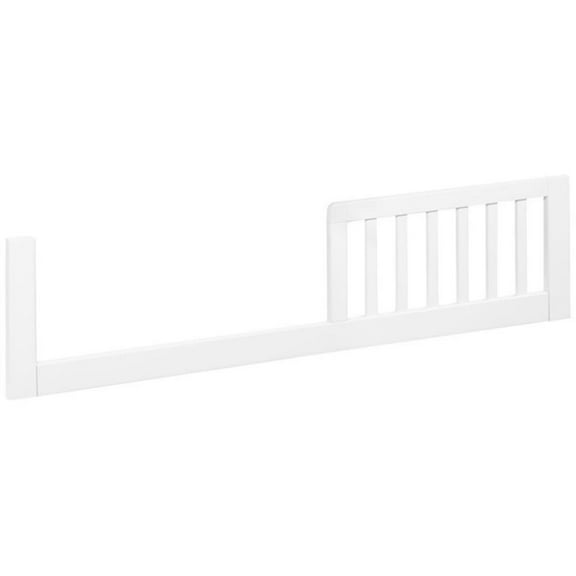
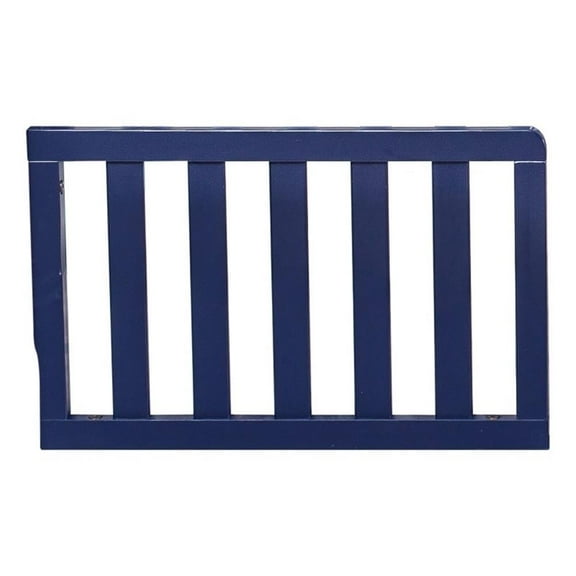
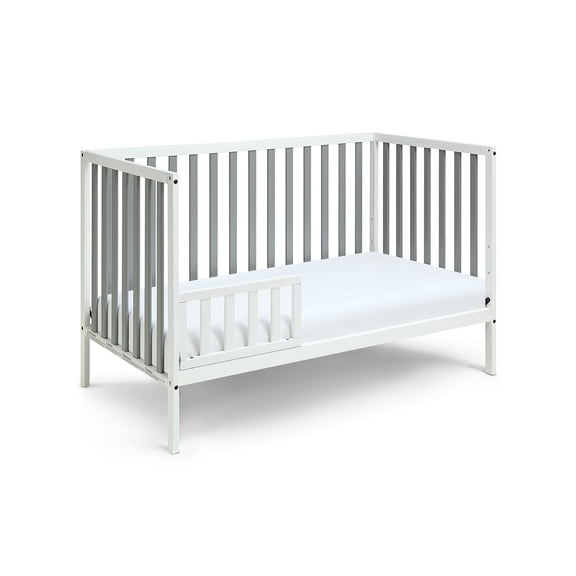
The main decision here is whether your child needs a simple front barrier or a broader conversion package. Toddler bed guard rails usually serve the first stage, while larger crib transition kits may support later twin or full bed changes.
Installation details also shape your choice, especially when your assembly comfort level varies by hardware type. You may want to check whether brackets, bolts, or other pieces are included, and whether extra tools are required.
Pre-drilled holes can make alignment easier when your crib was built for planned conversion steps. If those holes are not present, your comparison should focus on hook-on or slide-under styles that match the frame design.
Another practical point is rail height and opening space, because your setup affects bed access and room flow. A lower front rail can make nighttime entry easier while still keeping the crib-to-bed transition visually familiar.
Using crib transition kits in real nursery setups
In smaller nurseries, a conversion kit can help you keep the same bed footprint while changing how your child gets in and out. That setup works well when your room already fits a crib comfortably and you want less furniture disruption.
Shared rooms often benefit from a coordinated finish, because the converted bed remains part of the overall furniture plan. Matching rails to dressers, changing tables, and gliders can help the room feel consistent after the transition.
If your furniture is designed to grow through several stages, broader wooden bed conversion kits may support a longer plan. That approach can make sense when your current crib eventually becomes a twin bed or full bed.
Families focused on a near-term change may prefer a simpler toddler barrier that keeps the original frame in place. With the right compatibility details, your conversion can look integrated and feel easier to complete.
A careful review of fit, attachment style, material, and finish gives you a clearer path through this category. With the right toddler bed rails conversion kits, your crib transition can feel coordinated, practical, and easy to complete.