

Console Tables & Sofa Tables











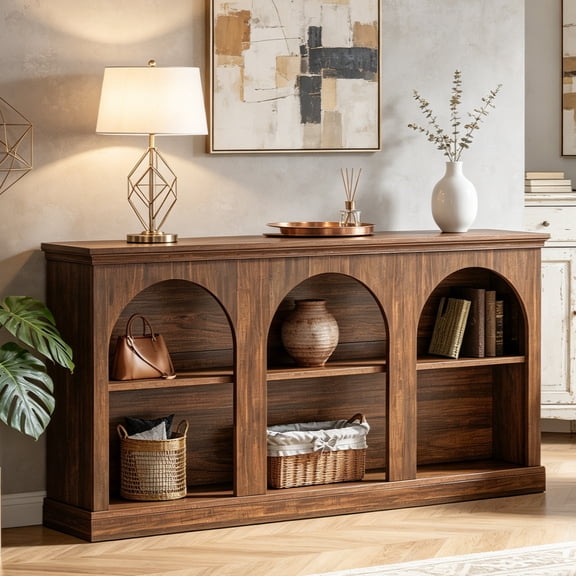


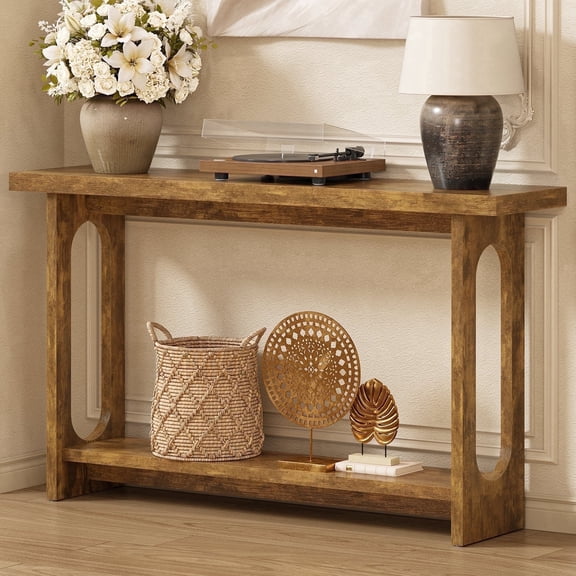


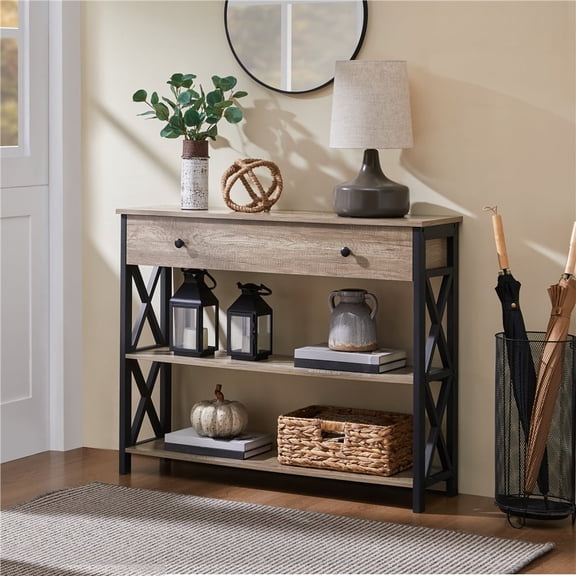


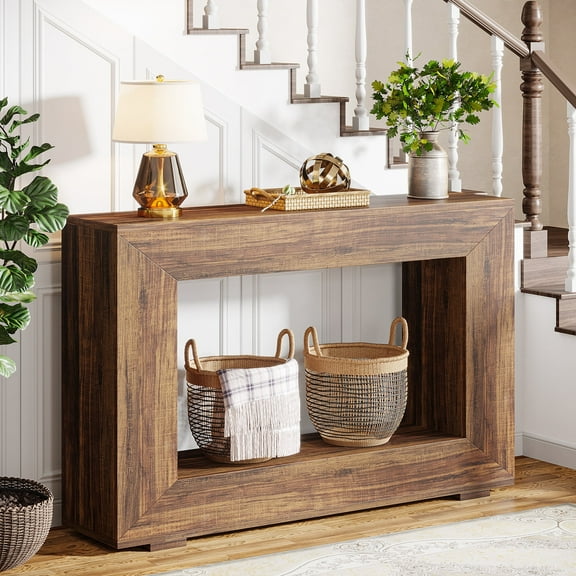








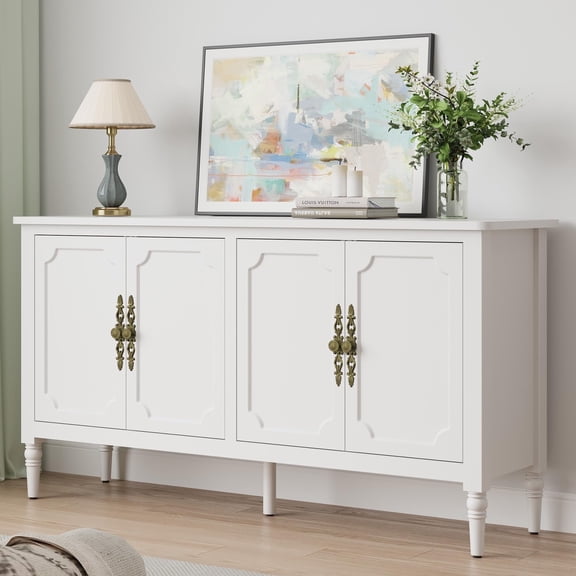
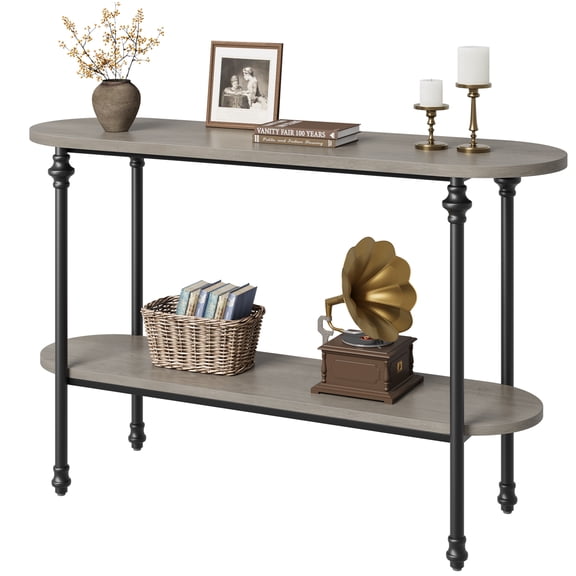
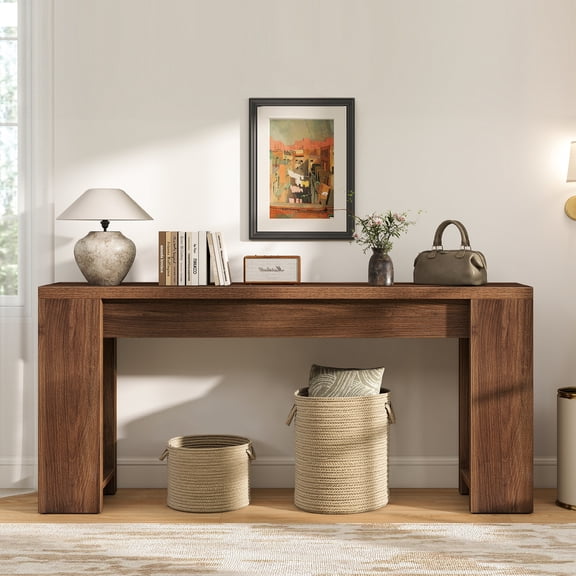
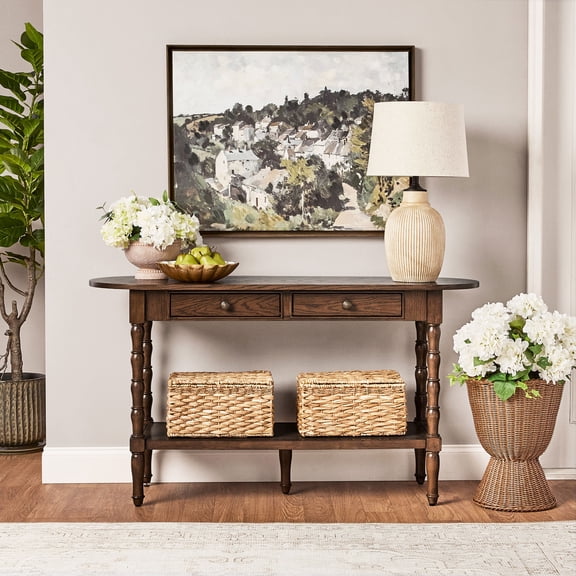
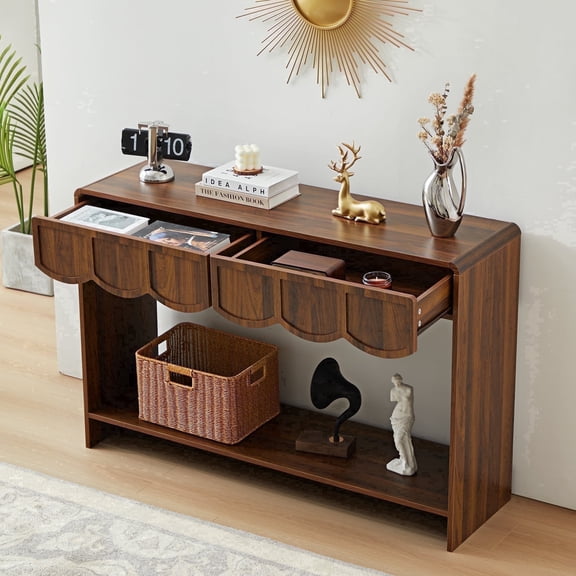


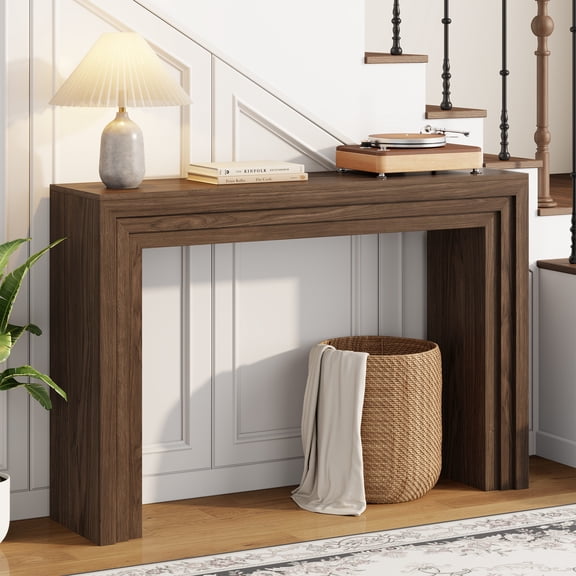


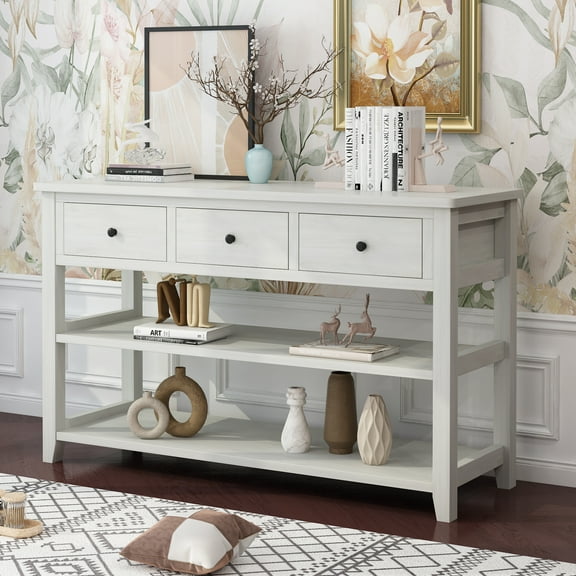


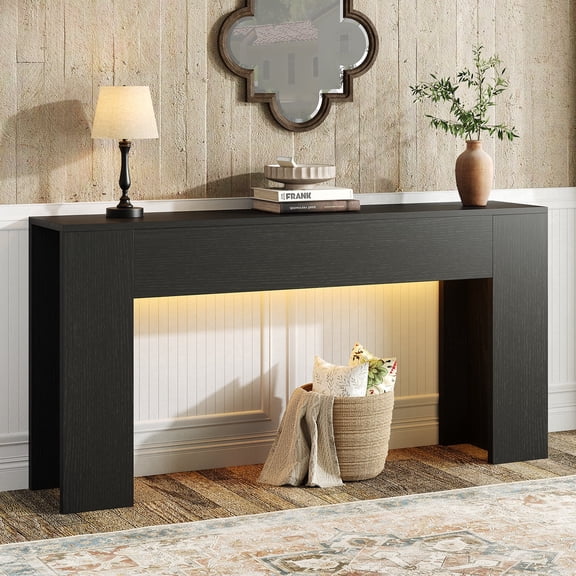
















About Console Tables & Sofa Tables - Walmart.com
Console sofa tables help you use slim spaces with purpose and style. You can place them behind a couch, along a hallway wall, or in your entryway.
You’ll notice this category covers practical shapes, finishes, and storage options. You can compare size, material, and layout details that fit how your room actually works.
How to choose console sofa tables for your space
You should start with measurements before you compare styles. You’ll want to check height, depth, and length so your table fits without crowding walkways.
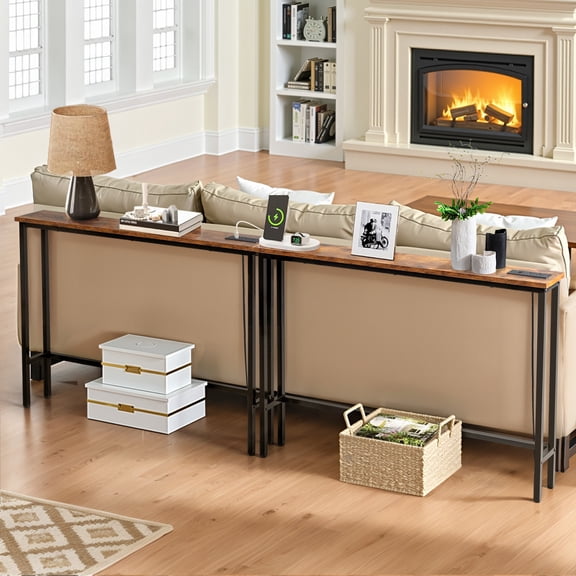
For behind-couch placement, you can match table height closely to your sofa back for a balanced look. In tighter spots, you may prefer narrow console tables with slim depth.
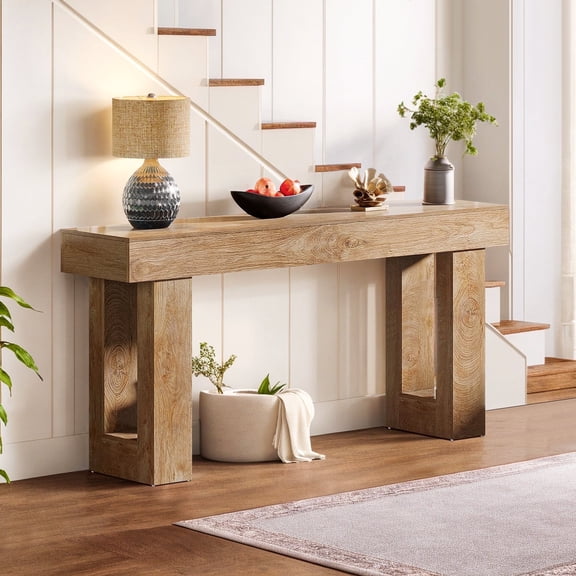
You can also use sofa entry tables to create a landing zone for keys, mail, and lamps. In larger rooms, long sofa tables help you fill open wall space cleanly.
- You can use slim profiles to keep hallways open and easy to move through.
- You can choose storage features when you want remotes, chargers, or mail tucked away.
- You can match finishes and lines to your seating, lighting, and wall decor.
- You can pick open designs when you want an airy look in smaller rooms.
Choosing style and material for living room console tables
You can narrow your look by comparing modern, rustic, industrial, traditional, and mid-century modern designs. You’ll want the table shape and finish to support the room you already have.
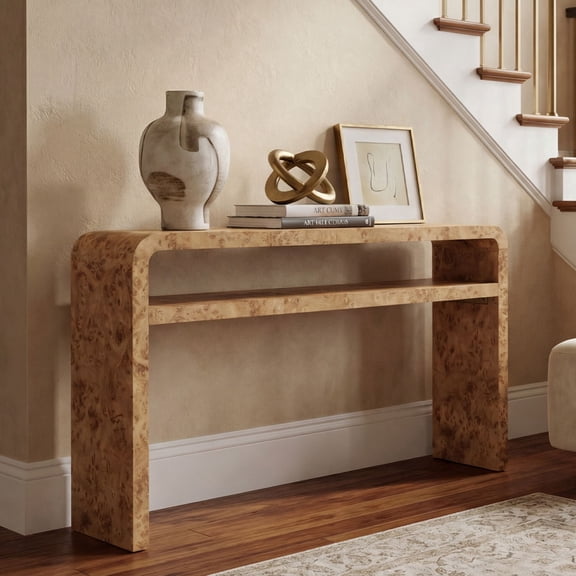
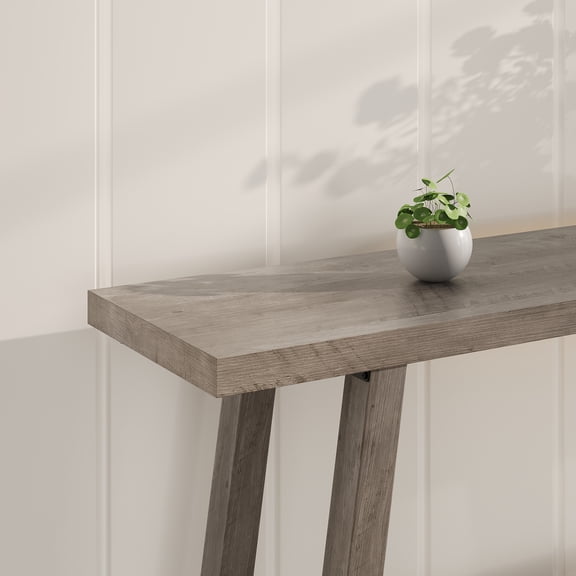
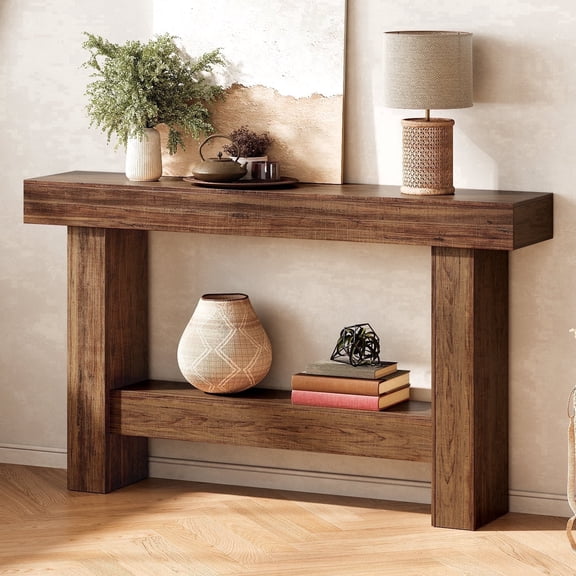
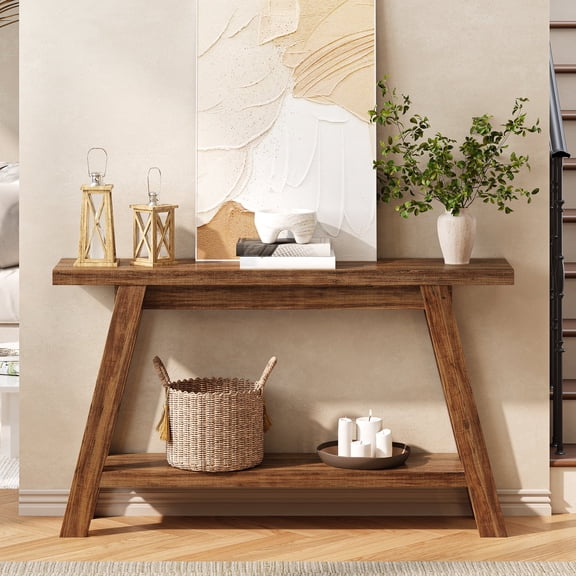
If you like warm texture, you may gravitate toward wood console tables in natural or darker finishes. If you want a lighter profile, you might prefer metal frames or glass tops.
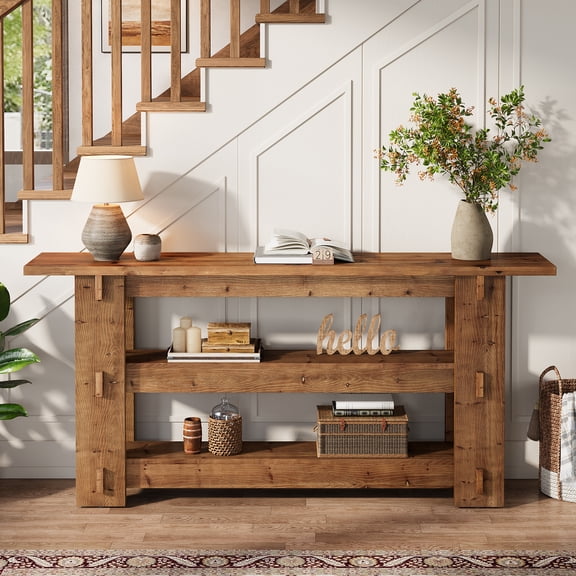
You can use reclaimed wood looks for casual spaces with character and texture. You may choose marble-inspired tops when you want a cleaner, more polished surface appearance.
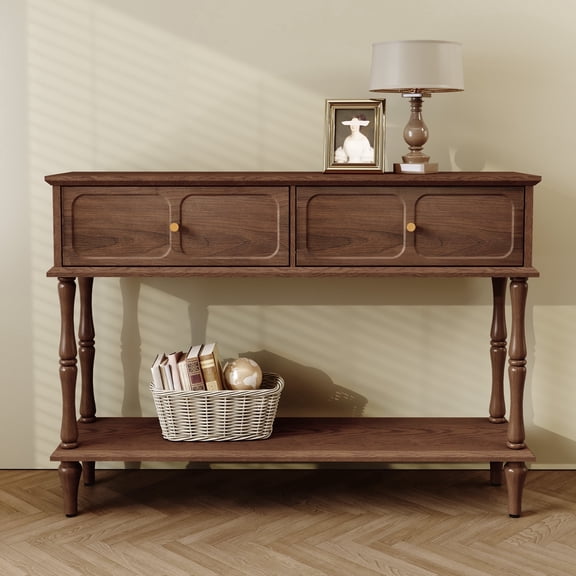
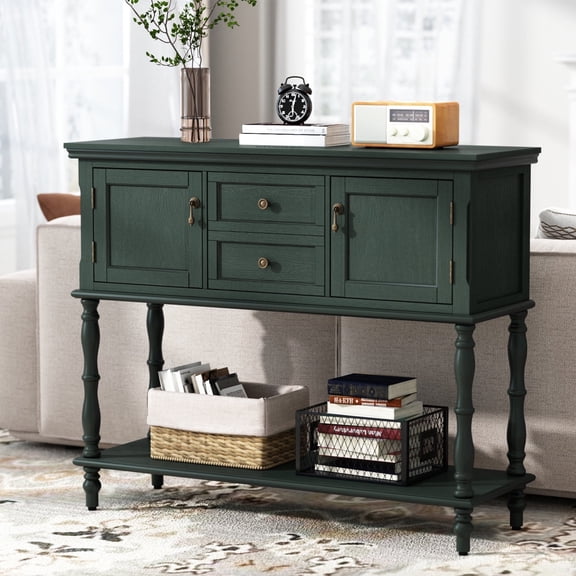
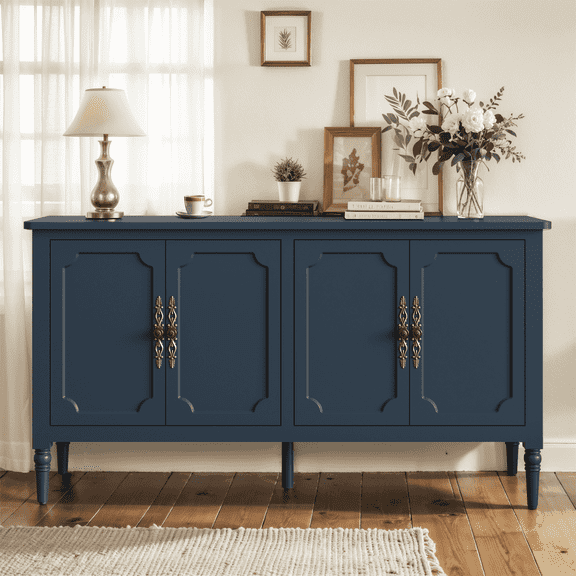
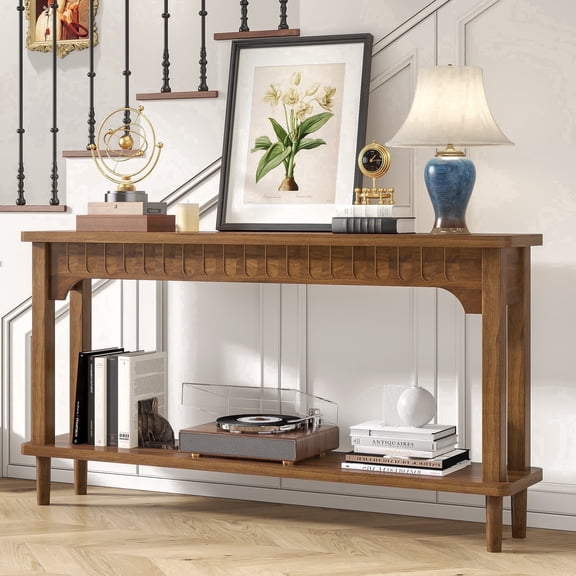
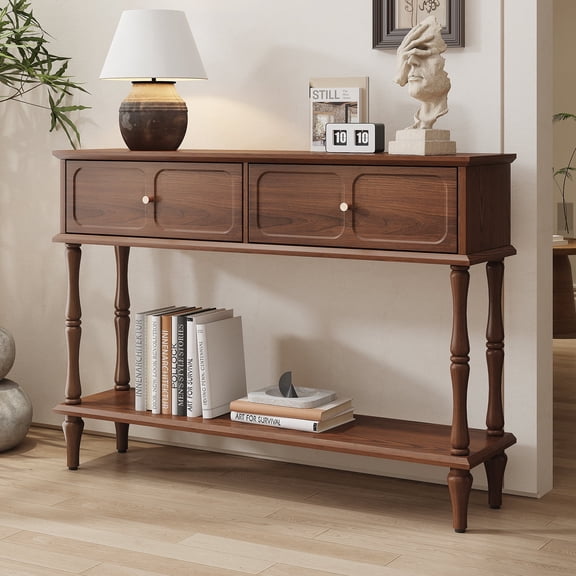
Modern console tables often give you straight lines and simple silhouettes that suit open layouts. Traditional styles can bring turned legs, framed drawers, and a more classic furniture feel.
What to look for in console tables with storage
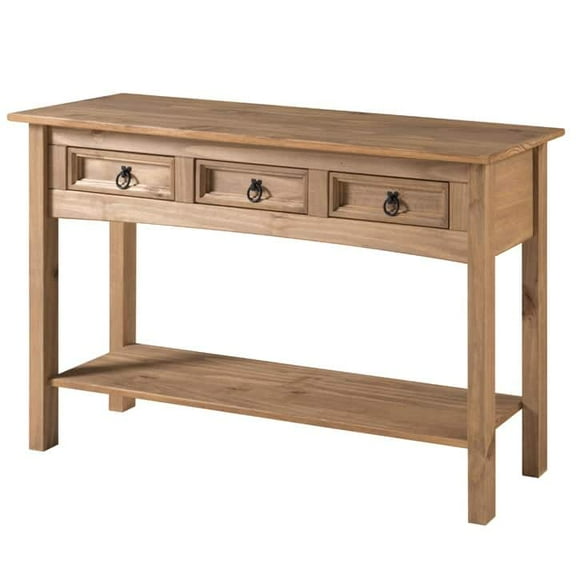
You should decide early whether you want hidden storage or an open display look. You can compare drawers, shelves, and open frames based on what you keep nearby.
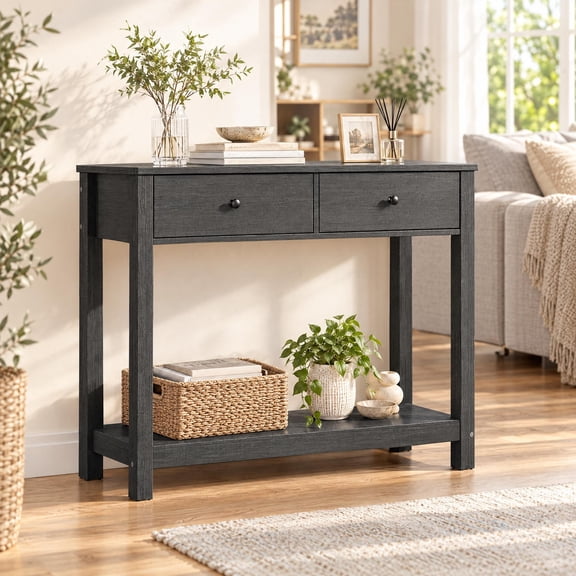
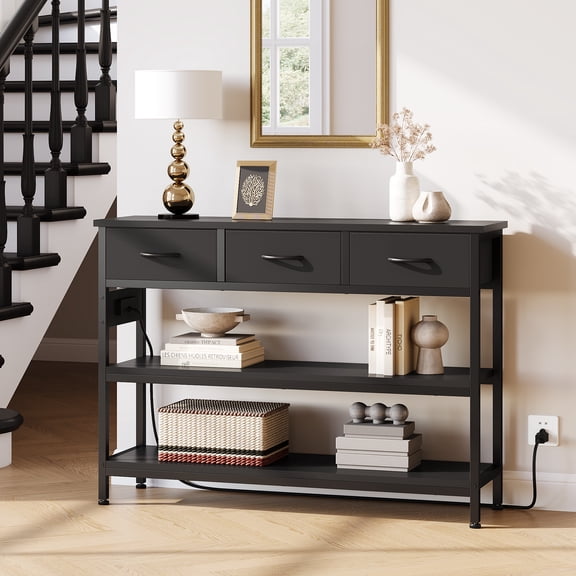
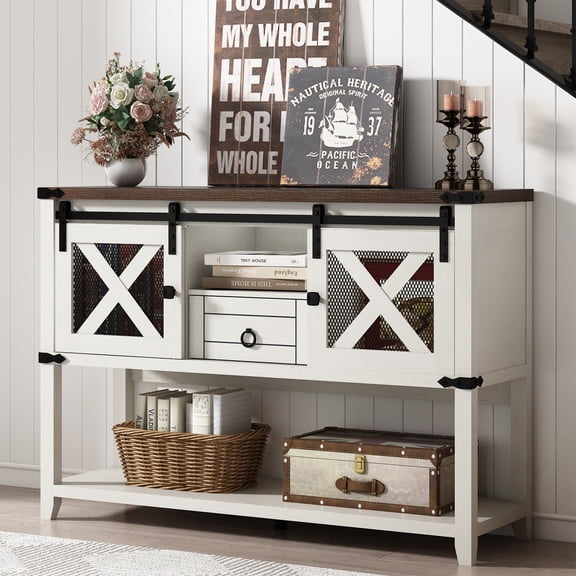
If you want a tidy surface, console tables with storage can help you organize small everyday items. You can place baskets on lower shelves or tuck cords into drawers.
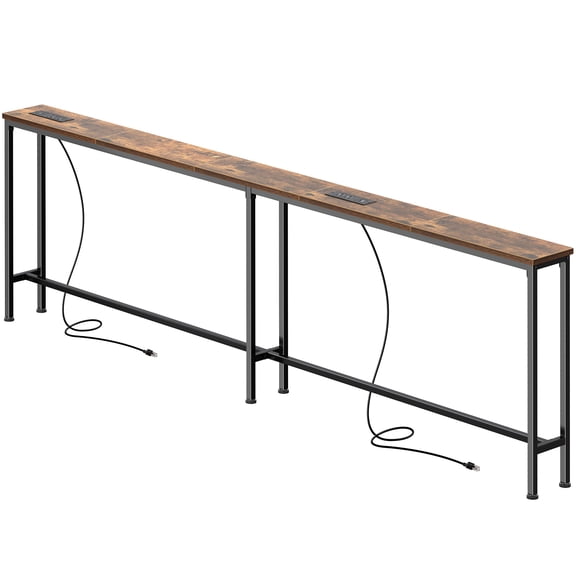
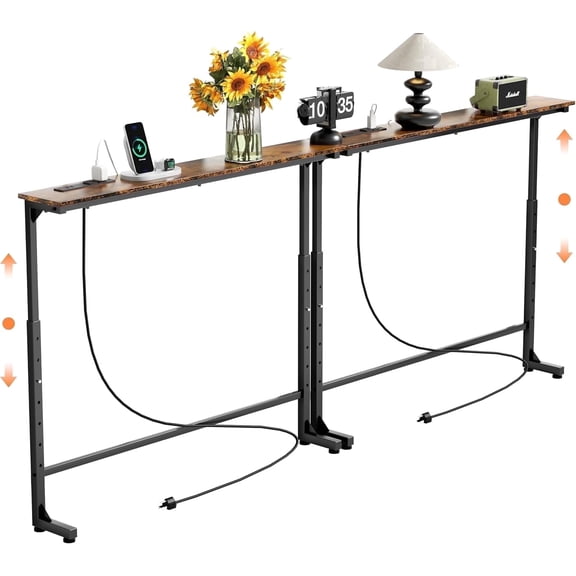
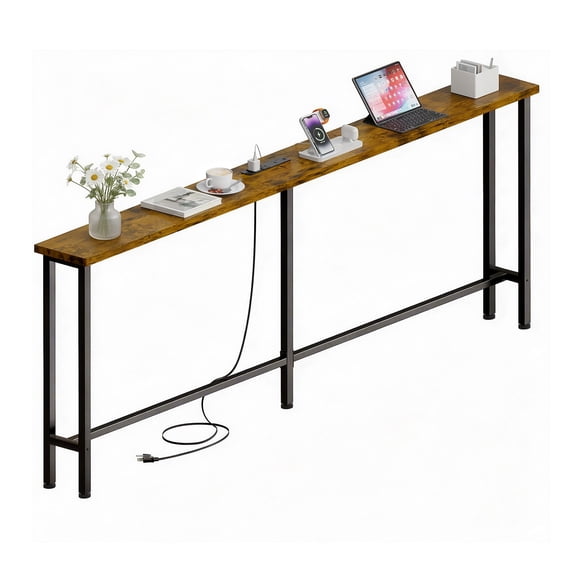
You may also want features like built-in outlets for lamps or device charging. You’ll find that these details matter when your table doubles as a working surface.
Open shelves can make decor, books, and storage bins easier to access. Drawers usually give you a cleaner look when you want less visual clutter around seating areas.
Choosing the right size and shape
You can make a smarter choice by measuring width, depth, and clearance around the table. You’ll want enough room for walking paths, door swings, and nearby seating.
Small and slim tables work well when you need function without a bulky footprint. Tall options can help you add presence to a blank wall with limited floor depth.
You may prefer narrow console tables for apartment entries, hallways, or compact living rooms. Long sofa tables often suit larger sectionals or extended walls that need visual balance.
When you compare depth, you should think about what you plan to place on top. A lamp, framed photos, or catchall tray may need more usable surface space.
Matching placement to everyday use
You can place living room console tables behind seating to hold lamps, books, and drinks within reach. You may also use them against a wall to anchor art or mirrors.
In an entryway, sofa entry tables give you a defined drop zone that looks pulled together. You can pair one with a tray, basket, or table lamp for daily convenience.
Hallway placement works well when you need a narrow surface that doesn’t block movement. You’ll want a slim frame there, especially in pass-through spaces.
You can use glass console tables when you want the room to feel visually lighter. You might choose wood or metal styles when you want more texture or a stronger furniture presence.
For flexible rooms, you can choose a design that shifts easily from entryway to living room. You’ll get more long-term use when your table suits changing layouts and storage needs.
You can feel confident choosing a table when you compare measurements, storage, material, and placement together. Your finished space will feel more organized, polished, and useful every day.