



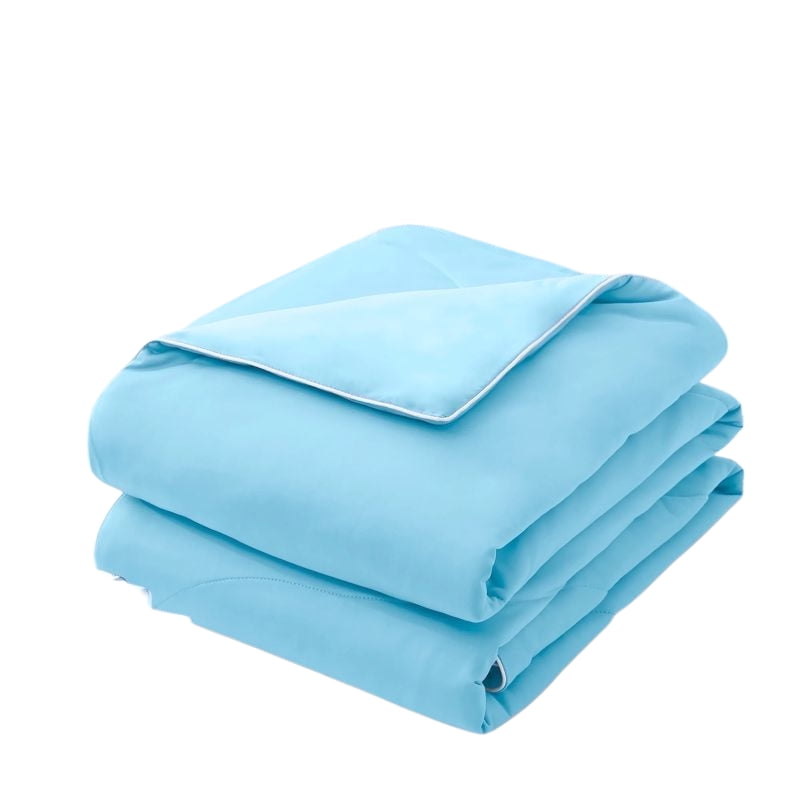



Cooling Blankets in Blankets


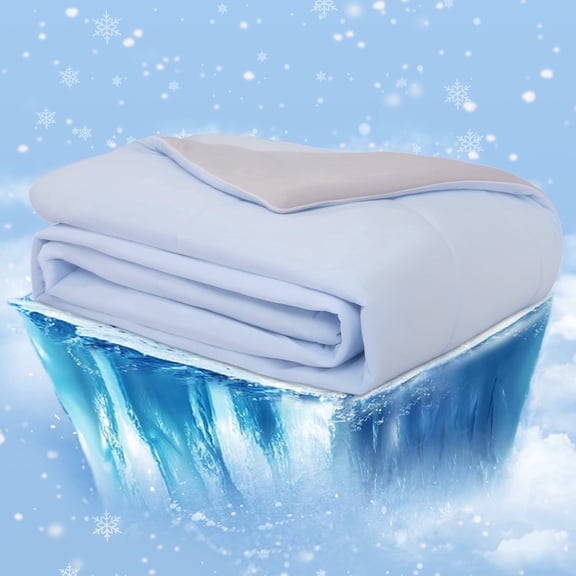
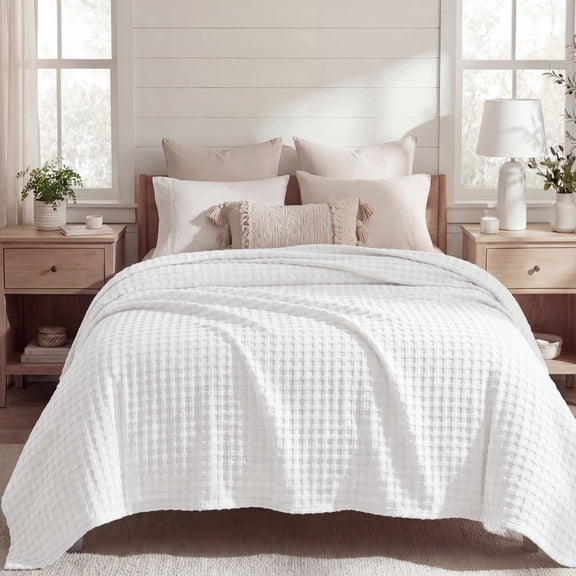




















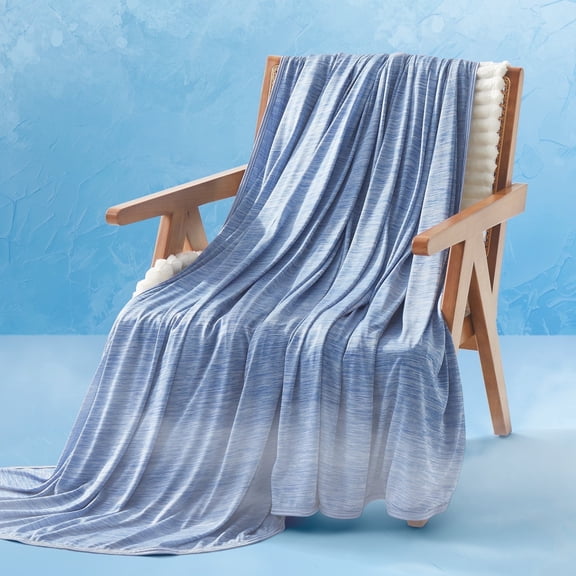


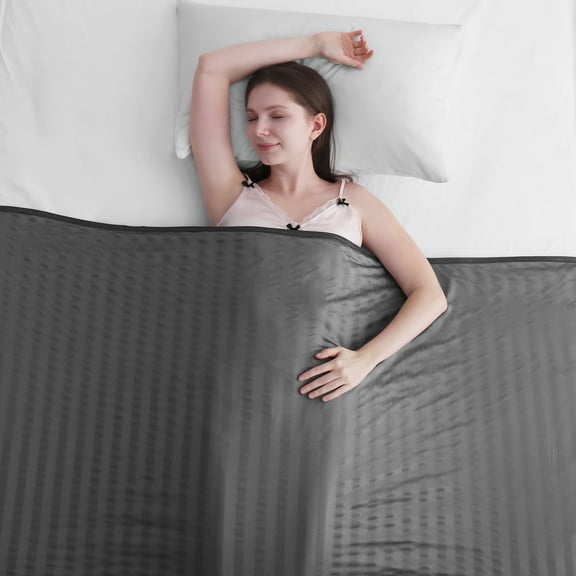


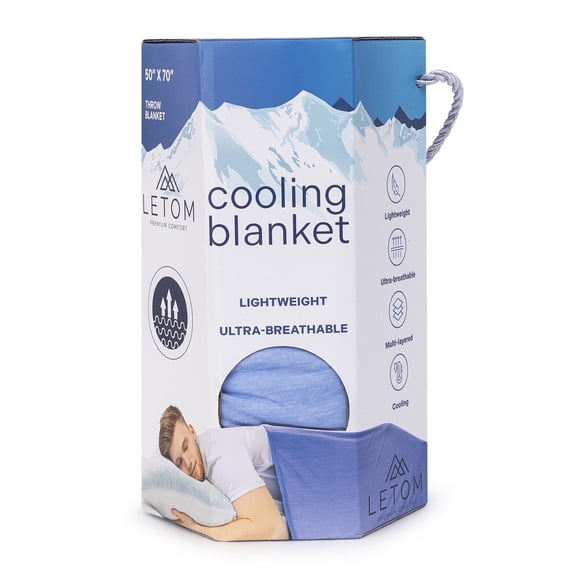
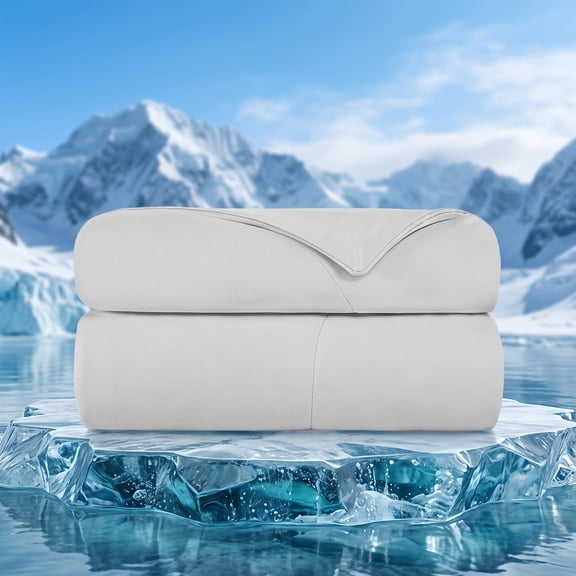








About Cooling Blankets in Blankets - Walmart.com
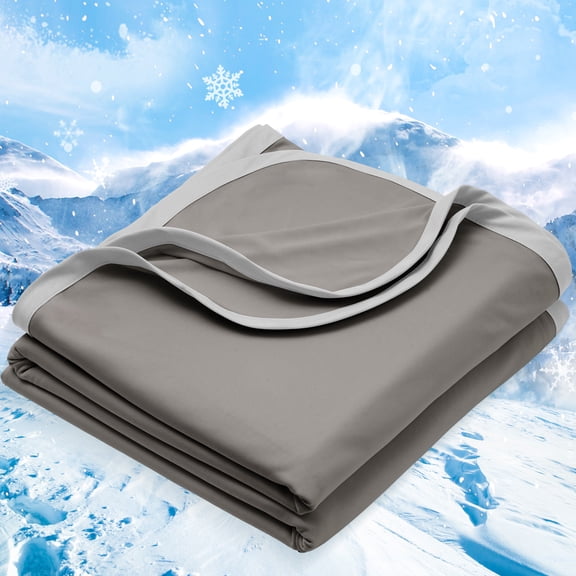
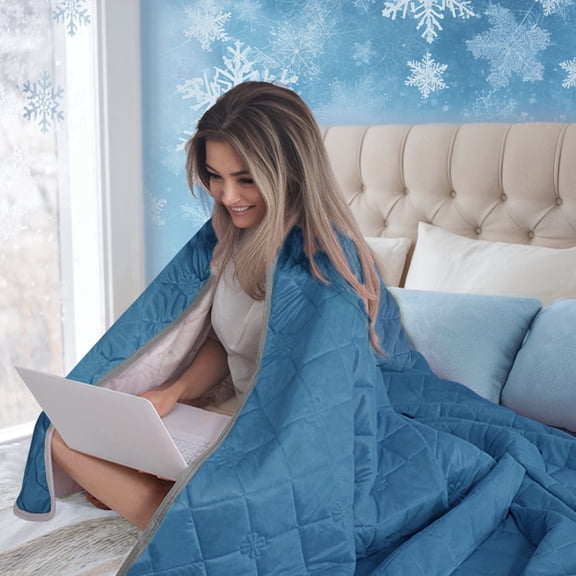
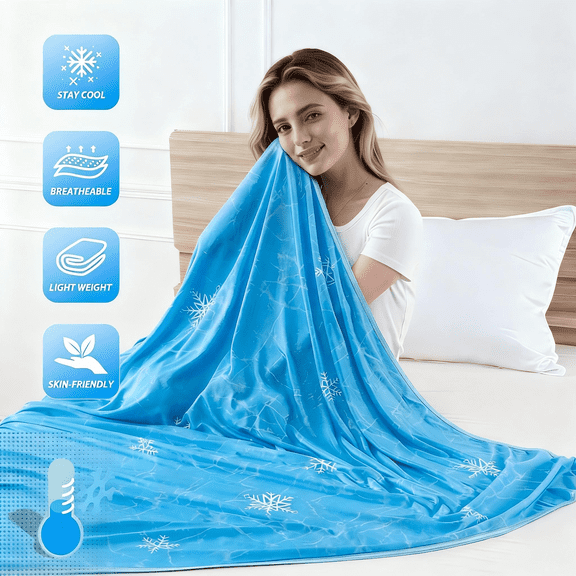
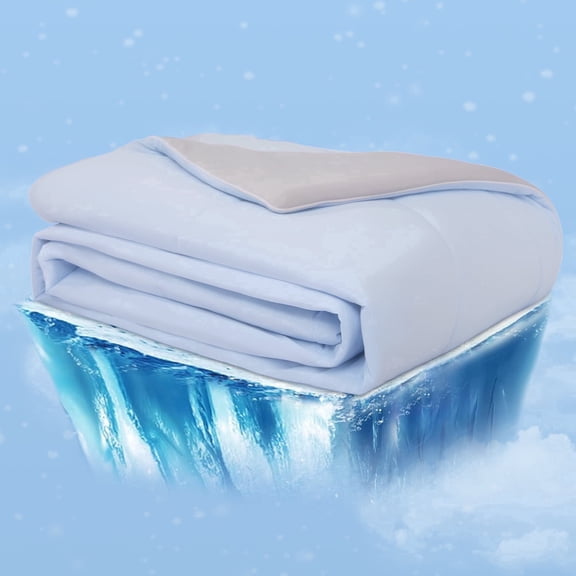
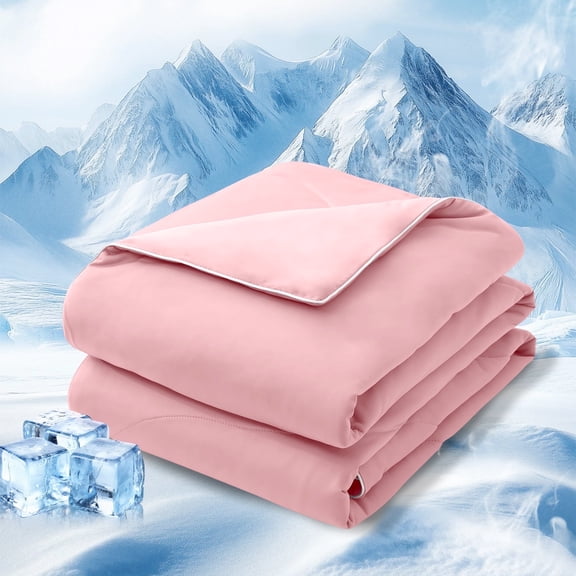
Cooling blankets help you build a cooler bed setup with lighter layers, breathable fabrics, and size options that fit your sleep space. With the right material and cooling method, you can compare feel, airflow, and drape with more confidence.
How to choose cooling blankets for your bed
Your first decision is how your bed feels at night and how much coverage you like. A cooling blanket for bed can feel airy, smooth, or gently weighted, depending on the construction.
Rather than focus on color first, you should compare material, size, and blanket weight. Those details shape airflow, edge drop, and how the blanket rests across your sheets.
As you narrow options, it helps to use a simple checklist before you decide. You should look for the right fabric, the right dimensions, the right weight, and the right cooling technology.
- You can compare rayon from bamboo or eucalyptus when you want a smooth feel and a fluid drape.
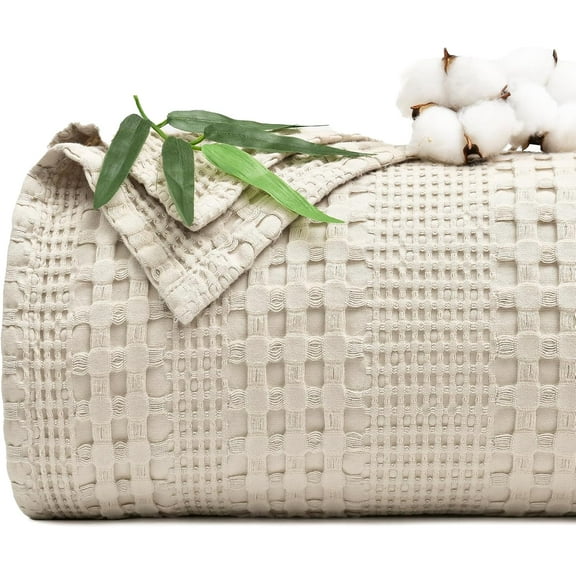
- You can look at cotton when you want a familiar texture that layers easily through warmer months.
- You can review lightweight cooling blankets when you want less bulk and easier movement during sleep.
- You can check Q-Max, phase change material, or breathable weave details when you want clearer decision points.
Choosing materials and cooling technology in cooling blankets
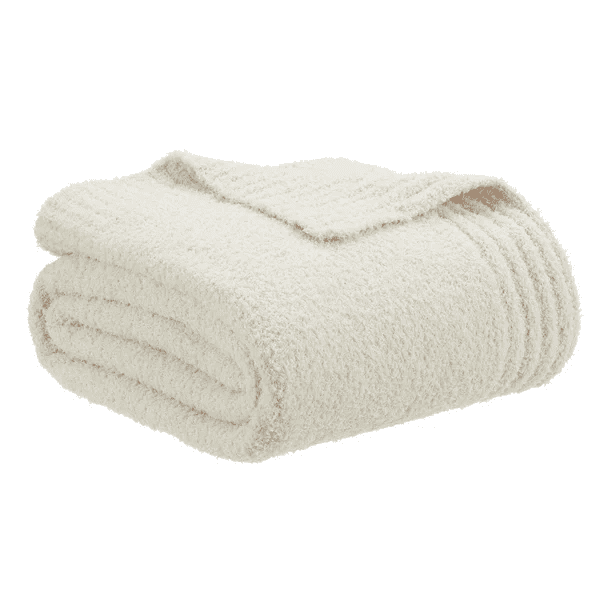
Different fabrics create different sensations, so you should start with the hand feel you prefer. A rayon from bamboo cooling blanket usually gives you a smooth surface and a relaxed drape.
If your sheets already feel crisp, you may prefer cotton for a familiar touch. Eucalyptus or mica nylon blends can give your bed a slicker surface and a cooler first touch.
Your cooling experience also depends on how the blanket moves heat and air. A breathable cooling blanket often uses an open construction that helps air circulate more freely.
Some options list a cool-to-touch Q-Max rating, and you can use that number as a practical guide. Higher cool-touch readings usually mean you notice a cooler surface sooner.
Phase change material works in a different way, and you should think of it as temperature-balancing fabric support. That feature may suit you when you want a steadier feel through changing room temperatures.
Breathable weave designs focus on airflow instead of surface chill alone. This approach can suit you when you want lighter coverage that layers smoothly with cooling sheets.
Selecting lightweight cooling blankets by size and weight
Blanket size changes how your bed looks and how much coverage you get at night. You should match dimensions to your mattress size and the amount of drape you prefer.
A twin size can work well for smaller beds, bunks, or solo sleepers. A queen cooling blanket usually gives you balanced coverage on standard main beds without too much overhang.
King sizes can give you extra width when you share your bed or like more room. Throw sizes can work for reading chairs, couches, guest rooms, or afternoon naps.
Weight matters because it changes layering, airflow, and how the blanket feels across seasons. Lightweight cooling blankets usually suit warmer nights because you get coverage without heavy bulk.
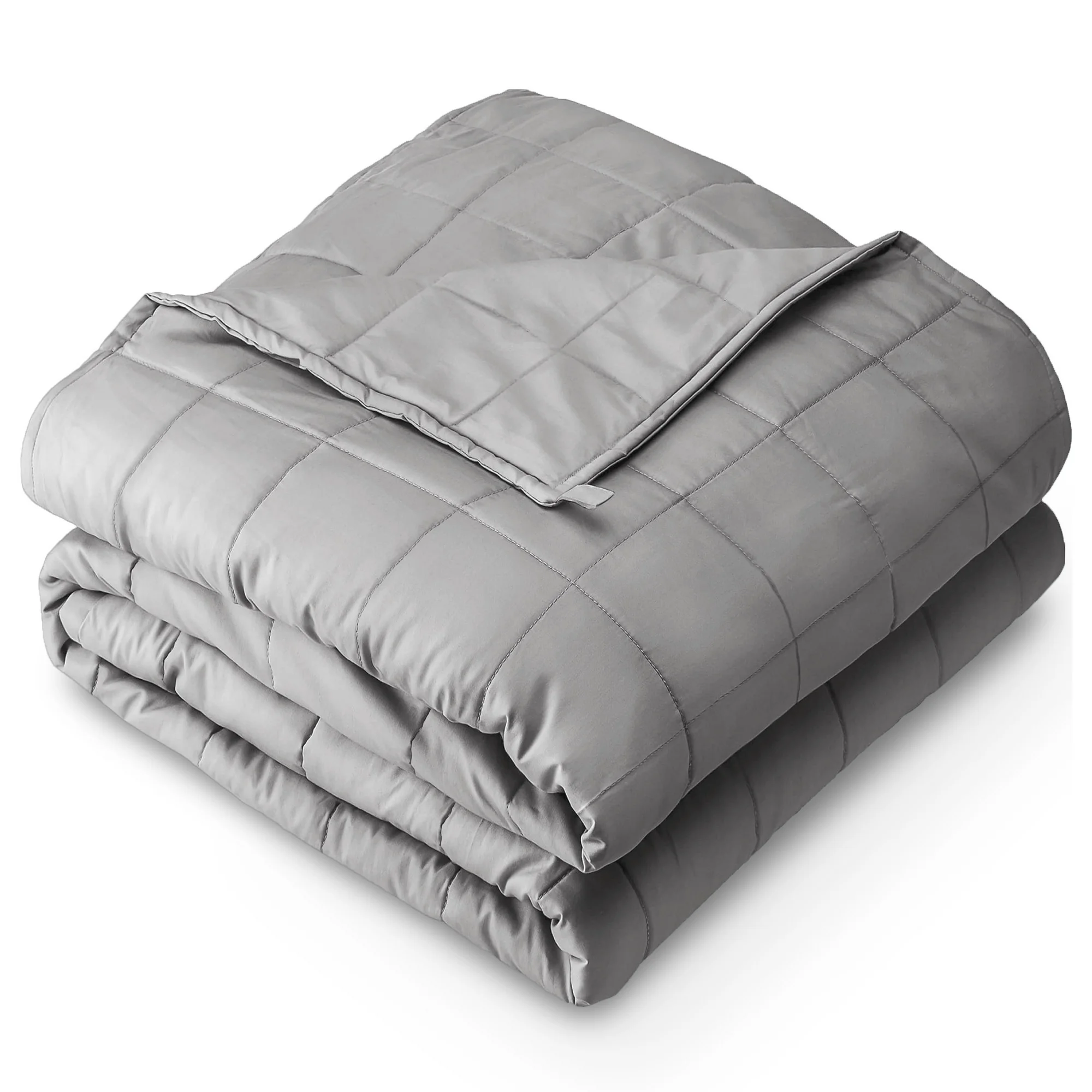
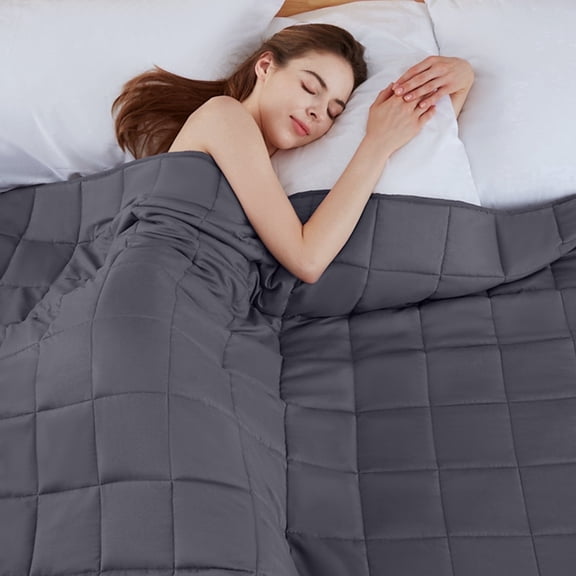
If you prefer a more anchored feel, you may compare weighted cooling blanket options carefully. You should check the fill, stitching, and outer fabric so your blanket still feels breathable.
Heavier constructions can feel denser across your bed, so room setup matters. You may want lighter layers if your sheets, mattress topper, or bedroom already hold extra warmth.
Checking care details and everyday use
Care instructions matter when you want your blanket to stay easy to use every week. Before you choose, you should check whether the fabric is machine washable and how it should dry.
Some materials do well on gentler cycles, while others handle regular washing more easily. You should compare labels so your laundry routine matches the blanket you bring home.
Your everyday routine can also guide which style makes sense for your space. You may want one blanket for your main bed and another for travel, lounging, or a guest room.
During warm months, you can pair these blankets with summer bedding and cooling sheets for lighter layering. If you want added pressure, you can compare them with weighted blankets by overall feel.
Storage can matter too if you rotate bedding during different parts of the year. A lighter blanket usually folds more compactly, so you can tuck it into a linen closet easily.
With the right material, size, and cooling method, you can choose a blanket that fits your bed and routine. That match helps you keep a lighter, more comfortable layer within easy reach.