

Antifreeze & Coolants





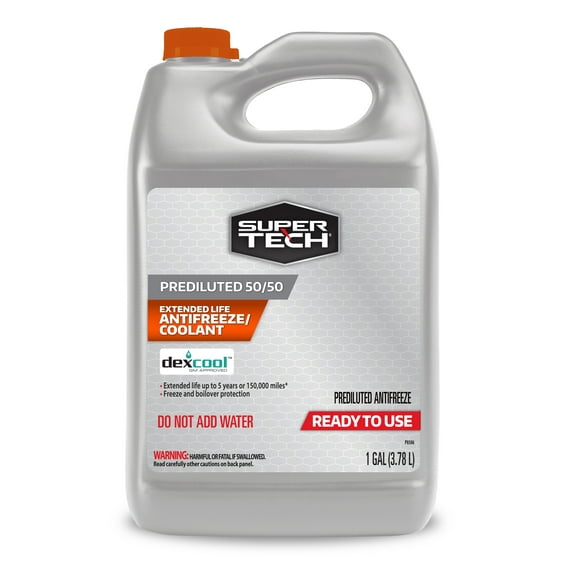
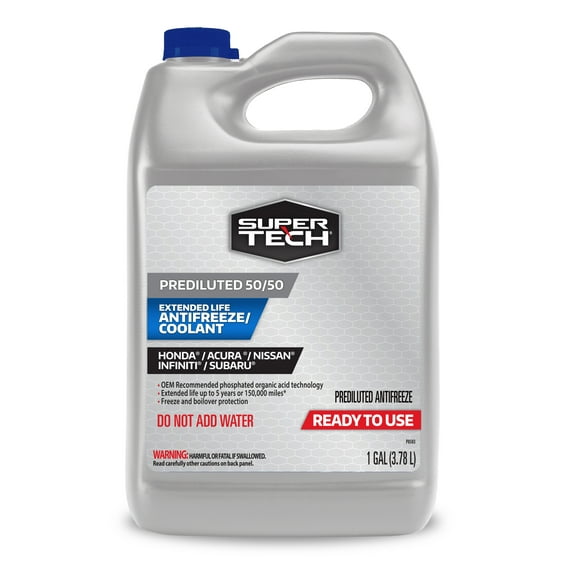


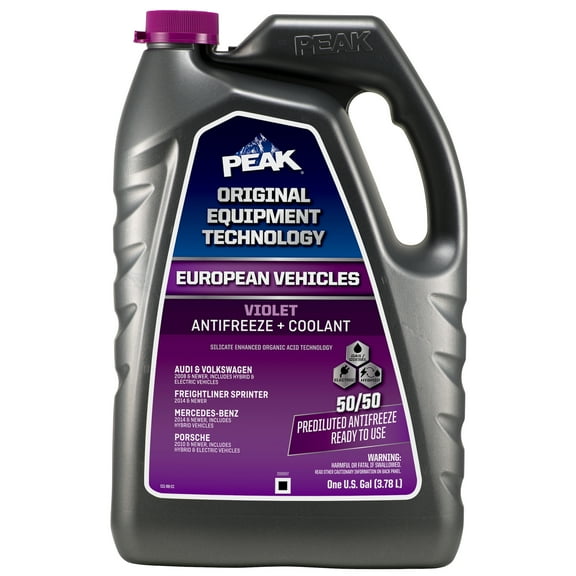

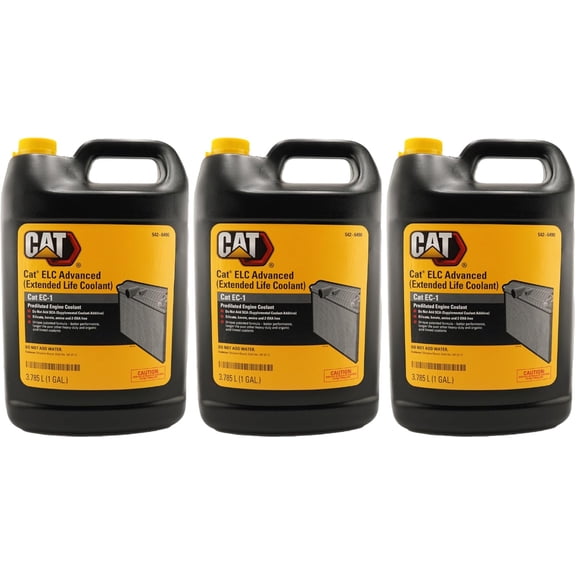



About Antifreeze & Coolants - Walmart.com
You can compare antifreeze coolants with more clarity when you check compatibility, dilution style, and color guidance first. You can also narrow choices by IAT, OAT, or HOAT requirements from your owner's manual.
How to choose antifreeze coolants by compatibility
Your owner's manual should guide your first decision, because your engine coolant needs the right specification for your vehicle. You may see IAT, OAT, and HOAT options, and each one fits different cooling system materials and service intervals.
Older vehicles may call for IAT formulas, while many newer models use OAT or HOAT options. You can compare your make, model, and year before choosing antifreeze for cars with more confidence.
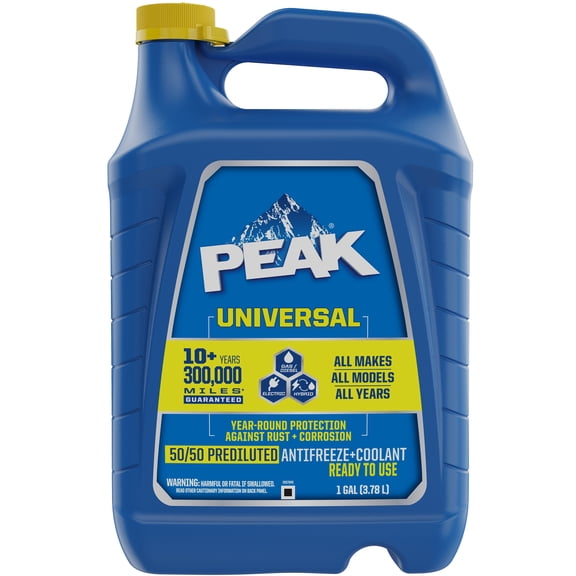
Universal antifreeze can suit many applications, but you should still verify the label against your vehicle requirements. This step helps you avoid a mismatch when you refill or top off your cooling system.
- You can narrow options by domestic, Asian, European, or universal compatibility.
- You can compare IAT, OAT, and HOAT choices based on your manual.
- You can check whether a formula suits a refill or a simple top-off.
- You can review temperature coverage before you finish routine maintenance.
Choosing engine coolant by coolant type
When you compare coolant type, you should focus on the specification your vehicle calls for first. You can then sort through IAT, OAT, and HOAT formulas with a clearer purpose.
IAT options often align with older cooling system designs and traditional service routines. OAT and HOAT formulas often appear in newer vehicles, where manufacturer specifications are more specific.
You should treat these labels as buying guidance, not as interchangeable names. You can make a more accurate choice when the coolant type matches the requirement listed for your vehicle.
Choosing 50/50 ready to use coolant or concentrate
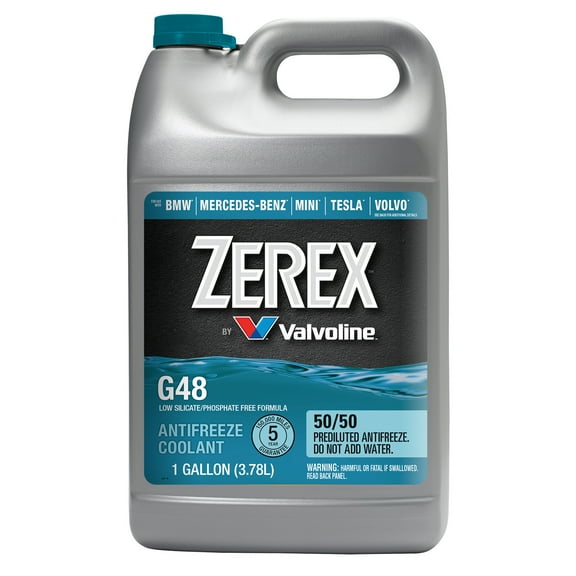
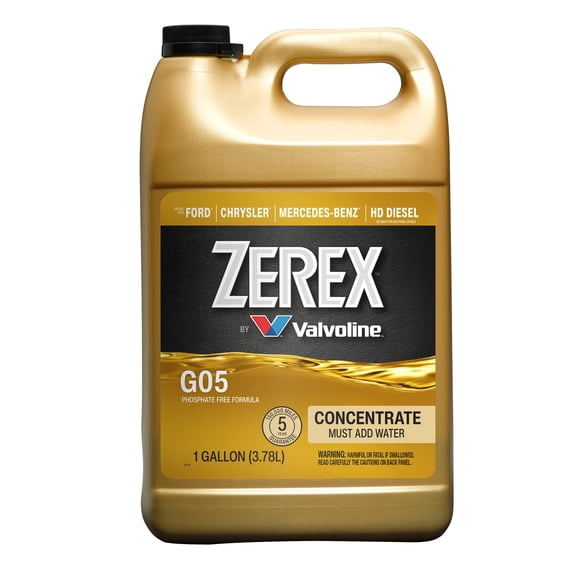
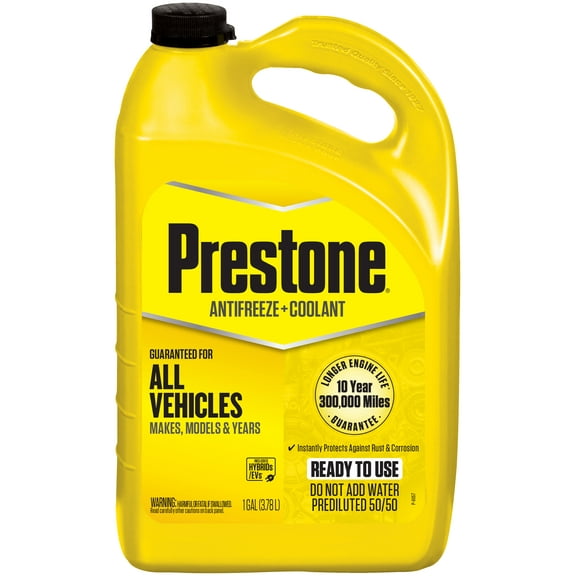
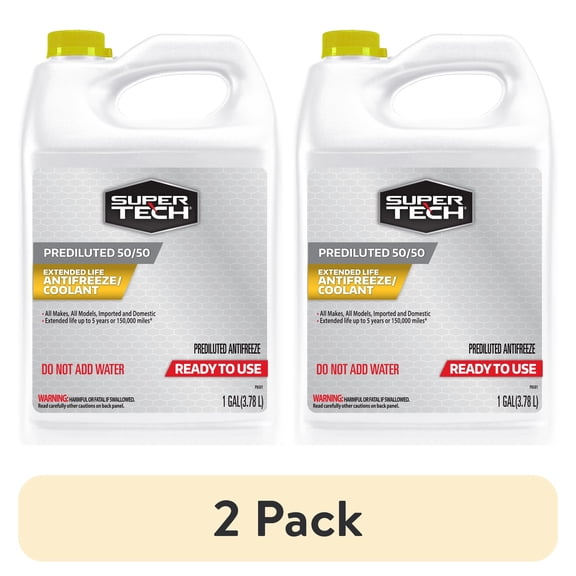
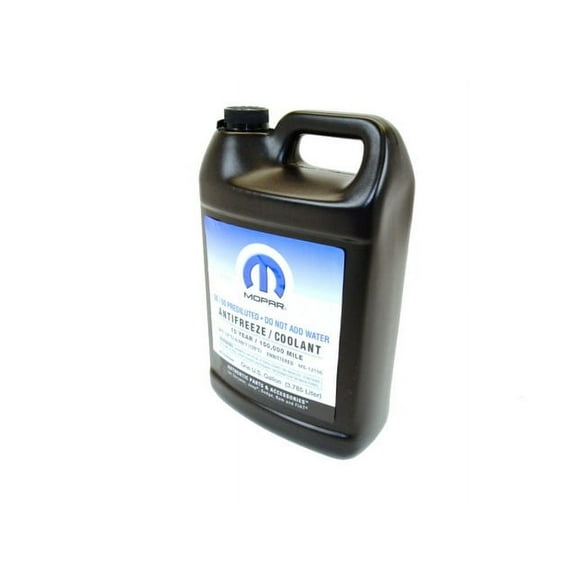
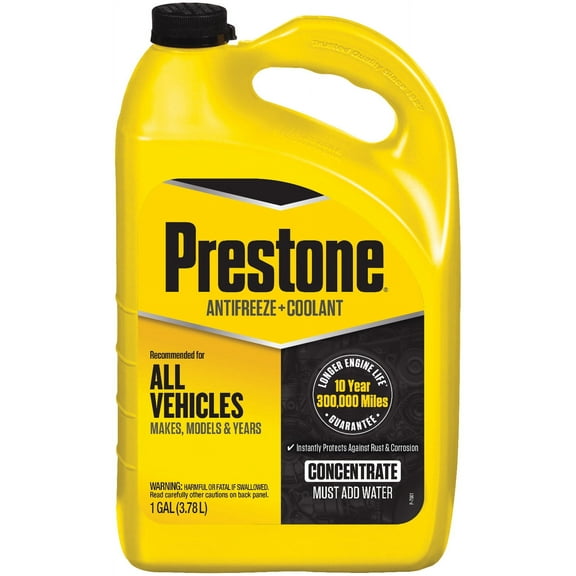
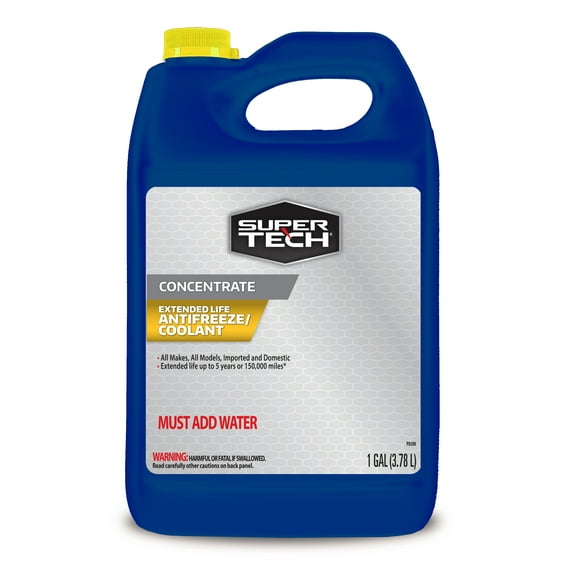
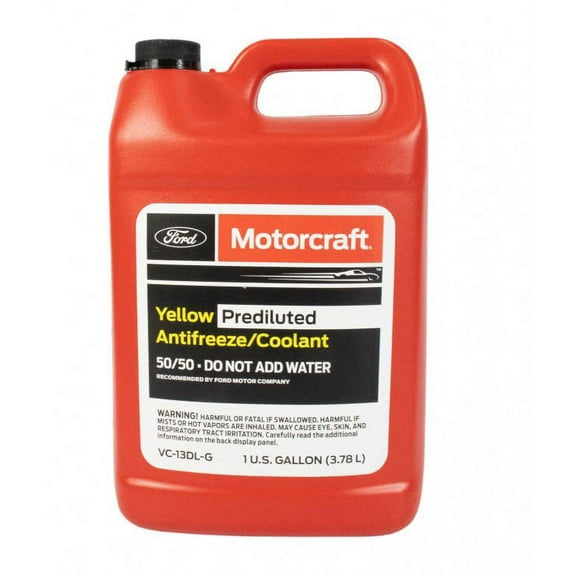
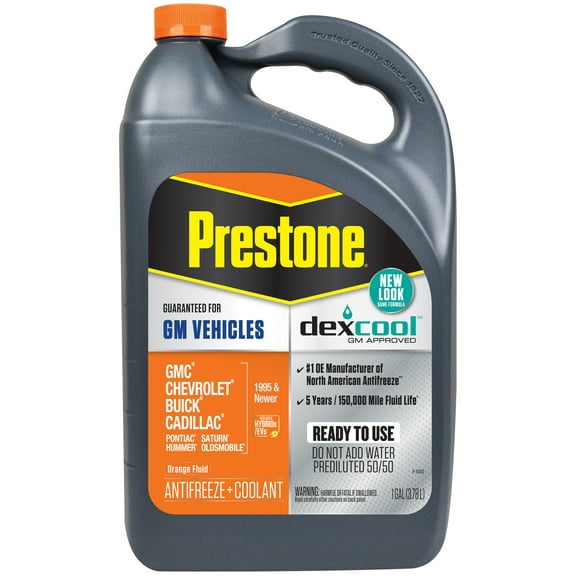
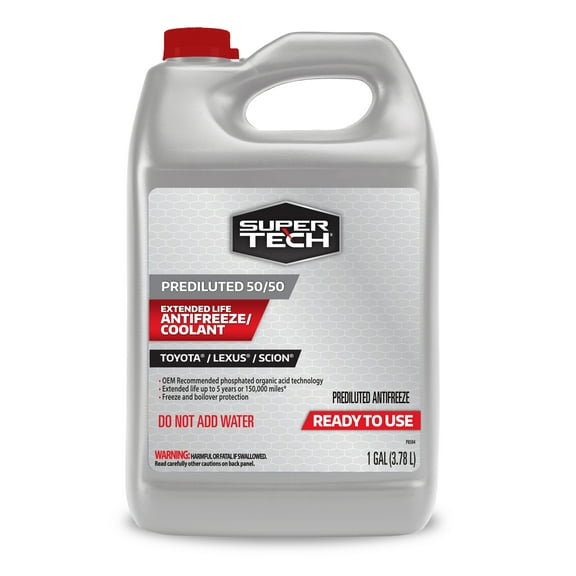
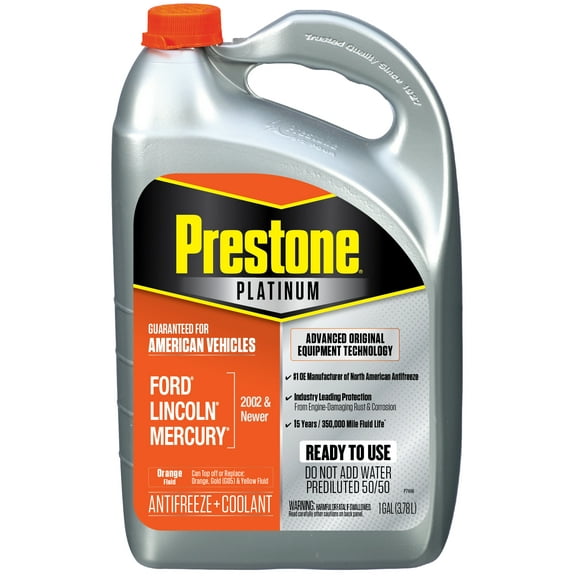
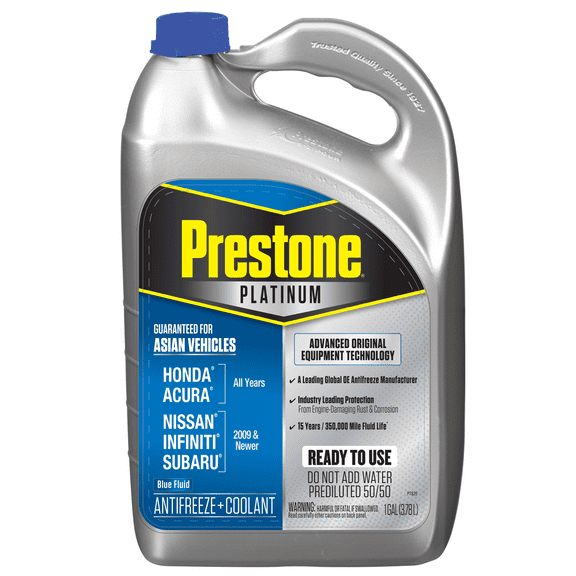
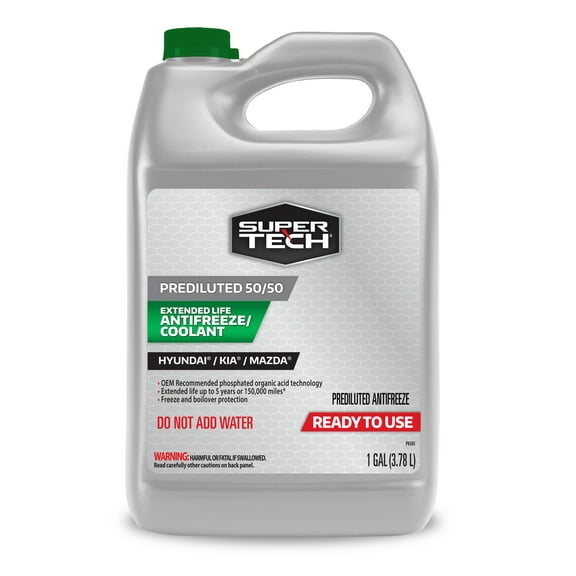
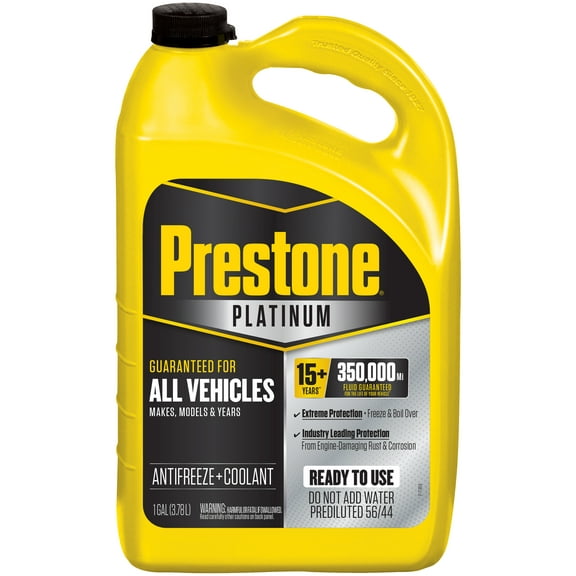
You’ll usually choose between 50/50 ready to use coolant and concentrated coolant. Prediluted antifreeze is ready to pour, while concentrate needs mixing with distilled water before use.
For straightforward upkeep, you may prefer a 50/50 option that removes measuring from the job. For added flexibility, you may consider concentrate when your refill plan calls for custom mixing.
You should check the label before you buy, because some containers fit full refills and others suit top-offs. This helps you avoid guesswork when you match the dilution style to your maintenance plan.
What to look for in color and formula details
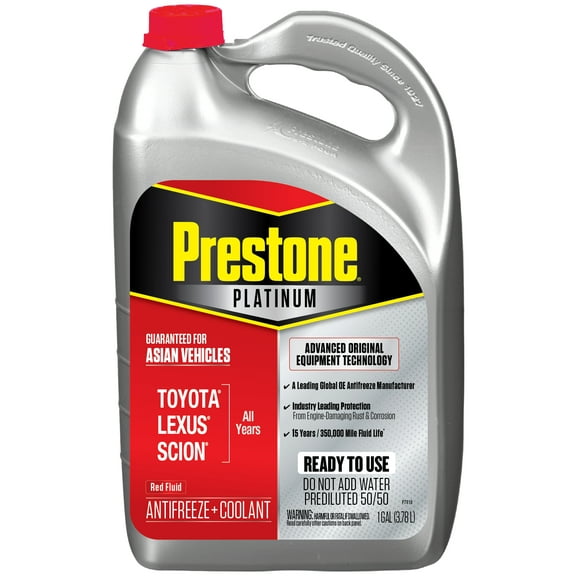
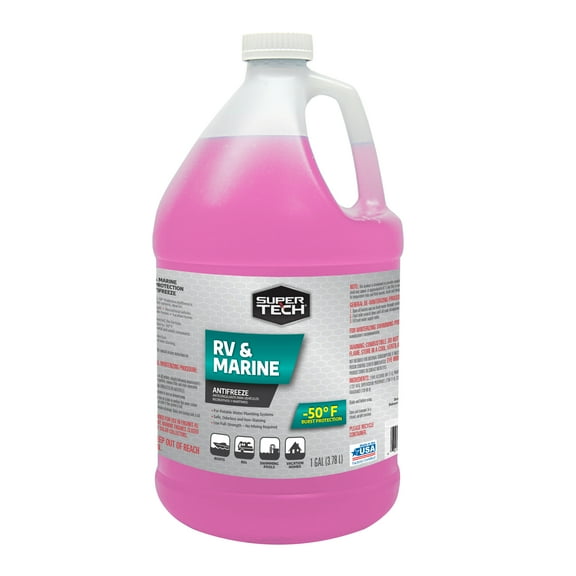
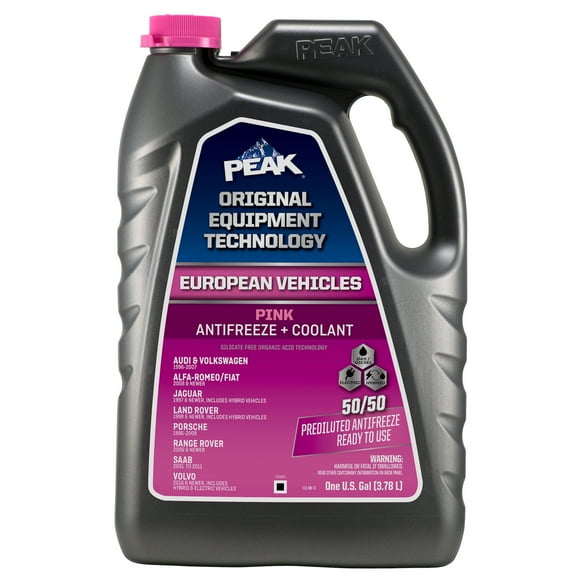
You may notice green, orange, yellow, blue, and pink options across antifreeze coolants. You shouldn't treat color as the only guide, because specification matching is critical compared to appearance.
If your reservoir shows one color, you should still confirm the required formula in your manual or product details. You can use color as a quick reference, but your final choice should follow compatibility guidance.
Some shoppers replace the same approved formula and use color as a helpful checkpoint. You can make a more informed decision when you confirm whether that color aligns with IAT, OAT, or HOAT requirements.
Key features to compare in antifreeze for cars
You should compare container size, formula type, and intended use before making your pick. Clear labels can help you match a product to topping off, a full refill, or routine garage storage.
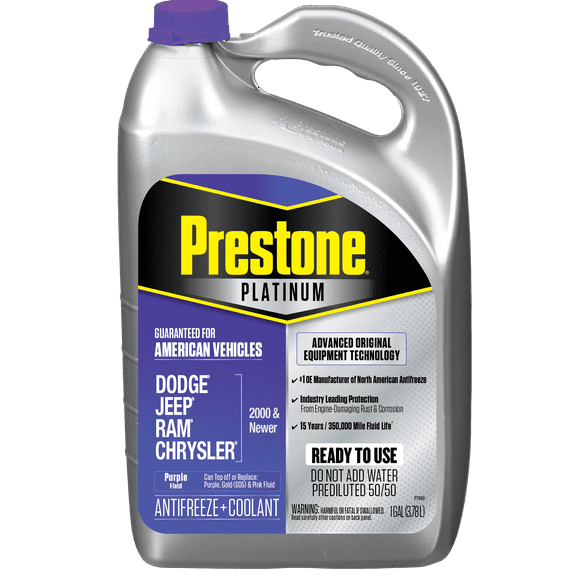
Easy-pour containers can simplify handling when you do your own maintenance at home. You can also check whether a formula suits domestic, Asian, European, or broad vehicle compatibility needs.
Temperature coverage matters when your vehicle faces cold mornings, warm traffic, or changing seasons. You can compare prediluted antifreeze, concentrated coolant, and universal antifreeze based on how you maintain your vehicle.
How antifreeze coolants fit everyday maintenance
If you maintain one daily driver, you may want a direct match based on your vehicle spec and dilution choice. You can keep routine upkeep simpler when compatibility details are clear from the start.
When you service several vehicles, you may compare universal antifreeze with formulas for specific vehicle groups. You can stay organized when each car gets the engine coolant type that suits its listed requirement.
Seasonal changes can also shape your decision, especially when you drive through freezing mornings and hot commutes. You can review temperature coverage and container size before planning a refill.
For top-offs, you should compare the existing approved coolant with the new formula as closely as possible. You can reduce confusion when color, coolant type, and dilution style all align with your vehicle information.
Older cars and late-model vehicles often call for different coolant categories and specifications. You can choose with more confidence when you compare IAT, OAT, and HOAT against your manufacturer guidance.
Choosing antifreeze coolants with confidence
You can make a cleaner choice when you compare compatibility, coolant type, dilution ratio, and color together. Your maintenance routine feels more straightforward when your antifreeze coolants align with your vehicle's cooling system requirements.