

Cooktops & Burners in Specialty Appliances






















About Cooktops & Burners in Specialty Appliances - Walmart.com
Hot plates electric burners give you flexible cooking space when your kitchen needs an extra surface or your setup needs a portable option. You can use them for dorm rooms, office lunches, camping hookups, holiday prep, and small apartments where a full range isn't practical.
How to choose hot plates electric burners
You should start with burner count, cooktop material, portability, and wattage because those details shape how your countertop cooker fits daily use. You can compare these choices quickly when you know whether you need one pan, two pans, faster heating, or easier cleanup.
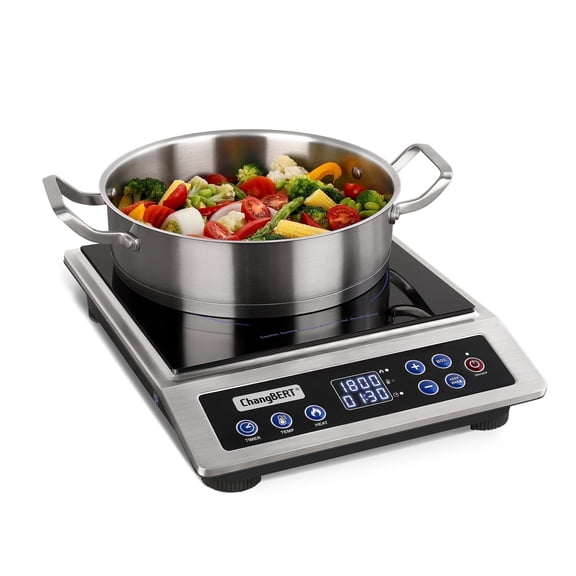
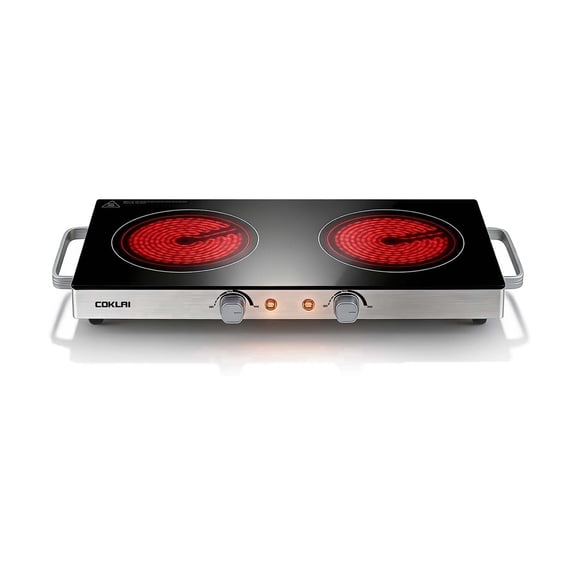
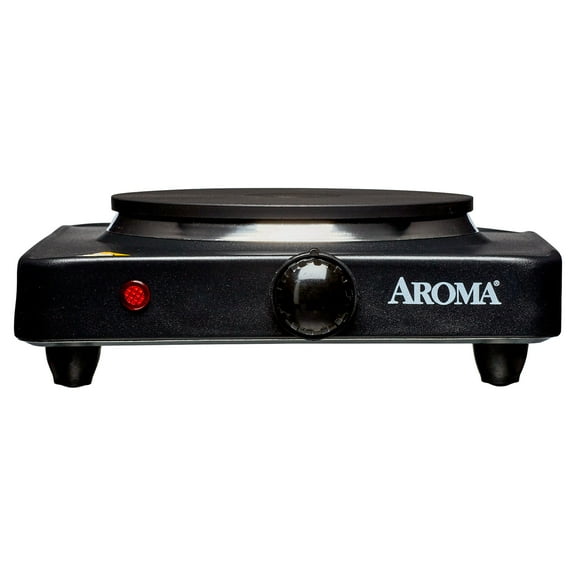
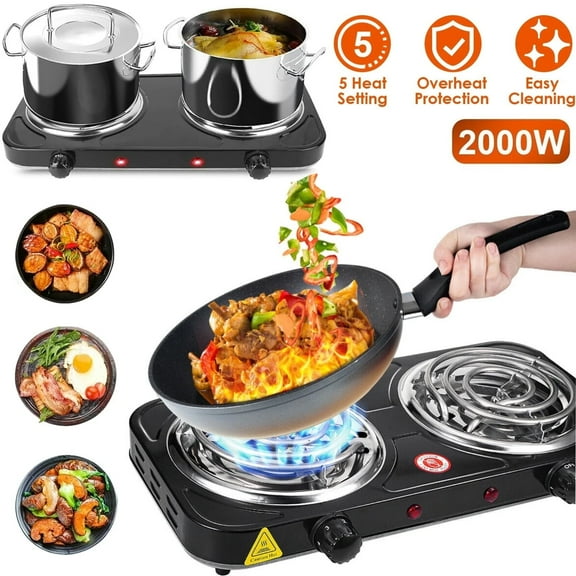
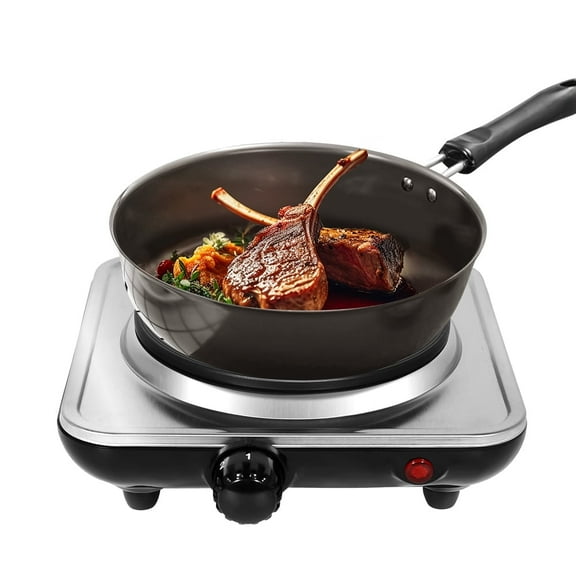
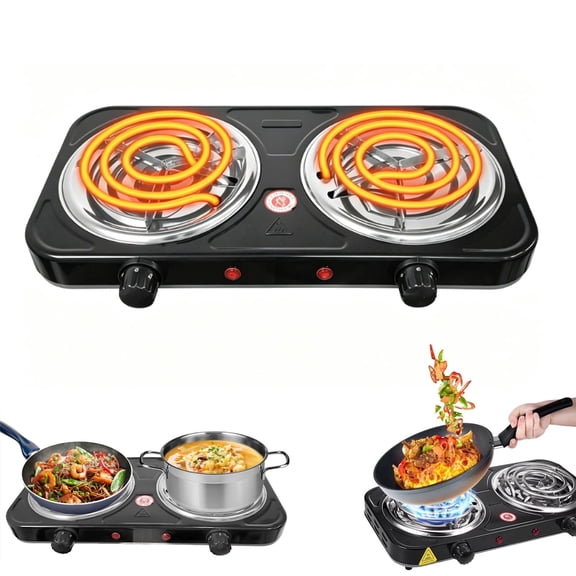
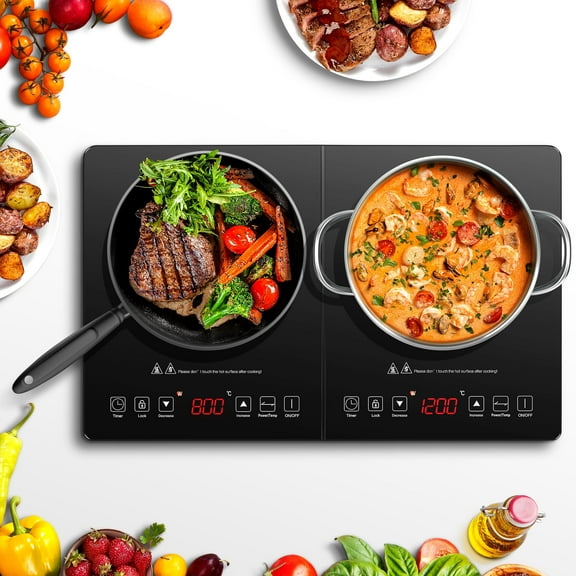
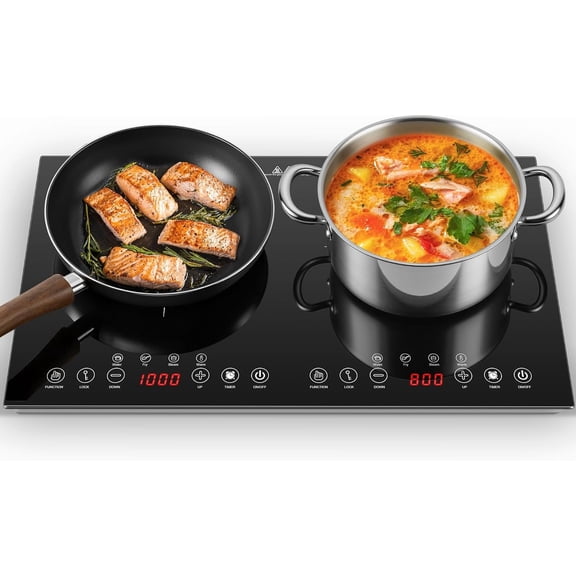
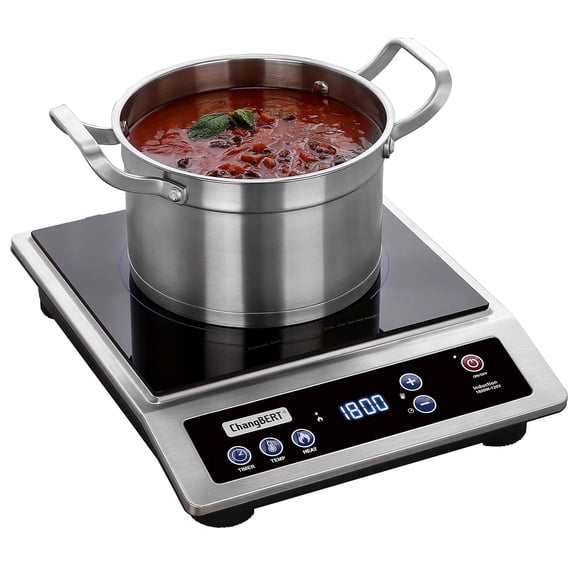
You may want a single burner hot plate when your counter space is tight and your meals stay simple. You may prefer a double hot plate when you need to simmer one pot while another pan heats at the same time.
- You can add cooking space during holidays, parties, and large family meals.
- You can keep a portable electric stove ready for dorms, offices, and temporary kitchens.
- You can choose surfaces that match your cleaning routine and cookware preferences.
- You can compare wattage levels to match your heating speed and meal style.
- You can look for indicator lights and auto shut-off for easier day-to-day use.
Choosing burner count and portability
You should consider a countertop burner's footprint before anything else because your available space affects every cooking task. You can often place compact models on smaller counters, while wider double-burner units need more room for two pots.
You may choose a single burner setup when you heat soup, boil pasta, or warm one skillet at a time. You may choose a double burner setup when you prepare breakfast sides, side dishes, or buffet-style meals together.
You can also compare portable and compact designs based on how often you move your unit. You might want an electric countertop burner that stores easily in a cabinet or travels between a cabin, RV, and break room.
Comparing cooktop materials on a portable electric stove
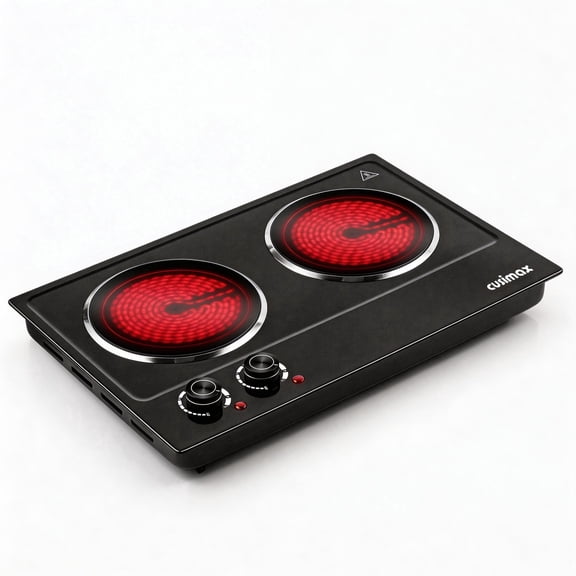
You should compare cooktop materials closely because each surface changes cleanup, cookware contact, and everyday feel. You can find coil, cast iron, ceramic glass, and induction styles across this category.
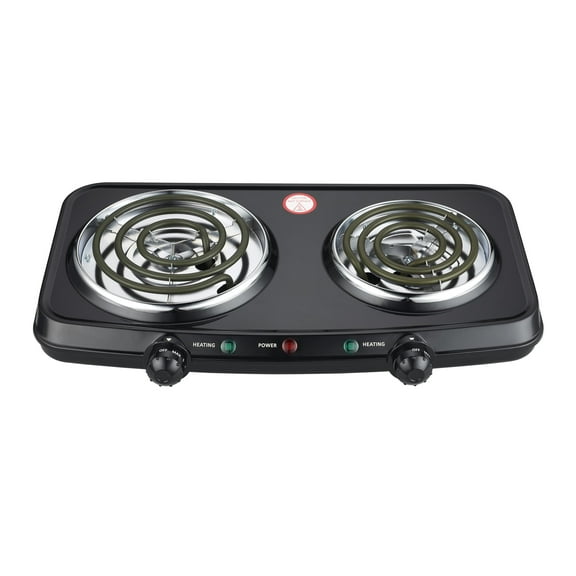
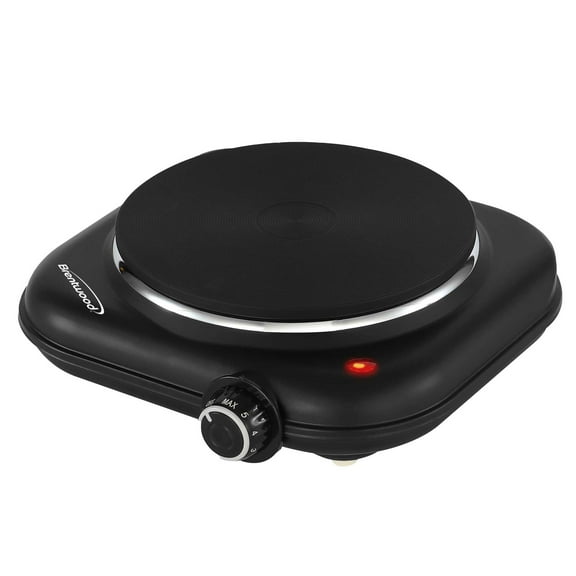
You may like coil models when you want a familiar cooking surface with visible heating elements. You may prefer cast iron plates when you want a flat, sturdy top that supports steady pot placement.
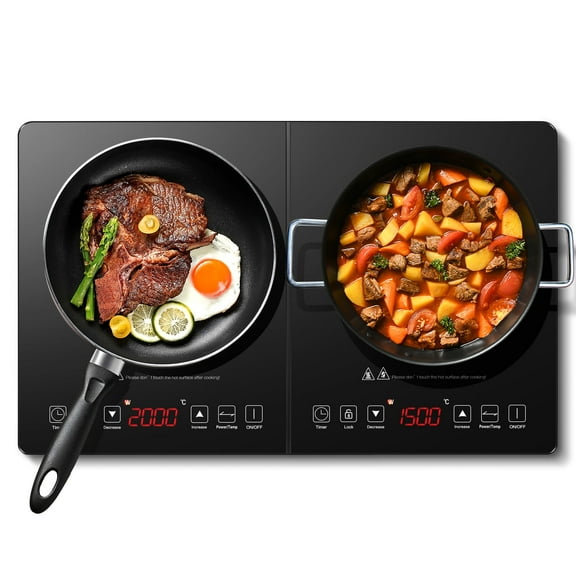
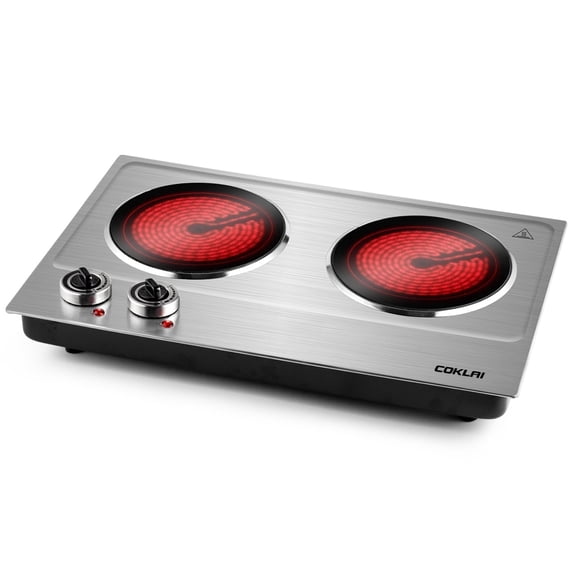
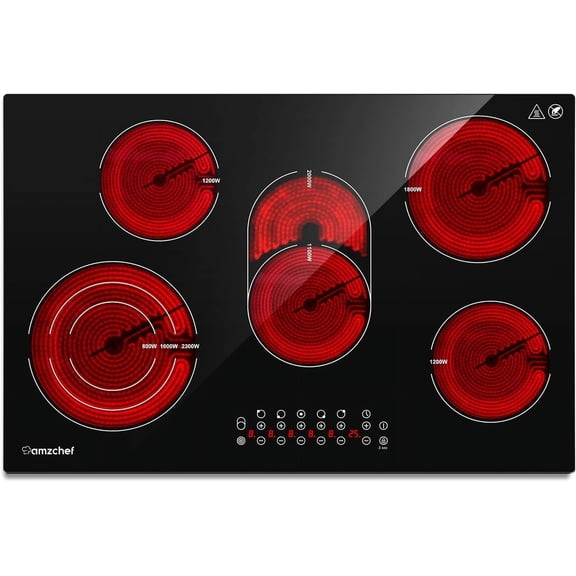
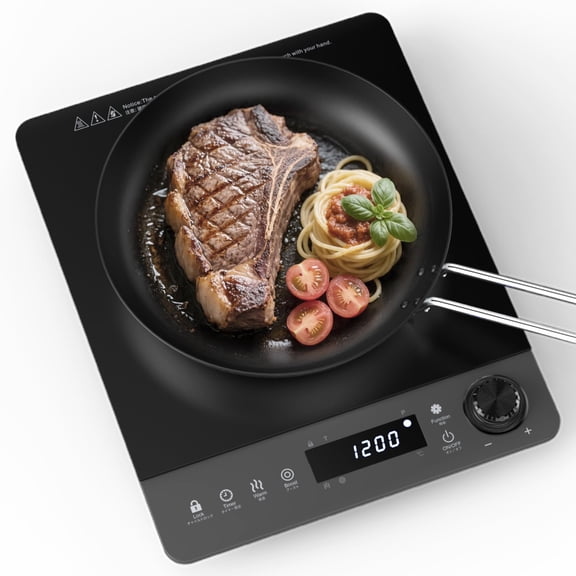
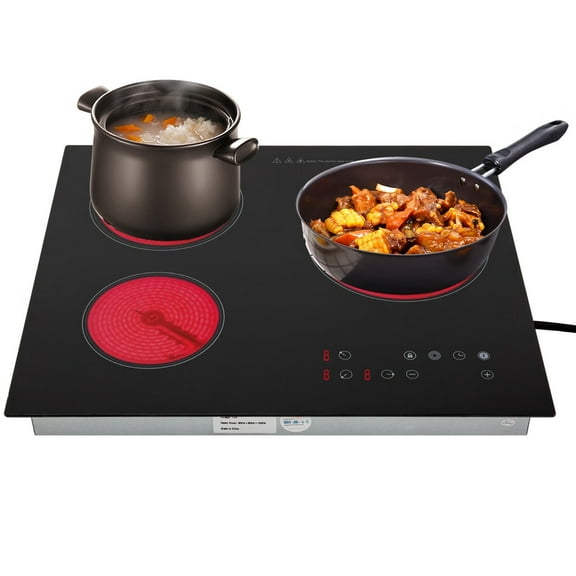
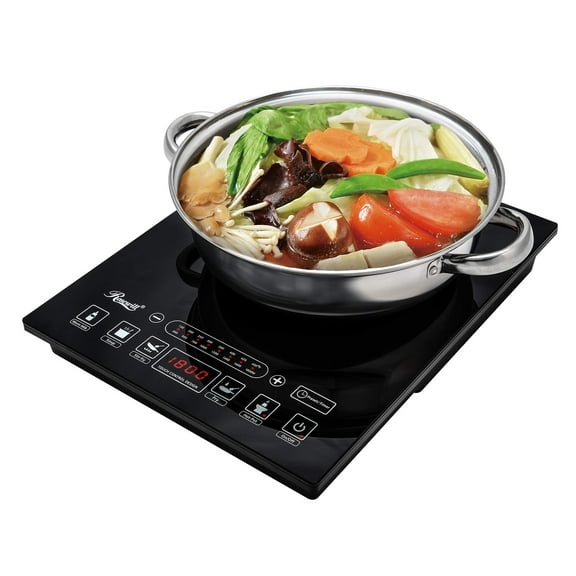
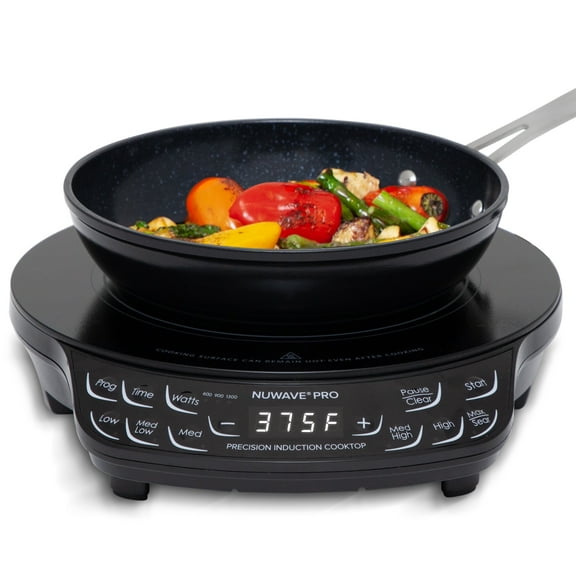
You can consider ceramic glass when you want a smooth surface that wipes clean with fewer crevices. You can look at induction options when your compatible cookware matters and your cooking setup favors precise, responsive heat.
Checking wattage and heating speed
You should check wattage first when fast boiling or searing matters in your routine. You can compare common ratings like 1000W, 1500W, and 1800W to understand how much output your unit is designed to deliver.
You may find 1000W works for lighter tasks like warming sauces, heating leftovers, or making simple side dishes. You may prefer an electric burner 1500w range when you want stronger everyday performance without moving into larger formats.
You can look toward 1800W options when your meals involve quicker preheating or larger pots. You should still match wattage with your outlet setup, cookware size, and the kind of cooking you do most often.
What to look for in safety and controls
You should look for controls that feel clear and easy to adjust during busy cooking sessions. You can benefit from temperature dials, indicator lights, and auto shut-off features that support smoother monitoring.
You may appreciate indicator lights because they help you track when the surface is powered on. You may want auto shut-off because it adds convenience when your portable electric stove is part of a fast-moving routine.
You can also compare handles, non-slip feet, and housing design when stability matters on your counter. You should check whether the control layout gives you enough space to adjust settings without crowding nearby cookware.
Matching use cases to your kitchen
You can use a countertop burner for holiday overflow when your main range is already full. You can also keep one ready for dorm cooking, studio apartments, basement bars, and guest spaces with limited kitchen equipment.
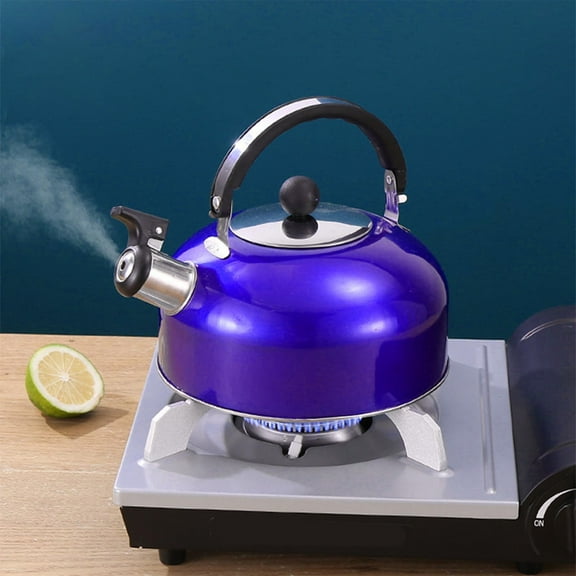
You may want a double hot plate for hot pot dinners, breakfast spreads, and shared meals that need two active pans. You may want a compact single unit for tea kettles, reheating lunch, or making one-pot meals in a smaller space.
You can pair smooth ceramic glass with frequent wipe-downs in office or apartment settings where quick cleanup matters. You can pair cast iron or coil surfaces with everyday cookware when you want familiar performance in a simple setup.
You should feel confident comparing burner count, wattage, cooktop material, and controls before you choose. You can narrow the category faster when your hot plates electric burners match your space, cookware, and everyday cooking routine.