

RTICENGELIglooColemanOzark TrailTitan by Arctic ZoneLifetimeLifoamArctic ZoneFreez PakWalmartCleverMadeYour ZoneWarmountsTirriniaUnbrandedApmemissKFFKFFAeittoThermosVEVORTRIPGEARIntexBroadfashionMQJIAZHIATRIPACKCostwayAbove Sea LevelBN-LINKFrigidaireJEKO&JEKOPinnacle ThermowareRelianceGARITINOAVQHLG3BSunsOutSIMZLIFEMerryhomeNOBRANDKepoomanZenStylePinnacleCshidworldEverfunTripumerYatltePRYESSEARKITYTitanQunlerPOOLHACKERYalinCcdesSHUWNDYongzhenliteKlein ToolsPlanoDometicKoolatronPelicanSLOOSHECOOPTSAstroAIiceBerryK2 CoolersZHJINGYUNinjaUnited PacificGVDVCoronaEgymenKnoxFREE VILLAGESPARTERFit + FreshDonextHDJBlueekGrizzly CoolersBestwaypotrochiholuxerSpacoxaoyunynCoca-ColaBENTISMufehgfjhTopsomeCamp-ZeroIC ICLOVERFUQIUMIgoojooBUVEKAIAobrewuFORMRSttyjdKuzmarKLogo BrandswobogoJiaoprintedWswqopGenericGraphics and MoreacdancgastropodFrosted FrogLOLIPPYYIndigo FallsPitycboharayaaBESTYASHRovRQSTDGVPWOnivaAO CoolersNishiyuenyiOunonaCustomGiftsNowSummit ApplianceGARENDEFOMIYESluminescence lezHONMEETsimhoaColaxiWEUVEBQholemyoTnarruRENACLIPYShenmamo shopQccHieUsSoftHome LabBeistleSuperioWeXbleQinAOMRCOLMMJSeaYhUZEVCSAHIPKZRaindropsEHJREGeneralMOKKHNBNsxcdhYoxiHomeHubAbbracciaCooler BackpacksPelican ProductsZENGjunHuiYElanMilistenCEORPERDebcoIVATIONKoolsooSMADSouMaoxTFYZYYAUXDIQCOOPHYAHUISZJKindofLOOKSuodokaTABLZONEttyjmLIUJINXIKNicehomfitOPTIVAIREMESummitTravelwellUSUERYUxcellYakimotoAxiomaFatBoyFeinuhanKAKOWELYMrasasoPolarisELAYARDGnmfdLIFKOMENIZELUKOFFIGAMAmosfunBIZHUAemdiqzsHibibudHomeNestLeigh CountryLITINKIMINesoltyNnetehipnPTOOTPRiouseryTowallmarkWEGFTDUOPYucuremBaluueBIMZUC






RTICENGELIglooColemanOzark TrailTitan by Arctic ZoneLifetimeLifoamArctic ZoneFreez PakWalmartCleverMadeYour ZoneWarmountsTirriniaUnbrandedApmemissKFFKFFAeittoThermosVEVORTRIPGEARIntexBroadfashionMQJIAZHIATRIPACKCostwayAbove Sea LevelBN-LINKFrigidaireJEKO&JEKOPinnacle ThermowareRelianceGARITINOAVQHLG3BSunsOutSIMZLIFEMerryhomeNOBRANDKepoomanZenStylePinnacleCshidworldEverfunTripumerYatltePRYESSEARKITYTitanQunlerPOOLHACKERYalinCcdesSHUWNDYongzhenliteKlein ToolsPlanoDometicKoolatronPelicanSLOOSHECOOPTSAstroAIiceBerryK2 CoolersZHJINGYUNinjaUnited PacificGVDVCoronaEgymenKnoxFREE VILLAGESPARTERFit + FreshDonextHDJBlueekGrizzly CoolersBestwaypotrochiholuxerSpacoxaoyunynCoca-ColaBENTISMufehgfjhTopsomeCamp-ZeroIC ICLOVERFUQIUMIgoojooBUVEKAIAobrewuFORMRSttyjdKuzmarKLogo BrandswobogoJiaoprintedWswqopGenericGraphics and MoreacdancgastropodFrosted FrogLOLIPPYYIndigo FallsPitycboharayaaBESTYASHRovRQSTDGVPWOnivaAO CoolersNishiyuenyiOunonaCustomGiftsNowSummit ApplianceGARENDEFOMIYESluminescence lezHONMEETsimhoaColaxiWEUVEBQholemyoTnarruRENACLIPYShenmamo shopQccHieUsSoftHome LabBeistleSuperioWeXbleQinAOMRCOLMMJSeaYhUZEVCSAHIPKZRaindropsEHJREGeneralMOKKHNBNsxcdhYoxiHomeHubAbbracciaCooler BackpacksPelican ProductsZENGjunHuiYElanMilistenCEORPERDebcoIVATIONKoolsooSMADSouMaoxTFYZYYAUXDIQCOOPHYAHUISZJKindofLOOKSuodokaTABLZONEttyjmLIUJINXIKNicehomfitOPTIVAIREMESummitTravelwellUSUERYUxcellYakimotoAxiomaFatBoyFeinuhanKAKOWELYMrasasoPolarisELAYARDGnmfdLIFKOMENIZELUKOFFIGAMAmosfunBIZHUAemdiqzsHibibudHomeNestLeigh CountryLITINKIMINesoltyNnetehipnPTOOTPRiouseryTowallmarkWEGFTDUOPYucuremBaluueBIMZUC
Best Hard and Soft Coolers for Outdoor Adventures
Uses item details. Price when purchased online


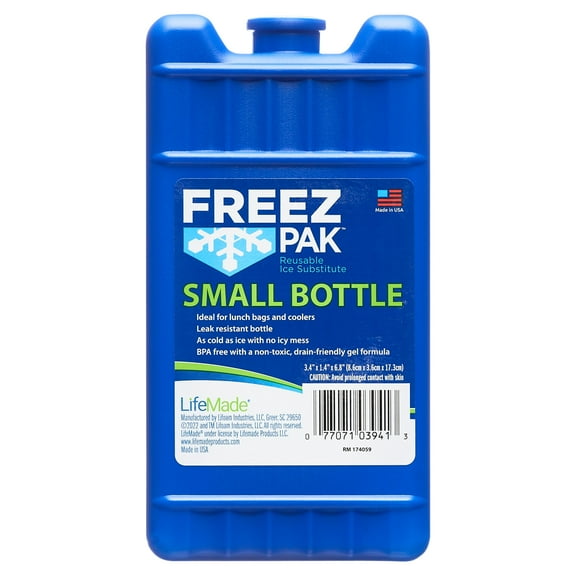
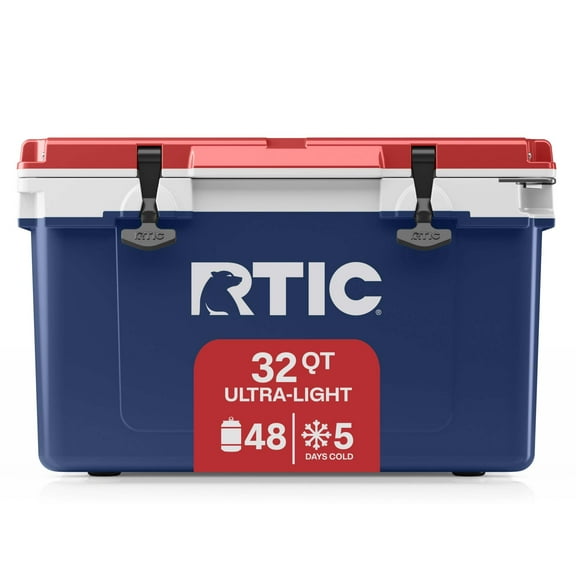

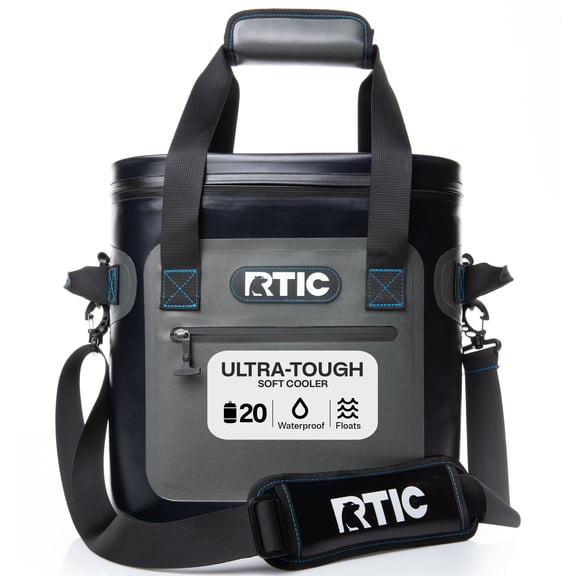
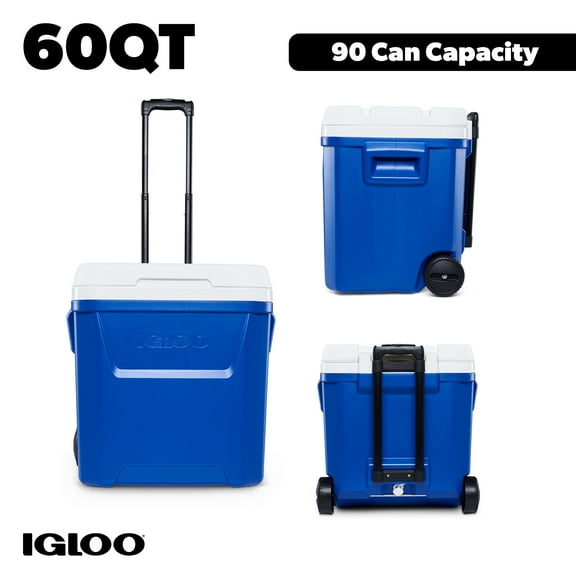








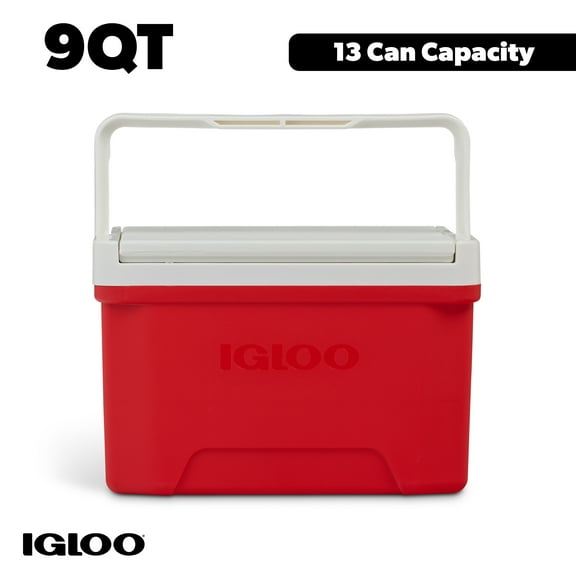

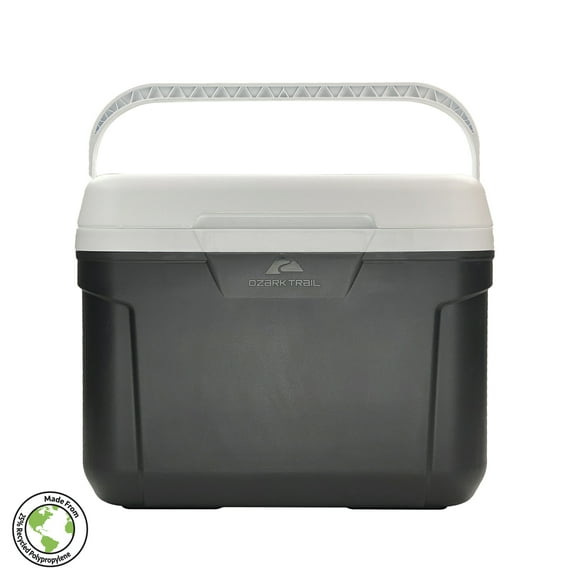


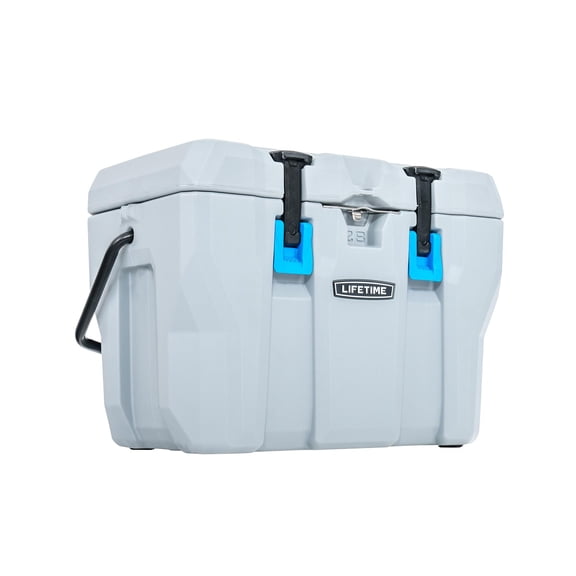


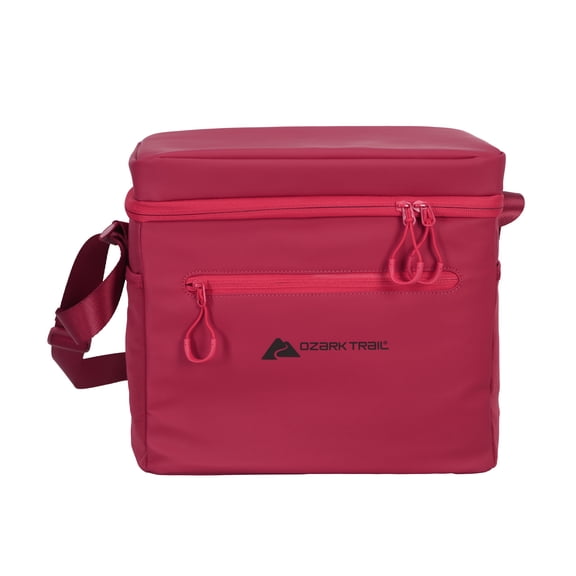








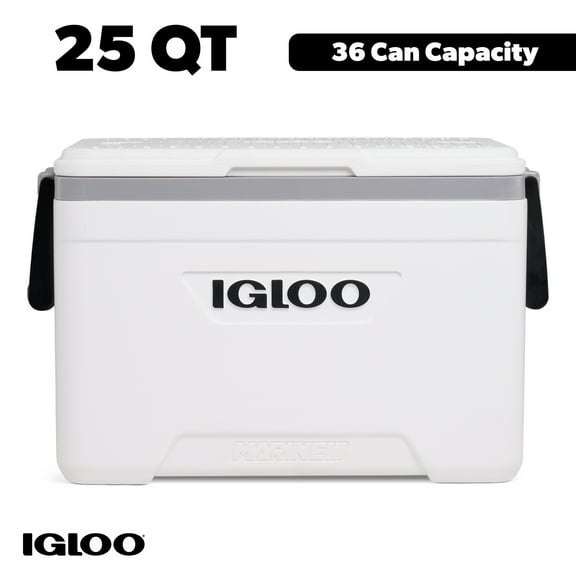


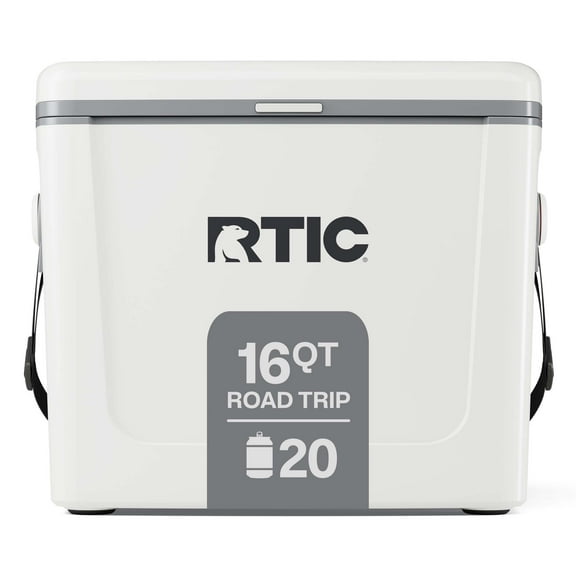


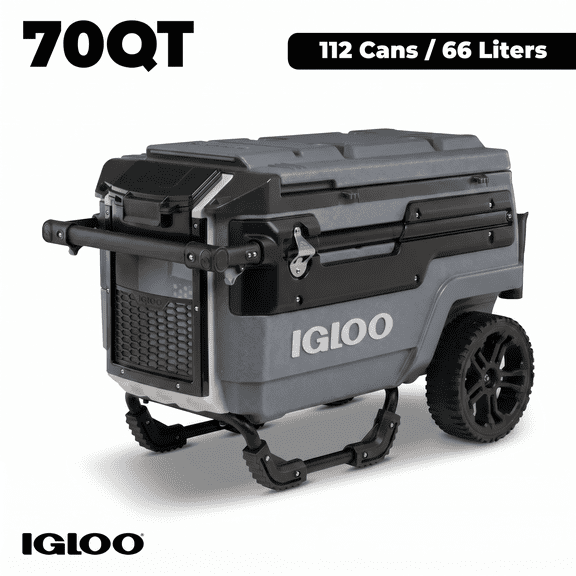


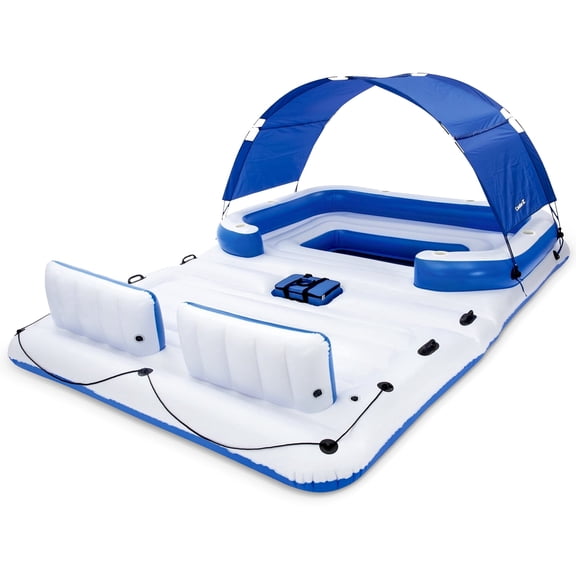


About Best Hard and Soft Coolers for Outdoor Adventures - Walmart.com
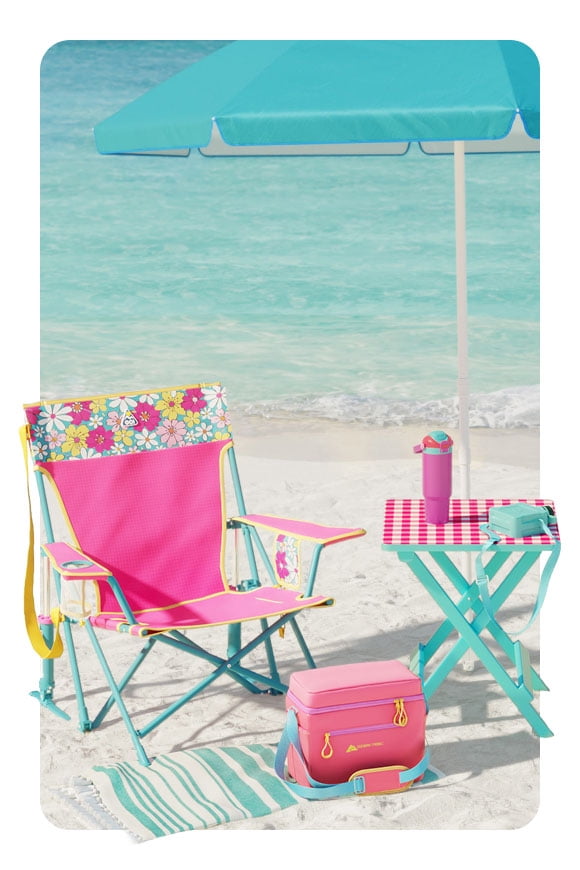
Make your July 4th plans a breeze with coolers designed for every summer celebration. Whether you're organizing a family picnic in the park, prepping for a camping trip, or gearing up for a block party, Walmart's cooler selection helps keep all your refreshments chilled and ready when it matters most.
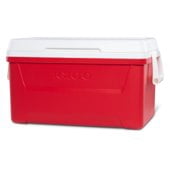
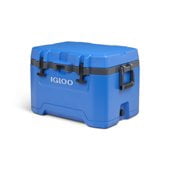
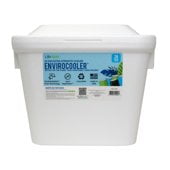
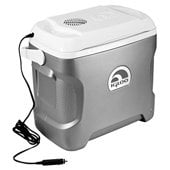
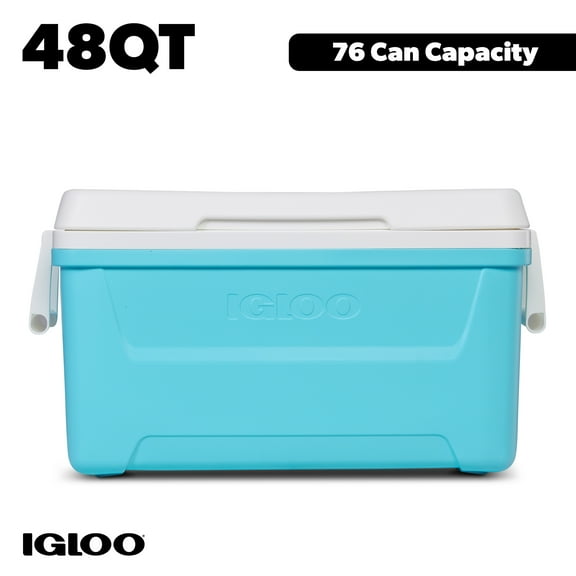
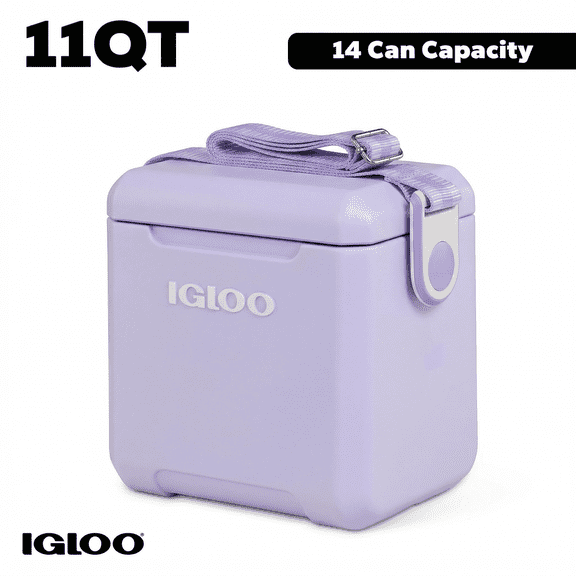
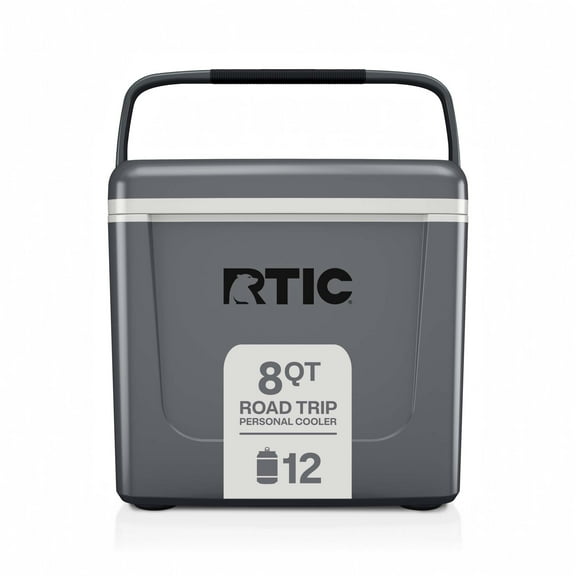
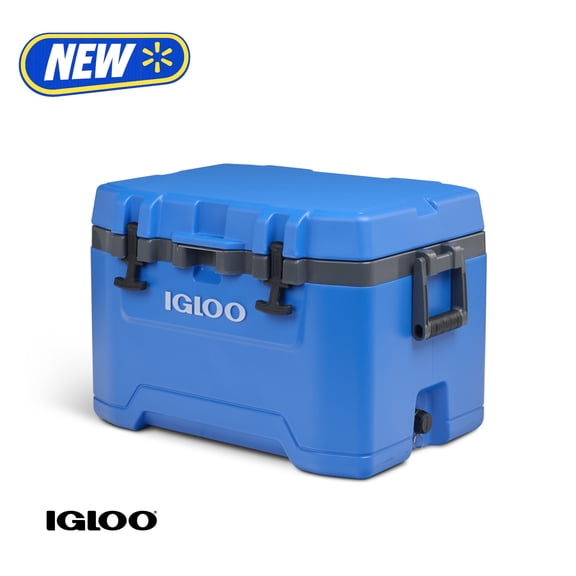
- Tailor your choice to every occasion: Find everything from compact coolers for casual outings to large ice chests suited for group gatherings, ensuring drinks and snacks stay cold no matter your event size.
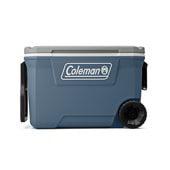
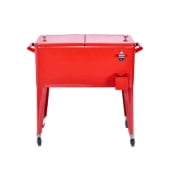
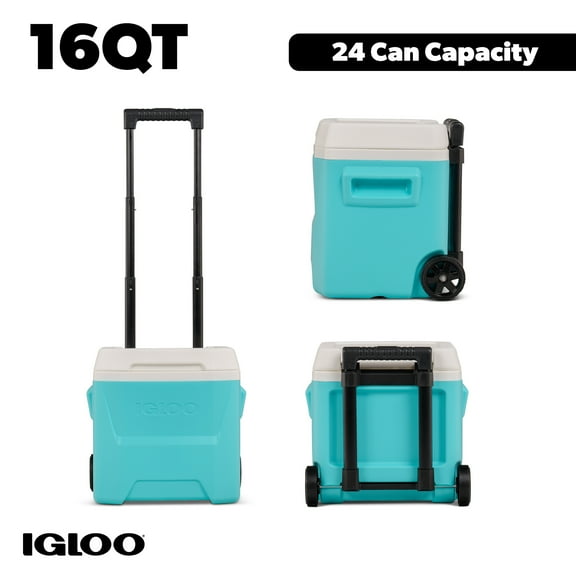
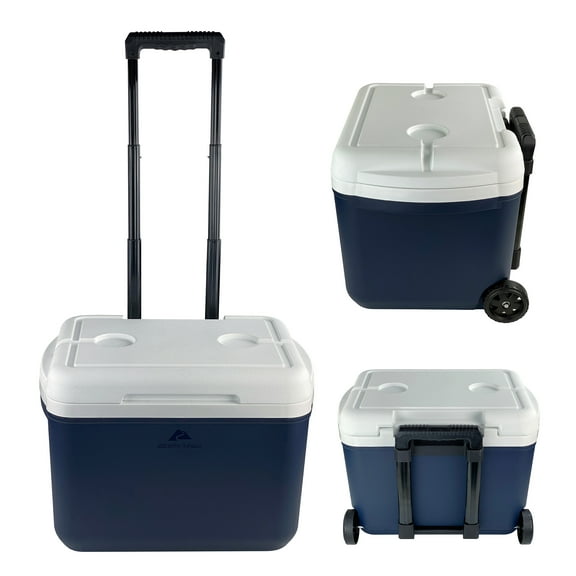
- Enjoy easy mobility and convenience: Select rolling coolers for hassle-free transport across grass, sand, or crowded venues—perfect for moving supplies without heavy lifting.
- Keep food and beverages fresh longer: Reliable ice retention lets you trust your cooler to handle multi-day festivities, road trips, or long hours outdoors without constant refilling.
- Efficient organization for busy hosts: Built-in features like smooth interiors and drains simplify cleanup after the party, so your cooler's ready to go for your next adventure.
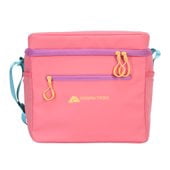
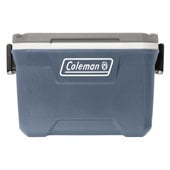
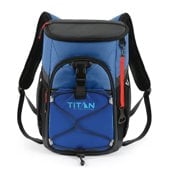
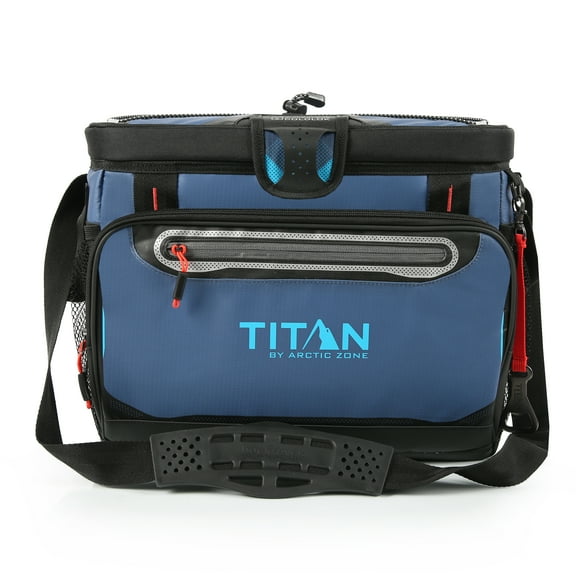
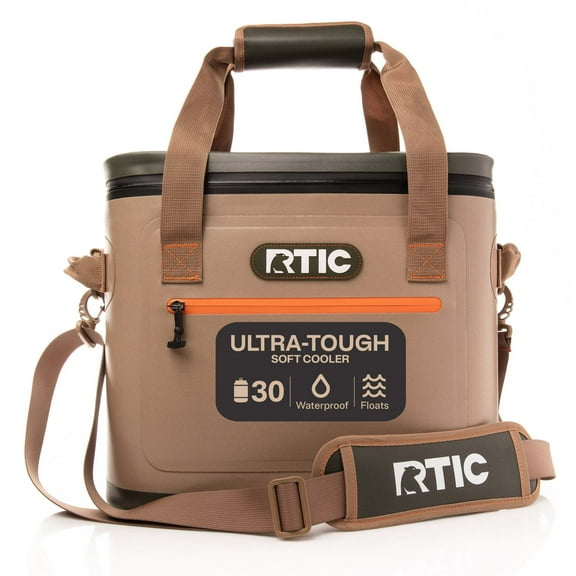
- Adapt to your style and needs: Mix and match hard-sided, soft-sided, and backpack cooler options for flexible use—great for spontaneous plans, camping, or travel.
With so many designs and sizes to choose from, you can confidently shop Walmart for coolers that match your summer activities. Find the right fit to keep every moment refreshing and every gathering memorable.