

Where to Buy Compression Sleeves Near Me | Walmart

















![Copper-Infused Compression Knee Brace Set[1 Pair] ,Specialized Knee Braces for Runner's Knee Pain Knee Support Compression Sleeves Sports Knee Braces for Meniscus Tears and](https://i5.walmartimages.com/seo/Copper-Infused-Compression-Knee-Brace-Set-2-Piece-Specialized-Knee-Braces-Runner-s-Knee-Pain-Knee-Support-Compression-Sleeves-Sports-Knee-Braces-Meni_76ff2f6a-d7c4-4461-9166-e99ee31b3df0.0fae949870161263247586464ec3867f.jpeg?odnHeight=576&odnWidth=576&odnBg=FFFFFF)





















About Where to Buy Compression Sleeves Near Me | Walmart - Walmart.com
Compression sleeves help you choose targeted support for movement, training, and daily wear. You can compare body part coverage, mmHg levels, and fabric types before you pick the right fit.
If you want steady compression without bulky wraps, you can use sleeves that slide on quickly and stay close to your shape. You can also compare single sleeves and pairs when your routine calls for one side or both.
How to choose compression sleeves by body part
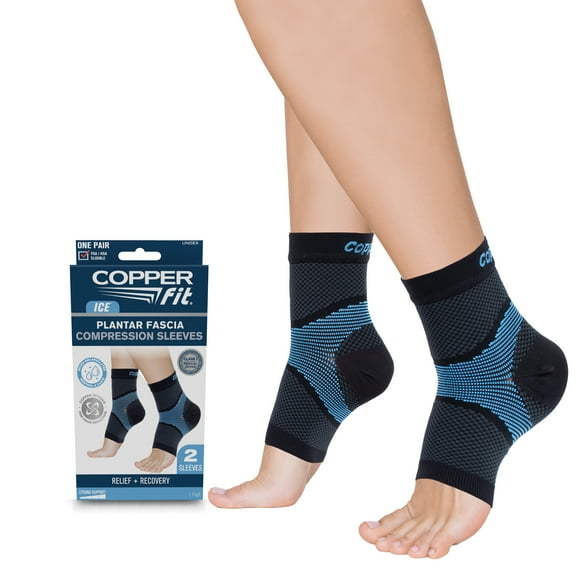
You should start with the area you want to cover, because shape affects fit and feel. You can find compression sleeves for arms, knees, calves, elbows, ankles, and wrists across many routines.
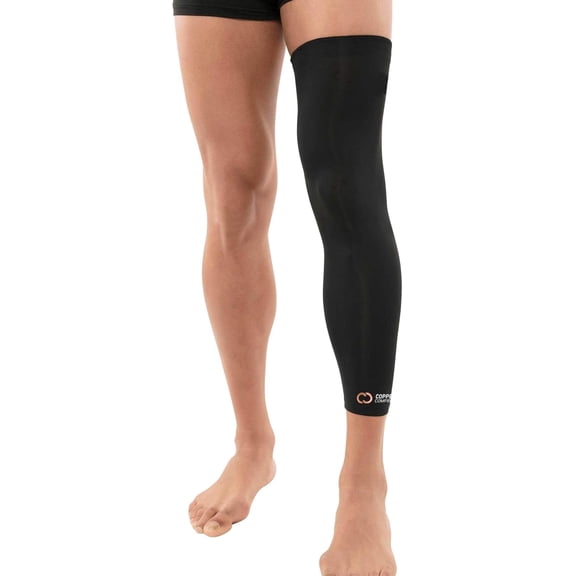
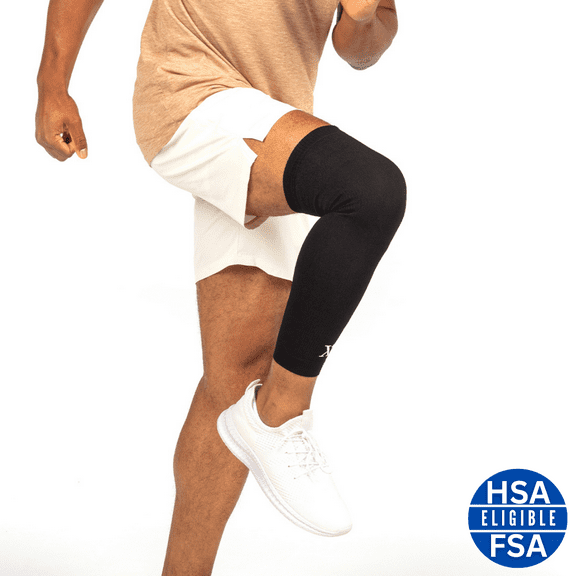
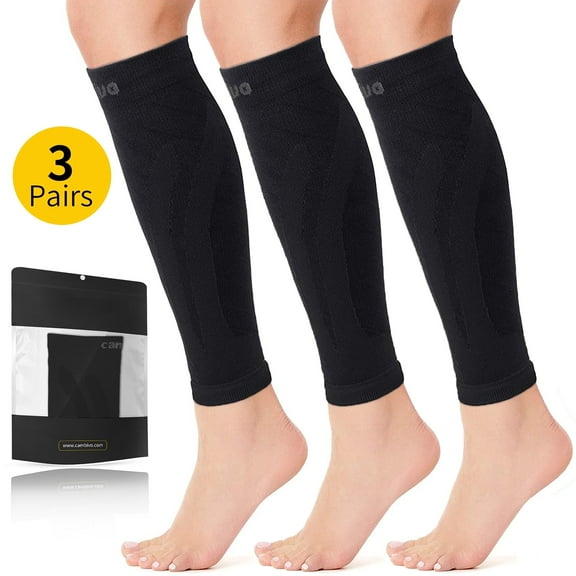
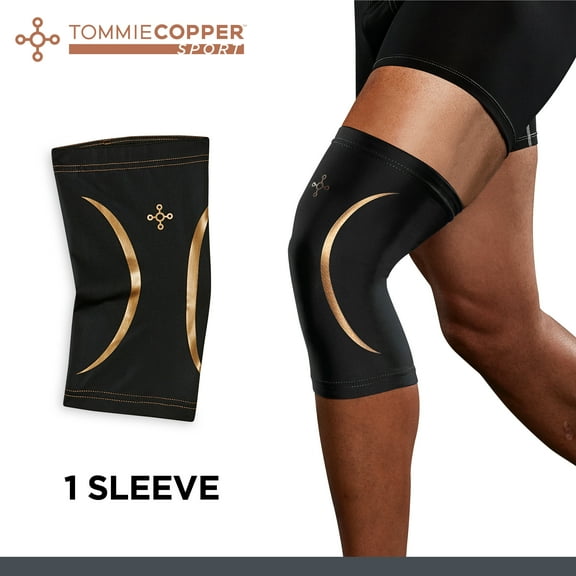
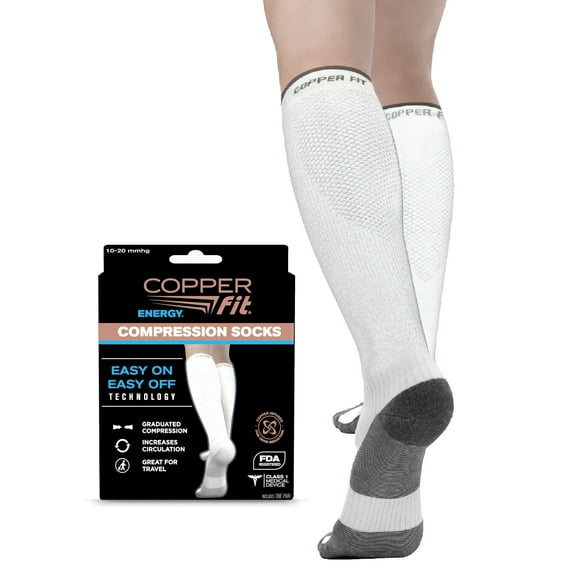
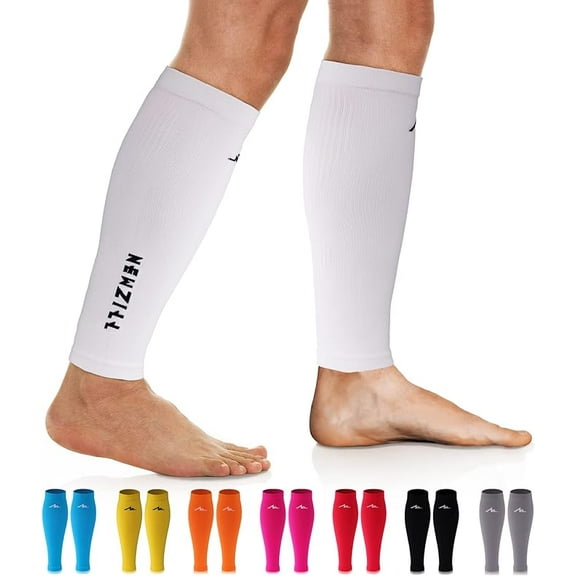
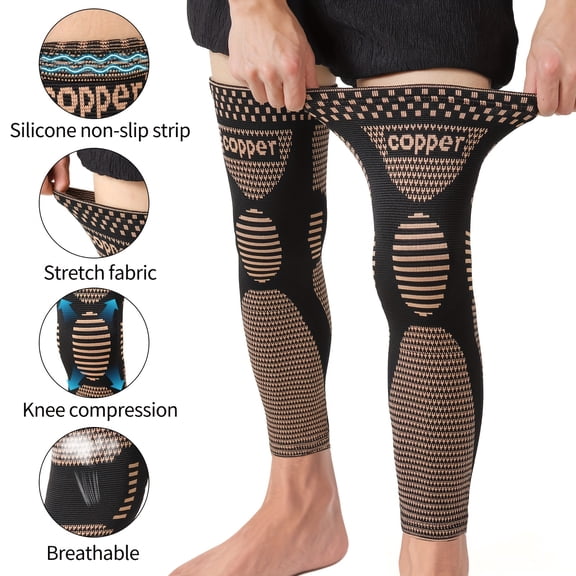
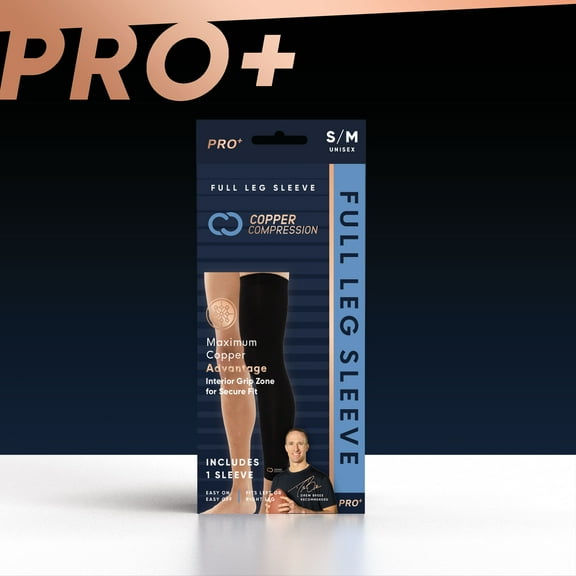
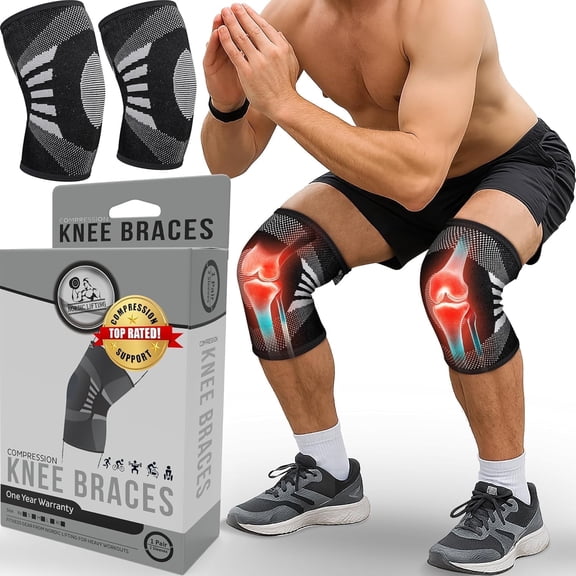
When you choose a knee compression sleeve, you usually want flex through bends, squats, and steps. When you choose calf compression sleeves, you often want a close fit that follows the lower leg.
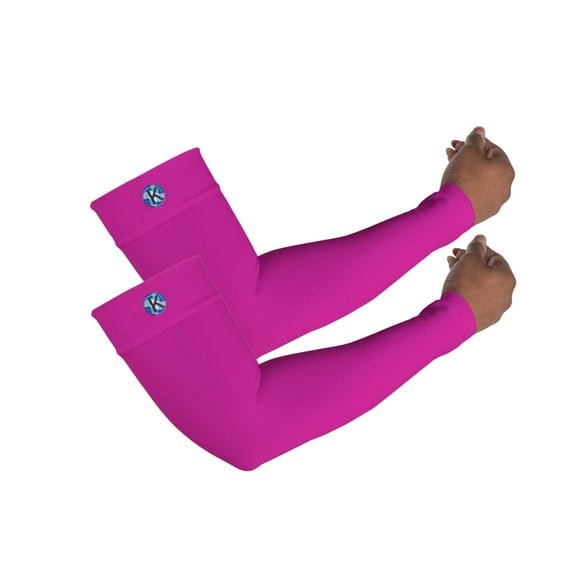
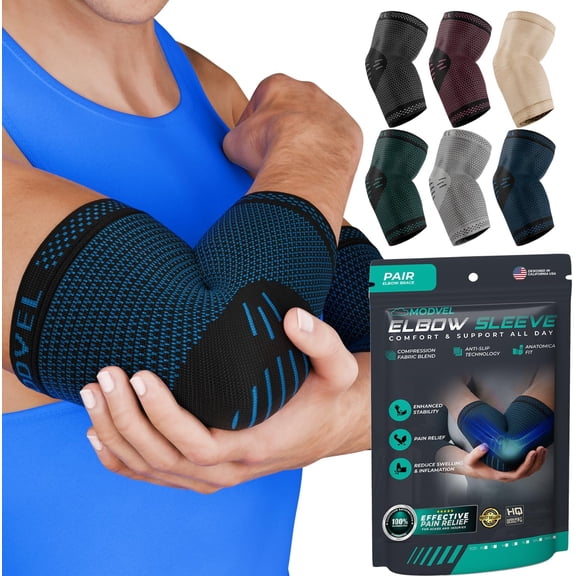
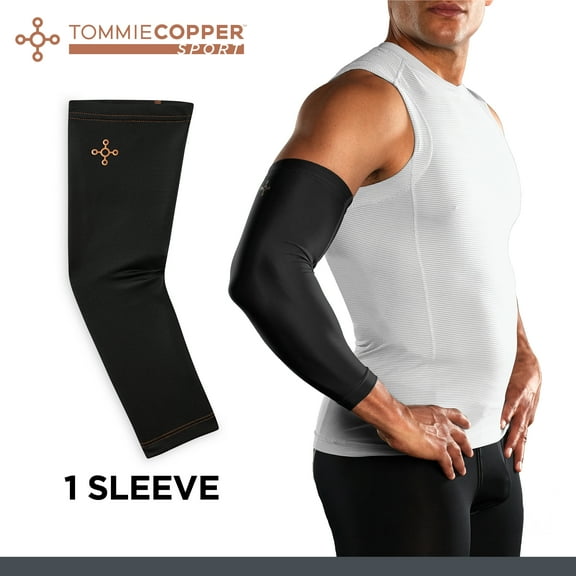
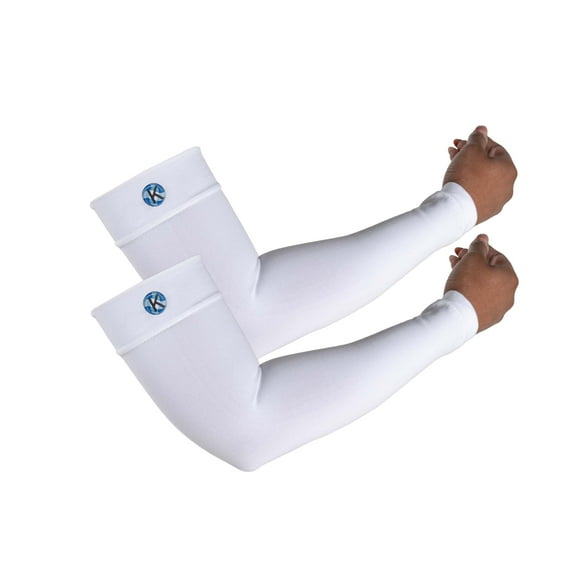
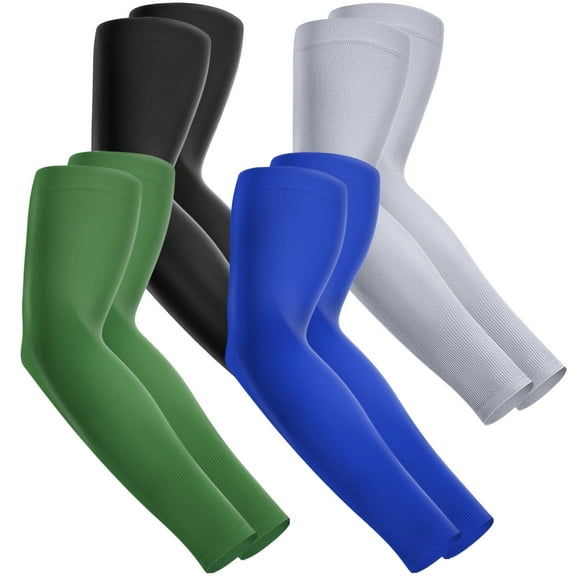
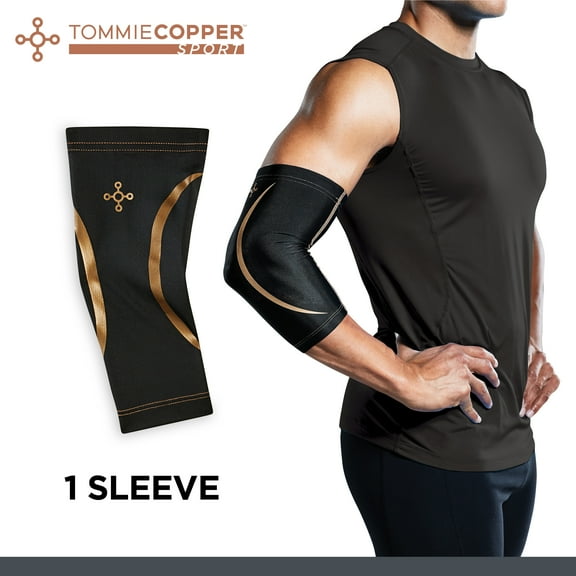
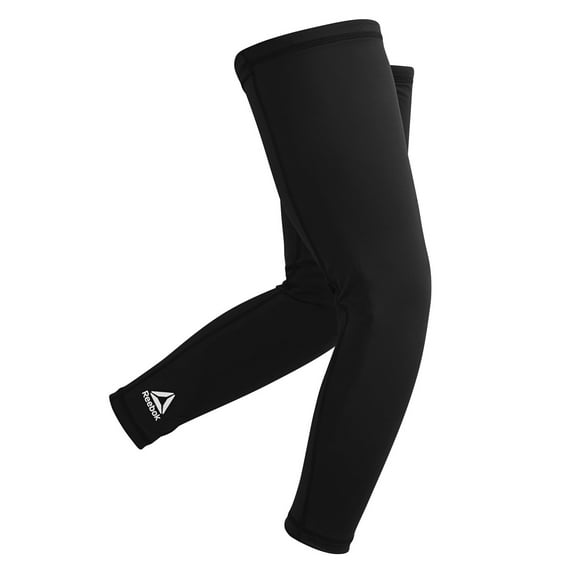
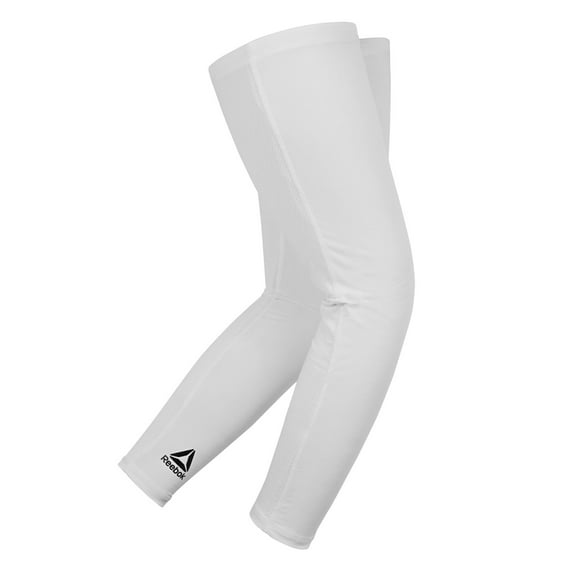
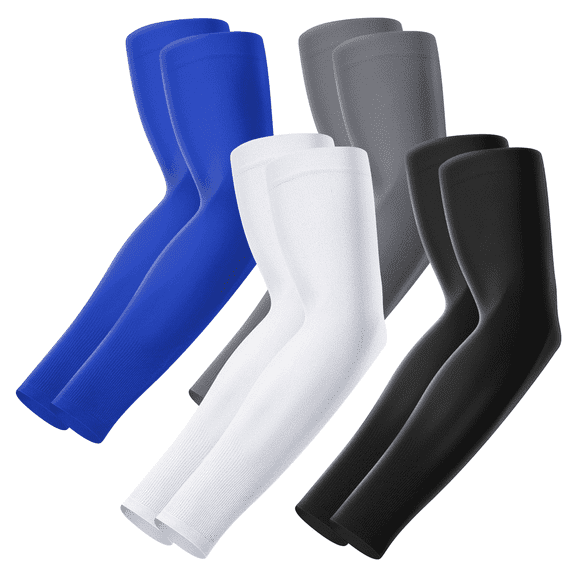
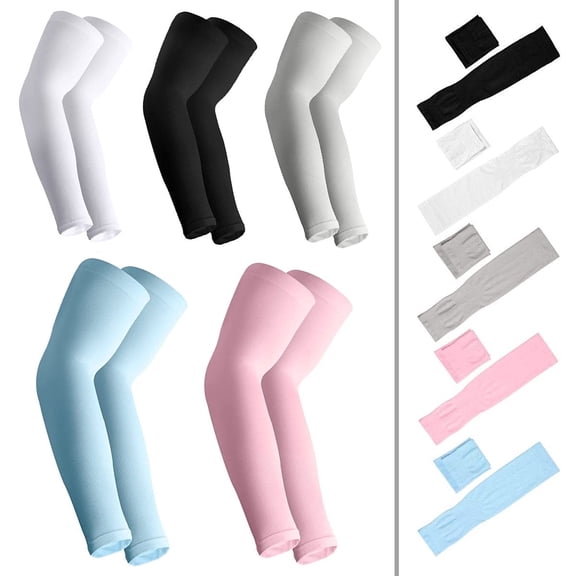
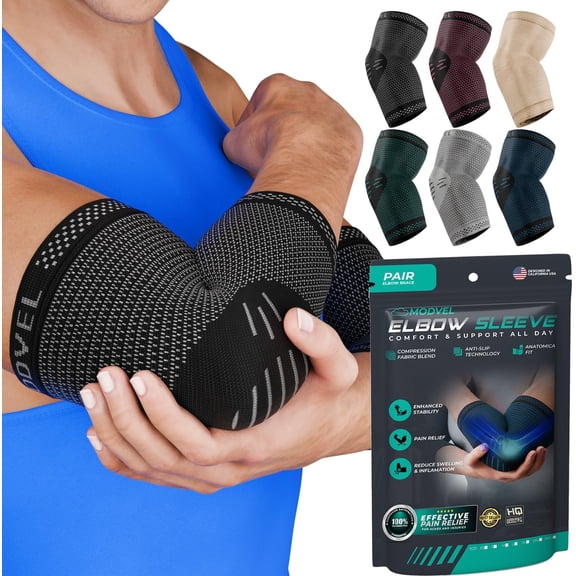
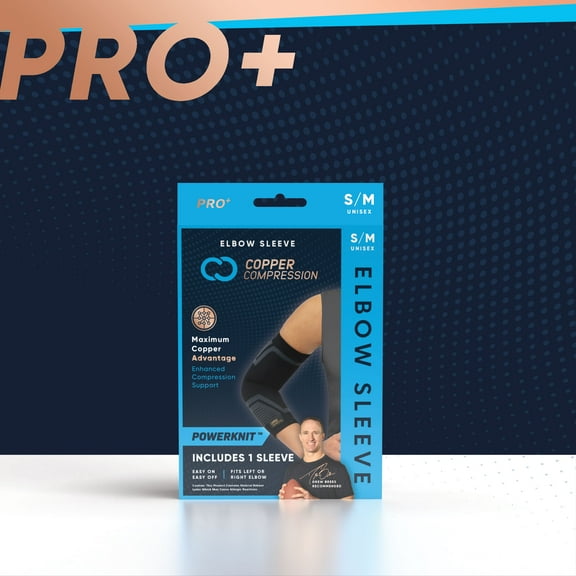
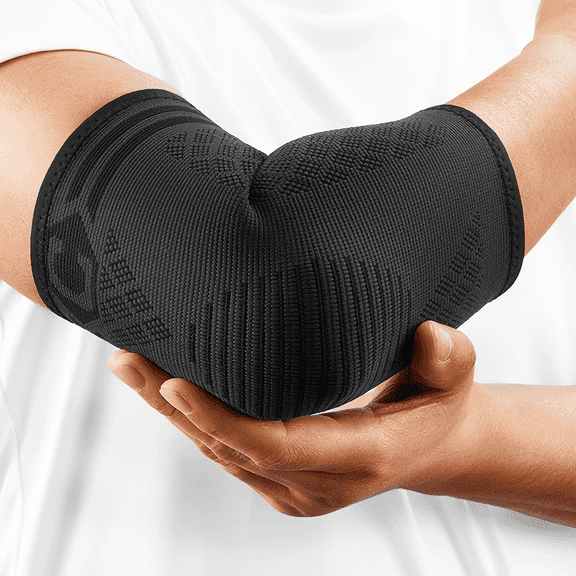
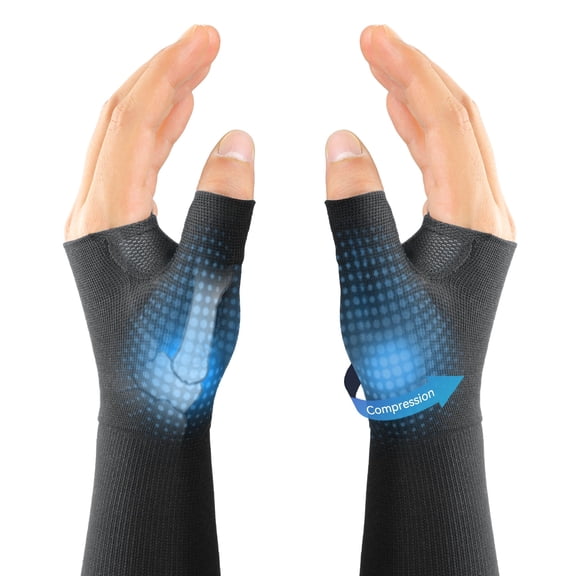
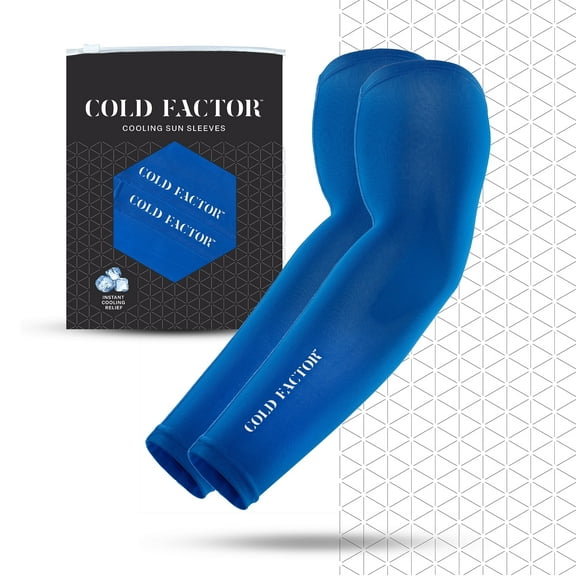
For upper-body support, you may prefer compression sleeves for arms during court sports, lifting, or long workdays. If your movement centers on a smaller joint, your elbow compression sleeve or wrist style should match that shape closely.
What benefits to look for in compression sleeves
You can use these sleeves to add consistent pressure without straps, clips, or rigid parts. You may also like how easily you can layer them under activewear or everyday clothing.
- You can get targeted coverage for one joint or limb instead of a full brace.
- You can choose breathable knits that feel lighter during long wear.
- You can compare mild, moderate, and firm pressure for different routines.
- You can select a single sleeve or a pair based on how you use them.
Because sleeves sit close to your body, you can move through walks, workouts, and warmups with less bulk. You can also pack them easily in a gym bag, desk drawer, or travel case.
If you rotate between activities, you can keep different styles for different needs. You might use a calf pair for running, then switch to an arm or elbow style later.
Understanding compression level, sizing, and fit
You should check compression ratings first, because mmHg tells you how much pressure you can expect. You can usually compare mild eight to 15 mmHg, moderate 15 to 20 mmHg, and firm 20 to 30 mmHg.
Mild levels often suit lighter daily wear when you want a gentler feel. Moderate and firm levels usually feel more secure, so you should compare them carefully with your routine.
You also need accurate sizing, because circumference measurements shape how the sleeve performs. You should measure the joint or limb where the size chart directs, then compare those numbers before choosing.
If your sleeve is too loose, you may not get the intended close fit. If your sleeve is too snug, you may prefer another size or a different compression rating.
You should also compare sleeve length, because coverage changes from one body part to another. A knee style, arm style, and calf style each use different proportions for a secure feel.
Choosing materials for breathability and feel
You can compare fabric blends by how they feel during motion and longer wear. Nylon-spandex blends usually give you stretch, while breathable knit options can feel lighter and more flexible.
If you want a structured feel, you may look at neoprene styles for a thicker build. If you want a softer everyday option, you may prefer knit or stretch-blend designs.
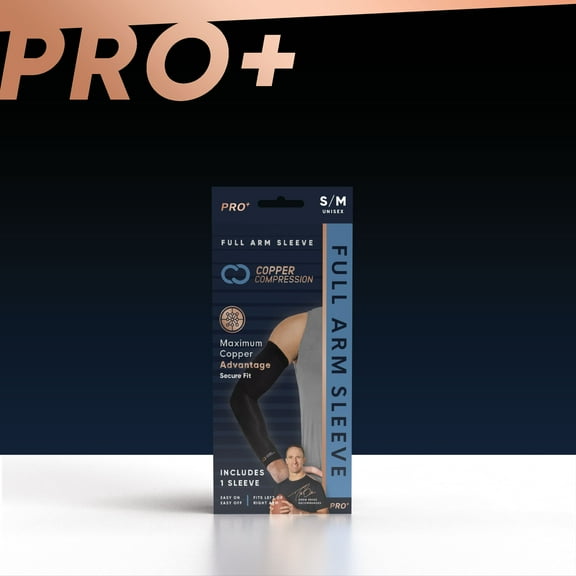
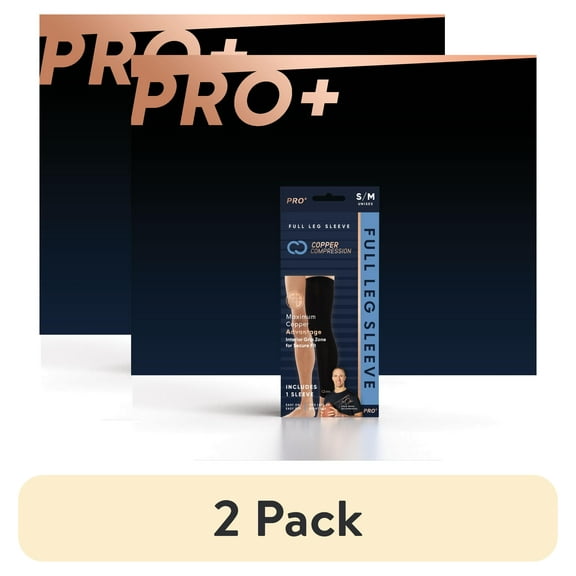
You may also notice a copper compression sleeve when you compare material options. If that finish matters to you, you should still check the base fabric, stretch, and sizing chart.
For active routines, you should look for moisture-wicking construction that helps your sleeve feel drier during movement. For desk time or travel, you may focus more on smooth seams and all-day comfort.
Matching compression sleeves to your routine
You can match sleeve type to what you actually do each day. For running or court sports, you may want calf compression sleeves or arm styles that stay light and flexible.
During lifting or gym sessions, you may look for a knee compression sleeve that follows repeated bends. For work, travel, or home routines, you may prefer a simpler knit style with moderate compression.
If you need only one side covered, you can choose a single sleeve to match that plan. If you want balanced wear on both legs or arms, you can compare pair packs instead.
You should also think about what you wear over or under the sleeve. A low-profile design can fit more easily under pants, long sleeves, or athletic layers.
Key questions to compare before you choose
You can narrow your options faster when you compare a few details side by side. You should check body part, mmHg range, material, pack size, and your measurement before deciding.
If your routine changes during the week, you may want more than one sleeve type on hand. That approach can help you keep the right coverage for training days, workdays, and travel.
When you compare compression sleeves this way, you can choose with more confidence and less guesswork. You end up with a closer fit, the right coverage, and a design that suits your routine.