

Small Heaters in Space Heaters
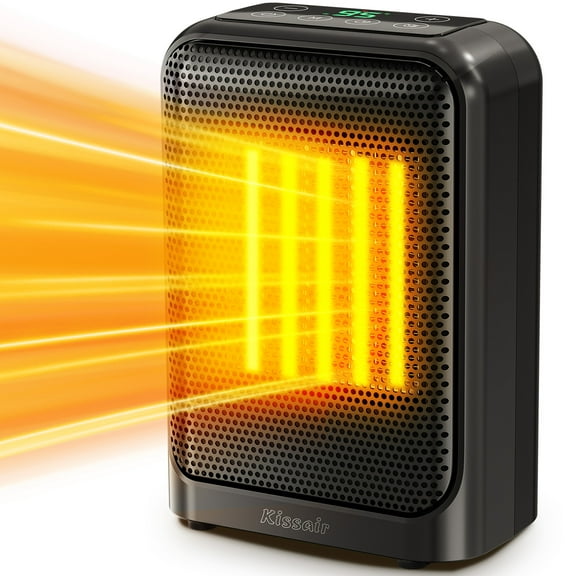


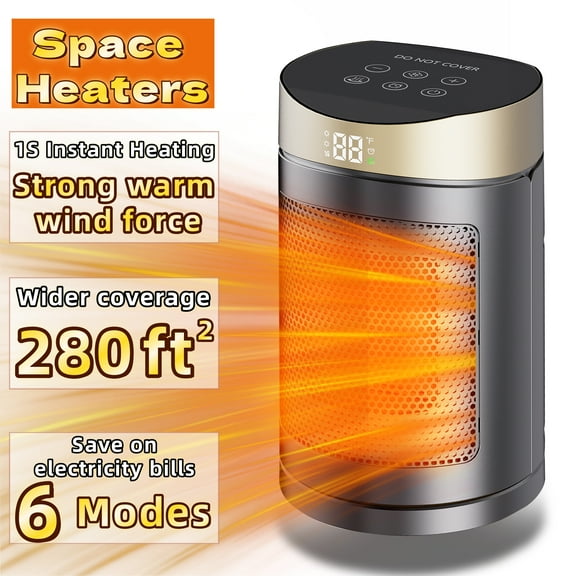
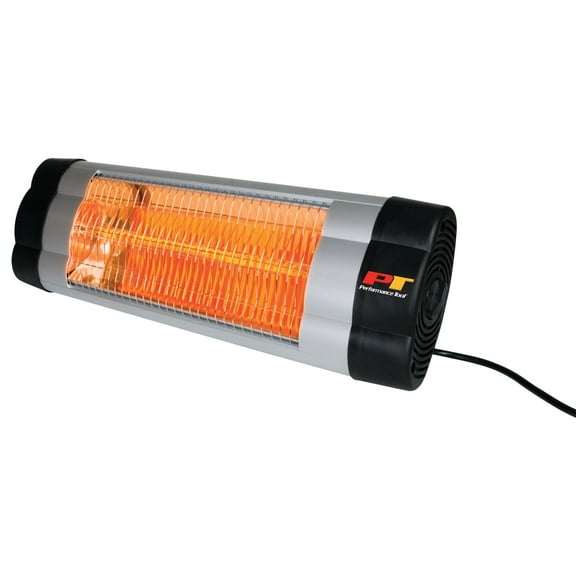
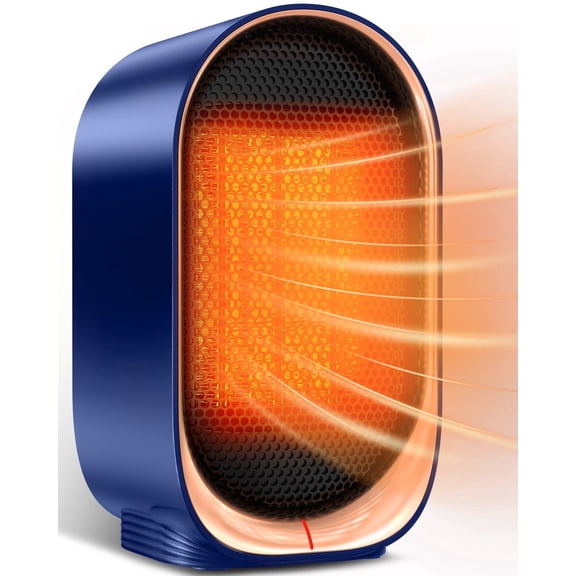






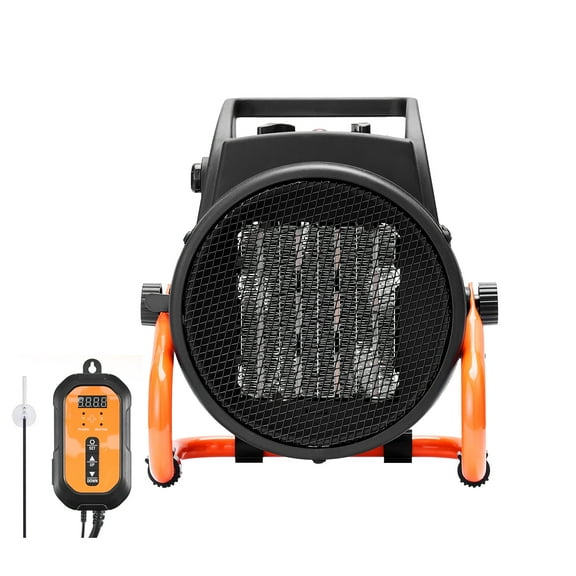


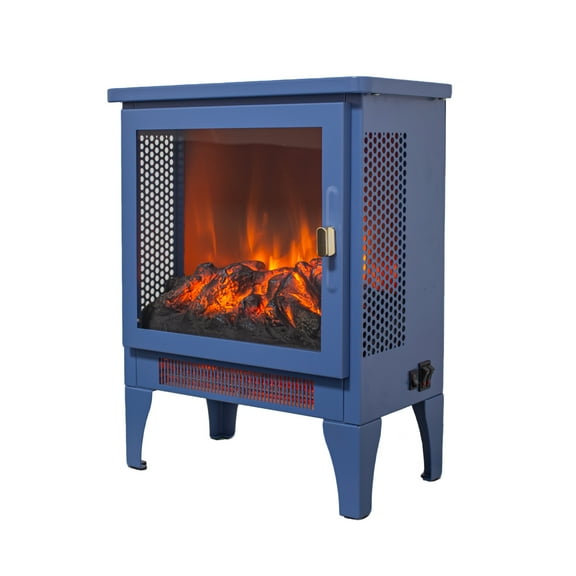


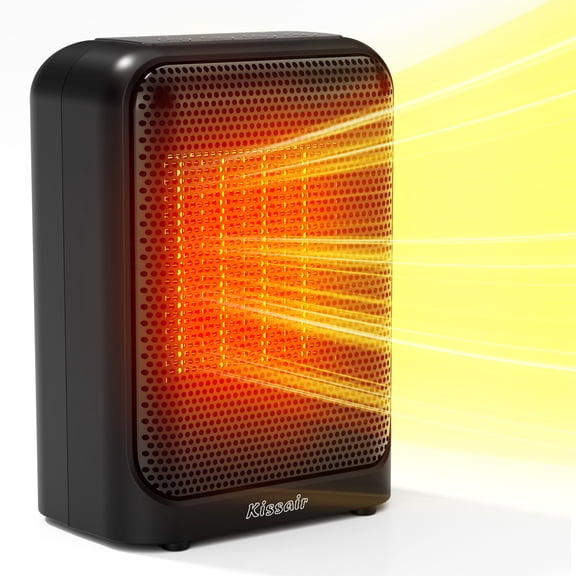


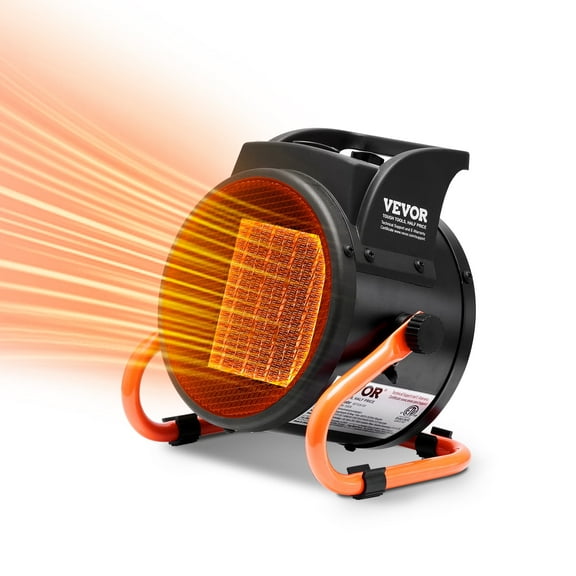












About Small Heaters in Space Heaters - Walmart.com
You can compare space heaters by room size, heating style, and safety details, so your next cold-weather setup fits your space more precisely. You’ll also find options for desks, bedrooms, and shared living areas, where simple controls are key.
How to choose space heaters for your room
Start with your room size, because your heater’s wattage affects how much area you can warm comfortably. You should compare personal, small-room, and large-room models before you focus on extra features.
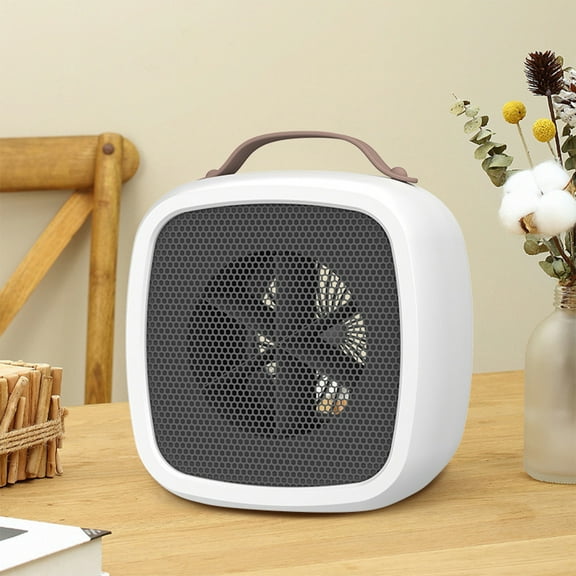
For a desk nook or bedside area, you may prefer lower-wattage indoor space heaters with compact footprints. For larger spaces, you should look for higher wattage and wider heat distribution.
You can use wattage as a quick guide when you compare options across the category. Open layouts typically require higher wattage, while enclosed rooms with doors remain warm with lower output.
- You can match personal heaters to close-range use, such as desks, vanities, and reading corners.
- You can choose small-room models for bedrooms, nurseries, and home offices with limited floor space.
- You can compare large-room heaters when you need broader coverage in living rooms or finished basements.
- You should check timers and eco modes if you want more control over daily operation.
Choosing the right electric space heaters
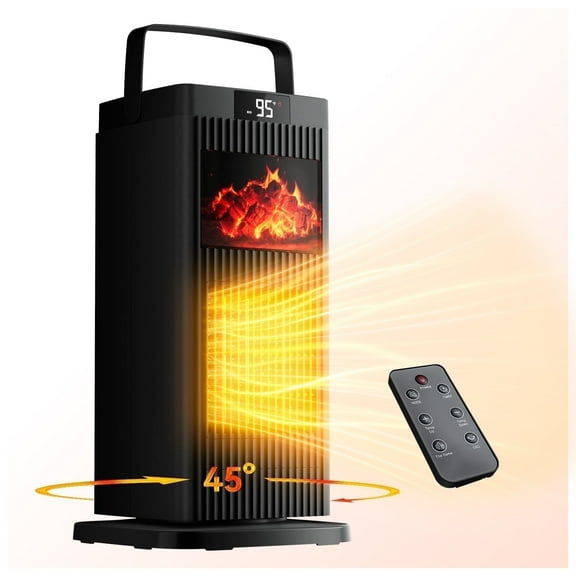
You’ll notice electric space heaters dominate many indoor setups because they’re simple to place and easy to control. You can compare digital panels, remote controls, oscillation, and programmable timers for more convenient daily use.
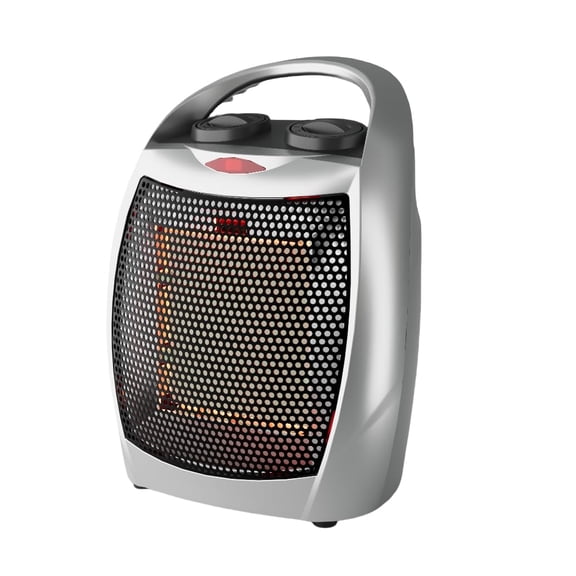
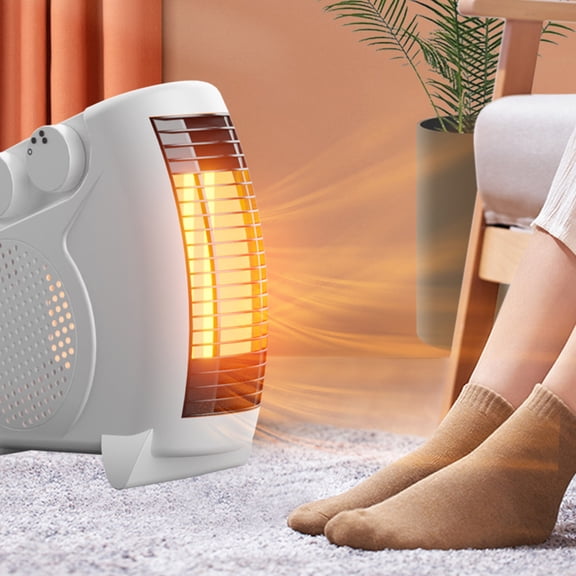
When you review heating technology, you should think about how warmth feels in your room. Ceramic space heaters usually deliver quick heat with fan assistance, while infrared heaters focus warmth on people and nearby objects.
If you want quieter operation, you may compare oil-filled designs that warm gradually without a constant fan sound. If you want faster airflow, you can look at fan-forced units that push heat across the room.
You should also check whether your preferred model uses eco settings that help regulate output during longer run times. You’ll appreciate that feature when your room temperature changes throughout the day.
What to look for in portable heaters
Portable heaters work well when you want flexibility between rooms, apartments, and workspaces. You can easily move them between rooms, unlike fixed, built-in heating systems.
Before you choose one, you should measure your floor area and think about where the heater will sit. You’ll want a size and shape that fit under tables, beside sofas, or along bedroom walls.
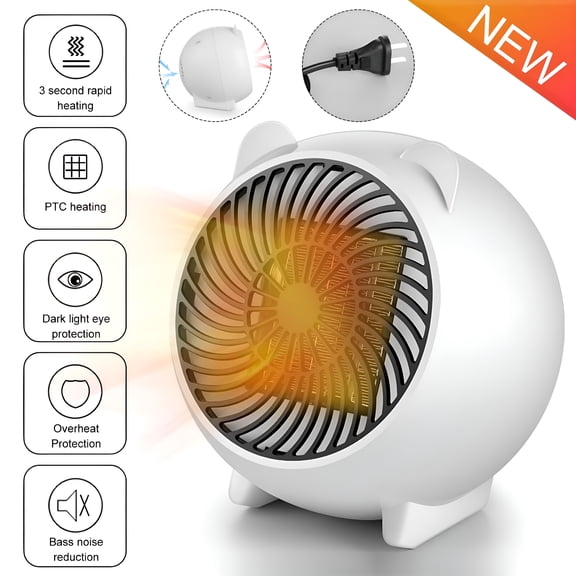
You should compare safety features carefully if your household includes kids or pets. You’ll often want tip-over protection, overheat protection, and a cool-touch exterior for more confidence during everyday use.
Auto shut-off features matter because you may need a heater that stops running if it tips or gets too warm. You can also look for stable bases and easy-to-read controls for faster daily adjustments.
Comparing heating technology and everyday features
You can narrow your options faster when you compare how each heating style works in real spaces. Ceramic models often suit quick warmups, while infrared styles may feel more direct in focused seating areas.
Oil-filled heaters can make sense when you want steady heat and quieter performance in bedrooms or study spaces. Fan-forced heaters may fit busier areas where you want faster circulation and noticeable airflow.
You should also compare thermostat controls, oscillation, and timer ranges before you choose. You’ll benefit from those details when you want your heater to cycle more predictably during mornings and evenings.
Power source can shape your choice as well, especially if you’re comparing electric, propane, or natural gas designs. For many indoor shopping needs, you’ll likely focus on electric models with plug-in convenience.
Matching indoor space heaters to your routine
You may want indoor space heaters for early mornings in a home office or late evenings in a bedroom. You can also use them in finished basements, reading corners, and drafty family rooms.
If you work from home, you might prefer a compact ceramic unit with oscillation and a timer. You’ll get targeted warmth near your desk without giving up too much floor space.
For shared rooms, you may lean toward a larger tower heater with adjustable settings and broader airflow. You can spread warmth across seating areas while keeping controls simple for everyone at home.
If noise matters, you should compare oil-filled options for calmer spaces and fan-forced models for quicker output. You’ll hear that difference clearly in bedrooms, nurseries, and media rooms.
You can feel more confident choosing space heaters when you compare wattage, heating technology, portability, and built-in safety details together. You’ll end up with a heater that fits your room, your routine, and your comfort preferences more closely.