

Compact Circular Saws & Mini Saws | Walmart













About Compact Circular Saws & Mini Saws | Walmart - Walmart.com
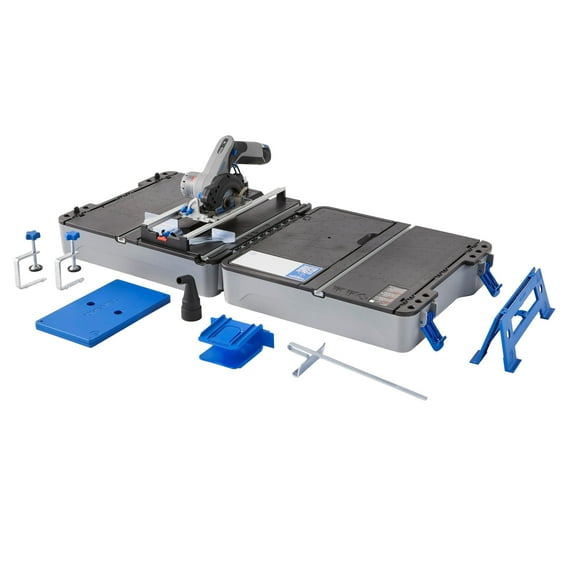
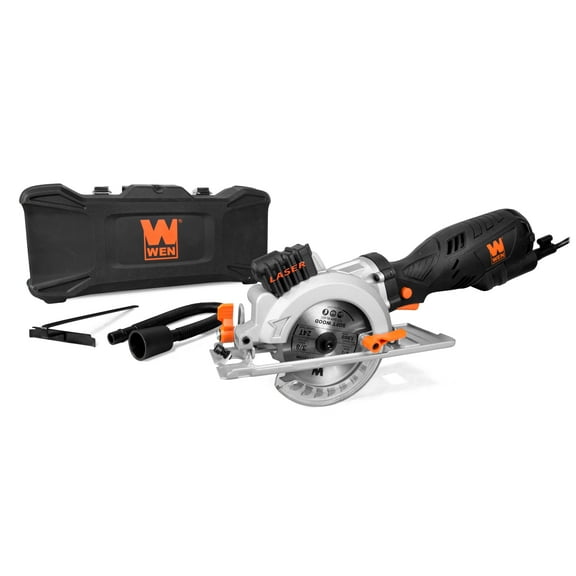
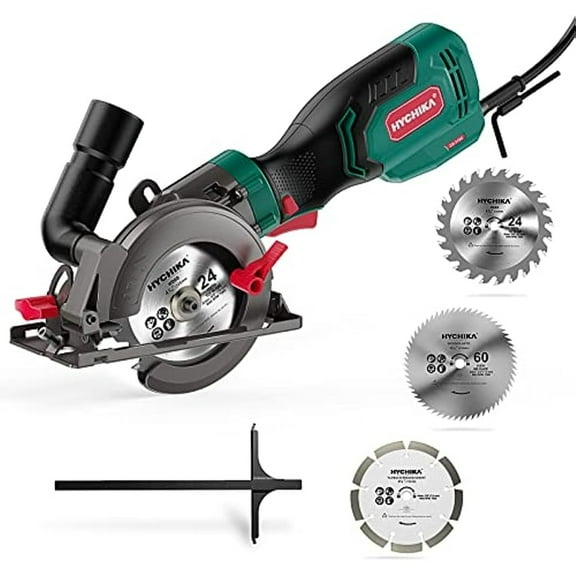
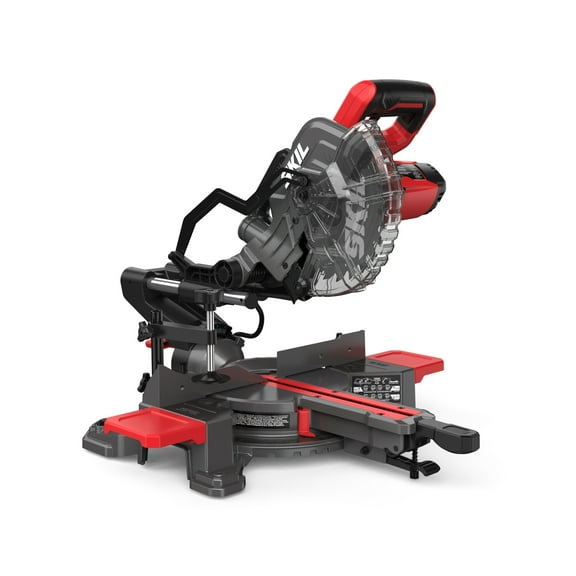
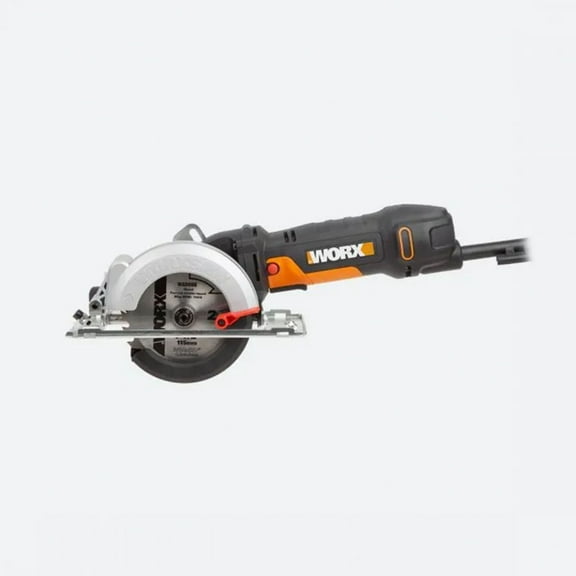
When you need a compact circular saw for trim work or tight cuts, you can compare sizes, power options, and depth capacity with confidence. You’ll find these tools fit smaller spaces than full-size saws, and you can guide many models with one hand for quick, controlled passes.
How to choose a compact circular saw
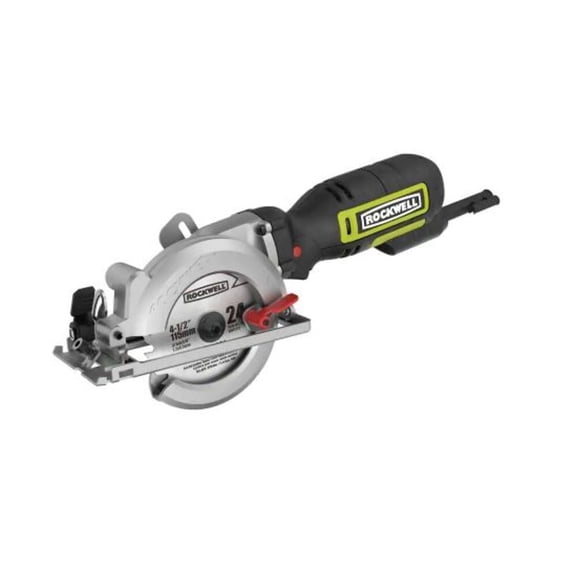
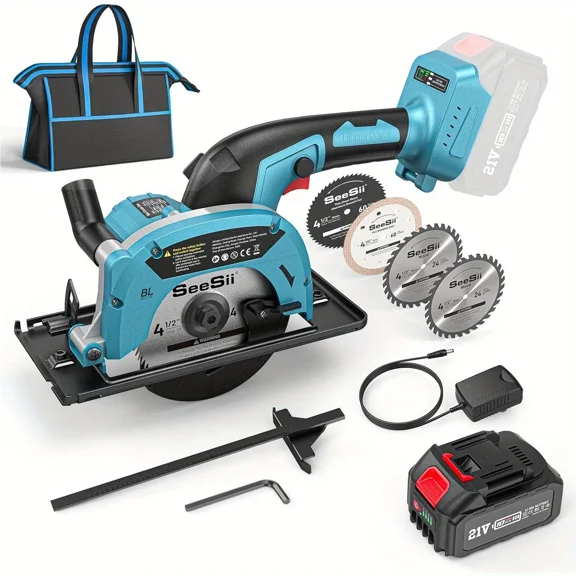
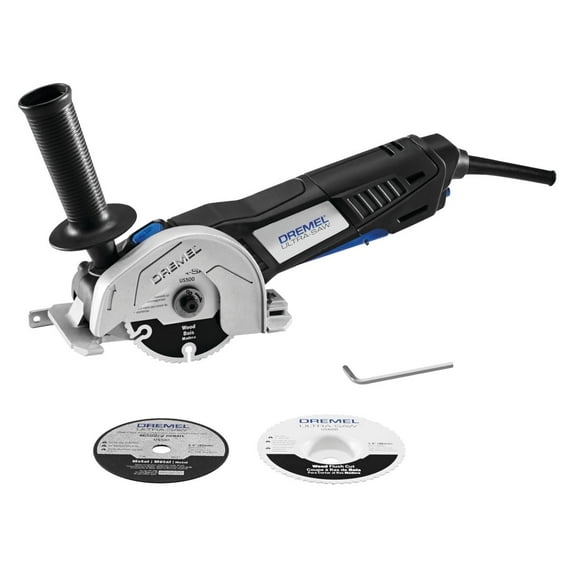
You should start with the cuts you make most often, because blade diameter changes reach, control, and finish quality. You’ll usually see compact designs in 3 inch, 4-1/2 inch, and 5-1/2 inch formats.
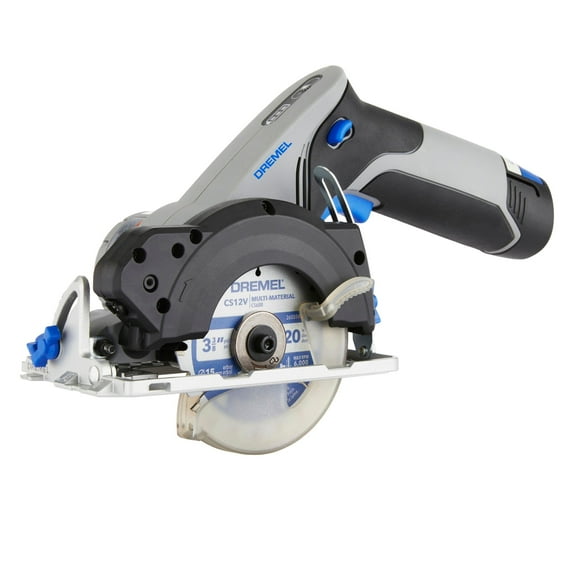
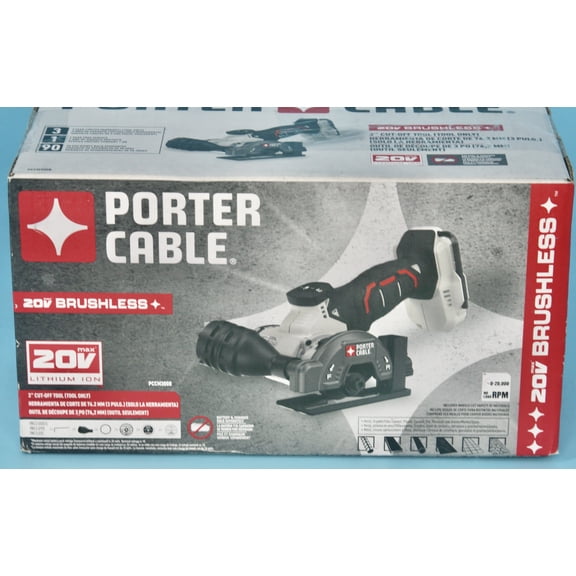
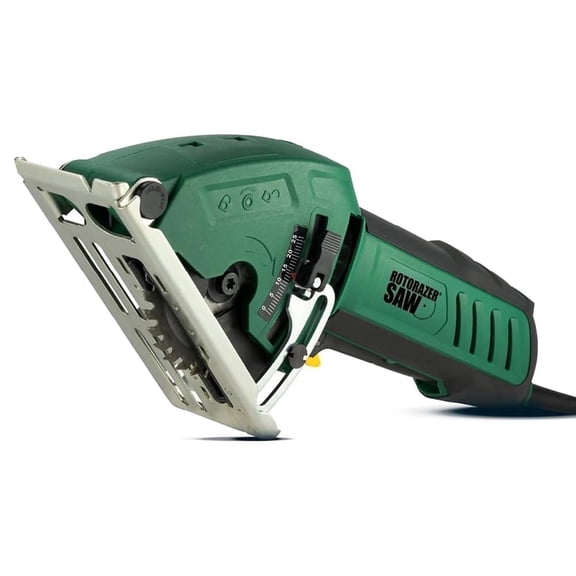
A 3 inch circular saw helps you handle thin materials, quick touchups, and narrow working areas. A 4-1/2 saw gives you a wider cutting path and added depth for common DIY boards.
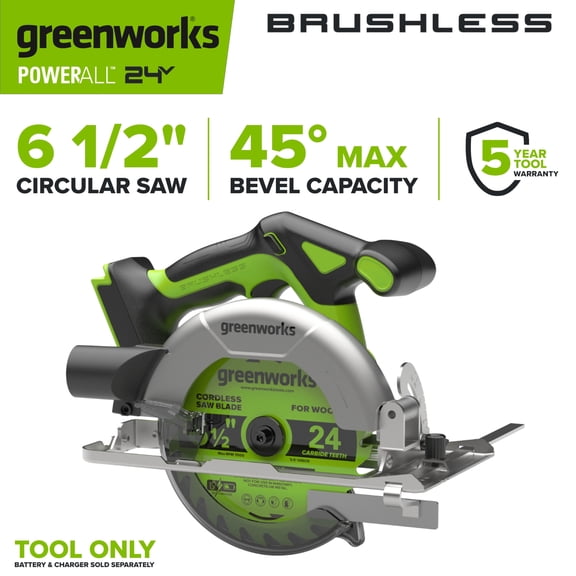
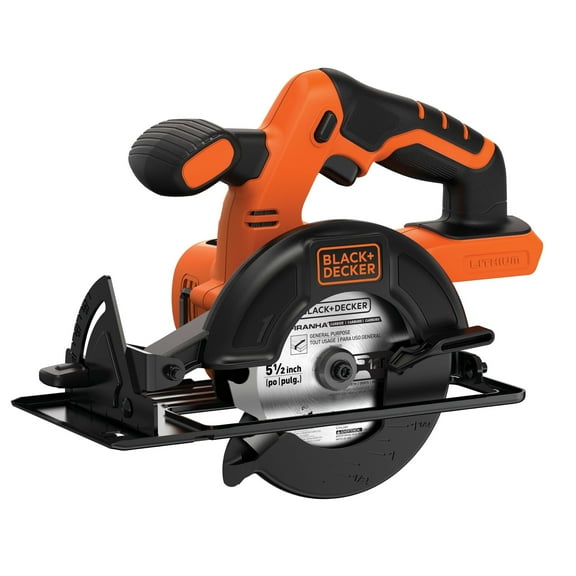
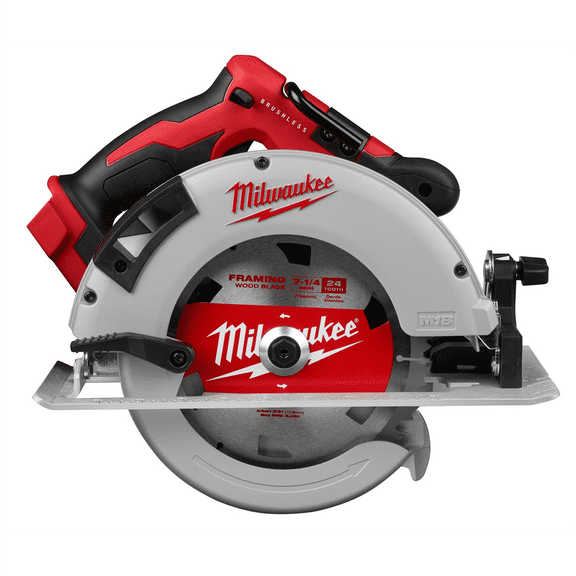
If you want more reach on framing lumber or sheet goods, you may compare 5-1/2 inch options. You’ll often trade a little size for extra capacity, so you should balance depth with handling.
What you gain from a small lightweight circular saw
You can move through overhead, vertical, and close-quarters cuts with less bulk than a larger saw. You’ll notice that a small lightweight circular saw can feel easier to position along shelves, flooring edges, and wall panels.
One-handed designs help you keep your line of sight clear during shorter cuts. You can also carry a small powered saw between rooms, garages, and outdoor work areas with less effort.
- You can make plunge-style starter cuts in thinner materials with more control.
- You can work along cabinets, baseboards, and corners where larger saws feel awkward.
- You can choose cordless formats when you want mobility across the job.
- You can compare lighter builds when you expect frequent repositioning.
If you handle detail work, you may want a tool that starts fast and stores easily. You’ll also appreciate a compact shape when your workspace includes benches, sawhorses, or crowded shelves.
Choosing blade diameter and cutting depth
You should compare blade diameter with the thickness of the material you cut most often. You’ll generally get shallower cuts from a circular saw 3 inch format than from larger compact options.
When you review cutting depth capacity, you should check the maximum depth at 90 degrees and 45 degrees. You’ll want those numbers to match your boards, panels, flooring pieces, or trim stock.
Some compact saws offer around 1-11/16 inch depth, while others reach 2 inch capacity. You can use that difference to decide whether you need cleaner trim cuts or more flexibility on thicker stock.
Bevel adjustment also matters when you plan angled edges, mitered trim, or fitted panels. You should look for clear markings and simple lock controls so your angle changes stay easy to repeat.
Comparing cordless, corded, and voltage options
You can choose cordless models when you want freedom to move around ladders, driveways, or unfinished rooms. You’ll avoid managing a power cord, which can help when you switch positions often.
If you compare voltage, a 12V model usually suits lighter tasks and compact storage needs. A 20V model often gives you more power for repeated cuts, longer sessions, and thicker materials.
Battery amp-hours tell you how long you can work before recharging. You should think of higher amp-hours as longer runtime, which helps when your project includes many repeated cuts.
Corded options make sense when you work near an outlet and want steady output for extended sessions. You can keep cutting without planning around battery charging or spare packs.
What to look for in blades, RPM, and material compatibility
You should match blade type to the material, because the wrong blade can leave a rougher finish. You’ll often compare wood blades, metal-cutting blades, tile blades, and multi-material options.
Tooth count, or TPI, affects how your cut looks and how quickly you move through material. You can choose fewer teeth for faster cuts, while you may prefer more teeth for smoother edges.
RPM describes blade speed, and you should read it as a clue about cutting pace and finish. You’ll want to pair RPM with the right blade, since speed alone doesn’t define the result.
Blade compatibility matters if you already own accessories or plan to replace blades often. You should check arbor size and the exact blade diameter so your setup stays simple.
Matching design style to real projects
You can use a compact circular saw for flooring touchups, plywood breakdown, shelving cuts, and quick trim adjustments. You’ll find one-handed and lightweight styles especially useful when your cuts happen in narrow or finished spaces.
For cabinet work or small repairs, you may lean toward a 3 inch circular saw with cordless power. You can keep it nearby for quick passes on paneling, thin boards, and light sheet material.
If your project includes studs, thicker boards, or repeated straight cuts, you may prefer a 4-1/2 inch or 5-1/2 inch model. You’ll gain added depth capacity while still keeping a smaller footprint than a full-size saw.
When you compare ergonomics, you should check handle shape, trigger placement, and sightline visibility. You’ll want a design that feels balanced in your hand and easy to guide across the cut line.
You can narrow your choice faster when you compare blade size, power source, voltage, and depth together. You’ll end up with a tool that fits your workspace, your material list, and your cut path with cleaner control.