

Small Microwaves in Microwaves










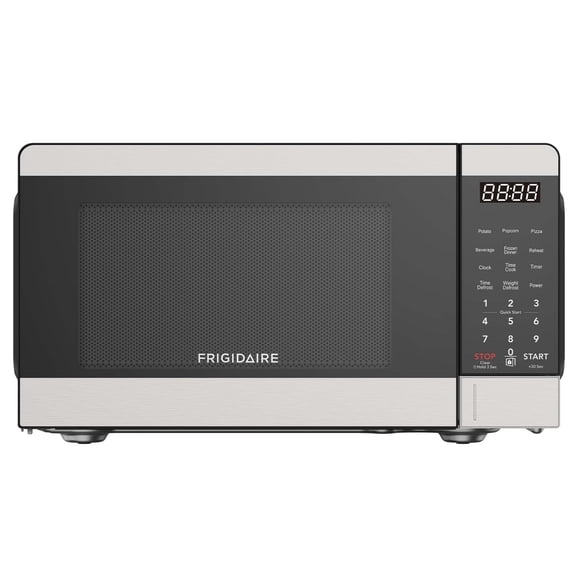
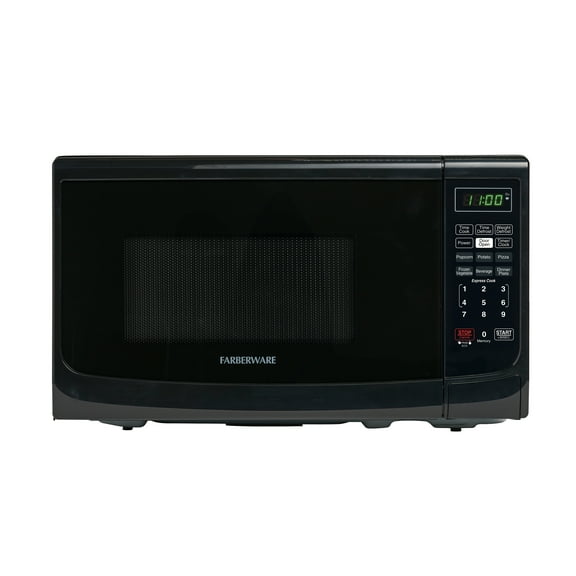


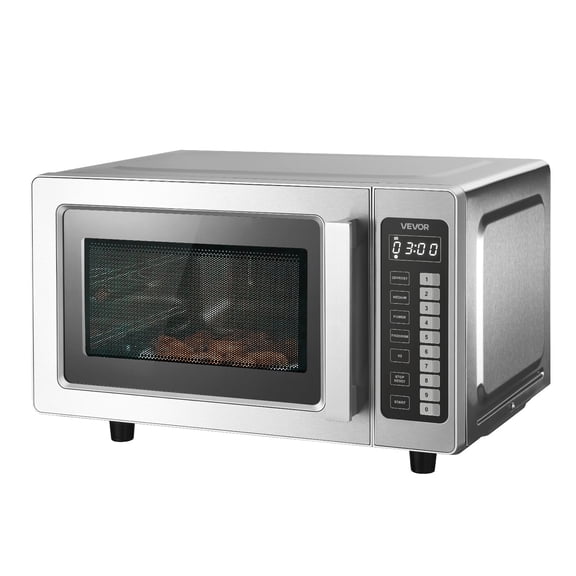


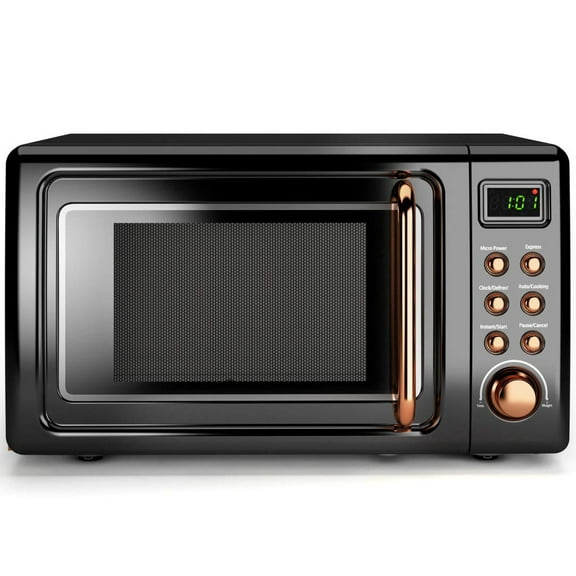






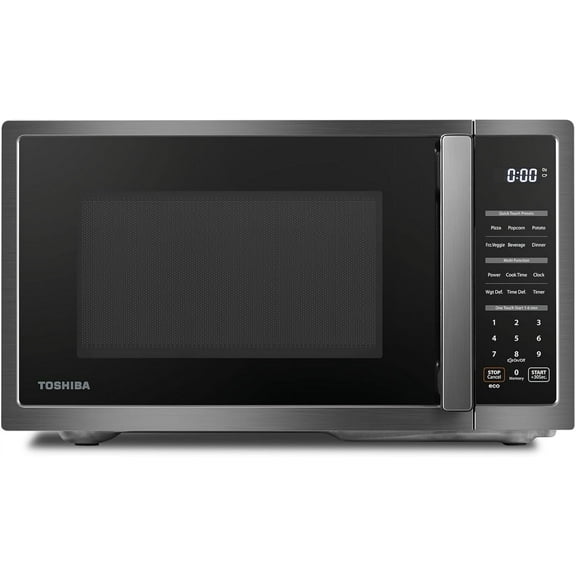
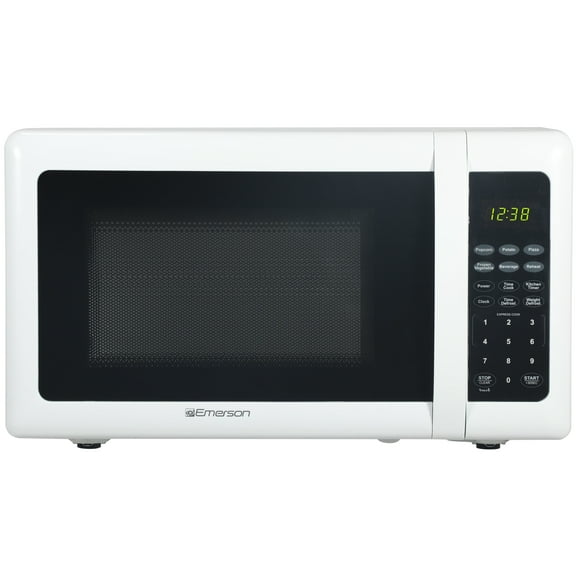


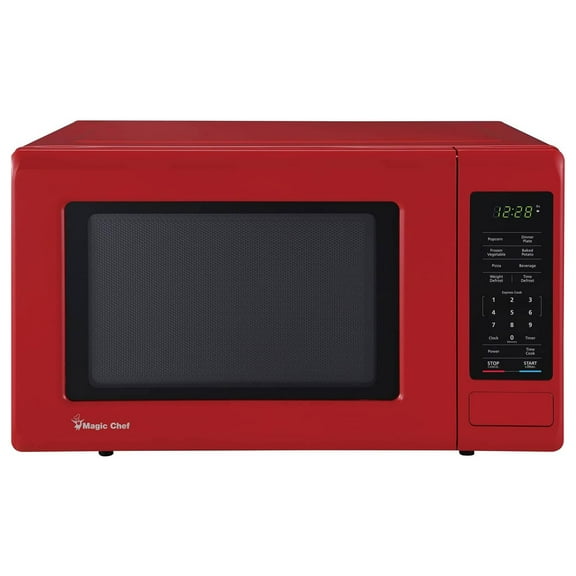


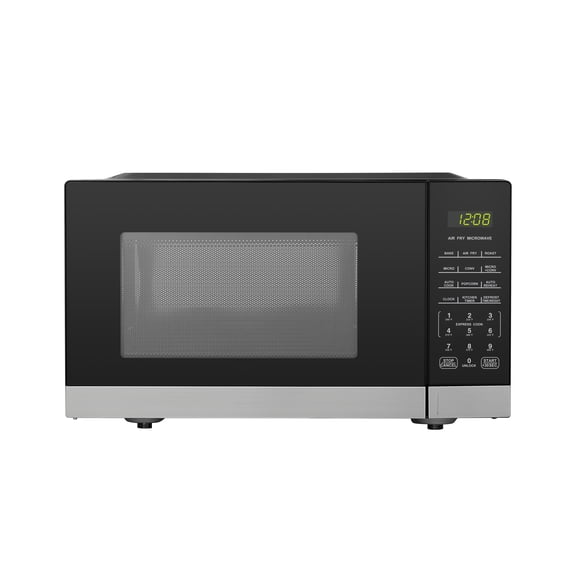






About Small Microwaves in Microwaves - Walmart.com
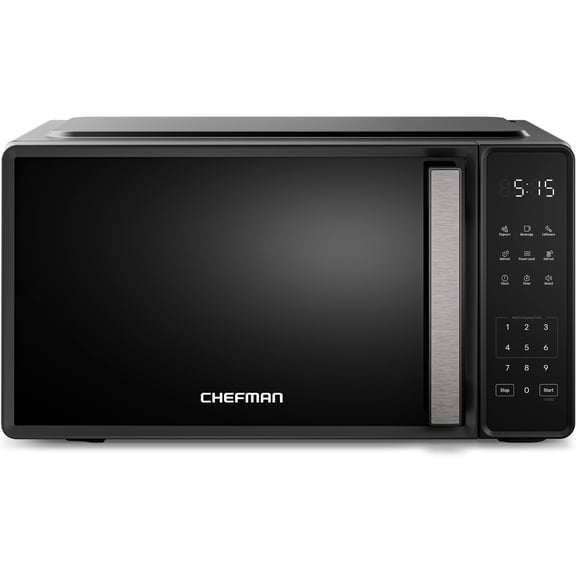
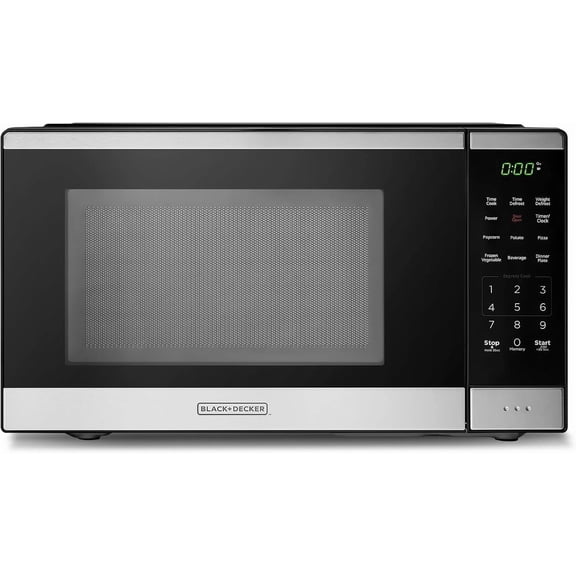
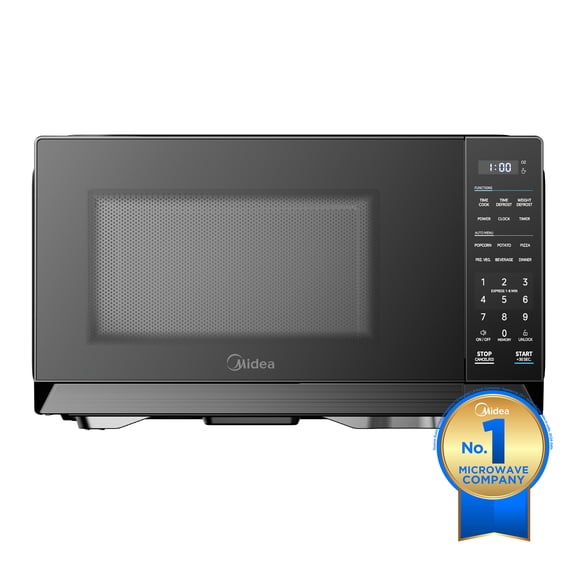
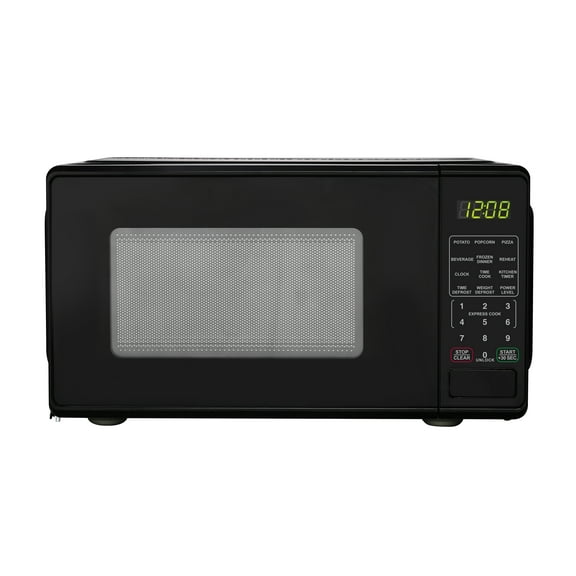
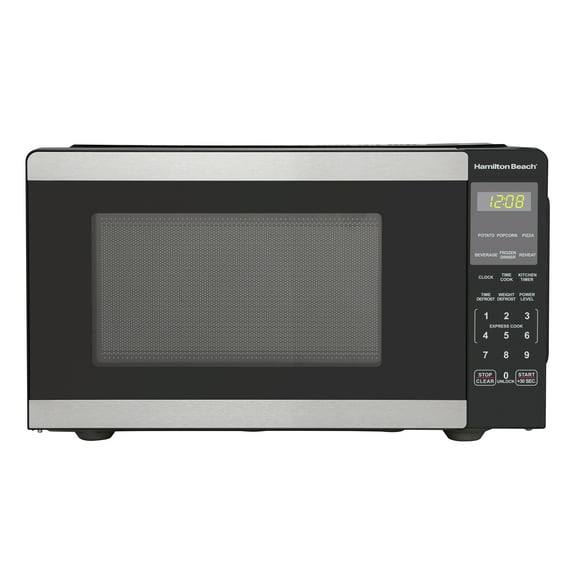
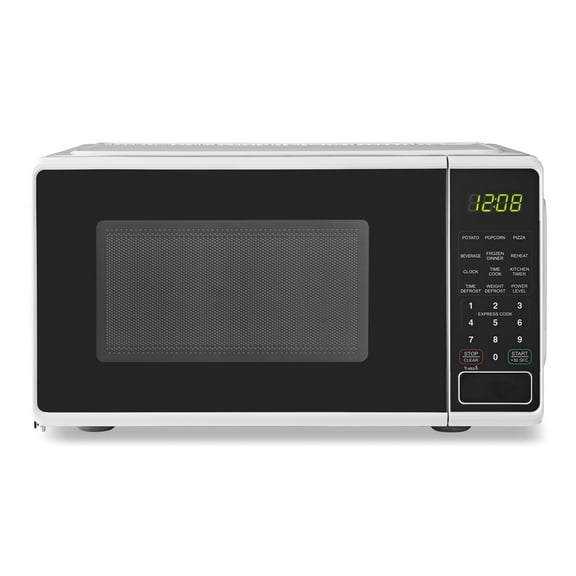
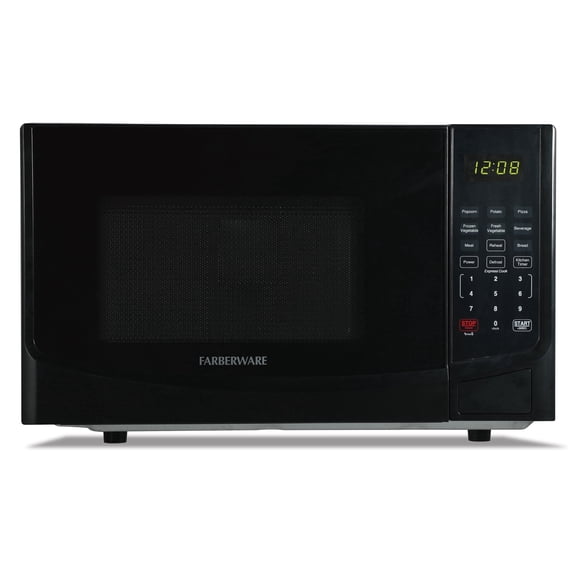
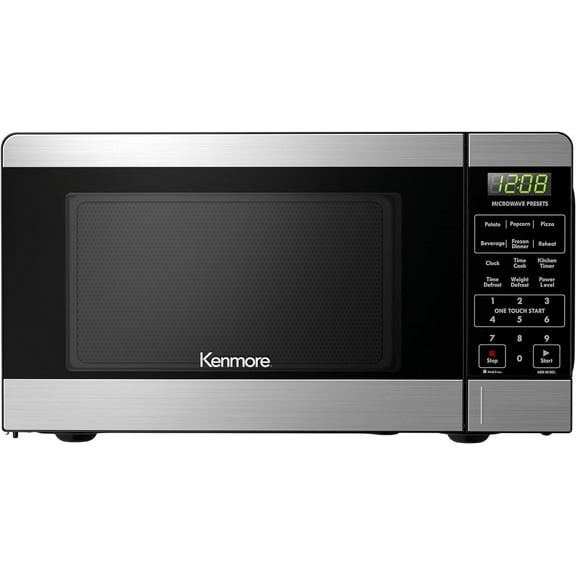
Small microwaves help you heat meals without giving up valuable counter space. You can compare compact sizes, practical wattage, and styles that suit dorms, apartments, offices, and small kitchens.
Choosing the right small microwaves for your space
When you shop small microwaves, you should start with exterior dimensions and clearance needs. You can measure your countertop width, depth, and height before you compare models.
A compact countertop microwave works well when you need simple placement and easy access. You should also check door swing and ventilation space, so your setup feels comfortable every day.
If you want a built-in look, you can compare trim-ready options and cabinet fit. If you want flexible placement, you may prefer countertop designs that you can move when your layout changes.
How to compare capacity and plate fit
You can use capacity to estimate how much food fits inside your microwave. A 0.7 cu ft microwave often suits snacks, small bowls, and reheating single servings.
If you need room for larger dishes, you can look at 0.9 cu ft or 1.1 cu ft options. You should also check turntable diameter, because your dinner plate needs comfortable rotation space.
For shared spaces, you may want extra interior room for taller mugs or meal containers. In tighter spaces, you may decide that a smaller cavity works if the outside footprint stays compact.
- You can choose 0.7 cu ft sizes for tight counters and lighter daily reheating.
- You can compare 0.9 cu ft models when you want more flexibility for plates and leftovers.
- You can consider 1.1 cu ft options if you need added room without moving to a larger appliance category.
- You should check the turntable size, so your usual plates and bowls fit with less guesswork.
Understanding wattage in a compact countertop microwave
You can compare wattage to understand how quickly your microwave may heat everyday foods. A 700 watt microwave usually matches lighter reheating, drinks, snacks, and simple meals.
If you want faster heating, you can look at 900W or 1000W models. You may notice these options feel more convenient when you warm leftovers, frozen meals, or larger portions.
You should balance wattage with your space and routine instead of focusing on one number alone. If you mostly reheat small items, you may find lower wattage fits your needs well.
For busier households, you may prefer more power for repeated daily use. You can compare control layouts too, because quick-touch buttons often make frequent heating easier.
What to look for in placement type and daily use
You can narrow your choice by deciding where your microwave will live and how often you'll use it. Countertop models usually suit renters, dorm rooms, and offices because placement stays simple.
If your kitchen design is more permanent, you can compare built-in styles that blend with surrounding cabinetry. You should keep in mind that over-the-range units belong to a different setup and footprint.
A small microwave oven for a dorm can work well when you need compact dimensions and straightforward controls. An office break room setup may benefit from easy-clean interiors and enough capacity for lunch containers.
In studio apartments, you may want a mini microwave that fits beside a coffee maker or toaster oven. In guest spaces, you can use smaller units to warm drinks, oatmeal cups, and leftovers with less clutter.
Choosing a design style that fits your kitchen
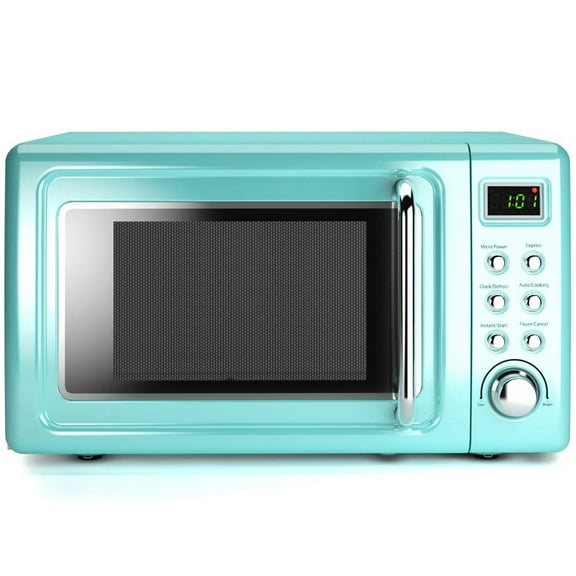
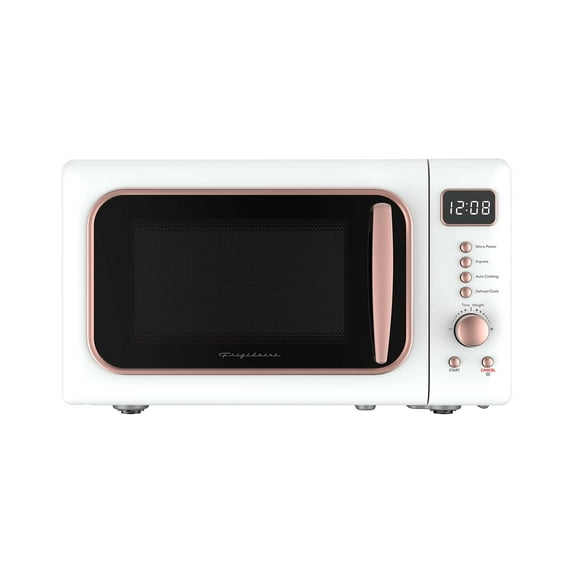
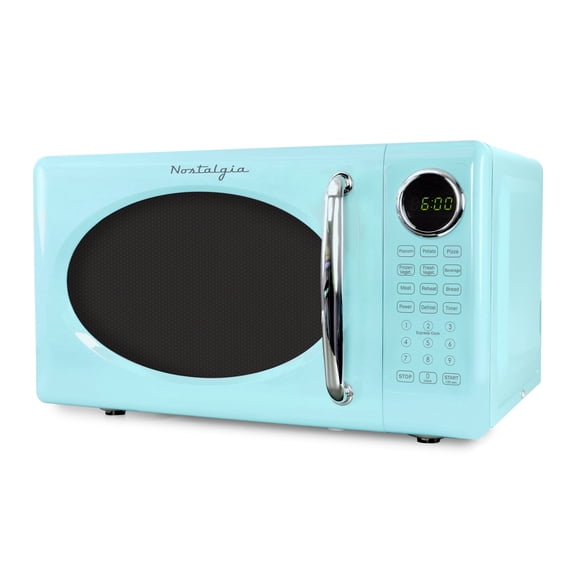
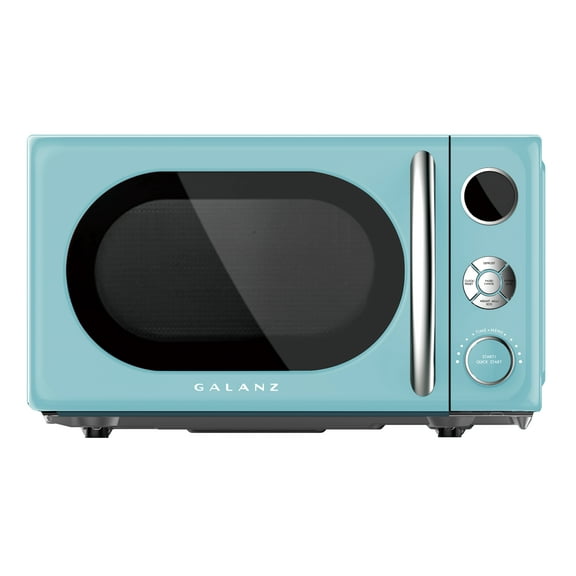
You can use design style to match your microwave with the rest of your room. Retro small microwave options can add rounded shapes, bold colors, and nostalgic visual appeal.
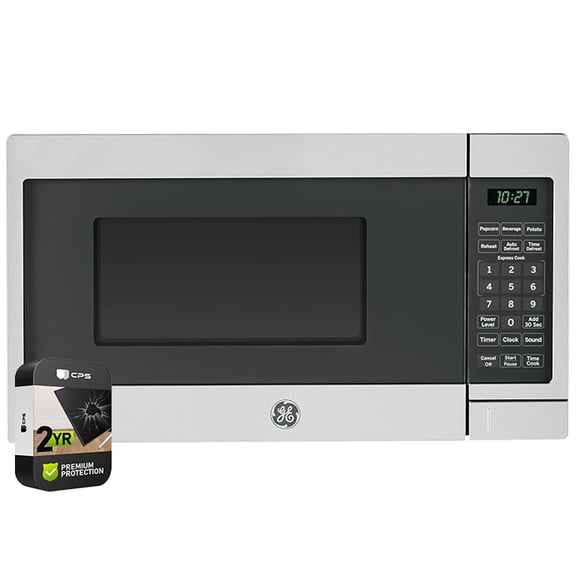
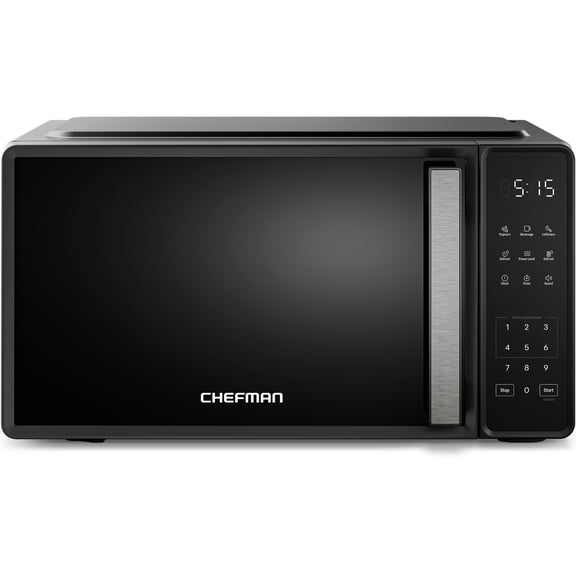
If your kitchen feels sleek, you may prefer modern finishes with simple controls and clean lines. If your space feels understated, you can compare minimalist looks that blend into neutral countertops.
You should also think about handle style, display visibility, and button layout during your search. These details affect how your microwave looks on the counter and how comfortable it feels to use.
Color and finish can matter more in small spaces because your appliances stay in view. You can create a more coordinated setup when your microwave matches nearby coffee makers, toaster ovens, or carts.
Small microwave use cases and buying tips
You can choose small microwaves for college housing, break rooms, basement bars, and first apartments. These settings often need a smaller footprint, easy controls, and enough room for everyday reheating.
For quick breakfasts, you can warm oatmeal, coffee, or frozen sandwiches before heading out. For late-night snacks, you may want compact convenience that doesn't crowd your prep area.
If you cook for one, you may find a compact countertop microwave covers daily basics without dominating the counter. If you furnish a shared room, you can prioritize simple cleaning and familiar button layouts.
You should compare capacity, wattage, placement type, and style together before deciding. That approach helps you choose a microwave that fits your counter, your plates, and your routine with less compromise.
With small microwaves, you can make a tighter kitchen feel more functional and organized. When you match size, wattage, and style carefully, you get everyday heating that fits your space from the start.