





Travel Systems 3 in 1 Strollers for Babies


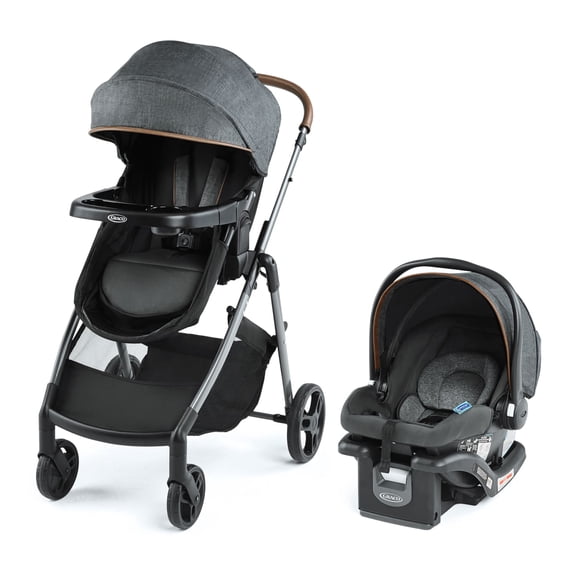
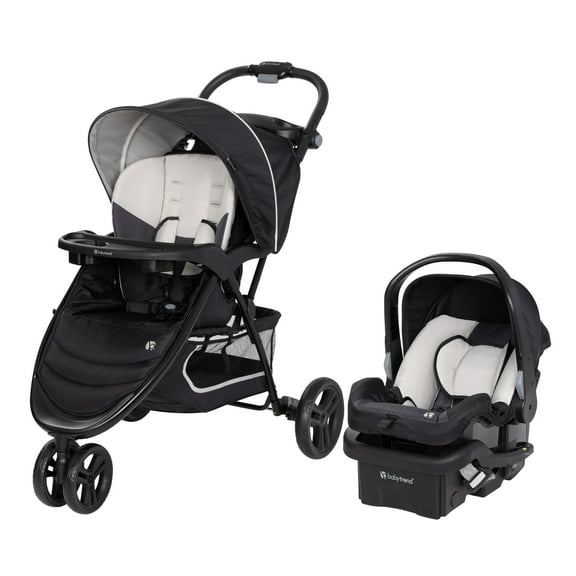


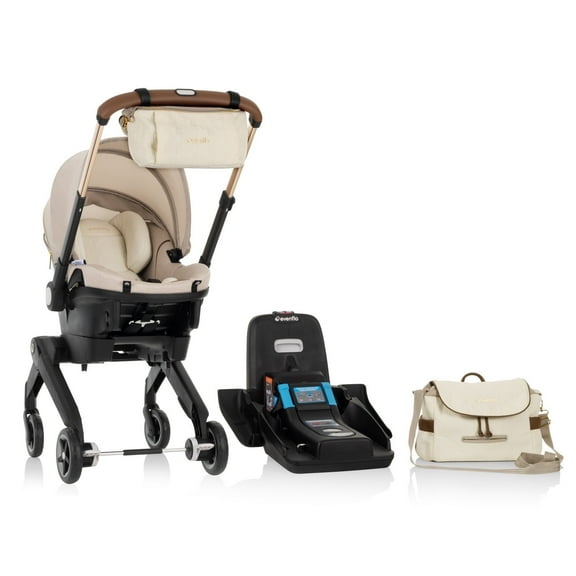
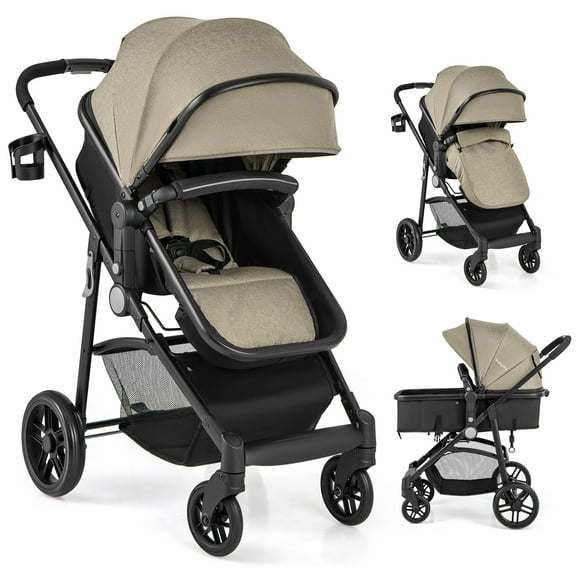




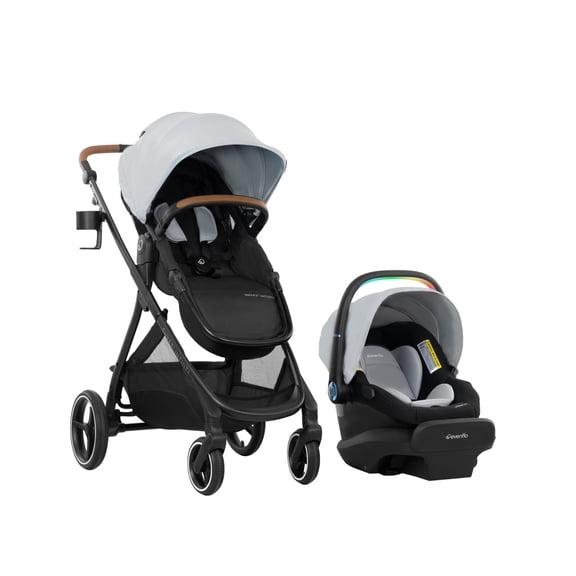


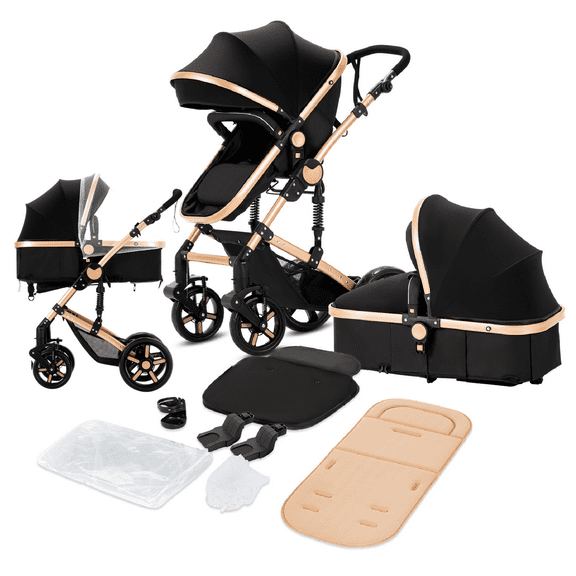
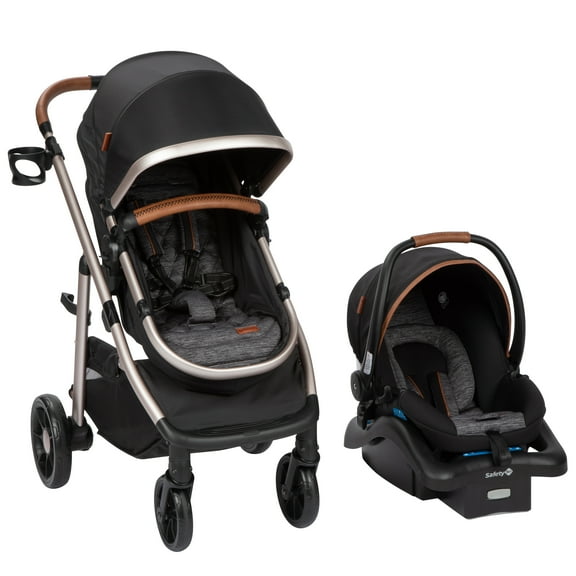


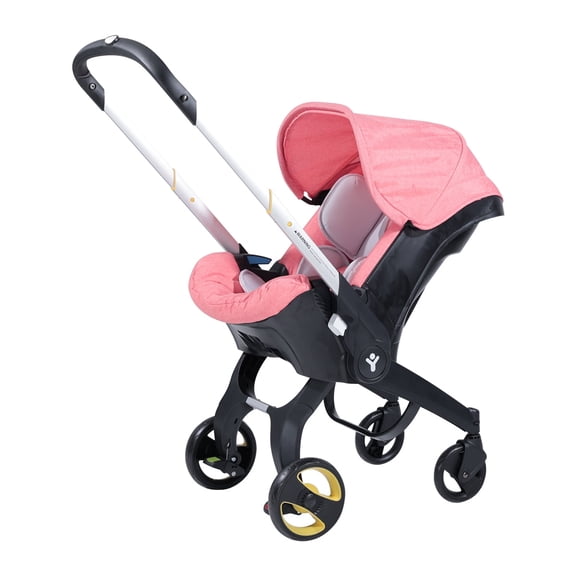


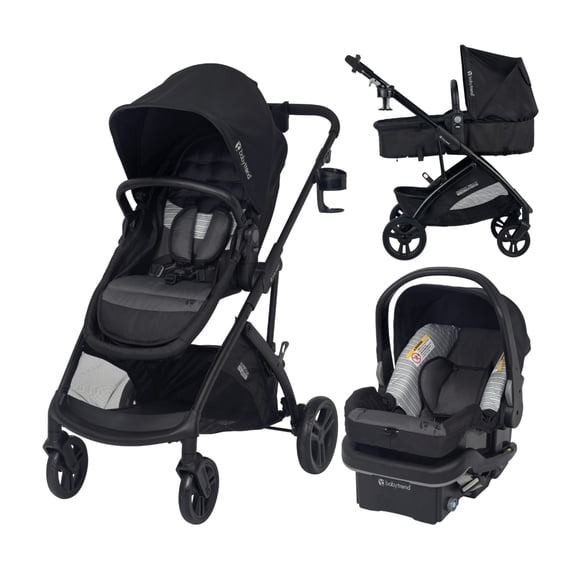


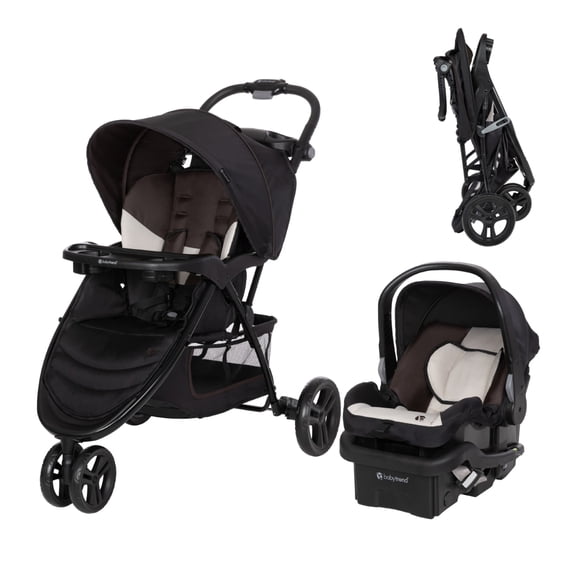


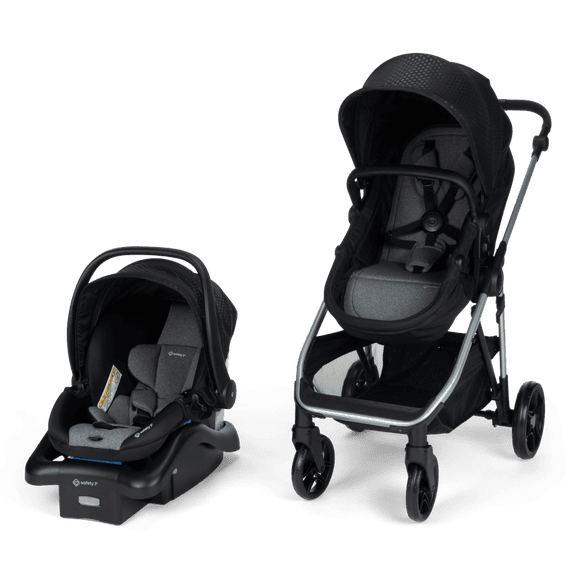

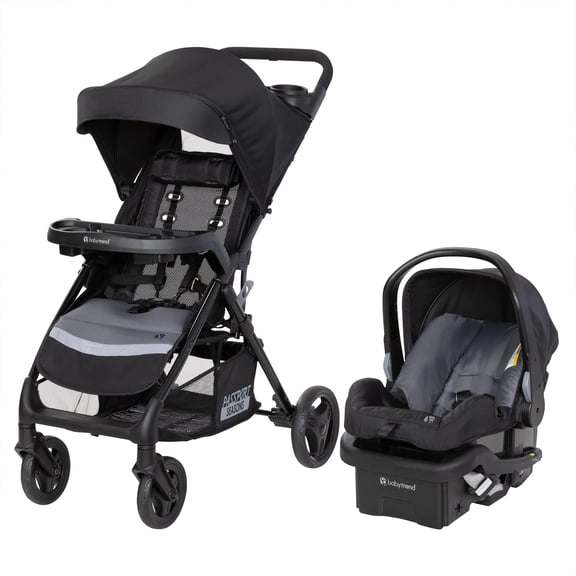








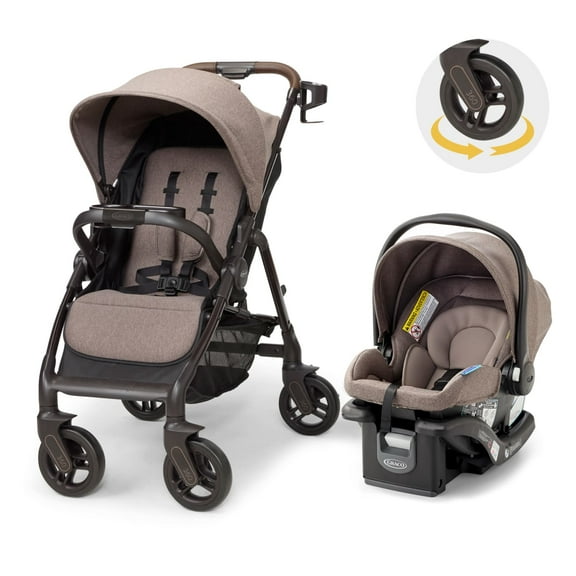
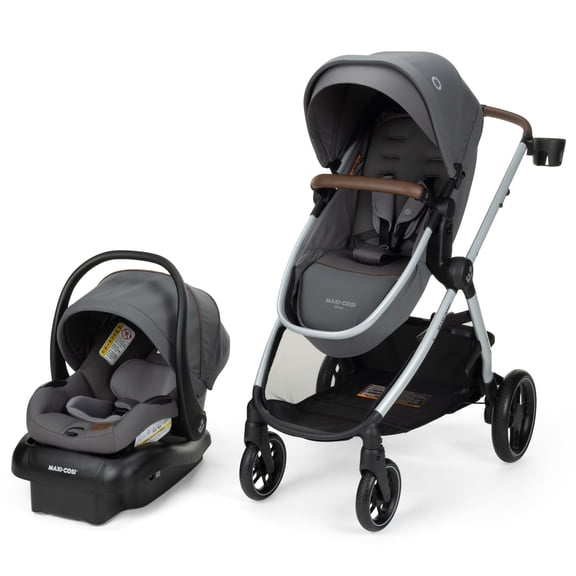
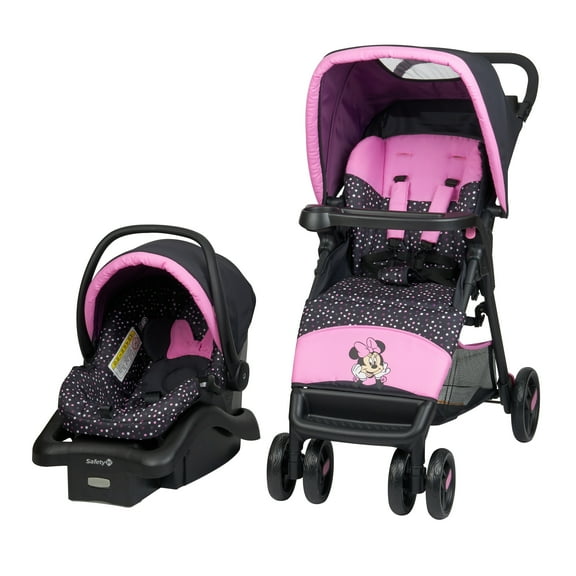


About Travel Systems 3 in 1 Strollers for Babies - Walmart.com
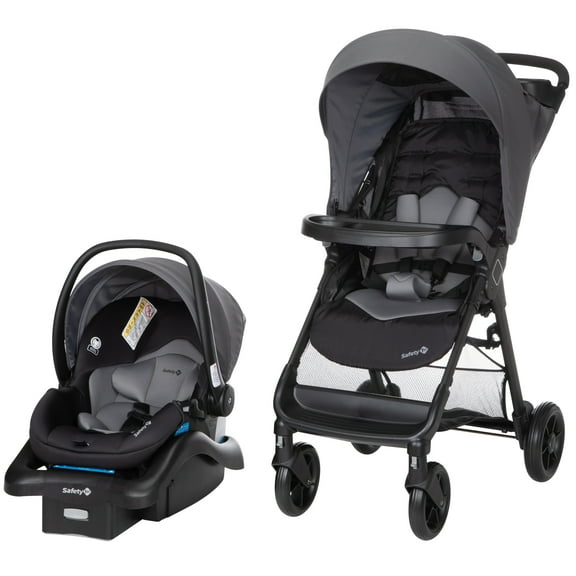
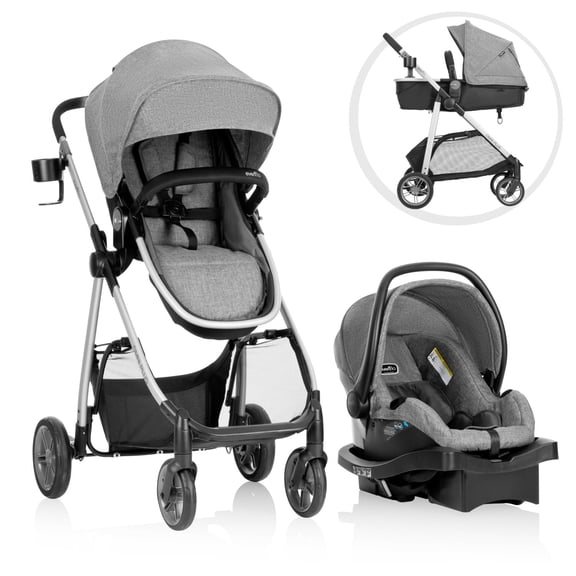
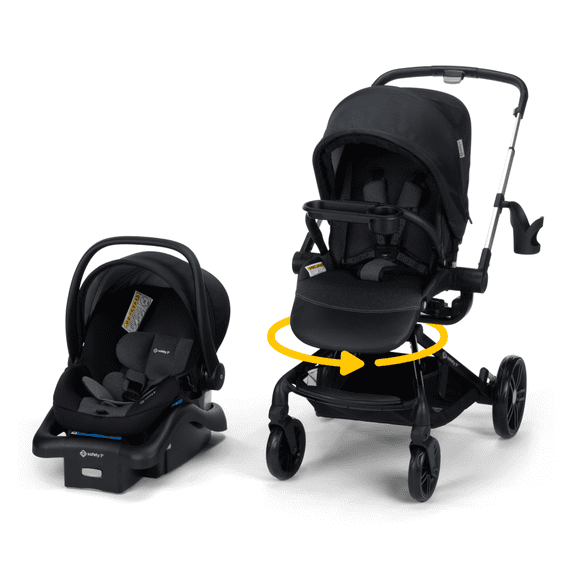
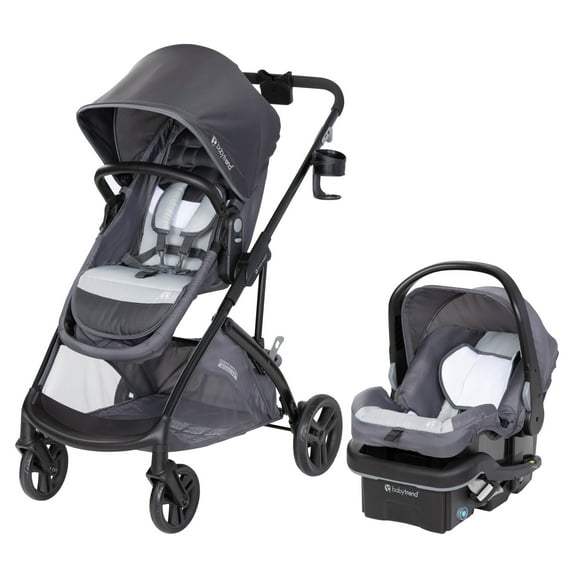
3 in 1 stroller travel systems help you move from car rides to sidewalks with fewer steps and less gear. You can compare seat modes, car seat fit, wheel styles, and folding options in one category.
If you want a stroller that adapts from newborn days to toddler outings, you can focus on combinations that change with your routine. You’ll also find setups built for city errands, park paths, and everyday trunk loading.
How to choose 3 in 1 stroller travel systems
When you compare stroller type first, you can narrow choices faster and match the system to your daily pace. You may want a travel system, a true 3 in 1 design, or a lightweight travel system stroller.
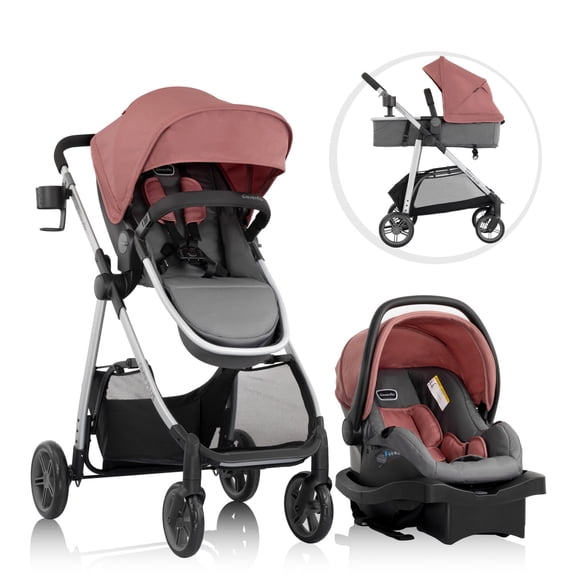
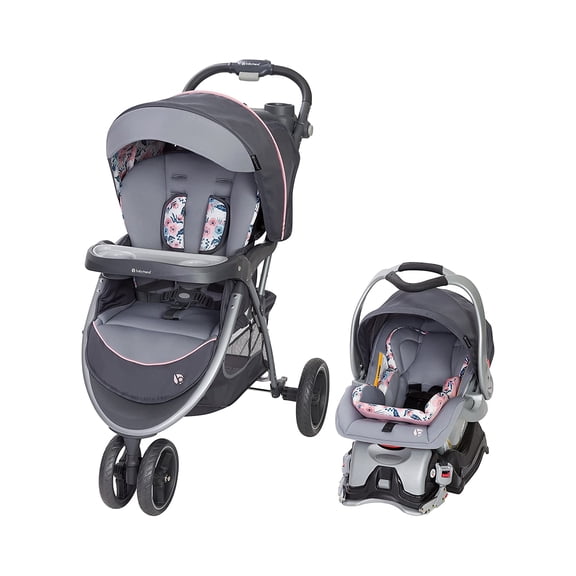
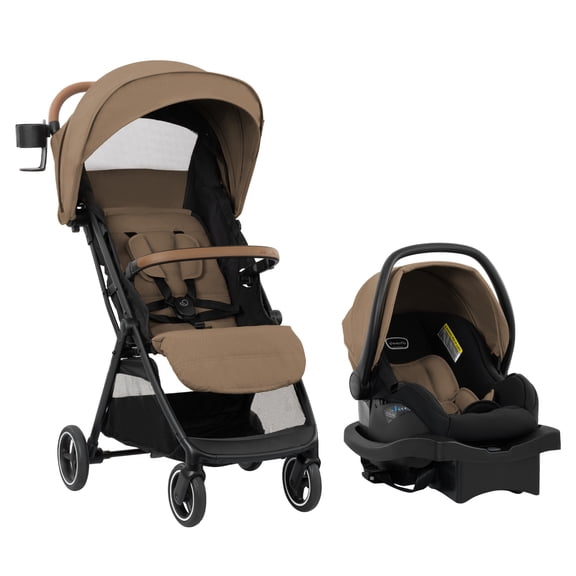
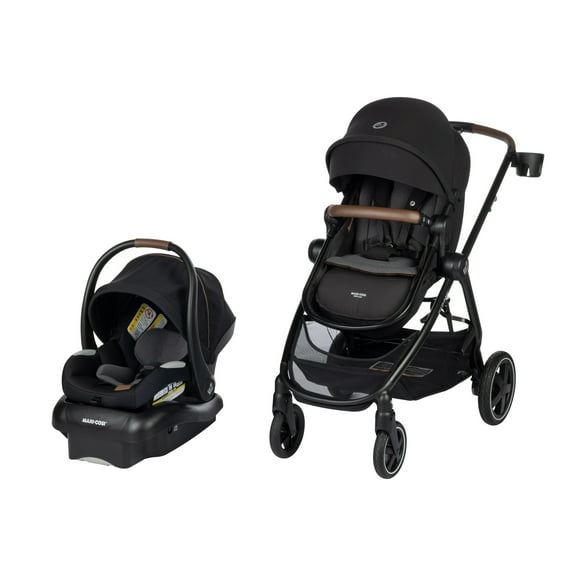
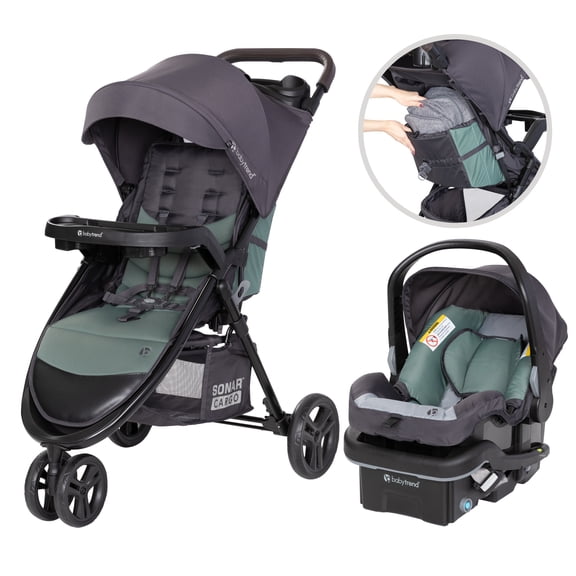
A travel system usually gives you an infant car seat and stroller pairing for early outings. A 3 in 1 design often adds carriage mode or a reversible seat, so you can keep using it longer.
If you need easier lifting, you should check the listed stroller weight and carrier weight before you choose. You’ll notice lighter frames can feel easier when you lift them into SUVs or carry them upstairs.
- You can simplify errands with a car seat that clicks into the stroller frame.
- You can extend use with parent-facing, world-facing, and toddler-ready seating modes.
- You can match your route with city wheels, jogger styles, or an all terrain travel system.
- You can make storage easier with a one-hand quick fold or compact fold.
Choosing the right car seat stroller combo
When you shop a car seat stroller combo, you should start with infant car seat compatibility and vehicle fit. You’ll want to check whether the seat is included, which bases fit, and how the base dimensions work in your back seat.
If LATCH installation matters in your routine, you should compare how each base secures in your vehicle. You can also review crash test ratings and harness details, because those specs help you judge everyday setup confidence.
An infant stroller with car seat can help you move a sleeping baby without unbuckling during every stop. You’ll appreciate that feature during daycare drop-offs, quick store runs, and family appointments.
Some baby travel systems include the infant seat, while others work with major brands through adapters or matching seats. You should check the product details carefully, because compatibility can shape convenience from day one.
Key differences in wheels, modes, and fold design
Wheel style changes how the stroller feels on your usual route, so you should compare terrain before anything else. If you walk on gravel, grass, or uneven sidewalks, you may prefer an all terrain travel system.
If you want smoother movement for neighborhood runs, you can look at a jogging stroller travel system with larger wheels. If you mostly navigate stores and sidewalks, you may prefer compact city wheels and a tighter turning radius.
Configuration modes matter because your child’s stage changes quickly, and your stroller should keep up. You can look for parent-facing seating, world-facing seating, carriage mode, and a toddler seat position.
Those modes can change how you use the stroller across the first years. You may start with carriage mode for newborn strolls, then switch to a toddler seat as your child grows.
Fold mechanism is another major decision point, especially when one hand is already busy. You should compare one-hand quick fold, self-standing fold, and compact fold options for your trunk and entryway.
A self-standing fold can help you keep the stroller upright in a hallway or garage. A compact fold can matter if you drive a smaller car or keep extra gear in the cargo area.
How baby travel systems fit real routines
If you move between car rides and indoor stops all day, you may want baby travel systems with simple click-in transitions. You’ll notice that setup can feel easier during pediatric visits, grocery trips, and weekend family plans.
For parents who carry gear up steps or load into taller vehicles, weight becomes a daily issue. You should compare frame weight, carrier weight, and folded dimensions, so your routine feels manageable.
If you walk mixed routes, you can choose suspension features and wheel sizes that match your neighborhood. You may want more shock absorption for cracked pavement, curbs, or longer walks through parks.
When storage space is tight, you should measure your trunk before you choose a stroller. You can then compare folded size and self-standing designs that fit around groceries, diaper bags, and sports gear.
Longevity also matters because you’re not only shopping for the newborn stage. You should look at weight limits, toddler seat use, and whether the system shifts from infant mode to a roomier seat.
That flexibility can help you avoid replacing gear too soon as your child grows. You’ll also get more use from modes that support both early strolls and active toddler outings.
What to look for before you decide
You should read the product details for included pieces, because not every setup includes the same seat and base combination. You can compare whether you’re getting the infant seat, stroller frame, toddler seat, or adapter support.
You should also check handle height, storage basket access, and canopy coverage for everyday comfort. Those details can shape how the stroller feels during longer walks, crowded aisles, and quick loading at the curb.
With 3 in 1 stroller travel systems, you can focus on fit, fold, and future use instead of guessing. You’ll feel more prepared when your choice matches your vehicle, your routes, and your child’s next stage.