


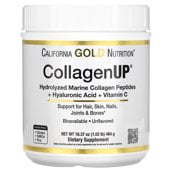
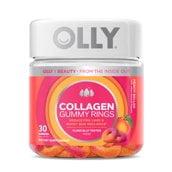

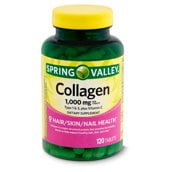

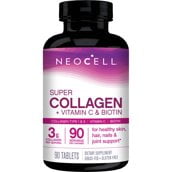


Collagen in Vitamins and Supplements








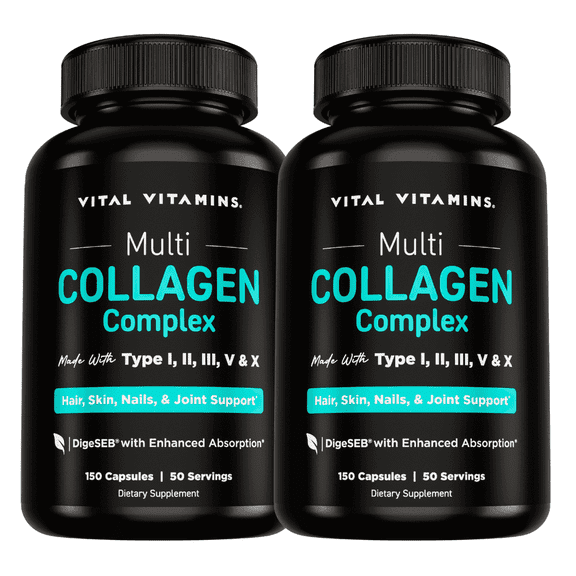

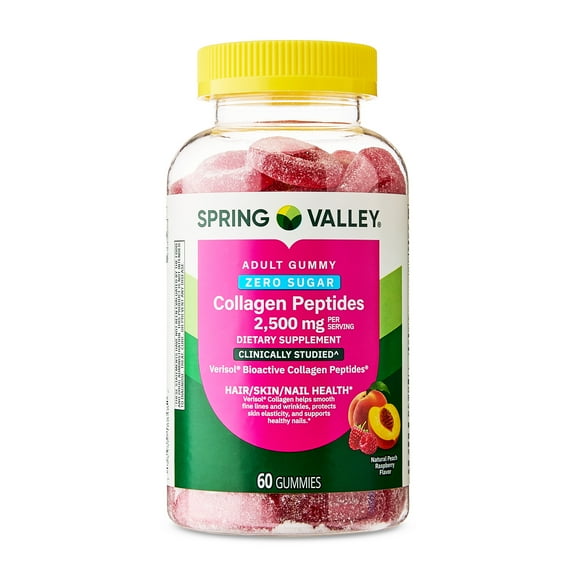
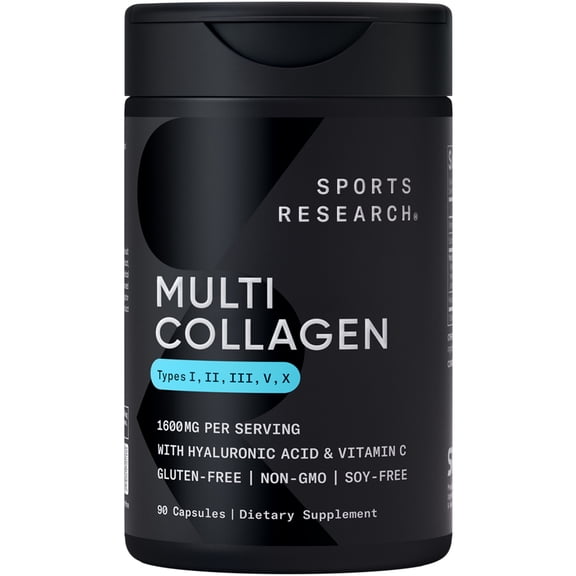


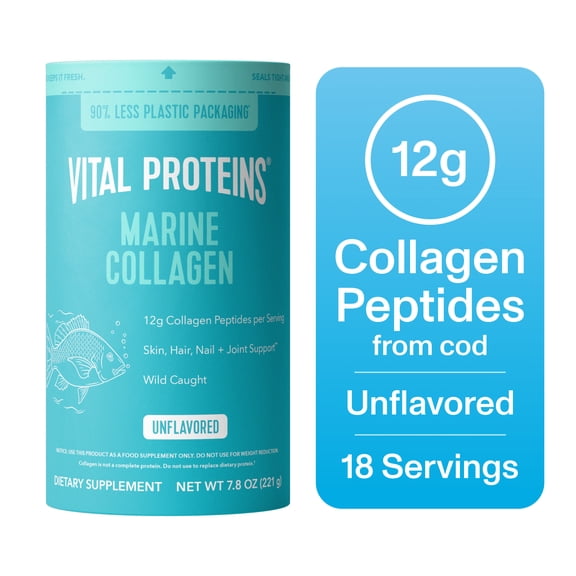


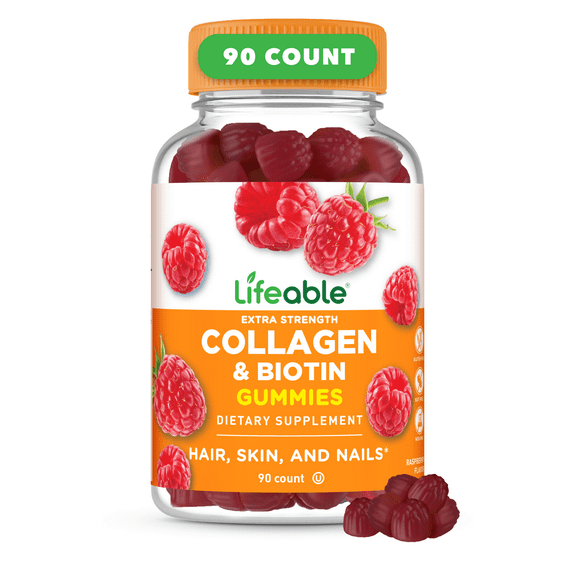



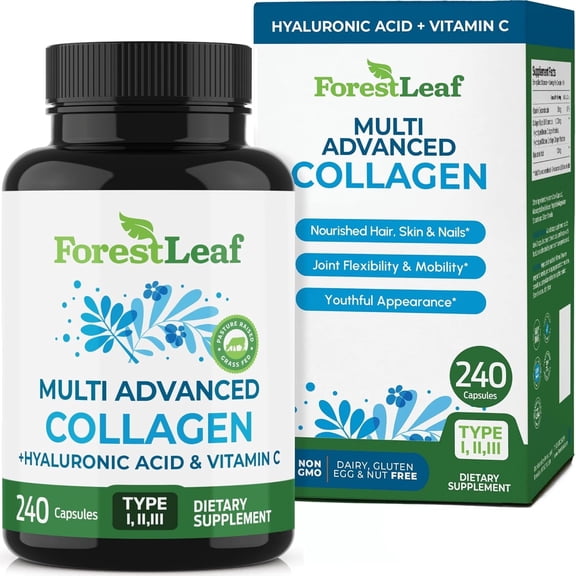
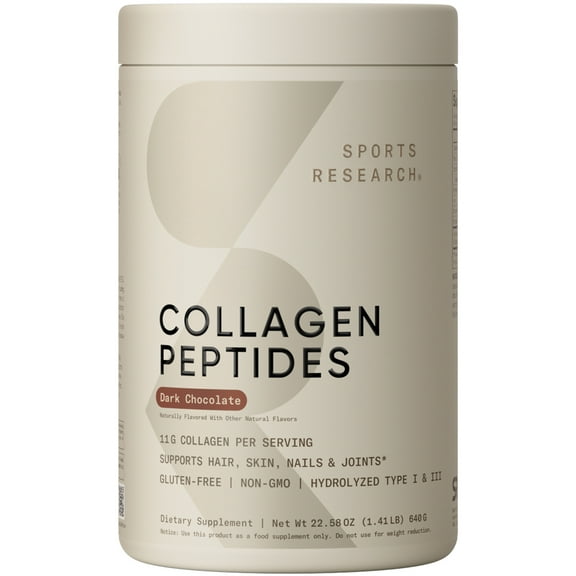



About Collagen in Vitamins and Supplements - Walmart.com
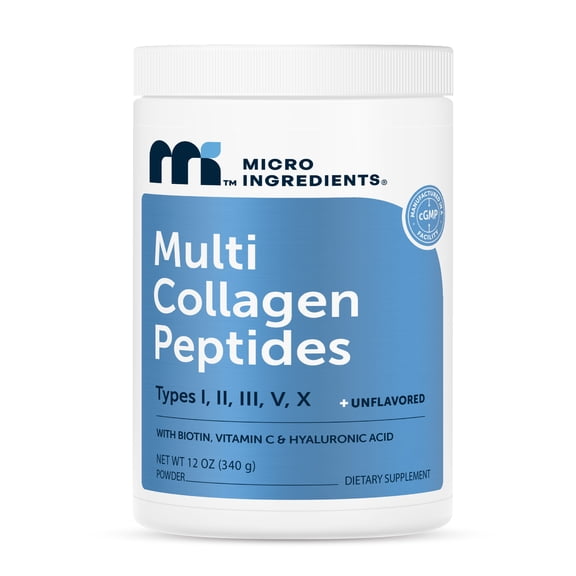
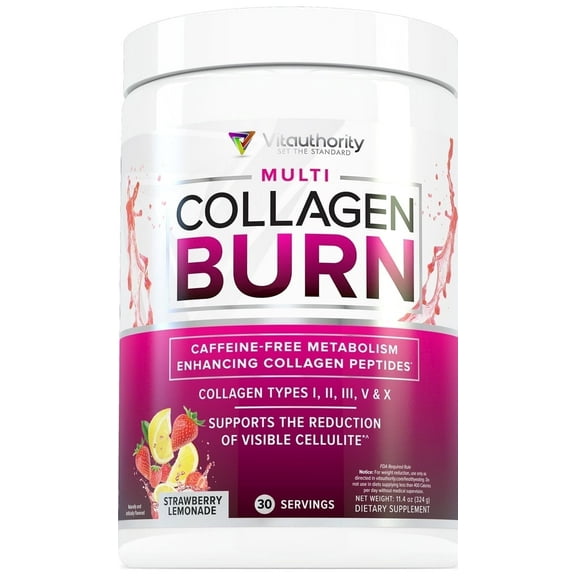
Collagen helps you compare formats, sources, and types before you choose a routine that fits your preferences. You can narrow options by powder, pills, gummies, or liquid, then check serving size and label details.
How to choose collagen for your routine
When you compare collagen, you should start with the format you’ll use consistently. You can then look at source and collagen type to match your shopping priorities.
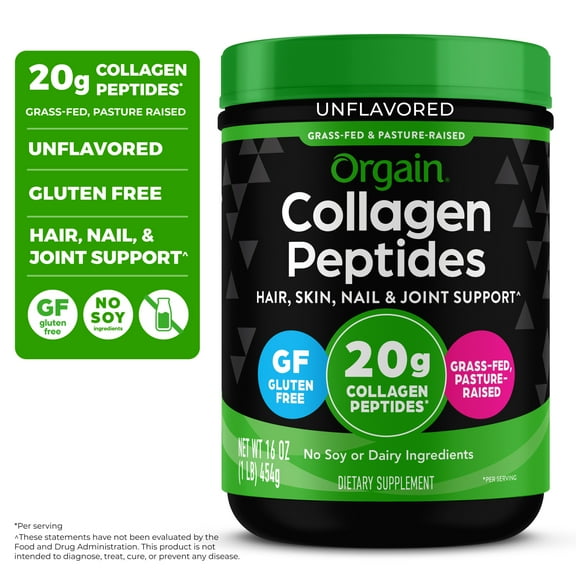
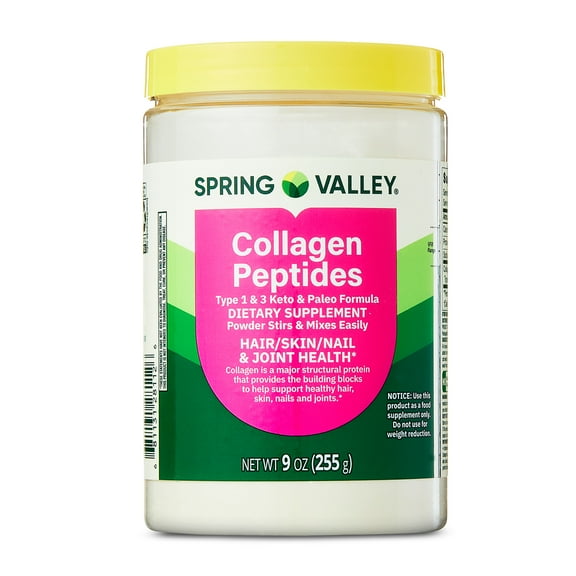
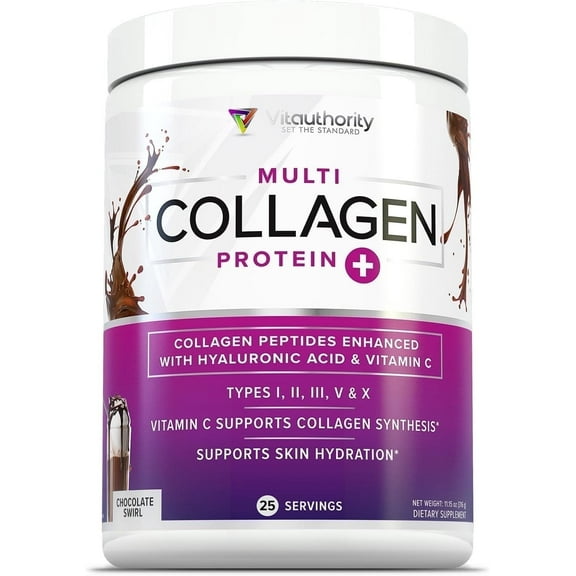
If you want easy mixing, you may prefer collagen powder in coffee, smoothies, or oatmeal. If you want grab-and-go convenience, you may lean toward collagen pills, capsules, liquid servings, or collagen gummies.
You should also compare how the label lists collagen peptides or hydrolyzed collagen. Those terms usually signal collagen that’s broken into smaller pieces, so you can mix it into drinks easily.
Choosing between collagen powder and other formats
Format shapes how collagen fits into your day. You can pick a style that matches your schedule, taste preferences, and serving habits.
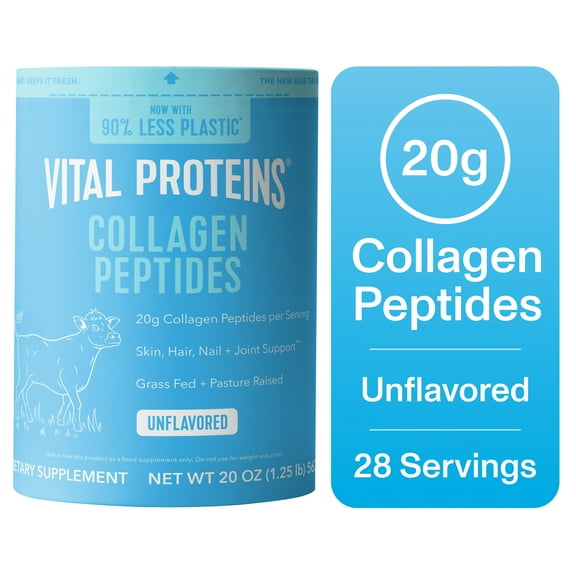
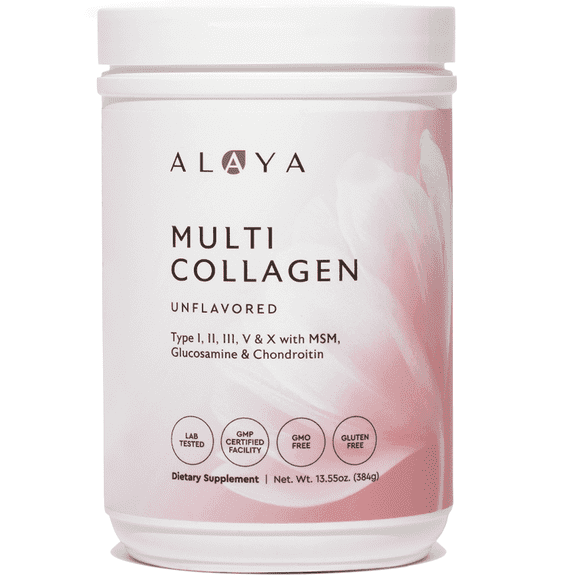
- You can stir collagen powder into hot or cold drinks for a simple add-on to breakfast or post-workout snacks.
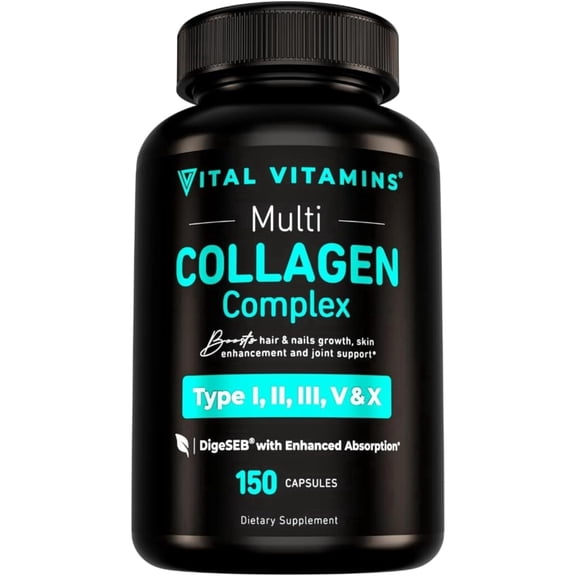
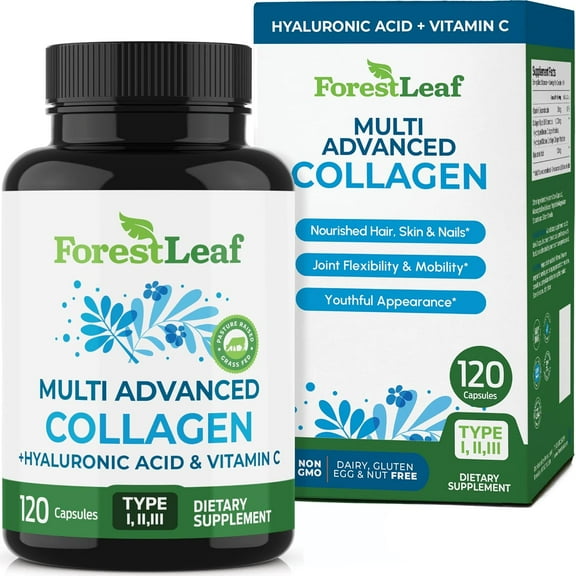
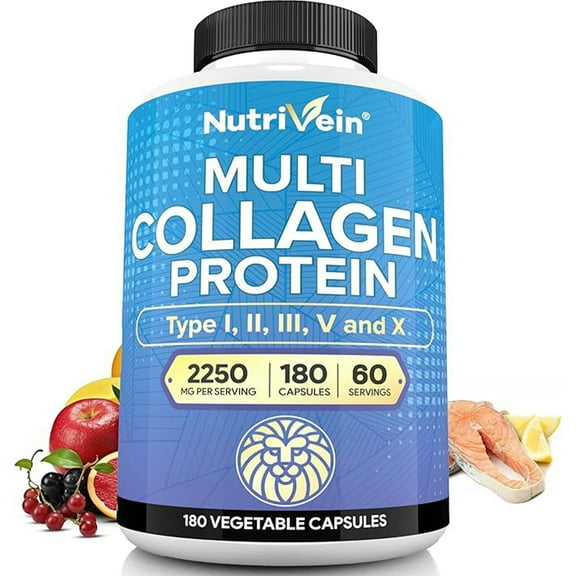
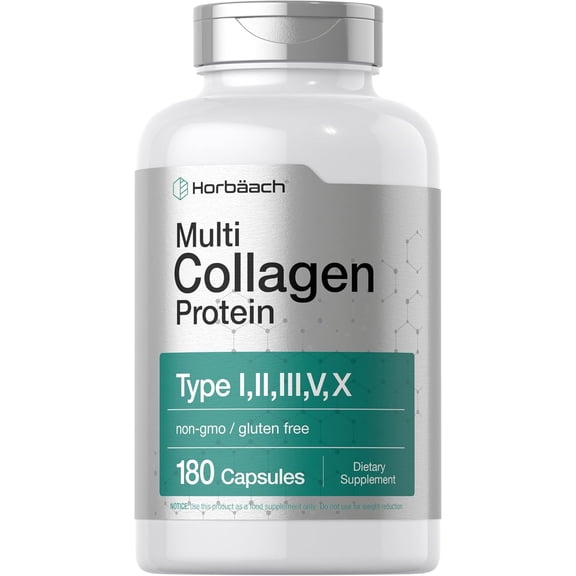
- You can choose pills or capsules when you want premeasured servings without scoops, mixing, or added flavor.
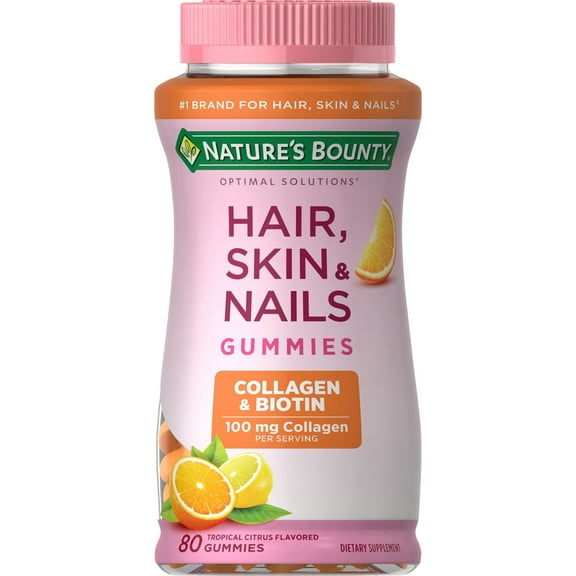
- You can reach for collagen gummies when you want a chewable option with a familiar texture and portable packaging.
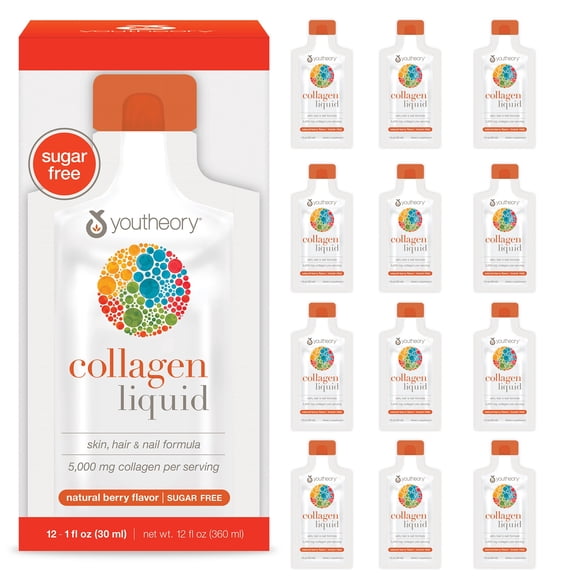
- You can compare liquid collagen if you want ready-to-drink servings that travel easily in a bag or lunch tote.
You should also read serving directions before choosing a format. You may find that one scoop, several capsules, or a measured liquid serving changes what feels convenient.
If you’re comparing collagen protein powder with standard powders, you should check serving size and ingredient lists closely. You can then see whether the product focuses on collagen alone or includes added ingredients.
What to look for in collagen peptides and collagen types
Collagen types help you understand how brands position a formula. You’ll often see Type I, Type II, and Type III listed on labels or product pages.
If you want a broad everyday option, you may often compare Type I and Type III blends. If you’re shopping by label detail, you should check whether collagen peptides come from one type or several types.
You may also notice hydrolyzed collagen on labels instead of a type callout. In practice, you should read both lines together so you know the source and form.
Comparing bovine, marine, chicken, and multi-source options
Source matters because it affects ingredient preference, dietary fit, and how you narrow your choices. You can compare bovine, marine collagen, chicken, or multi-source formulas on the front label.
If you prefer fish-based ingredients, you may focus on marine collagen and review the rest of the label carefully. If you want another route, you can compare bovine or chicken options by source and serving amount.
Multi-source formulas can appeal to you when you want several collagen sources in one product. You should check the ingredient panel to confirm exactly which sources the formula includes.
Checking dietary preferences and label details
Dietary filters can make your shortlist much easier to build. You can look for grass-fed, non-GMO, keto-friendly, gluten-free, or sugar-free claims when those details matter to you.
If you follow a specific eating style, you should confirm that the product packaging states the claim clearly. You can also review flavoring, sweeteners, and other added ingredients before you decide.
You may want fewer extras in an unflavored powder for mixing flexibility. You might prefer flavored gummies or liquids when taste matters more than simple ingredient lists.
How to read serving size and concentration
Serving size tells you how much collagen you’re getting with each scoop, capsule set, gummy serving, or bottle portion. You should compare that number across products instead of judging container size alone.
If you’re deciding between formats, you should check how many servings come in the container and how much collagen each serving provides. You can then compare daily use more clearly.
You may also want to see whether added ingredients share space with the collagen amount. That quick label check helps you understand what the formula emphasizes.
Using collagen supplements in everyday routines
Collagen supplements can fit different habits depending on the format you choose. You can keep powders at home, carry gummies for travel, or pack capsules for busy workdays.
If you build smoothies in the morning, you may want collagen powder that blends into shakes, coffee, or yogurt. If you want less prep, you may choose pills or liquid servings instead.
You can also shop by targeted preferences shown on labels, such as skin health, joint support, hair and nails, or gut health. You should use those cues with type, source, and serving details for a more informed pick.
With collagen, you can compare formats, sources, types, and label claims in one place, then choose an option that fits your routine. You’ll make a clearer choice when you match the label details to how you actually plan to use it.