

Coastal Dining Room in Coastal, Nautical, and Beach Styles



























About Coastal Dining Room in Coastal, Nautical, and Beach Styles - Walmart.com
Your coastal dining room can feel airy, organized, and easy to use when you compare furniture, materials, and seating needs first. You can build that relaxed look with light finishes, woven texture, and layouts that suit everyday meals.
If you're updating a beach house dining room or one dining corner, you can narrow choices quickly with clear decision points. You'll notice coastal spaces often combine whitewashed wood, driftwood tones, and open seating that keeps the room visually light.
How to choose coastal dining room furniture
When you compare coastal dining room furniture, you should start with the pieces you use frequently. You may choose dining tables, coastal dining chairs, sideboards, or dining sets based on your room size.
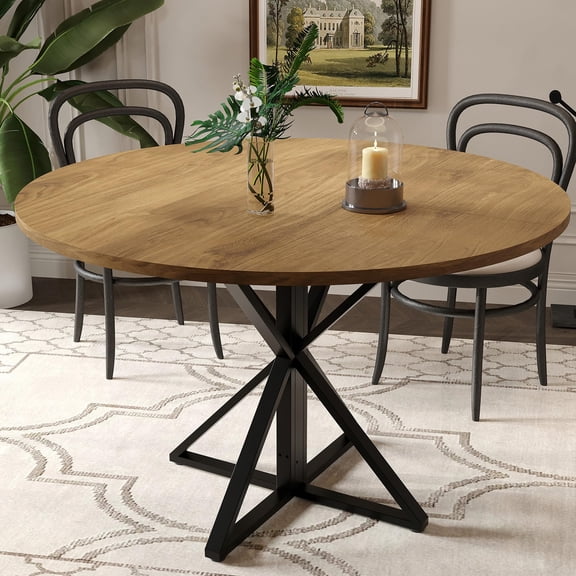
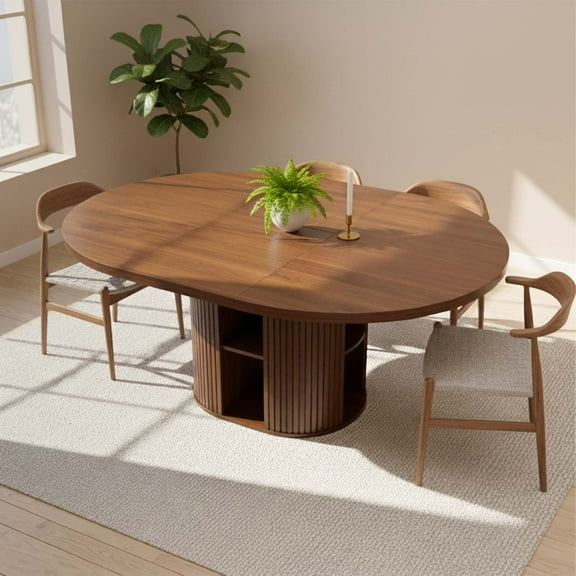
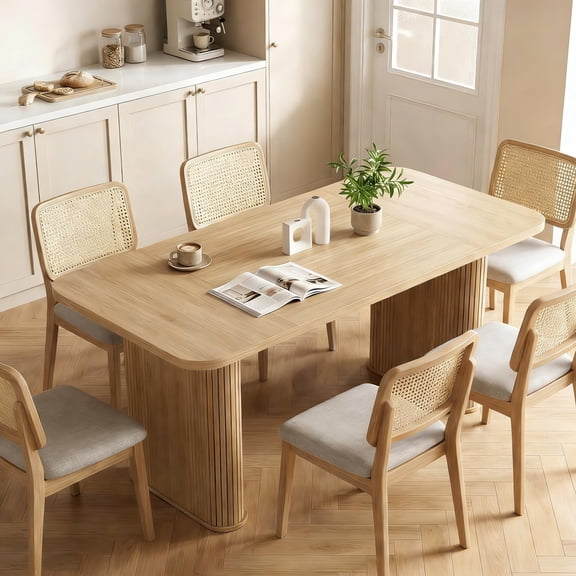
A coastal dining table shapes your layout, so you should measure tabletop length and open walking space. You'll want enough room for chairs to slide out and for guests to move comfortably.
If you host often, you may prefer beach style dining sets with coordinated finishes and clear seat counts. If you like a collected look, you can pair separate chairs and storage pieces for added personality.
- You can choose dining tables for breakfast nooks, open layouts, or larger gathering rooms.
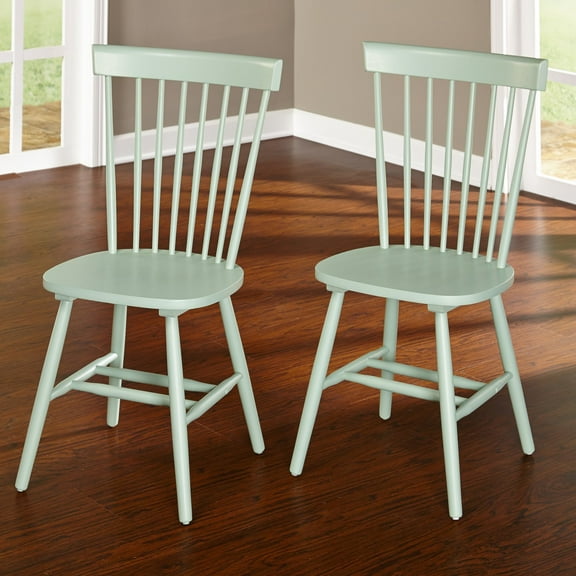
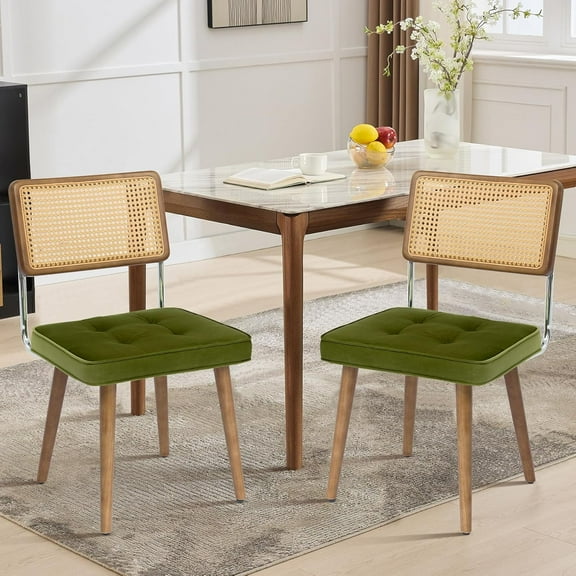
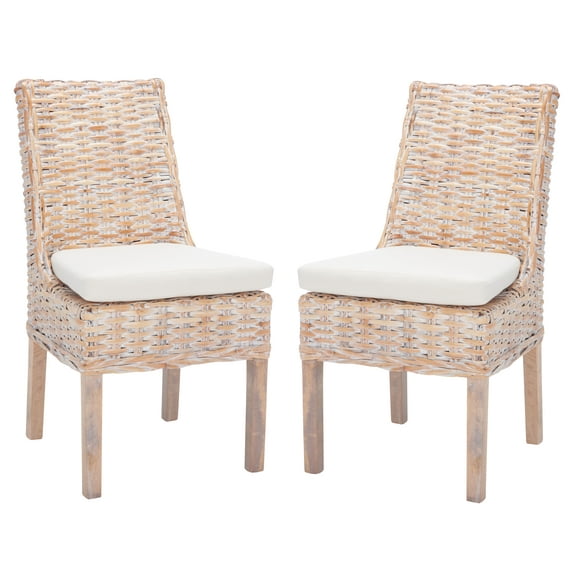
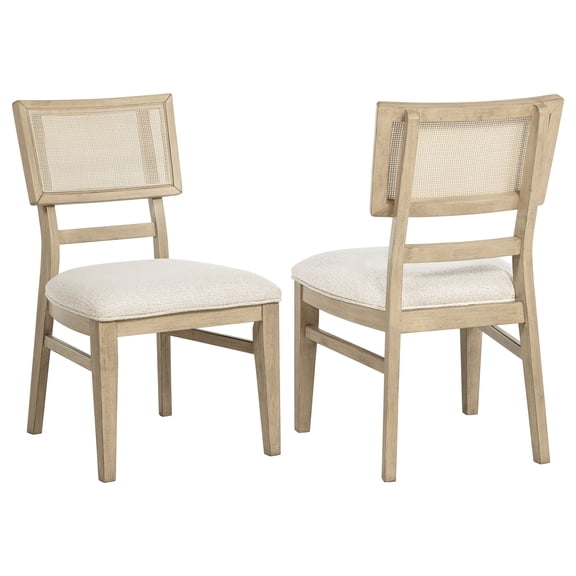
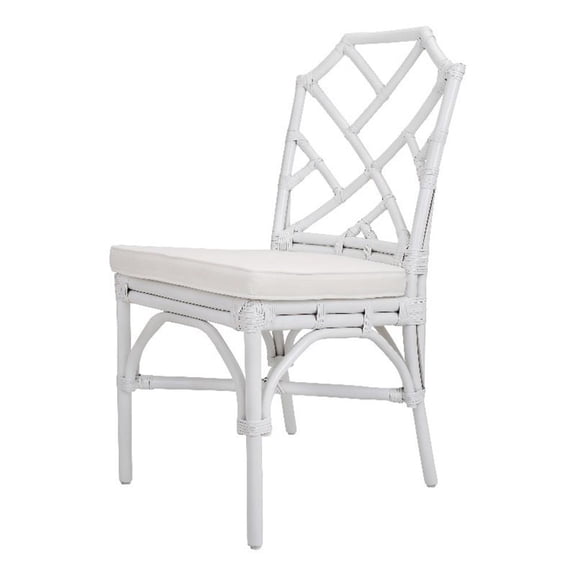
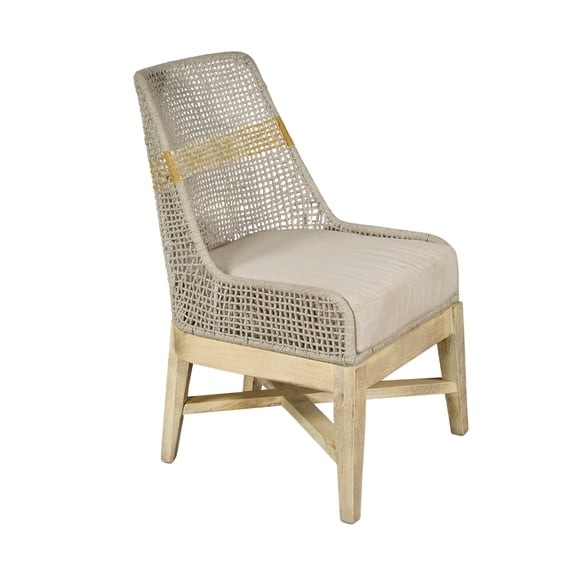
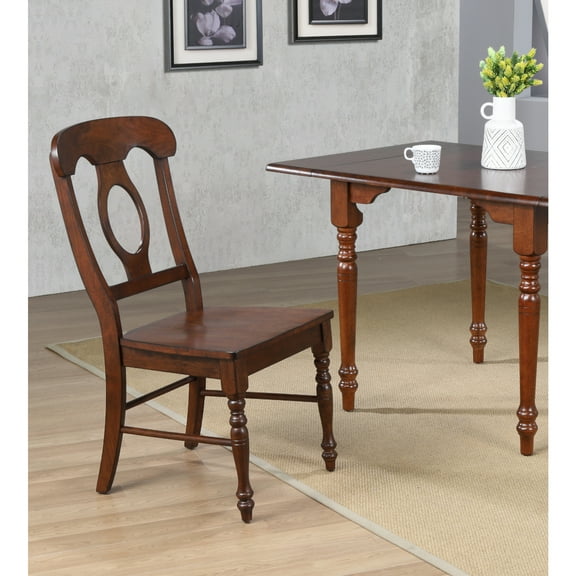
- You can use coastal dining chairs to add woven texture, painted finishes, or lighter visual weight.
- You can add sideboards when you want serving space, closed storage, or room for nautical dining room decor.
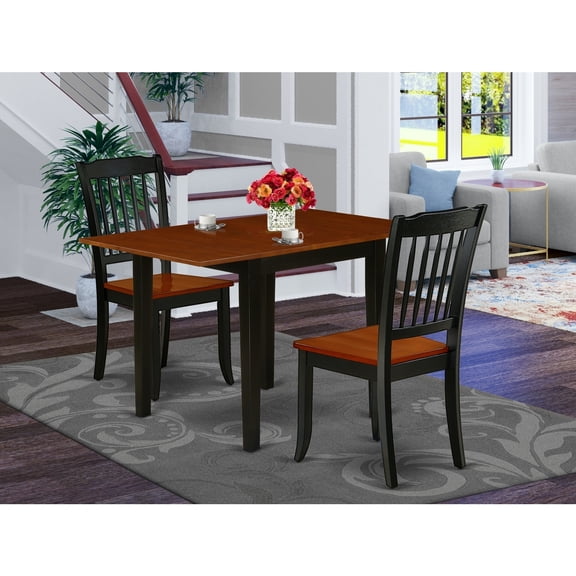
- You can select dining sets when you want a matched look with less guesswork.
As you compare seat counts, you should think about daily meals first and guests second. You'll make a smoother choice when your table size and chair spacing match your room dimensions.
In smaller rooms, you may prefer round tops or narrow rectangular tables that keep pathways open. In larger rooms, you can use longer tables and sideboards without crowding the space.
Choosing materials for a coastal dining table and chairs
Your material choice shapes the look of the room and the cleanup routine after meals. You should compare driftwood, rattan, wicker, and whitewashed wood by texture, upkeep, and finish.
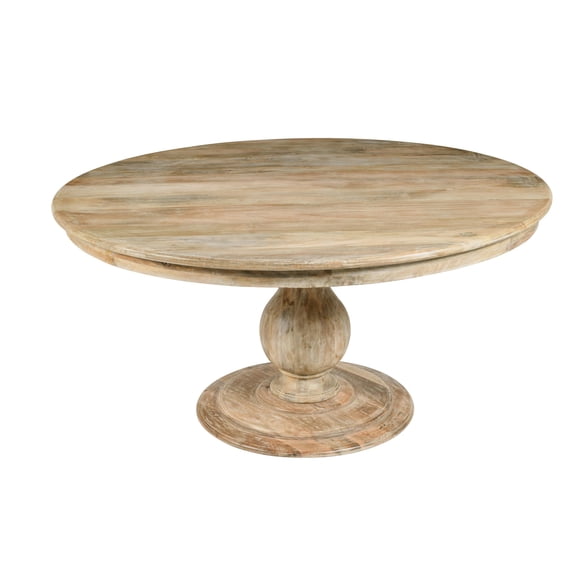
A driftwood dining table gives you weathered character and a grounded look that suits sandy palettes. You'll often see visible grain and soft gray-brown tones that feel natural in coastal spaces.
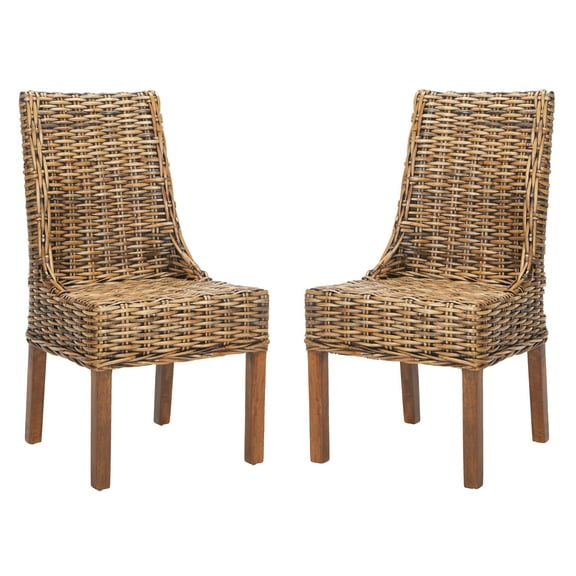
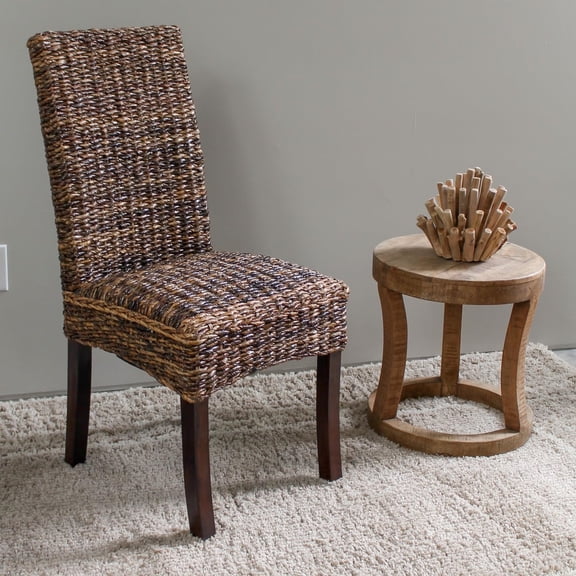
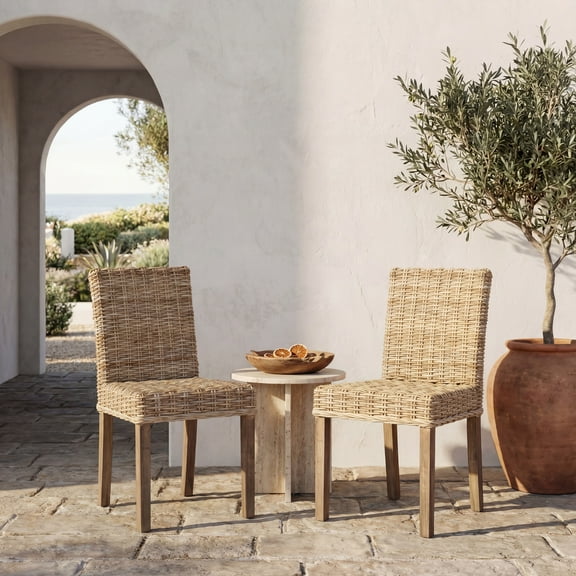
Rattan dining chairs bring lighter texture and casual structure to your setup. You'll appreciate how woven surfaces soften table lines and help your room feel less heavy.
Wicker details add pattern and depth when you want added cottage or tropical influence. You may use wicker seating or accent storage to echo baskets, pendant lighting, or woven placemats.
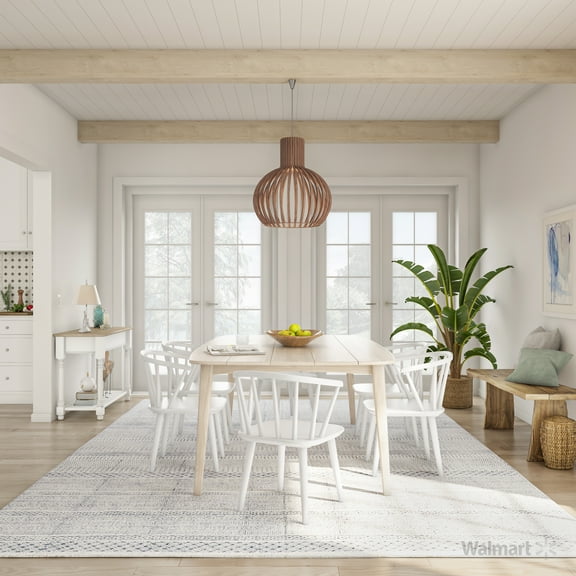
Whitewashed wood works well when you want brightness without a stark finish. You'll find it pairs easily with crisp white walls, ocean blue accents, and sand beige textiles.
For everyday meals, you should also consider surfaces that wipe clean with little effort. You'll want tabletops and chairs that suit family dinners, homework time, and frequent entertaining.
As you compare materials, you should check whether woven seating has a smooth finish and simple lines. You'll also want light-colored upholstery or cushions that fit your cleaning routine.
Comparing beach house dining room styles
Your beach house dining room can lean modern coastal, nautical, beach house cottage, or tropical. You can keep the room cohesive by choosing one main direction before adding accent pieces.
Modern coastal style usually uses cleaner lines, lighter wood tones, and restrained color. You'll want simple silhouettes and airy spacing if your home already has a calm, minimal feel.
Nautical style brings in shoreline references through stripes, navy tones, and rope-inspired texture. You should use those details carefully so your dining area stays polished instead of overly themed.
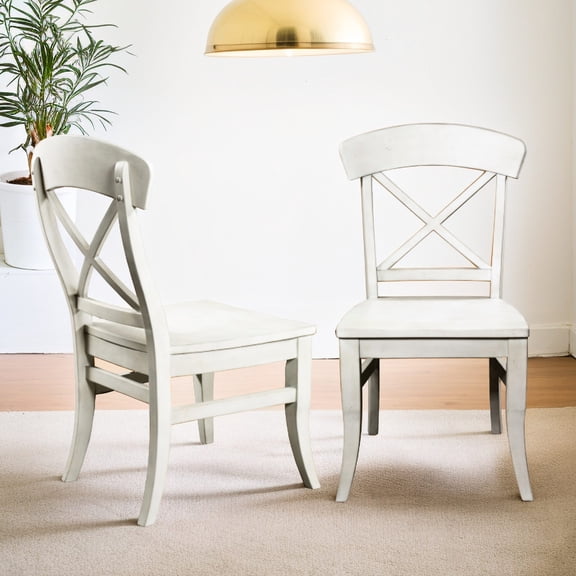
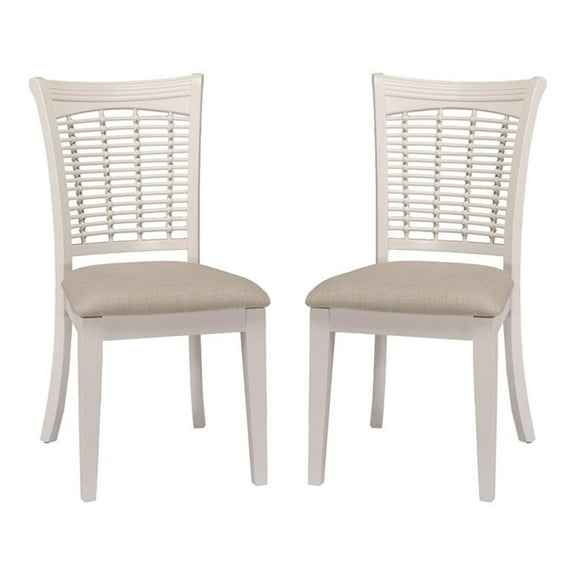
Beach house cottage style feels softer and highly relaxed with painted finishes and woven seating. You'll often see whitewashed wood and gentle color contrast in this approach.
Tropical coastal style introduces warmer wood, bolder texture, and leafy influence. You can use it when you want your dining room to feel sunny, layered, and highly casual.
If you're mixing pieces, you should match undertones before matching every finish exactly. You'll get a smoother result when your table, chairs, and sideboard share similar warm or cool tones.
Using color palette and seating capacity as decision points
Your color palette can make a compact room feel lighter and a larger room feel connected. You may build around ocean blue, sand beige, crisp white, or seafoam green for a clear coastal direction.
Crisp white and sand beige keep the room open and easy to layer. You'll find those shades work well with driftwood, rattan dining chairs, and natural fiber rugs.
Ocean blue can anchor the space when you want stronger contrast around a coastal dining table. You might use it through seat cushions, artwork, or dishware instead of every large furniture piece.
Seafoam green adds softer color if you want a gentle beach mood. You'll notice it pairs nicely with whitewashed wood and woven textures without overpowering the room.
Seating capacity matters just as much as color when you choose coastal dining room pieces. You should think about how many people eat there daily and how many guests you host on weekends.
For smaller rooms, you may prefer slimmer chairs and narrow tables that keep pathways clearer. In larger rooms, you'll have added flexibility for rectangular tables, sideboards, and extra seating.
If you're unsure, you should measure your room first and count chair space second. You'll make a practical choice when your layout supports both meals and movement.
Planning setup and mixing coastal dining chairs with existing pieces
Assembly can influence which pieces fit your timeline and comfort level. You should check whether your table needs full setup, whether chairs arrive assembled, and how much floor space you need during unpacking.
If you live in an apartment or upstairs space, you may want furniture that moves through doorways easily. You'll also want to compare box counts and piece dimensions before choosing a larger set.
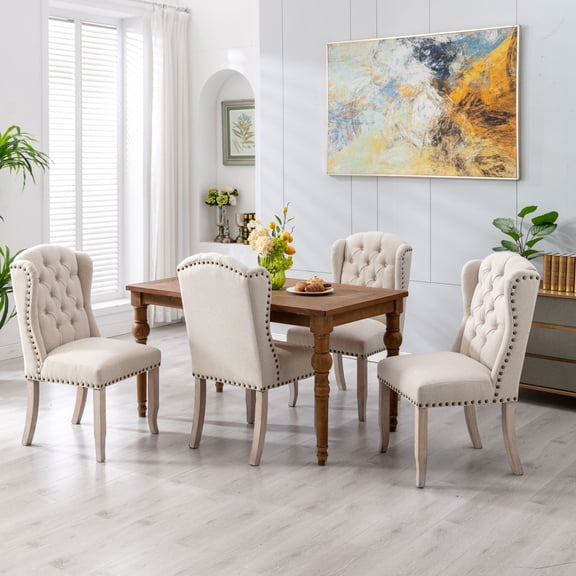
Mixing tables and chairs can help you personalize the room without losing cohesion. You can pair a driftwood table with coastal dining chairs when you want texture contrast and a balanced coastal look.
A sideboard can support both style and function in busy dining areas. You'll gain a place for serving pieces, table linens, and accents that reinforce your coastal theme.
For everyday use, you should focus on comfort, easy cleaning, and enough elbow room at the table. You'll enjoy the space when it handles weeknight dinners and holiday gatherings with the same relaxed style.
With the right coastal dining room choices, you can create a bright space that fits your layout and style. You'll bring home the textures, tones, and seating plan that make every meal feel highly inviting.