

Coarse Sand(2)
Sand Bags, Bag of Sand, coarse Sand, 3 LBS $20.96

Sand Bags, Bag of Sand, coarse Sand, 3 LBS
Sand Bags, Bag of Sand, coarse Sand, 4 LBS $24.96

Sand Bags, Bag of Sand, coarse Sand, 4 LBS
Other options to consider(1)
Sand Bags (25Lb, Sand coarse) $58.97
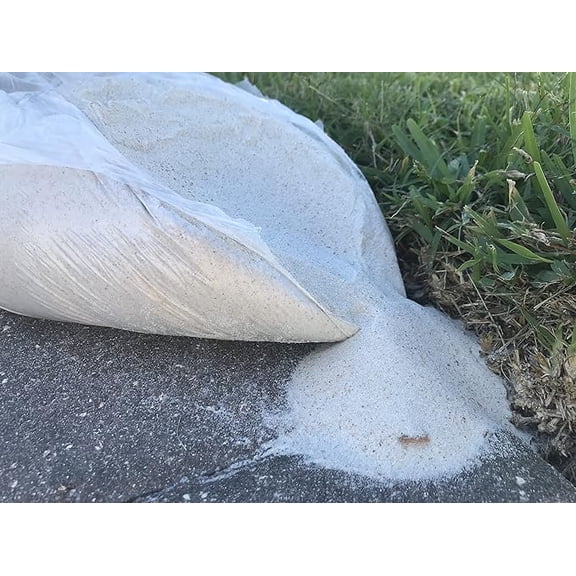
Sand Bags (25Lb, Sand coarse)
FAQ
What is coarse sand?
Coarse sand is a gritty, larger-grain sand that’s less powdery than fine or play sand. On this page, it’s offered in pre-bagged sizes (around 3 to 25 pounds) within Home Safety categories like Sandbags & Flood Guards and Storm & Flood Prep.
- Texture: Bigger, angular particles that don’t pack as tightly.
- Category use: Commonly used as a fill for sandbags and temporary barriers.
- Convenience: Pre-bagged options make it easy to stage for weather events.
This type of sand can help when you need a heavier, stable fill for safety-prep tasks. Actual performance can vary based on how it’s used and local conditions.
What is coarse sand used for?
In this category, coarse sand is typically used for storm and flood preparation tasks. Its grittier texture makes it a practical fill for creating temporary, weighted barriers.
- Sandbags: Filling bags to help divert or slow water during heavy rain.
- Flood guards: Adding weight to support temporary protective setups.
- Staging supplies: Keeping pre-bagged sand on hand for quick deployment.
These uses can help with preparedness, but effectiveness depends on how the sandbags are placed and local conditions. Consider pairing with other measures and follow guidance from local authorities for severe weather.
Why choose coarse sand for sandbags?
Coarse sand’s larger particles tend to settle and stack predictably in a bag, which can make it practical for building temporary barriers.
- Stability: Gritty texture helps bags stay put when properly placed.
- Drainage: Larger grains may allow some water to pass through, helping reduce overly heavy, waterlogged bags.
- Ready-to-use: Pre-bagged options (about 3–25 lb) let you stage supplies in advance.
While coarse sand can be a good fit for sandbagging, outcomes vary with placement technique and site conditions. It’s a helpful component of storm prep, not a guarantee against flooding.
How much coarse sand should I buy?
Start by thinking about your space and how you’ll use the sand. The page offers pre-bagged amounts (around 3, 4, 5, and 25 pounds), so you can scale up or down.
- Project size: Consider the number of entry points or length of the area you want to protect.
- Handling: Choose weights you can safely lift and stage.
- Storage: Plan a dry spot to keep extra bags until needed.
It can help to start with manageable quantities and add more as needed. Check each item’s weight and details, and look for pickup or delivery options available in your area.
How should I store coarse sand bags?
Good storage can make storm prep faster and help keep bags usable.
- Keep them dry: Store bags off the ground on a pallet or tarp and away from standing water.
- Protect the packaging: Keep bags sealed and out of prolonged sun and rain to avoid wear.
- Safe stacking: Stack at a manageable height so they’re easy to access.
- Plan placement: Stage near doors or low spots you may need to protect.
After severe weather, check bags for damage before reusing. Disposal or reuse options can vary by location, so consider local guidelines.
Popular in Coarse Sand for Home Improvement Projects
Related Products
Decomposed Granite, Crushed Gravel DG Pathway Fines for Patio & Landscape
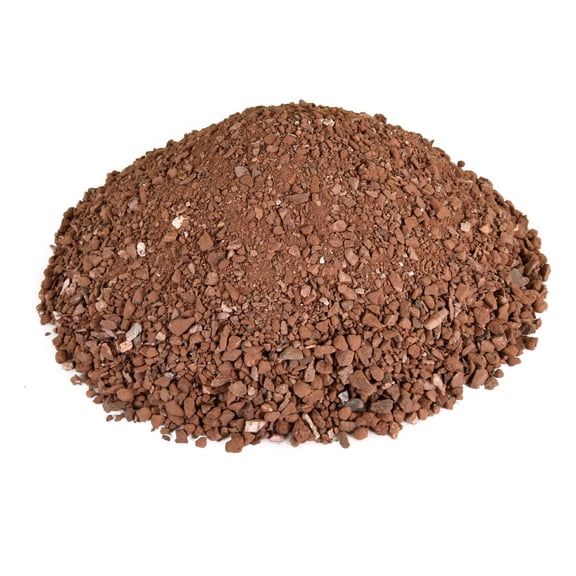 Decomposed Granite, Crushed Gravel DG Pathway Fines for Patio & Landscape$34.99current price $34.99
EastVita Magnesium Bull Float 48 x 8 Inch Concrete Bull Float Head-Aluminum Alloy, Compatible with Bull Float Concrete Tools
 EastVita Magnesium Bull Float 48 x 8 Inch Concrete Bull Float Head-Aluminum Alloy, Compatible with Bull Float Concrete Tools$104.99current price $104.99
Granite Pea Gravel 40 Lbs. Crushed, Decorative Granite.
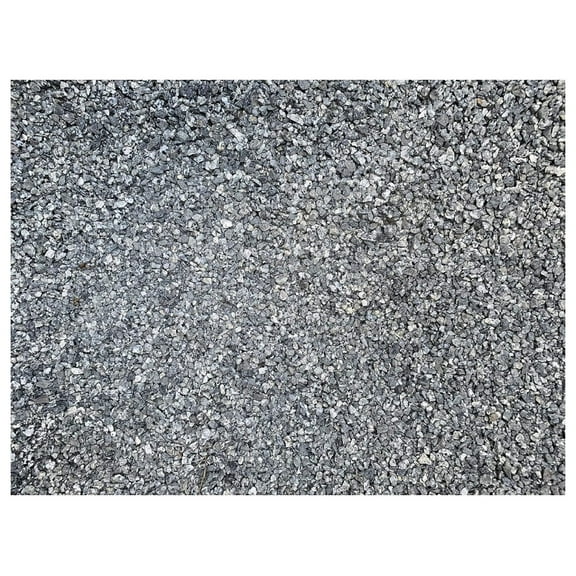 Granite Pea Gravel 40 Lbs. Crushed, Decorative Granite.$54.60current price $54.60
Replacement Gravel Underbedding by the POUND
 Replacement Gravel Underbedding by the POUND$59.00current price $59.00
Mosser Lee ML1121 River Rock Soil Cover, 5 lb.
 Mosser Lee ML1121 River Rock Soil Cover, 5 lb.$20.32current price $20.32
Artificial Rock Riverbed-Brown - Covers Shorter Wells-Septic Pipes And Aerators
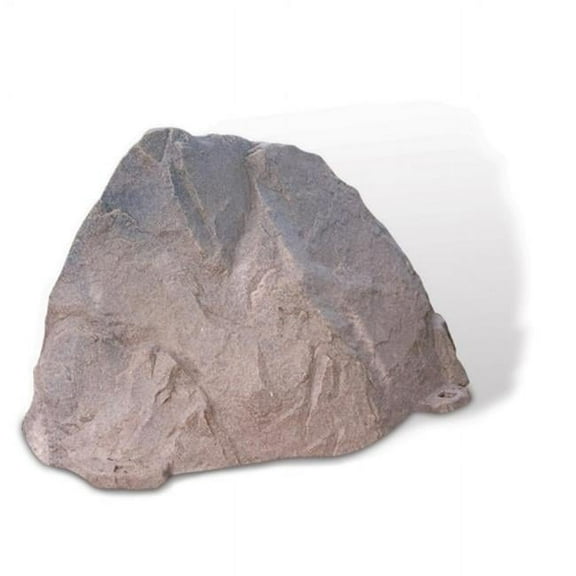 Artificial Rock Riverbed-Brown - Covers Shorter Wells-Septic Pipes And Aerators$129.90current price $129.90
Quikrete 1175-45 Natural Gray UV Resistant Paver Base Sand, XX-Small, 0.5 cu ft, 50 lb
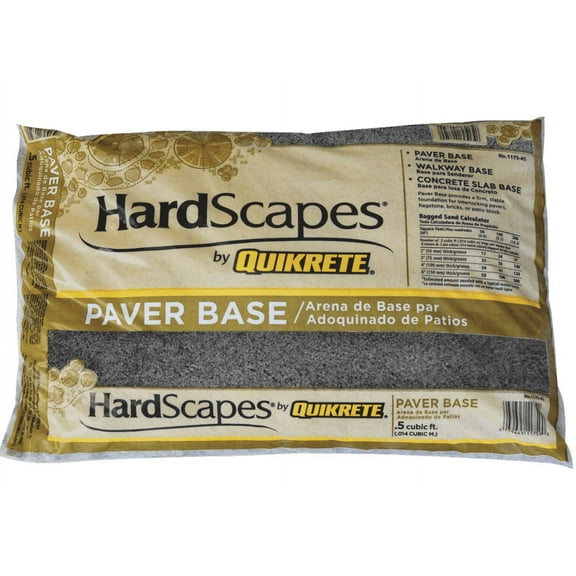 Quikrete 1175-45 Natural Gray UV Resistant Paver Base Sand, XX-Small, 0.5 cu ft, 50 lb$31.66current price $31.66
Mock Rock 121-RB Artificial Rock, Riverbed
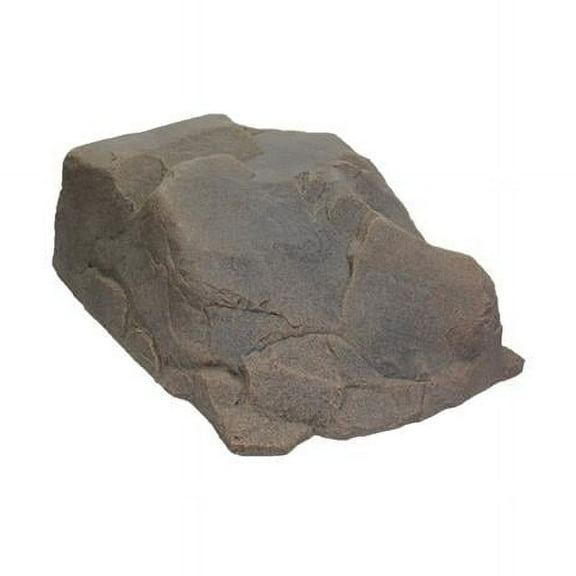 Mock Rock 121-RB Artificial Rock, Riverbed$361.66current price $361.66
TABLZONE 50 Pieces Grey Plastic Railroad Rocks Model Train Scenery Accessories for Diorama and Train Layout Decoration
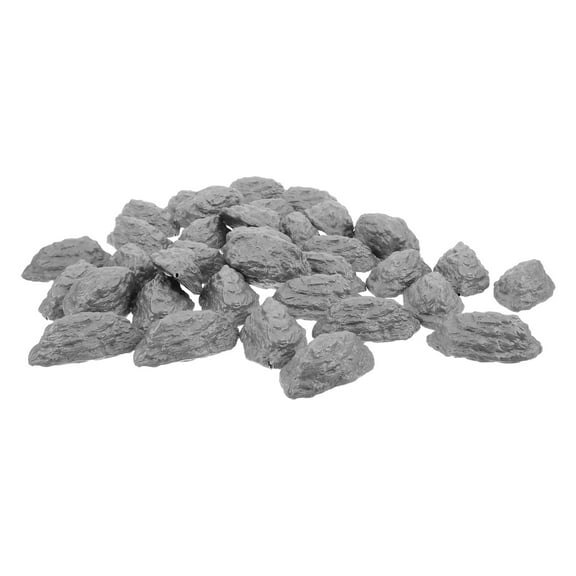 TABLZONE 50 Pieces Grey Plastic Railroad Rocks Model Train Scenery Accessories for Diorama and Train Layout Decoration$11.05current price $11.05