


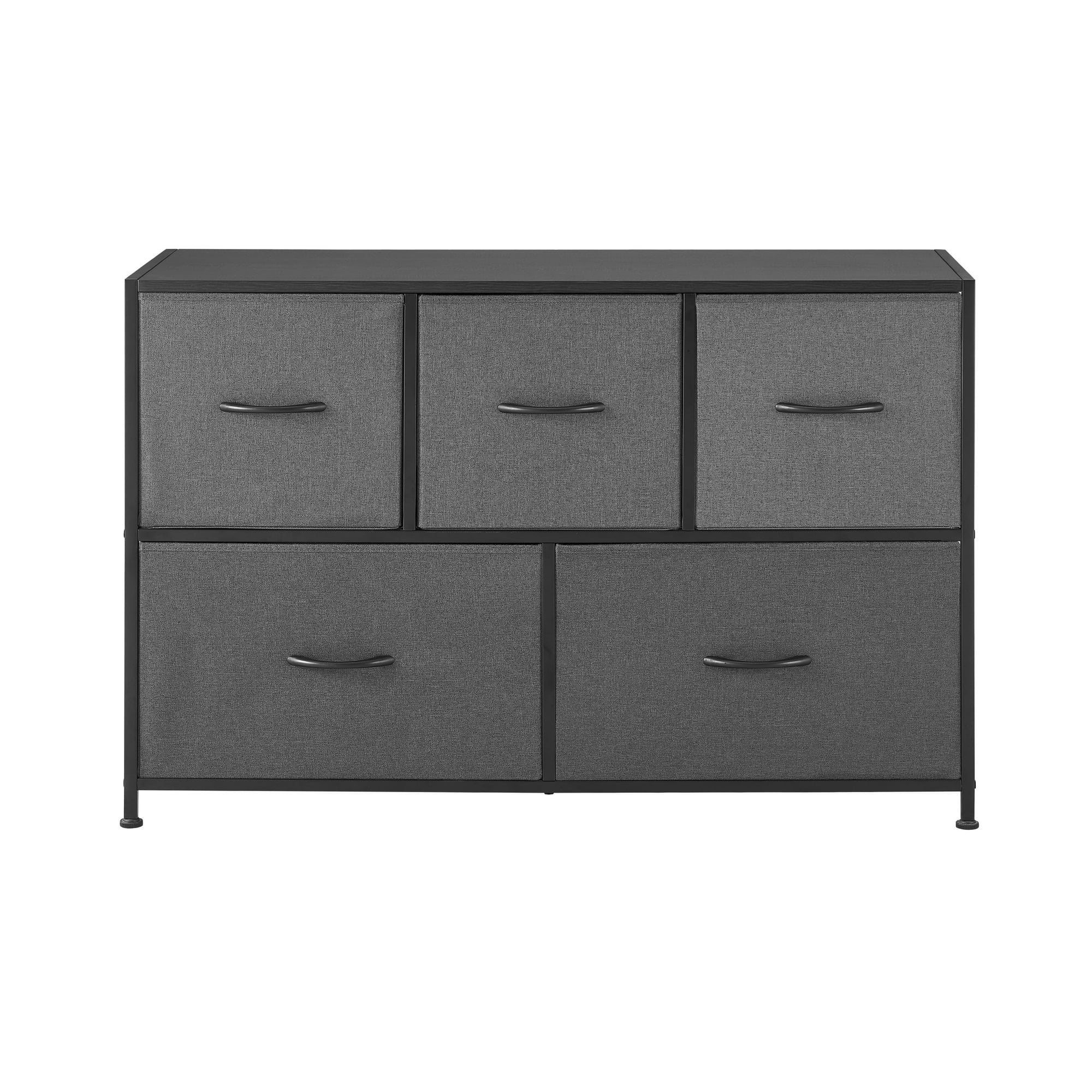
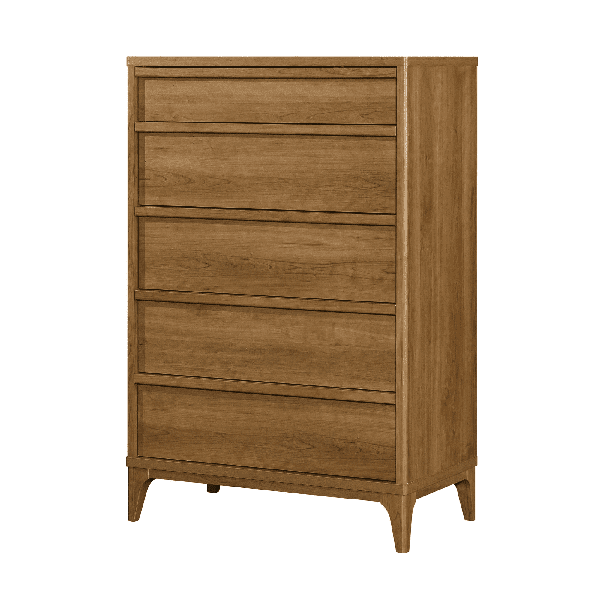
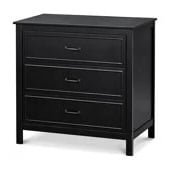
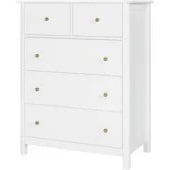


Dressers & Chest of Drawers























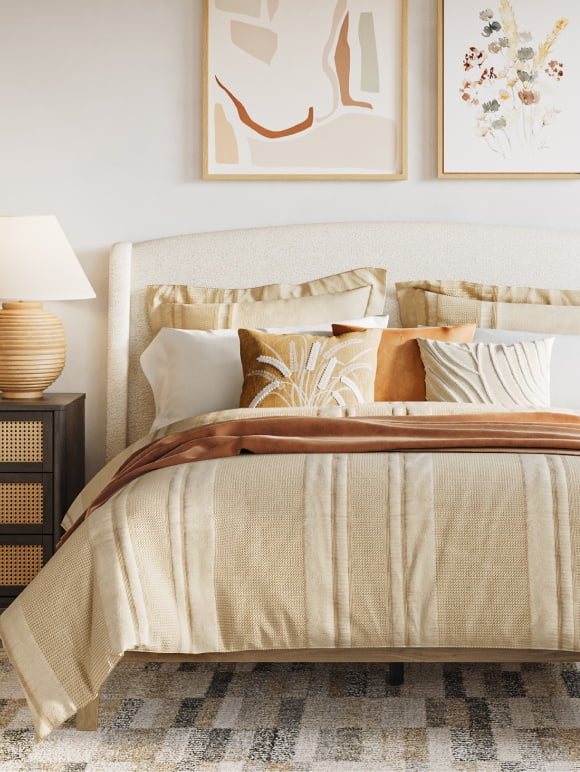

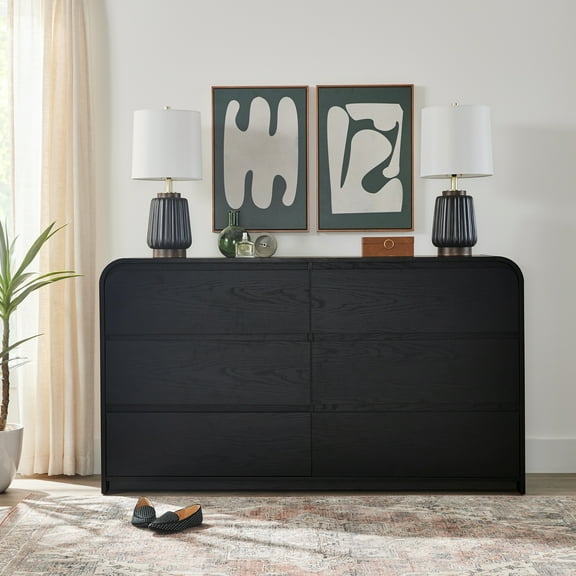


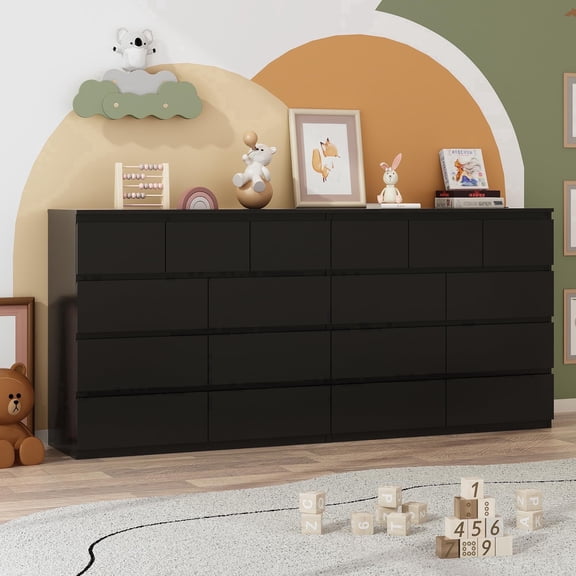
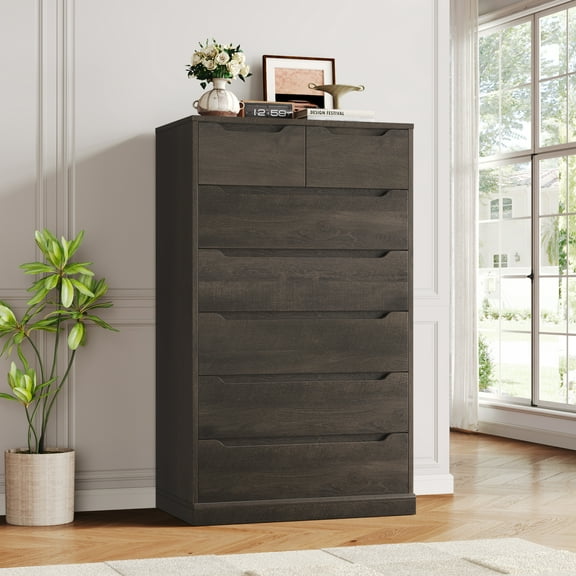
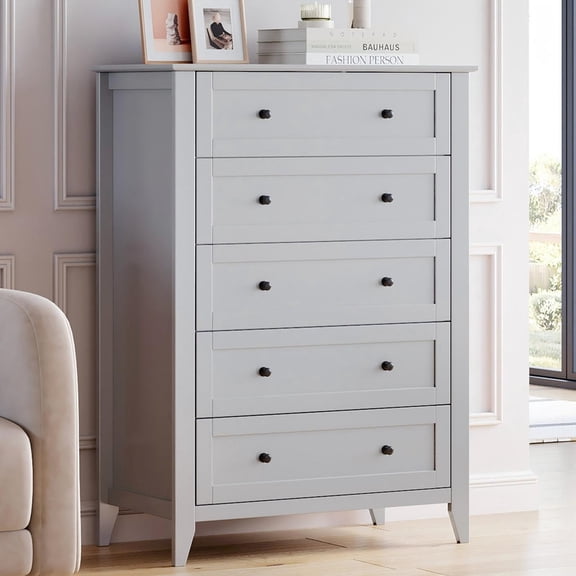


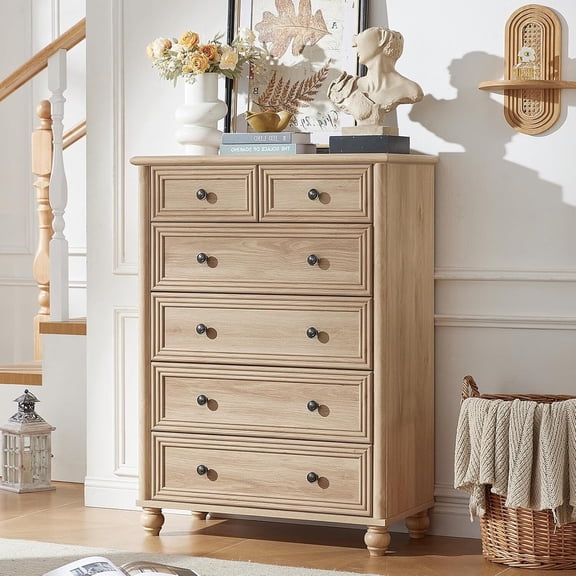


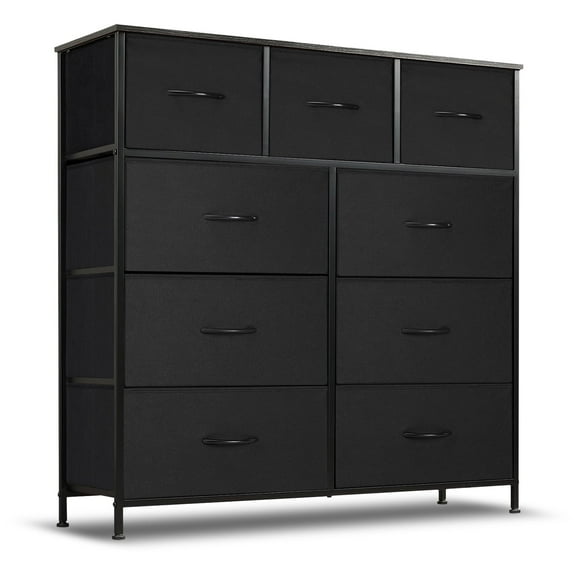


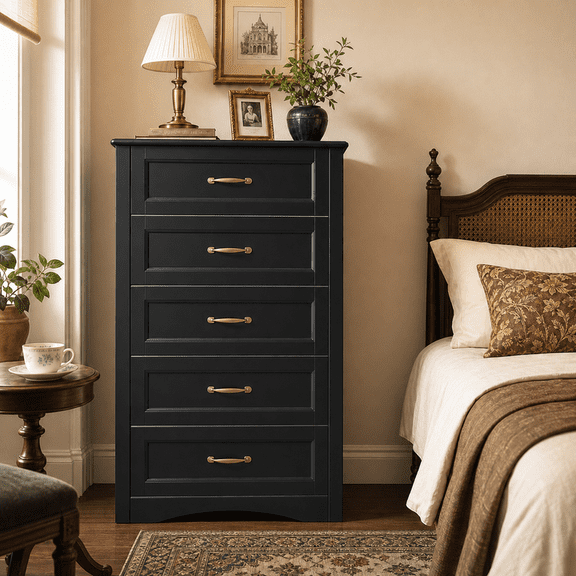


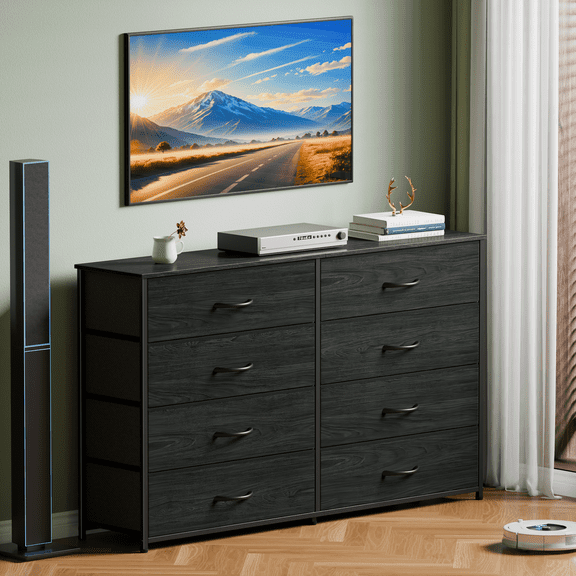


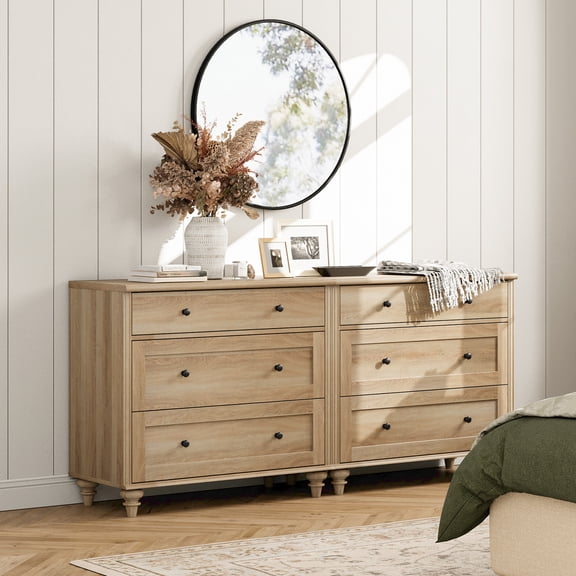


About Dressers & Chest of Drawers - Walmart.com
Dressers help you organize clothing, linens, and bedroom essentials while shaping your room’s layout and style. You can compare sizes, drawer counts, finishes, and safety details to choose storage that fits your space.
If you’re updating a main bedroom, guest room, or kid’s room, dressers give you visible storage without using closet space. You can also match your pick to bedroom dressers, nightstands, or a chest of drawers for a more coordinated setup.
How to choose dressers for your room
You should start by measuring your wall space and the clearance your drawers need when fully opened. You’ll avoid crowded walkways when your dresser width and drawer reach fit your room.
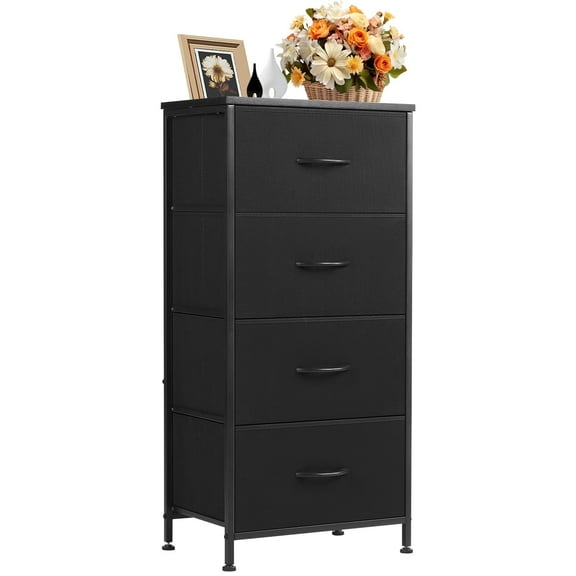
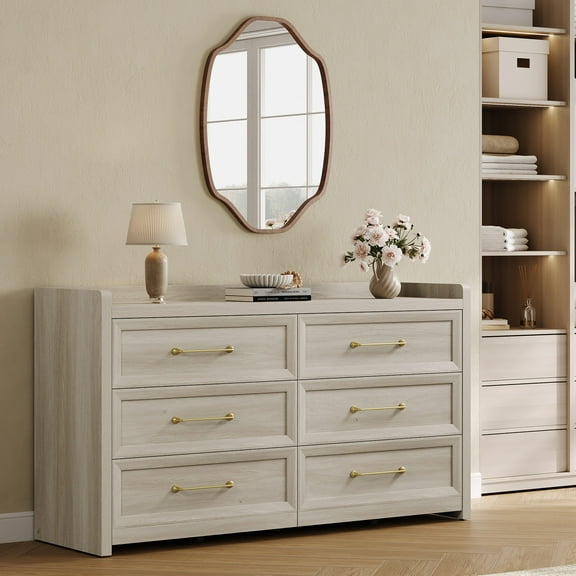
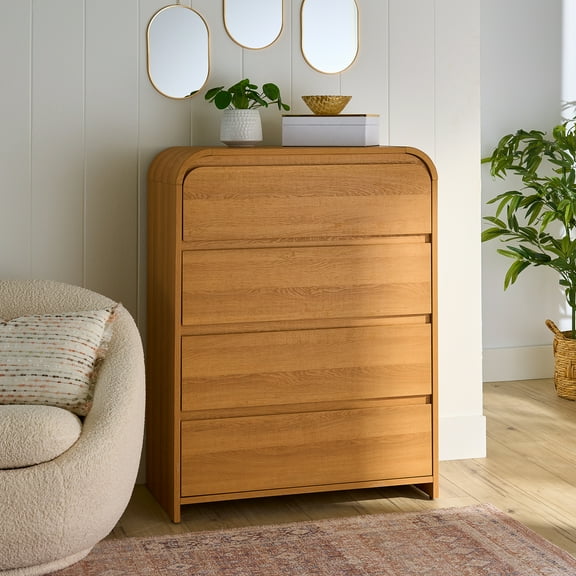
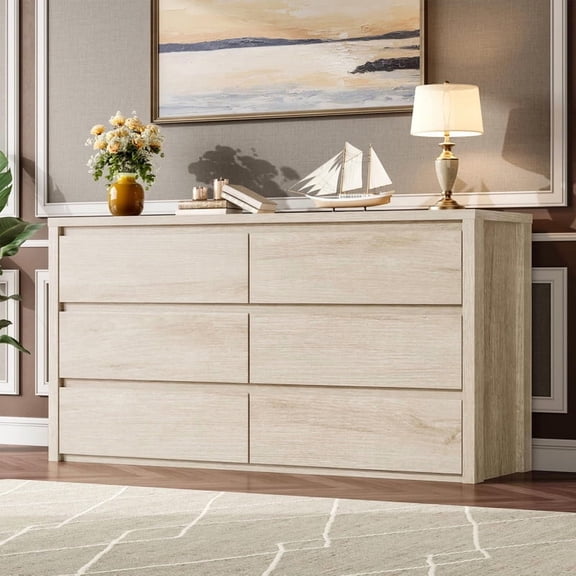
For tighter layouts, you may prefer tall dressers or a tall chest that uses vertical space efficiently. For wider walls, you can consider a horizontal dresser or double dresser with a broader top surface.
You can also think about what you want on top, from lamps to framed photos to a TV. Your surface needs may point you toward lower, wider shapes instead of narrow towers.
Choosing drawer count and storage capacity
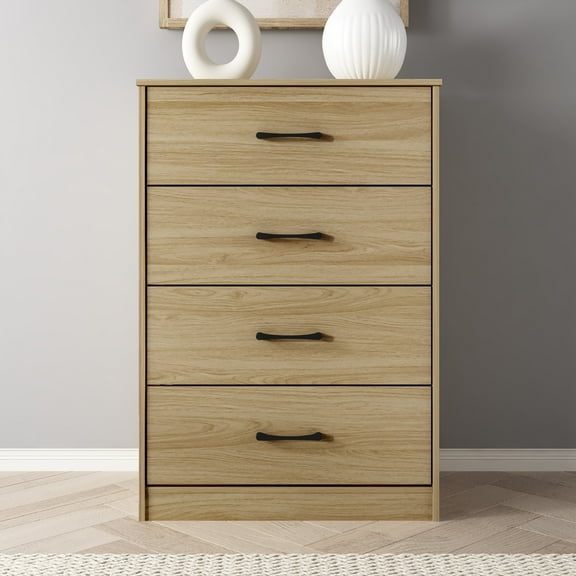
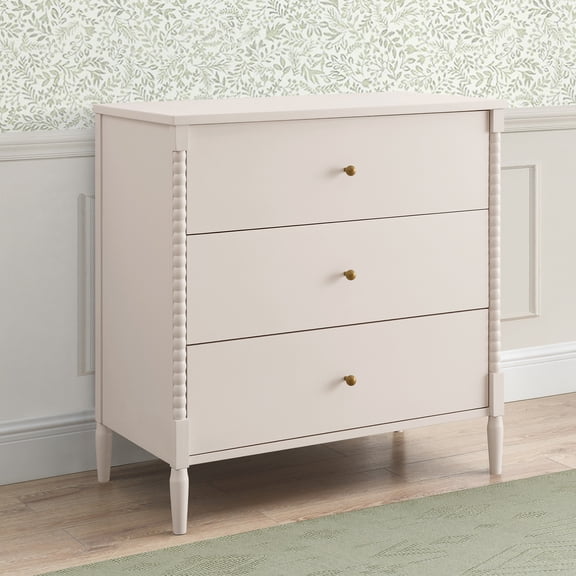
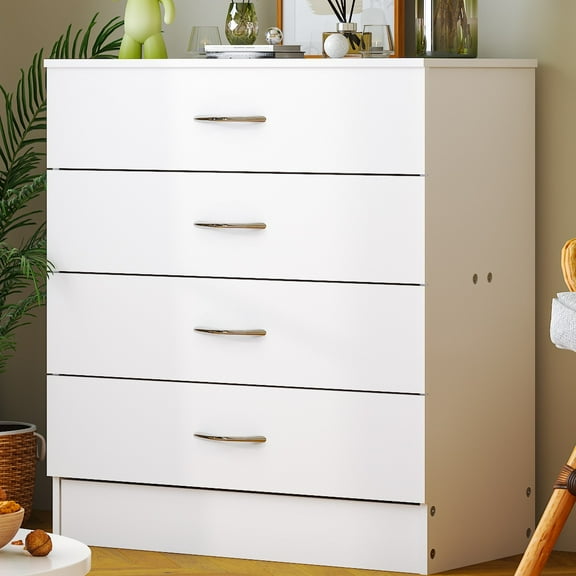
You’ll want drawer count to match the amount and type of clothing you store every day. A three-drawer or four-drawer option can suit lighter storage needs in smaller bedrooms.
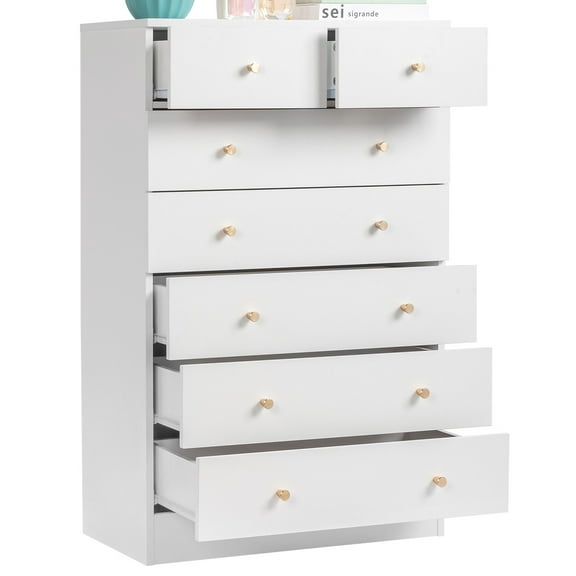
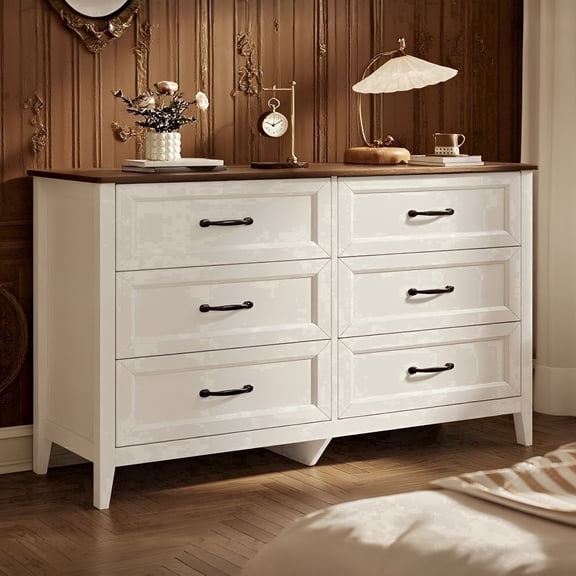
If you fold many shirts, pants, or pajamas, a 6 drawer dresser often gives you a practical middle ground. You get enough sections for sorting without taking up the footprint of an eight-drawer design.
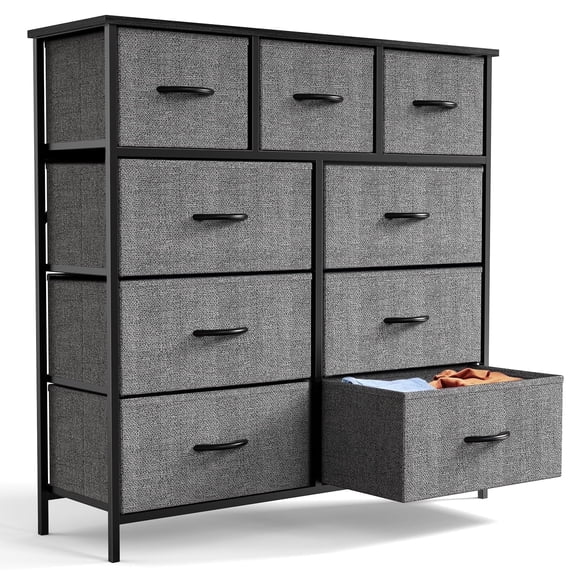
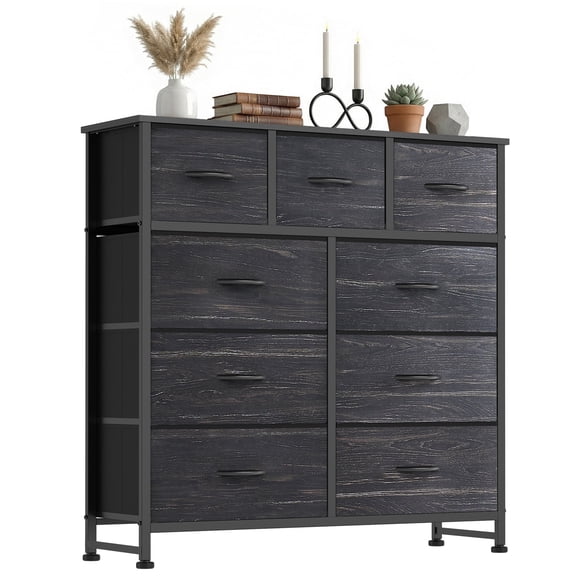
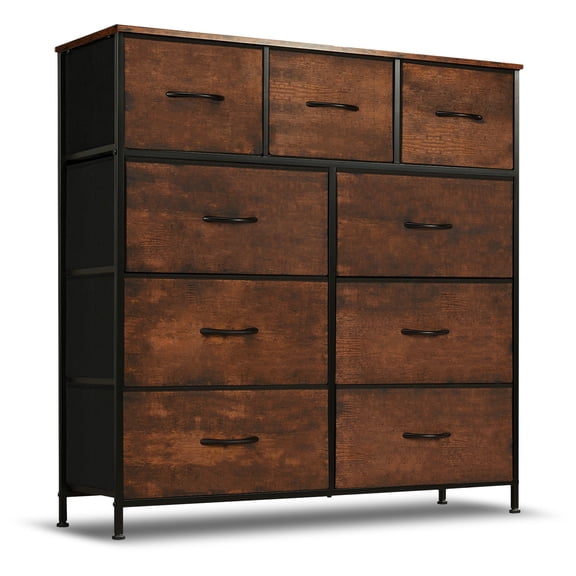
For shared rooms or larger wardrobes, you may want eight-drawer layouts or double dressers with extra width. You can separate seasonal items, accessories, and everyday basics more easily.
- You can use fewer, wider drawers for bulkier sweaters and jeans.
- You can choose more drawers when you want better category-by-category organization.
- You can pick taller drawer stacks when your floor space is limited.
- You can select wider shapes when your wall space is open and your top surface matters.
Comparing style, color, and finish options
You can narrow your search faster when your dresser style matches your bed, mirrors, and nightstands. Modern dressers usually feature clean lines, simpler hardware, and a streamlined profile.
If your room feels warm and textured, you may lean toward rustic or traditional looks. Mid-century modern shapes often give you tapered legs and a lighter visual footprint.
Your color choice changes how large or grounded your furniture looks in the room. White dressers can brighten smaller bedrooms, while black, gray, oak, and espresso finishes create different levels of contrast.
You should also consider how the finish works with your flooring and wall color. Wood dressers in oak tones can feel natural, while darker finishes can anchor a larger room.
Comparing materials, glides, and safety details
You can compare material types based on look, weight, and everyday use. Solid wood offers a classic furniture feel, while engineered wood can provide a consistent finish and versatile styling.
If you want an airy or industrial look, you may consider metal frames or mixed-material designs. Fabric drawer styles can work for lightweight storage in casual spaces like dorm rooms or playrooms.
You should also check drawer glide types because they affect how drawers open and close. Smooth glides can make frequent access feel easier when you’re getting dressed each day.
Anti-tipping hardware is another decision point you shouldn’t skip when you compare bedroom dressers. You can look for included anchoring hardware when your setup calls for extra stability against the wall.
Your assembly preference matters too, especially when you’re furnishing a room quickly. You may choose flat-pack options when you want easier delivery, or assembled pieces when you want less setup work.
Matching dresser types to everyday use
You can match a chest of drawers to narrow corners, apartment bedrooms, or spaces beside a closet door. A tall chest helps you store more upward when your floor plan feels tight.
For primary bedrooms, you may prefer wider dressers for bedroom layouts that need shared storage. A double dresser gives you broader drawer sections and more top space for décor or daily essentials.
You can use smaller drawer counts in guest rooms where storage needs stay lighter and more flexible. In a kid’s room, you may prefer simple sorting zones for tops, bottoms, and sleepwear.
If you’re furnishing a modern space, you can focus on sleek profiles, neutral finishes, and minimal hardware. If you want a cozier look, you can compare rustic textures and warmer wood tones.
You may also coordinate your dresser with related bedroom furniture for a more pulled-together room. Your setup can feel more intentional when shapes, finishes, and storage heights work together.
What to look for before you decide
You should measure carefully, compare drawer count to your clothing volume, and check whether the orientation fits your wall. You’ll make a smarter choice when your style, finish, and material all support daily use.
With dressers, you’re choosing more than storage because your pick affects room flow, organization, and visible bedroom style. You can feel confident when your dresser fits your space, holds your essentials, and supports a tidier routine.