

Chrome Polish in Car Polish


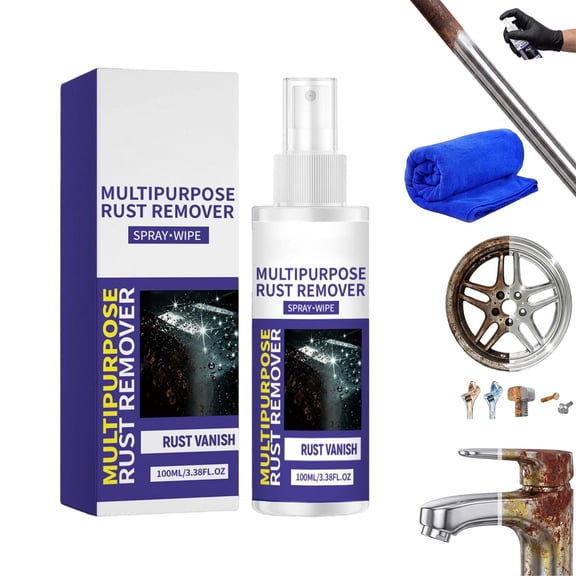
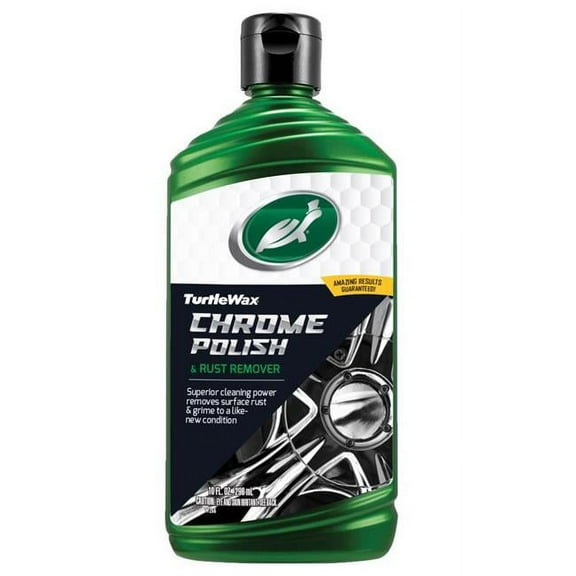



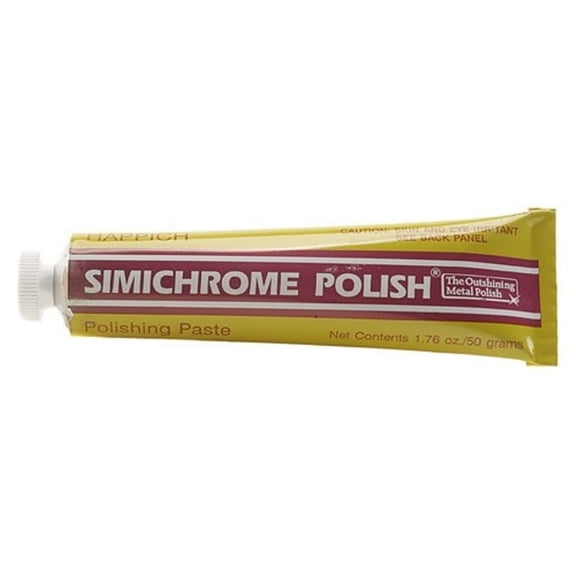













About Chrome Polish in Car Polish - Walmart.com
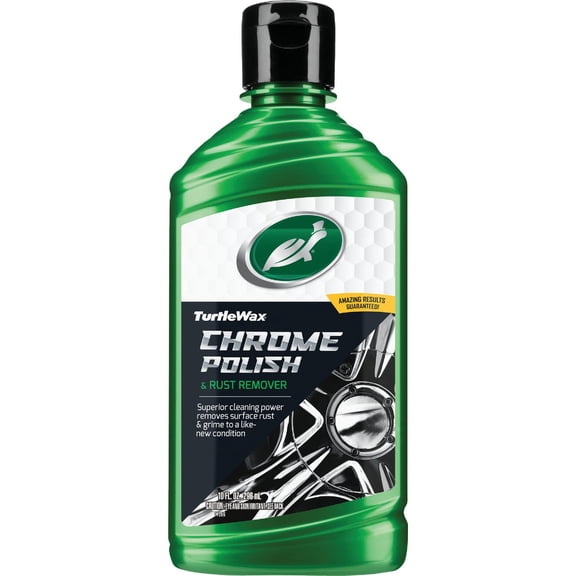
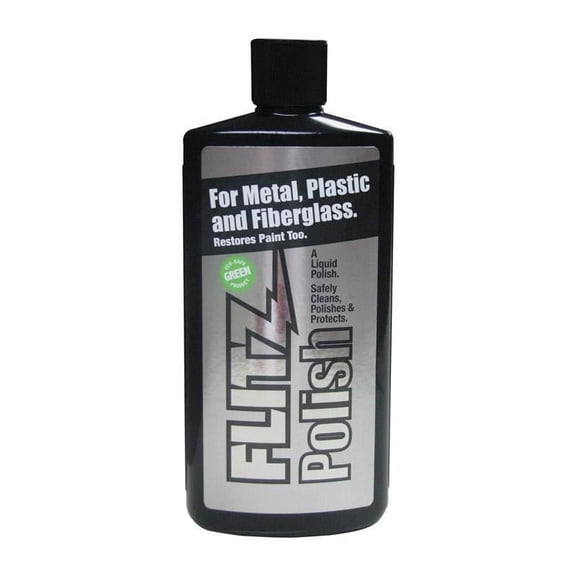
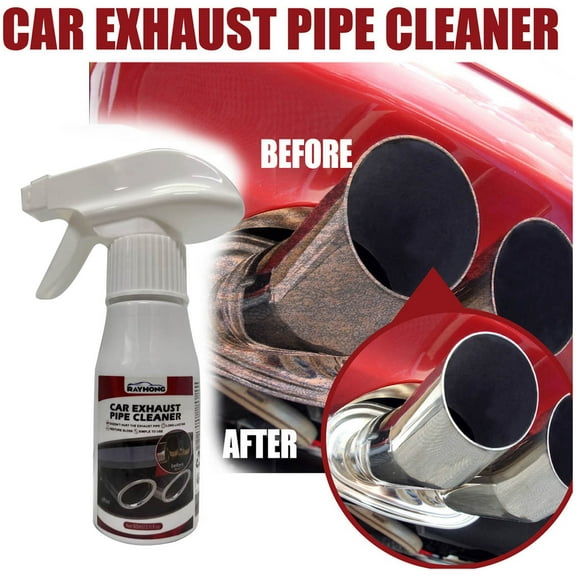
Chrome polish helps you restore bright trim, wheels, and exhaust surfaces with the right finish for your vehicle. You can compare formulas by metal type, rust level, and application method, so your results match the surface you’re cleaning.
How to choose chrome polish for your surface
Material compatibility should guide your first choice, because your vehicle may include chrome, bare aluminum, stainless steel, brass, or copper pieces. You’ll want a formula that matches your metal, since chrome cleaner and aluminum polish aren’t always interchangeable.
On wheels and trim, you may also need to check whether the surface is plated, bare, or clear coated. You can avoid guesswork by comparing labels that specify metal polish for cars, wheel polish, or multi-metal use.
Form factor also changes how your detailing routine feels and how much control you get on small areas. You may prefer liquid for quick spreading, paste for targeted correction, cream for balanced coverage, spray for fast touchups, or wipes for compact storage.
- You can match chrome polish to chrome trim, wheels, bumpers, and exhaust tips.
- You can choose aluminum polish when your surface is bare metal rather than chrome plated.
- You can pick cream, paste, spray, liquid, or wipes based on cleanup and control.
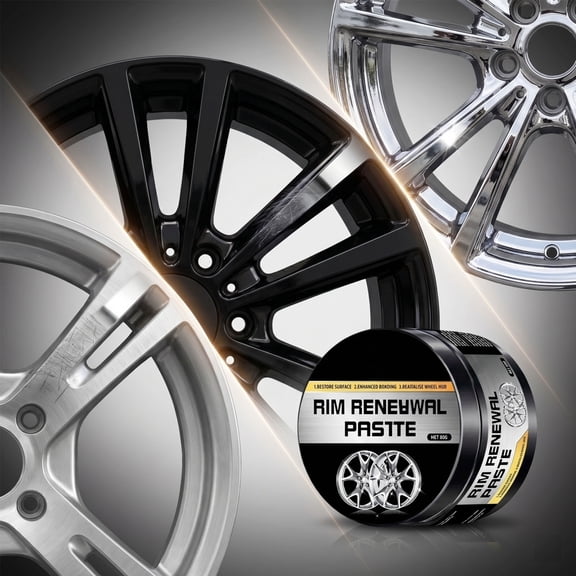
- You can compare wheel-specific formulas when brake dust and road film build up on rims.
Choosing a chrome cleaner by benefit
You’ll get different results depending on whether you’re chasing shine restoration, rust removal, oxidation protection, or scratch repair. You can narrow your options faster when you start with the surface condition instead of the package style.
For light haze or dullness, you may only need a chrome detailing cream that buffs off cleanly and revives reflection. You’ll often prefer a lighter polish when your trim still feels smooth and only looks cloudy.
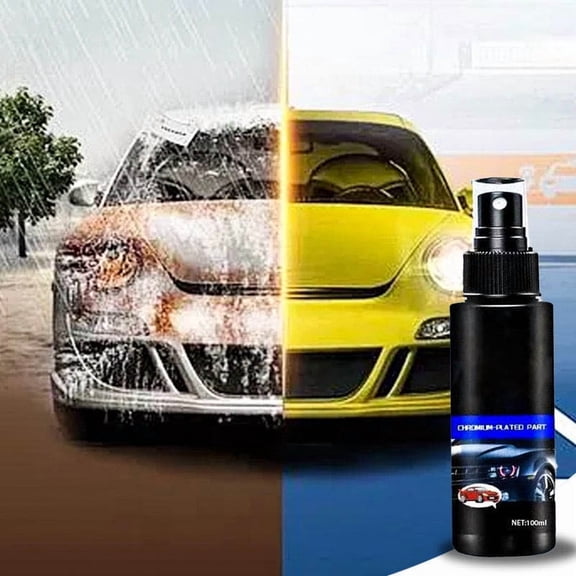
For orange spotting or heavier discoloration, you may look for rust remover for chrome formulas designed for visible buildup. You should compare product descriptions carefully, because light surface rust and deep pitting require different expectations.
Protection matters after polishing, especially when your vehicle sees rain, road salt, or frequent washing. You may want formulas that leave a wax or polymer barrier, because your finish can stay cleaner between detailing sessions.
Key features to compare before you buy
You can make a smarter choice by comparing application method, buffing effort, and surface coverage. You’ll often notice that hand polish formulas give you more control on narrow trim and detailed grilles.
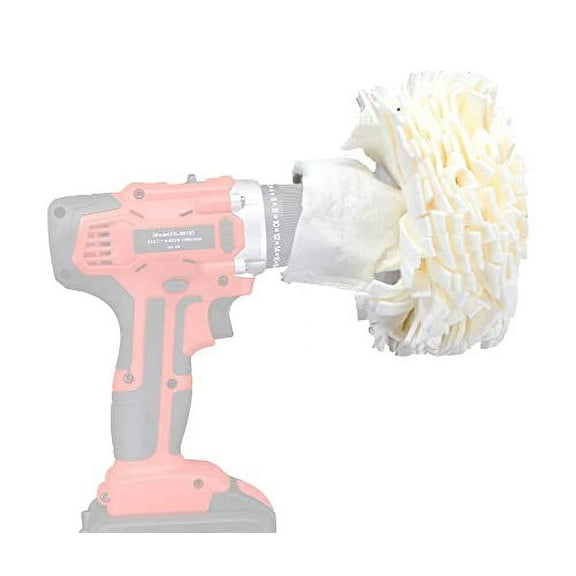
Machine buffer compatible options can help you cover larger areas, especially when you’re refreshing multiple wheels or bigger chrome sections. You should still check whether the formula suits your tool setup and the metal on your vehicle.
Wheel-specific products can be useful when you’re dealing with spokes, lips, and tight corners around lug openings. You may find these options easier to work into hard-to-reach areas where road film collects.
Consistency also affects your routine, because thicker pastes usually stay put while liquids spread faster over broad sections. You can compare wipe-off effort too, since some formulas haze before buffing and others remove with a simpler pass.
If you’re maintaining mixed finishes, you may want to separate chrome polish from aluminum polish in your garage kit. You’ll keep your process clearer when each formula has a defined purpose for trim, wheels, and metal accents.
Using wheel polish and metal polish for cars
You can use wheel polish when chrome rims lose their mirror-like look after regular driving and washing. You’ll usually focus on outer faces, spoke edges, and exposed metal areas where film and haze become obvious.
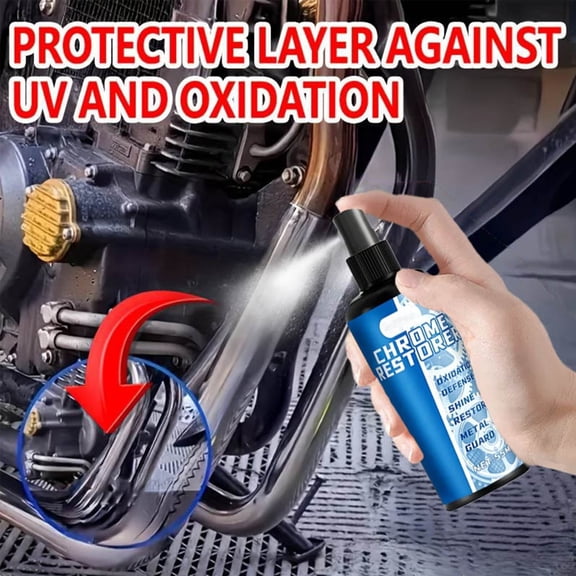
On classic cars or motorcycles, you may reach for chrome cleaner on bumpers, handlebars, engine covers, or exhaust tips. You can restore a cleaner appearance on small metal details without switching to a general paint product.
If your vehicle includes bare aluminum parts, you should compare aluminum polish instead of assuming chrome polish will fit every surface. You’ll make a more accurate choice when you match the formula to the actual metal finish.
For stainless steel accents, brass hardware, or copper details, you may prefer a multi-metal formula that names those surfaces clearly. You can simplify your detailing shelf when one product covers several exposed metals.
You may also choose by effort level when you detail often or need quick upkeep between full washes. Spray and wipes can fit lighter touchups, while cream and paste can suit more visible oxidation or stubborn residue.
When your goal is routine upkeep, you can focus on shine and a protective layer that helps preserve the finish. When your surface shows rough spotting, you may prioritize rust remover for chrome and stronger corrective action.
What to look for in chrome polish results
You should look for a cleaner reflection, smoother wipe-off, and a finish that suits your maintenance schedule. You can also compare whether the formula leaves protection behind, which helps support longer gaps between polishing sessions.
With the right chrome polish, you can match your product to your metal, your rust level, and your preferred application style. You’ll get a clearer path to polished wheels, trim, and brightwork that looks cared for every time you drive.