


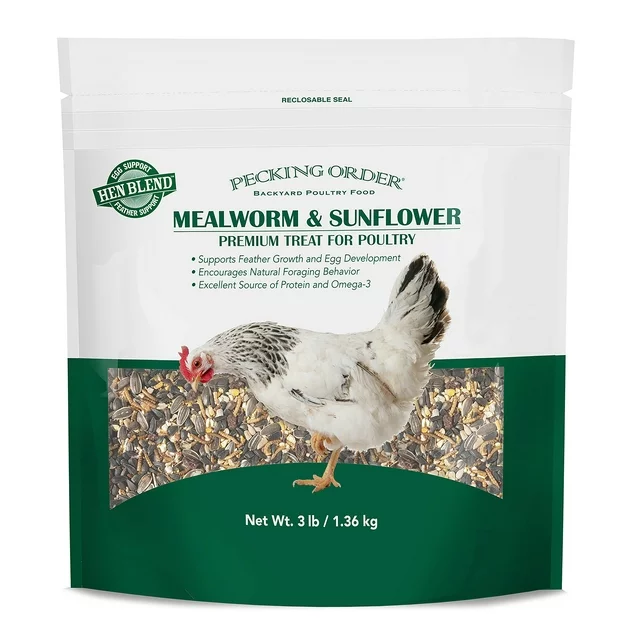


Chicken Feed in Chickens


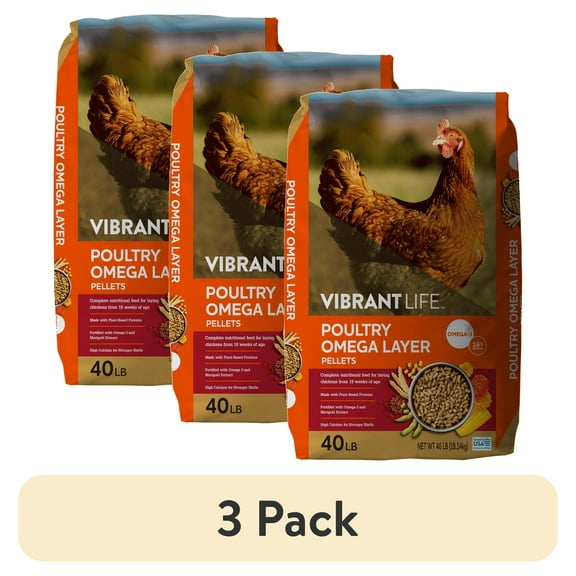
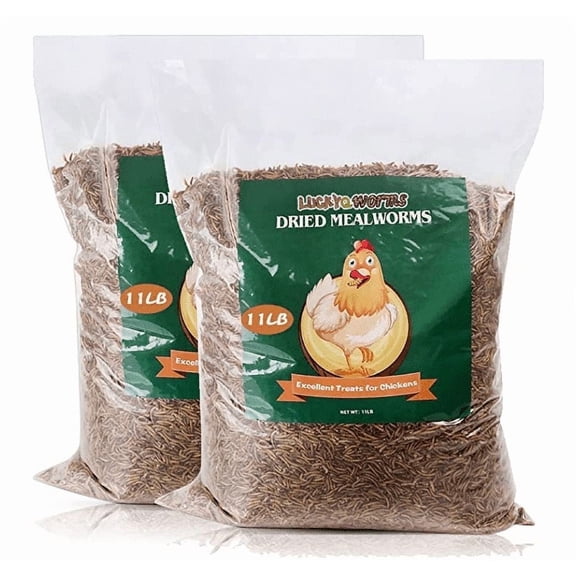


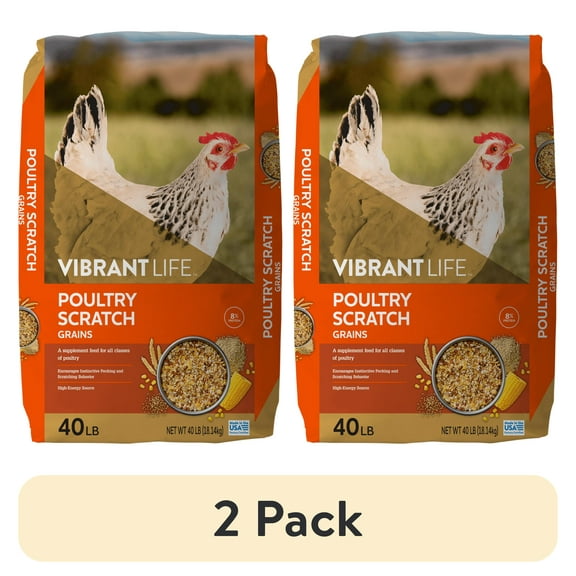







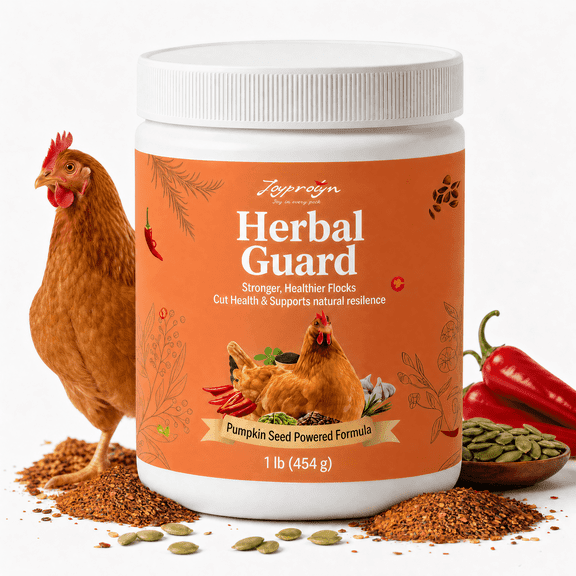
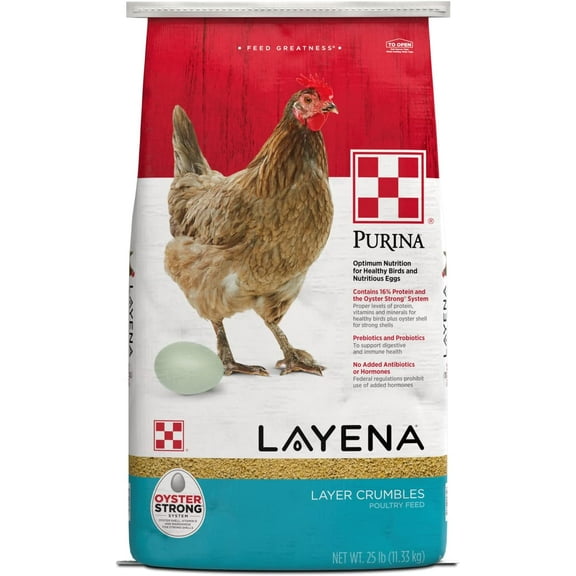

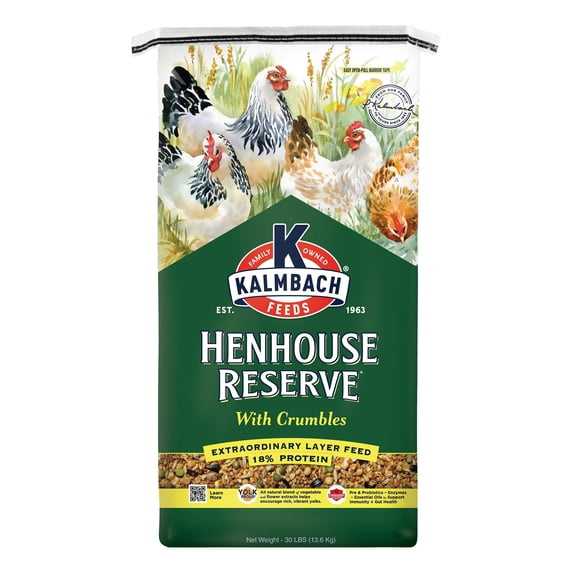
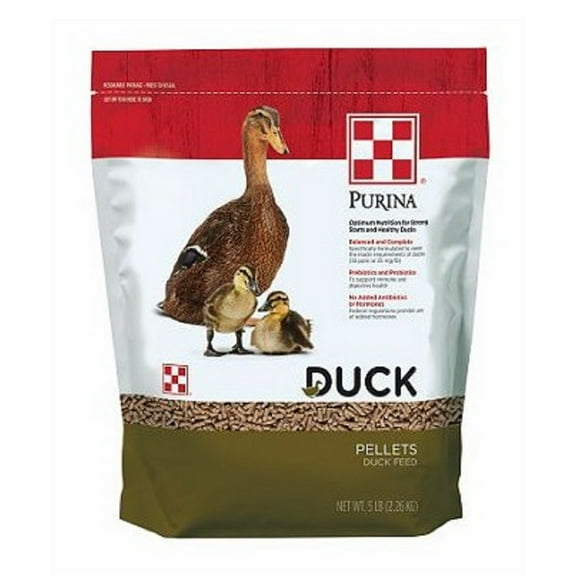






About Chicken Feed in Chickens - Walmart.com
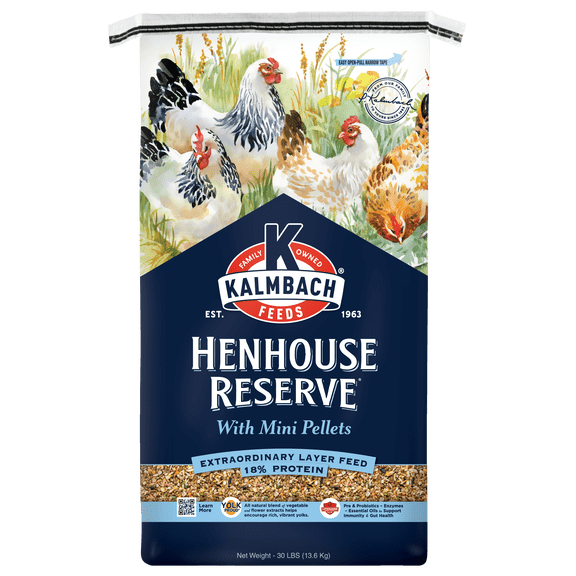
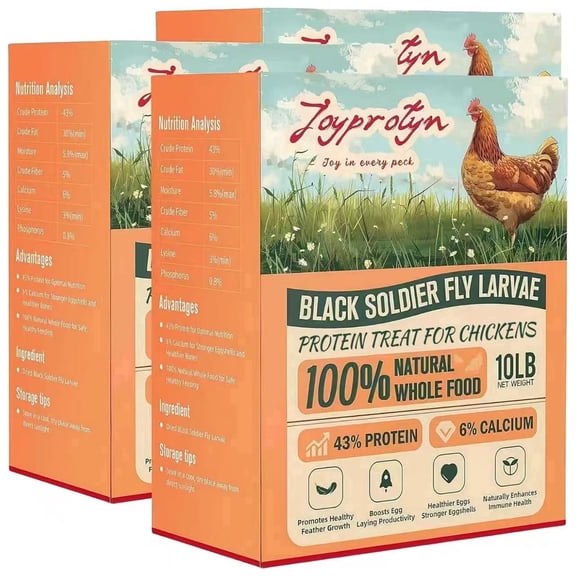
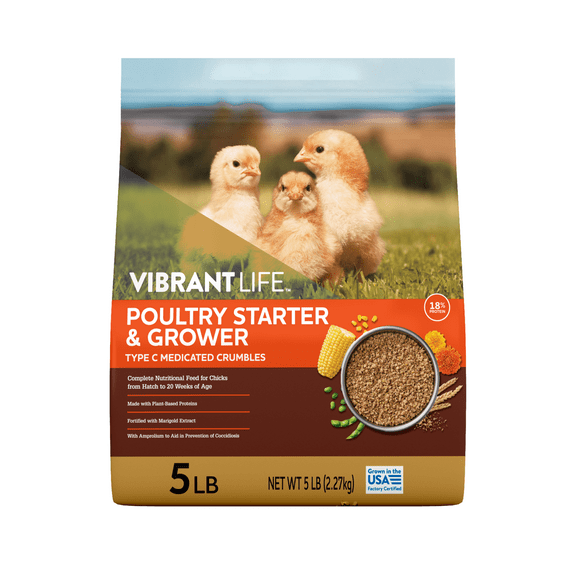
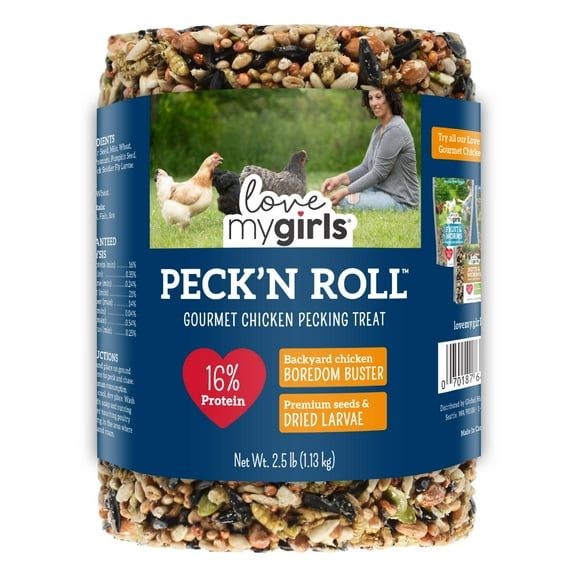
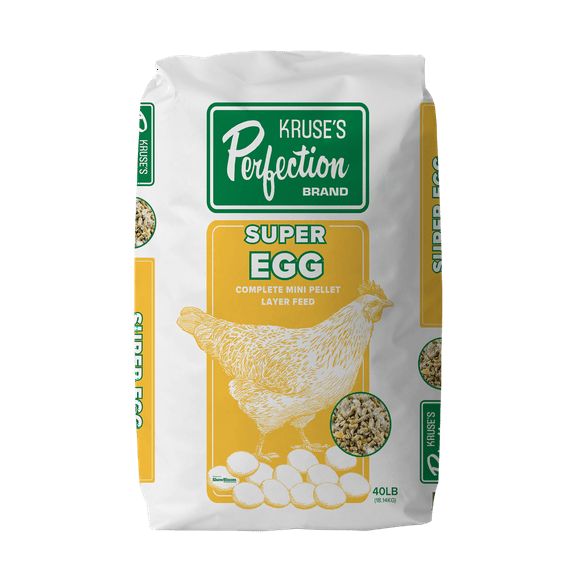
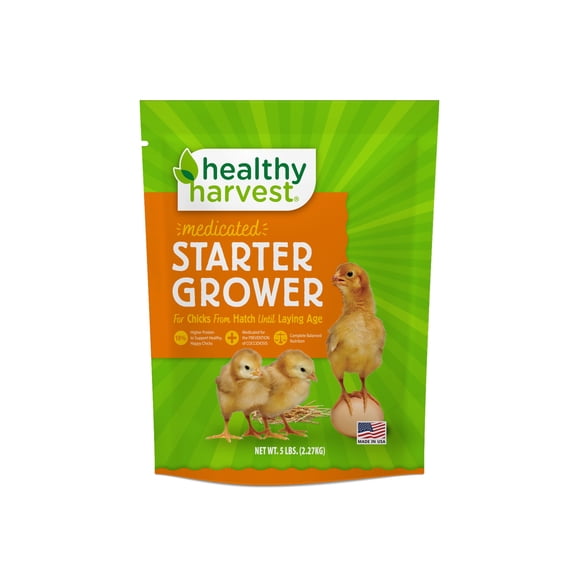
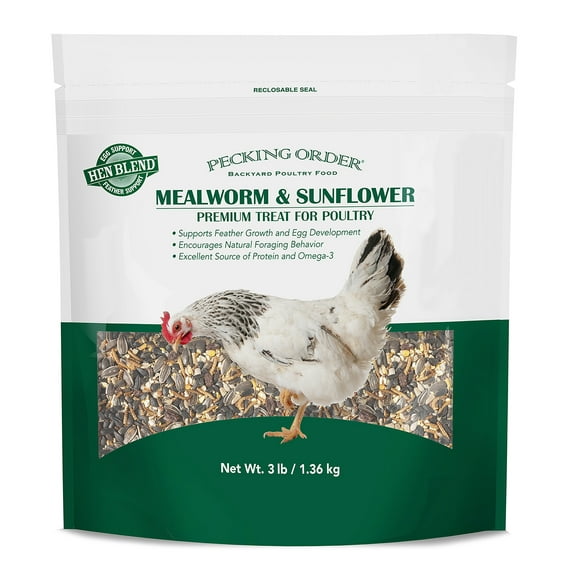
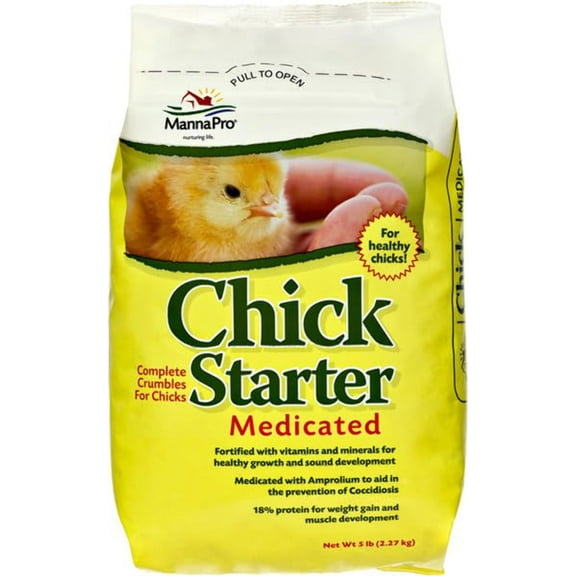
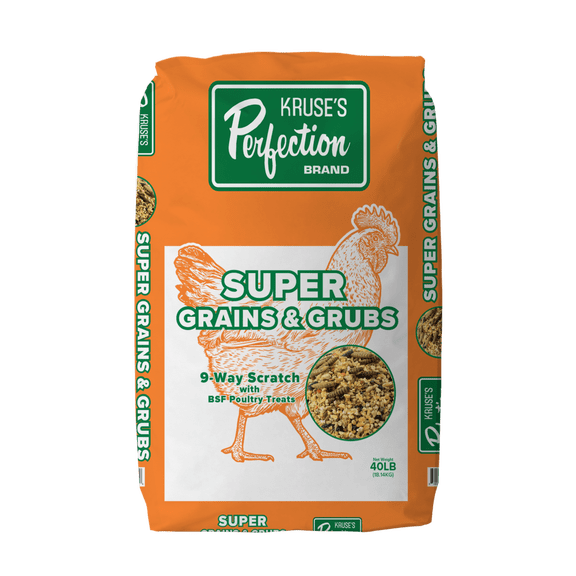
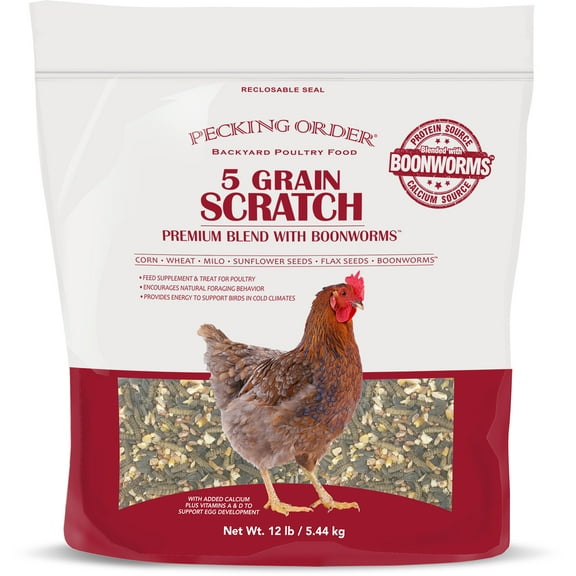
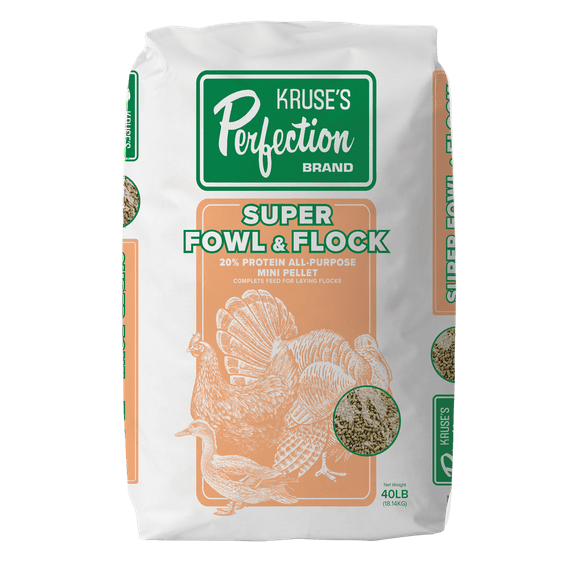
Chicken feed from Walmart helps you keep a steady flock routine with consistent nutrition and easy storage. Choose chicken feed bags sized for small coops or larger backyard flocks. You’ll find formulas for chicks, growers, and laying hens, plus textured mixes and pellets. Many options come in sturdy bags that pour cleanly and reseal well between feedings.
Stocking the right poultry feed also helps you plan ahead for weekends, storms, and busy schedules. Look for pickup and delivery options when you’re restocking on a tight timeline. Pair your order with poultry supplies like feeders, waterers, and bedding for a smoother daily chore list.
Benefits of chicken feed for a steady flock routine
The right chicken feed makes daily care simpler because your birds get a consistent ration each feeding. You’ll spend less time mixing grains and more time checking water, eggs, and coop conditions. Balanced food for poultry can also support strong laying cycles when your flock reaches maturity.
Bulk bags can reduce how often you restock, especially when you feed multiple birds twice daily. Larger sizes also make it easier to keep an extra bag on hand for weather shifts. You can also choose textures that match your setup, like pellets for cleaner feeders.
- Keep feeding predictable with chick, grower, and layer formulas for each stage.
- Reduce spill and sorting with pellet options that flow well through gravity feeders.
- Plan fewer restock trips with bulk chicken feed sizes for larger flocks.
- Support calmer mealtimes with crumbles that smaller beaks can manage easily.
- Store confidently with bags that stack well in bins, sheds, or feed rooms.
Features to compare when choosing poultry feed
Start with life stage, since chicks, growers, and layers need different nutrient balances. Chick starter typically focuses on early growth support and small particle size. Layer feed usually centers on nutrients that support egg production needs.
Next, compare form, including crumbles, pellets, and textured blends with grains. Pellets can help reduce selective eating when birds pick favorite bits first. Crumbles often work well for young birds and smaller flocks.
Bag size matters for freshness and handling, especially if you carry feed to a coop daily. Smaller bags fit tighter storage spaces and are easier to pour without scoops. Bigger bags suit feed bins and can stretch longer between reorders.
If you’re considering wholesale chicken feed for ongoing needs, check how many pounds you go through weekly. A simple weekly usage estimate helps you choose a size that won’t sit open too long. Match that plan with a sealed bin to protect feed quality.
Types of poultry feed: starter, grower, and layer
Chick starter works for newly hatched birds through early development stages. It’s usually milled smaller, so chicks can eat without wasting feed. Many flock owners keep starter on hand for spring hatch season planning.
Grower feed fits the middle stage when birds aren’t laying yet but need steady energy. It’s a practical bridge between starter and layer formulas. Choosing the right timing helps keep your feed transition organized.
Layer feed supports adult hens, especially during active laying periods. Many coops use a dedicated layer formula once hens reach laying age. Pair it with clean water access, since feeding and hydration work together.
Bulk chicken feed and wholesale-style stocking at home
Bulk chicken feed is useful when you’re feeding multiple birds daily and don’t want constant restocks. It’s also handy if you share feeding duties with family and want one simple setup. Large bags can fit well with feed bins that have tight lids.
For a wholesale chicken feed approach, build a monthly routine around your flock size and feeder capacity. Keep one active bag and one backup bag to avoid sudden shortages. Store bags off the floor in a dry area to reduce moisture issues.
If you’re wondering how much is a bag of chicken feed, it varies by brand, formula, and weight. Smaller bags can be easier to manage, while larger bags can stretch longer. Check the pounds per bag and your weekly usage to estimate timing.
Use cases for chicken food in backyard and small-farm setups
Backyard coops often use pellets with hanging feeders to help keep feed clean. That setup can reduce scratch-through waste and keep bedding tidier. It’s also easier to refill when feeders are mounted at the right height.
Mixed-age flocks can benefit from planning separate feeding areas for chicks and adults. A small chick feeder inside a brooder can prevent competition at meals. Once birds graduate, you can transition to grower feed in a regular feeder.
Cold-weather routines can require extra planning, since birds may eat more when temperatures drop. Having extra poultry feed on hand helps you keep schedules steady. You can also stage feed in sealed containers closer to the coop.
If you’re adding new birds, consistent food for poultry can support smoother adjustment during the first week. Keep the same formula they’re used to, then transition gradually if needed. That approach can reduce wasted feed and mealtime disruption.
Many shoppers also build a full care bundle with coops, feeders, and waterers. A treadle feeder or gravity feeder can match pellet flow and reduce mess. Pairing the right feeder with your feed form can simplify chores.
Confidence for your next flock refill
With chicken feed matched to life stage, form, and bag size, your daily routine gets simpler. Plan your next restock with bulk options and reliable storage. That means fewer surprises at feeding time and steadier care all week.