

File Cabinets







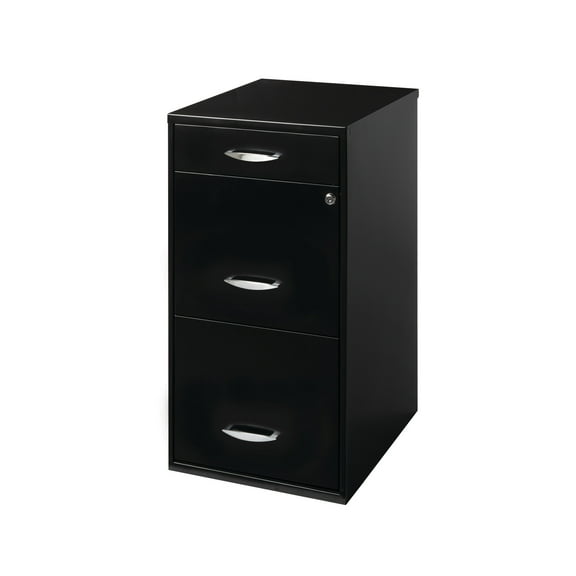
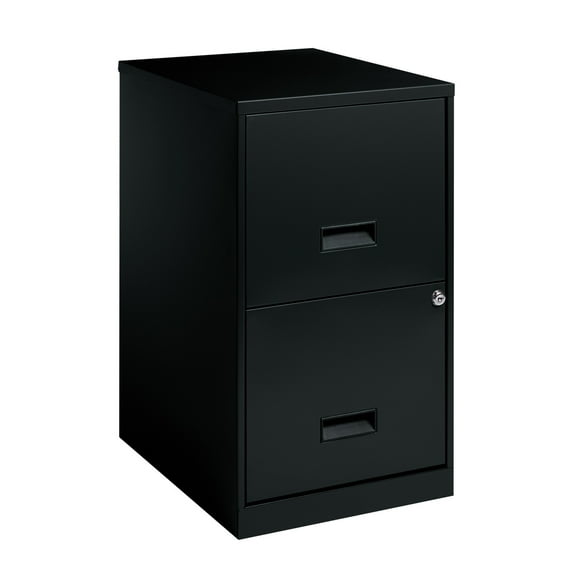
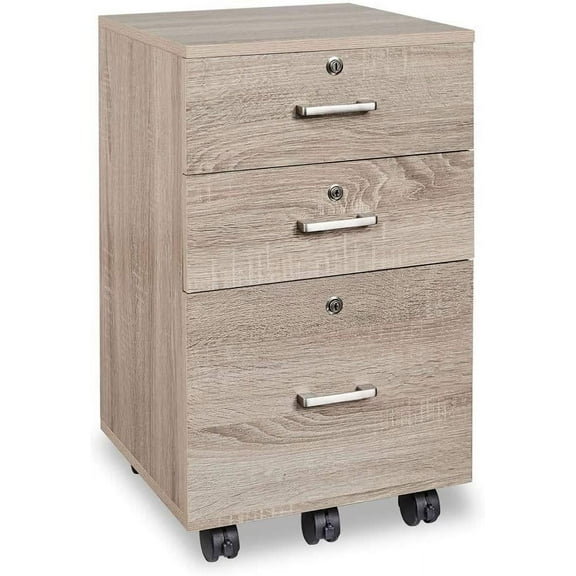


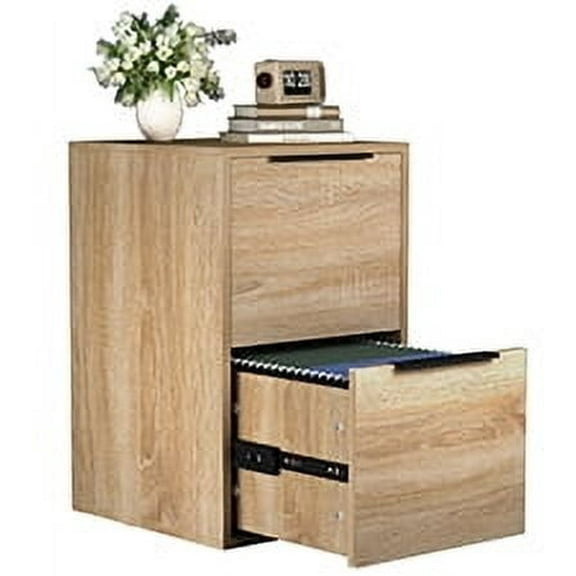
































About File Cabinets - Walmart.com
Filing cabinets help you organize bills, records, and office papers with storage choices that fit your room, workflow, and document volume. You can compare cabinet style, drawer count, material, and security features to narrow options that make everyday filing easier.
How to choose filing cabinets for your space
When you compare filing cabinets, you should start with placement and paper type. You may want enough capacity for letter or legal files without crowding your desk, wall, or hallway.
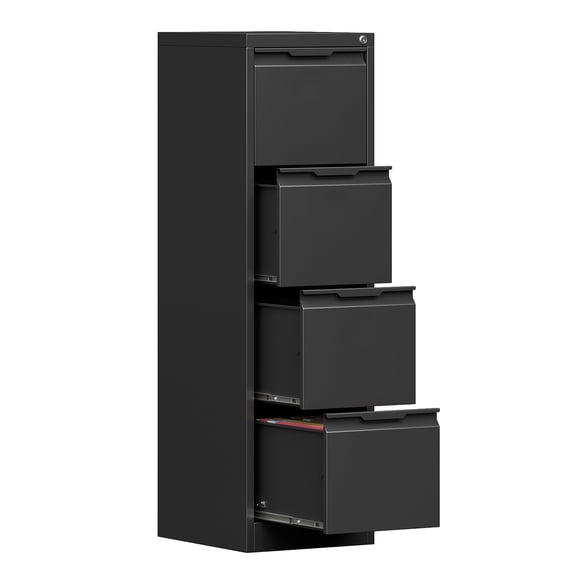
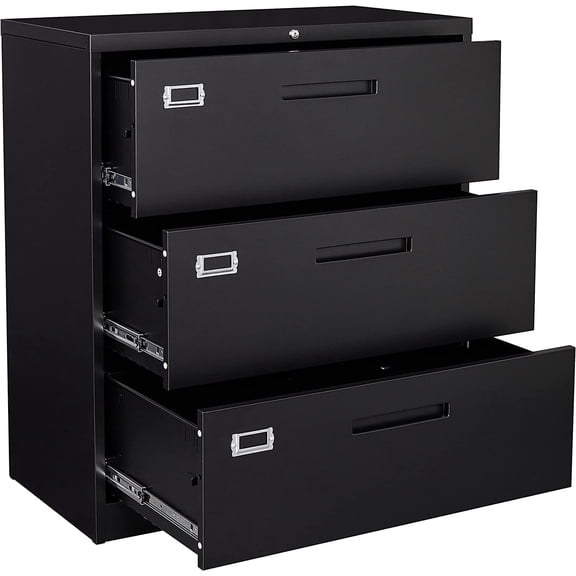
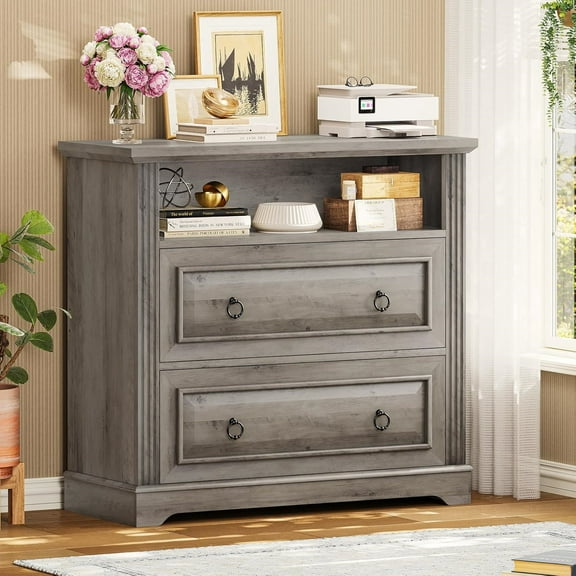
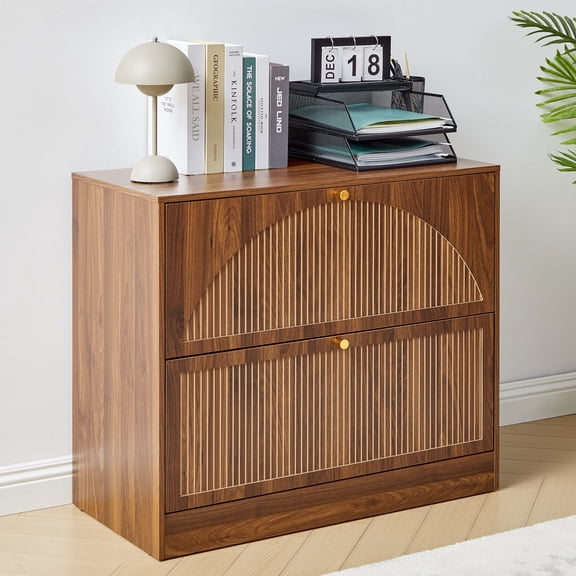
Lateral filing cabinets give you wide drawers that place folders side by side. Vertical designs use less wall space, so you can fit organized storage into tighter home office layouts.
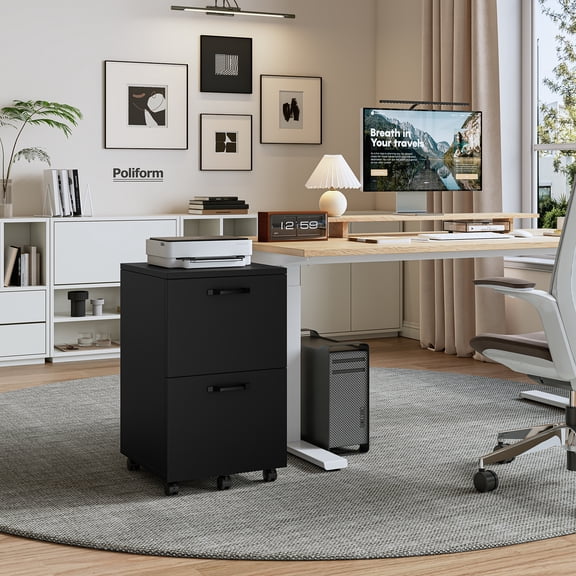
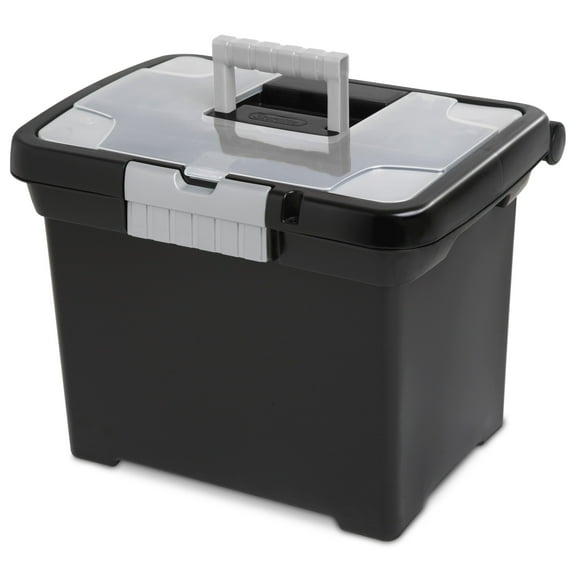
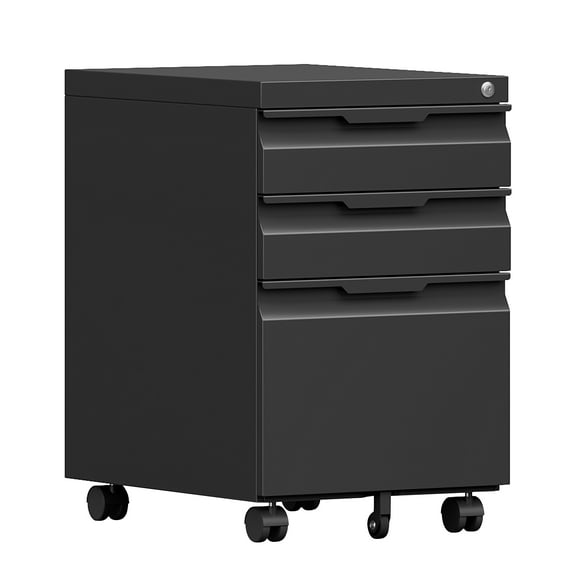
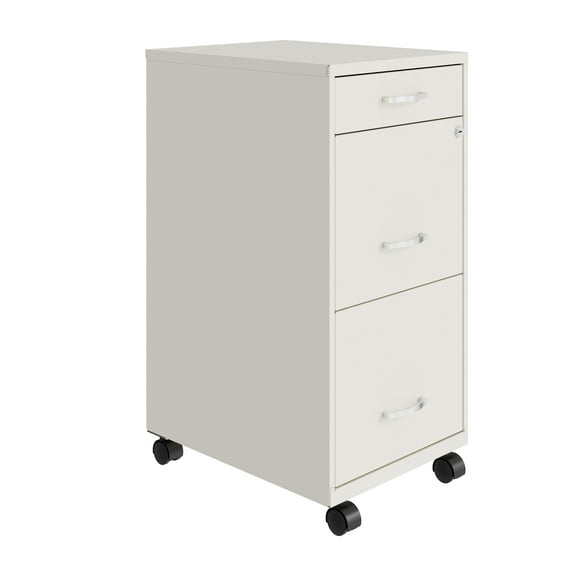
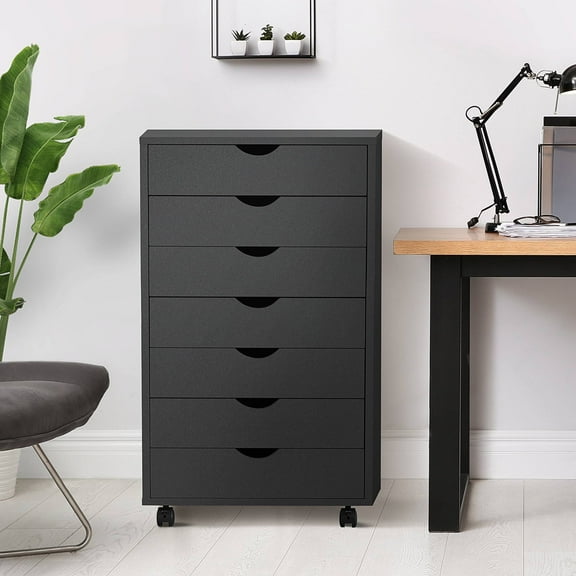
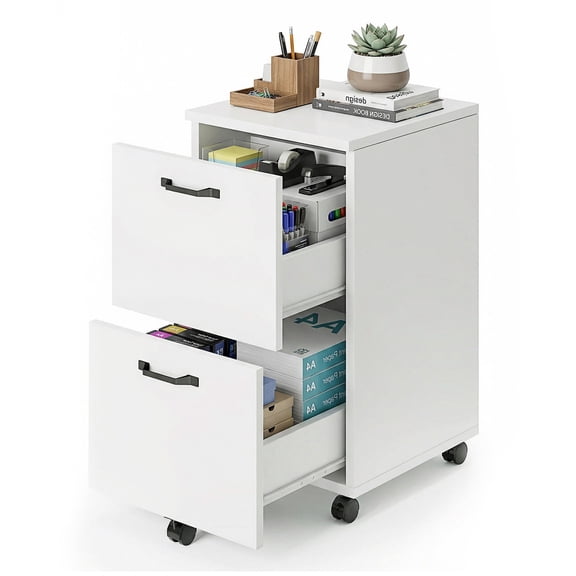
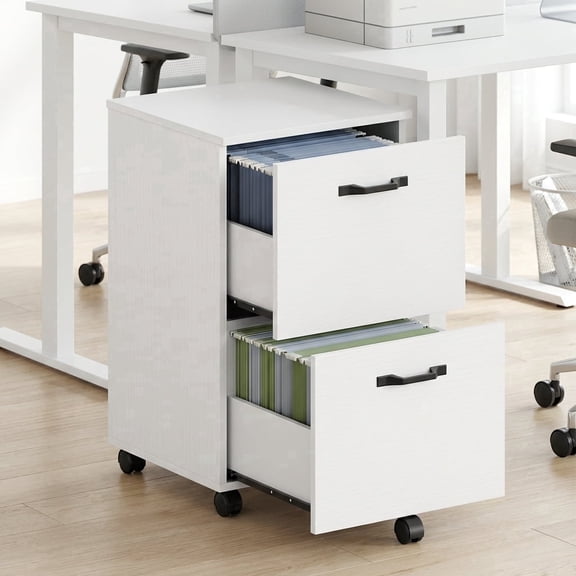
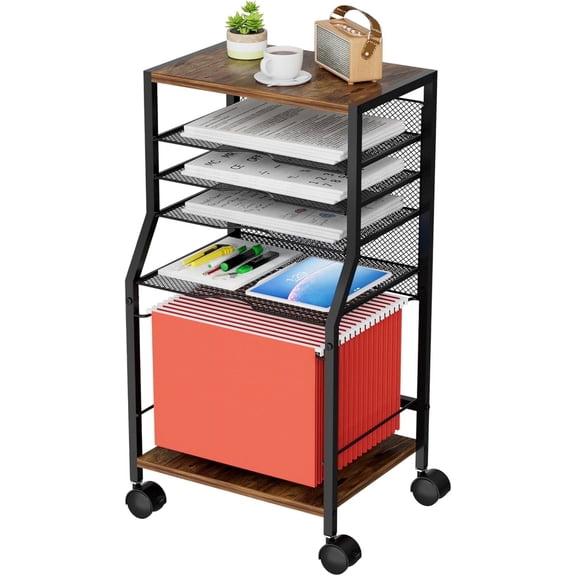
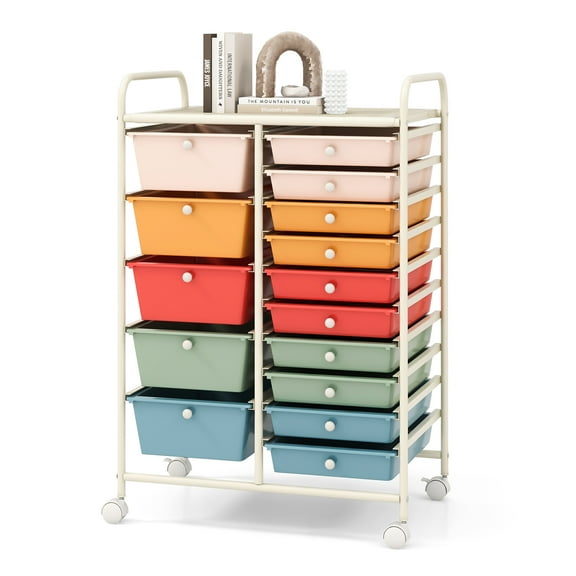
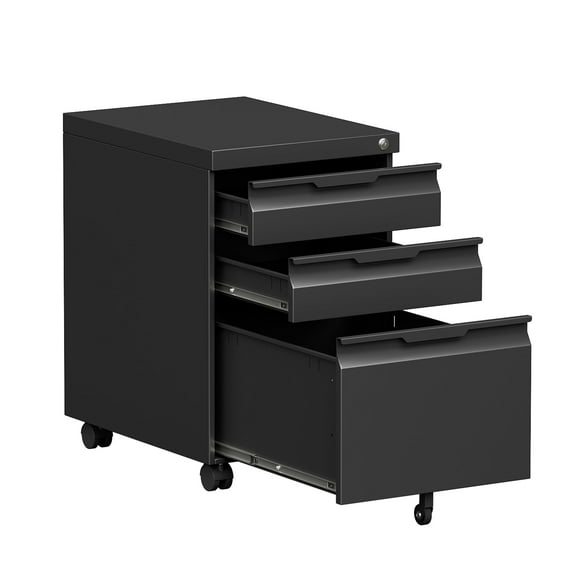
If you need flexible placement, you should consider mobile filing cabinets with casters. You can roll them beside your desk, then move them away when you need open floor space.
- You can use lateral styles when your folders need wider drawers and quick access across rows.
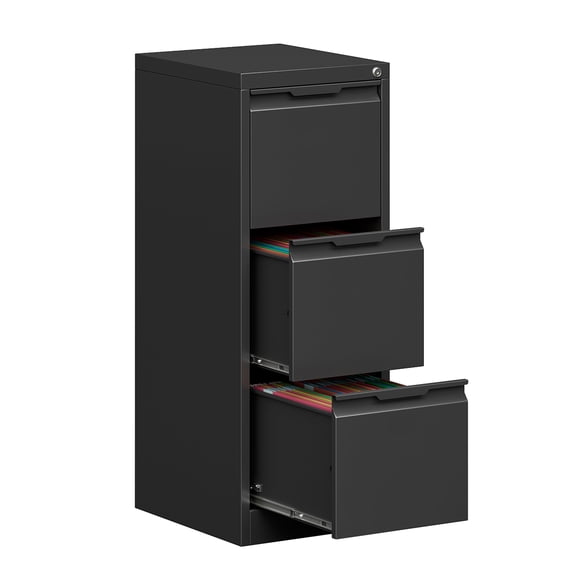
- You can choose vertical styles when your room needs a narrower footprint and taller storage.
- You can pick mobile options when your workspace changes often or fits under a desk.
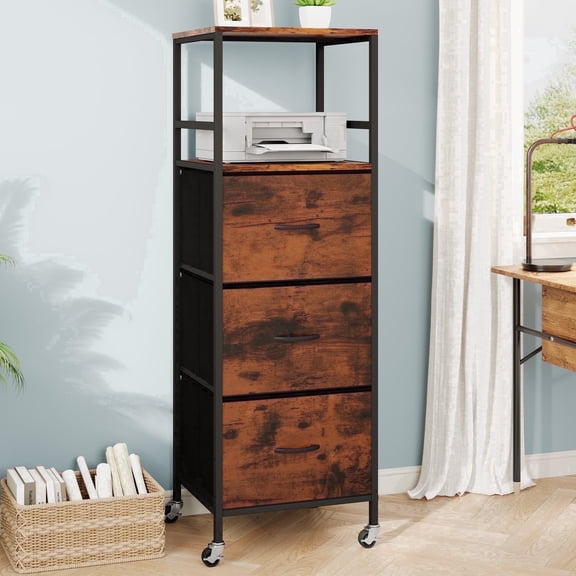
- You can compare open shelf designs when you want folders and supplies within easy reach.
Choosing drawer count and daily storage capacity
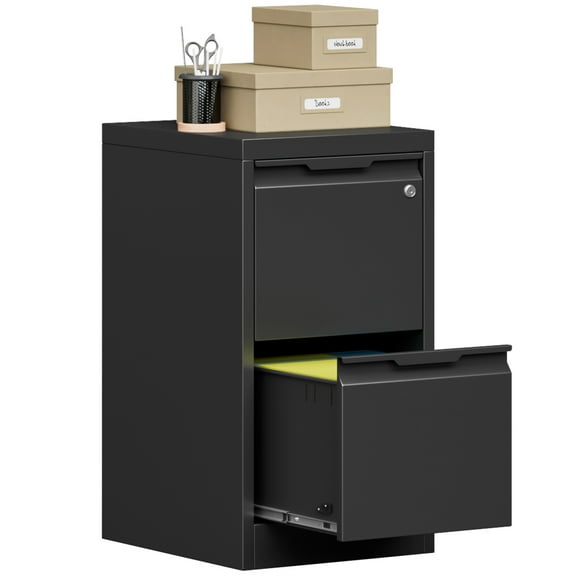
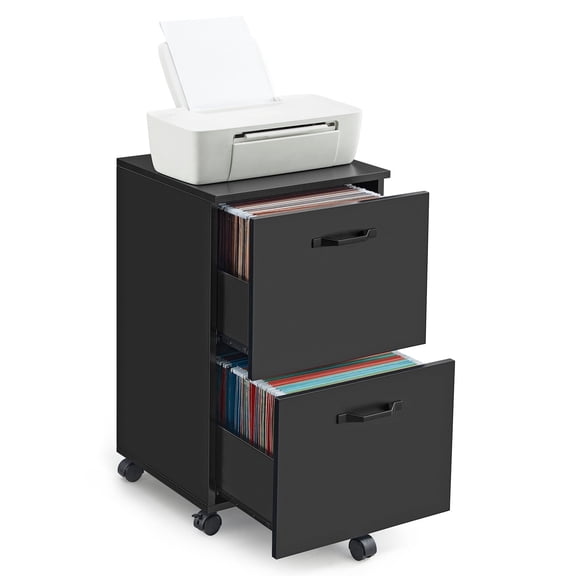
Your filing habits should guide the drawer count you choose. You may prefer 2 drawer filing cabinets when you keep active files close and want storage that fits beneath many desks.
If your paperwork grows across projects, you should compare three-drawer and four-drawer options. You can separate personal records, tax folders, client files, and office supplies without mixing categories.
Smaller cabinets often suit apartment offices, dorm workstations, and shared rooms. Larger cabinets help you create a dedicated filing zone when your paperwork needs long-term structure.
You should also check whether drawers support letter size or legal size filing cabinets. That detail matters when your folders, forms, or contracts need extra width for smooth placement.
Lateral filing cabinets and mobile options
Lateral filing cabinets work well when you want broad access across many folders at once. You can scan labels quickly, which helps when your workflow depends on sorting several categories each day.
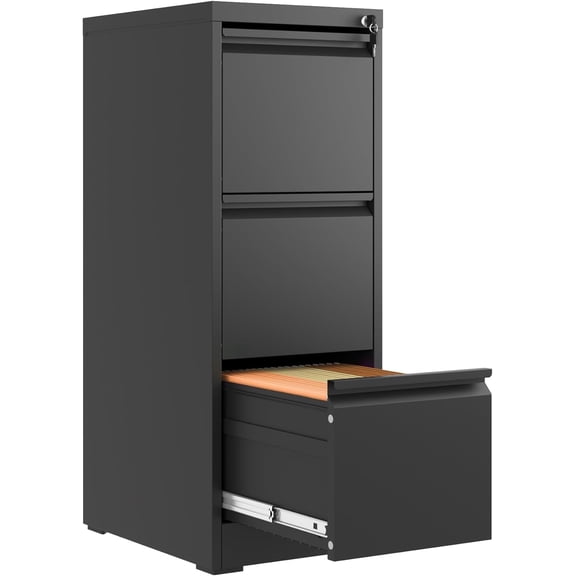
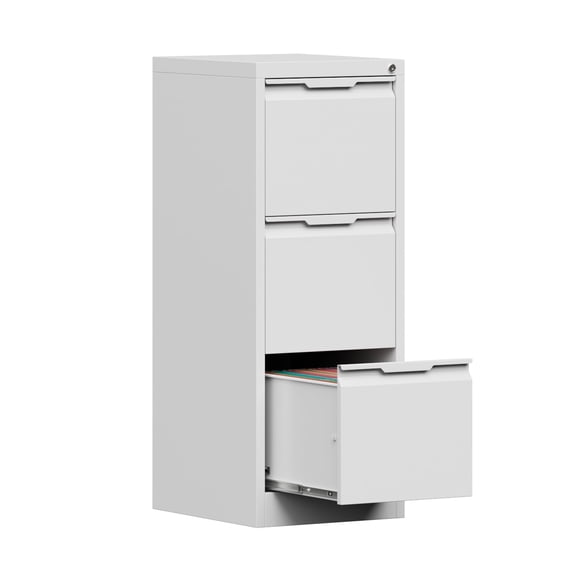
Vertical cabinets make sense when you need a compact footprint beside a desk or bookcase. You can use height instead of width, which helps narrow rooms stay easier to navigate.
Mobile filing cabinets support flexible setups in guest rooms, studios, and shared offices. You can tuck them under a work surface, then pull them out when you need documents nearby.
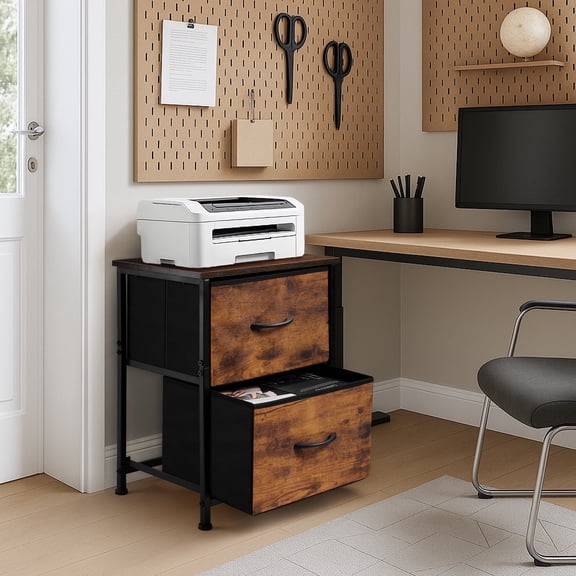
Open shelf styles give you a mix of concealed and visible storage. You can keep frequently used binders, printers, or paper trays accessible while drawers hold hanging folders below.
Comparing wood filing cabinets and metal filing cabinets
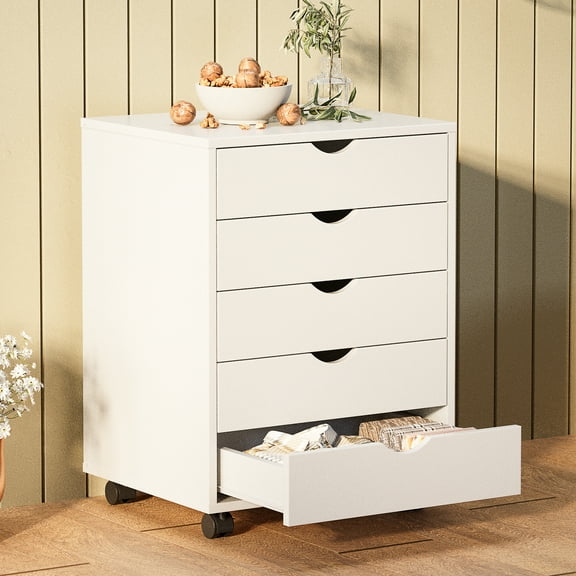
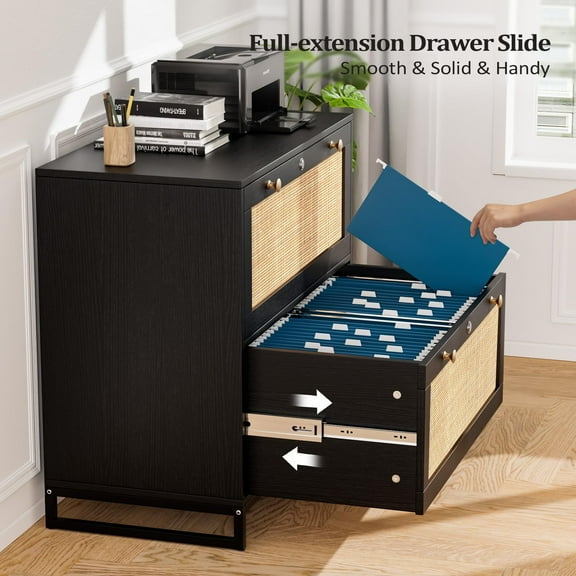
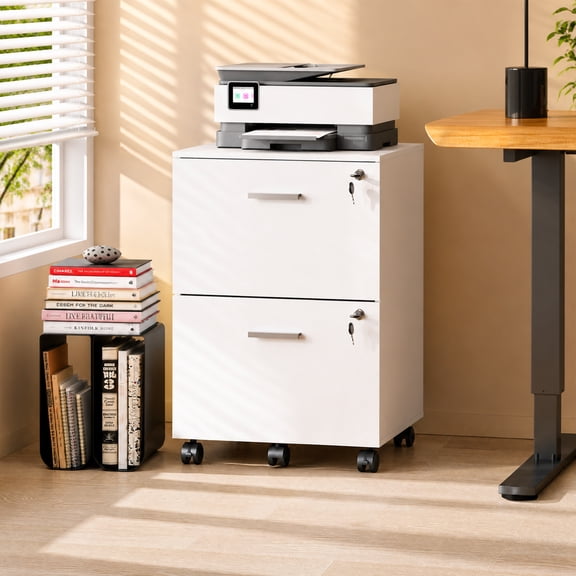
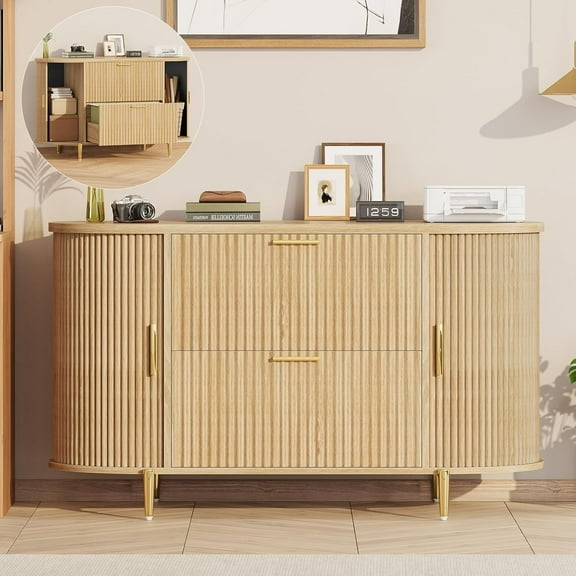
Your material choice affects the look and feel of your office. You may lean toward wood filing cabinets or engineered wood styles when you want storage that blends with desks and bookshelves.
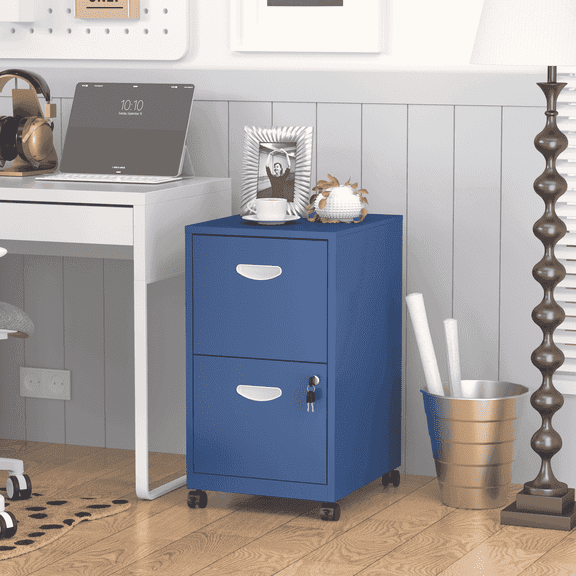
Metal filing cabinets and steel cabinets often suit busier work areas and utility rooms. You can count on a clean, office-ready look that pairs easily with task chairs, printers, and shelving.
Engineered wood can help you match home décor with a furniture-style finish. Steel options may feel more straightforward when you want a simple cabinet for paperwork, forms, and archived files.
You should compare drawer hardware, handle style, and surface finish as you narrow materials. Those details shape how your cabinet fits with modern offices, traditional rooms, or multiuse spaces.
What to look for in locking filing cabinets
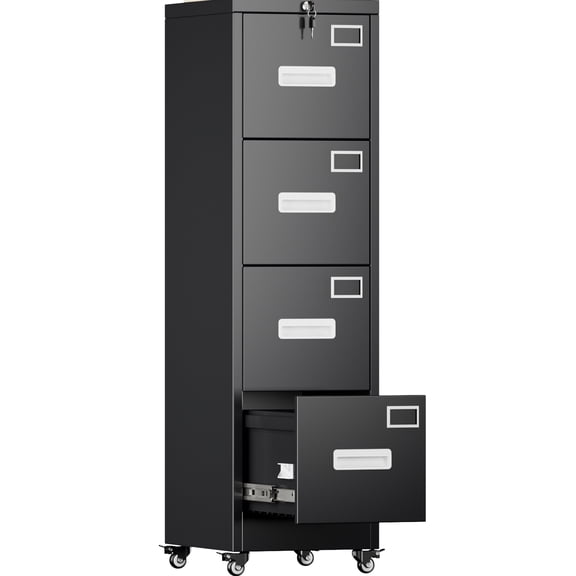
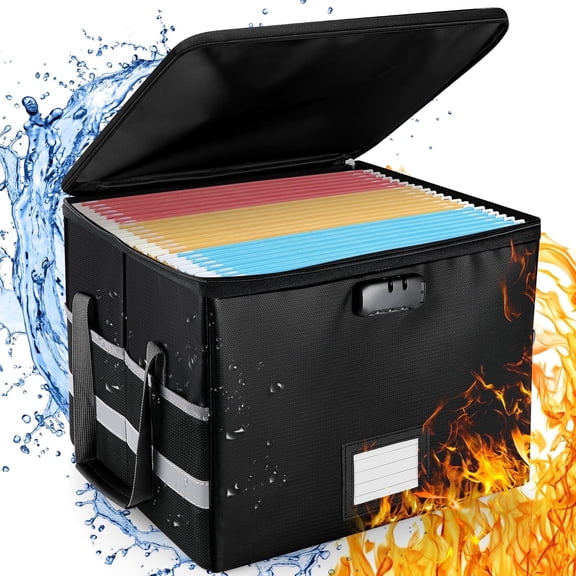
Locking filing cabinets matter when your documents need controlled access in a shared space. You can compare locking, non-locking, and key lock designs based on how often others use the room.
If you store household records or work papers, you may prefer a locking model. You may want a setup that helps you separate everyday access from files you keep tucked away.
Non-locking cabinets can work well when convenience matters more than restricted access. You can open drawers quickly during busy tasks like paying bills, sorting mail, or filing school forms.
You should check where the lock sits and which drawers it controls. That comparison helps you choose a cabinet that matches your filing routine instead of interrupting it.
Filing cabinets for home office use cases
You can match cabinet style to the way your room works each day. A two-drawer mobile unit suits compact desks, while a four-drawer stationary cabinet supports heavier ongoing storage.
If you work from home, you may want separate drawers for invoices, manuals, and project folders. You can keep active papers close while older records stay organized in lower drawers.
For shared family spaces, you might choose a wood-look cabinet that blends with living room furniture. You can keep school paperwork, warranties, and household records in one consistent spot.
In dedicated office rooms, you may prefer metal filing cabinets or lateral filing cabinets with broader drawers. You can sort larger file sets, reference folders, and legal documents with less stacking.
You should also think about related furniture placement before you choose a cabinet. You can coordinate your setup with office desks, office chairs, and bookcases for a cleaner workflow.
When you choose filing cabinets with the right style, capacity, material, and security, your paperwork stays easier to sort and retrieve. You may notice your office feels more usable, with storage that supports everyday organization.