

Chenille Bedspreads in Bedspreads


















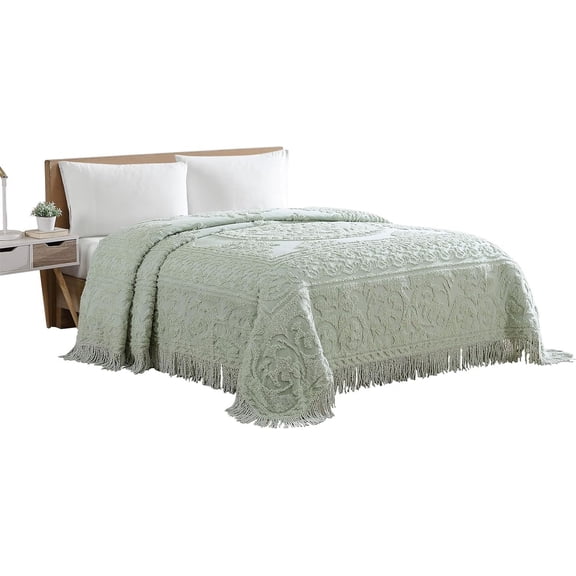





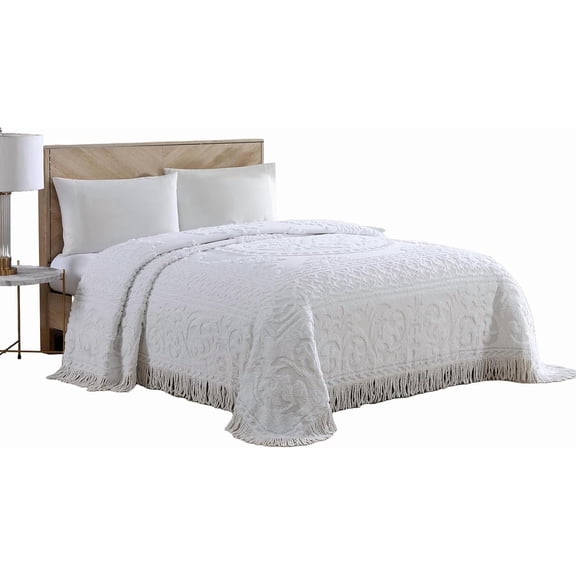
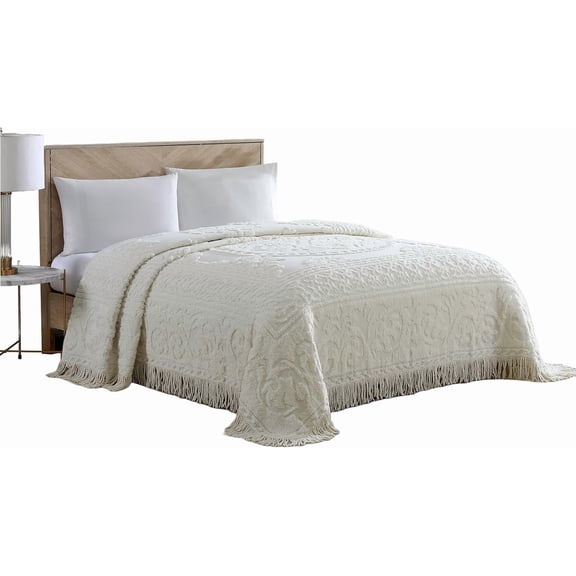
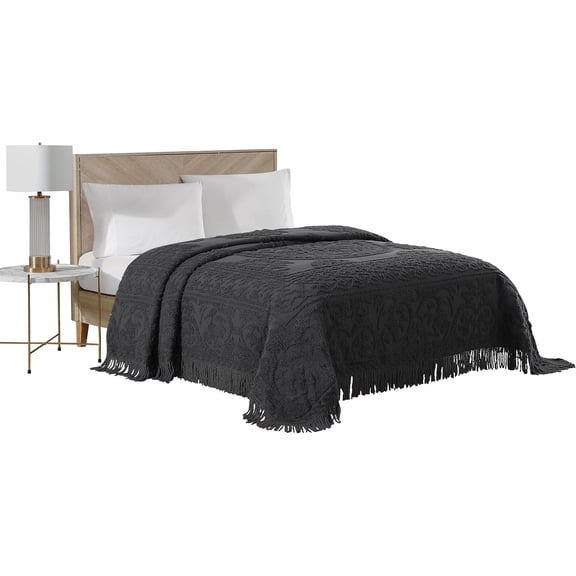
About Chenille Bedspreads in Bedspreads - Walmart.com
Bedspreads help you give your bed a finished look with generous drape and lighter layering than bulkier top bedding. You can compare sizes, materials, and weight levels to match your room, your mattress height, and your daily care routine.
How to choose bedspreads for your bed
You’ll notice bedspreads usually hang lower than comforters, which gives your bed cleaner lines and fuller coverage. You can also use them as a single top layer or over other bedding.
Unlike comforters, you’ll often find bedspreads feel less lofty and sit flatter across your mattress. Compared with quilts, you may see a longer drop that reaches closer to your frame or floor.
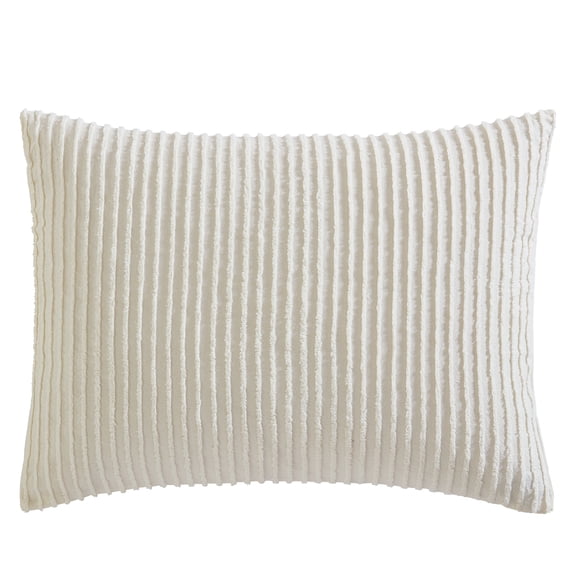
When you compare bedspread sets, you should check whether you want a bedspread only option or coordinated pieces. You may prefer matching shams when you want an easy pulled-together look.
Choosing the right size and drop length
You should start with your mattress width, length, and height before choosing twin, full, queen, king, or california king. You’ll get a more polished fit when your bedspread accounts for pillow top depth.
If your bed sits high on a platform or box spring, you should also measure frame clearance. You’ll want enough drop length to cover the sides without looking short.
For king bedspreads and queen bedspreads, you should compare dimensions carefully instead of relying only on the label. You may want oversized bedspreads when your mattress is deep or your bed frame sits tall.
- You should measure mattress height to check side coverage.
- You should compare product dimensions for floor-skimming drape.
- You should consider oversized options for deep mattresses.
- You should match the size to your frame clearance and style.
Comparing materials and construction details
You can narrow your options quickly by comparing cotton, microfiber, polyester, and chenille. You’ll usually find each material changes texture, breathability, and day-to-day care.
With cotton bedspreads, you may prefer the softer hand and breathable feel for warmer rooms or layered bedding. You can usually pair cotton with simple machine washing for routine upkeep.
With microfiber or polyester, you may like a smoother surface and easier wrinkle control. You’ll often choose these fabrics when you want lightweight coverage and straightforward care.
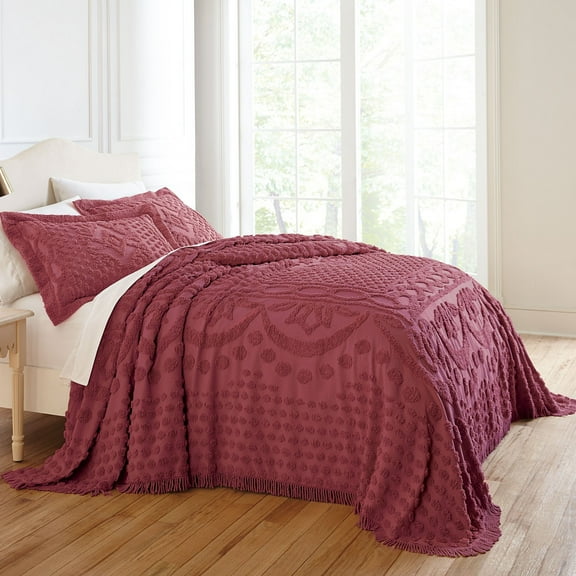
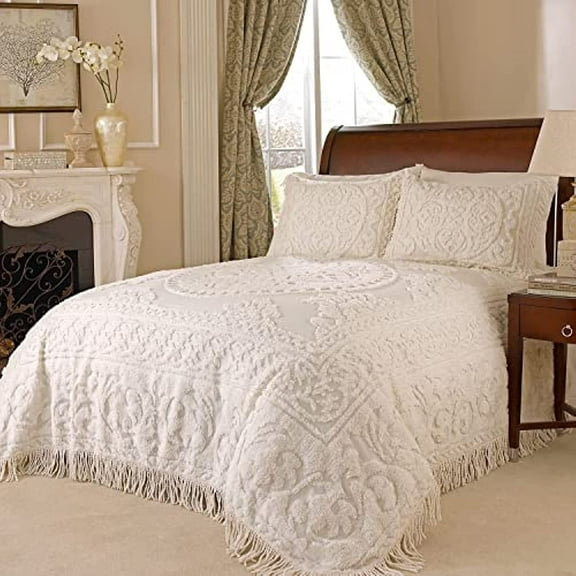
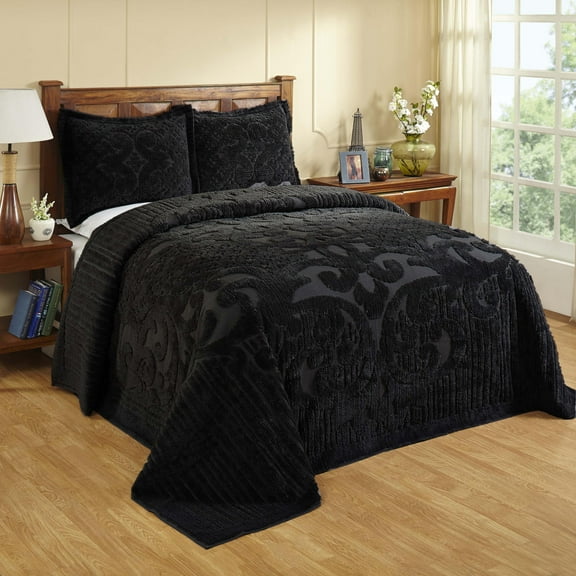
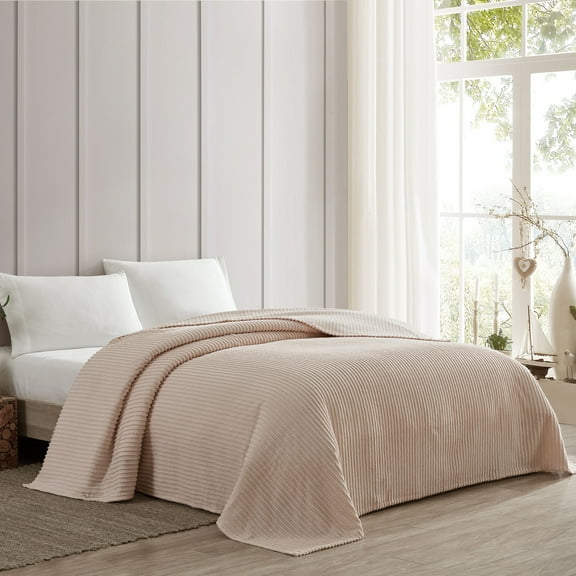
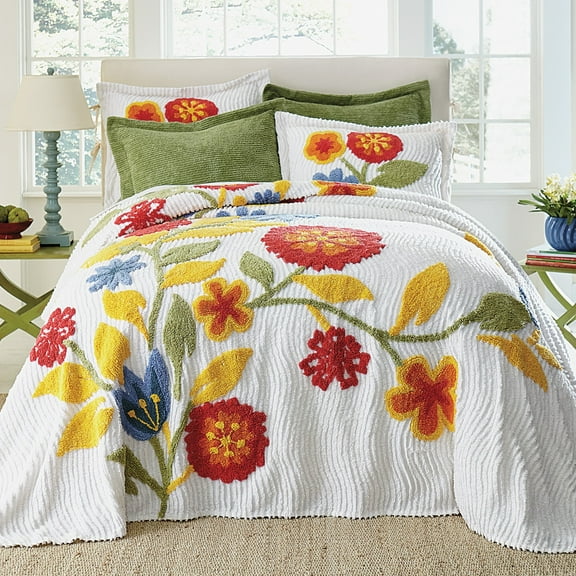
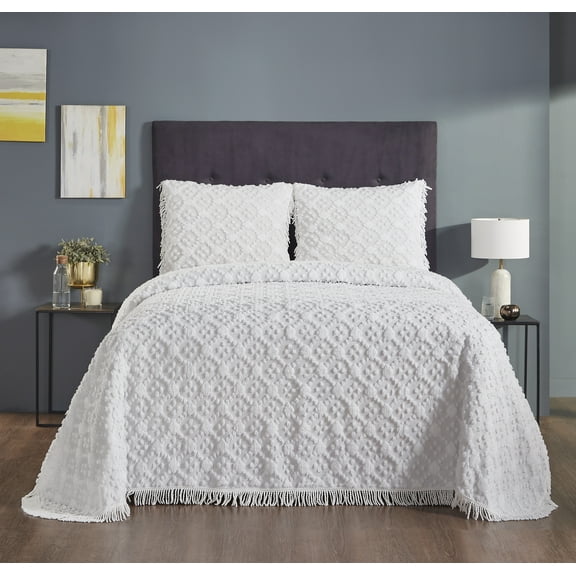
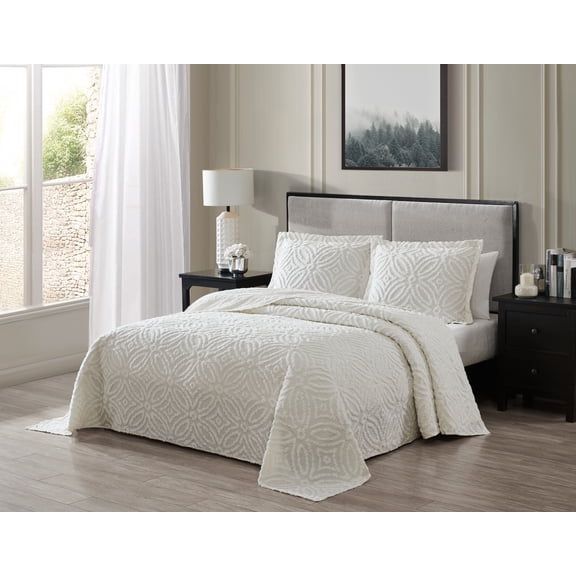
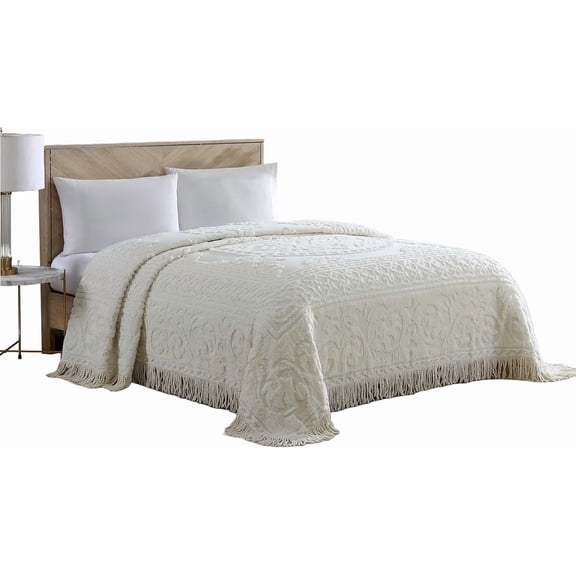
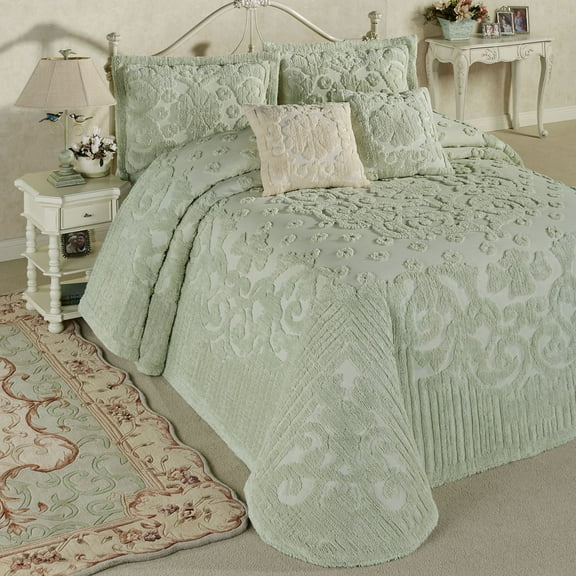
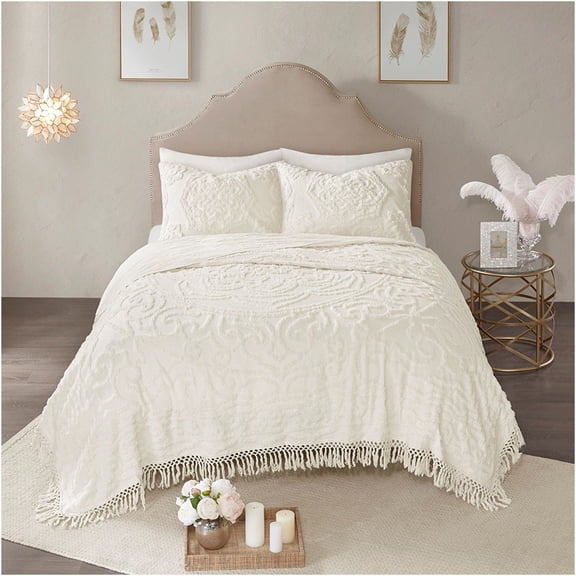
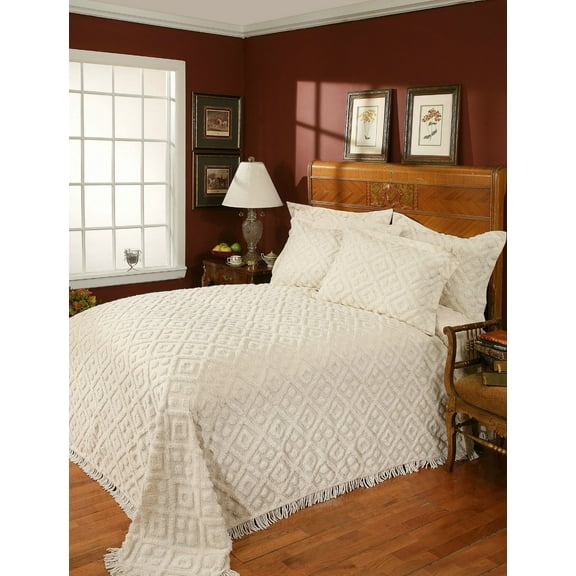
If you’re drawn to texture, you should compare chenille with quilted, woven, tufted, and patchwork construction. You’ll see quilt bedspreads add stitched pattern and flatter structure across the bed.
Matching weight and warmth to your room
You should think about your room temperature before choosing lightweight, all-season, or heavyweight options. You’ll get more everyday use when the weight matches how you layer at night.
Lightweight bedspreads work well when you want breathable coverage and a neater look without extra bulk. You can also fold them easily at the foot of the bed.
All-season options help you keep your setup simple through changing weather and shifting room temperatures. You may prefer a heavier style when you want a denser feel and fuller drape.
When you compare woven or tufted styles, you should consider how texture affects the overall feel on your bed. You’ll often notice thicker construction creates a more substantial finish.
Using bedspread sets in real rooms
You can use bedspread sets to refresh a guest room, primary bedroom, or dorm-style setup with coordinated pieces. You’ll appreciate matching shams when you want fewer styling decisions.
For a main bedroom, you may choose queen or king sizing with a longer drop for a tailored look. You should consider quilted or patchwork styles when you want visible pattern and texture.
In kids’ rooms or smaller spaces, you may prefer twin or full sizes in lightweight constructions. You’ll find simpler materials easier to wash and rotate with the seasons.
If your room already has layered sheets and blankets, you should look for flatter bedspreads that sit smoothly on top. You can keep the bed looking tidy without the puffier profile of a comforter.
When your mattress is extra deep, you should check dimensions for coverage before choosing standard sizes. You’ll avoid a short look by measuring first and comparing oversized options where needed.
What to look for before you decide
You should compare size, material, construction, weight, and set inclusion before narrowing your choice. You’ll make a more confident pick when each detail matches your bed height, room style, and care preferences.
With the right bedspread, you can get the coverage, drape, and lighter layering that make your bed look finished every day. You’ll also have an easier time keeping your bedding setup consistent and polished.