



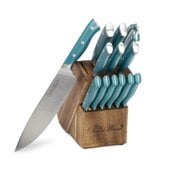
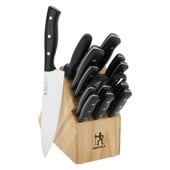
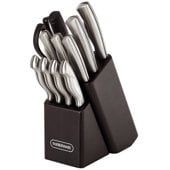
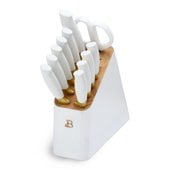
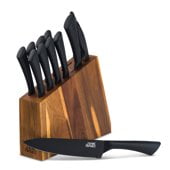
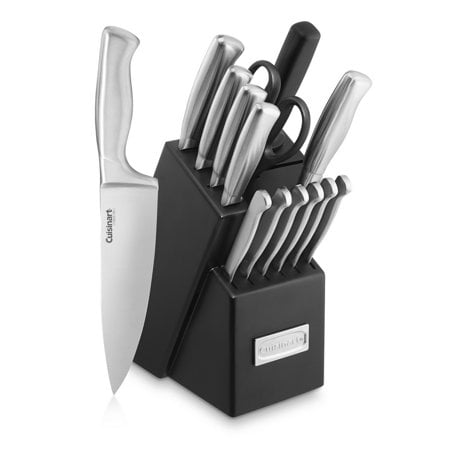
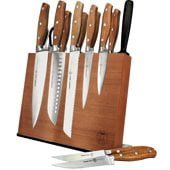

Knife Sets, Knife Block Sets and Kitchen Cutlery
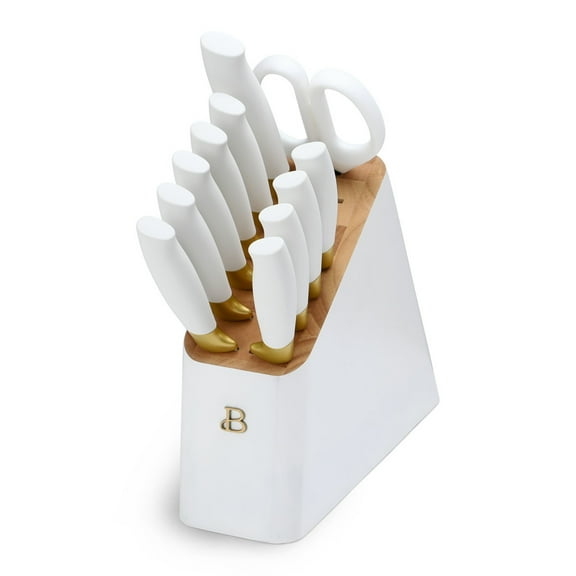


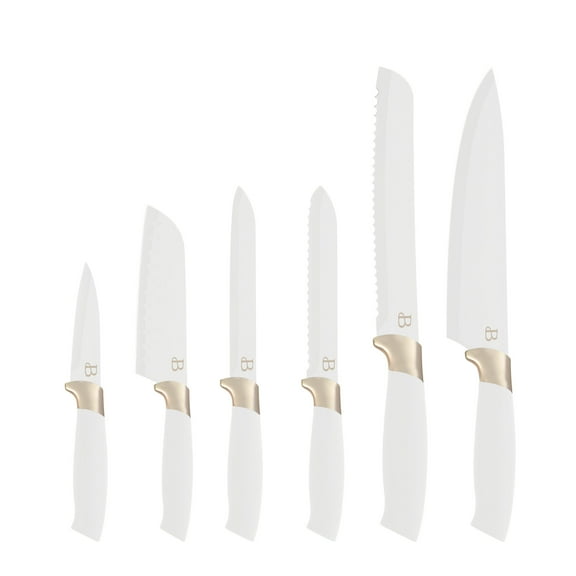


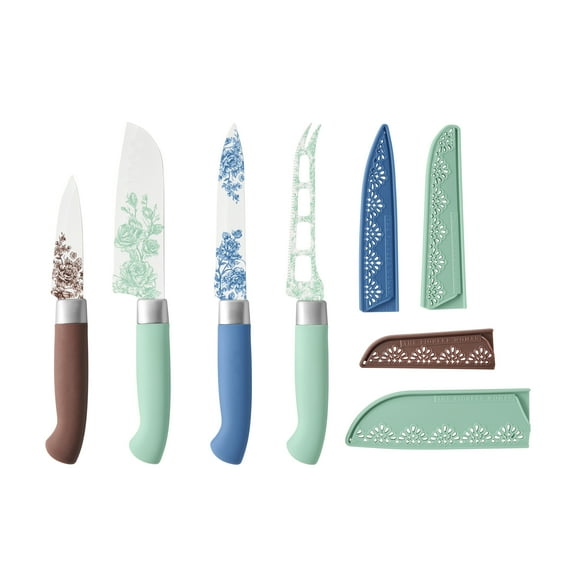

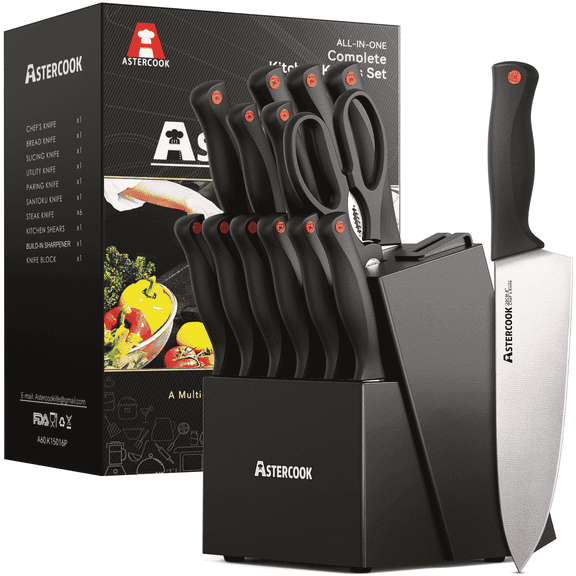



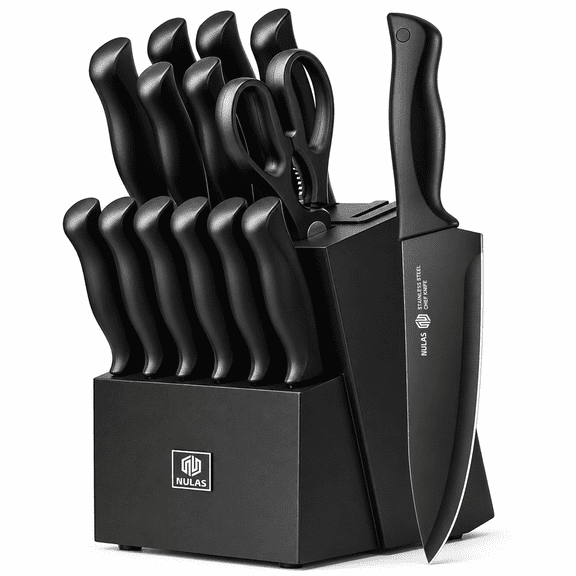
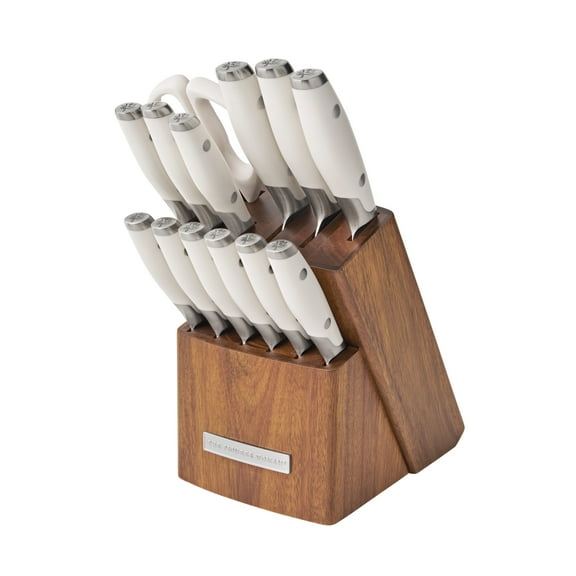





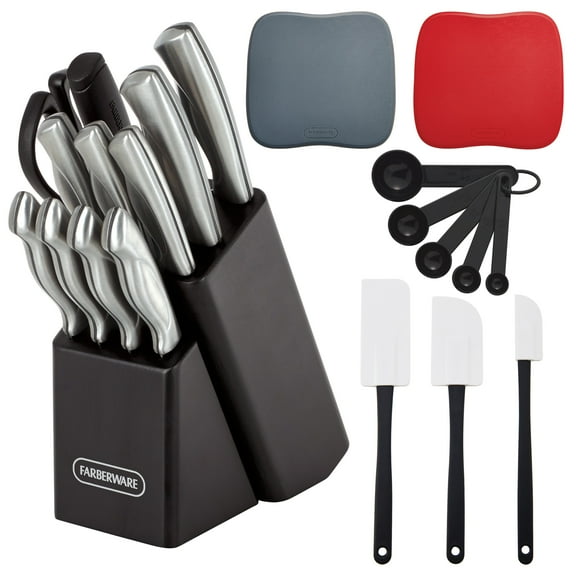
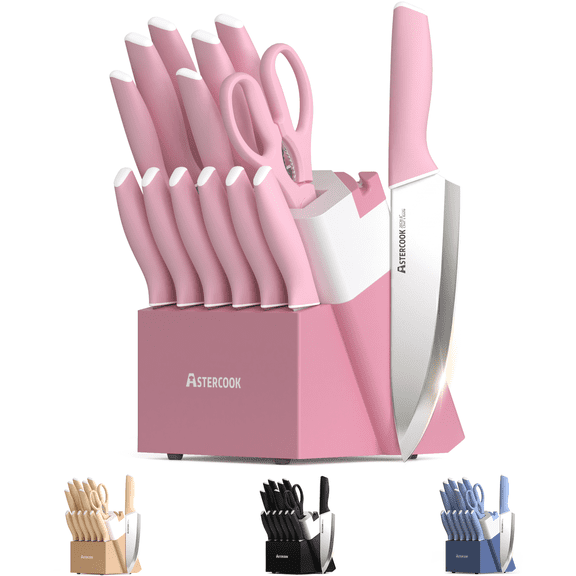


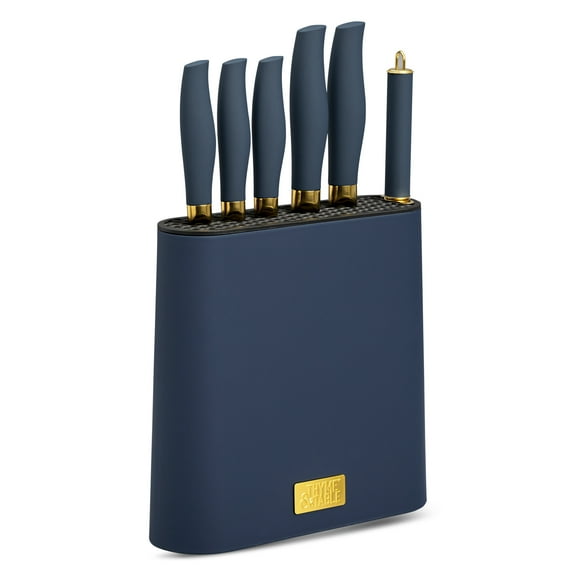


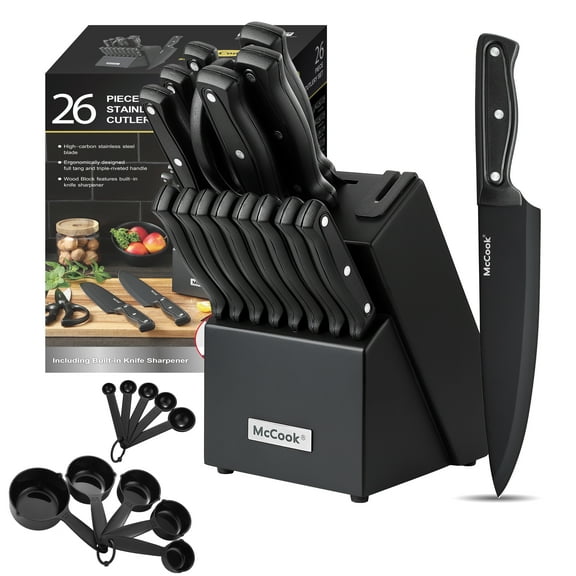

















About Knife Sets, Knife Block Sets and Kitchen Cutlery - Walmart.com
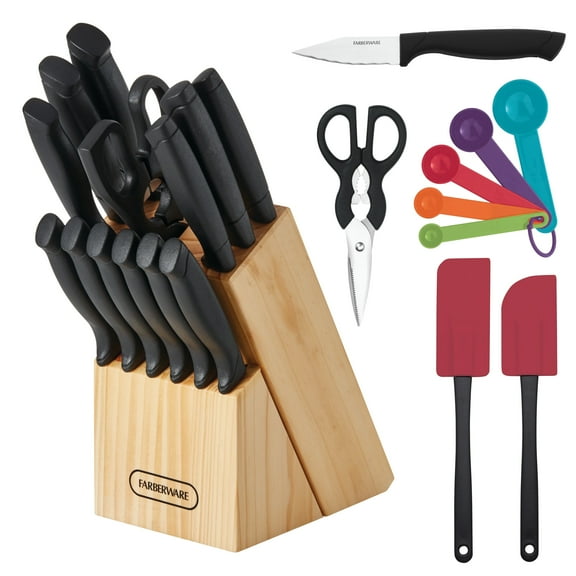
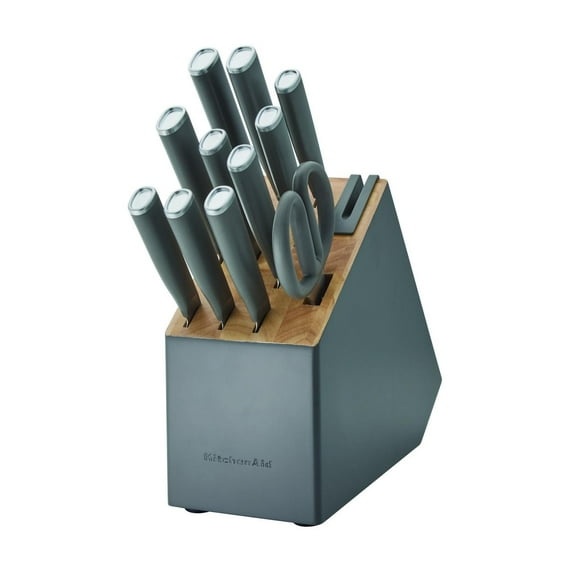
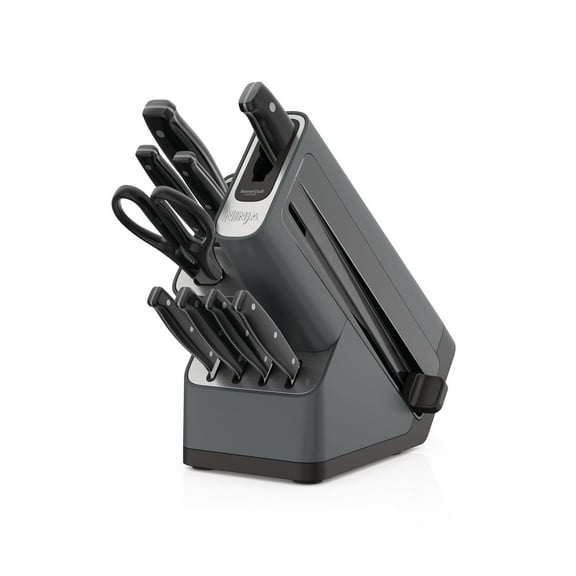
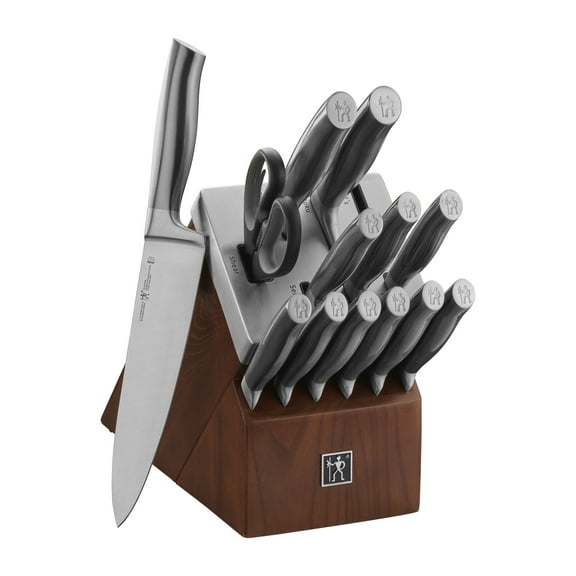
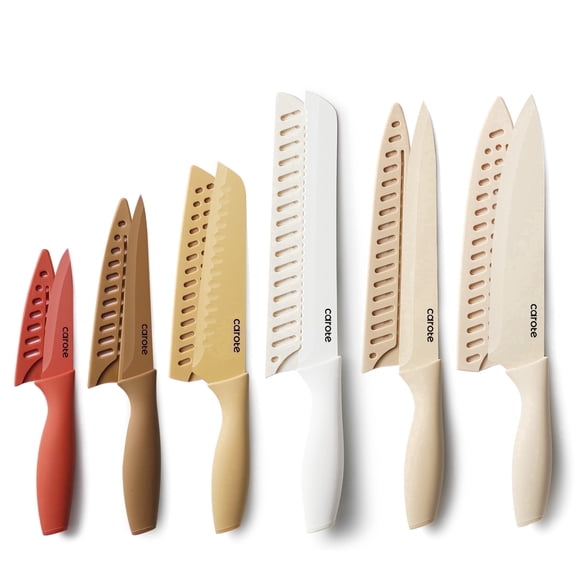
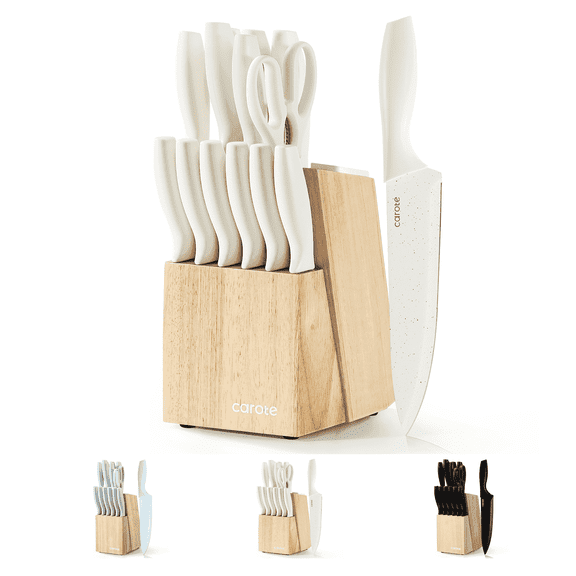
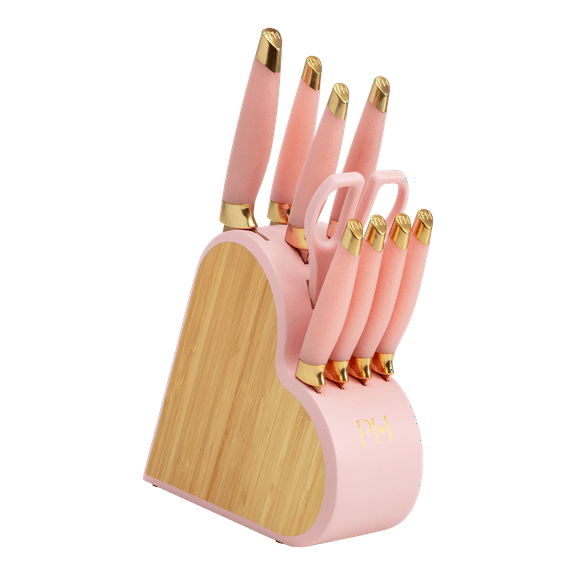
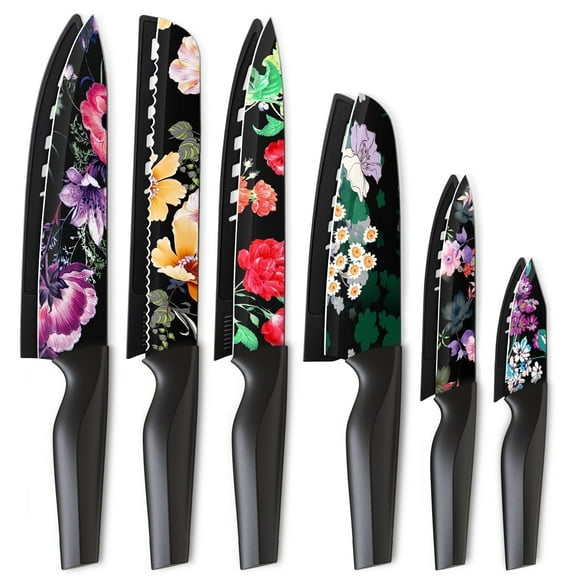
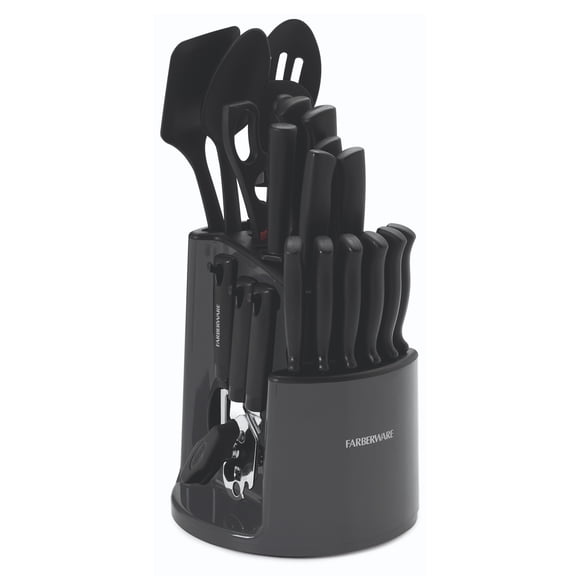
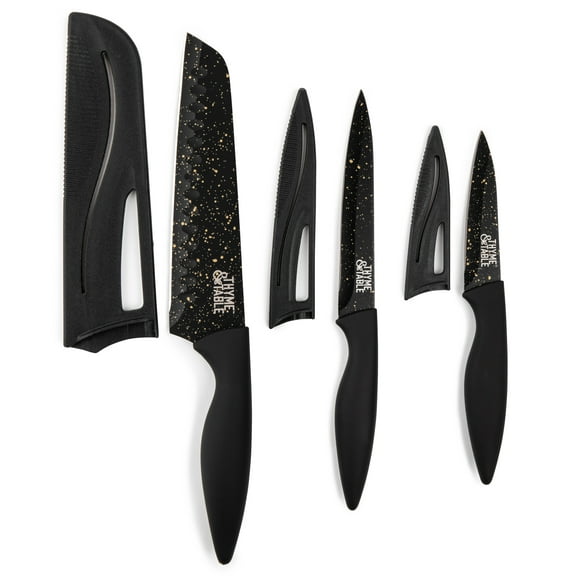
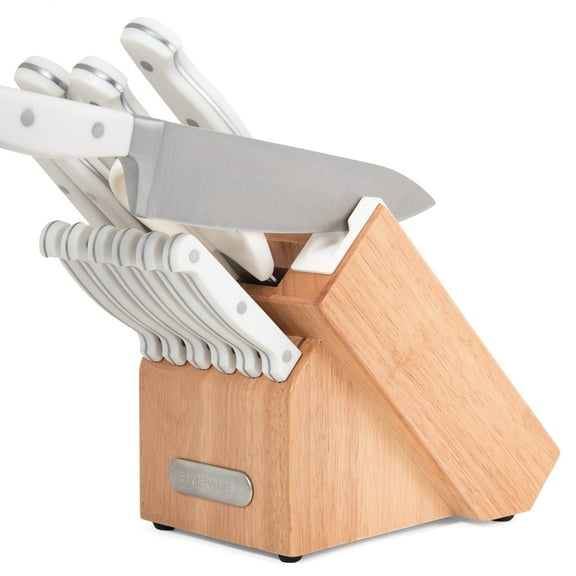
Kitchen knives and knife block sets help you prep quickly, slice cleanly, and keep your counters organized for daily cooking. You can compare blade materials, set sizes, and construction styles in one place, so your kitchen cutlery matches how you cook.
How to choose kitchen knives and knife block sets
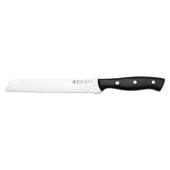
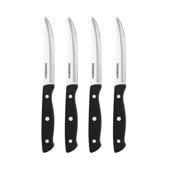
When you compare kitchen knife sets, you should start with the pieces you’ll actually use each week. You may want a chef’s knife for chopping, a bread knife for crusty loaves, and steak knives for table settings.
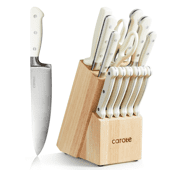
If you cook often, you may prefer a knife block set that keeps blades stored upright and easy to reach. If you need one replacement tool, you can focus on single knives instead of a full cutlery set.
As you narrow options, you should compare these decision points before choosing your kitchen knives and knife block sets. You can use this checklist to match your set to your cooking routine.
- You can choose forged knife sets when you want more balance and a weightier feel.
- You can choose stamped blades when you want a lighter knife for quick daily prep.
- You can compare stainless steel kitchen knives, high-carbon steel, ceramic, and Damascus steel by care needs and cutting feel.
- You can check whether a set includes steak knives, a honing steel, and the core prep knives you use frequently.
Choosing blade material and construction for kitchen knives and knife block sets
Blade material changes how your knife feels, how it holds an edge, and how much care you’ll give it. You should compare stainless steel kitchen knives, high-carbon steel, ceramic, and Damascus steel with your routine in mind.
If you want easy everyday care, you may lean toward stainless steel kitchen knives for regular chopping and slicing. If you want a sharper feel for precise prep, you may consider high-carbon steel and check the care guidance.
If you like very light blades, you may look at ceramic options for fruit, vegetables, and boneless ingredients. If you want layered visual detail, you may compare Damascus steel styles and focus on comfort and upkeep.
Construction matters too, because you can notice the difference in balance during longer prep sessions. You may prefer forged knife sets when you want solid feel and stronger edge retention, while stamped knives feel lighter in hand.
When you compare forged and stamped styles, you should think about what you cut often. If your prep includes dense vegetables and frequent slicing, you may appreciate the steadier control a forged blade can give you.
Choosing set size and included components
Set size should match your household, your cooking frequency, and your available storage space. You can compare 12-piece, 15-piece, and 18-piece sets, or choose single knives for targeted needs.
If you want the basics, a smaller set may cover your daily prep without filling the counter. If you host often, you may prefer a larger knife block set with steak knives for more place settings.
You should also check the exact mix of tools instead of focusing only on the piece count. Some cutlery sets include several steak knives, while others give you more prep-focused blades and a honing steel.
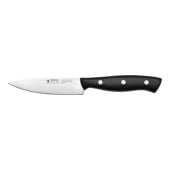
For many kitchens, the core lineup starts with a chef’s knife, utility knife, and paring knife. You may also want a bread knife for crusty loaves and a carving knife for roasts and holiday meals.
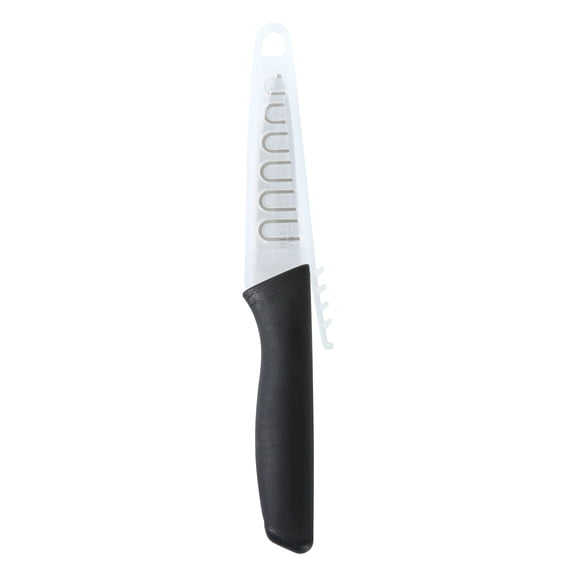
If you’re replacing one worn tool, single chef knives or specialty blades may make more sense than a full block. If you’re setting up a new kitchen, a coordinated set can keep your prep tools consistent.
Choosing handle material and everyday comfort
Handle material affects grip, balance, and how comfortable your knife feels during repeated chopping. You should compare wood, polymer, and stainless steel handles based on your habits and preferred feel.
If you like a warm, classic look, you may choose a wood handle knife set for a familiar grip. If you want low-maintenance handling, you may consider polymer handles that feel secure during busy prep.
If you prefer a sleek look, you may compare stainless steel handles and check how the weight feels in your hand. You should look for an ergonomic shape that helps your fingers rest naturally while slicing.
Comfort matters when you mince herbs, dice onions, or portion meat for several dishes at once. You can notice a well-shaped handle can help you keep control through longer prep without awkward hand shifts.
Use cases, care, and sharpening basics
You can match different kitchen cutlery setups to different cooking routines across the week. If you cook simple meals, you may only need a chef’s knife, paring knife, and bread knife for daily tasks.
If you prep larger family meals, you may want kitchen knives and knife block sets with steak knives and specialty blades included. If you entertain during the holidays, you may also look at holiday gift knife sets with coordinated pieces.
For frequent home cooking, you should check whether the set includes a honing steel. You can use honing to help keep the edge aligned between sharpenings, while sharpening removes material to refresh the blade.
You should compare care instructions before choosing high-carbon steel, ceramic, or stainless steel options. Some materials ask for more attention, while others fit easier into a busy kitchen routine.
If you want guidance for long-term upkeep, you can look for cutlery that pairs well with knife sharpeners and regular honing. You can get more consistent slicing when your knives match your maintenance habits from the start.
When you choose with blade material, construction, set size, and handle comfort in mind, your cutlery can fit your cooking style closely. You can end up with prep tools that feel right in your hand and work smoothly from weekday dinners to holiday meals.