

Ceramic Window Tint & Nano Ceramic Film



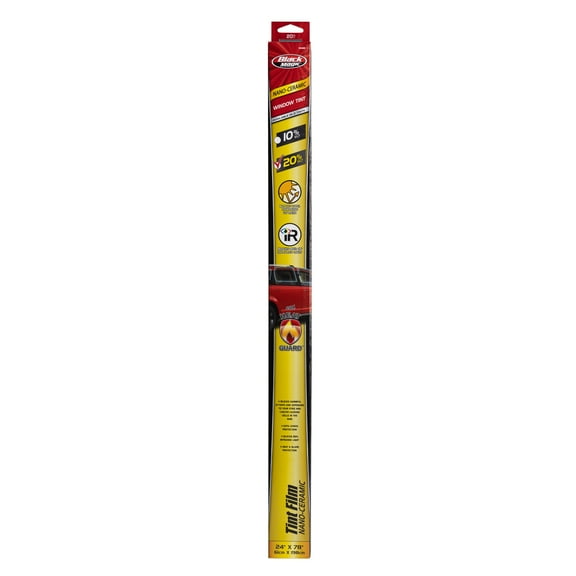













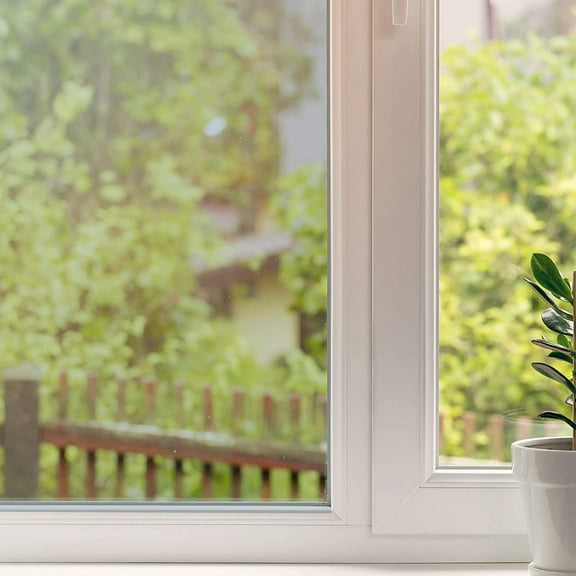
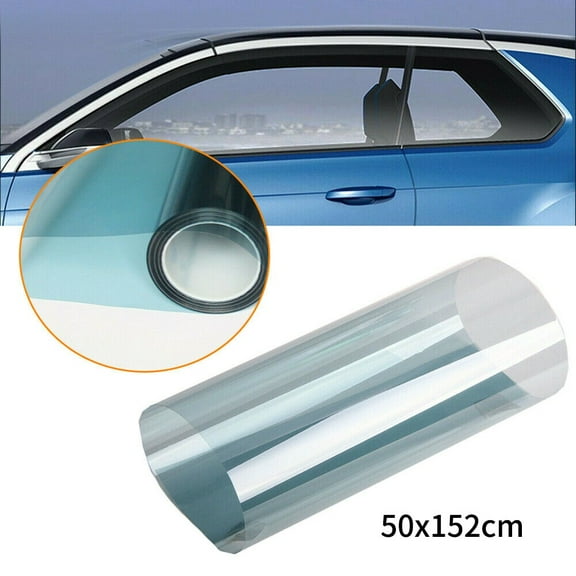
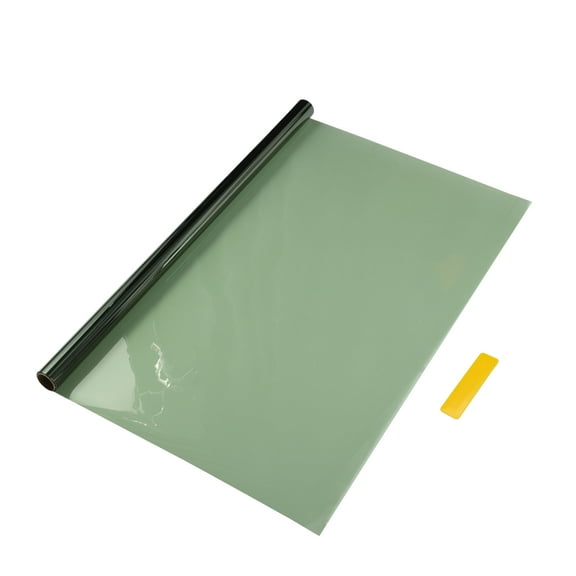


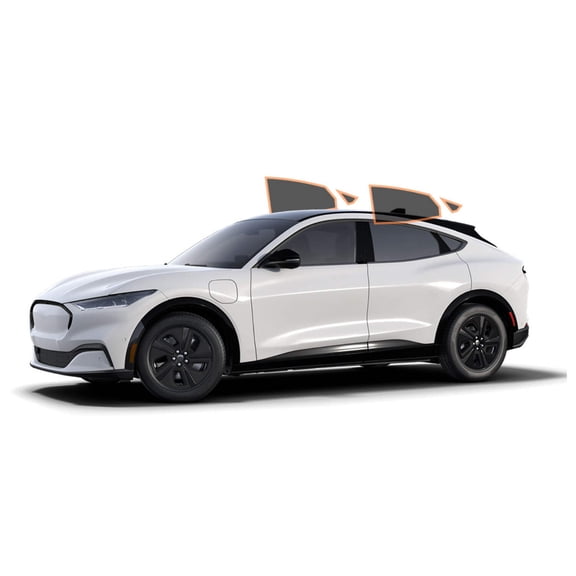


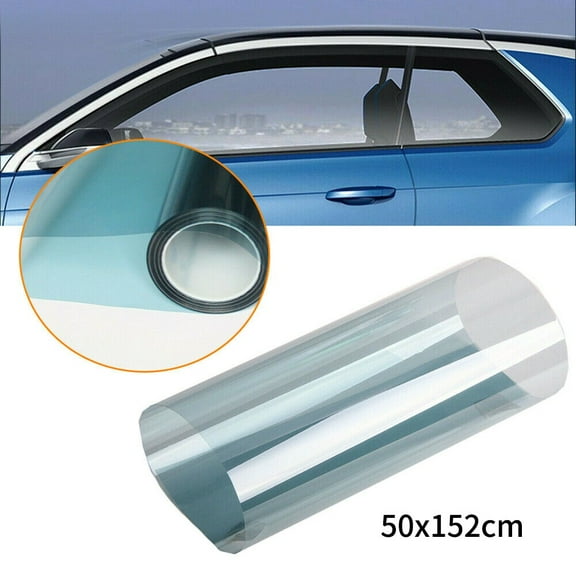
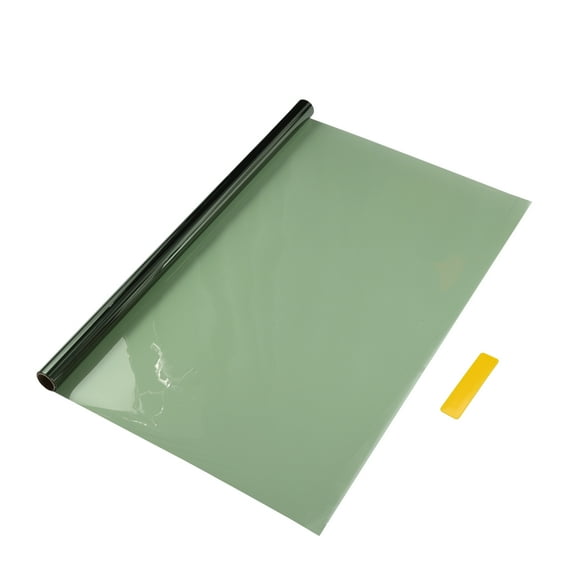
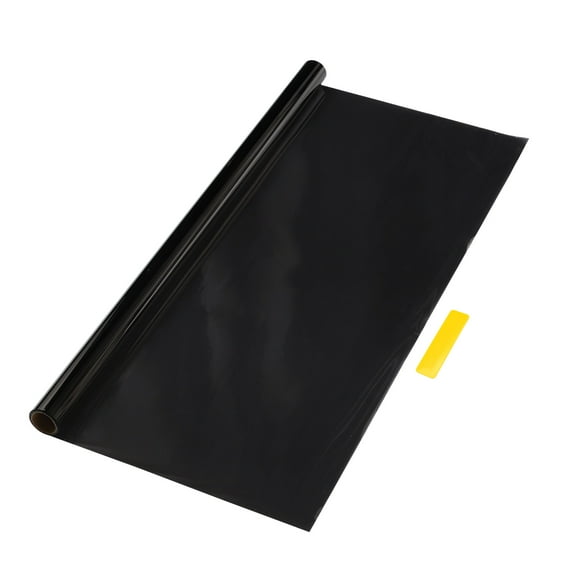

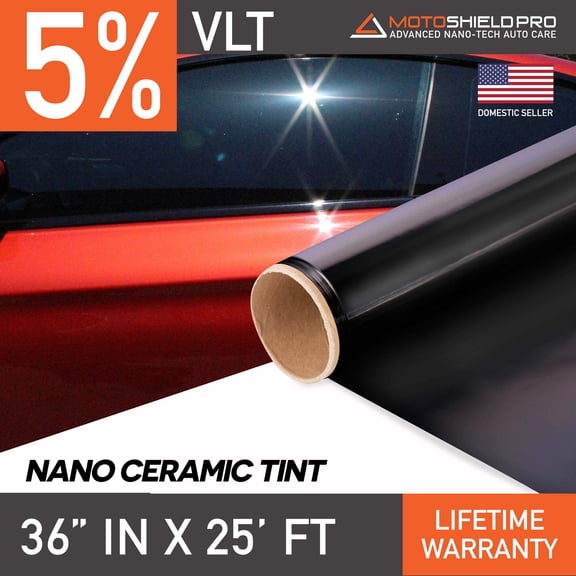




About Ceramic Window Tint & Nano Ceramic Film - Walmart.com
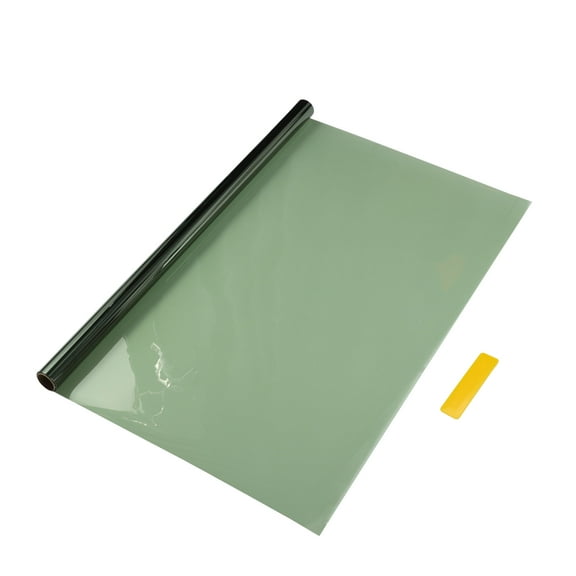
Ceramic window tint helps you choose cleaner heat control, clearer visibility, and lasting color for your vehicle. You can compare VLT levels, roll sizes, and fit options to match your car and your install plan.
Why choose ceramic window tint
When you choose ceramic window tint, you get sun control without the faded look some basic films can show over time. You can keep a sleek appearance while improving comfort on bright daily drives.
Unlike simple dyed films, ceramic construction can deliver heat rejection window tint performance with a refined finish. You can also compare uv blocking window tint options to help protect dashboards, seats, and trim.
- You can reduce interior heat buildup during parking and daily driving.
- You can compare light and dark shades for your preferred visibility.
- You can choose universal rolls or precut ceramic window tint formats.
- You can match film choices to side windows, rear glass, or windshield strips.
Because ceramic film doesn't rely on dye alone, you can choose a finish that stays visually consistent across your glass. You can also compare shades that fit commuting, family vehicles, and custom styling goals.
Choosing ceramic car window tint by VLT percentage
When you compare ceramic car window tint, VLT percentage is a key decision because it affects appearance and light entry. You should check your state rules first, because legal limits can vary by window position.
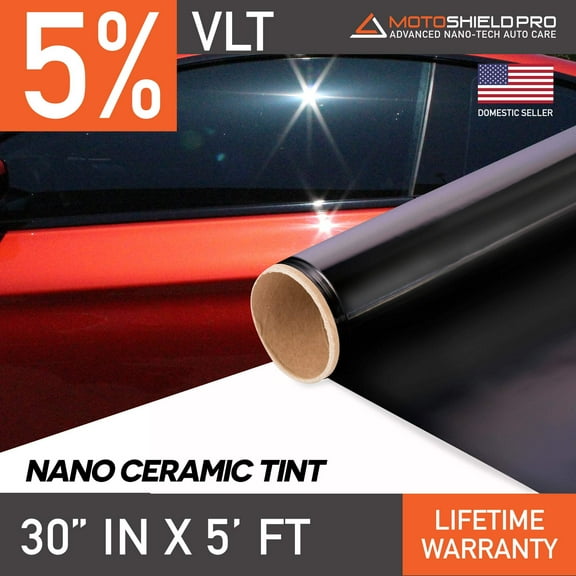
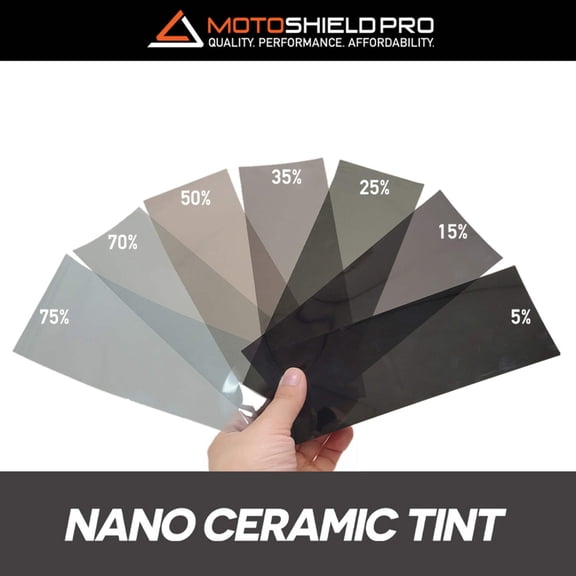
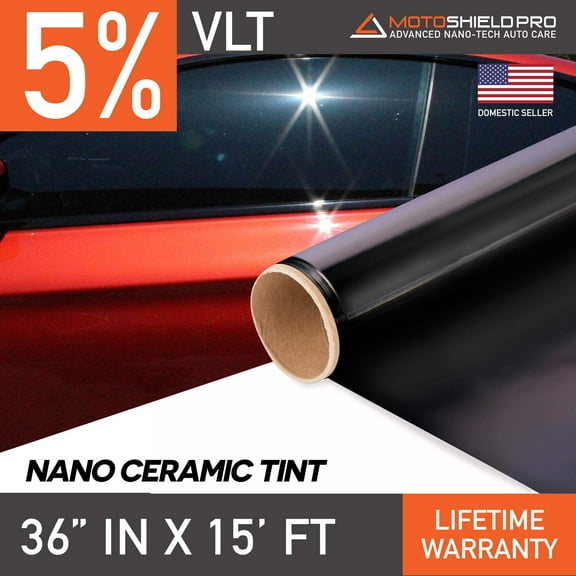
If you want a darker look, you may consider five percent or 20 percent film for rear or side applications where local laws allow. If you want a balanced appearance, you can compare 35 percent and 50 percent options for daily driving.
For a lighter finish, you can look at 70 percent film when you want subtle coverage and an open view. You should also check whether your windshield application allows only very light film or upper-strip coverage.
As you compare shades, you should consider daytime glare, nighttime visibility, and your preferred exterior look. You can narrow your choice faster when you match VLT to your driving routine.
What to look for in ceramic window film formats
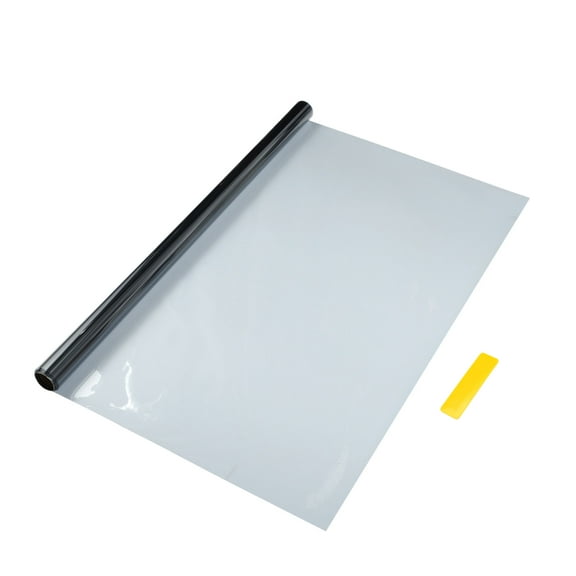
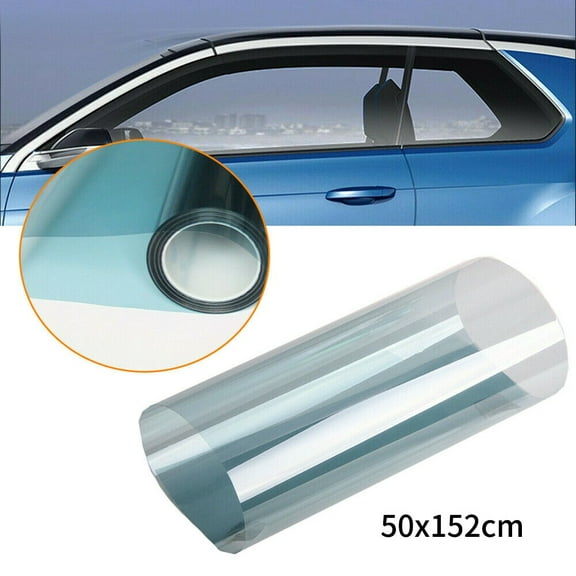
Your next decision is fitment, because you may need a universal ceramic window film roll or a vehicle-specific kit. You should compare precut ceramic window tint when you want panels shaped for specific windows.
If you prefer custom trimming, you can look at ceramic window tint roll sizes like 20 in x 10 ft for smaller jobs. You can also compare 24 in x 100 ft or 36 in x 50 ft rolls for larger projects.
Precut kits can simplify alignment when you want coverage for side windows, rear windows, or a full car kit. Universal rolls can give you flexibility when you need custom dimensions for older vehicles or unusual glass shapes.
You should also check intended placement before you choose, because side windows, windshields, and rear windows often need different film sizes. You can avoid wasted material when you measure each section before starting.
Comparing heat rejection window tint options
Heat rejection ratings help you compare how ceramic window film handles sunlight before your cabin feels overly warm. You can look for options rated up to 80 percent, up to 90 percent, or up to 99 percent IRR.
Those numbers matter because you may want less heat buildup on seats, steering wheels, and interior panels after parking outside. You can use that guidance for hot commutes, long drives, or sunny lots.
You'll also want to compare uv blocking window tint details when strong sunlight is part of your routine. You can pair lighter VLT choices with strong sun-control performance when you want visibility and coverage together.
As you review product details, you should compare the stated heat rejection rate with the glass you plan to tint. You may prefer higher rejection on a broad rear window or a full car kit in warmer areas.
Planning your installation and daily use
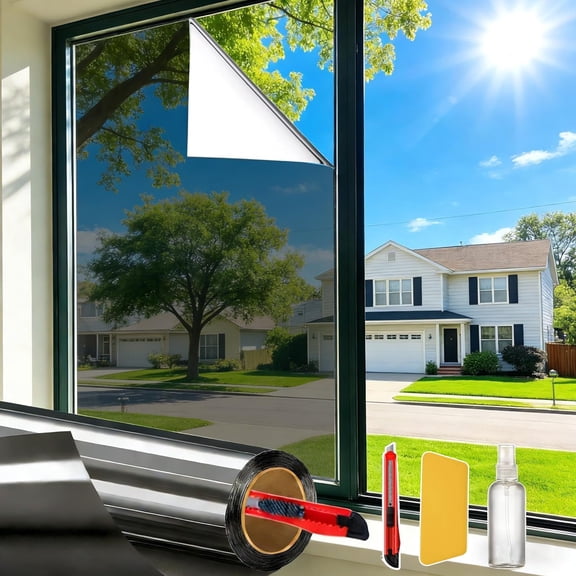
If you're installing film yourself, you should decide early whether you want a simple kit or a full custom cut. You can make setup smoother with a squeegee, spray bottle, knife, and lint-free cloth.
For side windows, you may prefer smaller sections that are easier to align and trim around edges. For a rear window, you may want wider film that covers more glass with fewer seams.
If you're tinting a windshield strip or light windshield section, you should verify local rules before cutting film. You can avoid rework when you confirm legal placement and allowable VLT first.
During daily use, you may want ceramic window tint for commuting, family travel, show-car styling, or bright highway driving. You can choose a shade and format that fits your routine while keeping a clean, tailored look.
With ceramic window tint, you can compare VLT, roll size, IRR, and fitment before you start installing. You get a cleaner match for your vehicle, your legal requirements, and your comfort on the road.