

Ceiling Paint





















About Ceiling Paint - Walmart.com
Ceiling paint helps you refresh overhead surfaces with finishes that reduce glare and smooth visual texture. You can compare sheen, color type, base material, and specialty features to match each room.
Choosing the right ceiling paint
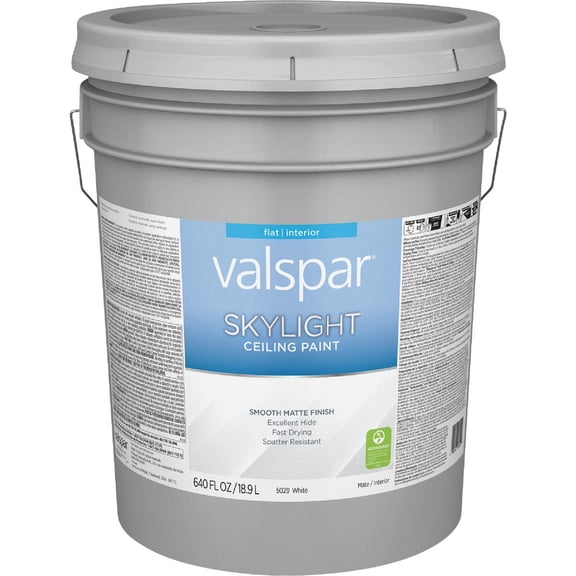
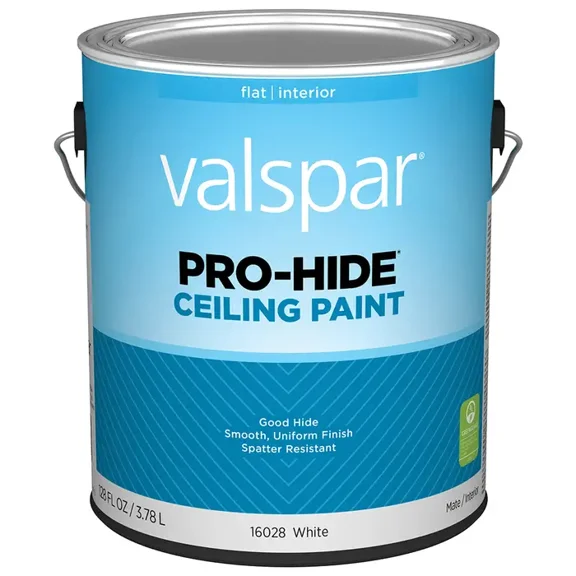
When you choose ceiling paint, you usually start with sheen because light hits ceilings differently than walls. You’ll often prefer flat or ultra-flat finishes when you want less reflection overhead.
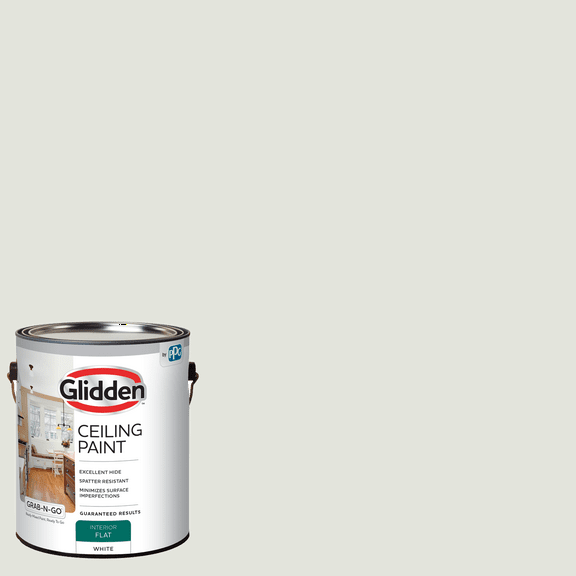
Flat white ceiling paint can help your ceiling look calmer because it softens the look of small surface marks. If you want a little more washability, you may consider satin for spaces that need easier cleanup.
You should also think about the room’s purpose before you pick a finish. In bedrooms and living rooms, you may want a quieter look, while utility spaces may call for different priorities.
How finish and color type affect your results
You’ll notice that flat and ultra-flat options are common because they help hide uneven texture compared to shinier finishes. When you compare them, you’re really choosing how much reflected light you want overhead.
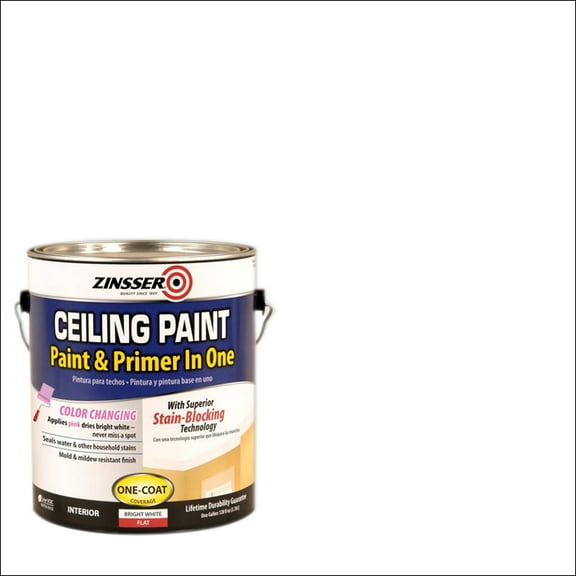
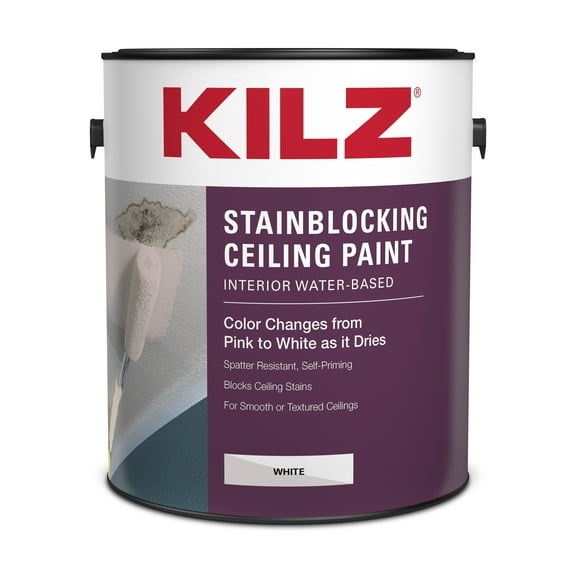
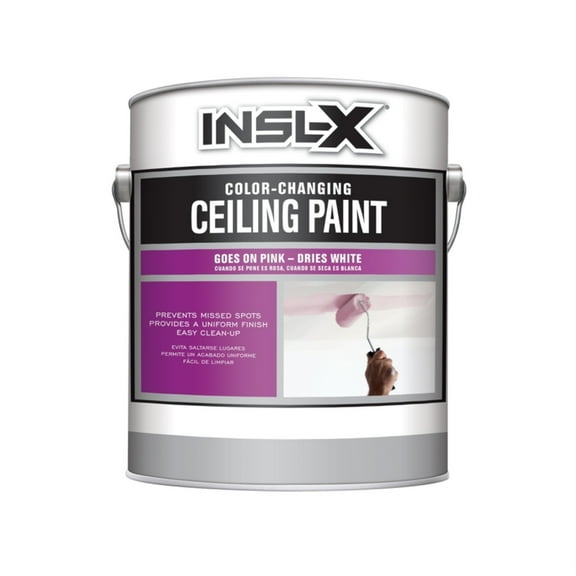
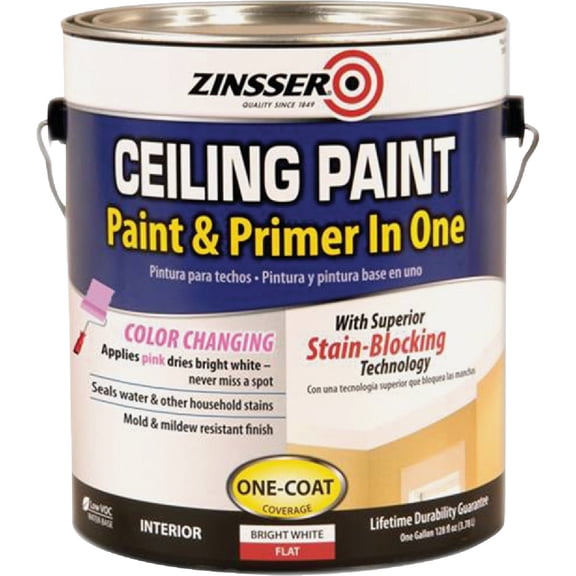
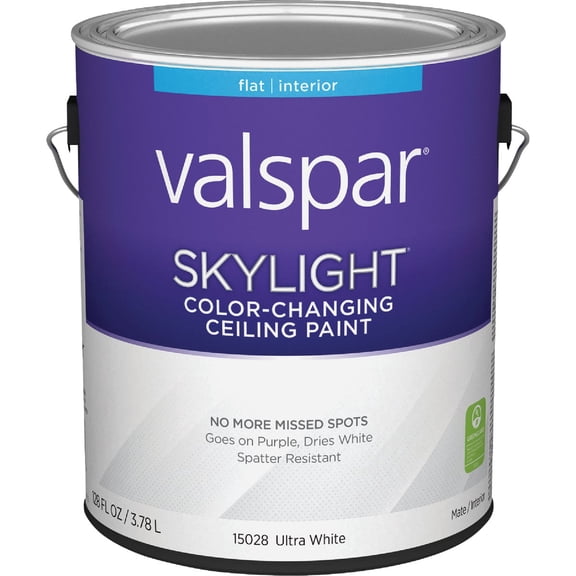
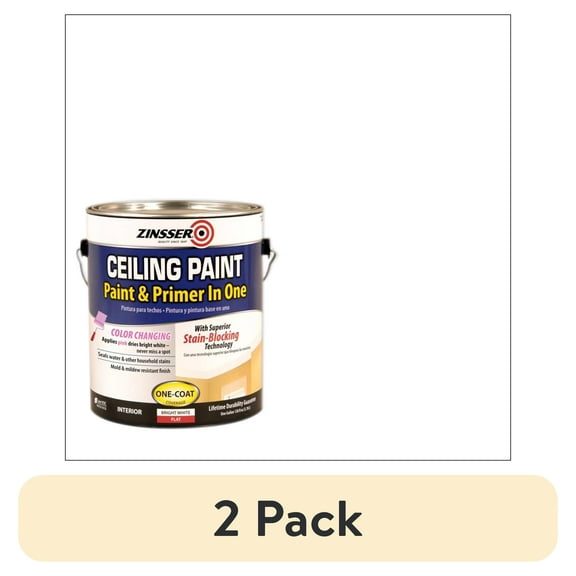
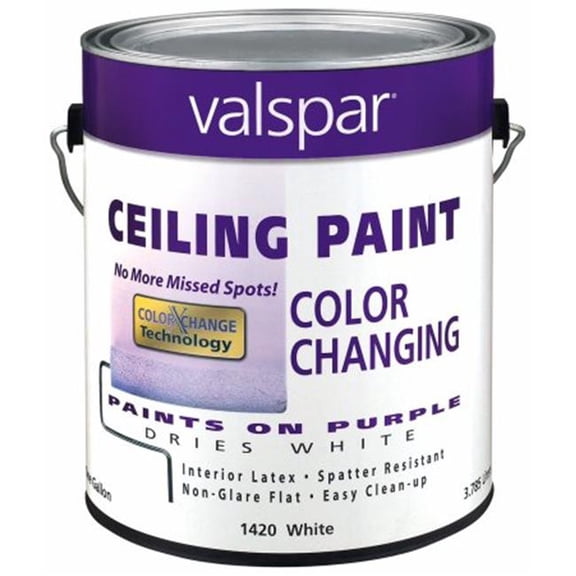
Color changing ceiling paint gives you a practical application guide while you roll. You can see where fresh paint has gone on, then watch it dry to a lighter finished color.
Tintable options can help if your room design calls for something beyond standard white. You should check whether your project needs a subtle custom shade or a classic bright ceiling look.
- You can use flat finishes to reduce visible glare from windows and lamps.
- You can use color changing formulas to track coverage as you paint.
- You can use tintable choices when your room needs a coordinated ceiling shade.
- You can use satin finishes when your space calls for easier wipe-downs.
Comparing latex ceiling paint and other base materials
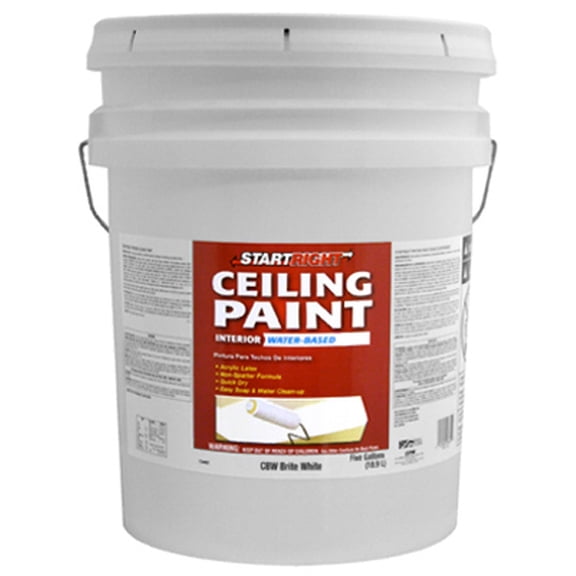
Latex ceiling paint is a common choice when you want a familiar, easy-to-use option for interior rooms. You’ll often see acrylic latex and water based ceiling paint options for routine repainting projects.
You should compare base material with your cleanup preferences and your existing surface condition. Water-based formulas usually fit projects where you want straightforward application and cleanup with household supplies.
If you’re reviewing oil-based options, you should check the product details for drying behavior and intended surfaces. You may find that base material matters greatly when you’re covering older finishes or specific room conditions.
What to look for in stain-blocking and self-priming features
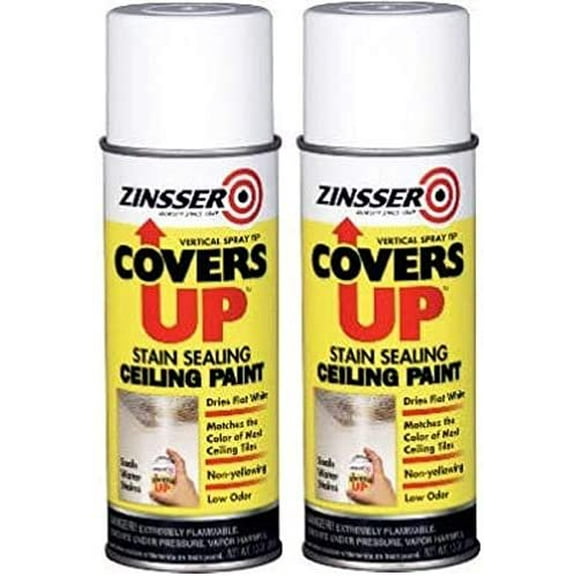
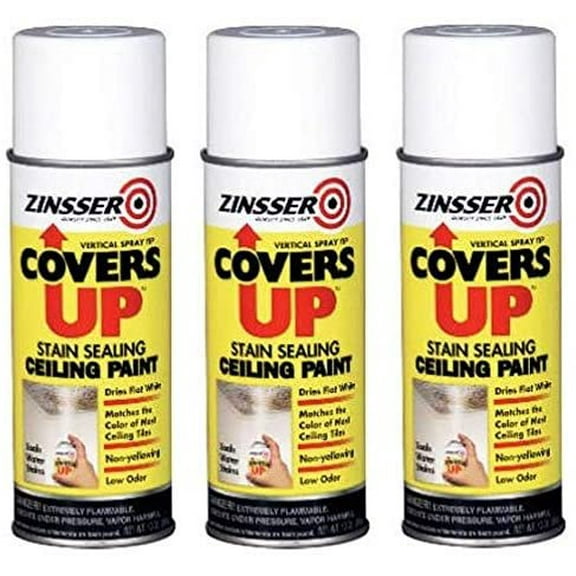
Stain blocking ceiling paint can help you prepare for rooms with visible marks that need extra coverage support. You should compare whether a formula is standard, stain-blocking, or self-priming before you begin.
Primer requirements matter because your ceiling may need a different approach than a clean, already painted surface. You can simplify planning by checking whether your selected paint includes self-priming capability.
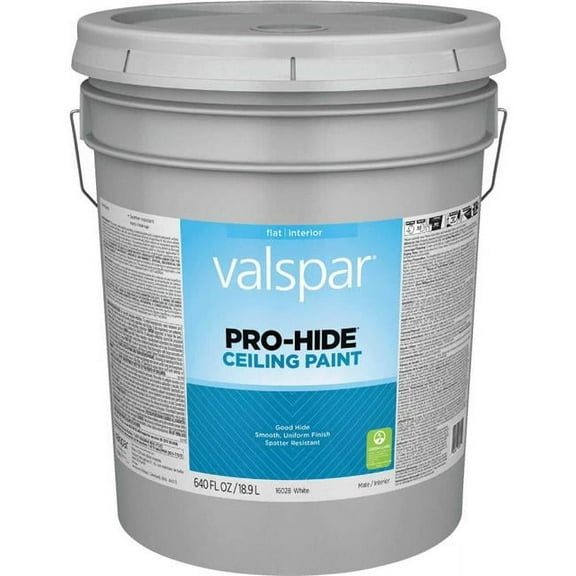
Spatter-resistant formulas can make overhead rolling feel more controlled during larger jobs. If you’re painting above furniture or finished floors, you may appreciate cleaner application behavior.
Mold-resistant options may suit spaces where moisture is part of daily use, such as laundry rooms or bathrooms. You should always match that feature to the room environment and the product label.
How to estimate coverage and choose the right size
You should measure the room length and width, then multiply those numbers to estimate square footage. That quick step helps you compare coverage listings and decide how much paint you’ll need.
Ceiling paint 1 gallon sizes can work well for smaller rooms, touch-ups, or single-ceiling updates. For larger open layouts, you may need multiple containers based on the listed coverage range.
You should also account for texture, patching, and color change when you estimate volume. Those details can affect how evenly your ceiling covers and how much paint you use.
Matching ceiling paint to real rooms
If you’re updating a bedroom or hallway, you may lean toward flat white ceiling paint for a soft, low-reflection finish. That choice can help overhead surfaces blend in with the rest of the room.
When you’re repainting a kitchen, bath, or laundry area, you may compare stain-blocking and mold-resistant features first. Those rooms often need practical features along with the look you want.
If you’re handling your first ceiling project, color changing ceiling paint can make application easier to track from one pass to the next. You can spot missed sections before the finish dries.
For quick refresh projects, you may prefer latex ceiling paint because it fits common interior painting routines. You can pair your paint choice with rollers, trays, primer, and drop cloths for a smoother project plan.
You’ll get more predictable results when you compare sheen, base, coverage, and specialty features before opening the can. With the right ceiling paint, you can create a cleaner-looking finish overhead with less guesswork.