

Ceiling Fan Electrical Boxes in Electrical Boxes
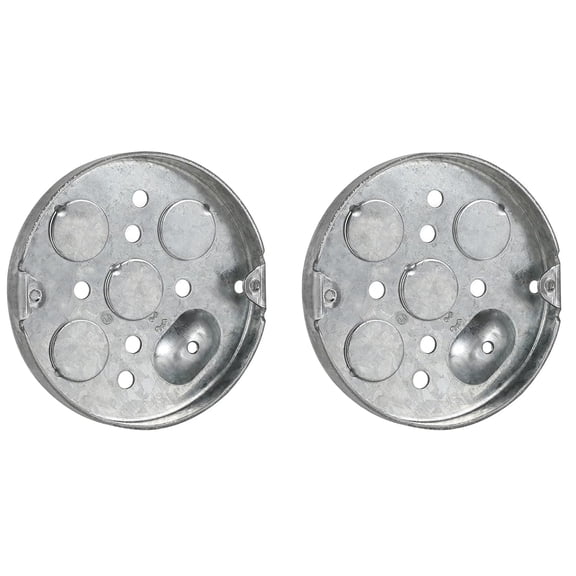

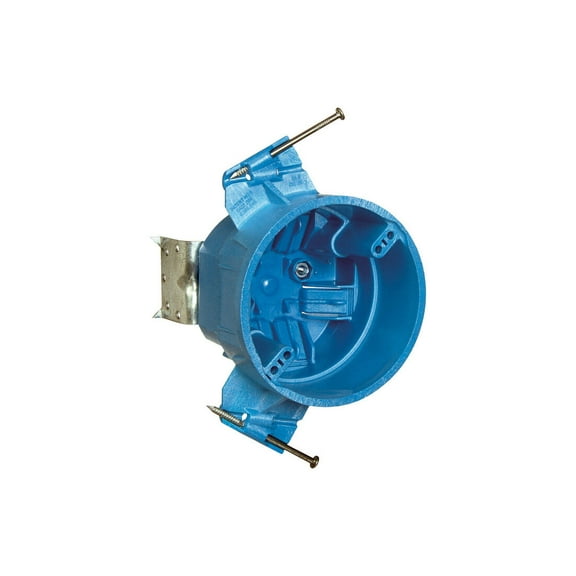

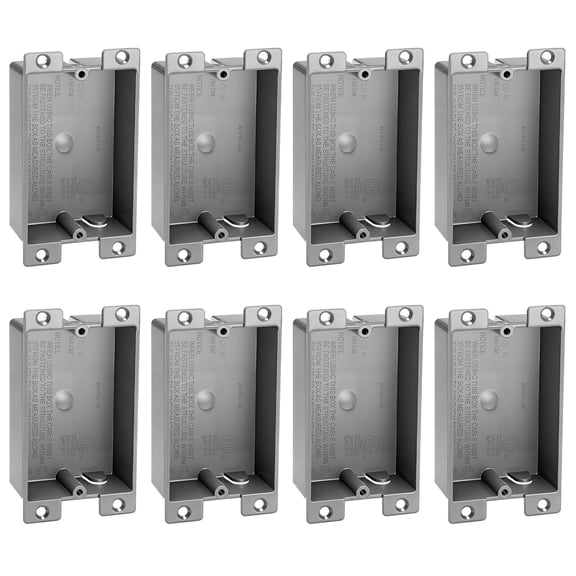
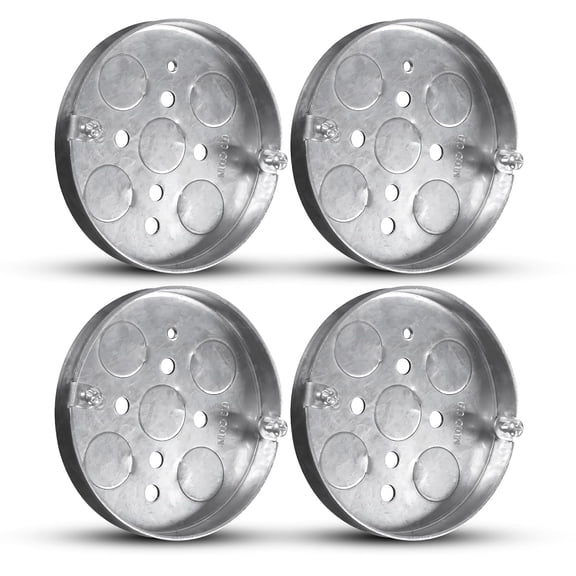









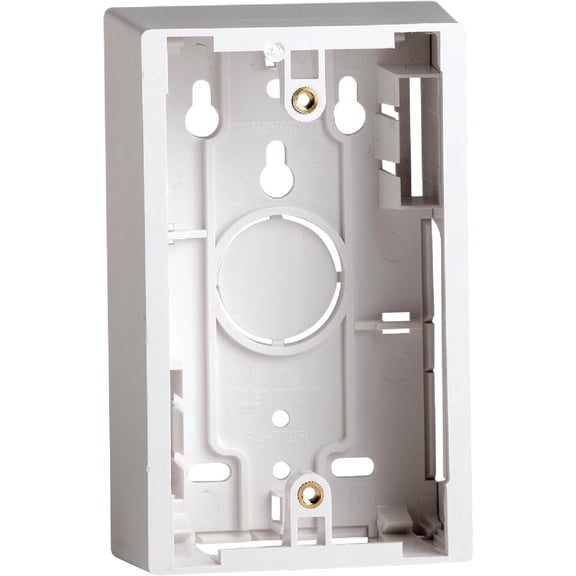
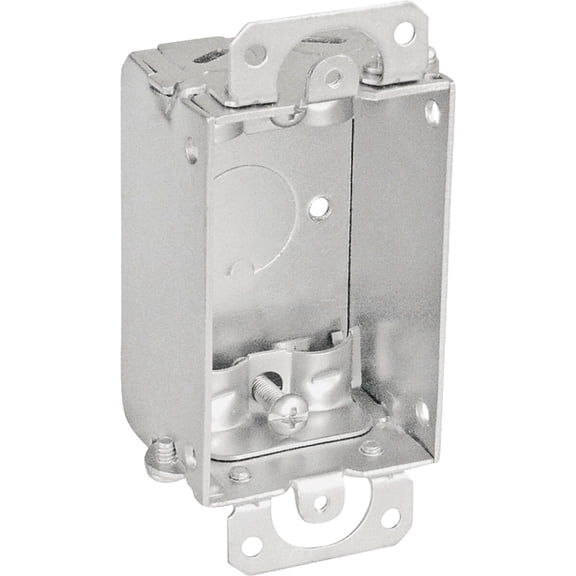
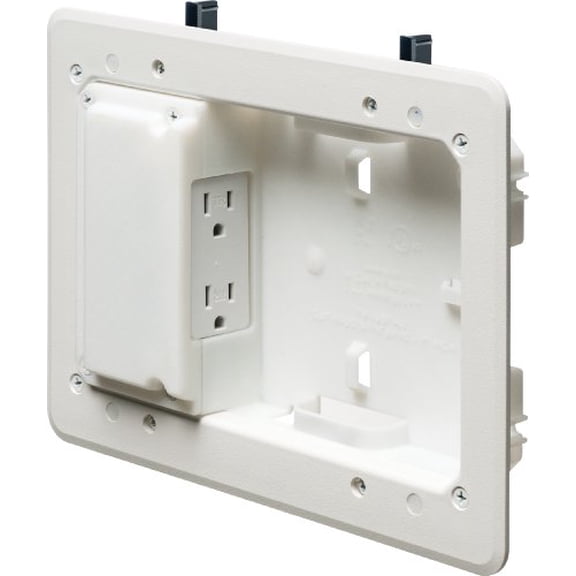
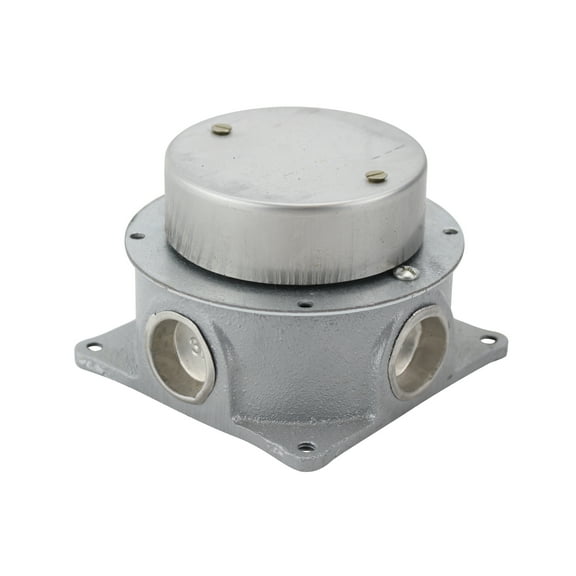
About Ceiling Fan Electrical Boxes in Electrical Boxes - Walmart.com
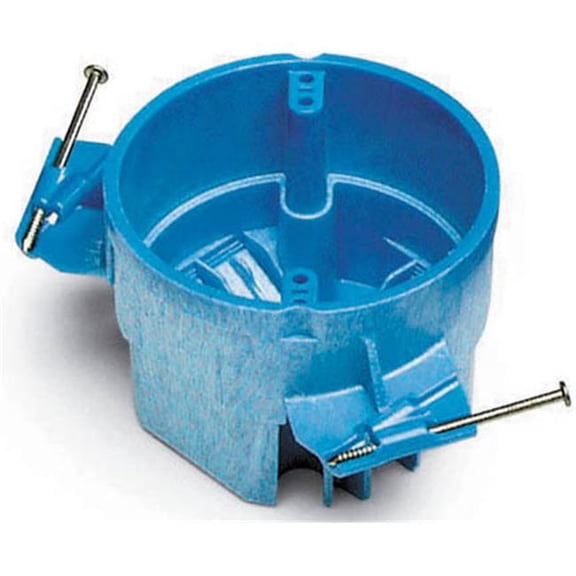
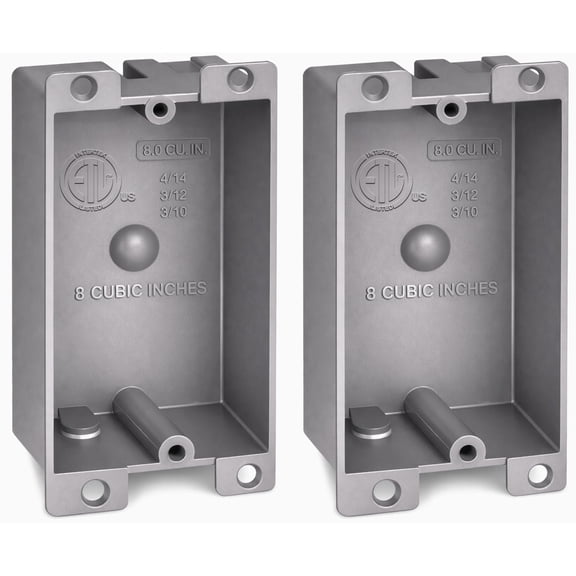
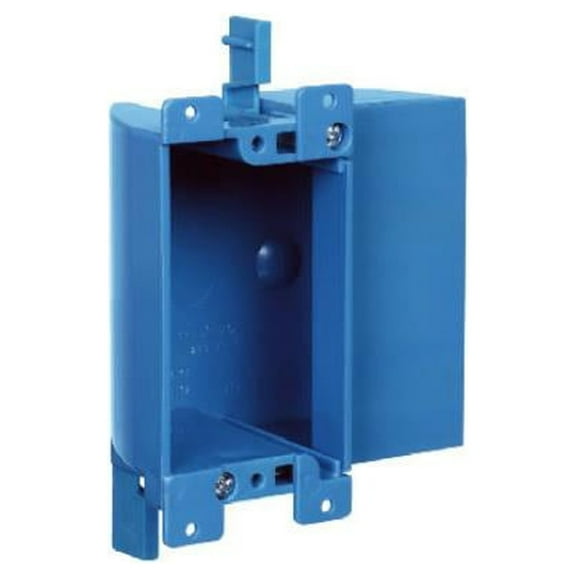
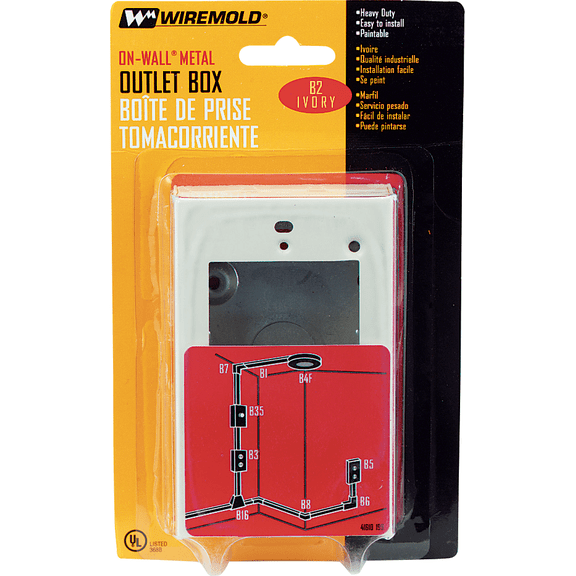
When you need electrical boxes for ceiling fans, you should start with fan support, ceiling clearance, and installation type. You can compare weight ratings, box depth, and mounting styles here, so your project matches your ceiling setup. If you're replacing a light fixture with a fan, you need a ceiling fan rated electrical box instead of a standard light box.
You'll also want details like old work mounting, brace designs, and shallow profiles for tighter ceiling spaces. By checking those details early, you can avoid mismatched hardware and extra ceiling changes later. That practical approach helps you choose a box that fits your wiring plan and overhead layout.
How to choose electrical boxes for ceiling fans
You should check the weight rating first, because your fan box must support the load your fixture places on the ceiling. You'll often see options rated for 35 lbs, 50 lbs, or 70 lbs. That rating matters because you need a box designed for fan support, not only for a light fixture.
When you compare a ceiling fan outlet box with a regular fixture box, you should focus on fan support labeling and mounting strength. You'll need a box built for vibration and overhead fan installation. In many projects, that difference guides your choice faster than color or shape.
- You can narrow choices faster when you match the box rating to your fan size and mounting hardware.
- You can avoid fit issues when you compare shallow, standard, and deep box profiles before installation.
- You can plan your project clearly when you choose between new work, old work, cut-in, and brace mounting styles.
- You can match your ceiling conditions by comparing metal, steel, and plastic construction options.
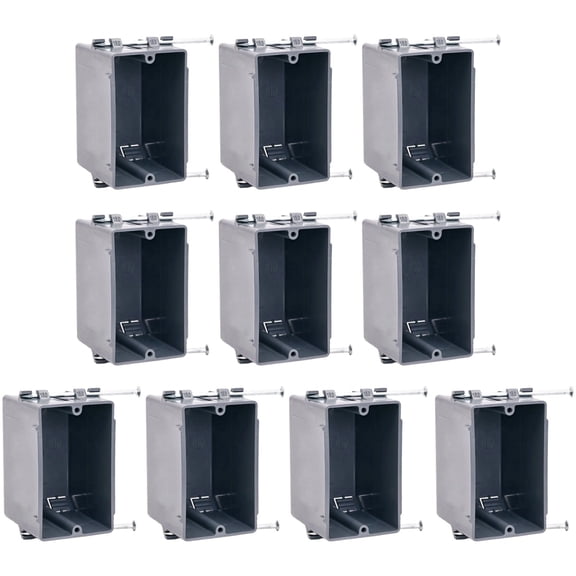
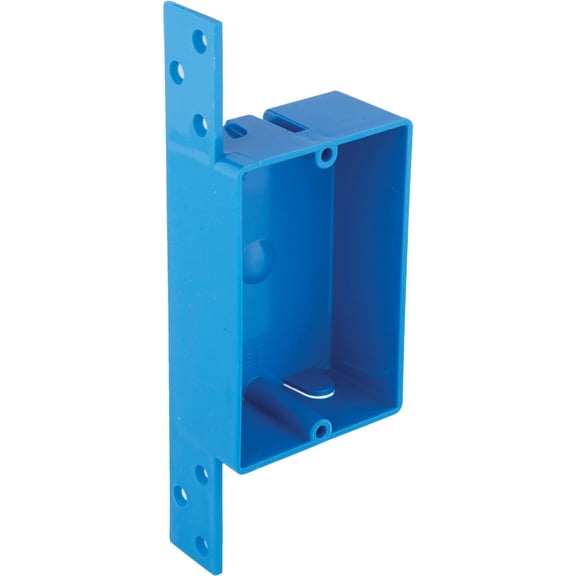
For retrofit projects, you may need an old work or cut-in design that fits through an existing ceiling opening. For open framing, you may prefer new work boxes that mount before you finish the ceiling surface. Those differences help you match the box to the stage of your project.
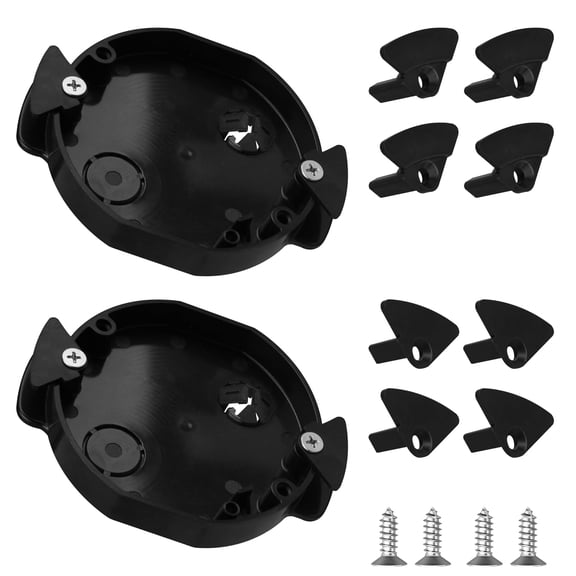
If your joist placement is tricky, you should consider a brace-mounted junction box fan setup. You can span between framing members and create a secure fan mounting point. That option can help when your preferred fan location doesn't line up with a single joist.
Choosing weight rating and ceiling fan outlet box types
You should treat the weight rating as a key decision, because it tells you what the box is designed to support. You'll often look for a ceiling fan rated electrical box when you're installing a spinning fan, not a simple light fixture. If you compare labels carefully, you can align the box with your fan's support needs.
If you want a ceiling fan j box for a heavier fixture, you should compare listed support levels and hardware style. You can use those details to match the box to downrods, fan canopies, and mounting brackets. That comparison gives you a clearer view of how the box fits your installation plan.
A 35 lb rating may suit lighter fan setups, while 50 lb and 70 lb options give you added support range. You should always verify the listed fan-support specification before you choose. When UL fan support is decision-critical for your project, you should check that listing before comparing other features.
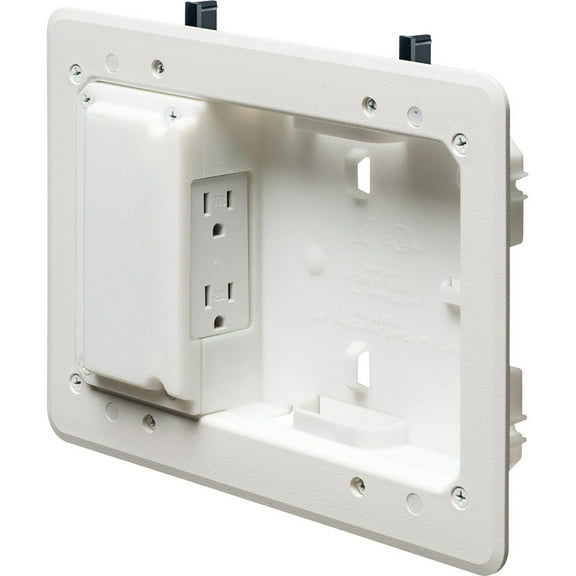
When you compare a junction box fan option with a shallow light box, you should think about both support and available ceiling space. You need enough room for wiring connections, while keeping the box profile practical. That balance becomes especially important when your ceiling cavity is tight.
Comparing material and box depth
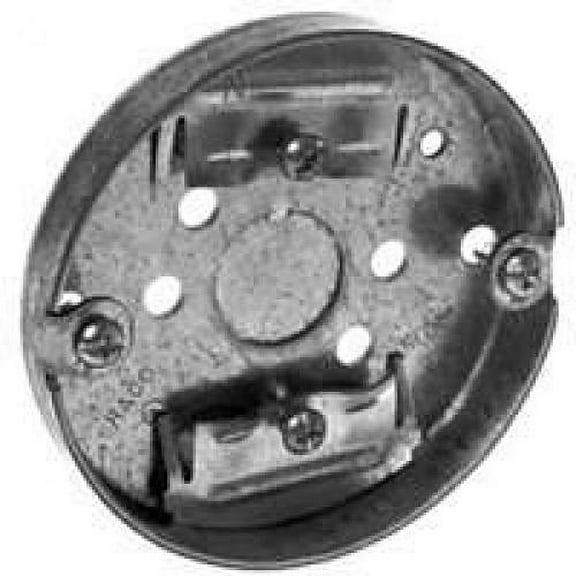
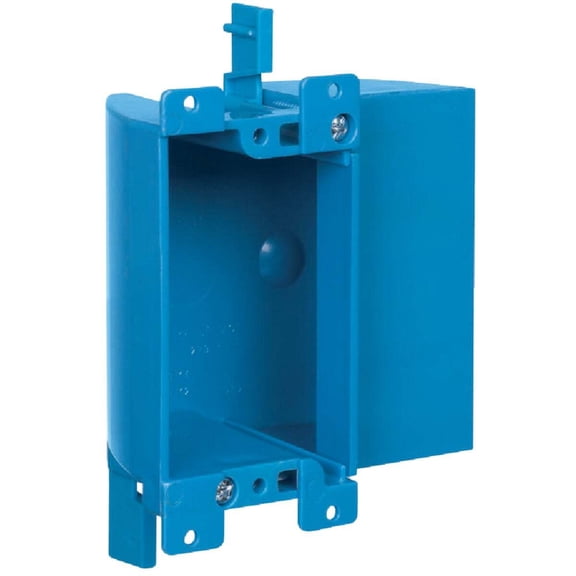
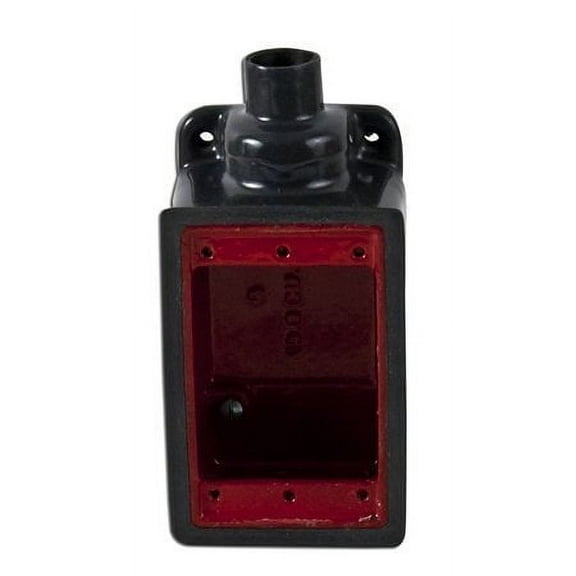
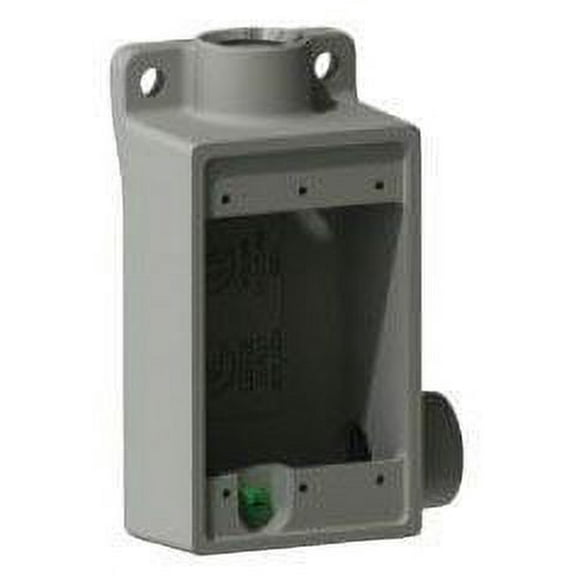
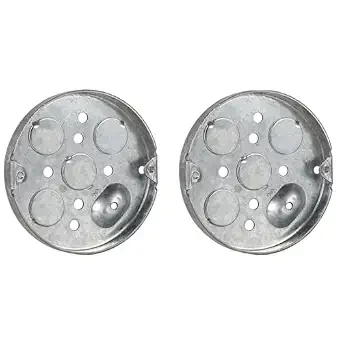
You should compare material next, because metal, steel, and plastic boxes can affect durability and installation style. You'll often see metal and steel options when you want a shallow metal cut in box. As you compare materials, you should also check whether the box includes fan-rated hardware.
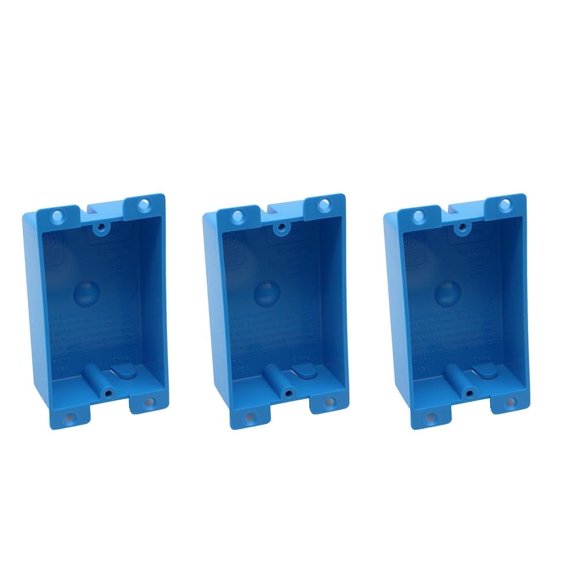
If your ceiling cavity is tight, you may need a shallow box that helps you work within limited depth. You can also look at standard or deep styles when you need more room for conductors and connectors. By measuring first, you can choose the depth that fits your ceiling opening and wiring path.
A shallow light box shape can help when framing limits your ceiling clearance. You should still confirm that the box is intended for fan support, not only light fixtures. That extra check helps you avoid using a box that doesn't match overhead fan installation.
If you prefer a sturdy housing for remodel work, you may lean toward metal construction with cut-in mounting. If you're comparing plastic and steel options, you should think about installation style, box depth, and support rating together. Looking at those dimensions as a group makes your final choice more practical.
Deciding between new work, old work, cut-in, and brace mounting
You should choose mounting type based on whether you're working with open framing or a finished ceiling. You'll usually pick new work boxes before drywall, while old work boxes fit remodeling projects. That distinction can help you avoid buying hardware that doesn't match your access.
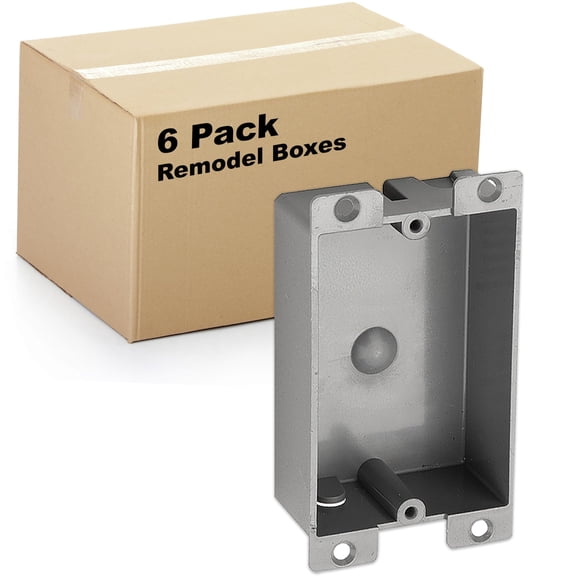
For an existing room, you may need a cut-in design that installs through a finished opening. You can use that style when you don't want to open a larger section of ceiling. In a remodel, that approach can keep your project more controlled and predictable.
If you need added flexibility between joists, you should compare brace-mounted options carefully. You'll often find that a brace setup helps you place the fan where a single joist location won't work. That can matter when room layout affects where you want air movement or lighting.
When you review installation details, you should check box depth, bracket style, and supported ceiling type together. You can avoid mismatches by measuring the opening and noting your framing access first. That combination gives you a more accurate way to narrow your options.
Matching electrical boxes for ceiling fans to real projects
If you're swapping a builder-grade light for a bedroom fan, you may need an old work ceiling fan outlet box. You should measure the opening and choose a depth that fits your ceiling cavity. In that setup, a shallow profile may help when wiring space is limited.
For a new addition or full renovation, you may prefer new work mounting before you finish the ceiling surface. You can secure the box directly during framing and plan wiring placement early. That approach can make it easier for you to align the fan location with the room layout.
If you're working in a hallway, laundry area, or other tight overhead space, you may want a shallow metal cut in box. You can keep the profile compact while still focusing on fan-rated support. That combination works well when your ceiling depth leaves little extra room.
When you're installing a larger fan in a family room, you should review higher support ratings and brace options. You can pair a heavier-duty design with the mounting method your ceiling structure allows. With the right electrical box ceiling fan setup, you can support your fan properly and fit your ceiling conditions.
If you need a box for a simple retrofit, you should compare cut-in styles with standard-depth and shallow choices. You can match the wiring space and ceiling opening without guessing. By matching weight rating, material, depth, and mounting style, you can finish with a ceiling fan box that fits your project clearly.