


Find auto parts that fit
Let’s search for parts that fit your vehicle.
CB Radio Mics in CB Radios


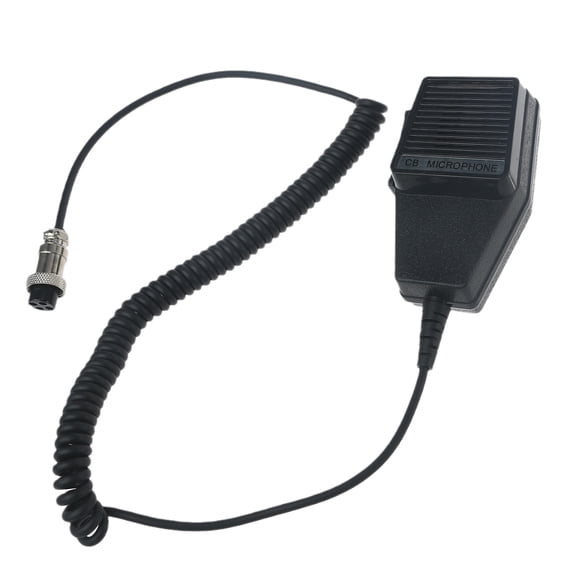
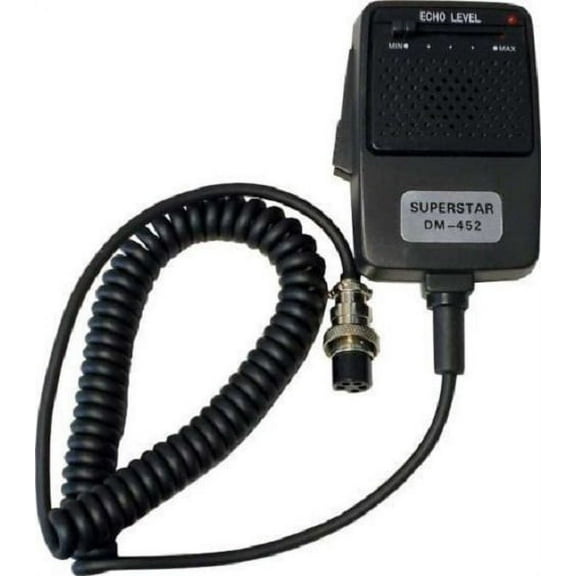
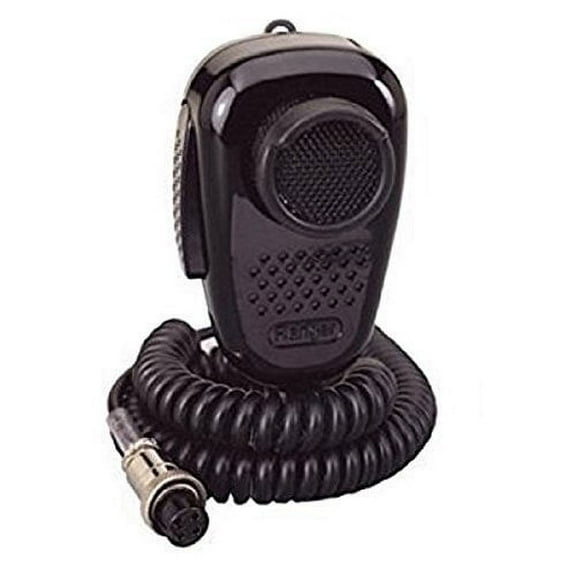
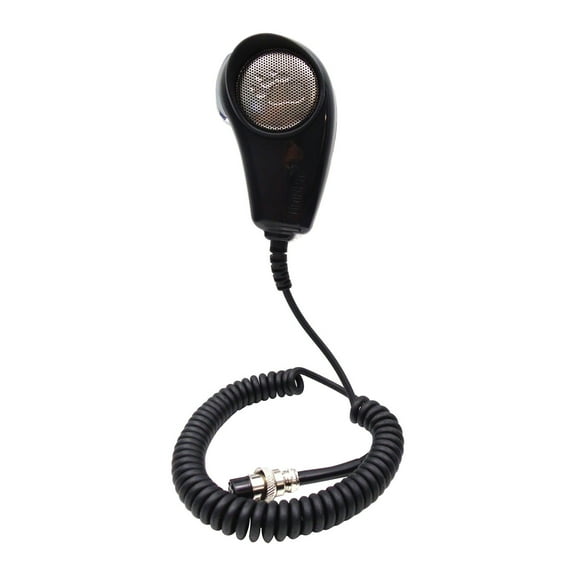


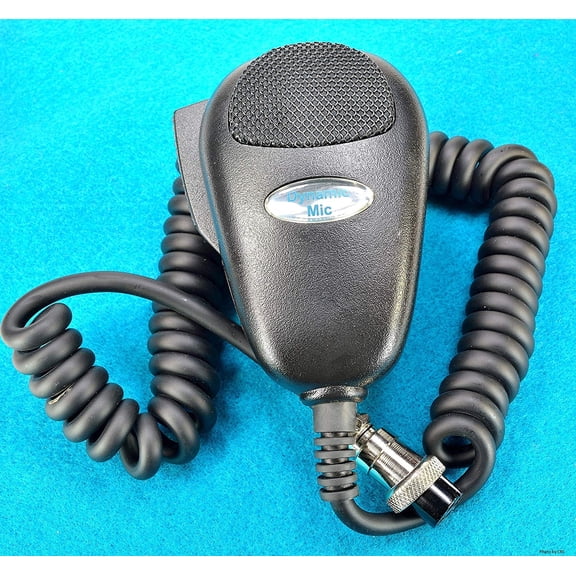

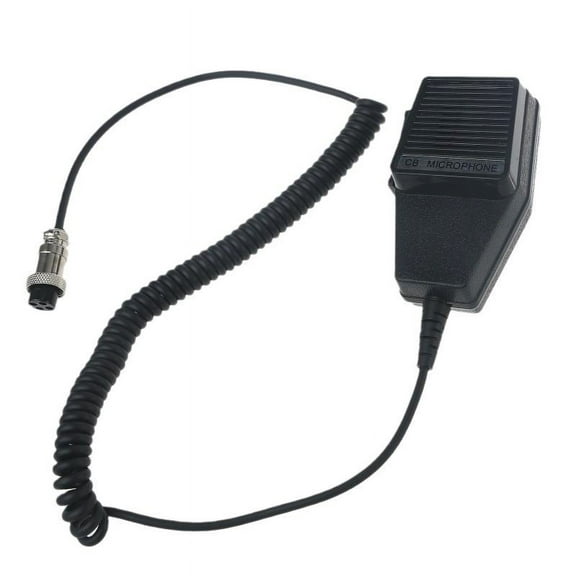

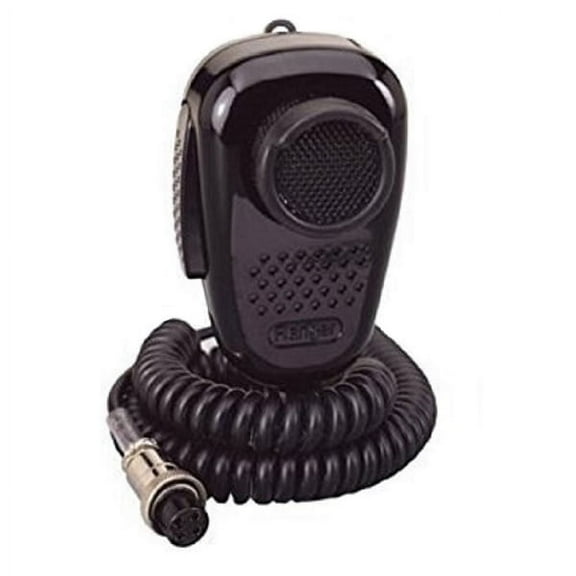
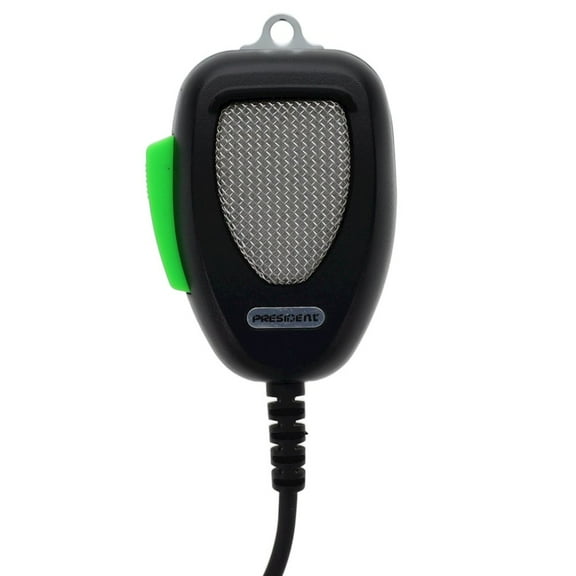
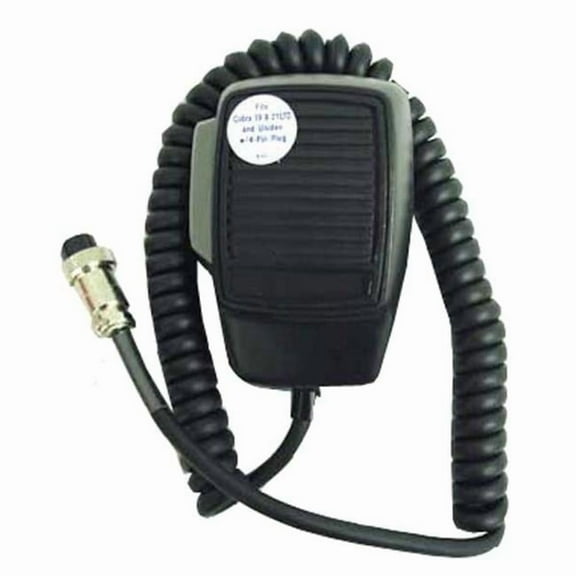
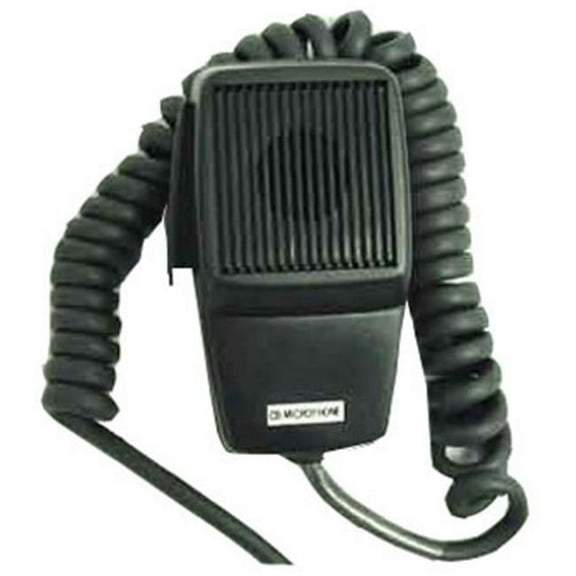

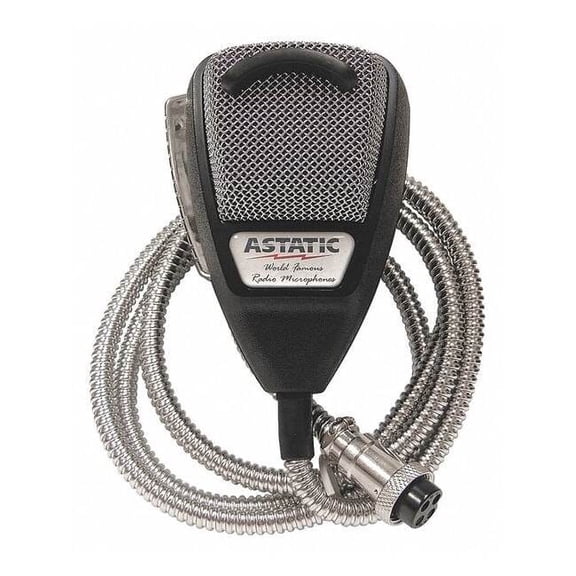

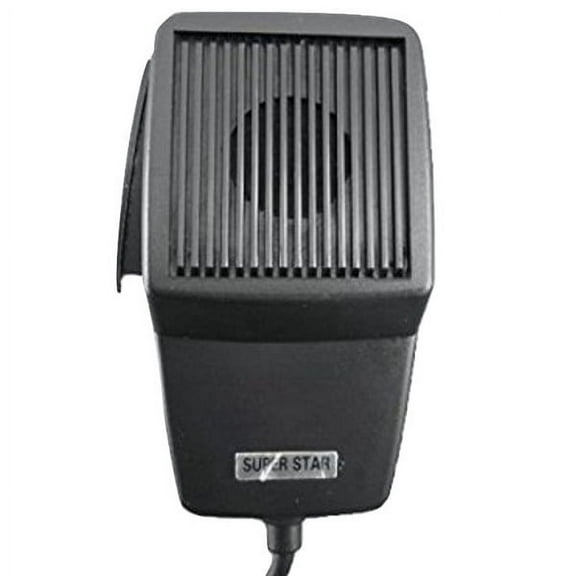

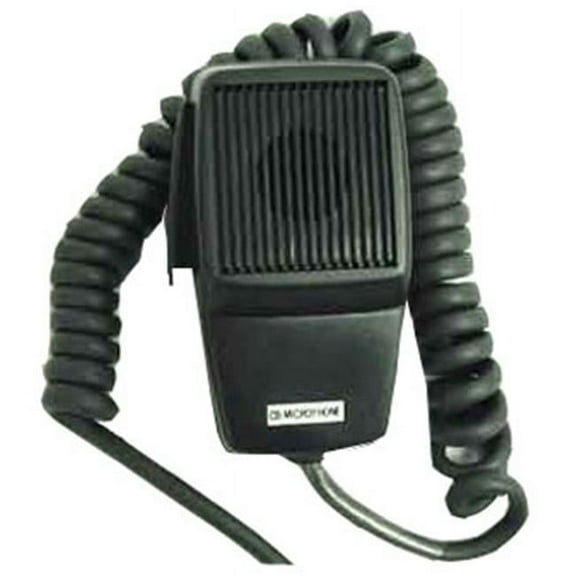
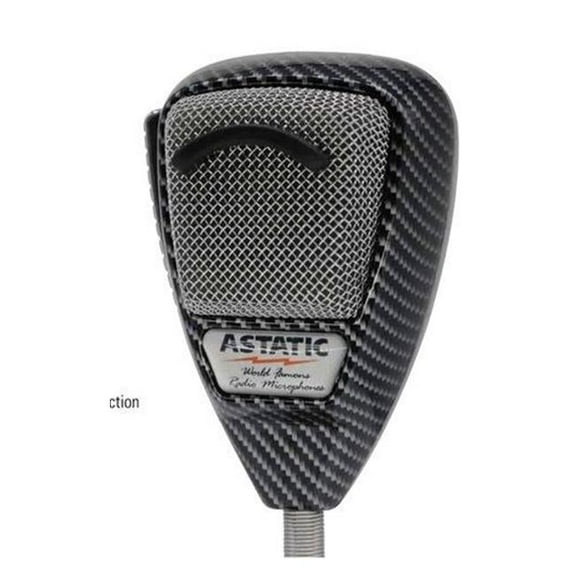


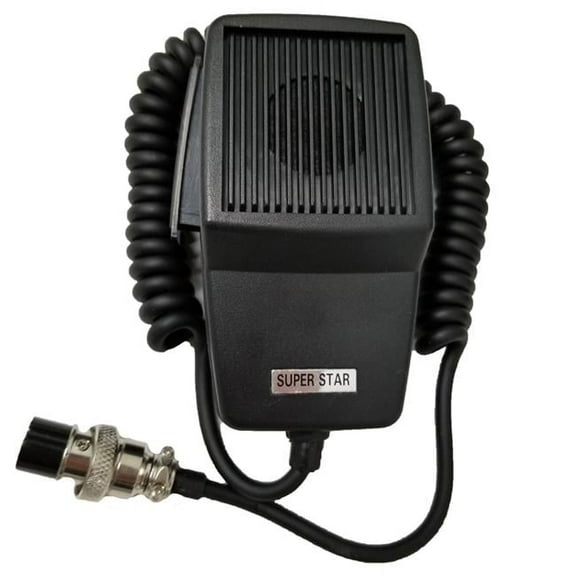


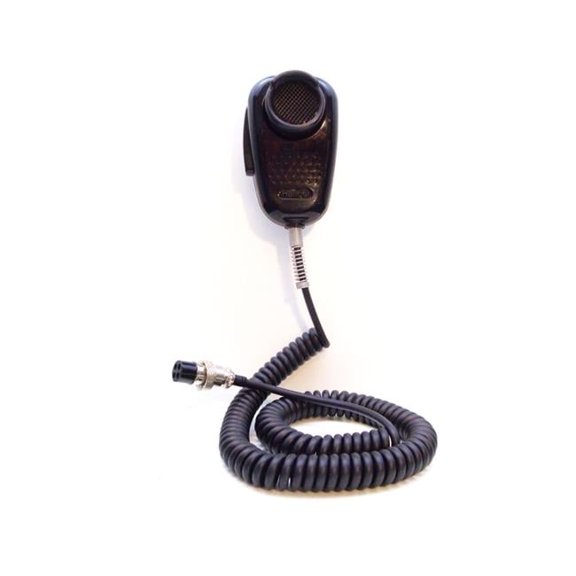
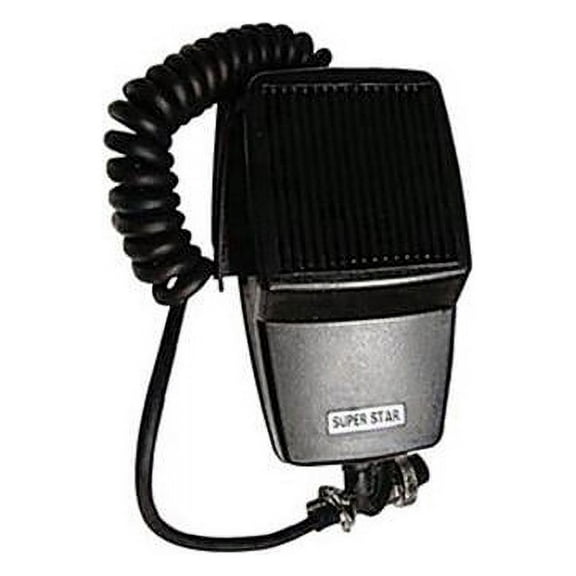
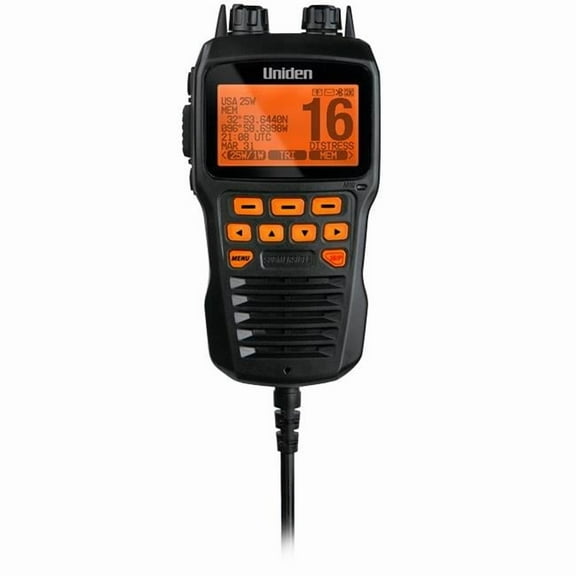

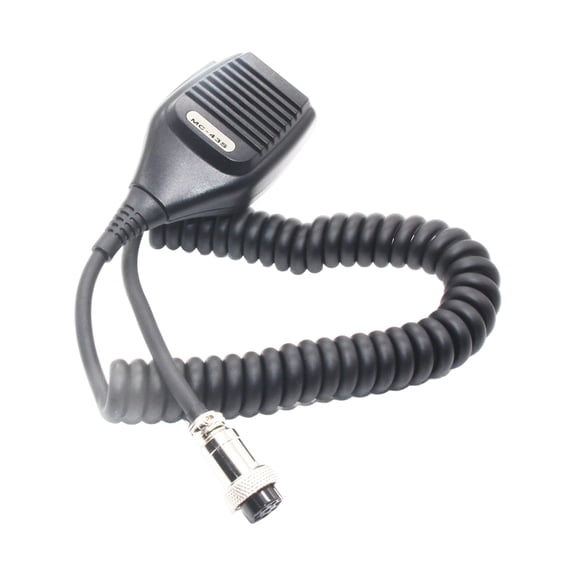


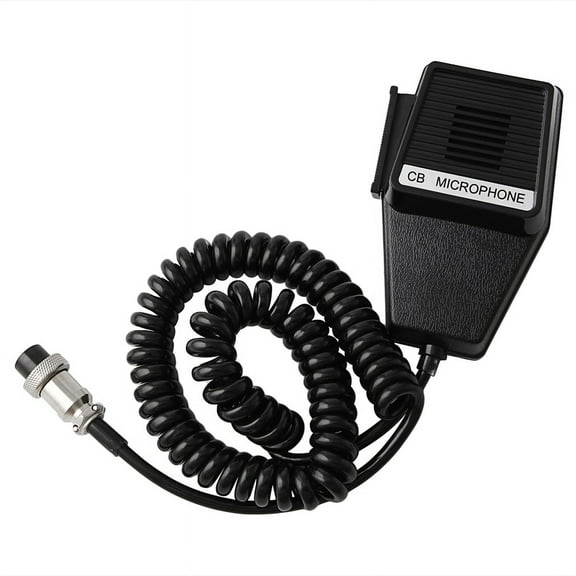

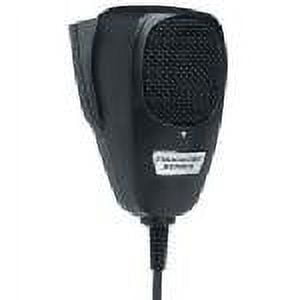
About CB Radio Mics in CB Radios - Walmart.com
You can choose the right cb radio mic quickly when you compare pin fit, mic type, and mounting style before checkout. You’ll also want road-ready details like coiled cords, strain relief, and radio compatibility for your current setup.
If you replace a worn handset or upgrade your setup, you’ll notice compatibility is a primary factor in this auto electronics category. You’ll get smoother installation when you match the plug style, voice pickup design, and hang-up option to your cab layout.
How to choose a cb radio mic
You should start with the plug on your radio because pin configuration decides whether your microphone connects correctly. You can narrow choices quickly when you compare a 4 pin microphone, a 6 pin cb microphone, and an 8 pin microphone.
When you match the right pin count, you reduce guesswork during installation and avoid rewiring on the spot. You’ll also keep radio checks simpler because your microphone wiring matches your radio’s input.
You can use this category as a practical buyer’s guide when you compare the main decision points. You should focus on these details first before you compare cord style or cosmetic design.
- You can match 4-pin, 6-pin, or 8-pin connections to your existing radio.
- You can compare dynamic, power mic, and noise-canceling pickup styles for your driving environment.
- You can choose magnetic mount or hang-up clip storage based on your cab setup.
- You can check compatibility cues for radios commonly associated with Cobra, Uniden, and Stryker microphone searches.
Choosing the right pin configuration
You should check whether your radio uses four, six, or eight pins before you choose any replacement microphone. You’ll find this step especially important because CB radios don’t share one universal microphone plug.
A 4 pin microphone often suits many common mobile CB setups and straightforward replacement needs. You can treat it as a common starting point when your radio uses a basic transmit and audio wiring layout.
A 6 pin cb microphone can add extra control pathways depending on your radio’s design and feature set. You should compare the radio’s manual or jack label so your wiring expectations stay clear.
An 8 pin microphone often appears on radios with added switching or expanded control functions. You’ll want to confirm that extra pins match your radio’s needs rather than assuming every larger connector fits.
If you’re comparing models with technical notes, you should look for plain descriptions of wiring compatibility and supported radios. You can also check whether the manufacturer describes the microphone as a replacement or an upgrade path.
Comparing dynamic, power, and noise-canceling options
You can choose a dynamic microphone when you want a straightforward voice pickup style without added power requirements. You’ll often prefer this route when you want a familiar feel and a simpler replacement process.
You may prefer a power mic when you want stronger voice output from a microphone with built-in amplification. You should check battery requirements first because some power styles need onboard power for that extra gain.
If you drive in a loud cab, you can look for noise-canceling designs that reduce surrounding background sounds. You’ll appreciate this feature when engine noise, road hum, or open-window airflow competes with your voice.
You should compare these microphone types by your driving environment, not only by connector style. You can get a more usable setup when your voice pickup matches your truck, trail rig, or daily driver.
Checking cord, mount, and brand compatibility details
You should look for a coiled cord that stretches comfortably from the radio to your normal speaking position. You’ll also want strain relief near the plug and mic body because repeated pulls can wear those points.
If your cab gets busy, you can compare a magnetic mic option with a hang-up clip. You may prefer a magnetic mic when you want faster grab-and-return storage on metal mounting surfaces.
A hang-up clip can make sense when you want a fixed home for your mic near the dash. You should measure the placement so your cord hangs cleanly and doesn’t crowd switches or storage bins.
You can also compare product notes tied to common radio families associated with Cobra, Uniden, or Stryker microphone searches. You should still verify your exact radio model because brand families can include several pin layouts.
Matching the right setup to your driving use
If you want a quick replacement for a familiar mobile radio, you can start with the same pin count and a dynamic mic. You’ll keep the learning curve short while restoring clear push-to-talk operation.
When you spend long hours on the road, you may want a coiled cord with solid strain relief and a secure clip. You can keep the microphone close without letting it slide across the cab.
If your cab is loud, you can pair the correct connector with a noise-canceling microphone style. You’ll make voice pickup more focused in environments with engine rumble and constant road noise.
When you want extra output control, you can compare power mic models after you confirm battery needs and radio fit. You should treat power and compatibility as a pair, not as separate decisions.
If you’re building a cleaner dash setup, you can compare magnetic storage with a fixed hang-up point. You’ll get a neater reach path when your cord length and mount style fit your seating position.
You can shop this category with more confidence when you lead with pin count, then compare mic type, mount style, and cord design. You’ll end up with a CB setup that fits your radio and feels easier to use on every drive.