








Cat Trees in Cats


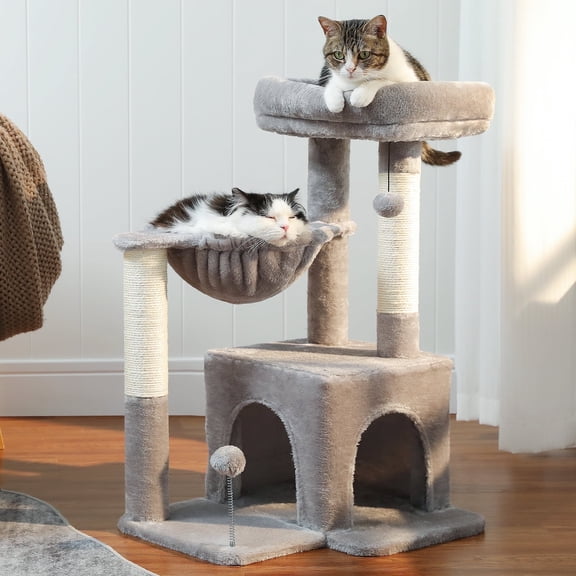


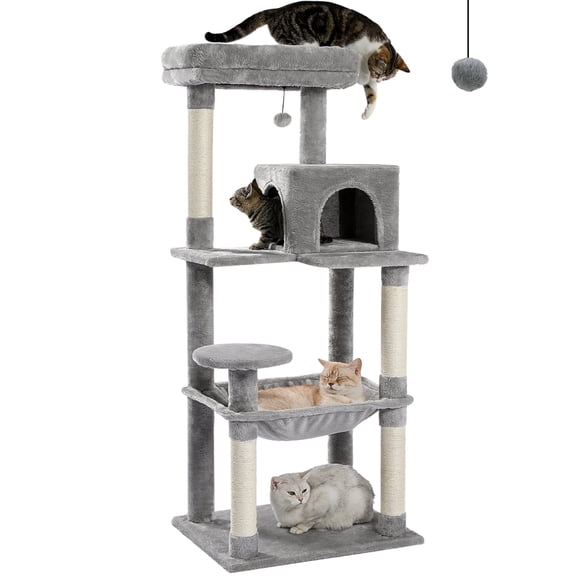


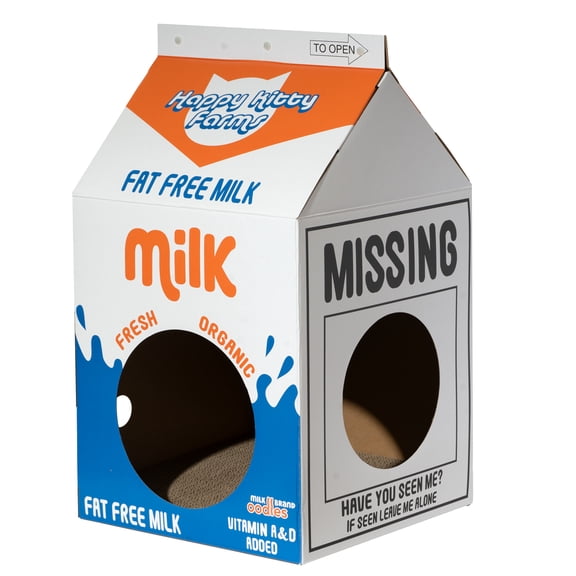
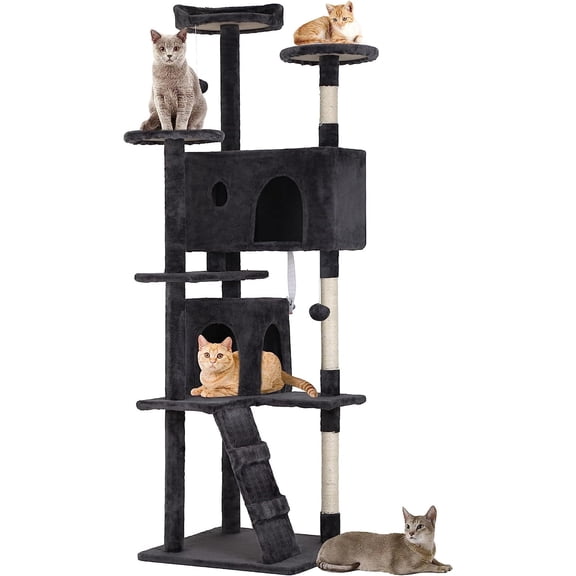
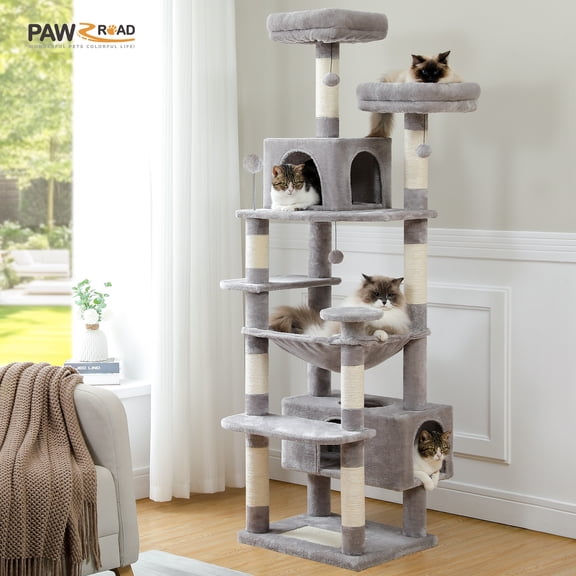


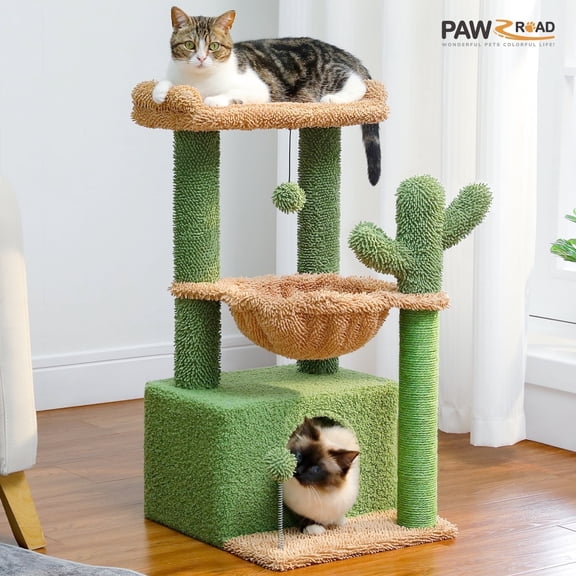


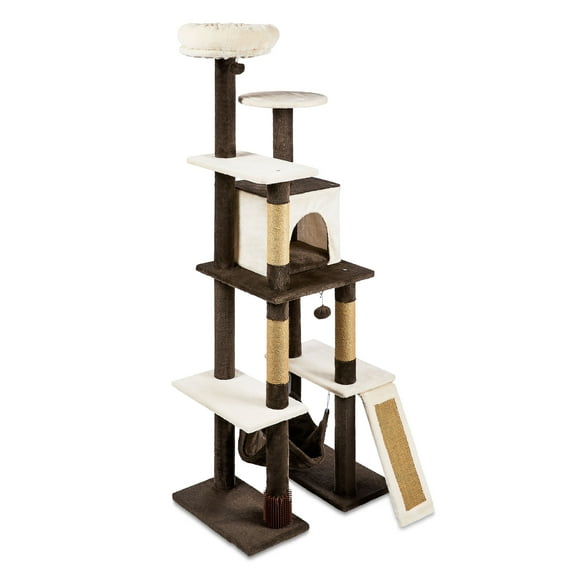


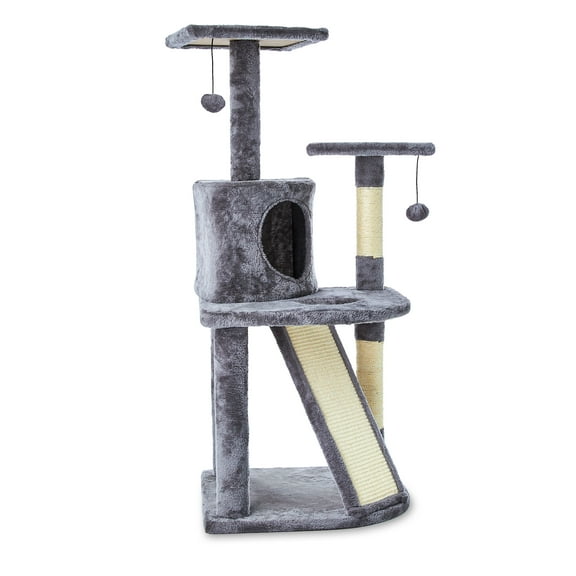
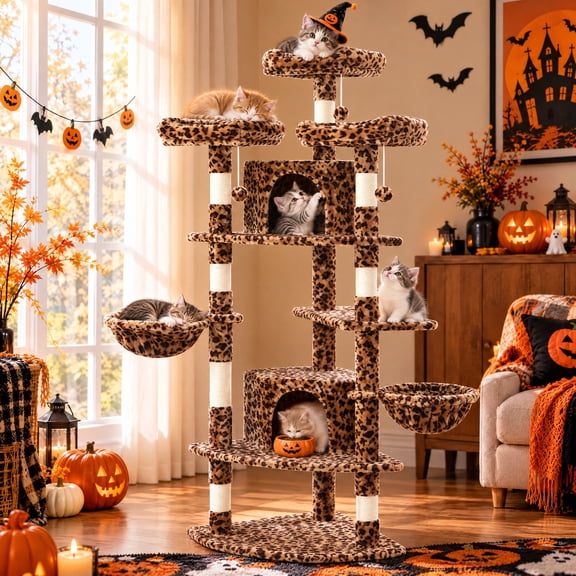


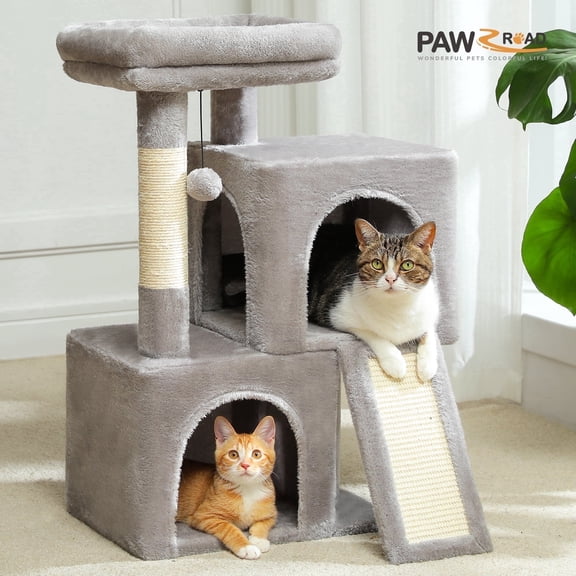
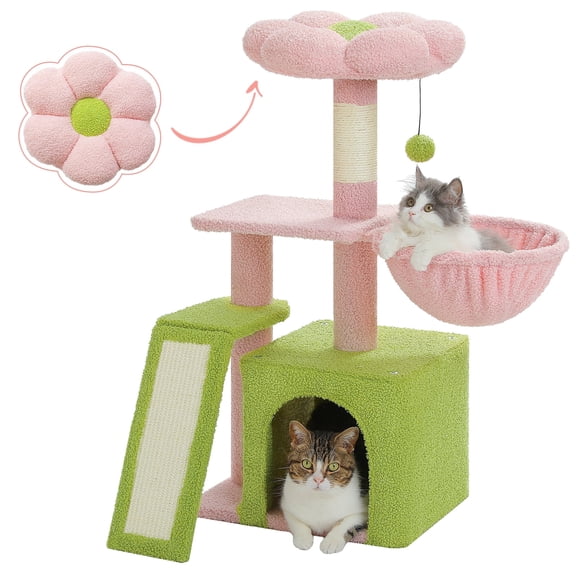


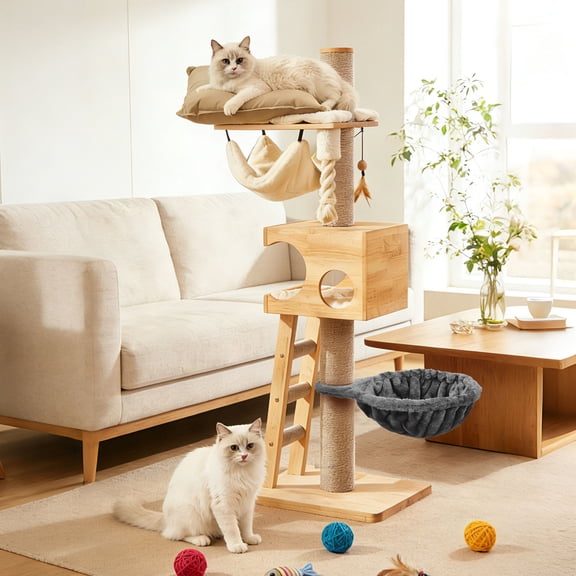








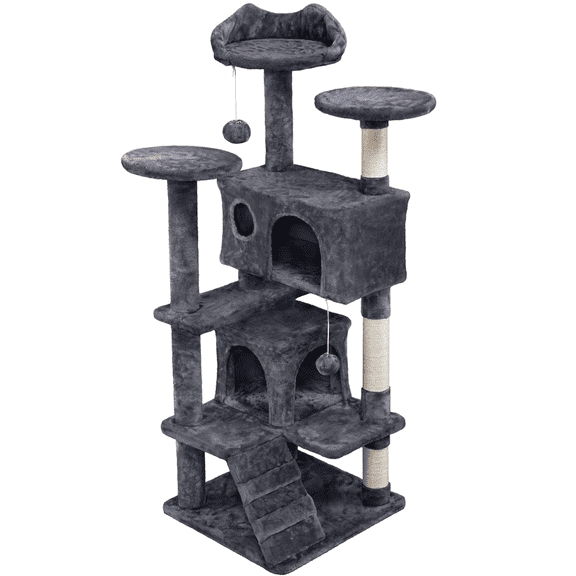


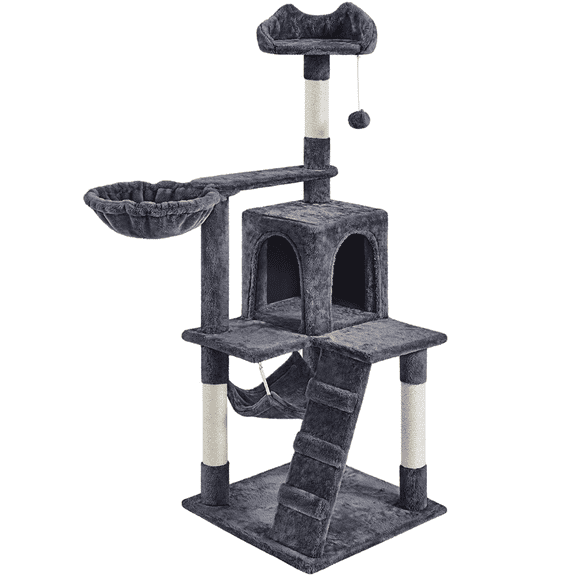


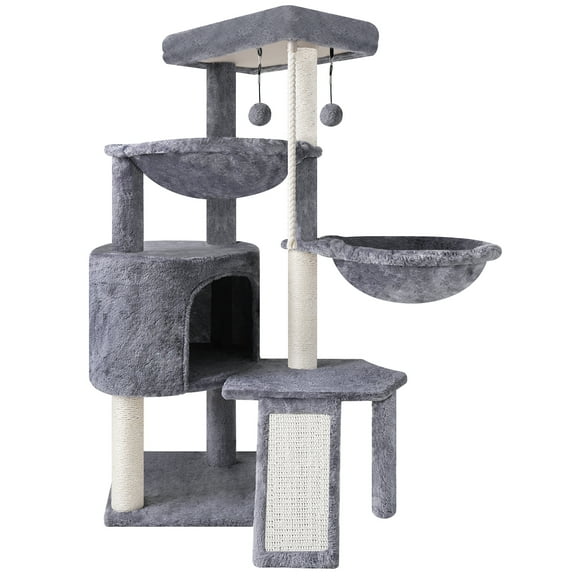


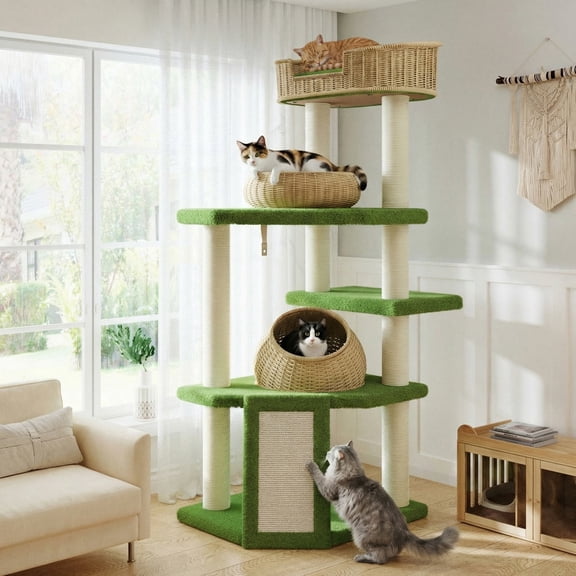




About Cat Trees in Cats - Walmart.com
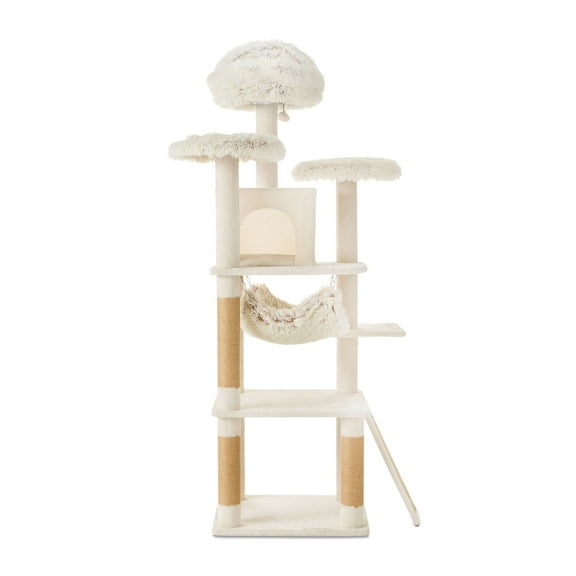
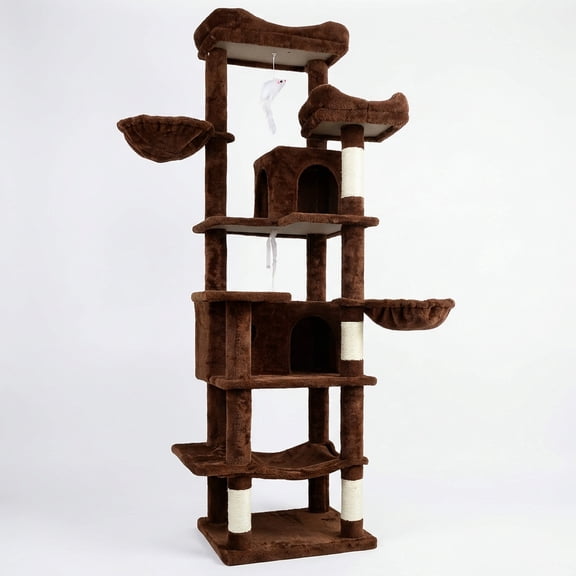
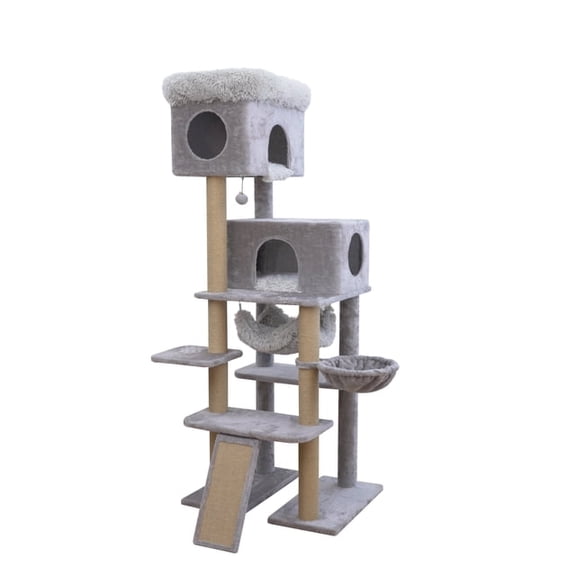
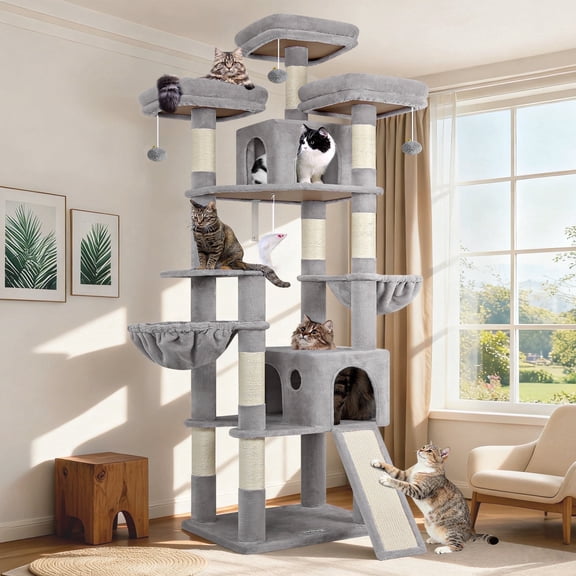
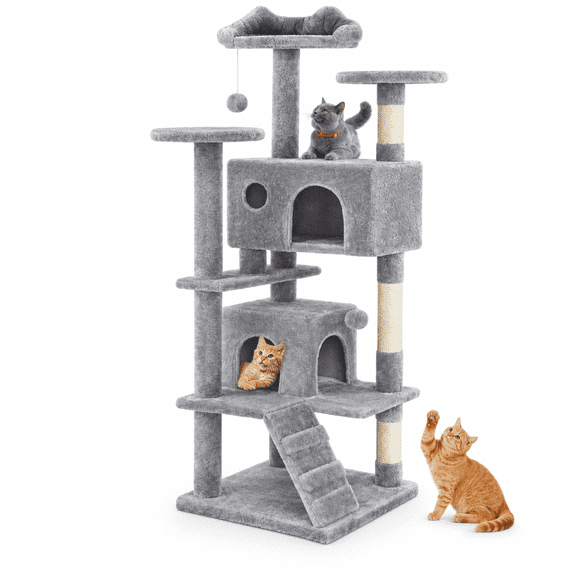
A cat tree turns your home into a vertical playground that keeps claws busy, energy focused, and favorite nap spots off your shelves. At Walmart, you’ll find space-smart cat towers, cozy cat condo styles, and tall multi-level designs that fit everything from studio corners to full living rooms.
Unlike basic scratch posts, a well-built setup combines climbing, lounging, and scratching in one footprint. That means fewer claw marks on furniture and more daily enrichment without rearranging your space.
Why a cat tree earns its spot in your home
The right cat tree gives your cat a dedicated route to climb, perch, and scratch, which can make shared spaces feel calmer—especially with multiple cats. Elevated platforms also create “ownership zones” that reduce crowding around couches, windows, and beds.
When you choose a structure with real vertical variety, you’re not just adding furniture—you’re shaping daily routines. Expect more play bursts during the day and more predictable rest at night when your cat has a consistent perch.
- Redirects scratching to sisal-wrapped posts and scratchable panels, helping protect sofas, rugs, and chair legs
- Supports natural climbing and perching so your cat can watch windows, people, and other pets from a safe height
- Helps multi-cat homes by adding separate platforms, hideouts, and pass-through routes to reduce “traffic jams”
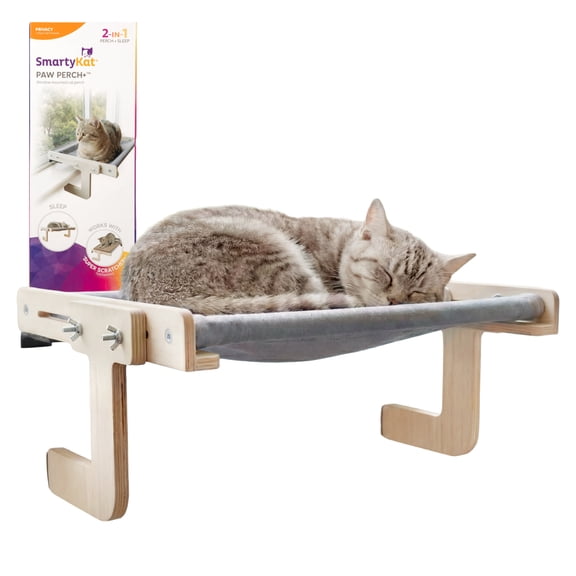
- Creates cozy nap zones with hammocks, condos, and padded beds that feel secure and enclosed
For kittens, shorter levels build confidence and coordination. For adult cats, taller cat towers add exercise without needing extra floor space.
Cat tree features that matter when you’re comparing options
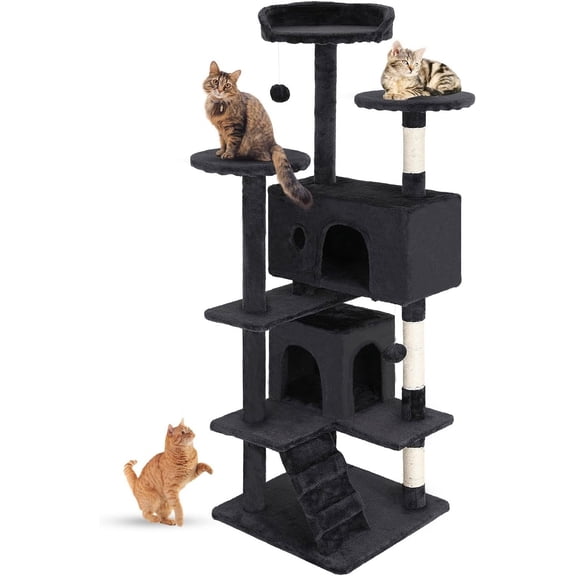
Stability is the first filter. Look for wide, weighted bases, thicker support posts, and platform layouts that don’t cantilever too far past the center—those details help prevent wobble when your cat launches upward.
Scratching surfaces decide whether your cat actually uses it. Sisal rope or sisal fabric is a common pick for a cat scratching tree because it offers strong claw grip, while carpeted areas can feel softer for lounging and stepping.
Pay attention to the “path” up the structure. Staggered platforms, ramps, or step-like ledges make climbing easier and reduce awkward jumps, especially for senior cats or stockier builds.
Other specs to compare:
- Height and levels: taller profiles for window views; multi-tier layouts for play and separation
- Post diameter: thicker posts tend to feel steadier for bigger cats and vigorous scratchers
- Condo size: check interior opening width and condo depth so turning around is easy
- Cushions and covers: removable pads can simplify cleanup from shedding and tracked litter
- Materials: plush, carpet, sisal, and engineered wood panels each change grip, feel, and durability
If you’re assembling in a tight space, measure ceiling height and doorway width before you start. Many cat trees ship in multiple panels, so you can stage parts in the room where it’ll live.
Finding the right cat tree for large cats
When you’re shopping cat trees for large cats, focus on structure first: base width, post thickness, and platform size. Bigger frames help your cat stretch fully while scratching and settle without hanging off the edge of a perch.
Choose layouts with fewer, larger landings instead of many tiny steps. Wide platforms and roomy condo openings suit long-bodied cats and fluffy breeds that need more turning radius.
Also consider scratch placement. More than one scratching post—at different heights—lets a heavier cat scratch comfortably without twisting, which can make the cat tree feel “right” from day one.
Cat condos and cat towers for real-life homes
A cat condo style is ideal when your cat likes covered spaces or when you want a cleaner look in shared rooms. Enclosed hideouts can double as quiet nap spots, especially in homes with kids, dogs, or high foot traffic.
Cat towers work well for window watchers and high-energy jumpers. Taller builds create a vertical “lane” that can pull play away from counters while giving your cat a predictable perch for observing what’s happening.
Common setups shoppers choose:
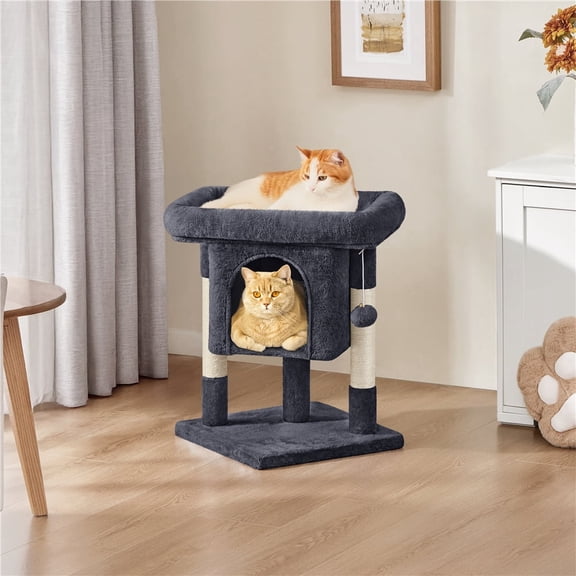
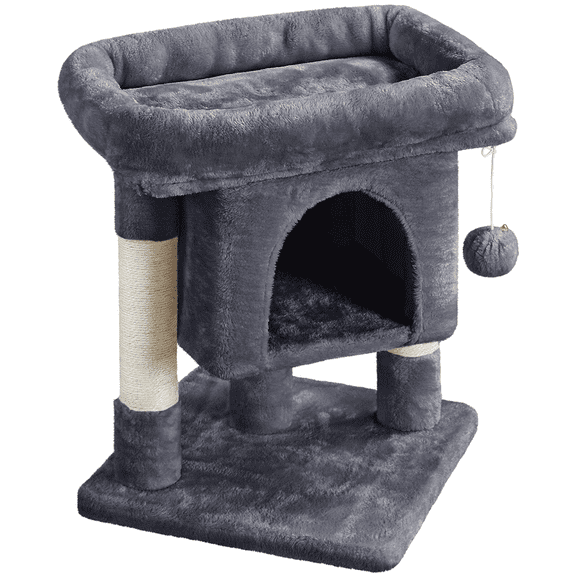
- Small-space corner build: a compact cat tree with one condo and two to three levels for apartments
- Multi-cat layout: multiple condos, split perches, and more than one route up to reduce blocking
- Scratch-first setup: a cat scratching tree with long sisal sections for full-body stretches
- Window-perch focus: taller cat towers placed near a window for daily enrichment and sun naps
If shedding is a constant battle, pair plush lounging spots with a lint roller routine and removable pads. If your cat tracks litter, placing the base a short distance from the litter area can help keep granules from collecting on the platforms.
Assembly, durability, and upkeep tips shoppers look for
Assembly usually goes faster when you loosely fit all bolts first, then tighten once everything’s aligned. Keeping hardware sorted by step and using a hand screwdriver for final tightening can help avoid stripped threads.
For durability, re-tighten bolts after the first week. Regular climbing can settle parts, and a quick check can bring back a steadier feel—especially on taller cat trees.
To keep it feeling fresh, vacuum seams and platforms where fur collects, and rotate cushions if they’re reversible. If sisal starts to fray, a light trim can reduce loose strands while keeping the scratching texture your cat likes.
Complete your setup with everyday essentials like cat litter boxes, cat toys, and cat beds, so your cat has consistent zones for scratching, playing, and resting.
Pick a cat tree that matches how your cat actually moves—scratches, climbs, hides, and lounges—and you’ll get a sturdier home setup with calmer shared spaces and a happier daily routine.