







Cat Toys

























About Cat Toys - Walmart.com
Cat toys help you keep indoor cats active, curious, and engaged through climbing, batting, chasing, and pouncing play. You can compare toy type, life stage, material, and play benefits to choose options that match your cat’s habits.
If your cat spends more time inside, you’ll want play options that support movement and variety throughout the day. You can use different textures, motion styles, and sizes to match solo play, shared play, and quieter cuddle time.
How to choose cat toys by toy type
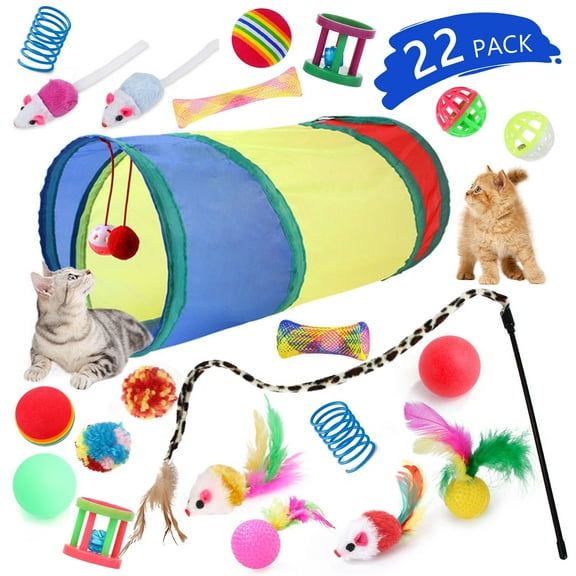
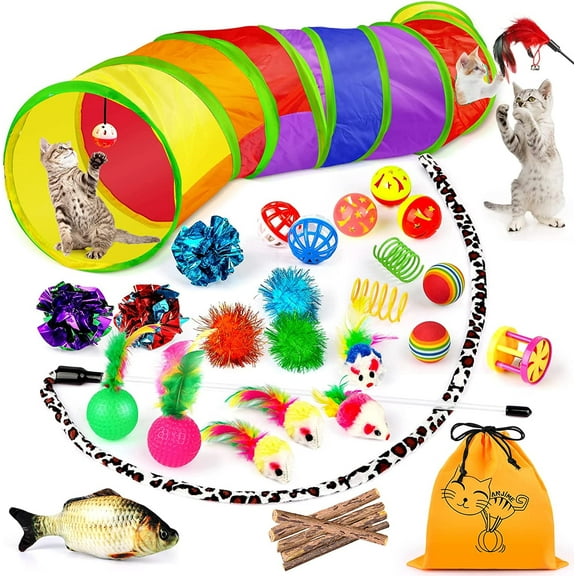
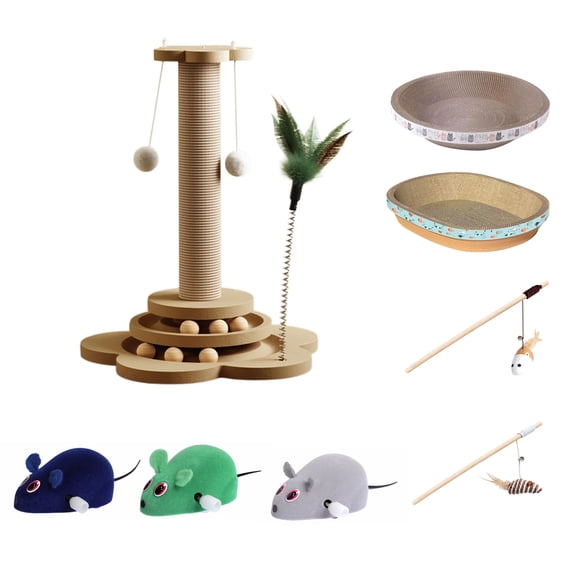
You can start with toy type because it shapes how your cat plays and how often your cat returns to it. You’ll usually see interactive cat toys, catnip toys, wand and teaser toys, balls and chasers, and plush styles.
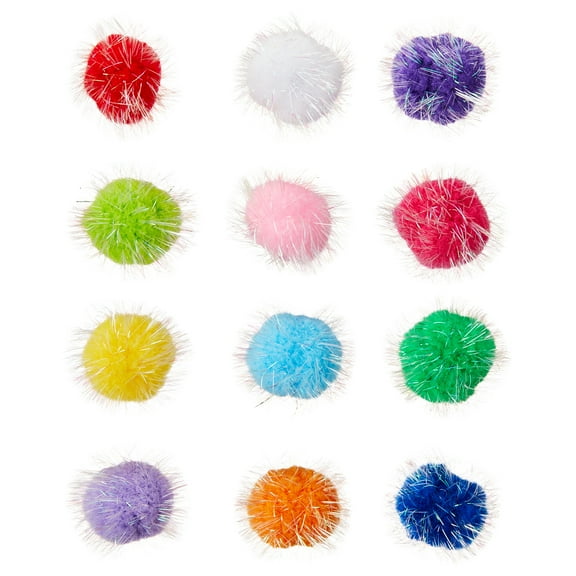
If your cat likes to stalk and spring, you may prefer balls, rolling chasers, and feather cat toys. If your cat waits for your movement, you may lean toward cat wand toys and teaser styles.
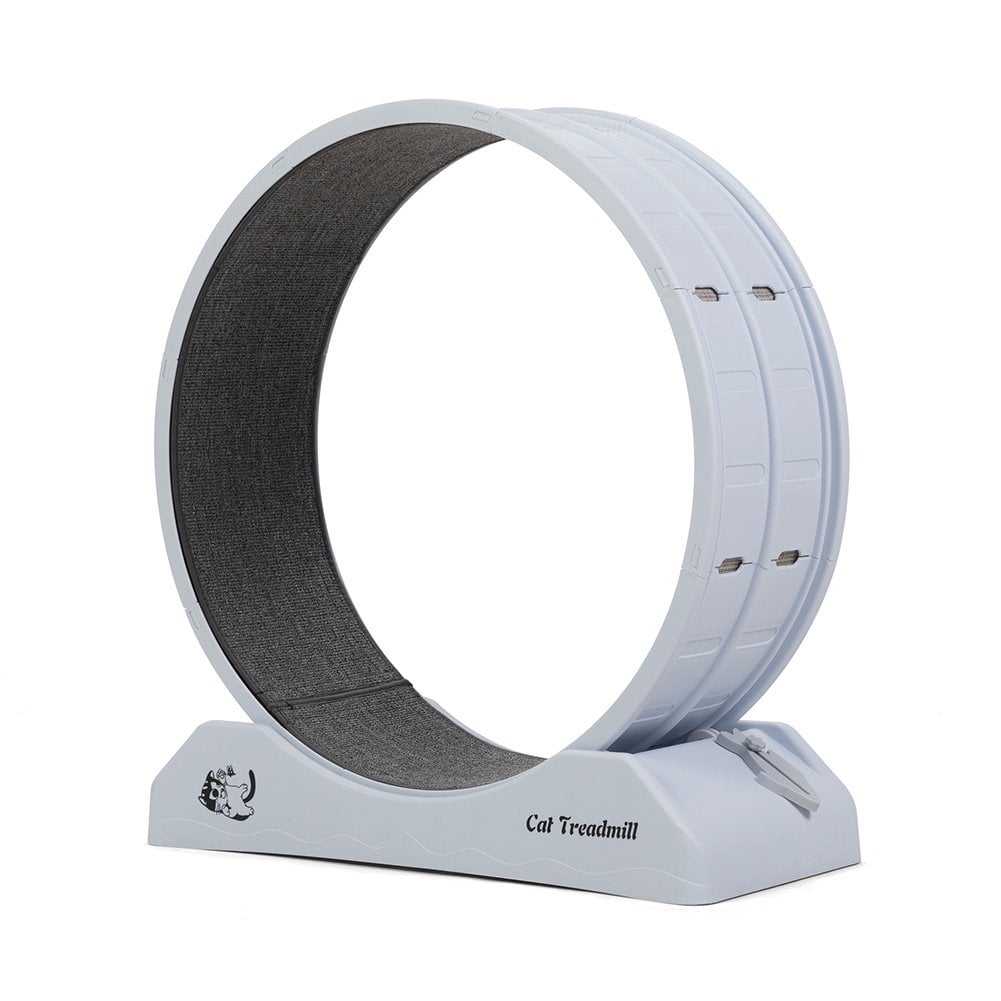
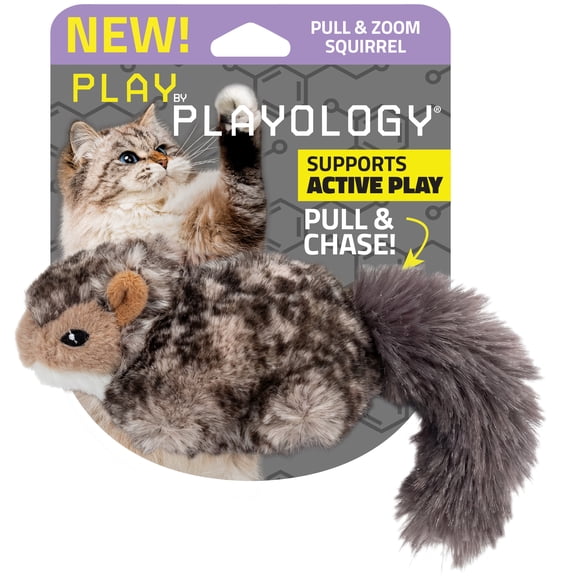
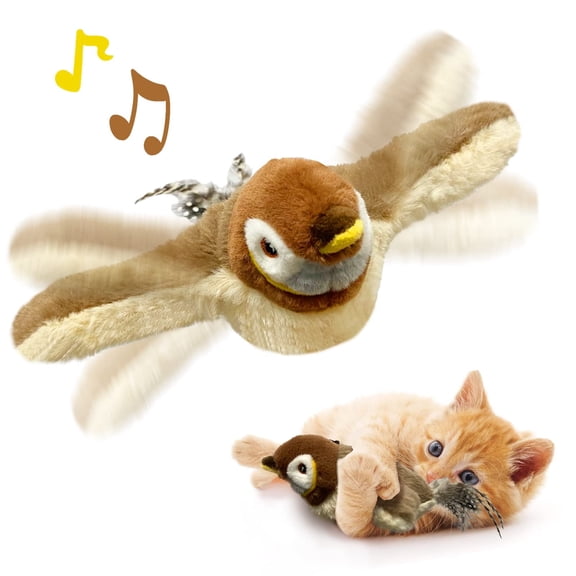
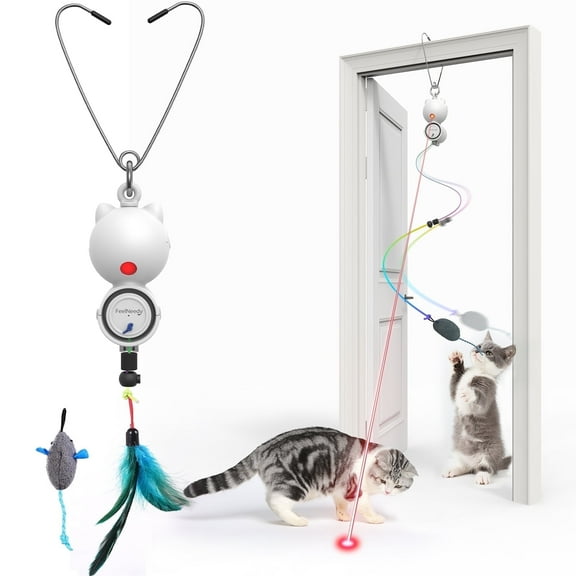
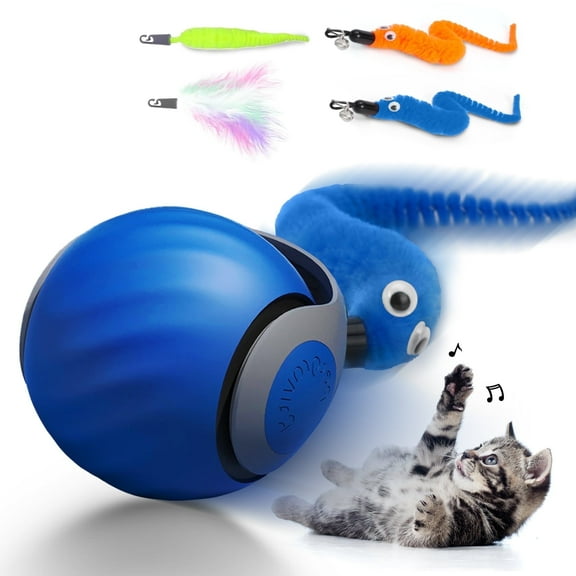
You can use plush options when your cat likes to carry, kick, or cuddle a toy after active play. You’ll often choose automatic cat toys when you want motion-based play during busy parts of your day.
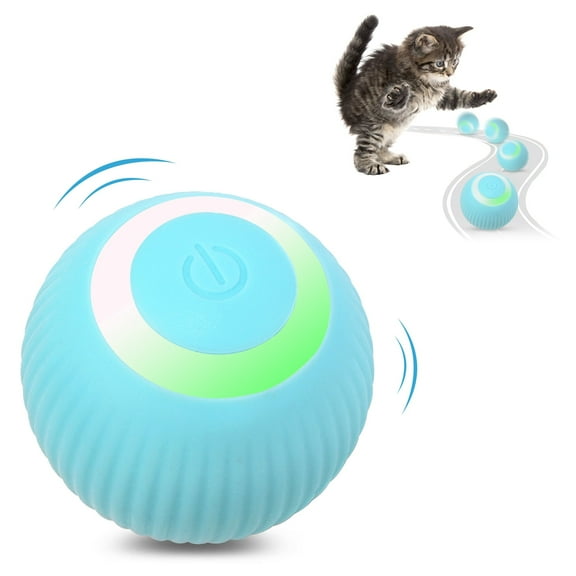
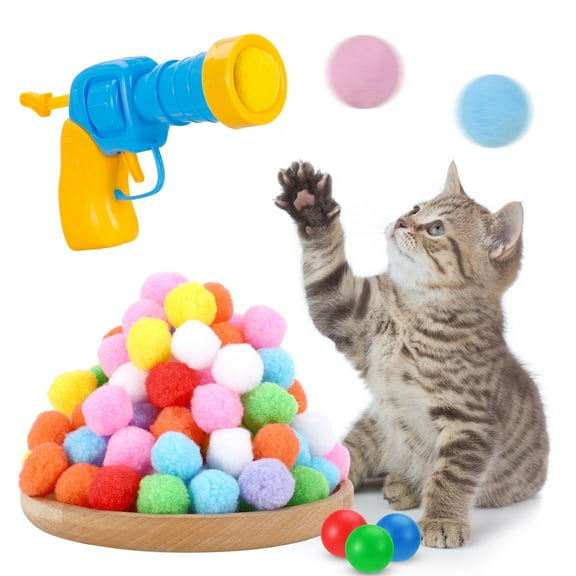
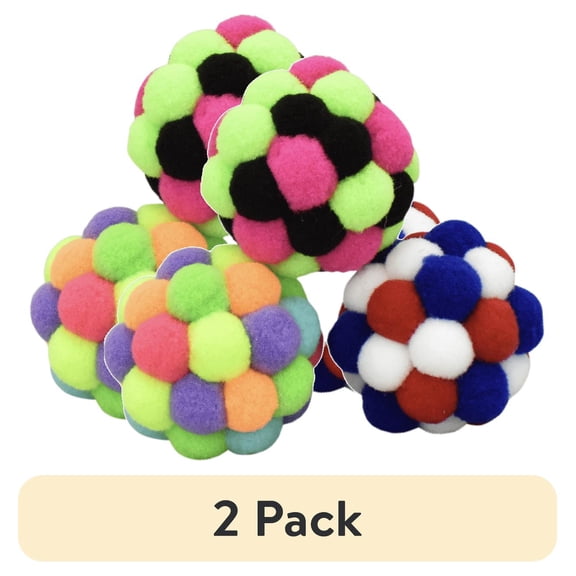
- You can encourage chasing with balls, tracks, and rolling toys.
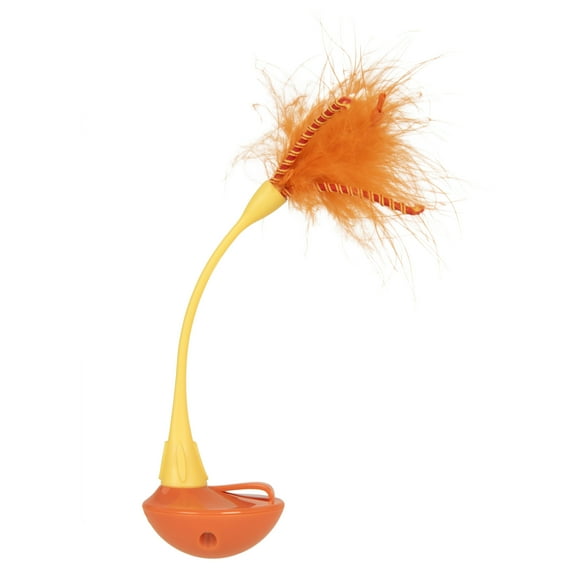
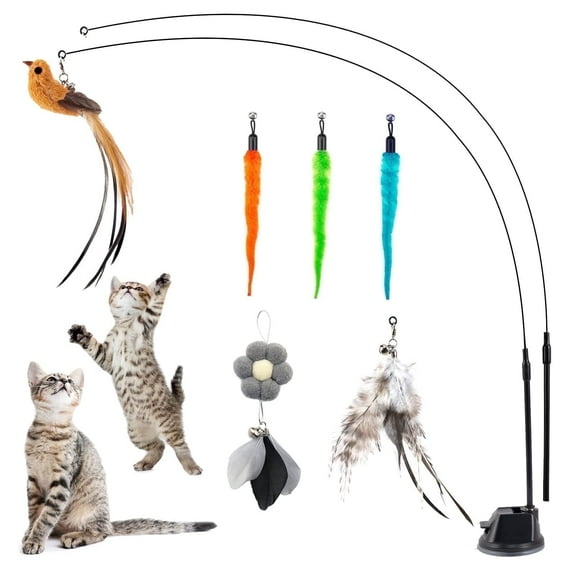
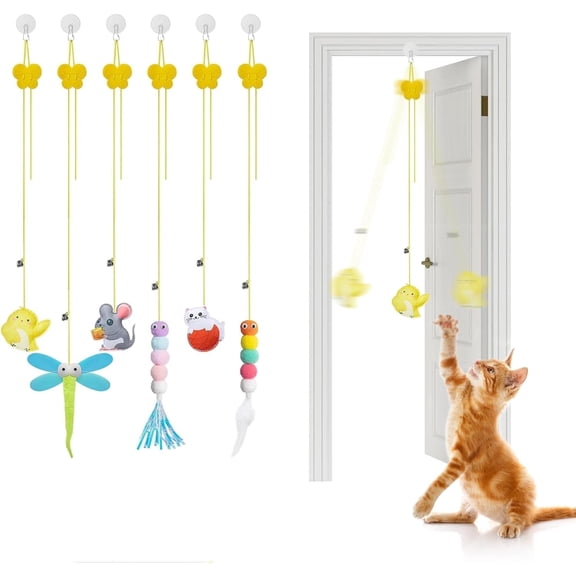
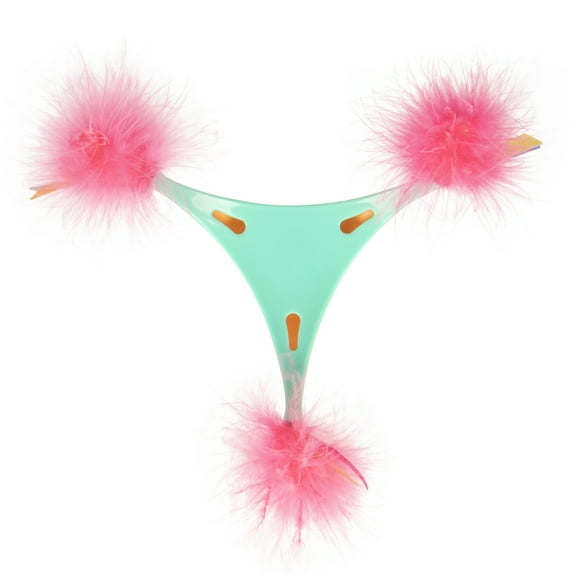
- You can encourage pouncing with teaser toys, feather pieces, and quick-moving wands.
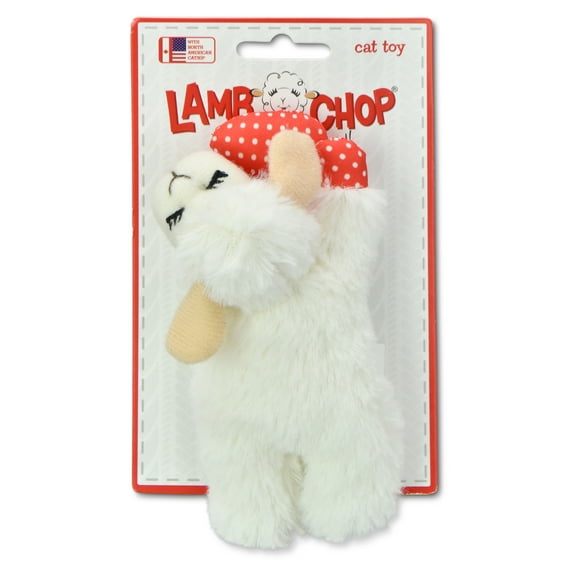
- You can encourage kicking and cuddling with plush shapes and soft textures.
- You can encourage solo engagement with automatic and motion-activated styles.
Choosing interactive cat toys for indoor play
You’ll often look for interactive cat toys when your cat needs variety beyond lounging, window watching, and short bursts of energy. You can keep indoor cat toys in rotation to make familiar spaces feel fresh.
If your cat gets excited by movement, you may choose toys that spin, dart, wobble, or bounce unexpectedly. You’ll notice that changing speed and direction can hold your cat’s attention longer.
You can also match toy action to your household setup. If you have one cat, you may focus on independent play, while multi-cat homes may need several toys for turn-taking.
For shared spaces, you’ll want toys that are easy to spot, easy to gather, and simple to separate by play style. You can give each cat a different shape or texture to reduce competition.
What to look for in kitten toys and life stage options
You can narrow your choice by life stage because kittens, adult cats, and senior cats often play in different ways. You’ll usually want kitten toys that are lighter, smaller, and easy to bat.
If your kitten is learning how to chase and grab, you may choose soft plush shapes and short teaser toys. You can add gentle rolling toys when your kitten shows quick bursts of curiosity.
Adult cats may enjoy stronger motion, longer chase sessions, and toy variety across the day. You can mix catnip toys, wand toys, and indoor cat toys to support changing energy levels.
Senior cats may prefer easier-to-catch toys and shorter sessions with less jumping. You can look for softer textures and reachable movement that keeps play comfortable and engaging.
Comparing materials, durability, and catnip interest
You can compare materials to match texture preference and everyday use. You’ll often see feather, sisal, plush, plastic, and wood details across cat toys.
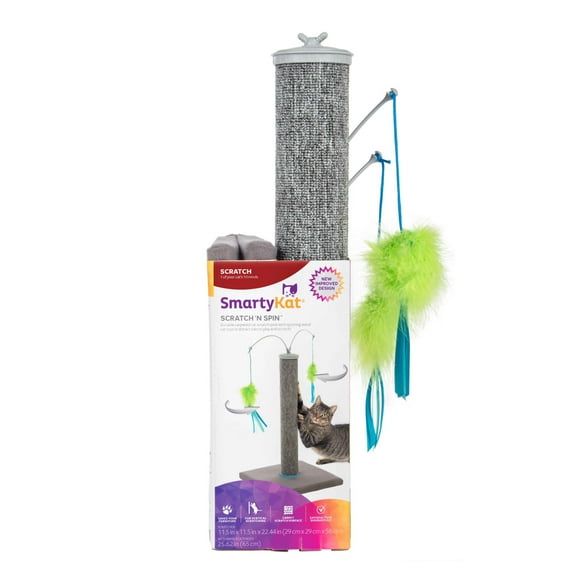
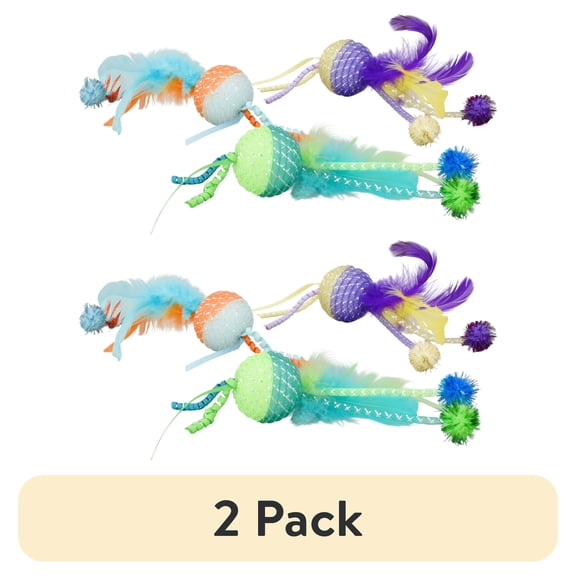
If your cat loves light, fluttering motion, you may consider feather cat toys and teaser attachments. You can choose sisal surfaces when your cat likes rougher textures during batting or grabbing.
Plush materials can feel softer during cuddle time or bunny-kick play. You may pick plastic or wood pieces when you want firm shapes that slide, wobble, or roll clearly.
You’ll also want sturdy construction that handles repeated swats, chewing, and floor play. You can check seams, attached parts, and overall build when durability matters in daily rotation.
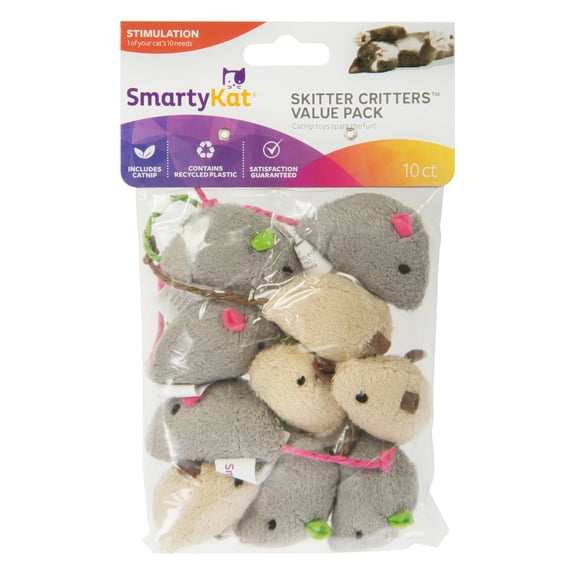
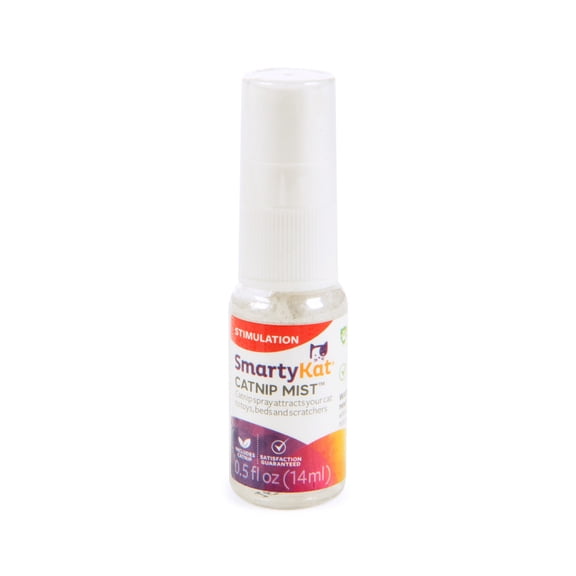
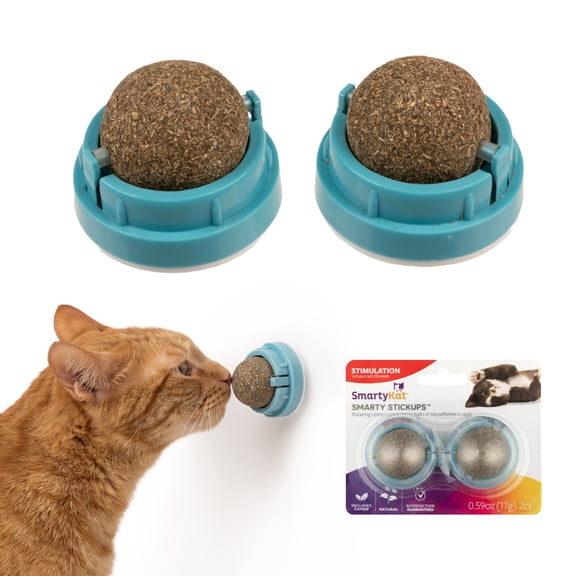
Catnip toys can be a strong match for some cats, but you should know that not every cat reacts the same way. You can try a catnip toy alongside non-catnip options to learn what keeps your cat engaged.
Matching benefits to your cat’s play style
You can use benefits as a final filter when several styles seem similar. You may compare mental stimulation, exercise and agility, dental-focused textures, and calming cuddle play.
If your cat is a pouncer, you’ll likely want toys that move fast and stop suddenly. You can support exercise and agility with wands, chasers, and quick floor toys.
If your cat is a chaser, you may choose rolling toys, tracks, or automatic cat toys with changing paths. You can keep those toys for open-floor play where movement stays visible.
If your cat is a cuddler, you may prefer plush toys that your cat can carry, hold, or kick. You can add catnip toys for extra interest when your cat responds to that scent.
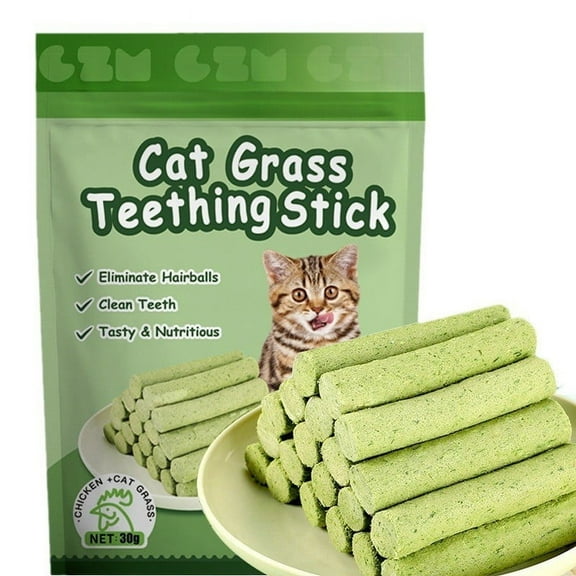
You may also look for textured pieces when you want chewing or grabbing to feel more engaging. You can use those details as part of your indoor cat toys mix for everyday variety.
Using cat toys in real homes
You can build a simple play routine by keeping a few toy types in different rooms. You’ll make play feel more natural when your cat finds options near favorite nap and lookout spots.
For apartments, you may focus on indoor cat toys that work in small spaces and on hard floors. You can use wand toys for active sessions and plush toys for quieter time afterward.
In multi-cat homes, you’ll want enough variety so each cat has a clear way to join play. You can pair teaser toys for shared sessions with separate plush or catnip toys for individual time.
During holiday gifting, you may also look at christmas cat toys and holiday cat toys with seasonal shapes. You can keep the same decision process by checking type, material, and life stage first.
You can feel confident choosing cat toys when you compare play style, age, material, and household setup together. You’ll end up with options that fit your cat’s routine and keep daily play more engaging.