


Find auto parts that fit
Let’s search for parts that fit your vehicle.Cargo Bars in Truck Bed Accessories















About Cargo Bars in Truck Bed Accessories - Walmart.com
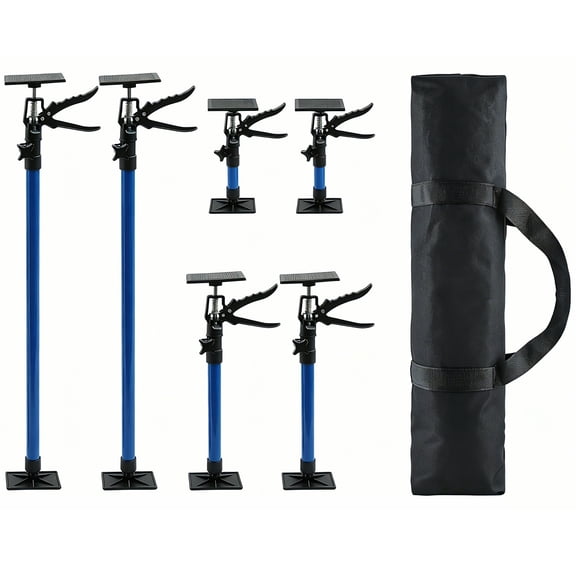
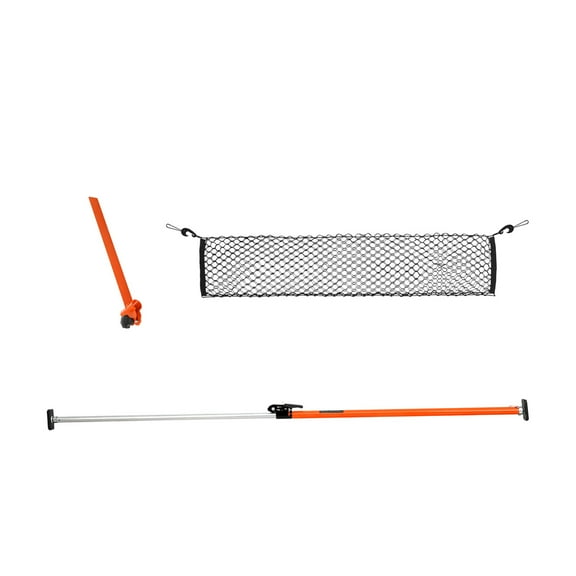
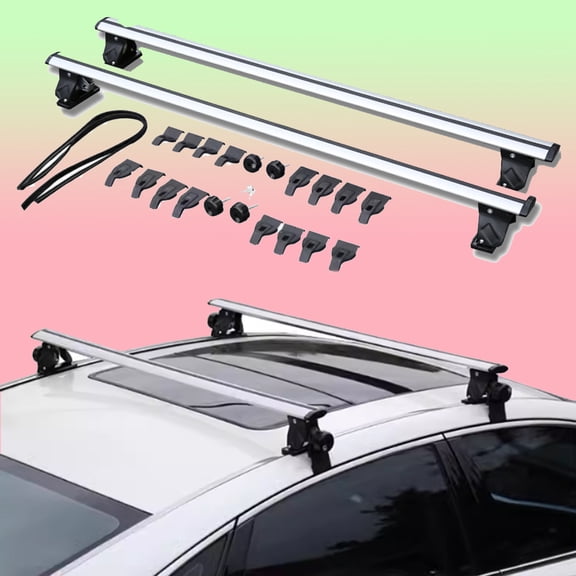
You can secure shifting gear with a cargo bar that fits your vehicle, your load width, and your hauling routine. You’ll find this category centers on truck beds, SUV cargo areas, and trailers, not roof crossbars.
If you haul coolers, bins, lumber, or work gear, you’ll want fit guidance before you choose. You can compare mounting type, telescoping range, and load rating so your cargo stays positioned during daily driving.
How to choose a cargo bar for your vehicle
You should start with vehicle compatibility because bed width and cargo area shape affect fit right away. You can measure the inside width where your bar will press or mount for accurate sizing.
If you use pickup truck bed cargo bars, you’ll want a range that matches your bed walls without forcing the mechanism. You can also use a cargo pole in an SUV cargo area when you need tension between side panels.
For semi-truck or trailer use, you should check long adjustment ranges and a stated load limit in pounds. You’ll want those specs because a wide opening needs added reach and steady pressure.
Choosing mounting type and tension
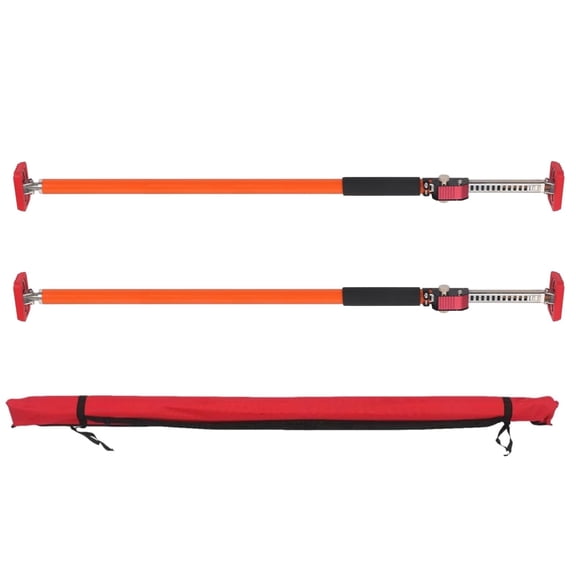
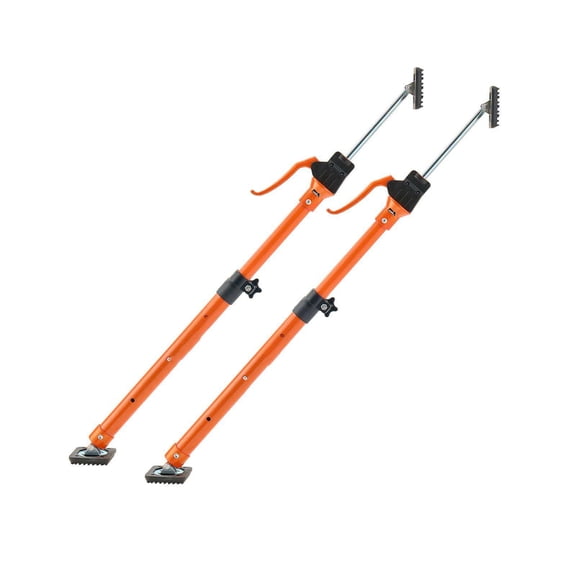
You can compare ratcheting, telescoping, and bolt-on designs based on how often you move the bar. You’ll usually prefer quick adjustment when your cargo changes from trip to trip.
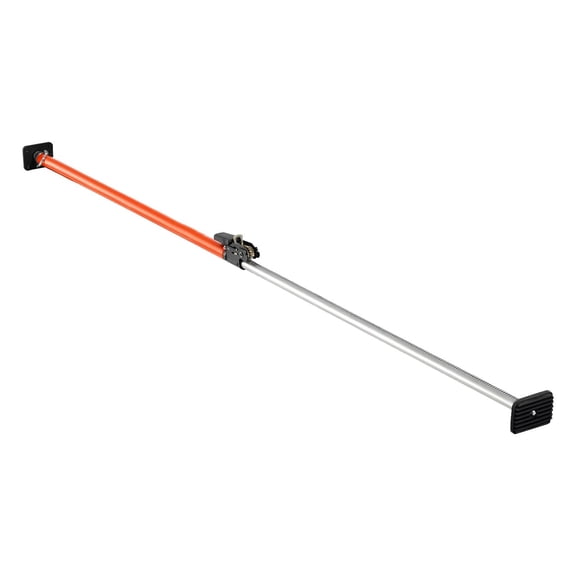
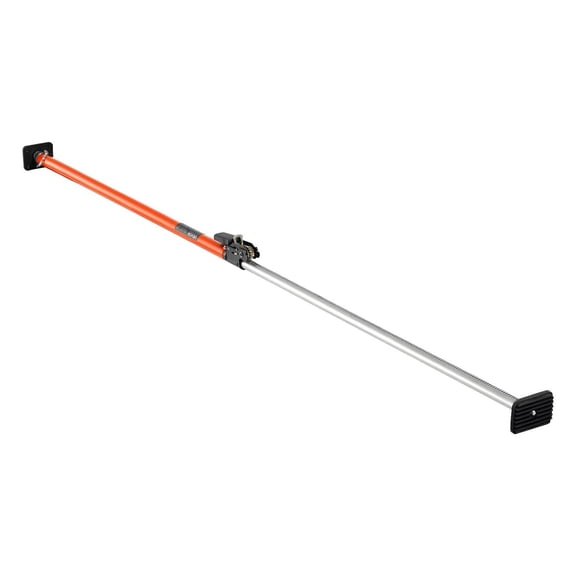
If you choose a ratcheting style, you can get step-by-step tightening that helps you fine-tune pressure. You can use that control when boxes, bins, or tool cases need a snug hold.
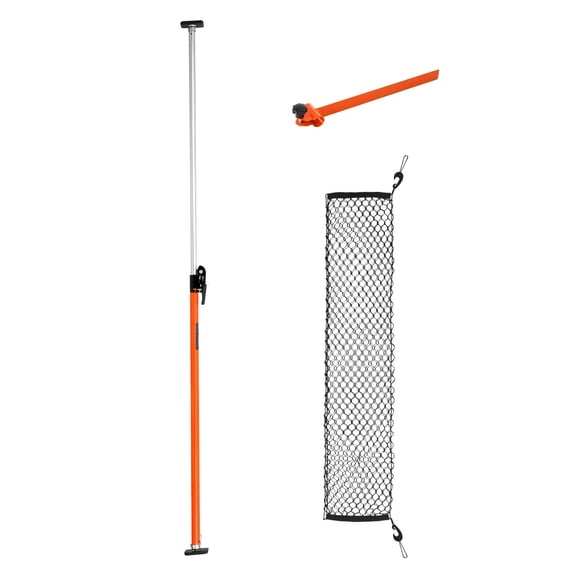
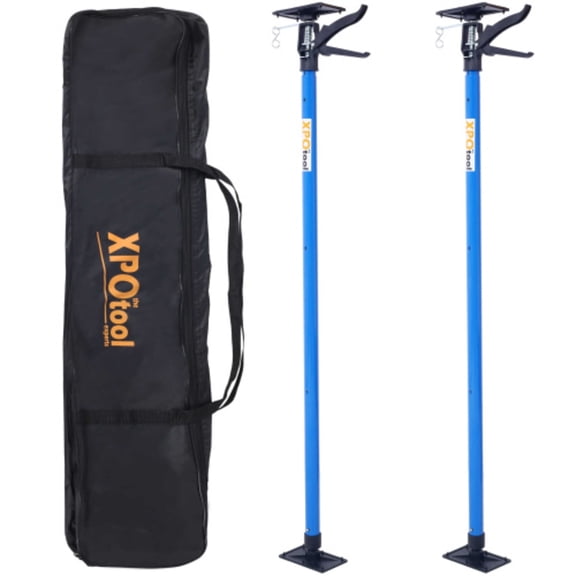
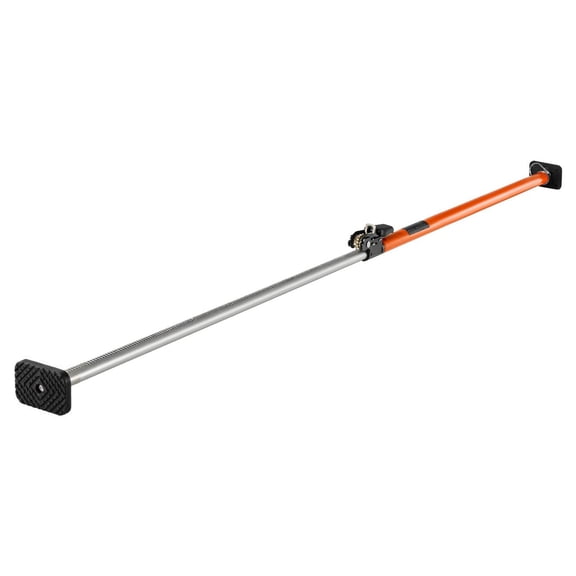
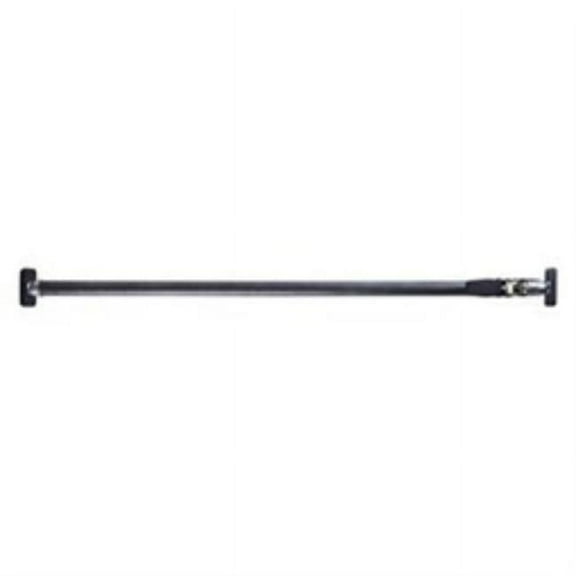
When you pick a telescoping style, you’ll slide the bar to length and lock it into place. You may like this option when you need quick setup in a truck bed or rear cargo area.
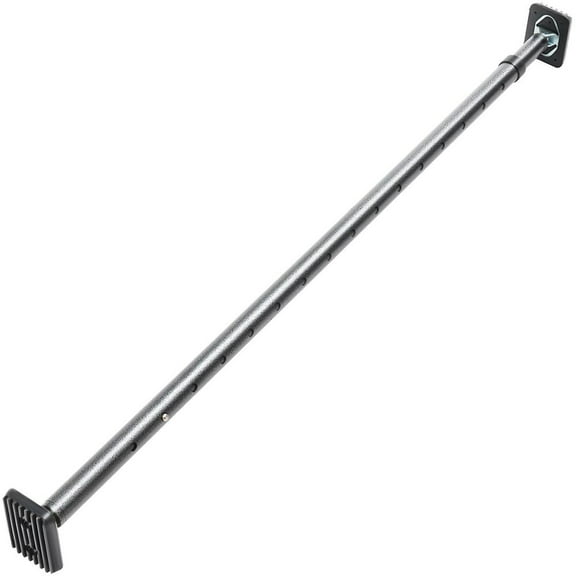
If you compare spring-loaded styles with a cargo pole, you’ll notice simple outward pressure during setup. You should compare that feel with ratcheting styles if you want controlled tightening.
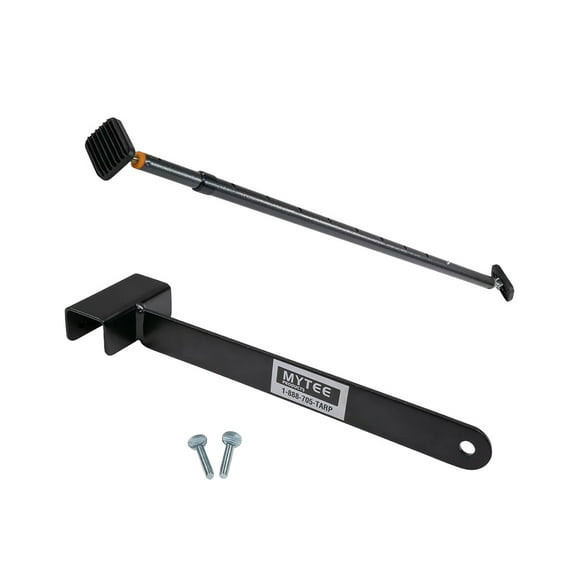
With bolt-on options, you’ll get a fixed setup for repeat hauling patterns. You can leave the hardware in place when your route or work gear stays consistent.
- You can reduce sliding from bins, coolers, and toolboxes during turns and stops.
- You can separate groceries, sports gear, and work supplies inside one cargo space.
- You can adjust many bars for changing loads instead of using one fixed width.
- You can get quick setup when your bar uses a simple ratchet or telescoping lock.
Comparing materials and cargo bar specs
You should check material first because it affects weight, rigidity, and weather exposure. You’ll often see steel, aluminum, and heavy-duty plastic across this category.
If you choose steel, you can get a sturdy feel for repeated hauling and heavier gear. You should still check finish details if your bar faces rain, road spray, or damp storage.
When you pick aluminum, you can get a lightweight bar that’s easier to reposition between vehicles. You may prefer that balance if you remove your load bar for truck bed use after each trip.
If you consider heavy-duty plastic, you’ll want to focus on lighter-duty organizing tasks in enclosed spaces. You can use it for groceries, storage bins, or everyday cargo separation in SUVs.
You should also compare adjustment length in inches, such as 40 to 70, 50 to 80, or 70 to 120. You’ll need enough range to fit your space without extending past the stable zone.
Before you choose truck cargo bars, you should review the stated max load limit in pounds. You can use that number as a guide for the type of cargo restraint the bar handles.
You’ll also want padded ends or contact points that help the bar grip interior surfaces. You can protect painted bed walls and interior panels while keeping the bar seated.
Matching cargo bars to your hauling setup
If you carry hardware store runs, you’ll want pickup truck bed cargo bars that adjust around coolers, buckets, or lumber stacks. You can place the bar behind the load to limit rearward movement in the bed.
When you pack an SUV for family travel, you can use a divider-style bar to separate bags from smaller items. You can keep sports gear, grocery bags, and storage totes from shifting together.
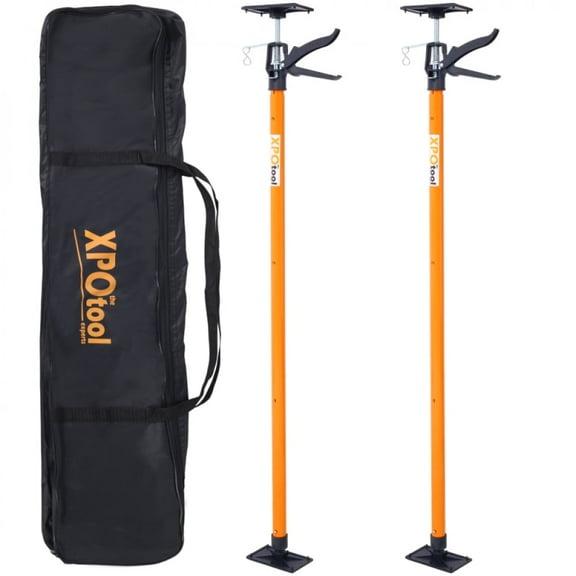
If you haul work equipment every week, you should compare cargo jacks and truck cargo bars by setup style. You’ll often prefer an adjustable bar when your load shape changes across different jobs.
For wide beds or trailers, you can look at long-range bars with stated load ratings and strong contact ends. You should measure at the exact mounting point because trailer walls and truck beds vary.
If your gear changes often, you’ll appreciate a telescoping or ratcheting design that resets fast. You can move from hauling camping bins one day to paint supplies or tools the next.
You may also want weather-focused finishes when your bar stays in the truck between trips. You can get dependable day-to-day use when the surface resists rust and handles outdoor storage well.
What to look for before you decide on cargo bar options
You should measure your space, compare the adjustment range, and match the mechanism to your routine. You’ll make a smart choice when your cargo bar fits your vehicle and your typical load size.
If you focus on fitment, load rating, and durable materials, you’ll narrow the category quickly. You can secure truck beds, SUV cargo areas, and trailers with a bar built for the job you actually do.