

RV Steps and Stairs for Camper and Trailer Access

















About RV Steps and Stairs for Camper and Trailer Access - Walmart.com
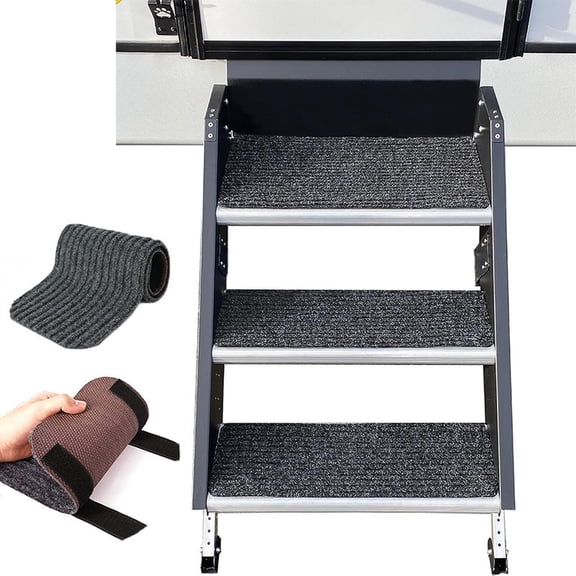
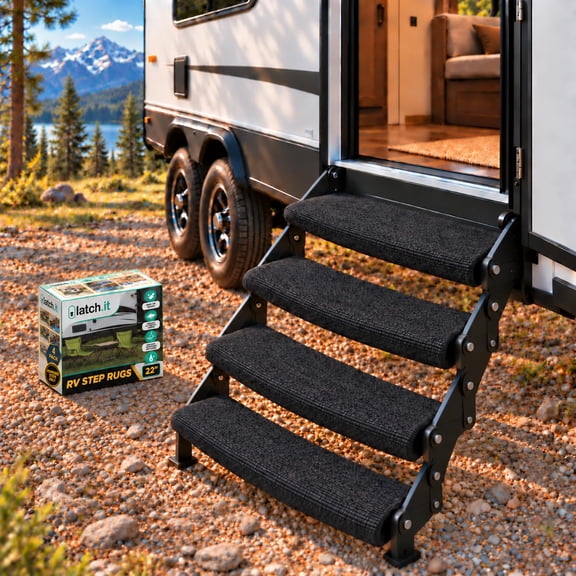
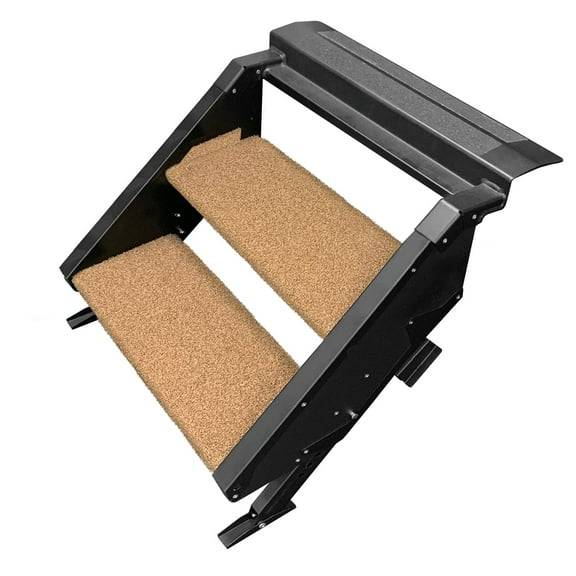
You can upgrade entry comfort with rv steps that match your rig, your campsite setup, and your preferred installation style. You’ll find options for folding access, manual pull-out designs, electric motorized operation, and freestanding support when your factory step needs a replacement.
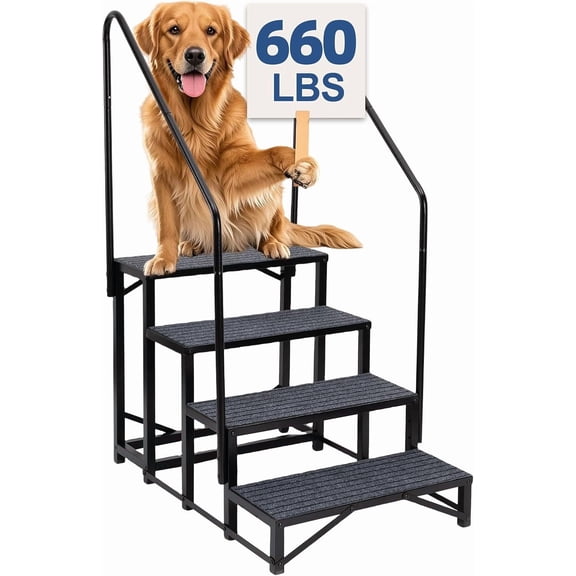
If you’re replacing worn camper steps, you’ll want clear guidance on rise, run, ground clearance, and mounting fit. You can also compare step count, material, and weight capacity so your setup feels steady from the first trip.
How to choose rv steps for your setup
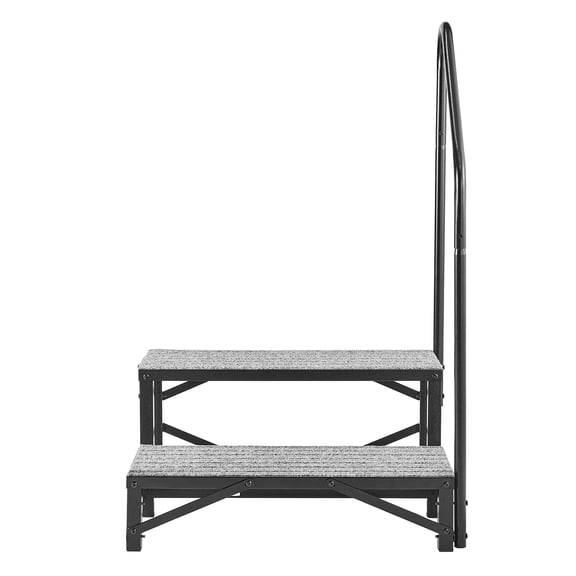
You should start with step height and drop distance, because those measurements shape daily comfort. You’ll want to compare the rise between steps and the run, which is the usable depth for each foot placement.
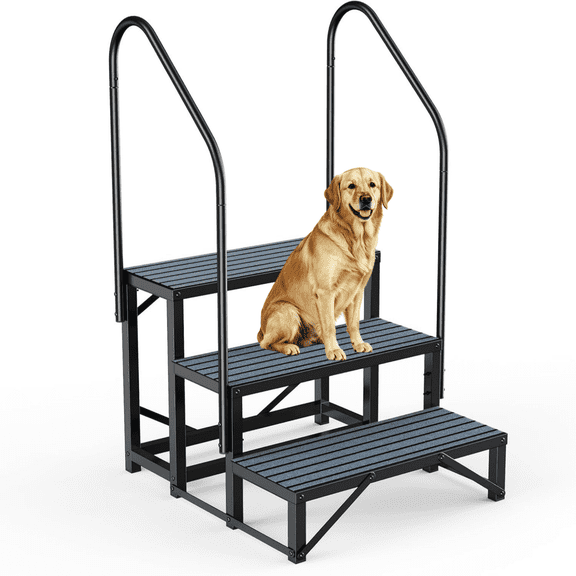
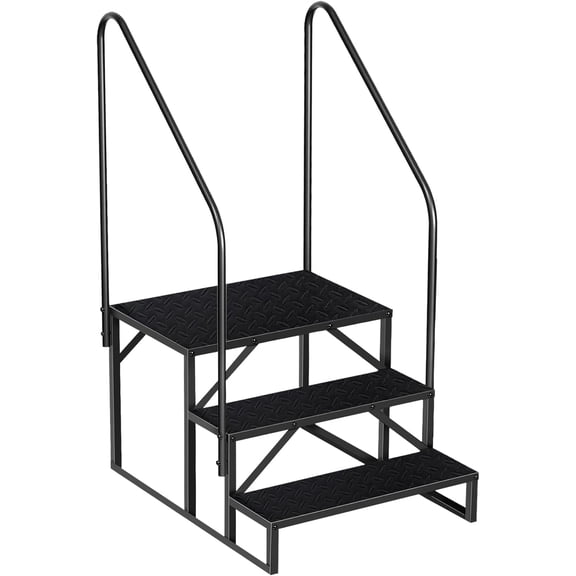
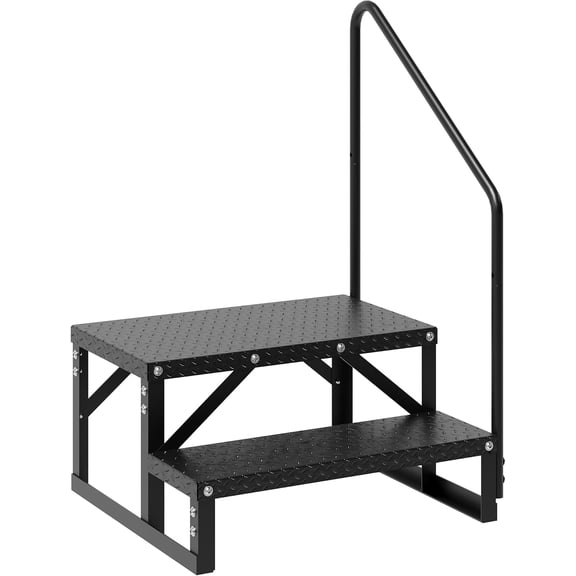
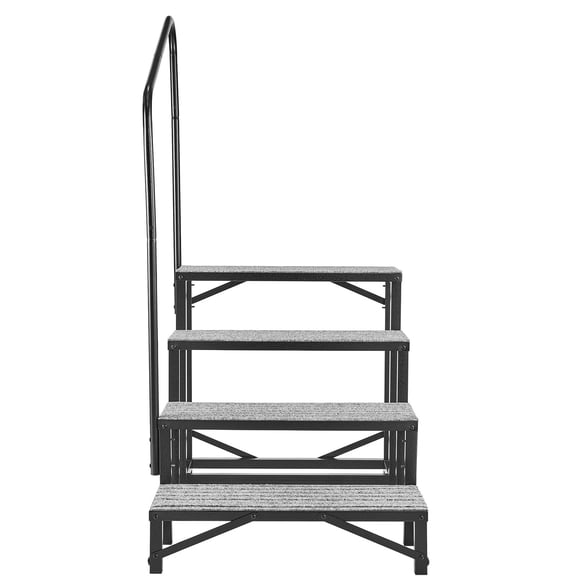
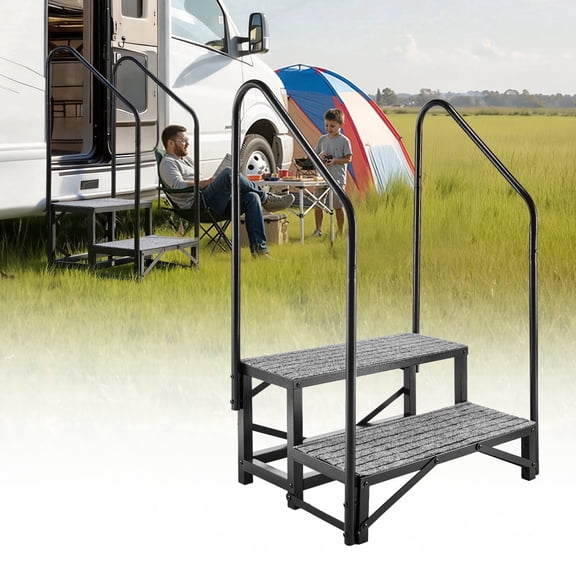
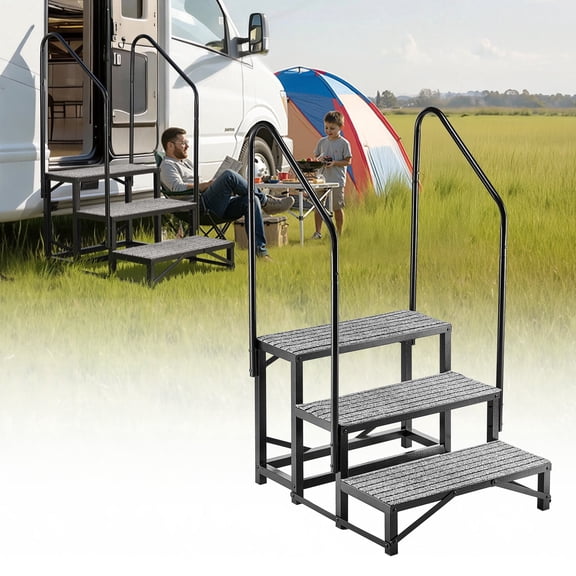
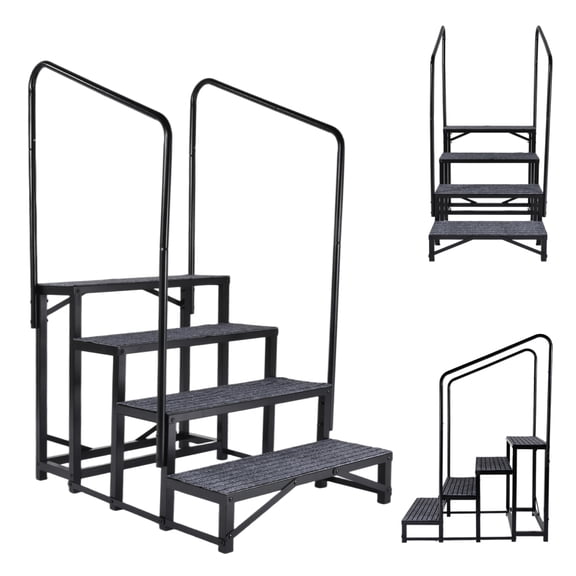
When your RV sits higher off the ground, you may need double step, triple step, or quad step designs. If your entry sits lower, you might prefer a single step that keeps clearance simple.
You should also check ground clearance before you choose folding rv steps or pull out rv steps. You’ll want enough room for deployment without dragging on uneven pads, gravel, or sloped campsites.
Key benefits of camper steps
You can make daily entry easier when you choose camper steps with the right tread depth and spacing. You’ll notice that a well-matched step count can reduce awkward climbing at the door.
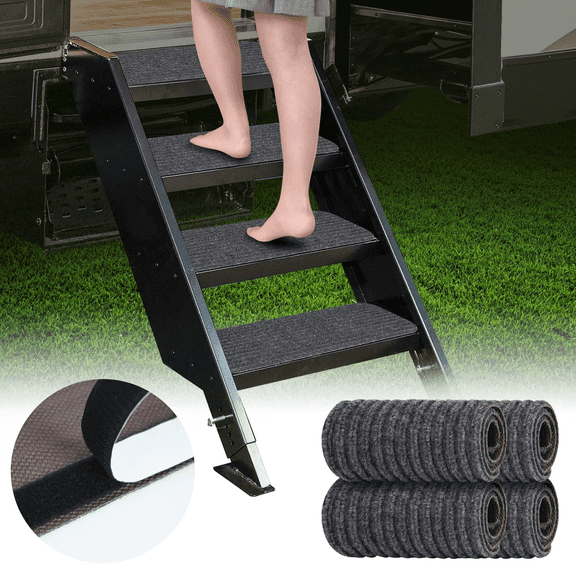
Stability matters on every stop, so you should compare wider treads, textured surfaces, and stronger frames. You’ll appreciate that secure footing feels more predictable during early mornings, rainy setups, and frequent in-and-out trips.
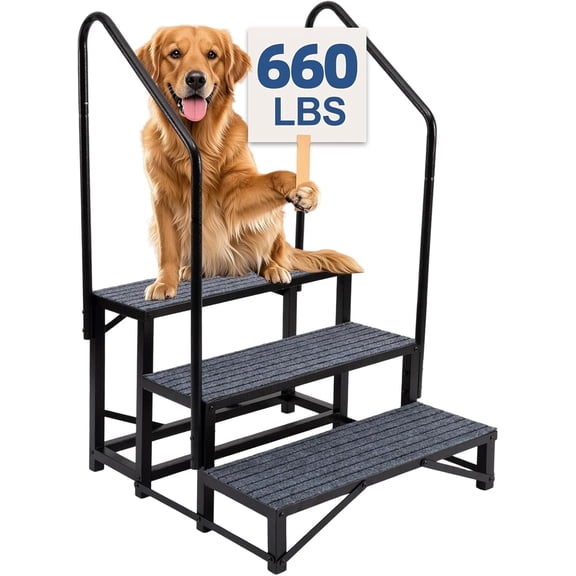
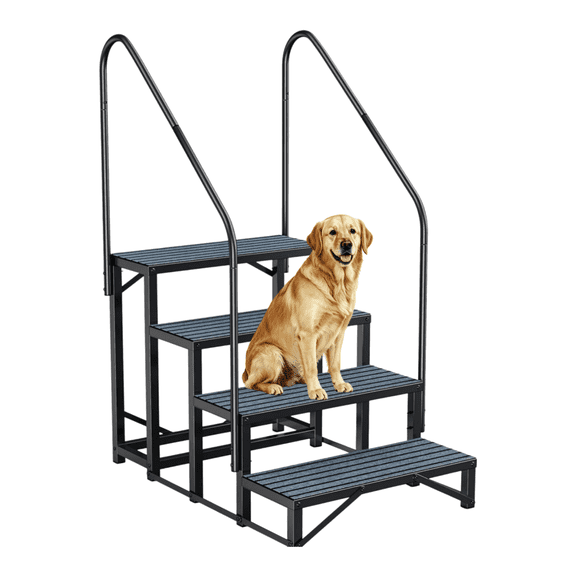
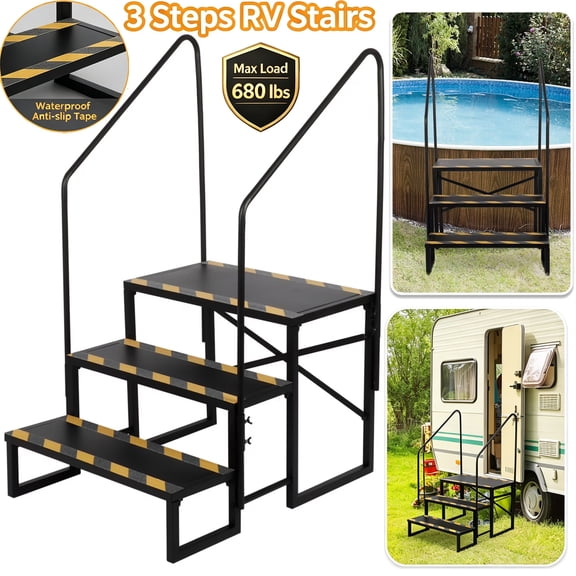
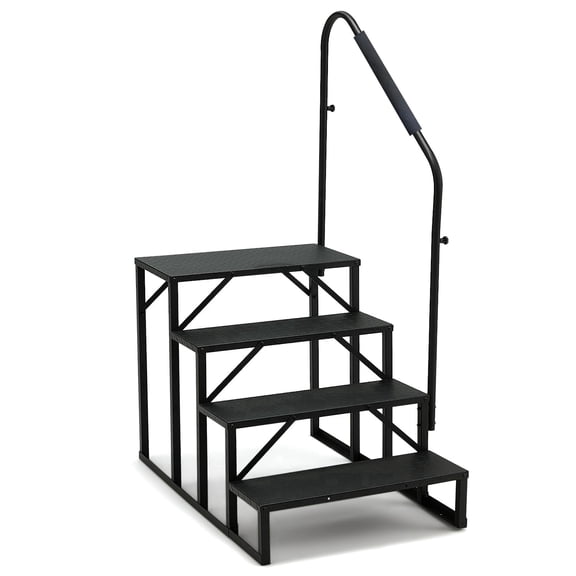
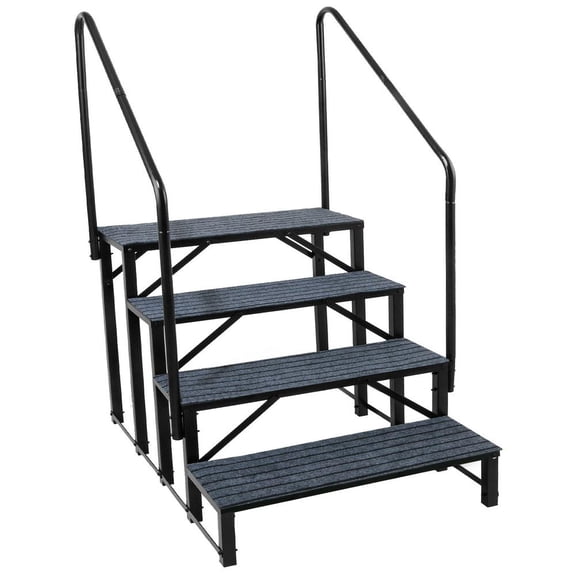
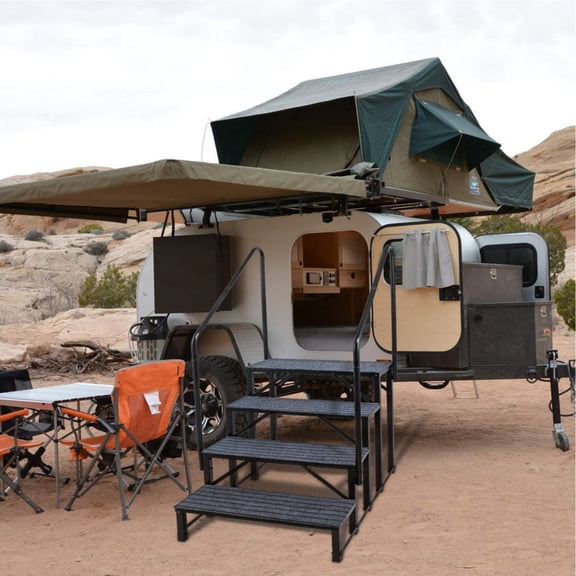
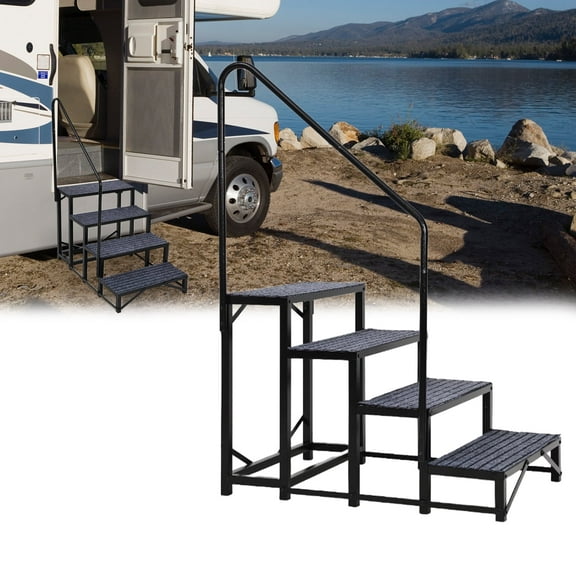
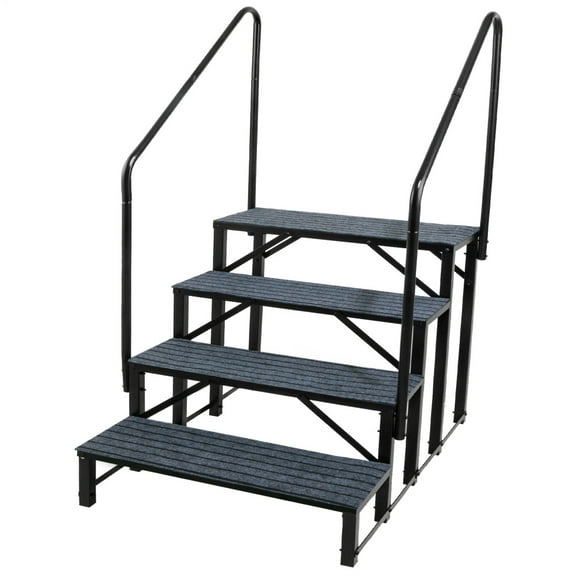
- You can improve everyday access with single, double, triple, or quad step options.
- You can compare manual and electric rv entry steps based on convenience and installation preference.
- You can choose aluminum camper steps or steel frames based on weight, durability, and storage needs.
- You can check weight capacity ratings to match heavier traffic and loaded gear situations.
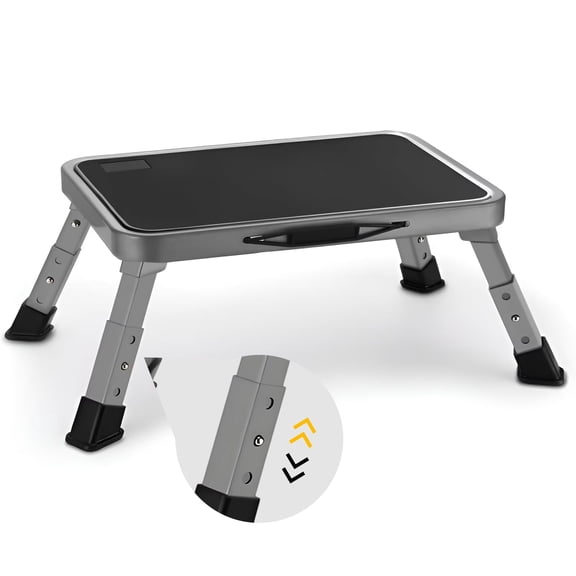
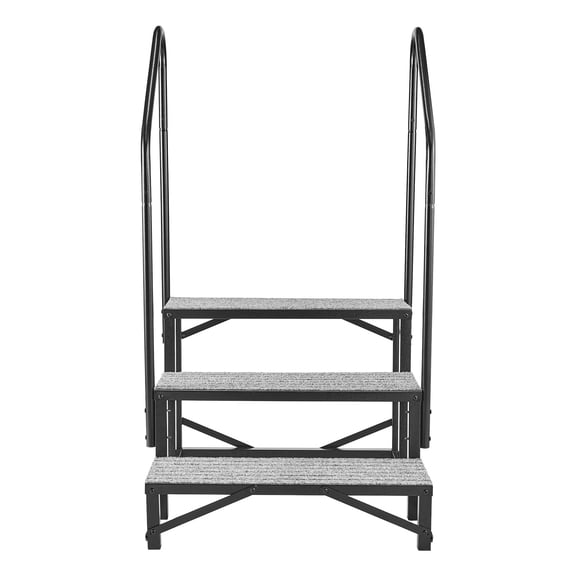
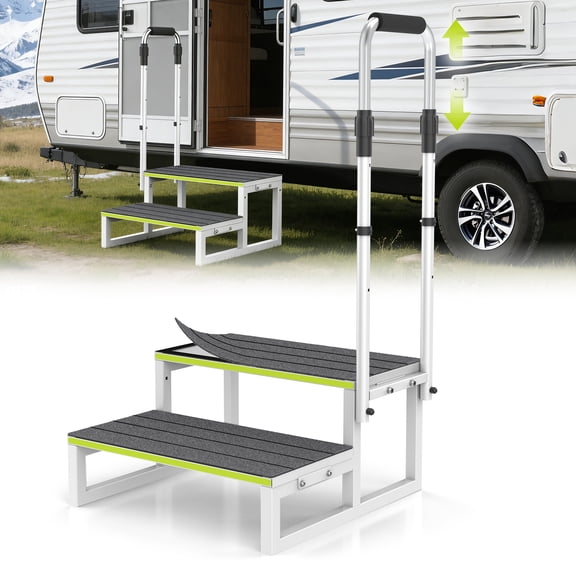
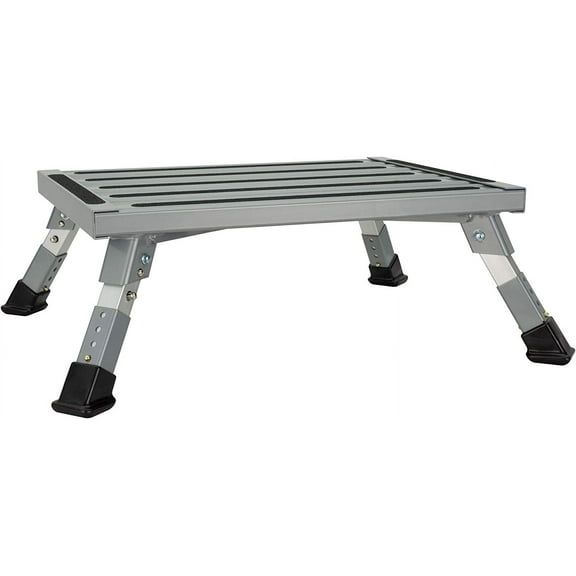
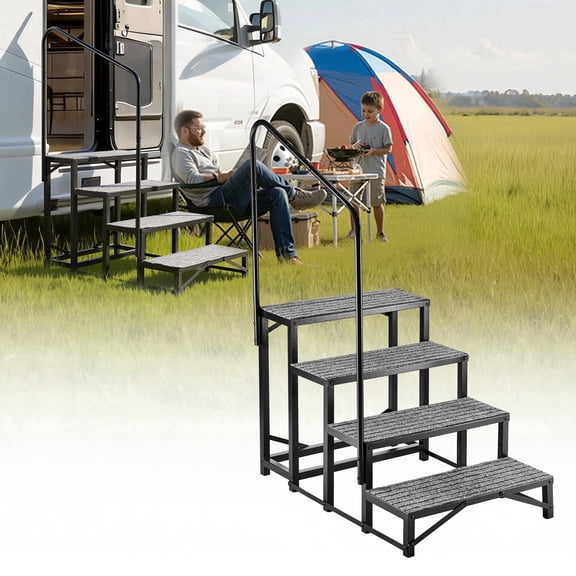
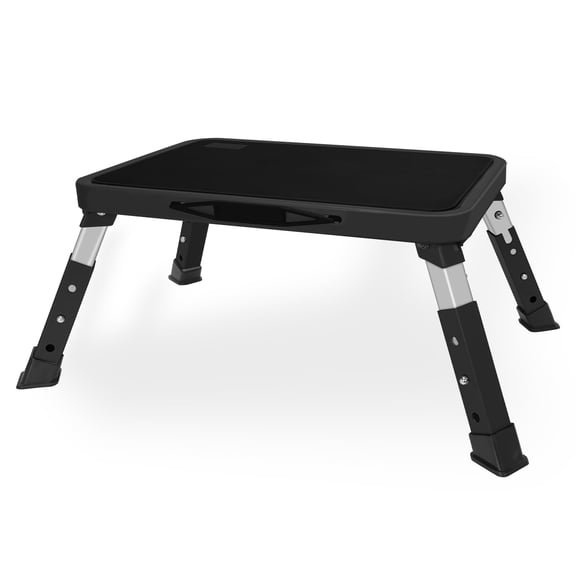
- You can add a freestanding rv step stool when your doorway needs extra support without permanent mounting.
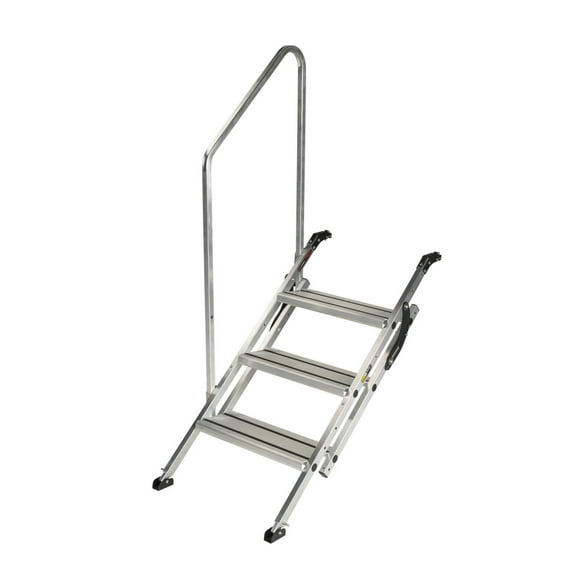
You may also want a setup that stores compactly when you’re back on the road. Folding and manual pull-out designs can help you keep access ready without taking up interior space.
Choosing step count and material
You should compare step count first, because it changes how naturally you enter your RV. A single step suits lower door heights, while triple and quad styles help with taller travel trailers.
Material also changes how your steps feel during setup and transport. If you want lighter handling, you may prefer aluminum camper steps, while steel can appeal when you want a sturdier mounted frame.
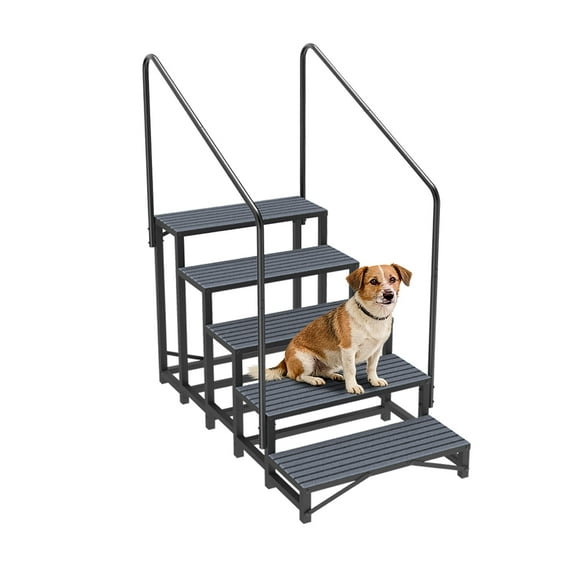
You may also see plastic freestanding options for temporary placement around the campsite. Those designs can work well when you want an rv step stool for a stable boost outside the main door.
Manual pull-out or electric motorized operation
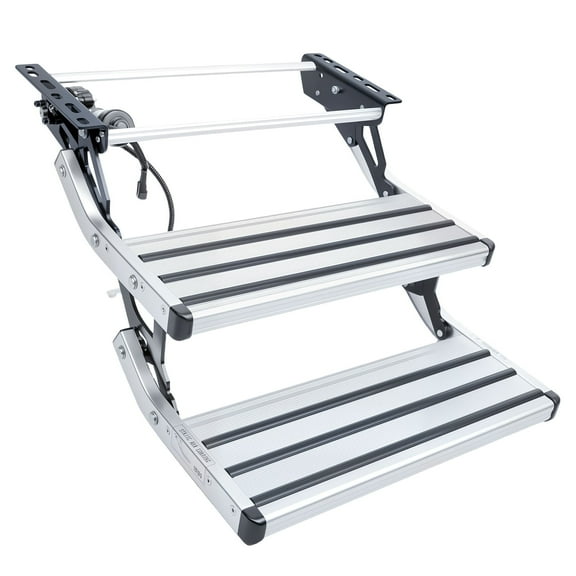
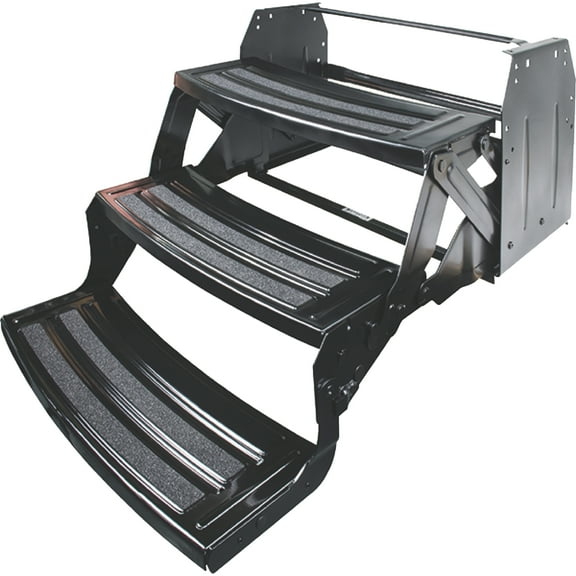
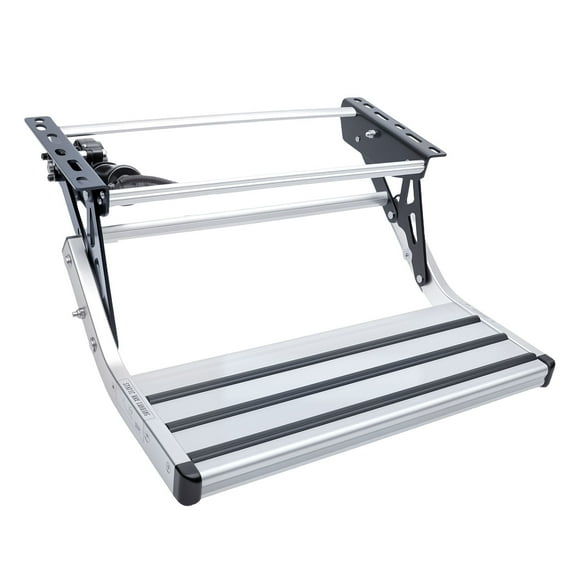
You should compare manual pull-out and electric motorized designs based on how you camp and how much installation work you accept. Manual rv steps keep operation straightforward, while electric rv steps can add push-button convenience.
If you choose electric models, you’ll need to check wiring requirements and available mounting space. You should confirm that the motor housing and linkage clear nearby trim, tanks, and frame parts.
When you prefer fewer electrical connections, folding rv steps and manual pull-out options can simplify replacement planning. You’ll still want to measure bracket spacing carefully, because bolt pattern compatibility affects fit.
What to look for in weight capacity and mounting fit
You should always compare weight capacity ratings with your household’s typical use. Ratings such as 300, 350, 400, and 500 lbs help you match the frame to frequent entry, coolers, and carried gear.
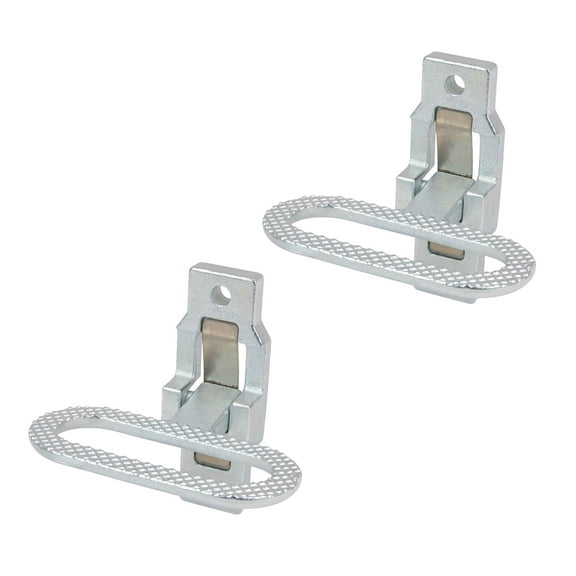
Mounting fit deserves close attention before you choose rv entry steps for a replacement project. You’ll want to measure mounting bracket dimensions, bolt hole spacing, and overall width against your current hardware.
If your current assembly sits close to the road, you should also review folded depth and ground clearance. Those details help you avoid a step that extends too low during travel or campsite leveling.
Use cases for rv entry steps
You may want compact rv steps for a pop-up camper, smaller trailer, or lower entry point. In those setups, a single step or double step can keep access simple without adding excess bulk.
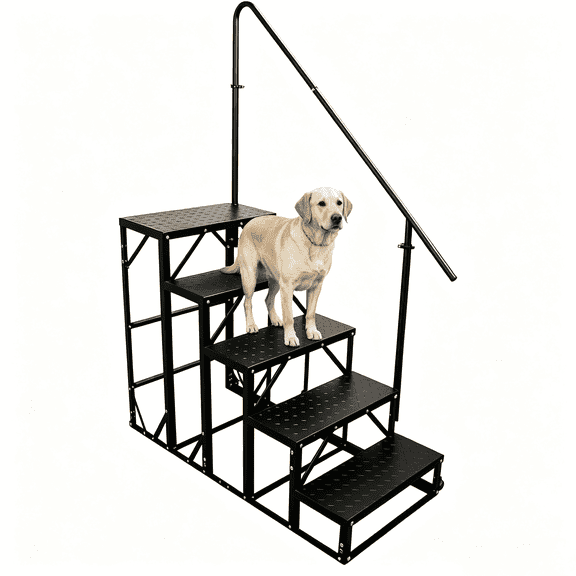
For taller fifth wheels or lifted travel trailers, you’ll often need triple step or quad step options. Those configurations can help you create a smoother climb when your first step sits far above the ground.
If you stay parked for longer trips, you might prefer freestanding camper steps near a patio mat or outdoor kitchen area. You can use that style when you want flexible placement and quick repositioning.
When you travel often, folding rv steps and pull out rv steps can suit repeated setup and breakdown. You’ll benefit from a design that deploys quickly and stores neatly under the entry door.
You may also choose electric motorized steps for frequent stops where convenience matters every time you enter. If you want a replacement for a factory-powered unit, you should confirm bracket dimensions and wiring access first.
You can shop with more confidence when you compare rise, run, ground clearance, and mounting measurements before you choose. The right rv steps can give you steadier entry, smoother setup, and a fit that works from campsite to campsite.