


Find auto parts that fit
Let’s search for parts that fit your vehicle.RV Refrigerators in RV Appliances








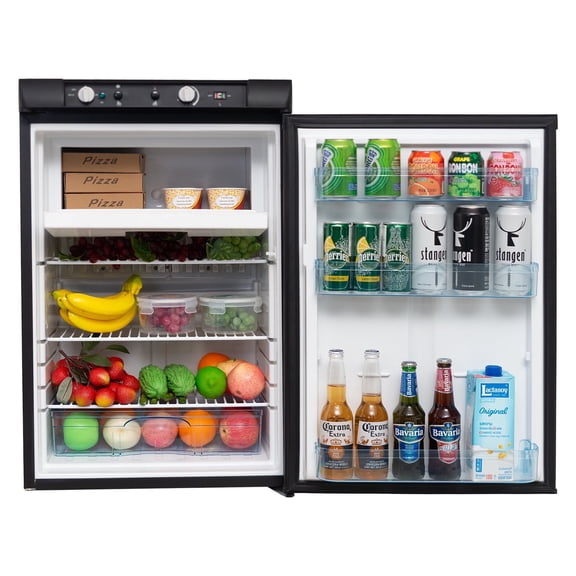


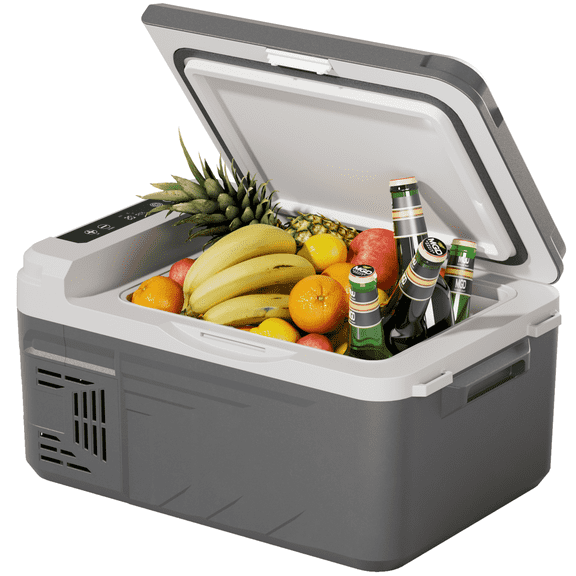
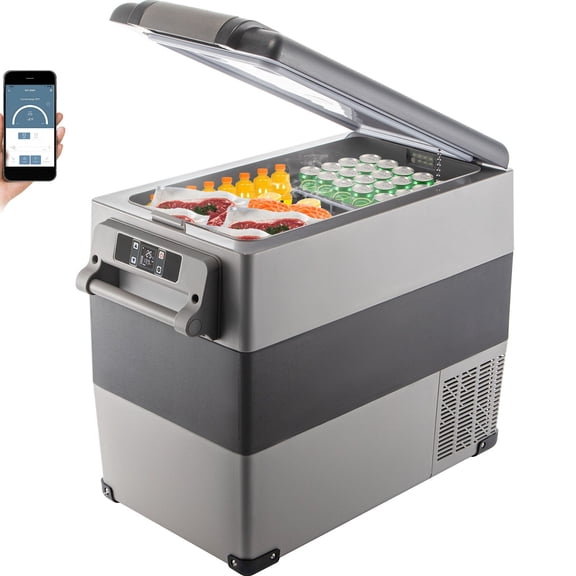


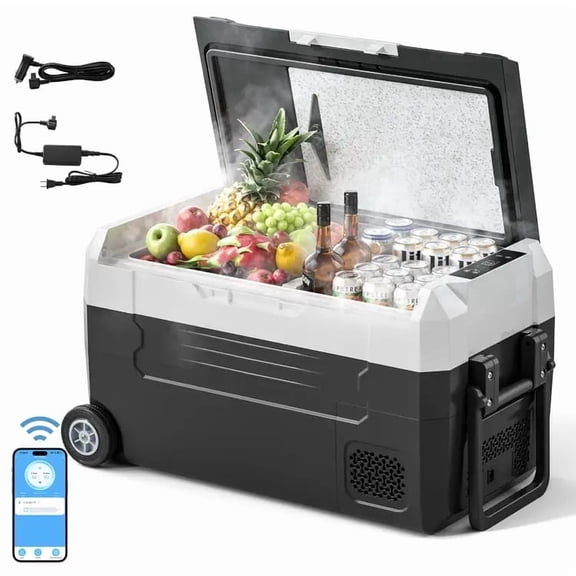


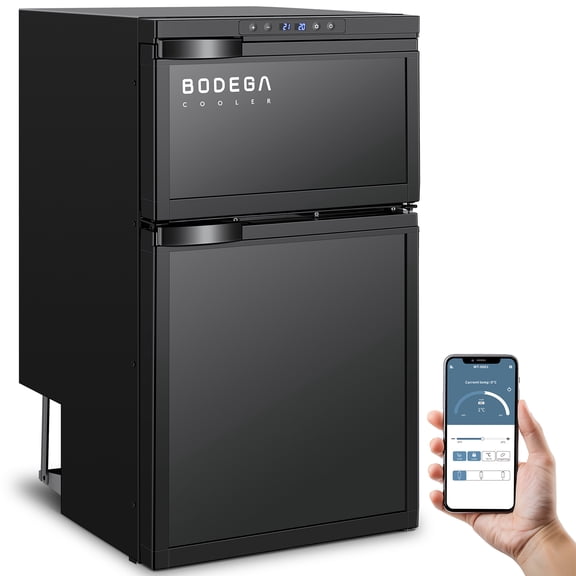


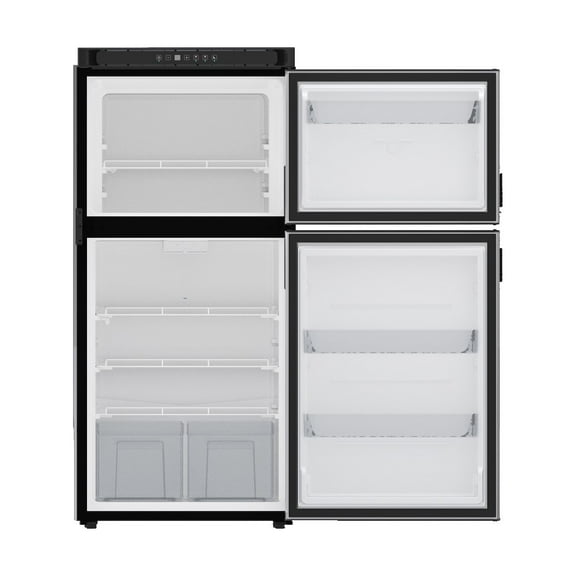







About RV Refrigerators in RV Appliances - Walmart.com
Norcold RV refrigerators help you handle a precise RV refrigerator replacement with power options and cabinet sizes that fit real travel setups. You can compare 12V DC, dual-fuel, and three-way models with guidance that matches your rig and route.
How to choose Norcold RV refrigerators for your RV
When you shop Norcold RV refrigerators, you usually need more than a simple size match. You need the right power source, the right cutout dimensions, and a door setup that stays practical on the road.
Many replacement buyers start with the opening in the existing cabinet. You should measure height, width, and depth carefully, and you should check vent clearance before you choose a new unit.
Power source matters just as much as exterior fit. You should compare your current wiring, propane setup, and campsite habits so your new refrigerator matches how you travel.
Choosing the right power source for a Norcold RV fridge
If you want simple direct wiring, a Norcold 12V RV refrigerator can fit modern camper and trailer setups well. You can run these models from your RV electrical system, which suits road travel and battery-focused layouts.
If your coach already uses propane and electric service, a Norcold dual-fuel refrigerator may align with your current installation. You can switch between power sources based on hookups and your travel routine.
Three-way models add AC, DC, and gas flexibility for mixed camping conditions. You should check your existing connections first, because compatibility often drives a straightforward RV refrigerator replacement.
- You can choose 12V DC when your RV uses direct electrical power and you want straightforward operation.
- You can choose dual-fuel when your setup already supports propane and electric service.
- You can choose three-way models when your trips include hookups, driving days, and off-grid stops.
What capacity and installation type mean for you
Capacity affects how often you restock and how much cold storage you keep ready. You should compare your trip length, passenger count, and meal habits before you decide.
Under four cubic feet works well when you pack light for short weekends. A four-to-six cubic foot model gives you room for everyday essentials in compact campers.
If you travel with family, you may prefer seven-to-nine cubic feet for longer routes. When you need extended storage, 10-plus cubic feet can support bigger grocery loads and fewer stops.
Installation type shapes how the refrigerator fits into your RV layout. You should look for built-in models when you need a clean cabinet match, while freestanding styles can suit flexible interior plans.
How to measure for an RV refrigerator replacement
Exact measurements help you avoid fit issues during an RV refrigerator replacement. You should record the cabinet opening and the surrounding clearance, not just the old refrigerator's exterior.
Start with the cutout height, width, and depth, and measure in several spots. You should also note door swing space, nearby trim, and vent locations before you compare models.
A Norcold RV fridge often needs close attention to built-in spacing and access points. You should confirm whether the refrigerator can move through your RV entry door before installation day.
Check your current hookups while you measure the cabinet. You should compare wire access, outlet placement, and propane line location so the new unit matches your existing setup.
Comparing door style and travel-friendly details
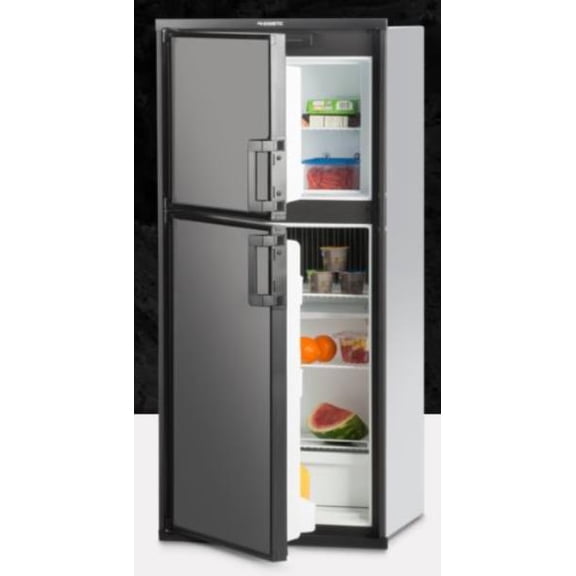
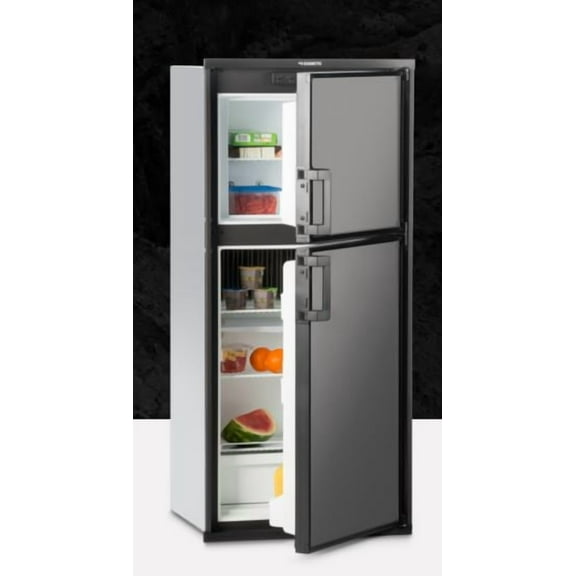
Door style changes how you use your refrigerator every day on the road. You can choose single-door units for compact spaces or double-door layouts when you want separate fresh and frozen storage.
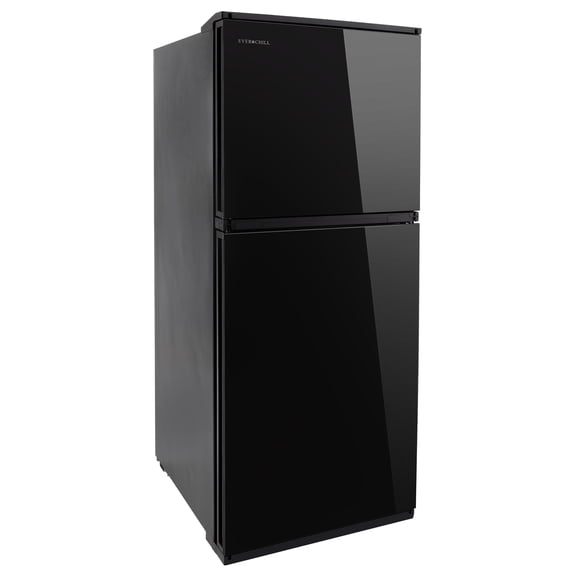
Finish choices also affect the overall look of your cabin. You may prefer stainless steel for a modern interior, while black panel designs can blend with classic RV cabinetry.
Transit-friendly details matter because your RV moves between campsites, fuel stops, and parking areas. You should look for secure latching and practical shelf layouts that help keep contents organized during travel.
Interior configuration matters as much as the exterior finish. You can compare bin placement, shelf spacing, and freezer access based on how you pack drinks, produce, and prepared foods.
Matching your refrigerator to real travel plans
If you take short weekend trips, you may want a smaller built-in unit with a single door. You can keep essentials close without giving up valuable cabin space.
If you travel for a week or longer, you may need more cubic feet and a double-door layout. You can store larger grocery runs and reduce the need for frequent restocking.
When your camping style mixes hookups and remote stops, power flexibility becomes a bigger factor. You should compare dual-fuel and three-way options based on where you actually park overnight.
If your rig uses direct battery power while driving, a Norcold 12V RV refrigerator may make more sense. You can match that format to newer electrical systems and travel-heavy routines.
For a clean replacement process, you should focus on power compatibility, cutout size, and door function first. You can make a confident choice when those core details line up with your RV.
With Norcold RV refrigerators, you can narrow choices by fit, power source, capacity, and travel use. You end up with a refrigerator that supports smooth trips and a clean cabinet fit.