

Ozark TrailCoghlan'sShubugeYottoPic CorporationColemanOFF!EquateRepelExpert GrillPaddsunEVERBRITEBugablesGVDVPICMerryhomeKAMIDAMainstaysKaqinuWARMTUYOUBesGooDuraflameBlackstoneKnorrHershey'sBICRELOIVERicanLeproCityOutPowerSmartZevoQunlerHotHandsTALBN-LINKAir WarriorsBEEPRINCESSEccomumOwalaFlashfishReadyWiseEF EcoFlowTEIPUERYLifeStrawNEBOMafushadVibrant LifeOutdoor ProductsKOBAIBANBe Smart Get PreparedScotchgardIglooAMTPMfrogg toggsHyper ToughWEXLYNRelianceEnergizerYQSDGPure LifeK9 Advantix IIOHHANISBAOHAmerican MaidMoskintoCuoffTrevaWalchoiceKeyrankNOBRANDMountain HouseMK LighterJackerySwiss TechonnLdysoSissinocerosJetcloudliveLiptonTeblintRoyal OakBAND-AIDUnbrandedVorkoiSOLPOWBENMossy OakTOHETOBarillaCutterDiamondLodgeJRJNite IzeAlazaziyaaaUZEVCSPiciaCafePressUZEVCSAZippoQPZFQYUxcellbooyaaMIPeGenericParacord Planetzwydbd1688LogieeqxlttyXZHANHEumbyealRMDQTRBZSMCEGrill ZoneLOLIPPYYHibibudBBSISGOJSTELNEWGraphics and MorewobogoQPZFQgoojooShangbanxuanHyeringeacdancBESTYASHBored ParacordOunonahaosyLogo BrandsStreamlightCaselmtkhdzhydfVsdgherKarymizwlwdwhh1668WswqopFuzoiuMusic City MetalsDALAWUYayeeeFOMIYESHONMEETGeneralGIFTS INFINITYiauyyRENACLIPYGJXMilistenWeloilleYajisiAppliance Factory Parts3dRoseMOKKHNBJoyMagicRiouseryCharbroilPitycboSuodokaHoneiiWEUVEBXIBUFEBaseball BBQELAYARDGRIMPEXNITECORELITINKIMIwobogosFirst Aid OnlyNexgrillEtereautyCEORPERCraft CountyNauticalMartMaritime treasuresGuangLvvOuliiNFTIGBREOFLYUPRaindropsTABLZONEQSTDGVPWOFFIGAMThor InstrumentsWebercoaaTFYZYYM BuderMMJQholemyoBIMZUCCeveminKyusrdNsxcdhstrola ToysharayaaAmosfunTervisAbby Smith










Get it todayCamping AccessoriesSleeping BagsCamping ChairsCoolersCamping TentsFolding WagonsCanopiesBug SprayFlashlights and LanternsCamping StovesCamping GrillsAirbed PumpsCamping ToolsCamping FoodOutdoor DrinkwareSurvival EssentialsCamping FurnitureOutdoor NavigationCamping EssentialsCamping GearOzark Trail campingCamping HeatersHand Warmers
Camping Accessories
Uses item details. Price when purchased online















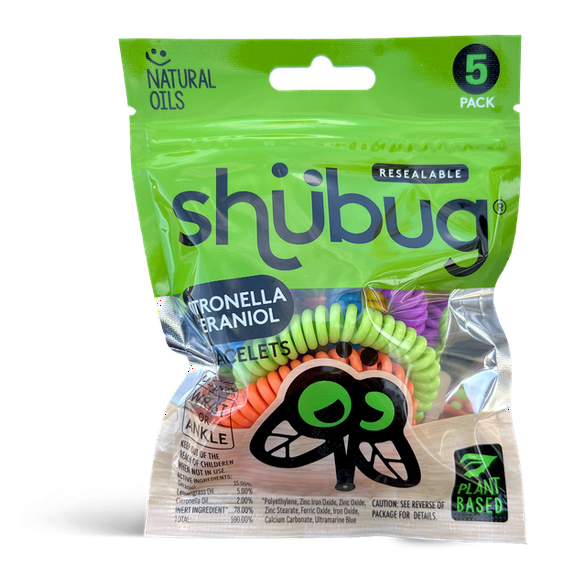
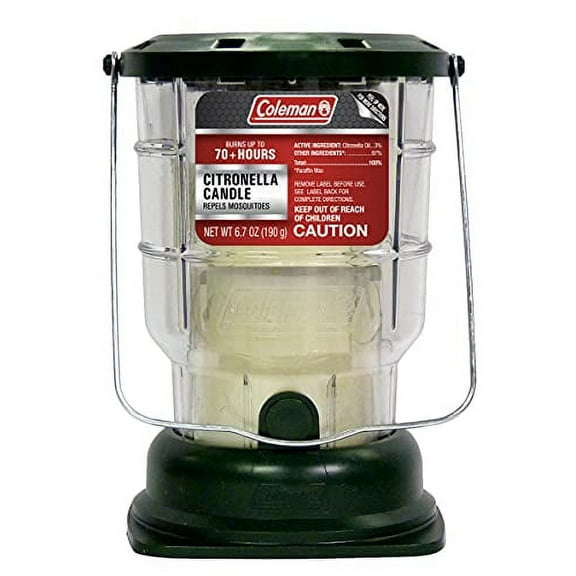


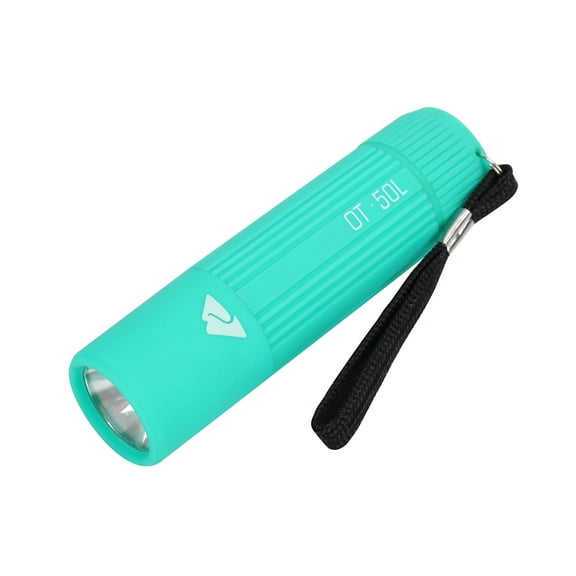


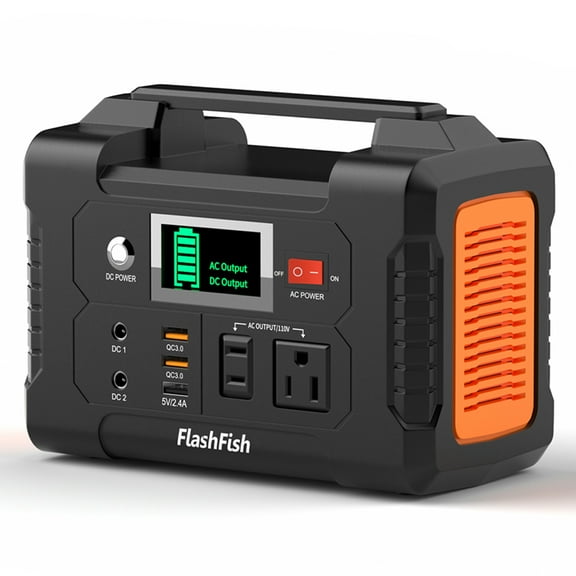


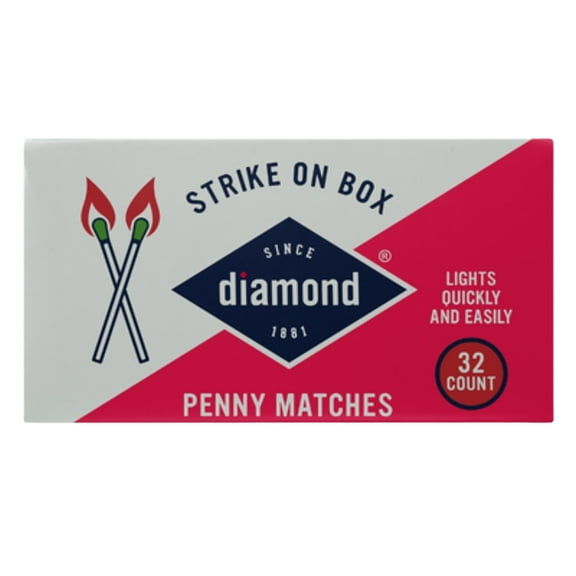


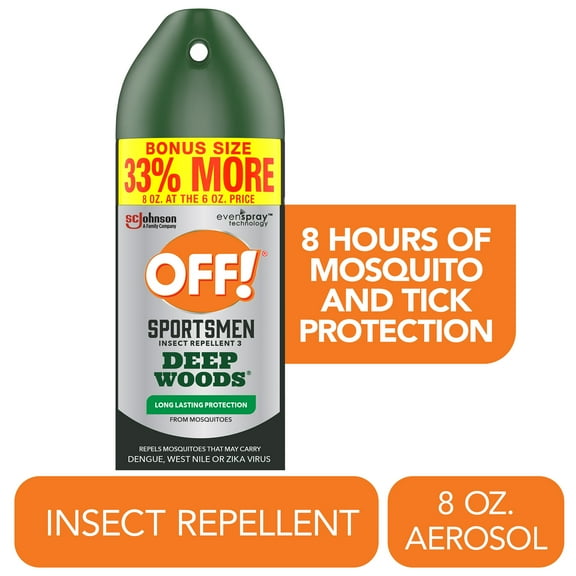
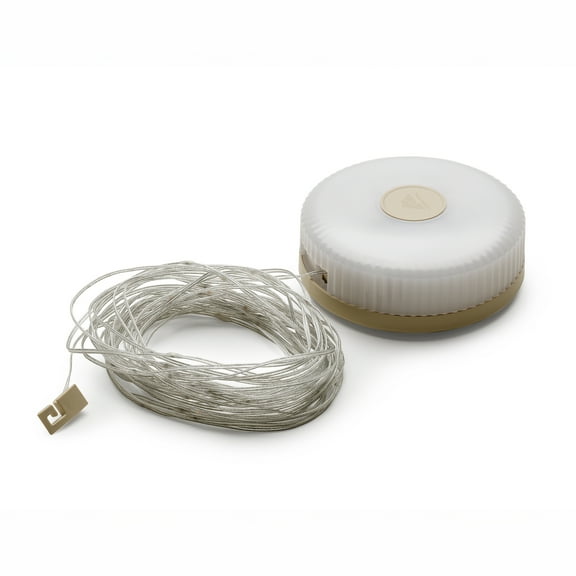
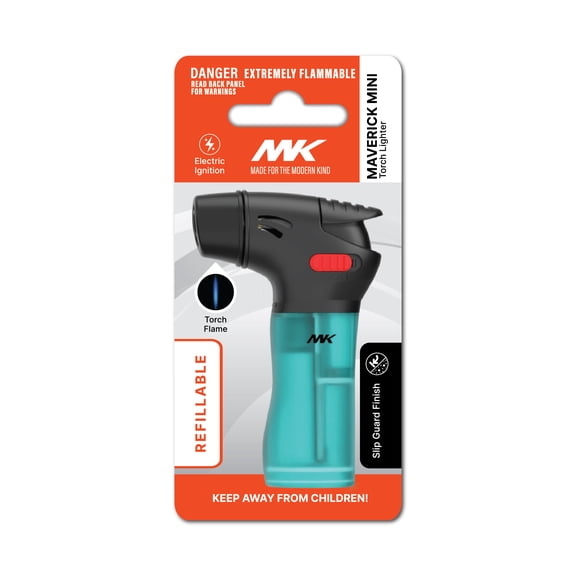




About Camping Accessories - Walmart.com
Gear up for unforgettable July 4th festivities with smart camping accessories that keep your outdoor celebration running smoothly, no matter where your adventure takes you. Whether you're exploring a lakeside camp or setting up a backyard retreat, having reliable, versatile gear helps you stay prepared and adds excitement to every moment.
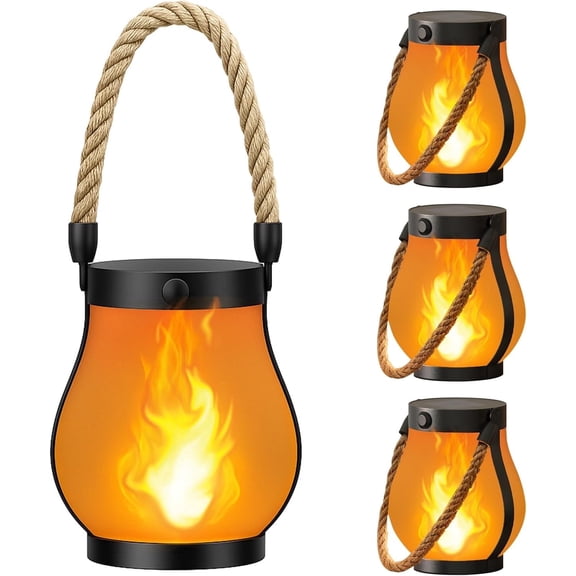
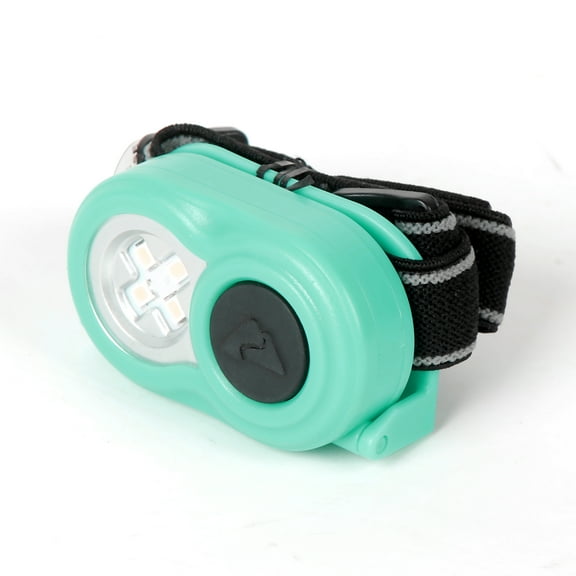
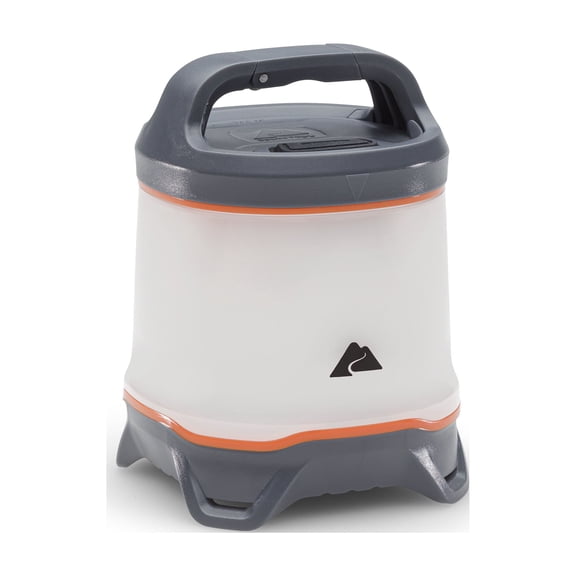
- Create the perfect nighttime atmosphere: Portable lanterns, string lights, and headlamps illuminate your campsite, enhancing both visibility and ambiance for evening gatherings and games.
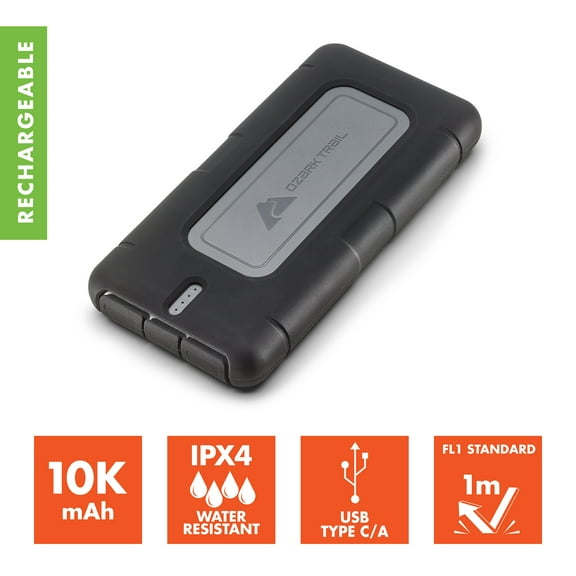
- Beat the heat and stay powered: Rechargeable fans and water-resistant power banks keep you cool and connected, so you can capture memories or enjoy tunes well into the night.
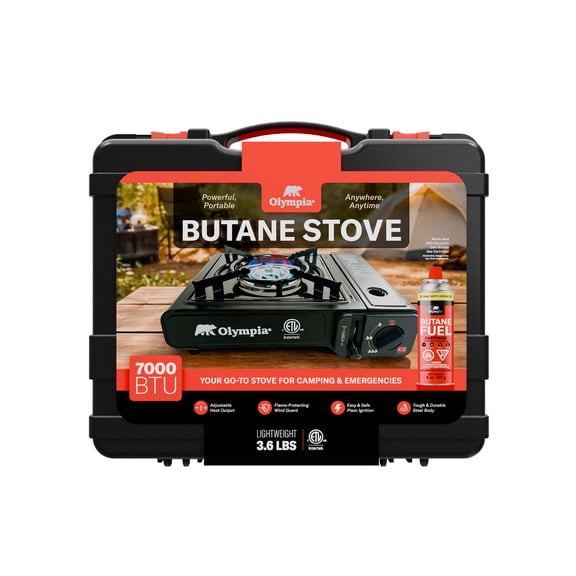
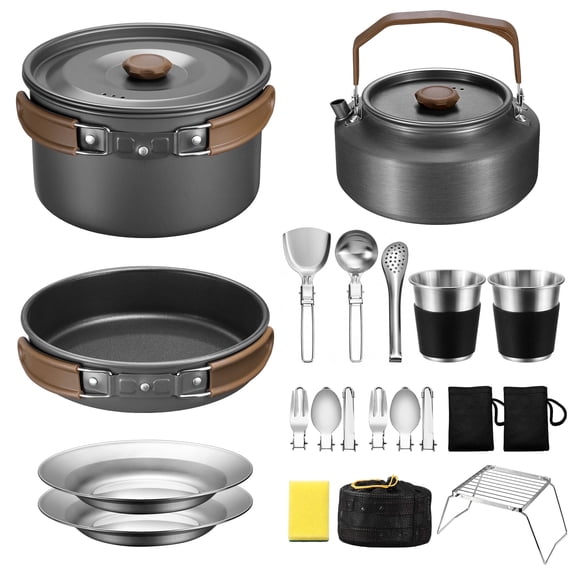
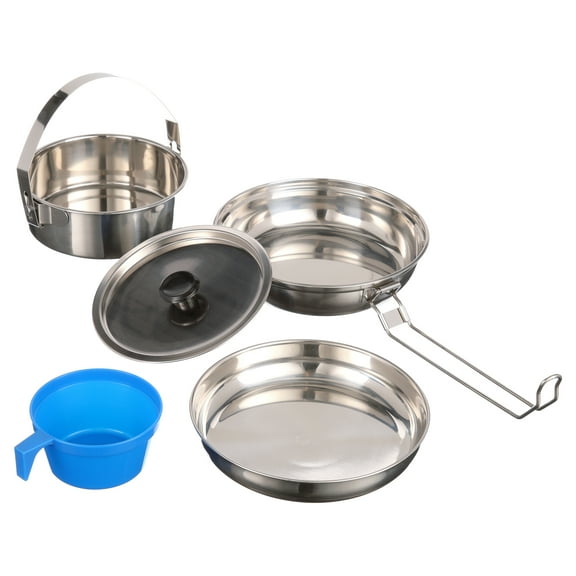
- Effortless meal prep and cleanup: Nesting cookware, collapsible sinks, and mess kits streamline cooking and cleaning, letting you focus more on fun and less on hassle.
- Weather-flexible choices: Opt for compact, durable accessories built to handle rain, wind, or sudden weather shifts, ensuring your plans stay on track whatever Mother Nature brings.
- Organize and maximize your space: Space-saving storage solutions, portable sinks, and quick-access gear help you keep your camp tidy and efficient, making setup and breakdown a breeze.
- Access convenience at Walmart: Take advantage of fast pickup and delivery options to get your gear quickly, giving you confidence in last-minute preparations.
With essentials designed for easy use and adaptability, Walmart’s outdoor selection empowers you to build a camping experience that’s safe, comfortable, and packed with fun. Discover the right accessories for your next adventure and celebrate the 4th of July with total peace of mind.