

Burr Coffee Grinders in Coffee Shop
















About Burr Coffee Grinders in Coffee Shop - Walmart.com
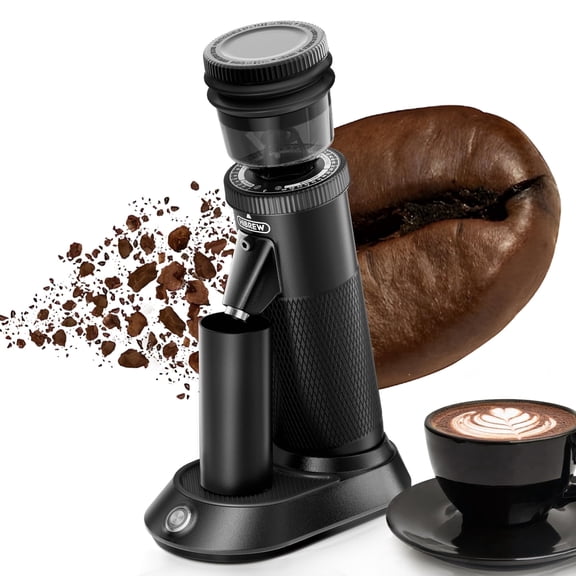
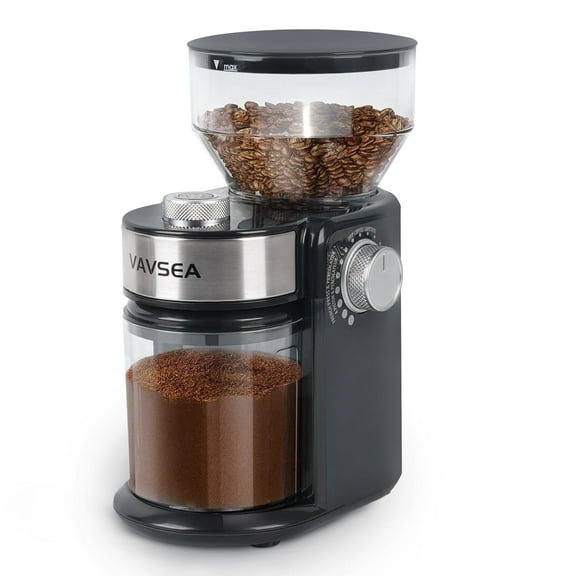
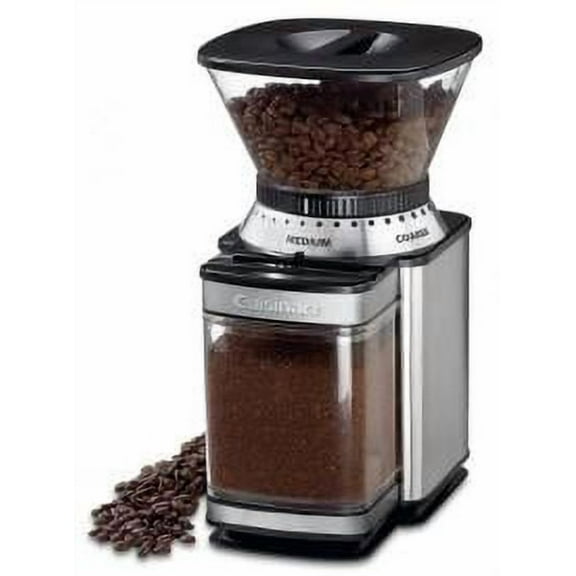
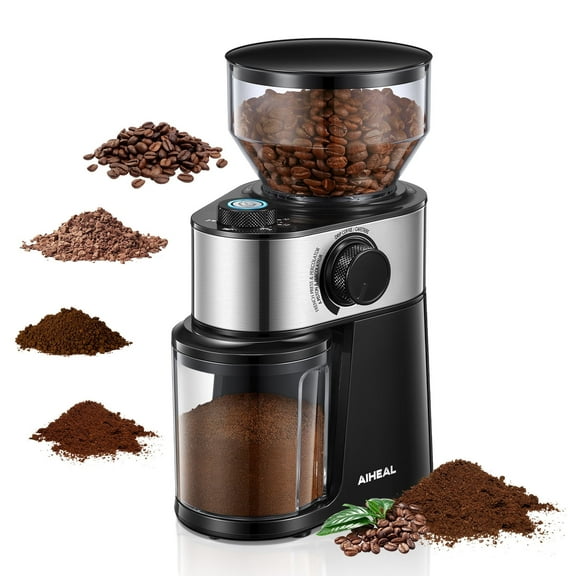
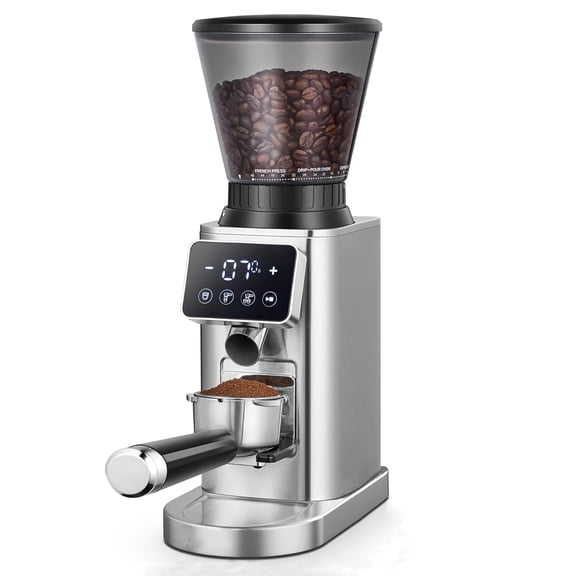
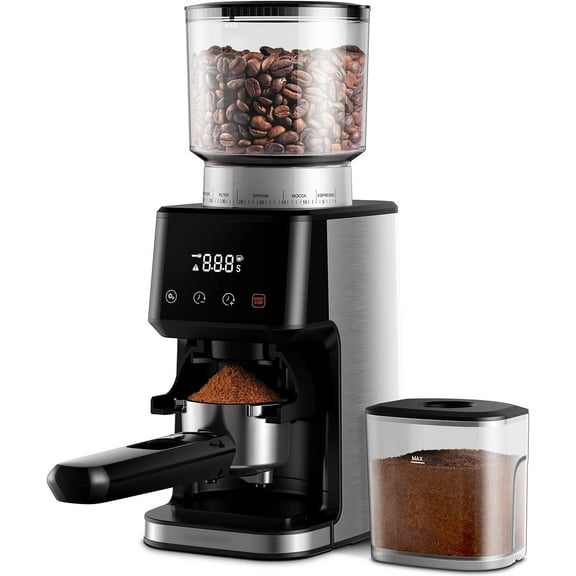
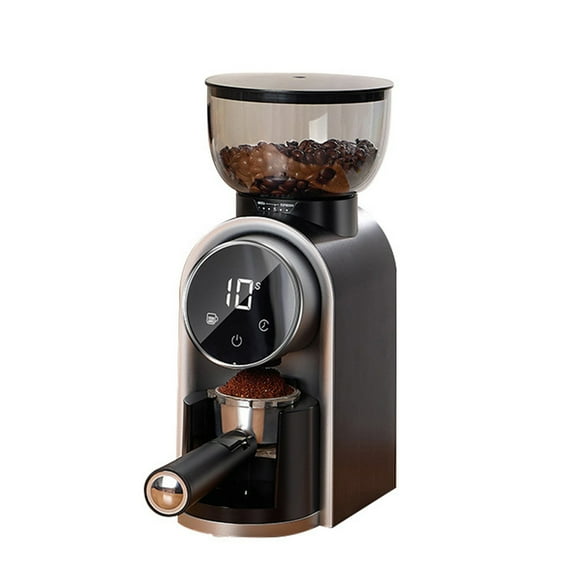
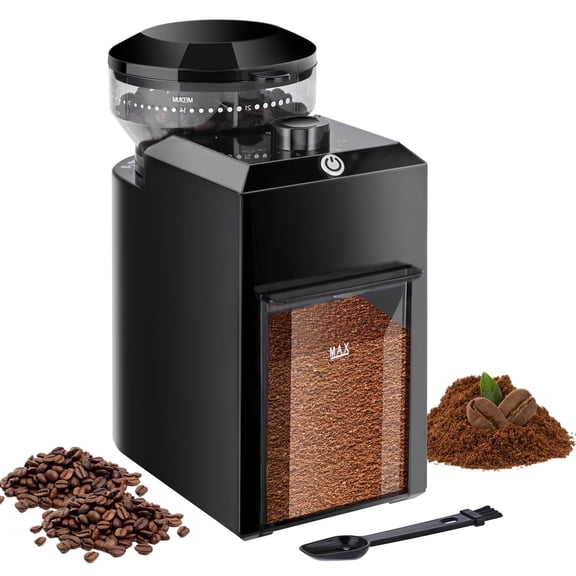
With a burr coffee grinder, you can dial in fresher flavor and steadier grounds for espresso, drip, or French press at home. You’ll also find more control here than with blade-style options, because burrs crush beans to a more even size.
How to choose a burr coffee grinder
When you compare a burr coffee grinder, you should start with burr type, power source, grind settings, and capacity. You’ll make a clearer choice when you match those details to your brewer, counter space, and daily routine.
Conical and flat burrs create grounds in different ways, so you should consider your brew style first. You may prefer conical burrs for everyday versatility, while flat burrs can suit shoppers who want a more uniform grind profile.
Power source matters just as much, because you’ll use your grinder differently at home, at work, or while traveling. You can choose electric models for speed, or you can choose manual models for portability and hands-on control.
- You’ll get more even grounds for methods like espresso, pour-over, drip, and French press.
- You can adjust grind size with more precision than you can with a basic blade grinder.
- You’ll find options that fit compact kitchens, larger households, and travel setups.
- You can choose electric or manual designs based on your routine and brewing volume.
Choosing burr type, power, and materials
Conical burrs usually fit shoppers who want flexibility across several brew methods and daily bean types. You’ll often notice they work well for coarse and medium ranges, including cold brew, drip coffee, and French press.
Flat burrs appeal when you want a tightly controlled grind size for repeatable brewing. You may look here when you’re dialing in espresso shots and want consistent particle size from one dose to the next.
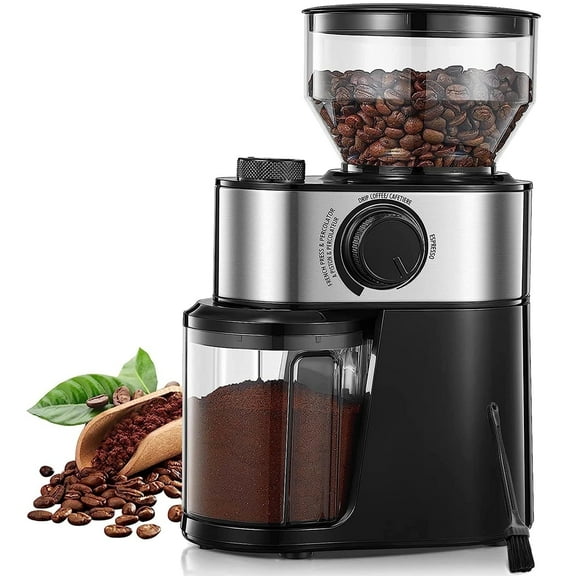
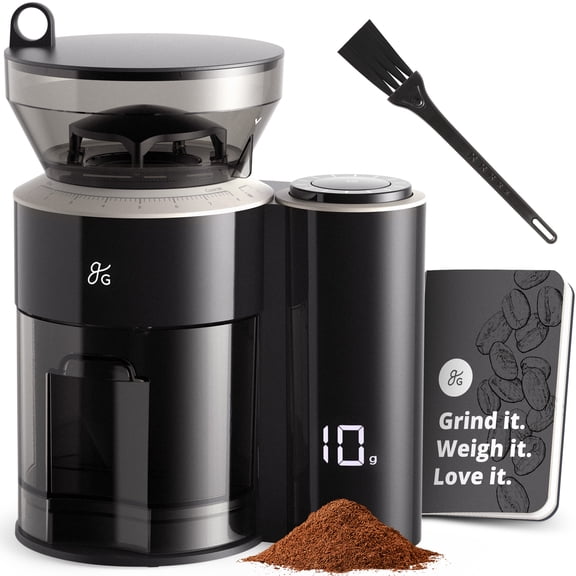
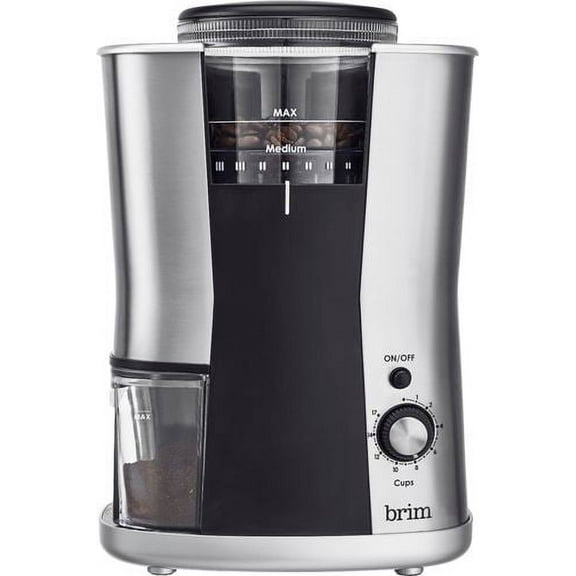
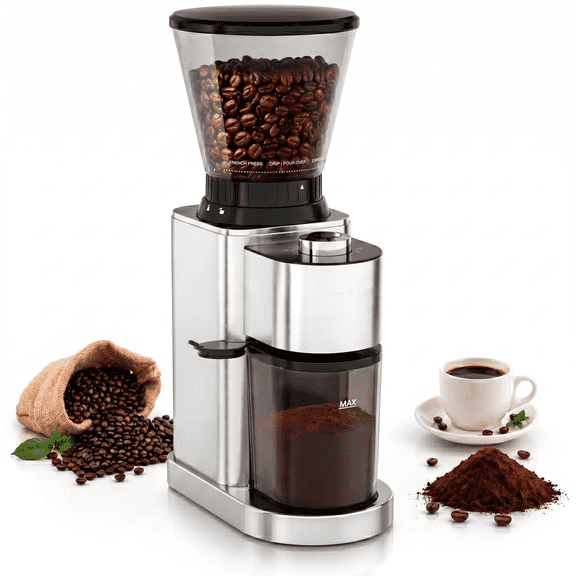
An electric coffee grinder supports busy mornings, because you can grind more beans with less manual effort. You’ll want to compare footprint, hopper size, and dosing controls if you brew several cups each day.
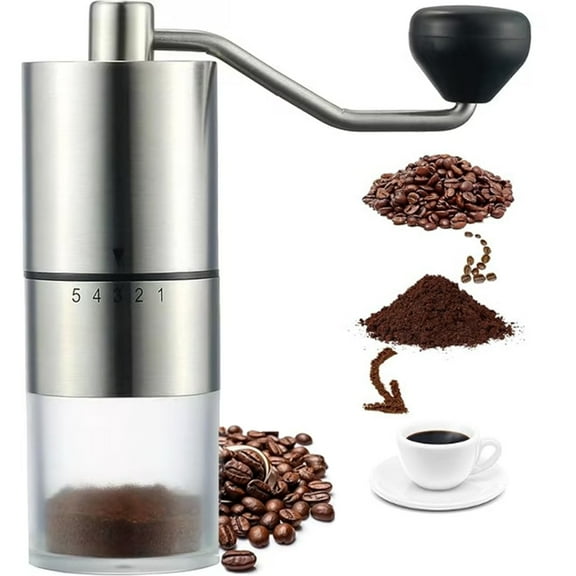
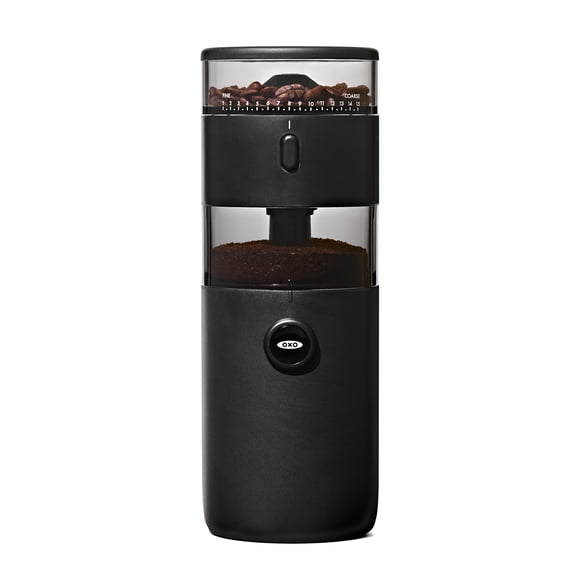
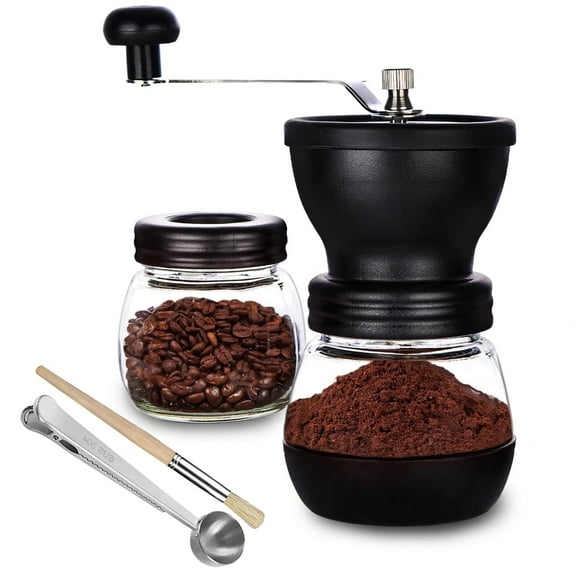
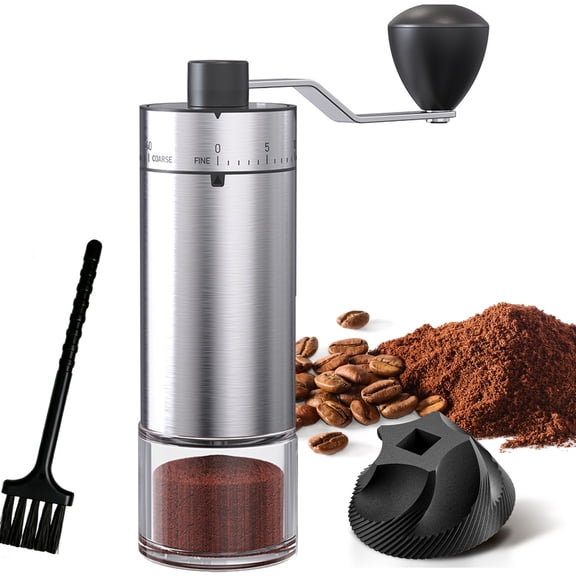
A manual coffee grinder fits travel, office use, and quieter routines where you want control without a cord. You can also compare crank feel, body shape, and grind adjustment access before you choose one.
Material affects feel and maintenance, so you should compare stainless steel, ceramic, and plastic builds carefully. You may prefer stainless steel manual coffee grinder options when you want a sturdy body and a classic countertop look.
Ceramic burr components can appeal when you want a different grinding feel and straightforward upkeep. Plastic housings can reduce overall weight, which helps if you move your grinder between storage, the counter, and trips.
Burr coffee grinder settings for every brew
Grind settings shape your cup, so you should match adjustment style to your brewer. You’ll usually want finer settings for espresso and coarser settings for French press, cold brew, and some drip methods.
Stepped settings move through fixed clicks, which can make repeatable adjustments easier for many shoppers. You can return to familiar positions quickly when you switch between weekday drip coffee and weekend pour-over.
Stepless settings let you make smaller changes between points, which matters when you fine-tune extraction. You may prefer stepless control if you’re chasing a narrow espresso range with fresh beans.
Coffee grinders with adjustable settings help you use one grinder across several brewing methods. You’ll get more flexibility when you brew espresso in the morning, then switch to a coarser grind for a press pot later.
You should also check whether the adjustment ring is easy to read and easy to reach. You’ll spend less time guessing when marks, clicks, or numbered settings feel clear during daily use.
Matching size and style to your routine
Capacity changes your daily experience, so you should think about how many cups you brew at once. You may want a larger hopper for family mornings, while a small burr grinder can suit single servings and tight counters.
Travel-size grinders work well when you brew away from home and want fresh grounds in a compact form. You can tuck a manual option into a bag more easily when your setup needs to stay light.
If you brew one cup before work, you may want an electric model with simple controls and a modest footprint. If you brew for guests, you may prefer a larger bean hopper and a grounds bin that empties cleanly.
You should also compare shape and height if your grinder will live under cabinets or beside an espresso machine. You’ll avoid awkward storage when you measure your counter, shelf, and brewing station before choosing.
Using the right setup for espresso, drip, and French press
For espresso, you’ll want finer adjustments and consistent output, especially when you’re working with a home espresso machine. You may lean toward flat burr designs or stepless settings when tighter tuning matters most.
For drip coffee, you’ll usually want easy repeatability and enough capacity for your regular batch size. You can choose stepped settings and electric grinding when your morning routine needs speed and simple operation.
For French press, you’ll often need a coarser grind that stays even from batch to batch. You may prefer conical burrs and a wider setting range when you brew larger, fuller-bodied cups.
For pickup or delivery convenience, you can also look for options available through Walmart.com and store pickup. You’ll support local-intent searches through availability features without changing how you compare grinder specs.
When you choose by burr type, power source, settings, material, and size, you’ll narrow the field faster. You’ll end up with a grinder that fits your brewer, your kitchen, and the cup style you make most often.