


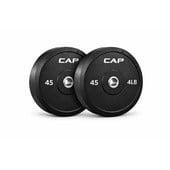
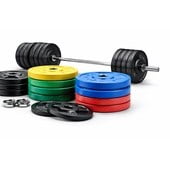
Bumper Plates in Weight Plates
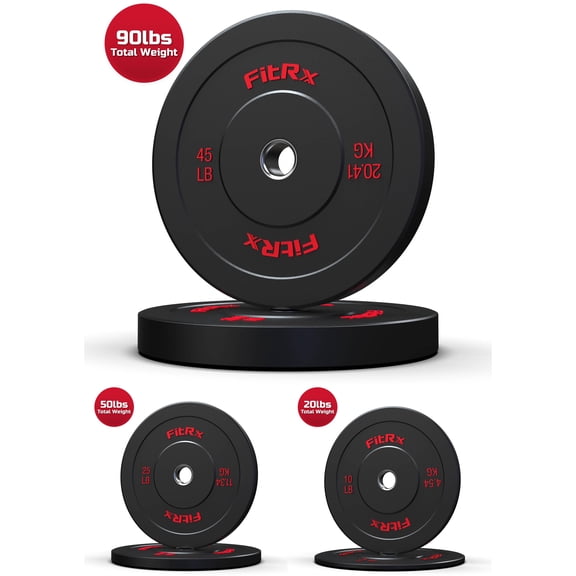

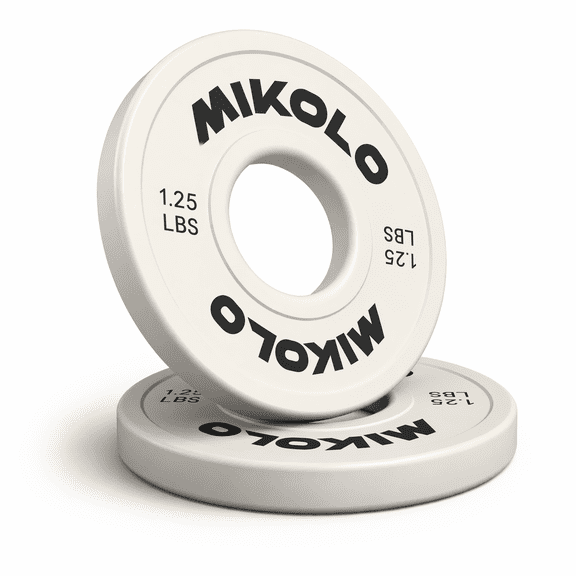
































About Bumper Plates in Weight Plates - Walmart.com
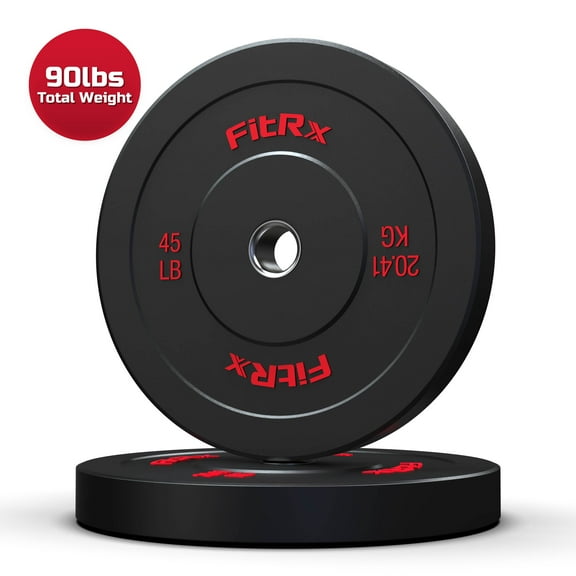
You can build a dependable strength setup with bumper plates that fit Olympic bars, cushion drops, and suit home, garage, or gym training. Unlike iron plates, you get floor-friendly rubber contact, practical pickup options, and clearer choices across plate type, material, and increments.
How to choose bumper plates
Start with compatibility, because your bar determines which plates will actually load and slide smoothly. If your bar has two-inch sleeves, you should look for an olympic bumper plate with a matching center opening.
Next, compare thickness and bounce based on how you train and how much weight you plan to load. Thinner plates let you fit more on the bar, while lower bounce helps you keep drops more controlled.
Material also changes the feel of your setup in noticeable ways. Rubber plates weights can soften contact noise, while urethane styles may feel cleaner and show less surface wear.
- You can protect flooring during deadlifts, cleans, and other barbell sessions.
- You can reduce metal-on-metal clang in shared spaces.
- You can load two-inch Olympic sleeves with equipment made for standard barbell training.
- You can compare plate thickness, bounce, and odor before you commit to a heavier set.
Choosing plate type and material
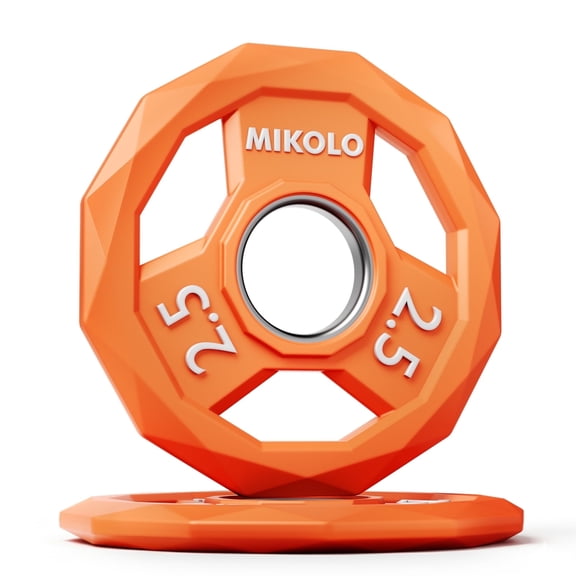
Consider plate type first, because Olympic, competition-style, and training plates support different priorities. Olympic styles usually give you versatile use, while competition-style options focus on tighter weight accuracy.
Training plates make sense when you want straightforward durability for regular sessions and repeat loading. With competition-style plates, you may notice listed tolerances around plus or minus 10 grams for more exact loading.
Material matters too, especially when your setup shares space with a garage, basement, or spare room. Rubber bumper weights often help soften sound, and some low-odor options can feel easier to live with indoors.
Steel core construction affects how the center ring holds up through repeated loading and unloading. Urethane-covered options can also appeal when you want a smoother finish and easier wipe-downs after workouts.
What to look for in an olympic bumper plate
Check the sleeve fit before anything else, because that detail decides whether your plates match your bar. A two-inch center hole fits Olympic sleeves, while standard one-inch bars need different plates entirely.
Plate thickness deserves a close look when you plan to progress into heavier totals over time. A slimmer profile leaves more room on the sleeve, which matters when you stack several plates per side.
Bounce should match your lifting space and your movement style, not just a product label. Lower bounce can feel steadier in tighter rooms, especially when you practice cleans, snatches, or repeated drops.
Weight tolerance becomes more important when your programming depends on repeatable loading from session to session. If you track smaller jumps closely, competition-style plates may suit you better than general training versions.
Choosing weight increments for your training
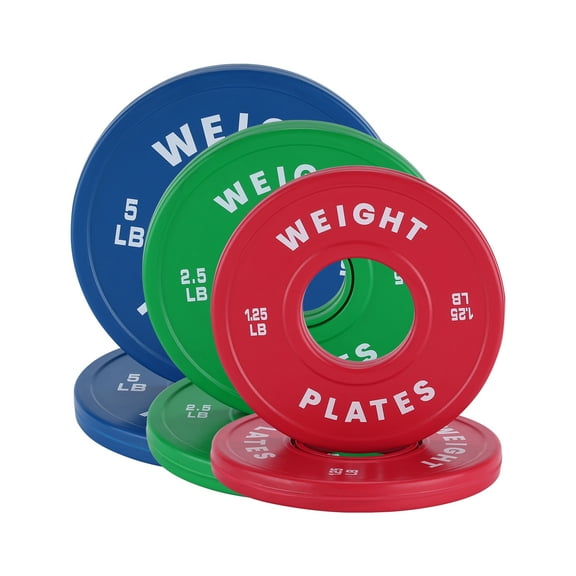
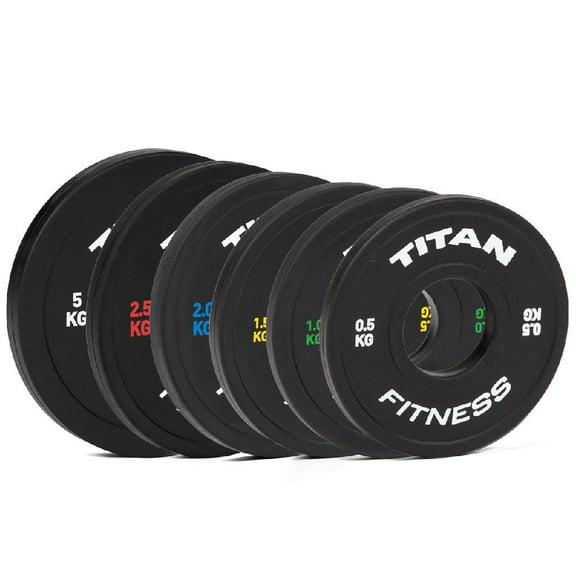
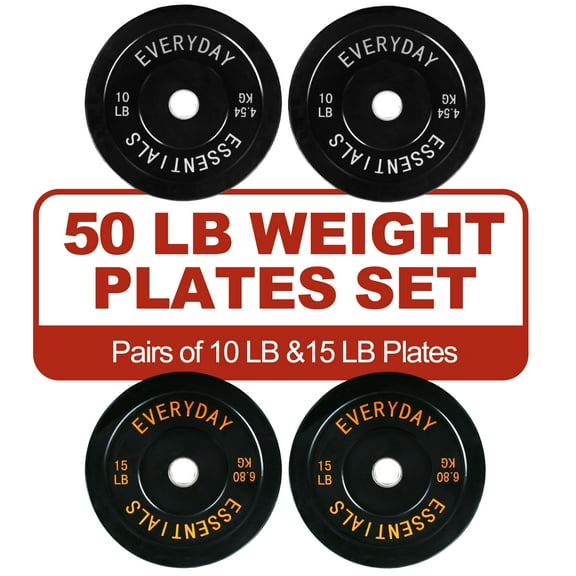
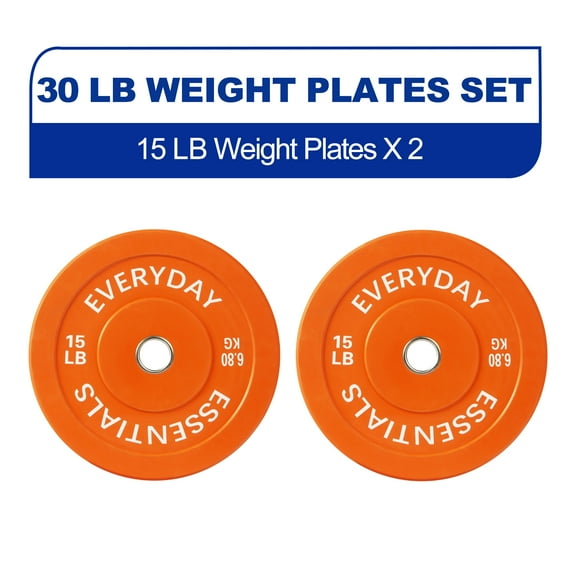
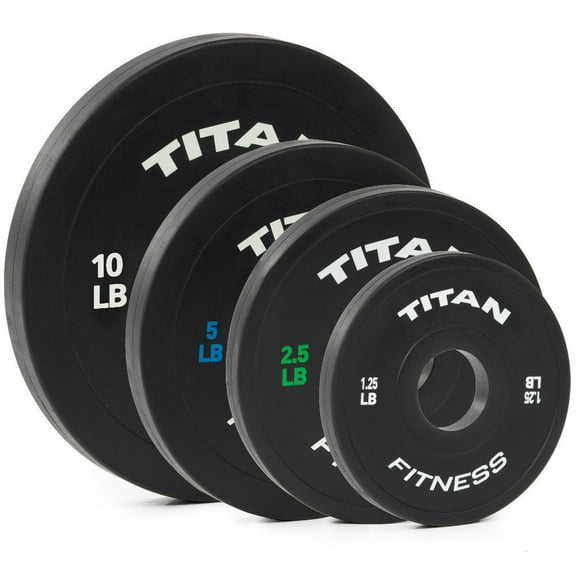
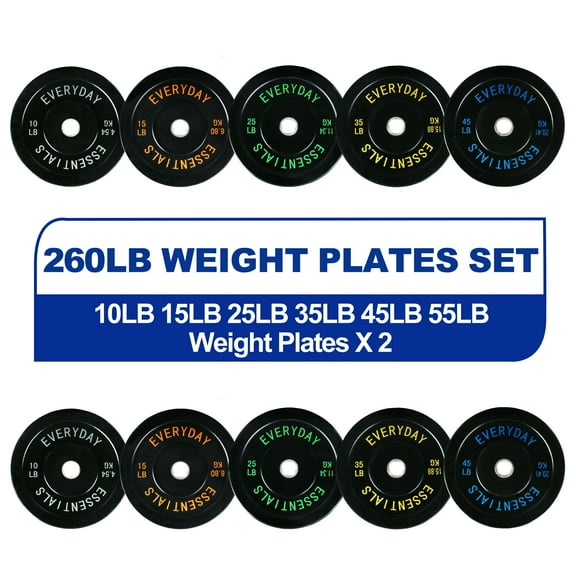
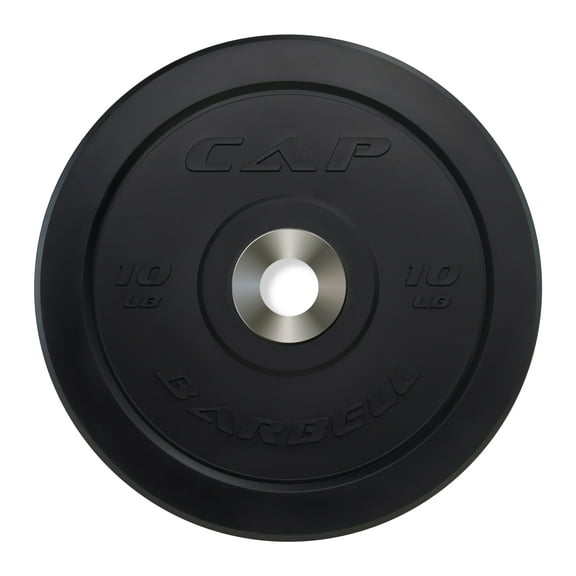
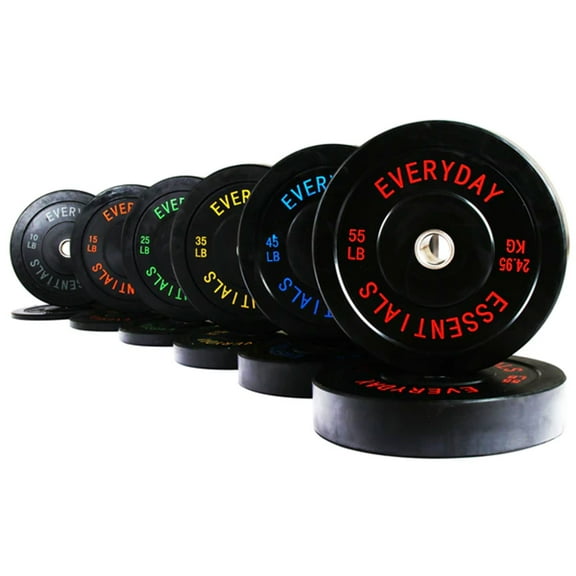
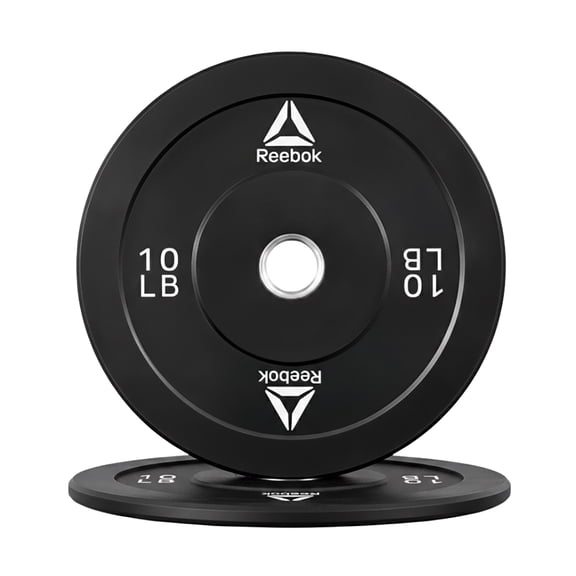
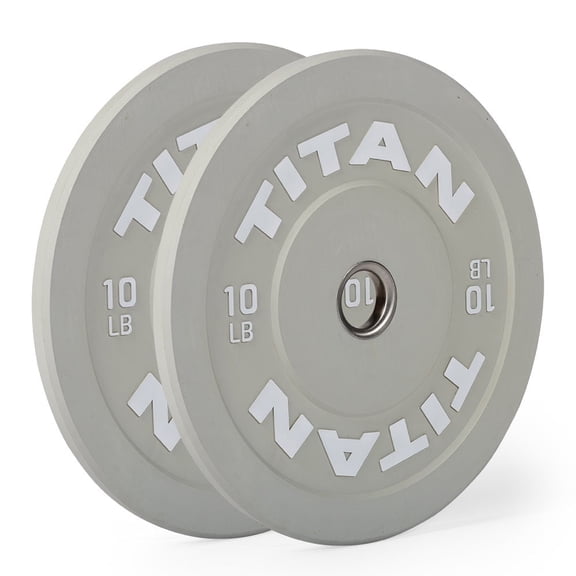
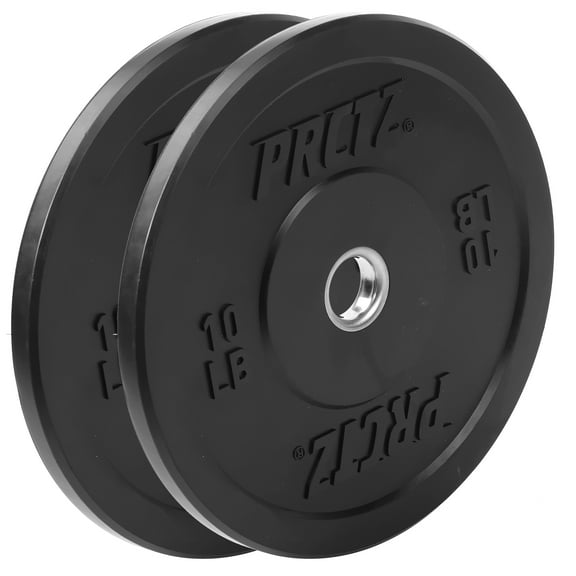
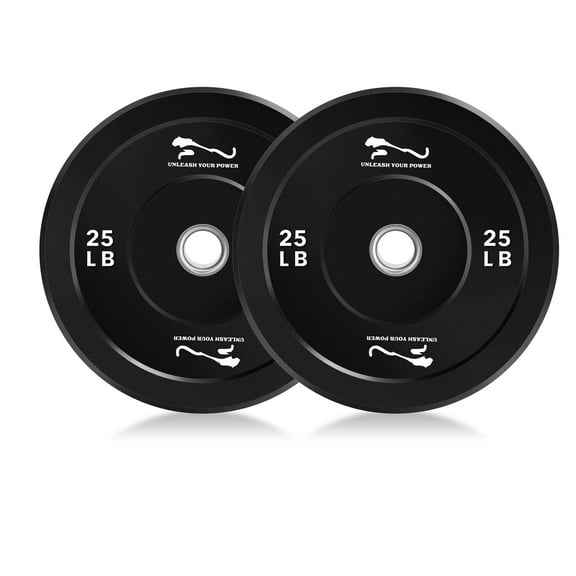
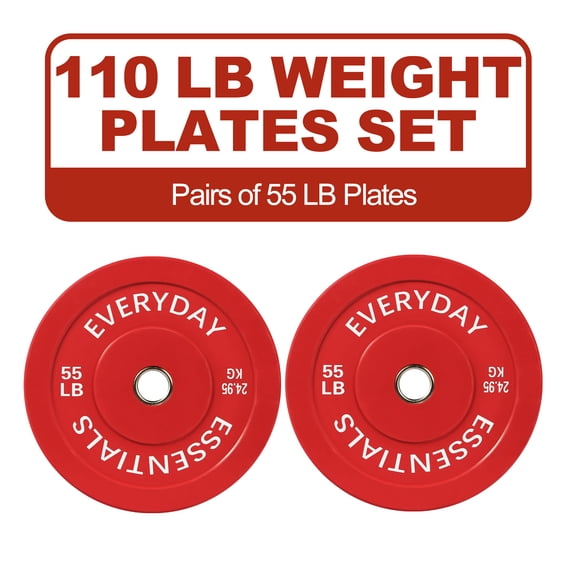
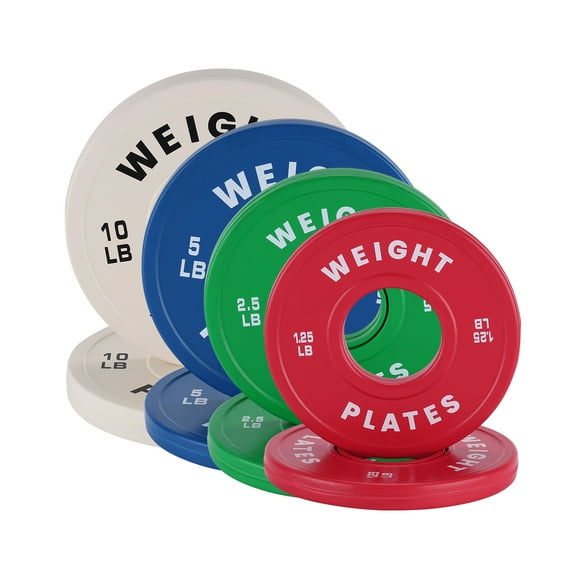
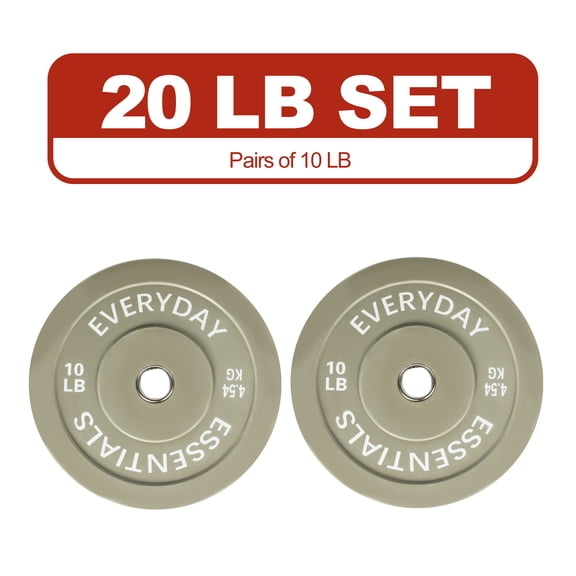
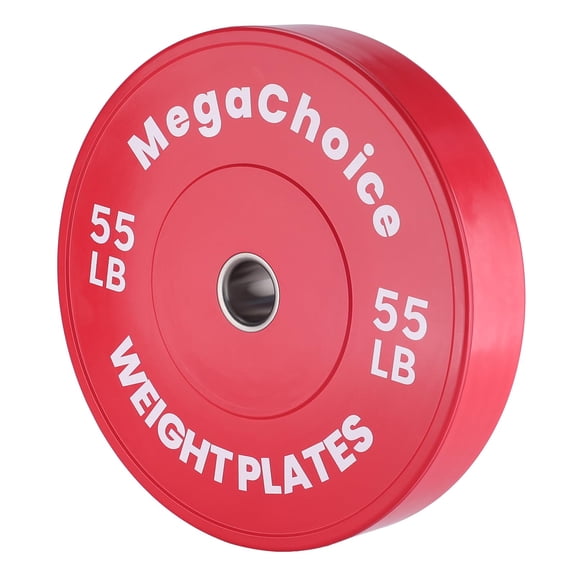
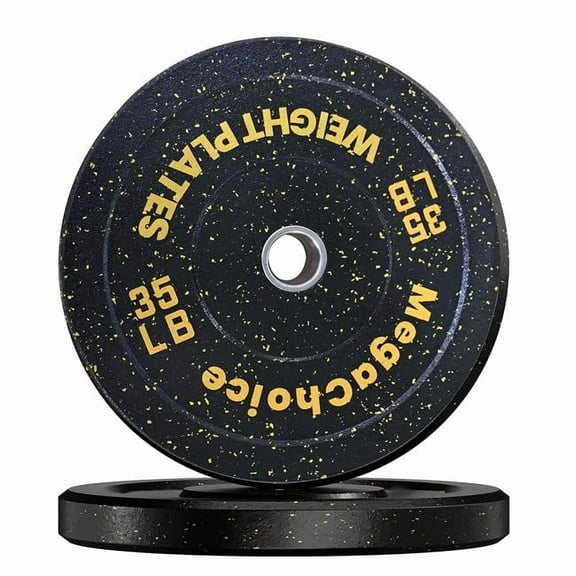
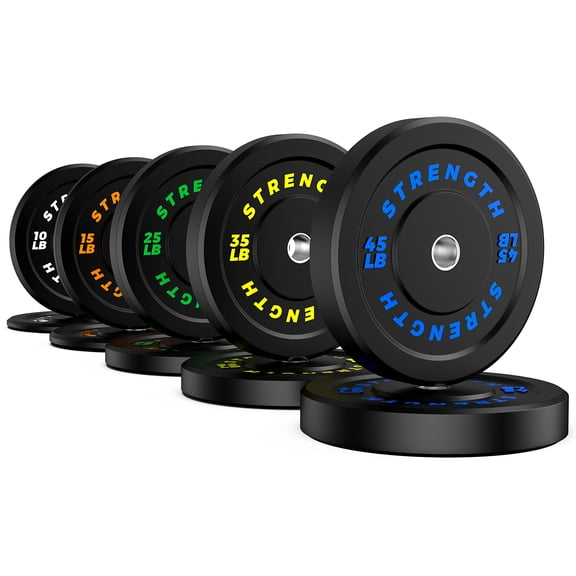
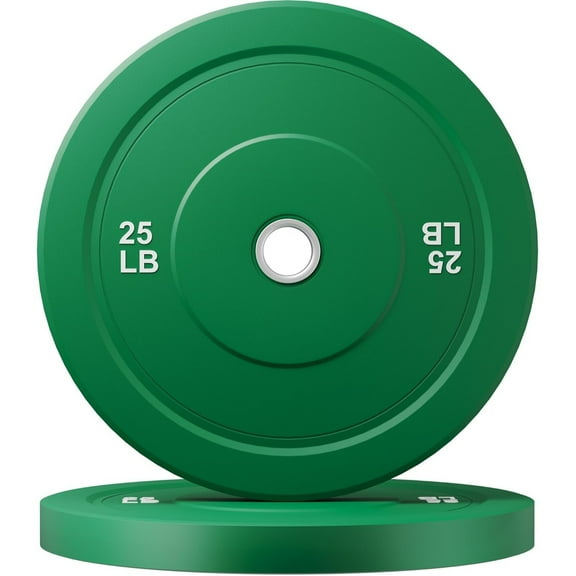
Compare plate increments with your current strength level, your programming, and who uses your setup. Common bumper plate weights include 10lb, 15lb, 25lb, 35lb, 45lb, and 55lb pairs.
Lighter pairs can support technique work, warmups, and controlled barbell practice without oversized jumps. Mid-range pairs help you build smoother progressions for squats, presses, cleans, and front-loaded movements.
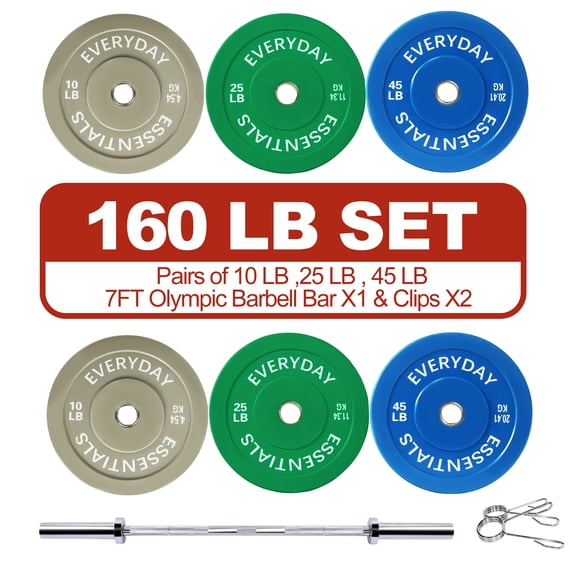
Heavier pairs matter when your training days call for larger totals and fewer changes between work sets. If you want a coordinated spread of sizes, an olympic bumper plates set can simplify your initial setup.
Think about storage as you compare increments, because plate count affects rack space and floor footprint. A balanced mix often gives you more useful jumps than doubling up only on the heaviest size.
What stores carry competition-style plates?
You may search for what stores carry competition-style plates when you want precise loading without waiting through uncertain fulfillment. On Walmart.com, you can compare online availability, shipping choices, and store pickup on select items.
That flexibility helps when you want bumper plates nearby for a planned gym build or a replacement pair. Nearby pickup can be especially practical when you don't want to manage heavy boxes through a longer delivery window.
Free shipping matters too when your order includes several pairs or a full plate set. By checking fulfillment options early, you can match your training timeline with the handling method that fits your space.
Bumper plates with pickup and shipping options
Fulfillment can shape your decision as much as plate specs, because weight equipment is bulky and often arrives in multiple boxes. Before you choose a set, check whether bumper plates free shipping or store pickup appears on eligible items.
Entryways, stairs, and storage spots should guide your choice just as much as your lifting goals. If your path indoors is tight, smaller pair purchases may feel easier to manage than one large shipment.
You can also build a more complete lifting station by matching plates with collars, Olympic barbells, benches, and racks. When your equipment shares the same sleeve standard, your sessions usually feel smoother and more consistent.
Using bumper plates in common training setups
In a garage gym, you may want rubber contact and lower clang during early sessions or shared-household workouts. Those details can make regular deadlifts, cleans, and overhead work feel easier to manage in everyday spaces.
For technique practice, lighter increments support cleaner progressions and more repeatable rep work on the bar. Competition-style options can make sense when your programming emphasizes exact loading and consistent feel.
If several people train together, a mixed set covers warmups, skill work, and heavier strength blocks with fewer gaps. That approach also helps you adapt one barbell station for presses, pulls, squats, and Olympic lift variations.
With the right fit, thickness, and fulfillment choice, your setup works harder from the first session onward. You'll end with bumper plates that load smoothly, suit your space, and support steady barbell progress.