


Find auto parts that fit
Let’s search for parts that fit your vehicle.Front Bumper Protector for Car & Bumper Guards

















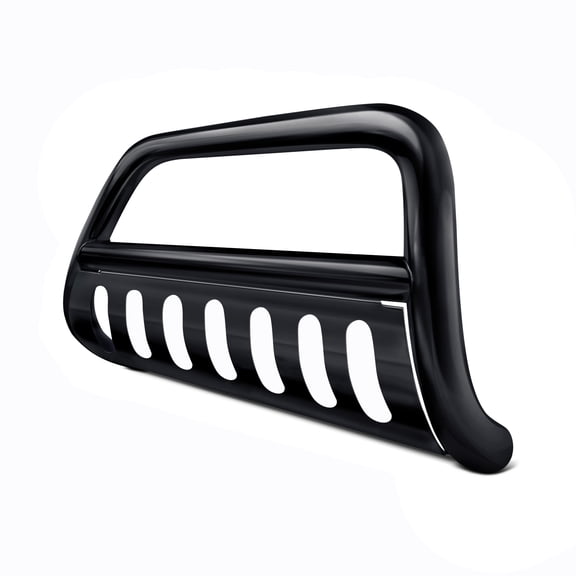
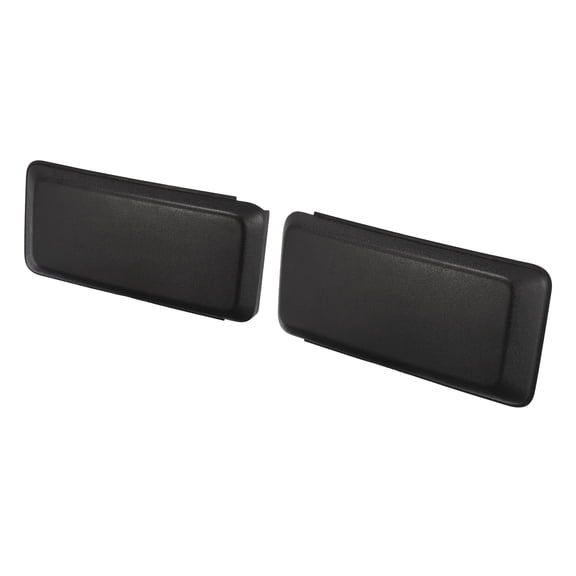

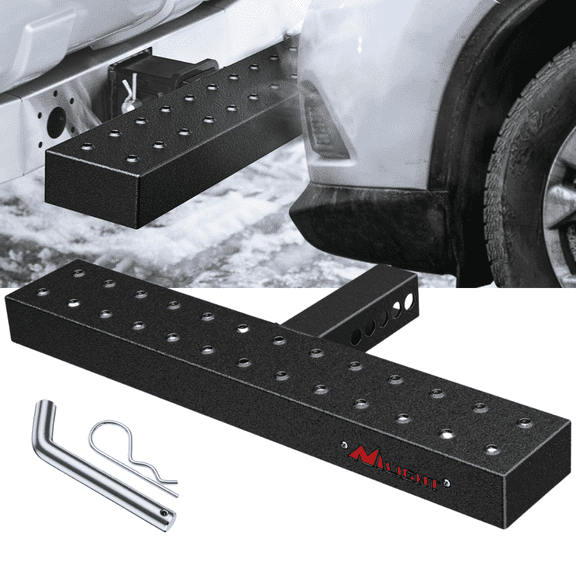
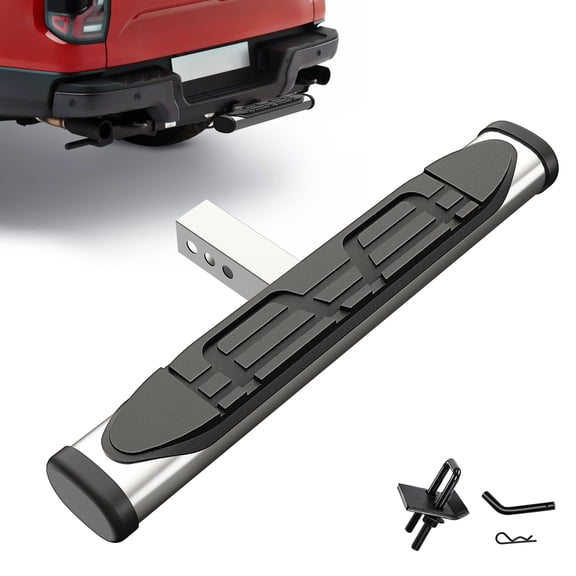
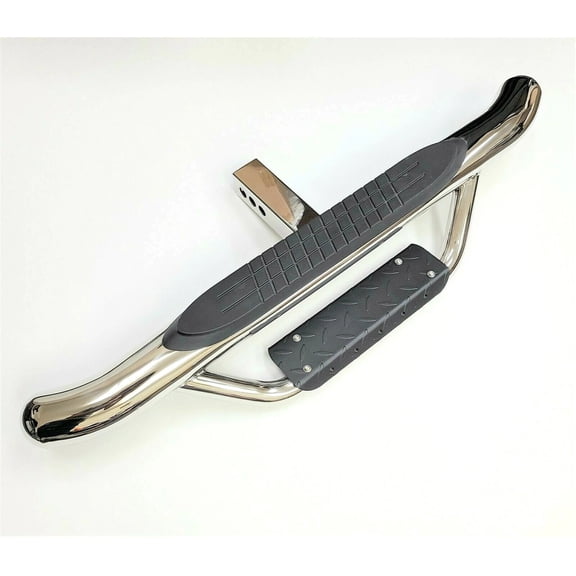

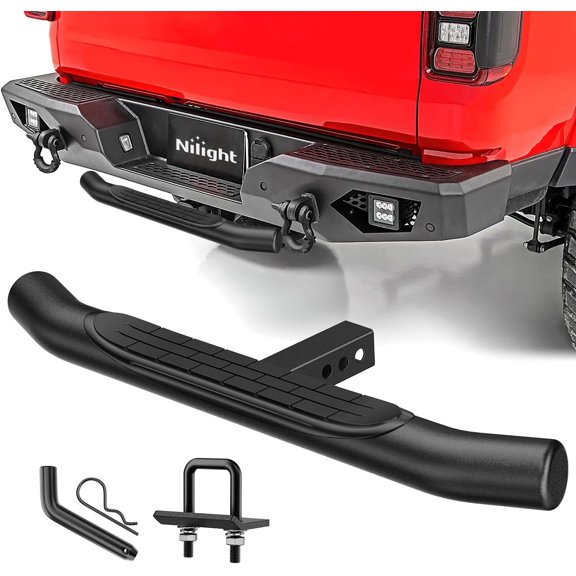

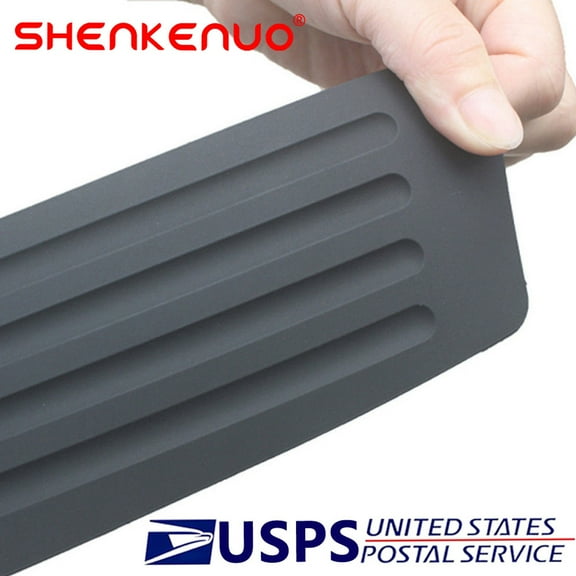

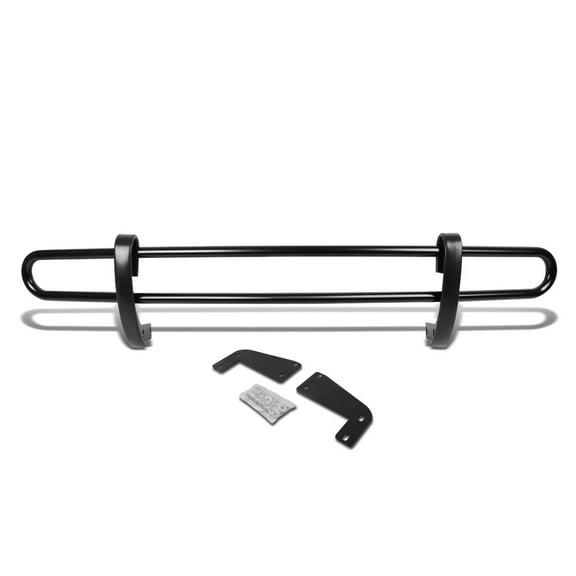


About Front Bumper Protector for Car & Bumper Guards - Walmart.com
You can narrow down bumper guards faster when you compare placement, material, fit type, and mounting style for your vehicle. You’ll find options for daily street parking, tight garages, and license plate areas where light contact happens often.
If you’re replacing a worn bumper protector or adding first-time coverage, you’ll want clear decision points before you choose. You can use this guide to compare front coverage, rear coverage, rubber construction, and installation methods that match your routine.
Choosing car bumper guards by placement
You should start with placement because a front bumper guard and a rear bumper guard solve different parking needs. You may want front coverage for curb approaches, while your rear area often needs help during parallel parking.
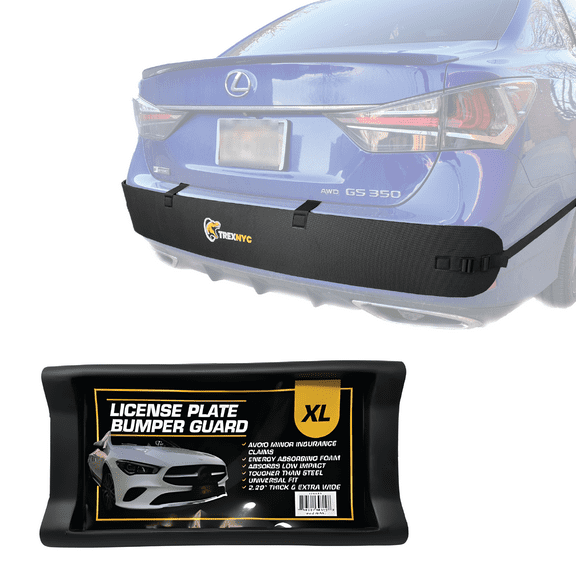
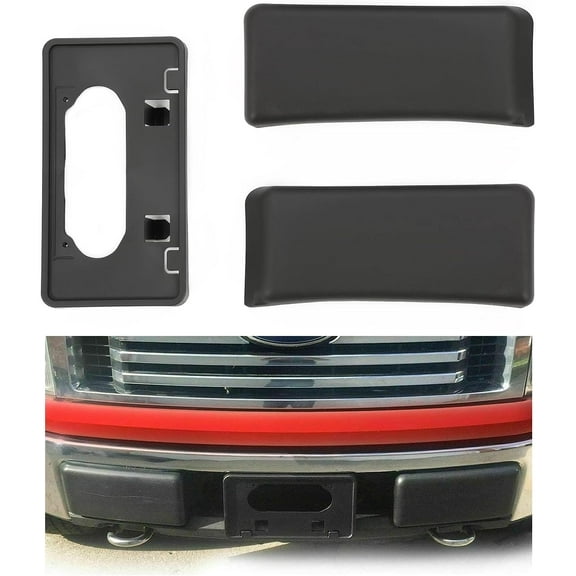
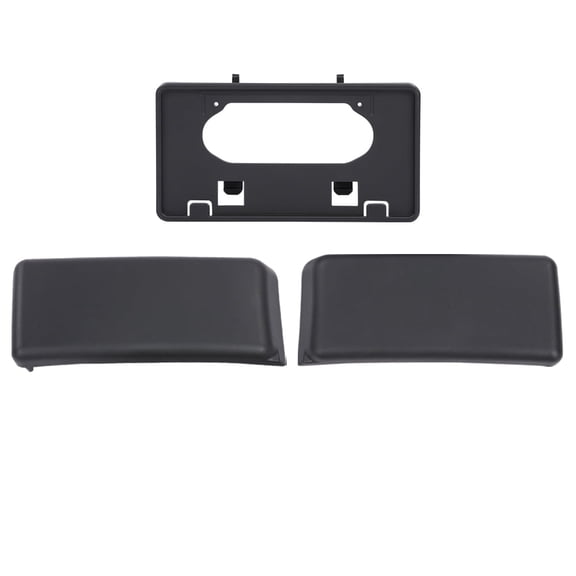
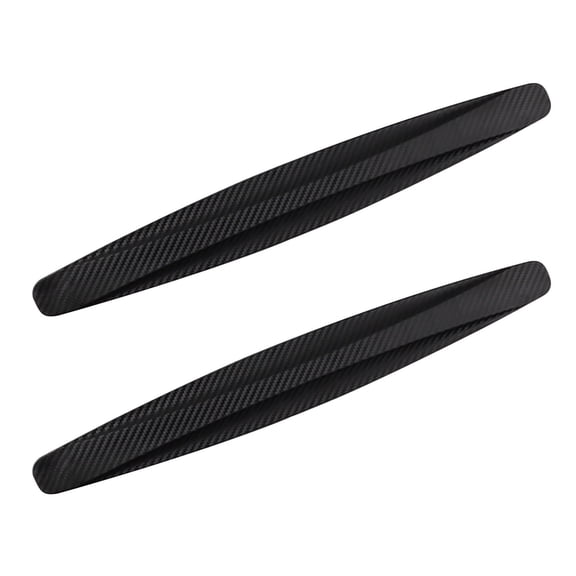
Corner styles can help you cover the edges where bumper contact often happens during tight turns. A license plate bumper guard can work well when you want centered protection without covering the full bumper face.
You should also check how much surface area you want to cover before you compare styles. If you street park often, you may prefer wider coverage that reaches common contact zones.
- You can choose front styles for curb-facing protection and head-in parking.
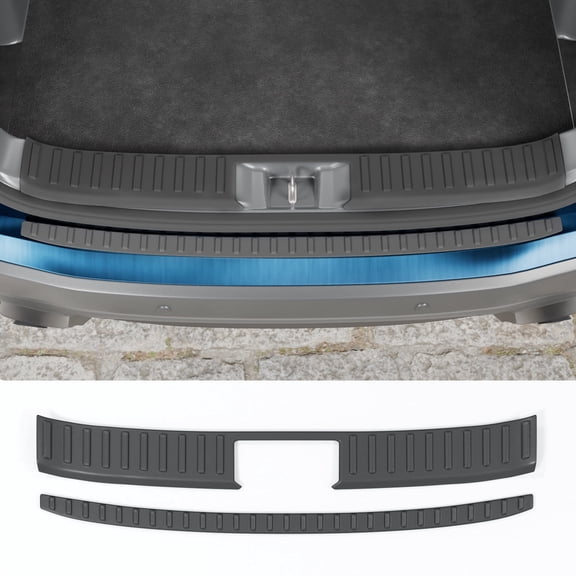
- You can choose rear styles for backing into tight spaces and parallel parking.
- You can choose corner designs when your bumper edges need focused coverage.
- You can choose a license plate bumper guard for centered protection around the plate area.
How to compare bumper guards by material
You should compare material next because it affects flexibility, surface feel, and long-term appearance. Rubber bumper guards usually feel more forgiving, while stainless steel and plastic can offer a firmer structure.
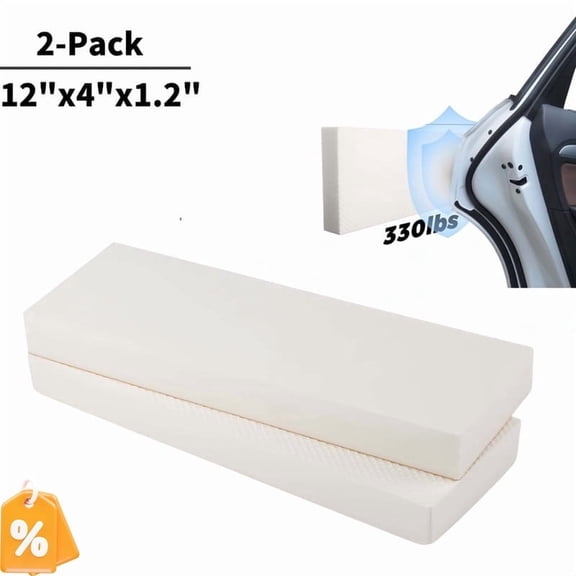
If you drive through changing weather, you may want rubber bumper guards that stay flexible during colder mornings. Foam styles can add cushioned contact, while plastic styles can feel lighter and easier to position.
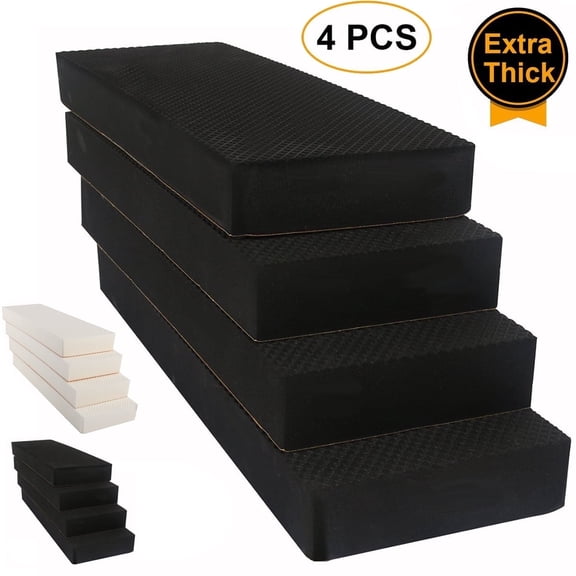
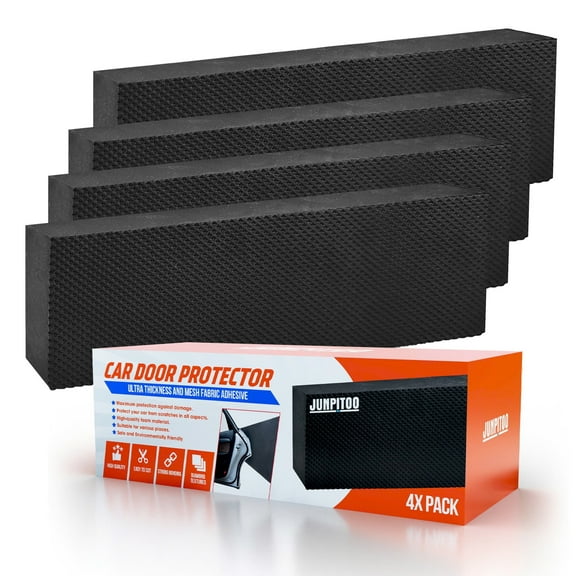
You should look at thickness and surface texture when you compare a bumper protector for daily use. A thicker design can provide more noticeable separation, and textured finishes may help your guard stay in place.
Choosing fit type for your vehicle
You should measure your bumper dimensions before you choose between universal fit and vehicle-specific options. You’ll want to compare width, height, and mounting point clearance so your guard sits cleanly.
Universal fit styles can give you broader compatibility across cars, SUVs, and trucks with simpler sizing. Vehicle-specific styles can match certain bumper shapes more closely when you want a tailored fit.
You should also compare stick-on and strap-on designs because each one changes your setup time. Stick-on styles can suit smooth surfaces, while strap-on options can help when you need removable coverage.
If you have parking sensors, trim pieces, or a curved bumper, you should check where the guard will rest. You can avoid a poor fit by measuring around plate frames, corners, and lower lip contours.
Attachment methods for bumper guards
You should pick the attachment method that matches your comfort level and your vehicle layout. Adhesive tape, license plate mounts, straps, and bolt-on styles each create a different setup experience.
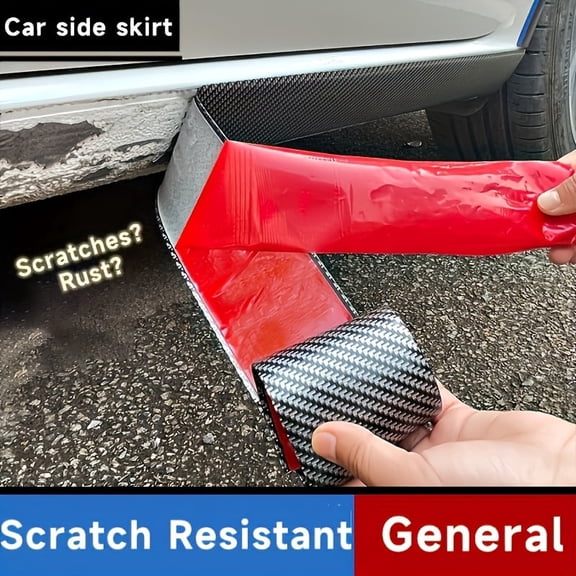
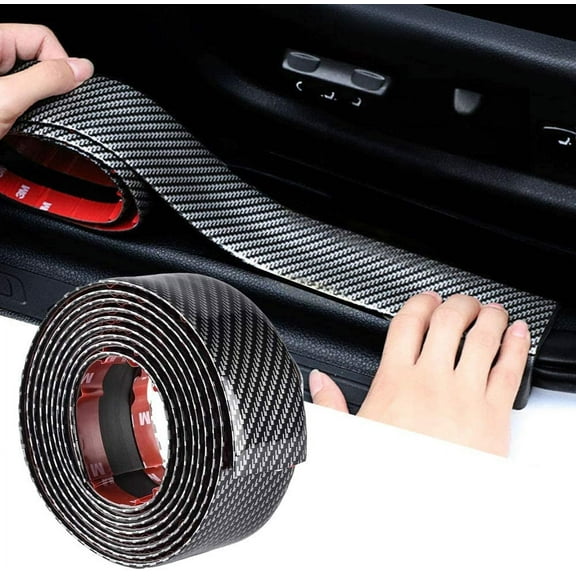
Adhesive tape styles can work well when you want a cleaner look and fewer visible parts. You’ll need a flat mounting area, and you should check the guard length before placement.
License plate mount designs can make sense when you want centered rear coverage with familiar mounting points. If you already use a rear plate bracket, you can compare how far the guard extends past it.
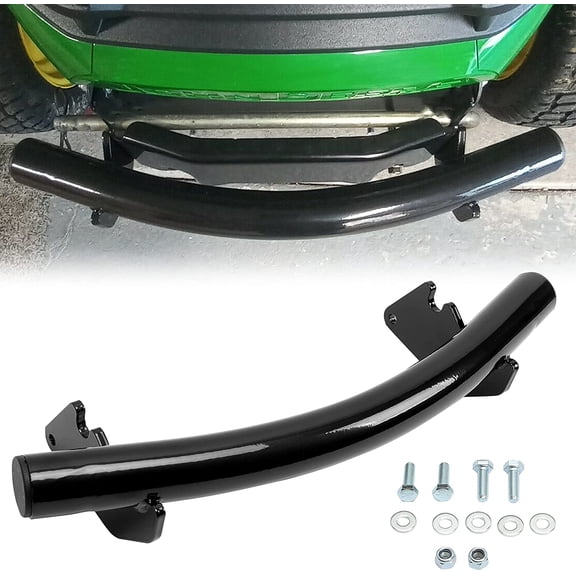
Strap-on options can help when you want removable protection for occasional street parking. Bolt-on styles can suit shoppers who prefer a more fixed install and already know their mounting locations.
Using bumper guards for everyday parking
You can match your choice to your routine once you understand placement, fit, and mounting method. If you parallel park daily, you may focus on rear protection with enough thickness for frequent contact zones.
If you use a compact garage, you may prefer a front bumper guard that helps during slow approaches. Corner coverage can also make sense when your space requires careful turns near walls or posts.
You might choose a rubber bumper protector for mixed weather and regular commuting. You can lean toward a license plate setup when you want targeted rear coverage without a full-width design.
If you switch vehicles or want seasonal flexibility, you may prefer universal fit or strap-on designs. When you know your exact bumper shape, you can compare vehicle-specific options for closer alignment.
What to look for before you choose bumper guards
You should confirm bumper dimensions, mounting point clearance, and nearby trim before you choose. You’ll also want to compare material feel, coverage width, and how much shock absorption thickness you prefer.
With those details in hand, you can choose bumper guards that fit your parking habits and your vehicle layout. You’ll get a clearer path to front, rear, corner, or license plate coverage that feels right from the start.